
Paraparatrechina concinnata
- Sci. Name
- Paraparatrechina concinnata
- Tribe
- Lasiini
- Subfamily
- Formicinae
- Author
- LaPolla & Cheng, 2010
- Distribution
- Found in 4 countries
Introduction
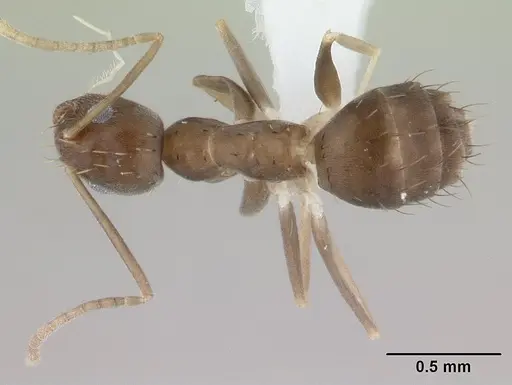
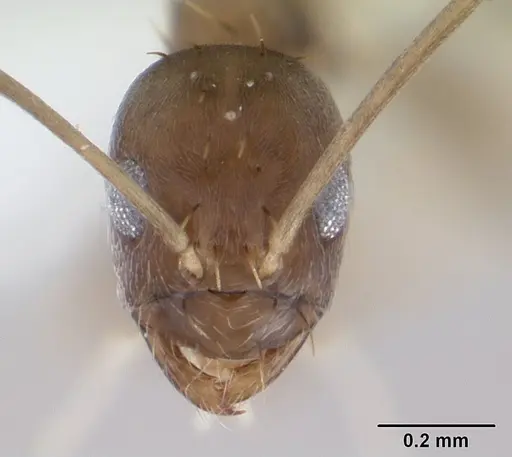
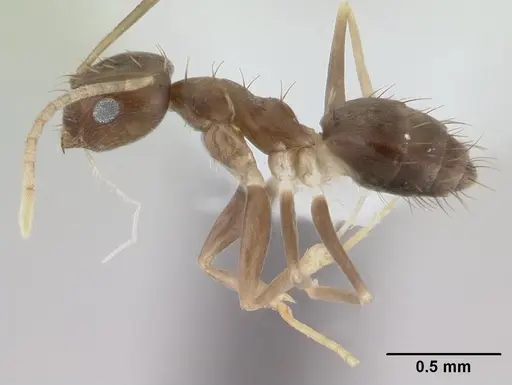
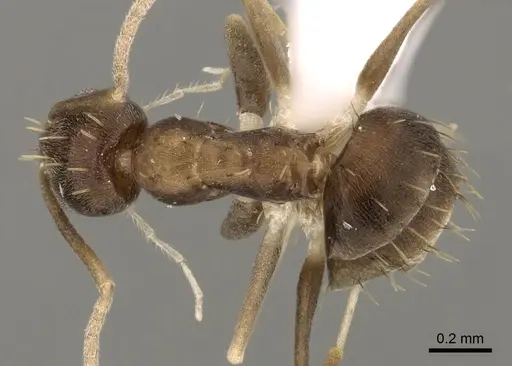
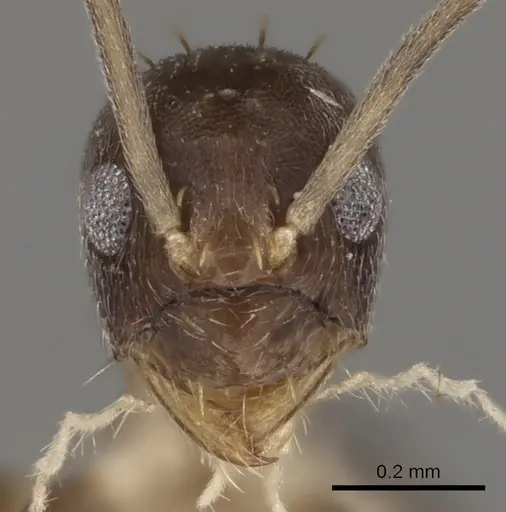
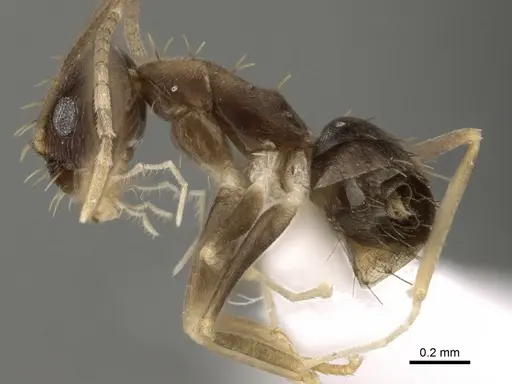
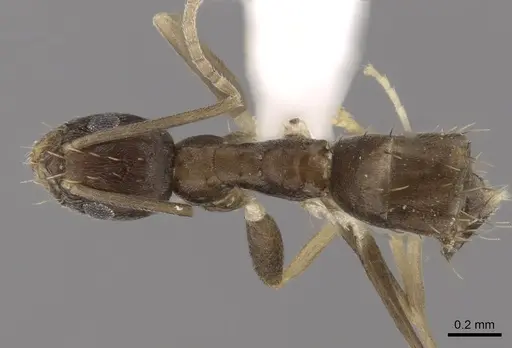
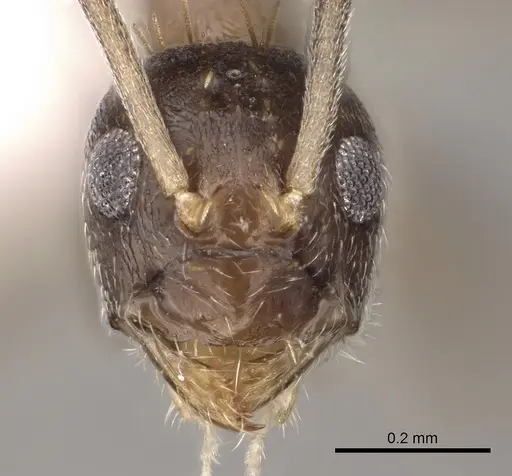
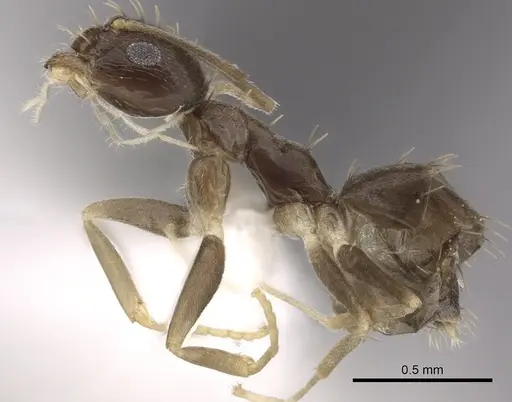
Paraparatrechina concinnata is a tiny African ant species. Workers are 1.73-2.16 mm in total length, with an elongated body and a distinctly longer-than-broad head . The head is brown and contrasts with yellowish-brown antennae and mandibles. Golden pubescence covers the head and mesosoma in neat rows, giving these ants a slightly shiny look . The scapes are long and extend past the head margin. The name comes from Latin for 'skillfully put together, ' referring to its graceful, elongated body . This species is closely related to Paraparatrechina splendida but can be told apart by its lighter color and shorter scape length . Only the worker caste has ever been described, queens, males, and colony structure remain unknown . That makes this a species for antkeepers who enjoy experimenting and learning through observation. They come from Central African rainforests, which gives us some general clues about humidity and temperature, but most of the care details will need to be figured out from your own experience.
Quick Summary
- Difficulty: Unknown, very small size and zero care guidelines make this unsuitable for beginners. Experienced keepers only.
- Origin & Habitat: Central Africa (Cameroon, Central African Republic, Gabon, Kenya, Uganda, Democratic Republic of Congo, Ghana) in rainforest and rainforest marsh clearings [3]
- Colony Type: Unknown, only worker caste has been described, so colony structure is unconfirmed
- Size & Growth:
- Queen: Unknown, queens have not been described in scientific literature [3]
- Worker: 1.73-2.16 mm total length [1][2]
- Colony: Unknown, no colony size data available
- Growth: Unknown, no development data available
- Development: Unknown, no direct measurements exist. Estimated 6-10 weeks at optimal temperature based on typical Formicinae patterns, but this is an unconfirmed guess. (This is a rough estimate based on genus-level patterns. No species-specific data exists.)
- Antkeeping:
- Temperature: Estimated 22-26°C based on rainforest origin. Start in the middle and watch your colony. A gentle temperature gradient helps them choose their preferred spot.
- Humidity: High humidity, keep the nest substrate consistently moist but not waterlogged. Rainforest habitat suggests very humid conditions [3].
- Diapause: Unknown, no research on seasonal behavior. Tropical rainforest species likely do not need formal hibernation, but may slow down during cooler periods.
- Nesting: Natural nesting is unknown. Based on related Paraparatrechina species and rainforest habitat, they probably prefer moist, dark spaces. Test tubes with water reservoirs, Y-tong (AAC) nests, plaster nests, or small soil nests work well for their tiny size.
- Behavior: Unstudied. Based on related Lasiini ants, they are likely generalist foragers that may tend aphids for honeydew. Their tiny size (under 2.2 mm) means escape prevention is critical, they can squeeze through very small gaps. Likely non-aggressive and skittish. Handle with great care because they are easily crushed.
- Common Issues: very small size makes escape prevention challenging, use fine mesh and tight-fitting lids with fluon barriers., no established care guidelines, you will be pioneering husbandry methods for this species., limited availability in the hobby, obtaining a colony may require specialized sources., queen and colony structure unknown, founding behavior is unpredictable., rainforest humidity requirements can be difficult to maintain consistently without causing mold.
Understanding Paraparatrechina concinnata
This is one of the most mysterious ant species in the hobby. Paraparatrechina concinnata was formally described in 2010 by LaPolla, Cheng, and Fisher [1]. Only worker specimens have ever been collected, no queens, males, or colony data has been published [1][3]. That means we have almost no biological information to guide captive care.
Workers are tiny, at just 1.73-2.16 mm total length [1]. Their mesosoma (the middle body segment) is elongated, and the head is distinctly longer than wide, giving them a graceful appearance. Golden pubescence covering their body in neat rows is distinctive under magnification [1][2]. The head is brown, antennae and mandibles are yellowish-brown, and the legs have white trochanters and tarsi [1].
The species is found across several Central African countries: Cameroon, Central African Republic, Gabon, Kenya, Uganda, Democratic Republic of Congo, and Ghana [3]. They live in rainforest and rainforest marsh clearings, which tells us they prefer humid, shaded places [3]. This habitat info is our best starting point for setting up a captive home.
Housing and Setup
Because of their tiny size and rainforest origin, humidity and escape prevention are your main concerns. For a founding colony (if you can get a queen), a standard test tube setup with a water reservoir and cotton plug works well, it keeps humidity high and gives the ants easy access to water.
Escape prevention is critical. At under 2.2 mm, these ants can slip through gaps you might not even see. Use fluon (ant barrier) around edges, make sure container lids fit tightly, and cover any ventilation holes with fine mesh. A drop of fluon around the rim of a test tube is enough for a small colony.
For larger colonies, a Y-tong (AAC) nest, plaster nest, or a naturalistic setup with moist substrate is good. The key is steady high humidity without letting the nest get waterlogged. You can provide a layer of moist coconut fiber or soil in a shallow container so the ants can move between damp and drier spots.
Temperature should be warm but not hot, aim for 22-26°C. A heating cable on one side of the nest creates a gradient so the ants can choose their comfort zone. Avoid direct heat sources that could dry out the nest. [3]
Feeding and Diet
Diet is unconfirmed, but we can guess based on related ants. Paraparatrechina belongs to the Lasiini tribe, which includes Lasius, generalist foragers that feed mainly on honeydew from aphids and scale insects, plus occasional small insects [3].
For captive care, offer sugar sources and protein. Sugar water, honey, or diluted maple syrup works for energy. For protein, give small soft-bodied prey like fruit flies, pinhead crickets, or small mealworms. Their tiny mouths can handle only very small pieces.
Start with small amounts and see what your colony accepts. Remove uneaten food after 24-48 hours to stop mold. Keep a constant sugar source (like a soaked cotton ball) available, and offer protein 2-3 times per week, adjusting based on colony size.
Watch for signs of acceptance. If workers are actively feeding on something, keep offering it. If they ignore certain foods, try something else. Every colony has its own preferences, and with an unstudied species like this, you'll be learning as you go.
Temperature and Seasonal Care
As a rainforest species from Central Africa, Paraparatrechina concinnata probably likes warm, humid conditions all year. There is no documented diapause requirement, and given its tropical origin, a formal hibernation period is likely not needed.
They may show reduced activity during cooler spells. If you keep them at room temperature (around 20-22°C), that should be fine. If your colony seems sluggish, slightly raising the temperature into the 24-26°C range might boost activity. Avoid temperatures above 30°C.
Humidity is probably more important than temperature. Rainforest means high ambient moisture. Keep the nest substrate damp but not soaking wet. A water reservoir in test tube setups works, or mist naturalistic setups periodically. The substrate should feel moist to the touch.
Use your colony's behavior as a guide. If workers cluster on the warm side, they want more heat. If they avoid the heated area, it's too warm. As long as the colony looks healthy and active, you've found their comfort zone. [3]
Challenges and What to Expect
The biggest challenge is the lack of established care guidelines. You are essentially pioneering husbandry for this species, which means some trial and error is expected. Don't get discouraged if your first attempts aren't perfect.
Finding colonies can also be tough. This species is not commonly kept or sold, so you may need to reach out to specialized breeders or look for wild populations where they are native.
Because they are so tiny, handling requires extra care. They are easy to crush. Move slowly when cleaning enclosures or moving colonies. A soft-bristled brush is better than forceps.
Watch for mold, the high humidity they need can encourage mold if leftover food piles up. Clean up uneaten prey quickly, and keep good ventilation without letting the nest dry out.
Despite the challenges, there is something rewarding about keeping a species where every observation adds to our collective knowledge. You will be contributing to what we know about this mysterious ant.
Frequently Asked Questions
How long does it take for Paraparatrechina concinnata to go from egg to worker?
This is unknown, no research has documented their development. Based on typical Formicinae patterns, you might expect 6-10 weeks at optimal temperatures, but that's an unconfirmed estimate. You'll need to observe your own colony.
What do Paraparatrechina concinnata ants eat?
Diet is unconfirmed, but based on related Lasiini ants, they probably accept sugar sources (honey, sugar water) and small soft-bodied prey like fruit flies or tiny insects. Offer a mix and see what your colony likes.
Do Paraparatrechina concinnata ants need hibernation?
Probably not, they come from tropical rainforests near the equator. No diapause has been documented. They may slow down during cooler periods but likely don't need a formal winter rest.
How big do Paraparatrechina concinnata colonies get?
Unknown, no colony size data exists. Related Paraparatrechina species typically have small to moderate colonies, so expect under a few hundred workers, but this is just a guess.
Are Paraparatrechina concinnata ants aggressive?
Behavior is unstudied, but based on related species, they are probably non-aggressive and would rather flee than fight. Their tiny size makes them fragile, so handle with care.
Can I keep multiple Paraparatrechina concinnata queens together?
Unknown, we don't know their colony structure. No research says whether they are single-queen or multi-queen. Until more is known, it is safest to keep only one queen per enclosure.
What temperature do Paraparatrechina concinnata ants need?
Estimated 22-26°C based on their rainforest origin. Start in the middle and adjust based on colony activity. Provide a temperature gradient so they can pick their preferred spot.
How do I prevent Paraparatrechina concinnata from escaping?
Escape prevention is critical because they are so tiny (under 2.2 mm). Use fine mesh on ventilation, apply fluon around edges, and make sure lids fit tightly. Check for any gaps larger than a fraction of a millimeter.
Are Paraparatrechina concinnata good for beginners?
Probably not. The lack of care information and their very small size make them better suited for experienced keepers who enjoy experimenting and documenting their observations.
What humidity do Paraparatrechina concinnata ants need?
High humidity based on their rainforest habitat. Keep the nest substrate consistently moist but not waterlogged. Aim for damp forest floor conditions.
Where is Paraparatrechina concinnata found in the wild?
Central Africa: Cameroon, Central African Republic, Gabon, Kenya, Uganda, Democratic Republic of Congo, and Ghana. They live in rainforest and rainforest marsh clearings [3].
Report an Issue
The current care sheet is based fully on literature. See inconsistencies, or something that's incorrect? Please , it will be resolved after review from an admin. Contributing to the blogs tab also helps providing information, to make us be able to further improve the caresheets. Thank you for your support!
References

This caresheet is licensed under CC BY-SA 4.0 .
Community Blogs
Literature
Loading distribution map...Loading products...