
Paraparatrechina aseta
- Sci. Name
- Paraparatrechina aseta
- Tribe
- Lasiini
- Subfamily
- Formicinae
- Author
- Forel, 1902
- Distribution
- Found in 0 countries
Introduction
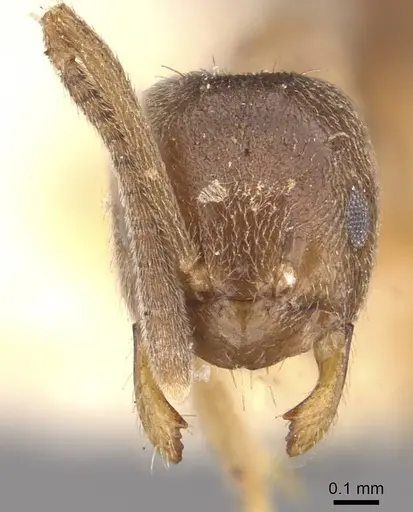
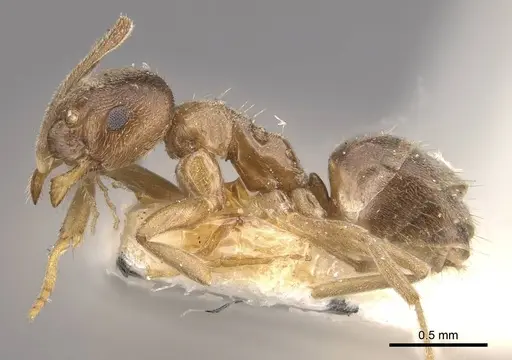
Paraparatrechina aseta is a tiny ant native to the Himalayan region of India and parts of China. Workers measure 2.05-2.17 mm total length with uniform light brown coloration . The species was originally described in 1902 and has undergone taxonomic changes, moving through Prenolepis, Nylanderia, and Paratrechina before being placed in Paraparatrechina . This ant is relatively rare and restricted to upper elevations in the Himalayas, typically found under stones at altitudes between 500-2000 m .
Quick Summary
- Difficulty: Medium
- Origin & Habitat: Upper Himalayan region of India (Gujarat, Himachal Pradesh, Jammu & Kashmir, Sikkim, West Bengal, Nagaland) and southern China. Found at elevations from 500 m to 2000 m, typically nesting under stones in mountainous areas [1][2].
- Colony Type: Unconfirmed colony structure.
- Size & Growth:
- Antkeeping:
- Temperature: Based on Himalayan origin (elevations 500-2000 m [1]), likely tolerates cooler temperatures. Start around 20-24°C and observe colony activity. Avoid overheating.
- Humidity: Found under stones in mountainous areas [1], prefers moderate humidity with some dry areas. Keep nest substrate slightly moist but not wet.
- Diapause: Unknown, no data on diapause requirements for this species.
- Nesting: Workers found under stones in nature [1], they likely prefer cool, shaded nesting sites. A test tube setup works well for founding colonies.
- Behavior: This is a tiny ant species with workers measuring 2.05-2.17 mm [1]. Their small size means escape prevention is critical, they can squeeze through very small gaps. Behavior towards humans is unconfirmed, but they are unlikely to be aggressive due to their size.
- Common Issues: escape prevention is critical due to their tiny size, as they can slip through standard test tube cotton barriers., colony size and growth expectations are uncertain due to lack of documented data., Himalayan origin suggests they need cooler conditions than typical tropical ants, avoid overheating., founding colonies may be slow to establish given limited data on their biology., care requires careful observation due to lack of documented species-specific information.
Nest Preferences
In the wild, workers have been collected from underneath stones in the Himalayan mountains [1]. This suggests they prefer cool, shaded, and relatively humid microhabitats. For captive care, a standard test tube setup works well for founding colonies. The key is avoiding overheating, place the nest in a location away from direct sunlight and heat sources.
Feeding and Diet
As an opportunist functional group species [3], Paraparatrechina aseta likely has a flexible diet. They probably scavenge for small insects, honeydew, and sugary substances. For captive colonies, offer sugar water or honey constantly, and protein sources like small insects 2-3 times per week. Remove uneaten prey after 24-48 hours to prevent mold.
Temperature and Seasonal Care
This species comes from the Himalayan region where temperatures are cooler than tropical areas. They have been found at elevations from 500 m to 2000 m [1], suggesting they prefer moderate temperatures around 20-24°C. Avoid keeping them warm like tropical ants, overheating is a risk. During winter, reduce temperatures to simulate their natural cycle, but diapause requirements are unknown.
Behavior and Temperament
These are small ants with workers measuring 2.05-2.17 mm [1]. Their tiny size means they pose no sting threat to keepers. Workers have a pruinose appearance due to fine pubescence [1]. The main concern is escape prevention due to their size, use tight barriers in housing.
Frequently Asked Questions
How long does it take for Paraparatrechina aseta to produce first workers?
Unknown, no development data exists for this species.
Can I keep Paraparatrechina aseta in a test tube?
Yes, a test tube setup works well for this species. Use a small test tube with a water reservoir and ensure tight barriers due to their tiny size [1].
What temperature should I keep Paraparatrechina aseta at?
Keep them at moderate temperatures around 20-24°C. They come from high-elevation Himalayan areas where it's cooler than tropical regions [1]. Avoid overheating.
Do Paraparatrechina aseta need hibernation?
Unknown, no data on diapause requirements for this species.
How big do Paraparatrechina aseta colonies get?
Colony size is not documented in scientific literature.
What do Paraparatrechina aseta eat?
Based on their opportunist classification [3], they likely accept a varied diet. Offer sugar water or honey constantly, and protein sources like small insects 2-3 times per week.
Are Paraparatrechina aseta good for beginners?
This species is not ideal for complete beginners because there is very limited documented care information. Experienced antkeepers should be able to keep them with careful observation.
Can I keep multiple Paraparatrechina aseta queens together?
This has not been documented. The colony structure is unconfirmed, so it's safest to keep only one queen per setup.
Why are my Paraparatrechina aseta escaping?
Their tiny size means they can squeeze through very small gaps. Use tightly packed cotton or fine mesh barriers to prevent escapes [1].
Report an Issue
The current care sheet is based fully on literature. See inconsistencies, or something that's incorrect? Please , it will be resolved after review from an admin. Contributing to the blogs tab also helps providing information, to make us be able to further improve the caresheets. Thank you for your support!
References

This caresheet is licensed under CC BY-SA 4.0 .
Community Blogs
CASENT0910999
View on AntWeb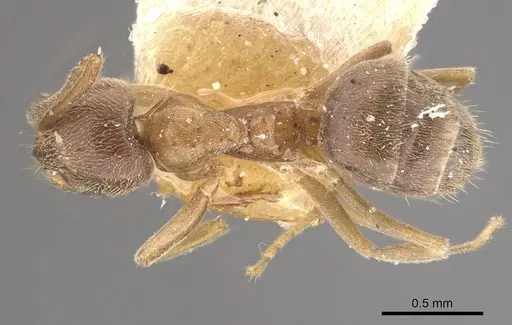
Literature
Loading distribution map...Loading products...