
Papyrius nitidus
- Sci. Name
- Papyrius nitidus
- Tribe
- Leptomyrmecini
- Subfamily
- Dolichoderinae
- Author
- Mayr, 1862
- Distribution
- Found in 2 countries
Introduction
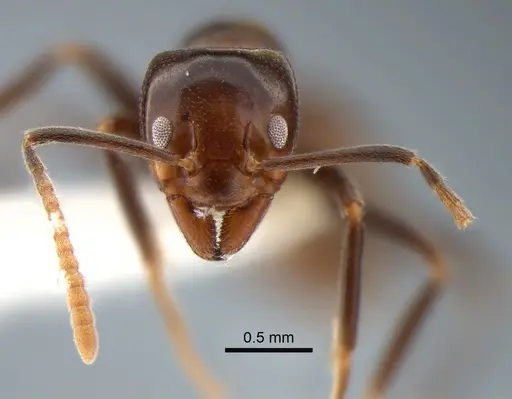
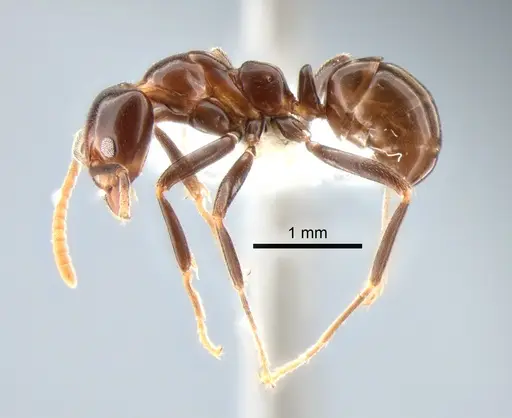
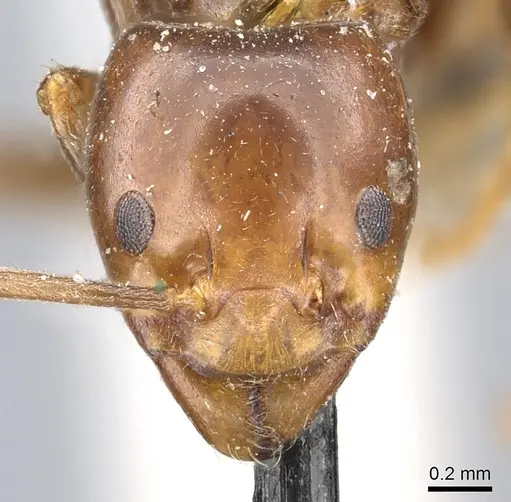
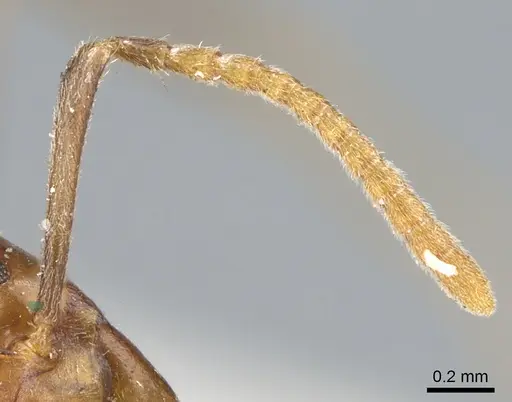
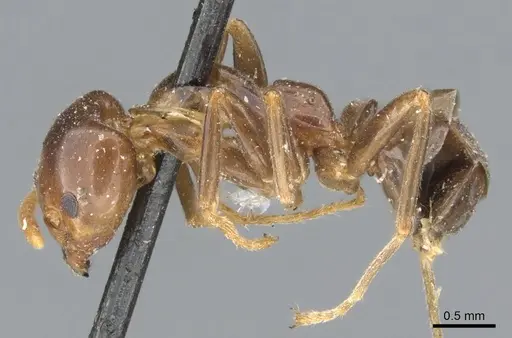
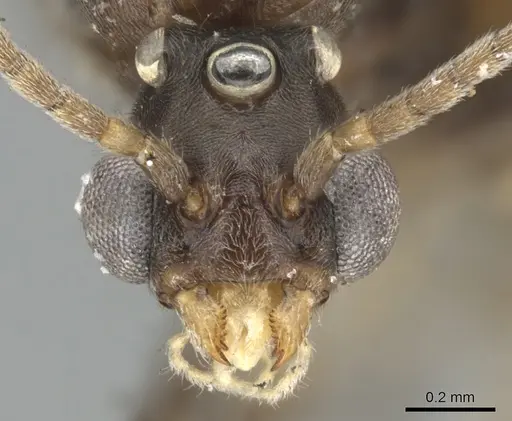
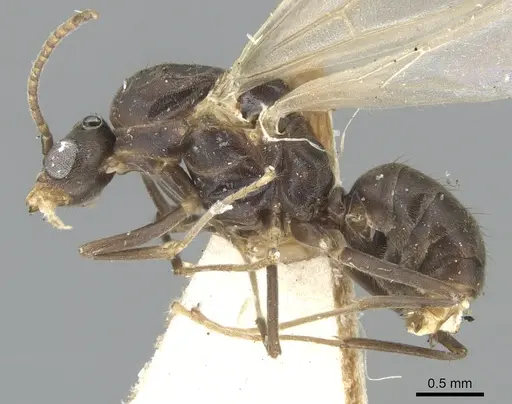
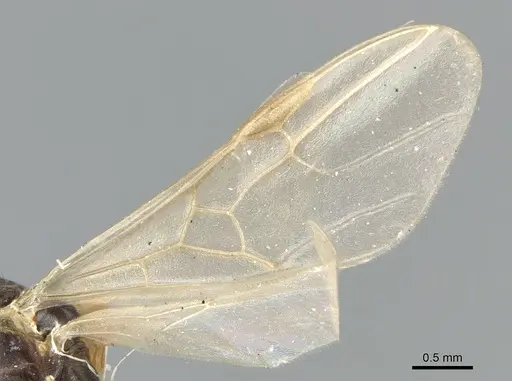
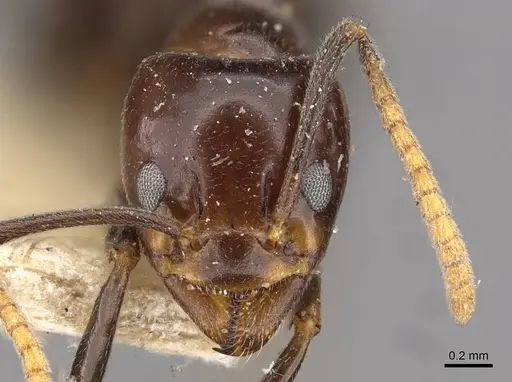
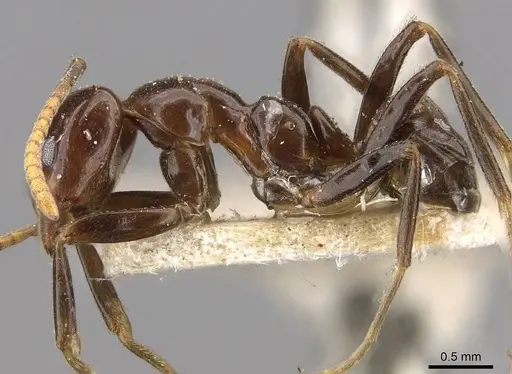
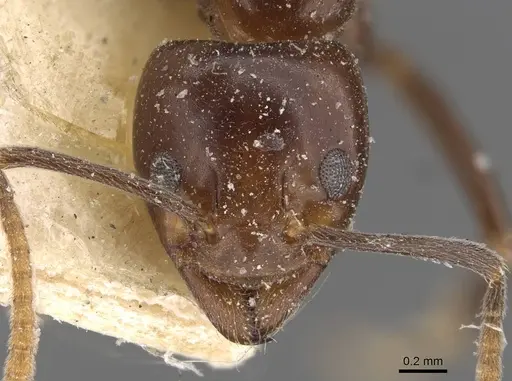
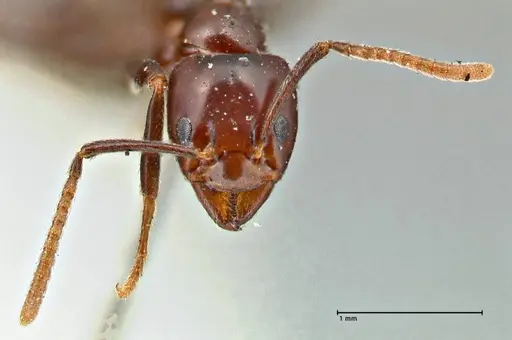
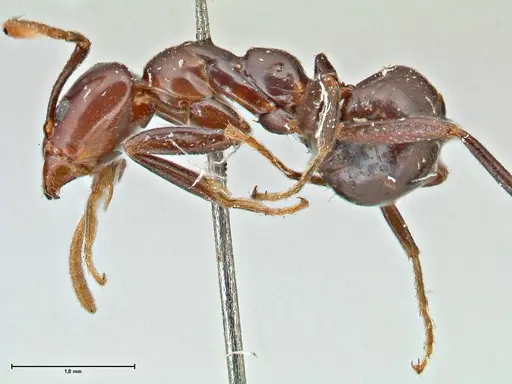
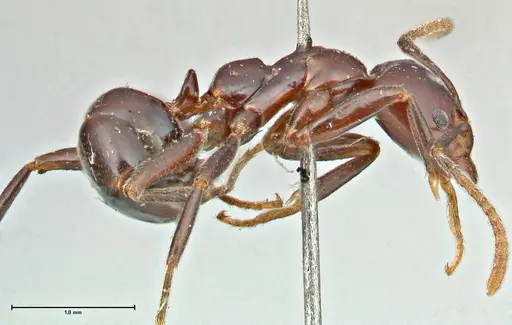
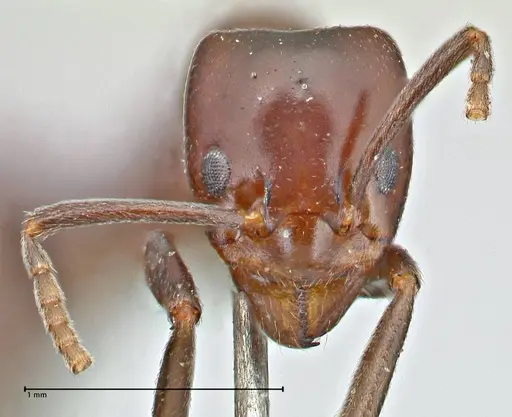
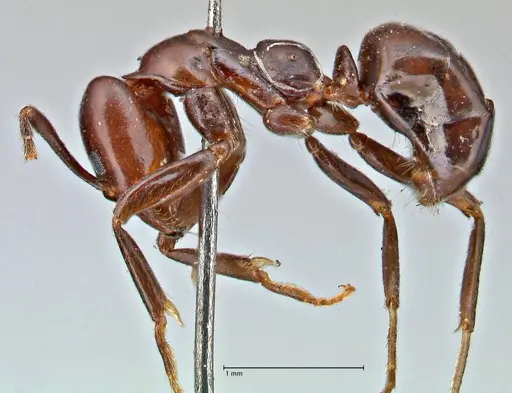
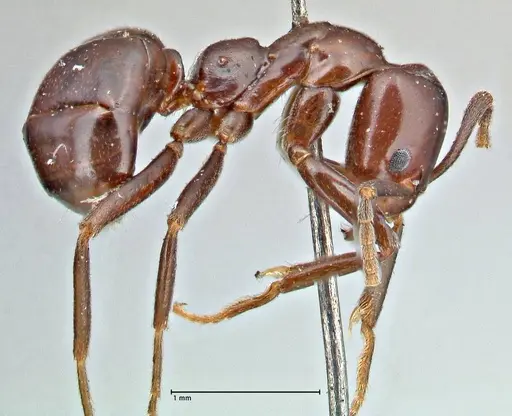
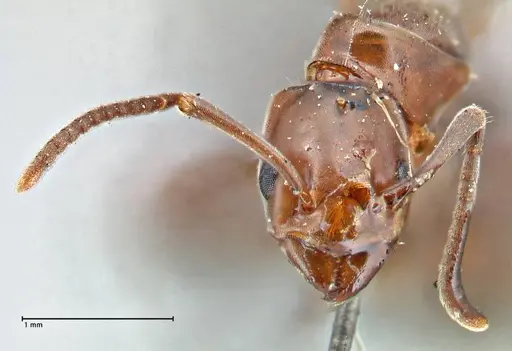
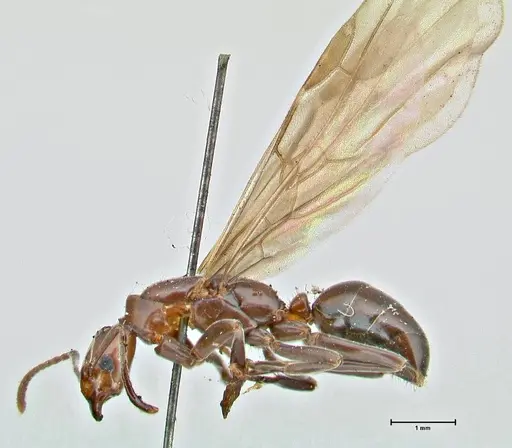
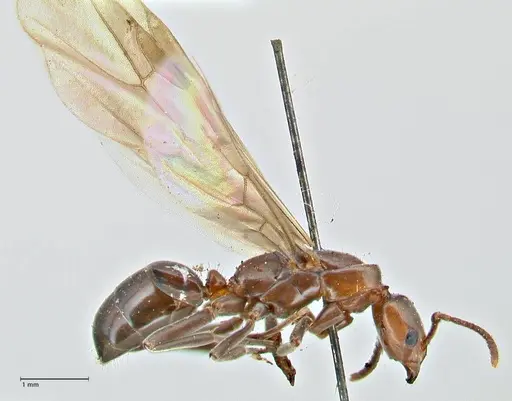
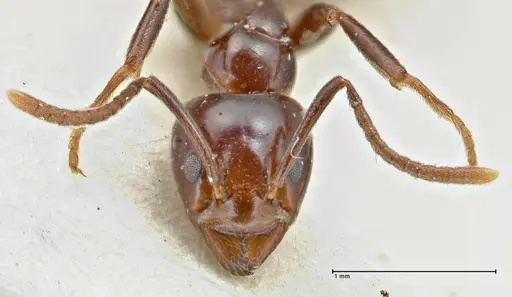
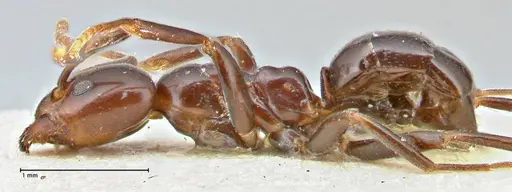
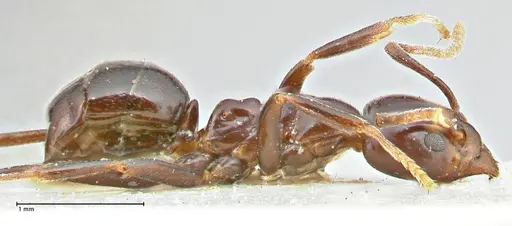
Papyrius nitidus is an ant in the Dolichoderinae subfamily, found across Australia (WA, NSW, NT) and New Guinea . Size data is unavailable from current research. This species is the only Papyrius in Western Australia, making it distinctive . Papyrius nitidus hosts myrmecophilous organisms, such as butterfly larvae that live in its nests . It also tends scale insects and leafhoppers, which can be useful in agriculture .
Quick Summary
- Difficulty: Easy
- Origin & Habitat: Native to Australia and New Guinea, widespread in the South-West Botanical Province and Kimberley Region [1].
- Colony Type: Unconfirmed, likely single-queen colonies based on typical Dolichoderinae patterns, but not documented.
- Size & Growth:
- Queen: Size data unavailable
- Worker: Size data unavailable
- Colony: Up to several hundred workers estimated [4]
- Growth: Moderate, inferred from typical Dolichoderinae development
- Development: Unknown, inferred from typical Dolichoderinae patterns [4] (Development time is not specific to this species)
- Antkeeping:
- Temperature: Keep at moderate temperatures, roughly 22-26°C, based on typical Australian ant conditions [4]
- Humidity: Keep nest substrate consistently moist but not waterlogged [4]
- Diapause: Unknown, based on Australian distribution, may require mild winter slowdown, but not confirmed
- Nesting: Prefer nests that mimic natural conditions, such as Y-tong, plaster, or soil nests. Avoid acrylic nests.
- Behavior: Workers are active foragers with a calm temperament. They lack a functional sting and use defensive chemicals from the abdomen. Escape risk is moderate due to their size [4].
- Common Issues: colonies may fail if kept too dry, ensure consistent moisture in nesting area, slow growth may frustrate keepers expecting rapid development, wild-caught colonies may harbor parasites that can harm captive populations, queen replacement is unconfirmed, if queen dies, colony may not recover
Housing and Nest Preferences
Papyrius nitidus adapts well to captive setups. In the wild, they nest in fallen logs and ground locations [1][2], so use Y-tong, plaster, or soil nests to mimic this. Provide a nest chamber with moderate humidity, allowing some drying between water additions. Avoid overly spacious nests for these small ants.
Feeding and Diet
In nature, Papyrius nitidus tends scale insects and butterfly larvae, indicating a preference for sugar sources like honeydew [3][2]. In captivity, offer sugar water or honey constantly, and provide protein such as small insects 2-3 times per week. Balance offerings to ensure varied diet.
Temperature and Seasonal Care
As an Australian species, keep temperatures around 22-26°C for optimal activity. Room temperature within this range works well. Diapause is unconfirmed, but if colony slows in winter, reduce temperatures to 15-18°C for a few months [4].
Behavior and Colony Dynamics
Workers are calm foragers that tend other insects for honeydew [3]. They use defensive chemicals instead of stinging. Escape risk is moderate, use standard barriers like fluon for their size [4].
Frequently Asked Questions
How long does it take for Papyrius nitidus to produce first workers?
Egg to worker time is unknown, inferred from typical Dolichoderinae development, roughly 6-10 weeks at optimal temperature [4].
Can I keep Papyrius nitidus in a test tube setup?
Yes, test tube setups work for founding colonies. Keep cotton moist but not flooded, and move to a larger nest when the colony grows [4].
What do Papyrius nitidus eat?
They accept sugar water or honey constantly, and protein like small insects [3][2].
Are Papyrius nitidus good for beginners?
Yes, they are easy to keep with calm temperament and straightforward care [4].
Do Papyrius nitidus need hibernation?
Diapause is unconfirmed, but a mild winter slowdown may occur. Reduce temperatures if colony activity drops [4].
When should I move my colony to a formicarium?
Move when the test tube is overcrowded, typically after several workers emerge [4].
How big do Papyrius nitidus colonies get?
Colonies may reach up to several hundred workers over time [4].
Why are my Papyrius nitidus dying?
Common causes include dry conditions, poor nutrition, or parasites from wild-caught colonies. Adjust moisture and diet accordingly.
Report an Issue
The current care sheet is based fully on literature. See inconsistencies, or something that's incorrect? Please , it will be resolved after review from an admin. Contributing to the blogs tab also helps providing information, to make us be able to further improve the caresheets. Thank you for your support!
References

This caresheet is licensed under CC BY-SA 4.0 .
Community Blogs
CASENT0070200
View on AntWeb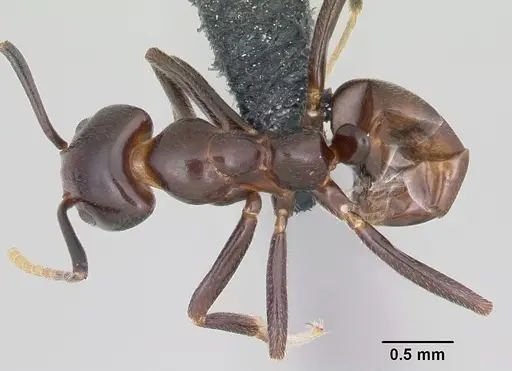
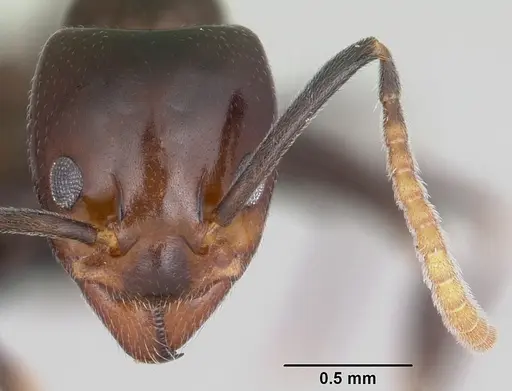
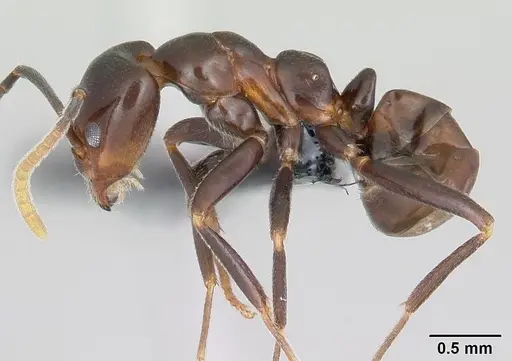
CASENT0104657
View on AntWeb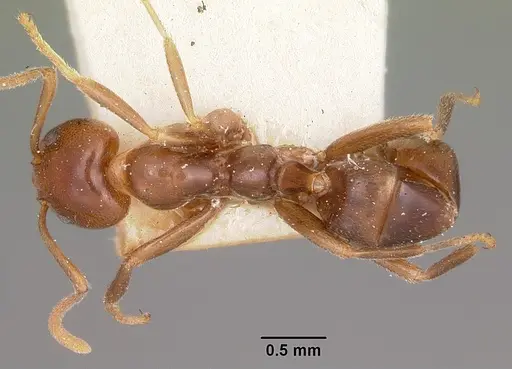
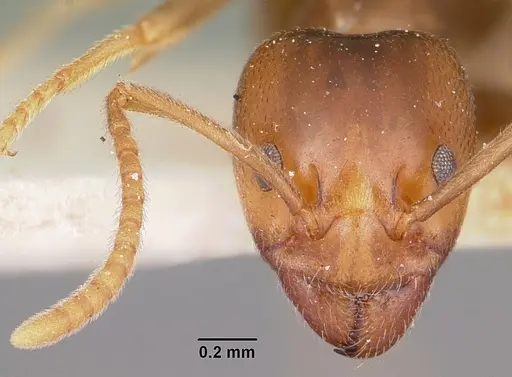
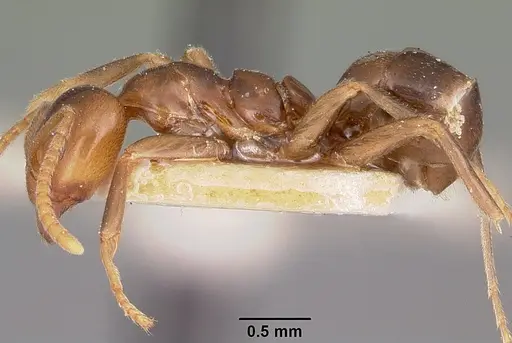
CASENT0106012
View on AntWeb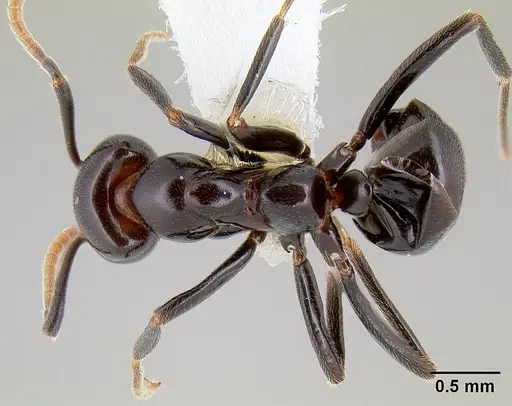
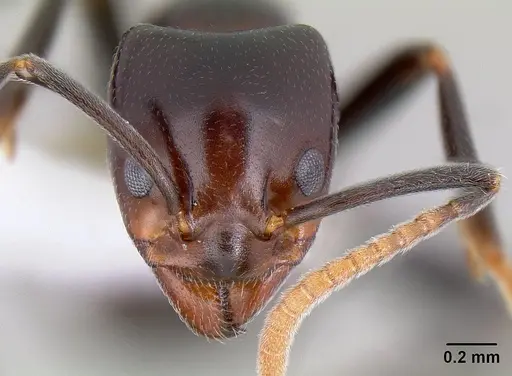
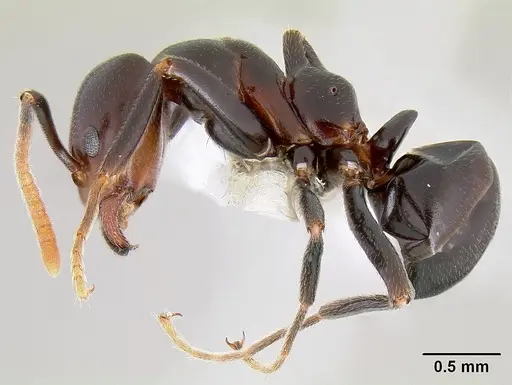
CASENT0249756
View on AntWeb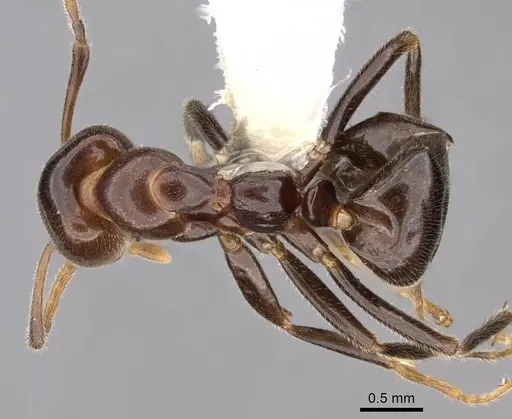
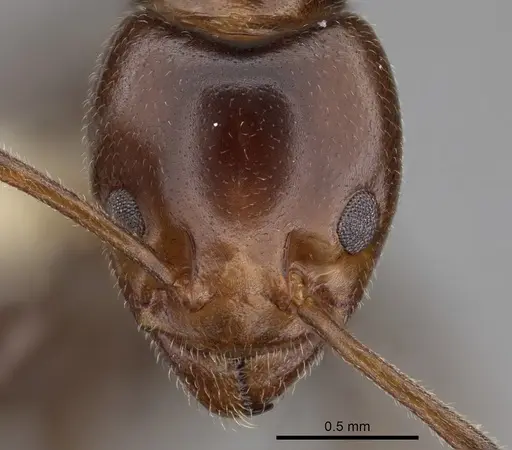
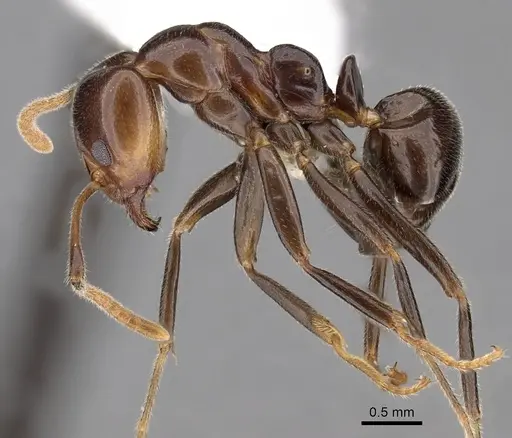
CASENT0886964
View on AntWeb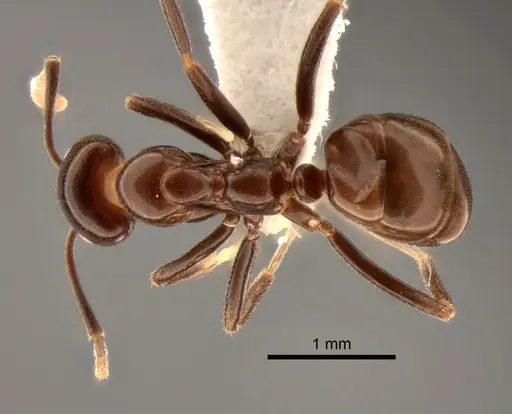
CASENT0902997
View on AntWeb
CASENT0903664
View on AntWeb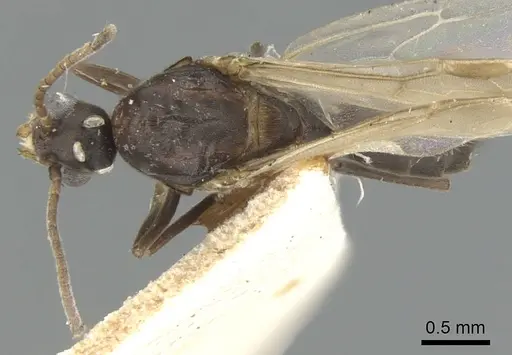
CASENT0909552
View on AntWeb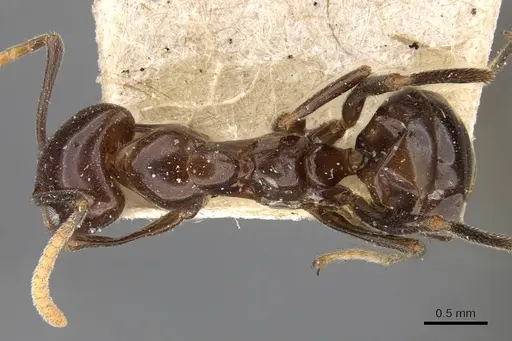
CASENT0909553
View on AntWeb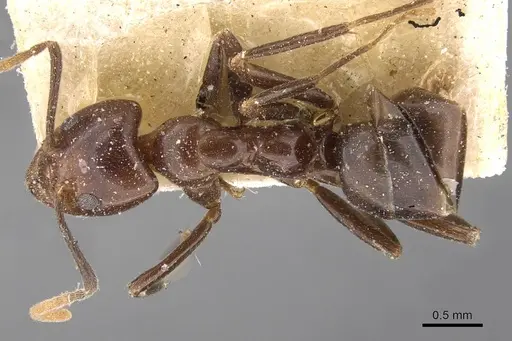
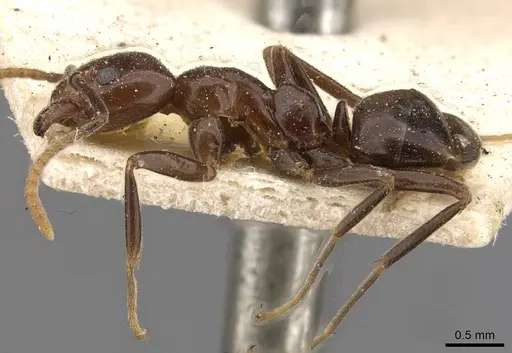
CASENT0915546
View on AntWeb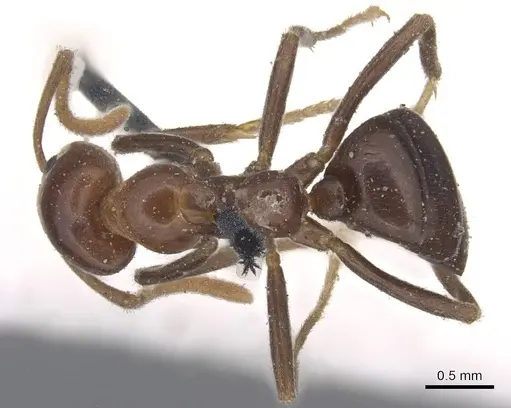
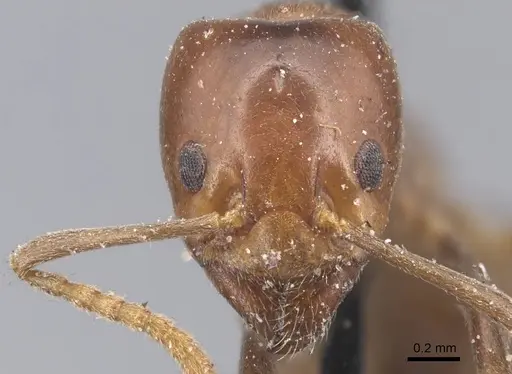
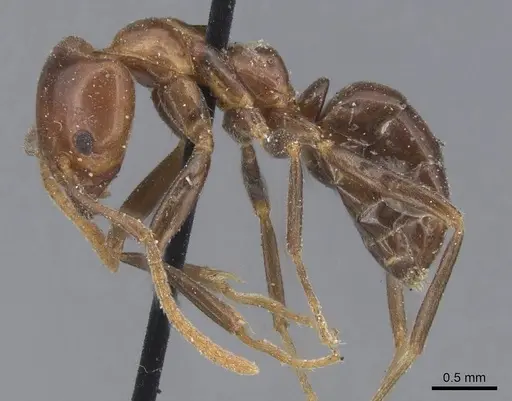
FOCOL2841
View on AntWeb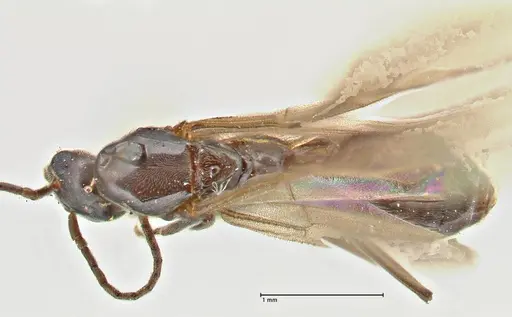
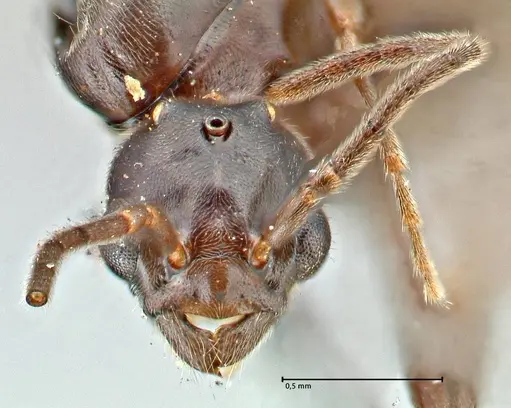
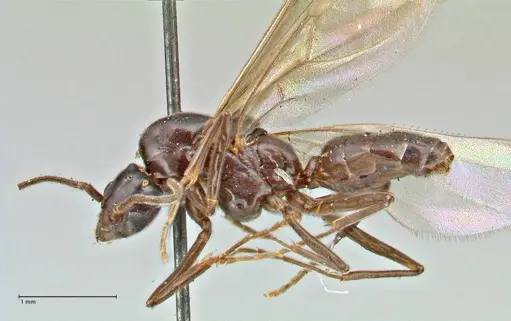
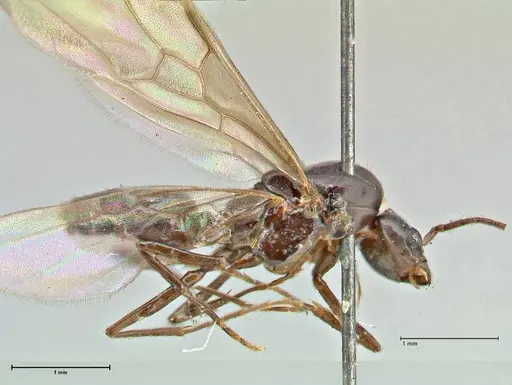
FOCOL2842
View on AntWeb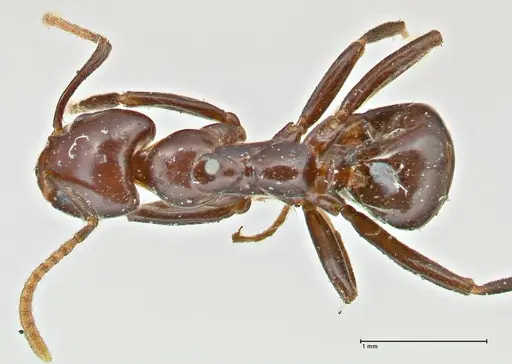
FOCOL2843
View on AntWeb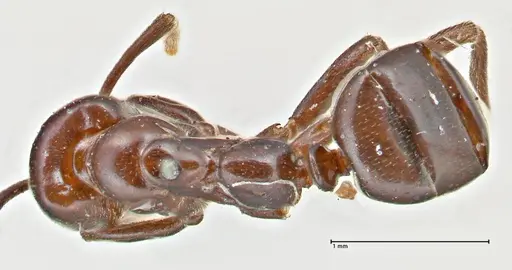
FOCOL2844
View on AntWeb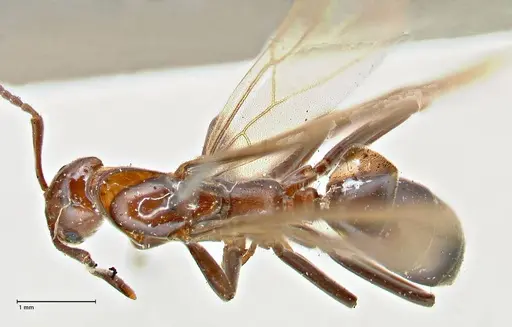
FOCOL2845
View on AntWeb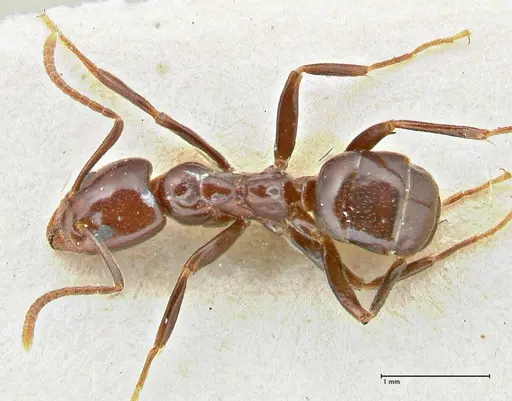
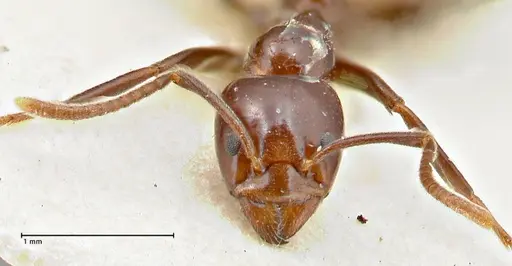
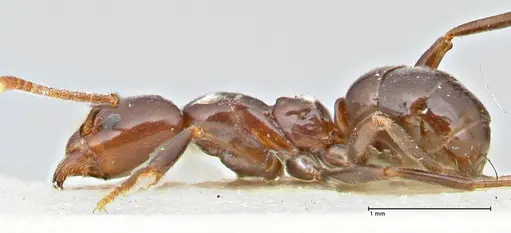
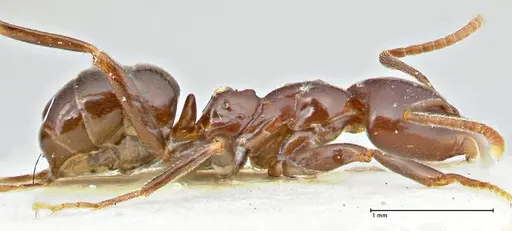
FOCOL2846
View on AntWeb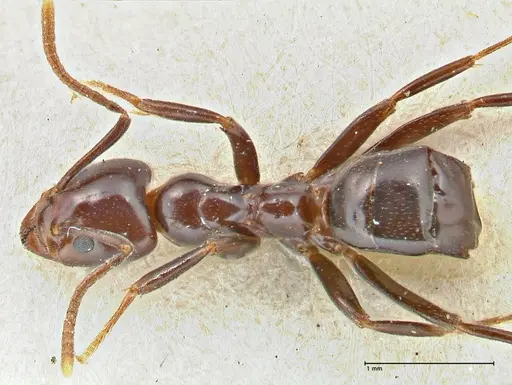
Literature
Loading distribution map...Loading products...