
Pachycondyla fuscoatra
- Sci. Name
- Pachycondyla fuscoatra
- Tribe
- Ponerini
- Subfamily
- Ponerinae
- Author
- Roger, 1861
- Distribution
- Found in 2 countries
Introduction
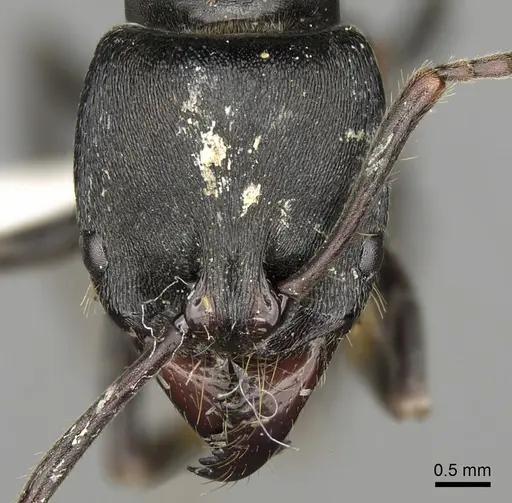
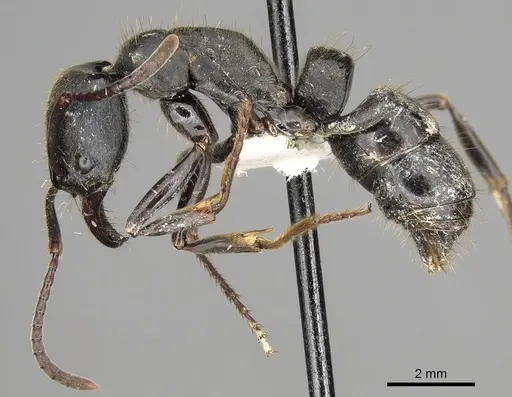
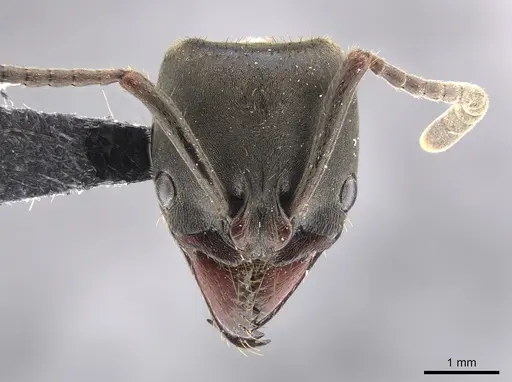
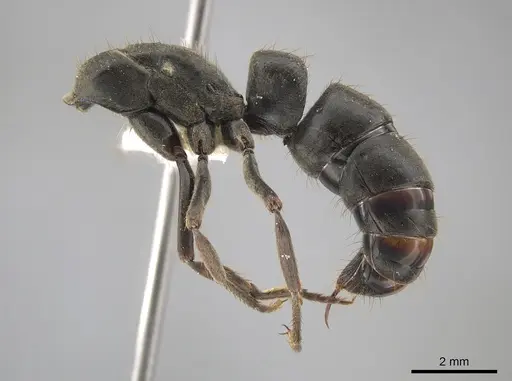
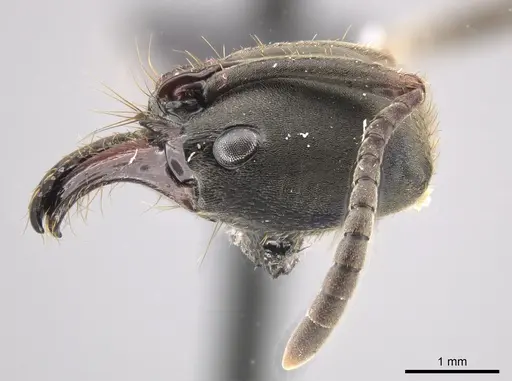
Pachycondyla fuscoatra is a large predatory ant species found throughout northern South America, from Costa Rica down to Brazil . Workers reach about 13 mm in length, while queens can grow to 15 mm, with dark, almost black coloration and brownish appendages . The name 'fuscoatra' literally means 'dark black' in Latin . This species is part of the Pachycondyla genus, which are known predatory ants in the Ponerinae subfamily. However, P. fuscoatra remains one of the least studied ants in the genus - most specimens have been collected incidentally through pitfall traps and Winkler extractions rather than through targeted research . They inhabit humid rainforest environments at elevations between 1500-2050 meters, where they likely prey on other small invertebrates in the leaf-litter layer .
Quick Summary
- Difficulty: Medium
- Origin & Habitat: Northern South America (Costa Rica to Brazil), primarily in humid tropical and low montane rainforests at elevations of 1500-2050m [1][2]. Found in both mature and secondary forest patches.
- Colony Type: Colony structure is unconfirmed. Like most Pachycondyla species, they likely form single-queen colonies, but this has not been directly documented.
- Size & Growth:
- Queen: ~15 mm [2]
- Worker: ~13 mm [2]
- Colony: Unknown, no colony size data exists for this species
- Growth: Unknown
- Development: Unknown, no direct data exists. Based on typical Pachycondyla development, estimates range from 8-12 weeks at warm temperatures. (No species-specific data, estimates based on genus patterns.)
- Antkeeping:
- Temperature: Keep at 22-26°C, mimicking their highland rainforest origin. A gentle gradient allowing workers to self-regulate is ideal [1].
- Humidity: High humidity is essential. These ants come from perpetually humid rainforest environments, keep the nest substrate consistently moist but not waterlogged [1].
- Diapause: Likely a mild seasonal slowdown during cooler months, though not a true hibernation. Reduce feeding and lower temperatures slightly during winter months.
- Nesting: Provide a naturalistic setup with moist substrate (like a digging container or Y-tong with soil). Their natural habitat is forest floor leaf-litter, so they prefer enclosed, humid nest chambers over exposed areas [1].
- Behavior: Pachycondyla fuscoatra is a predatory ant that likely hunts small invertebrates in the leaf-litter layer. They are relatively large ants with a potent sting, treat them as capable of painful defensive bites. Workers are moderately active foragers. Escape prevention is important given their size and strength, standard barriers work well for ants this large. They are not known to be particularly aggressive toward keepers but will defend the nest if threatened.
- Common Issues: humidity failure, dry nest conditions will kill the colony [1], starvation, without live prey, brood development will stall, escape risk, large size requires secure barriers to prevent outbreaks, temperature extremes, improper heating or cooling can harm colony health
Housing and Nest Setup
For Pachycondyla fuscoatra, you'll want to replicate their natural rainforest floor habitat. A naturalistic setup with a deep container filled with moist soil or a Y-tong nest with soil chambers works well. The key is maintaining high humidity while providing proper ventilation to prevent mold. These are large ants, so give them appropriately sized chambers, not too cramped, but not huge empty spaces either. A water reservoir connected to the nest helps maintain humidity over time. Since they're predatory, include some substrate depth so they can hunt and forage as they would on the forest floor. An outworld connected to the nest allows you to offer prey without disturbing the nest chamber [1][2].
Feeding and Diet
As a Pachycondyla species, P. fuscoatra is predatory and needs a protein-rich diet. Offer small live invertebrates like fruit flies, small crickets, mealworms, and other appropriately sized prey. Since they're large ants, they can take down prey that smaller ants couldn't handle. Feed them prey items 2-3 times per week, adjusting based on colony size and appetite. Remove uneaten prey after 24-48 hours to prevent mold. Sugar sources like honey or sugar water may be accepted as supplementary energy, but protein from live prey is essential for brood development.
Temperature and Humidity
Maintain temperatures in the 22-26°C range, which mimics their highland rainforest origin. A slight temperature gradient (warmer on one side) allows the ants to regulate their own conditions. Heating cables or mats placed on one side of the nest work well, but always use them on top of the nest, not underneath, to avoid evaporating moisture too quickly. Humidity is critical, the nest substrate should feel consistently moist but never waterlogged. Mist the nest occasionally and monitor condensation levels. In dry environments, you may need to mist more frequently or use a water reservoir system [1].
Seasonal Care and Overwintering
In their native range, seasonal temperature swings are milder than in temperate regions, but there are still seasonal patterns. During winter months, you can reduce temperatures by 3-5°C and reduce feeding frequency. This is not a true hibernation but a period of reduced activity. Watch your colony's behavior, if workers become sluggish and cluster together, they're entering their seasonal slowdown. Resume normal feeding and temperatures when you see increased activity in spring.
Handling and Temperament
Pachycondyla fuscoatra has a potent sting and should be handled with respect. They're not naturally aggressive but will defend their nest if threatened. When working with them, use gentle movements and avoid disturbing the nest directly. If you need to move them, coax them into a test tube or container rather than picking them up with your hands. Their large size makes them easier to handle than tiny ants, but their sting means you should still exercise caution. Escape prevention is straightforward for ants this size, standard barrier methods work well [2].
Frequently Asked Questions
How long does it take for Pachycondyla fuscoatra to have first workers?
The exact timeline is unknown since this species hasn't been studied in captivity. Based on typical Pachycondyla development patterns, expect 8-12 weeks from egg to worker at optimal temperatures (24-26°C). This is an estimate, actual times may vary.
Can I keep Pachycondyla fuscoatra in a test tube setup?
A test tube can work for a founding queen or small colony, but you'll need to upgrade to a larger setup quickly. These are large ants that need space for hunting and foraging. A naturalistic setup with soil or a Y-tong nest is more appropriate for established colonies [2].
What do Pachycondyla fuscoatra eat?
They are predatory ants that need live protein prey. Feed them small insects like fruit flies, small crickets, mealworms, and similar invertebrates. They may also accept sugar water or honey as an energy supplement. Remove uneaten prey after a day to prevent mold.
Are Pachycondyla fuscoatra good for beginners?
This species is not ideal for complete beginners due to their specific humidity requirements and the fact that very little species-specific care information exists. However, if you have experience with other Ponerinae or large ants and can maintain high humidity, they can be kept successfully. Expect to learn as you go since there's limited documented care for this rarely studied species.
How big do Pachycondyla fuscoatra colonies get?
The maximum colony size is unknown, no wild colony data exists for this species. Based on similar Pachycondyla species, colonies likely reach several hundred workers. They are not known for forming supercolonies.
Do Pachycondyla fuscoatra need hibernation?
They likely need a mild seasonal slowdown rather than true hibernation. Reduce temperatures by 3-5°C and feed less frequently during winter months. Monitor your colony's behavior, if they become less active, this is normal seasonal adjustment.
Can I keep multiple Pachycondyla fuscoatra queens together?
This has not been documented for this species. Based on typical Pachycondyla behavior, they likely form single-queen colonies. Combining unrelated queens is not recommended without documented evidence that they can coexist.
Why is so little known about this ant species?
Pachycondyla fuscoatra is rarely collected and studied. Most specimens have been found incidentally in pitfall traps and Winkler extractions during broader biodiversity surveys, rather than through targeted research [2]. This means we know very little about their specific behaviors, colony dynamics, or captive care requirements.
What makes Pachycondyla fuscoatra different from similar species?
Pachycondyla fuscoatra can be distinguished from similar species like P. impressa and P. striata by its elevated humeral angle that overhangs the pronotal sides, and its matte (rather than shiny) gaster. They also have a longer petiole compared to P. striata. These are subtle identification features that require close examination [2].
Report an Issue
The current care sheet is based fully on literature. See inconsistencies, or something that's incorrect? Please , it will be resolved after review from an admin. Contributing to the blogs tab also helps providing information, to make us be able to further improve the caresheets. Thank you for your support!
References

This caresheet is licensed under CC BY-SA 4.0 .
Community Blogs
CASENT0281903
View on AntWeb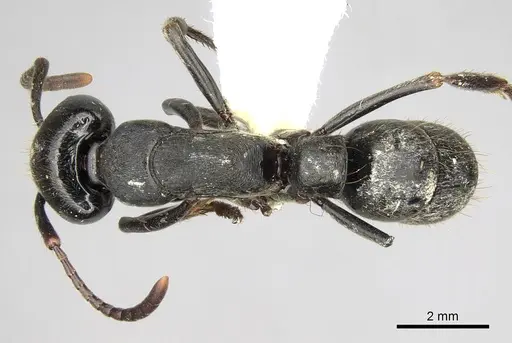
CASENT0635975
View on AntWeb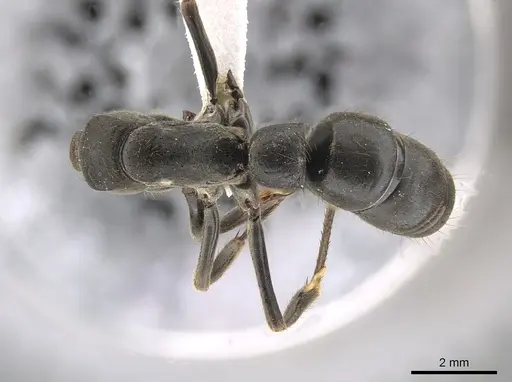
Literature
Loading distribution map...Loading products...