
Oxyopomyrmex nitidior
- Sci. Name
- Oxyopomyrmex nitidior
- Tribe
- Stenammini
- Subfamily
- Myrmicinae
- Author
- Santschi, 1910
- Distribution
- Found in 1 countries
Introduction
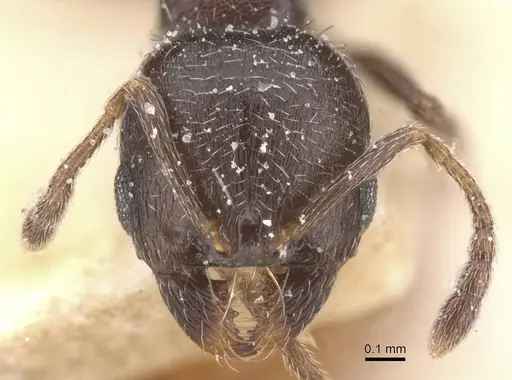
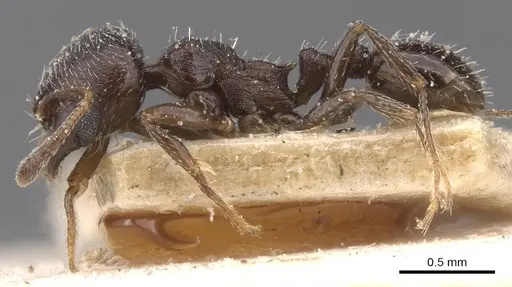
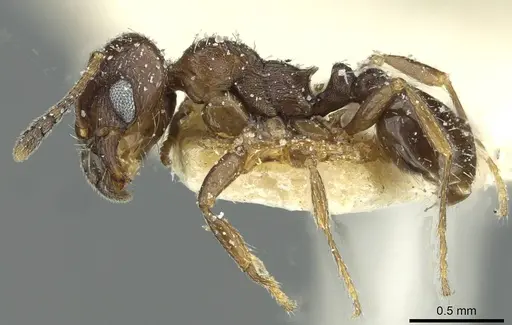
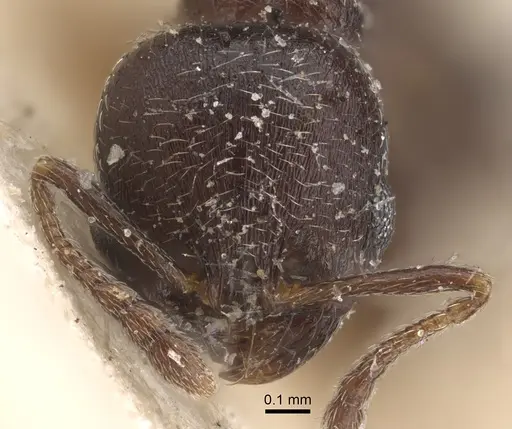
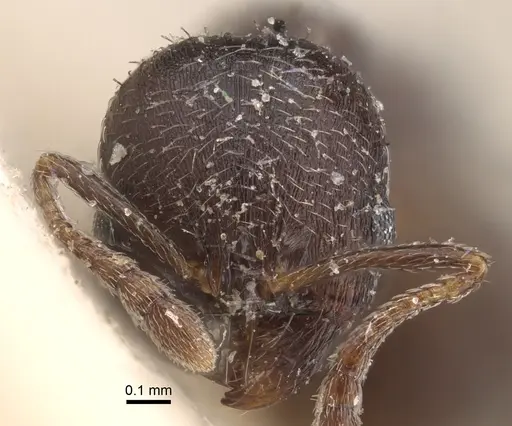
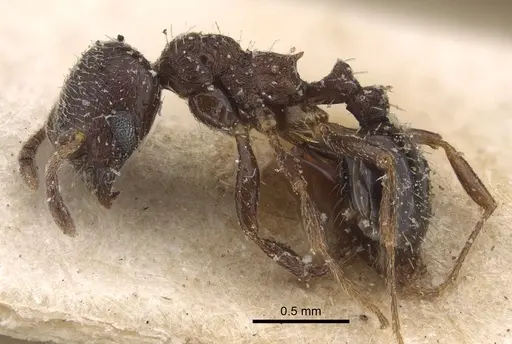
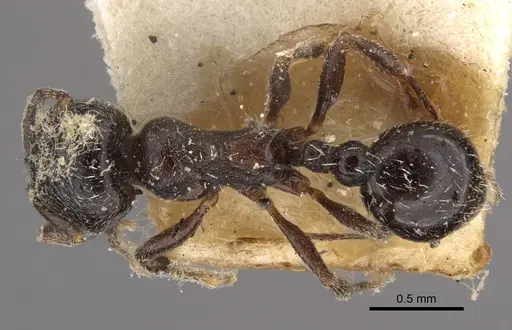
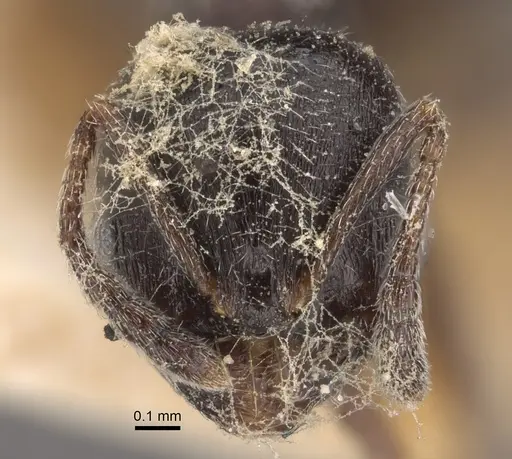
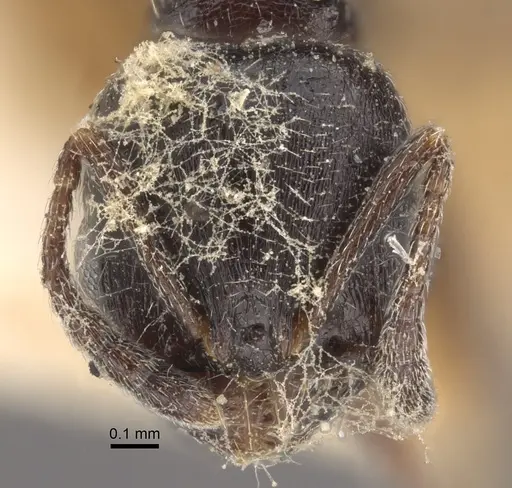
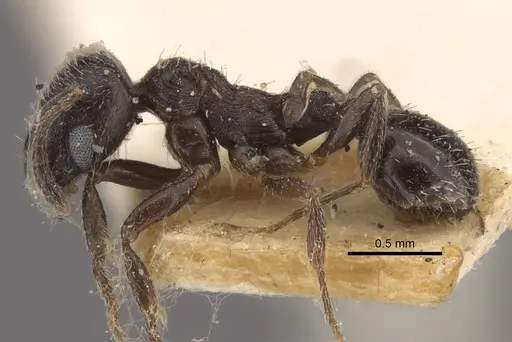
Oxyopomyrmex nitidior is a small myrmicine ant native to North Africa and the Middle East. Workers are very small, with a total length of approximately 0.47 mm . They have a brown to black head and thorax, a darker abdomen, and paler legs . The species is identified by a unique smooth and shiny area at the center of the frons . It is found in Algeria, Egypt, Saudi Arabia, and Tunisia , typically in sandy soil habitats with crater-shaped nest entrances, and in dry pasture in highland alluvial valleys . A distinctive feature is the smooth center of the frons, which remains shiny even when the rest of the head has striation .
Quick Summary
- Difficulty: Medium
- Origin & Habitat: Native to Algeria, Egypt, Saudi Arabia, and Tunisia in the Palearctic region. Found in sandy soil habitats with crater-shaped nest entrances, and in dry pasture in highland alluvial valleys [1][2].
- Colony Type: Colony structure is unconfirmed. Only the worker caste has been documented [1].
- Size & Growth:
- Queen: Unknown, no queen measurements available
- Worker: Workers have a total length of approximately 0.47 mm [1].
- Colony: Unknown, no colony size data available
- Growth: Unknown, no development data available
- Development: Unknown, no direct development data exists for this species [1]. (Development timeline is unconfirmed.)
- Antkeeping:
- Temperature: Based on the species' distribution in North Africa and the Middle East, aim for warm conditions. Room temperature is likely acceptable, but a gradient can be provided [1].
- Humidity: Prefers dry conditions. Keep nest substrate lightly moist but allow it to dry between waterings, as they inhabit arid sandy environments [1].
- Diapause: Unknown, the Palearctic distribution suggests possible winter slowdown, but specific requirements are unconfirmed [1].
- Nesting: Naturally nests in sandy soil with crater entrances. In captivity, provide a nest with sandy substrate, such as a Y-tong or plaster nest [1].
- Behavior: Workers are small myrmicine ants. No specific aggression or stinging information is available, but related species are generally non-aggressive. Escape risk is high due to their very small size [1].
- Common Issues: colony size and growth rate are unknown, making planning difficult., no documented founding behavior, wild queens have never been described., hibernation requirements are unconfirmed, which may cause problems for keepers in temperate climates., escape prevention is critical due to very small worker size.
Nest Preferences and Housing
Oxyopomyrmex nitidior naturally nests in sandy soil, with distinctive crater-shaped nest entrances [1]. In captivity, provide a nest setup with a sandy substrate component. A Y-tong nest with a sand chamber works well, or a plaster nest with a digging area. The key is providing a substrate they can manipulate and that drains well. These ants prefer dry conditions, so avoid overly humid setups. A small water tube for humidity is sufficient, do not saturate the nest. Escape prevention should be high due to their very small size, ensure any connections are tight to prevent escapes [1].
Feeding and Diet
Feeding behavior is unconfirmed for this species. Based on general myrmicine patterns, they likely have an omnivorous diet, collecting seeds and small insects in the wild. In captivity, offer a mix of protein sources (e.g., small crickets, fruit flies) and carbohydrates (e.g., sugar water, honey). Start with small prey items appropriate to their size and observe what they accept. Remove uneaten food after 24-48 hours to prevent mold [1].
Temperature and Seasonal Care
This species originates from North Africa and the Middle East, where temperatures are warm. Aim for nest temperatures around room temperature, with a gentle warmth gradient if needed. A heating cable placed on one side of the nest can create this gradient. Regarding winter rest: the Palearctic distribution suggests some seasonal adjustment, but specific diapause requirements are unconfirmed. If your colony shows reduced activity in winter, allow a cool period around 15-18°C for 2-3 months [1].
Colony Development and Expectations
This is a lesser-studied ant species, and realistic expectations are important. No queen has been described in scientific literature, and colony founding behavior is completely unconfirmed. If you obtain a colony, expect slow initial growth. The first workers may emerge after several weeks, but this is unconfirmed. Colony size at maturity is unknown. Patience is essential, do not overfeed or disturb the nest while waiting for the first workers. Monitor for mold and maintain appropriate humidity levels [1].
Frequently Asked Questions
How long does it take for Oxyopomyrmex nitidior to produce first workers?
The exact development timeline is unconfirmed for this species. No direct observations exist, so keepers should expect variability and monitor closely [1].
What do Oxyopomyrmex nitidior ants eat?
Feeding is unconfirmed, but based on general myrmicine behavior, offer small protein sources and carbohydrates. Start with small prey and remove uneaten food promptly [1].
Can I keep Oxyopomyrmex nitidior in a test tube?
Test tubes can work for founding colonies, but these ants naturally nest in sandy soil. A test tube setup should have a sand-filled chamber or be transitioned to a more naturalistic setup with sandy substrate as the colony grows. Ensure proper escape prevention due to their small size [1].
Do Oxyopomyrmex nitidior ants sting?
Stinging behavior is unconfirmed for this species. Most small myrmicine ants can sting but rarely do so, and their small size typically makes stings imperceptible. Handle gently regardless [1].
What temperature is best for Oxyopomyrmex nitidior?
Based on their distribution, aim for warm conditions around room temperature. A heating cable can provide a gradient if needed [1].
Do Oxyopomyrmex nitidior need hibernation?
Hibernation requirements are unconfirmed. Their Palearctic distribution suggests possible winter slowdown, but specific needs are unknown. If activity reduces in winter, a cool period may be beneficial [1].
How big do Oxyopomyrmex nitidior colonies get?
Colony size is unknown, no scientific documentation exists. Expect moderate sizes based on related species, but this is an estimate only [1].
Is Oxyopomyrmex nitidior a good species for beginners?
This species is not recommended for beginners due to limited care information and unconfirmed founding behavior. Start with better-documented species like Lasius or Camponotus [1].
Can I keep multiple Oxyopomyrmex nitidior queens together?
Colony structure is unconfirmed. No information exists on whether this species is single-queen or multi-queen. Do not attempt to combine unrelated queens without evidence [1].
Why are my Oxyopomyrmex nitidior dying?
Common causes include inappropriate humidity (they prefer dry conditions), temperature stress, mold from overfeeding, and disturbance during founding. Ensure sandy substrate is not waterlogged and minimize nest disturbances [1].
Report an Issue
The current care sheet is based fully on literature. See inconsistencies, or something that's incorrect? Please , it will be resolved after review from an admin. Contributing to the blogs tab also helps providing information, to make us be able to further improve the caresheets. Thank you for your support!
References

This caresheet is licensed under CC BY-SA 4.0 .
Community Blogs
CASENT0913245
View on AntWeb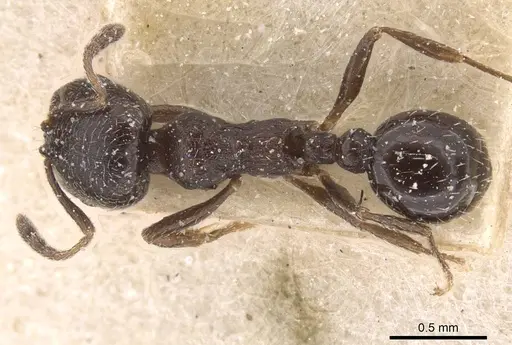
CASENT0913246
View on AntWeb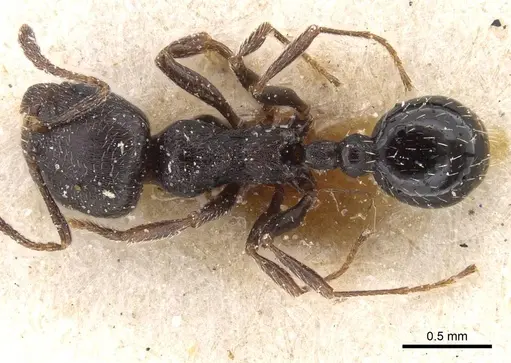
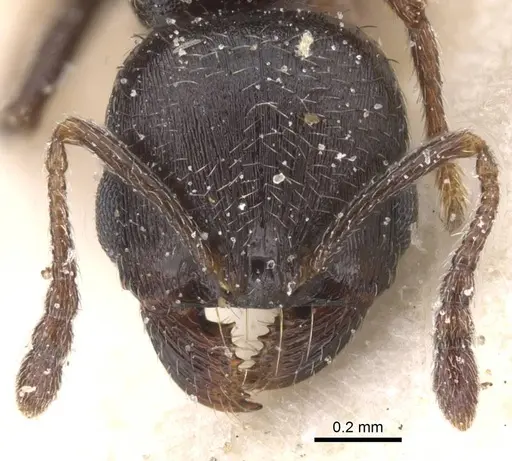
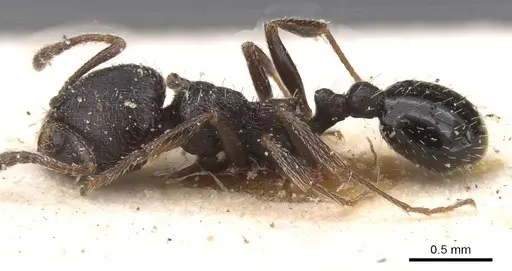
CASENT0913250
View on AntWeb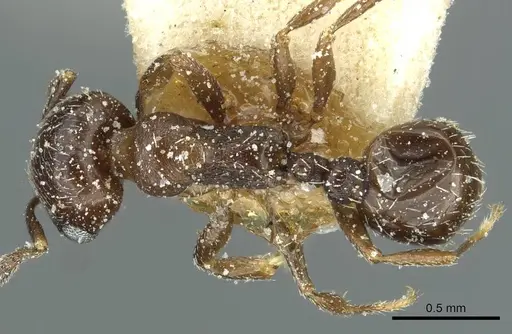
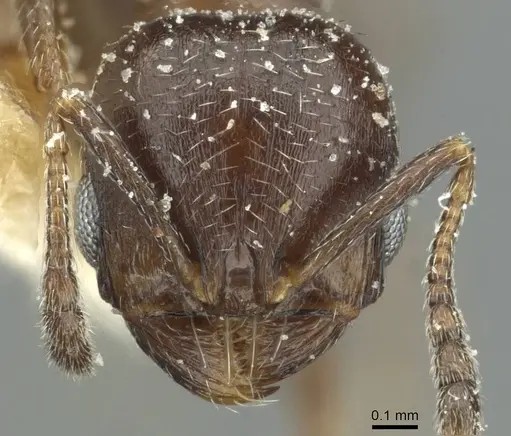
CASENT0917759
View on AntWeb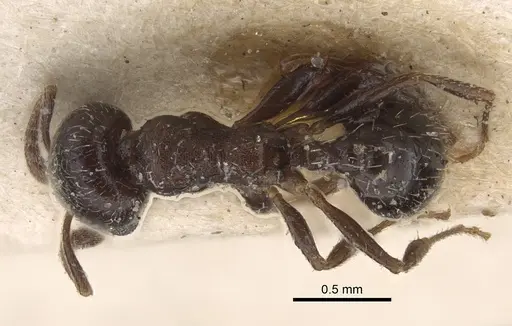
CASENT0917760
View on AntWeb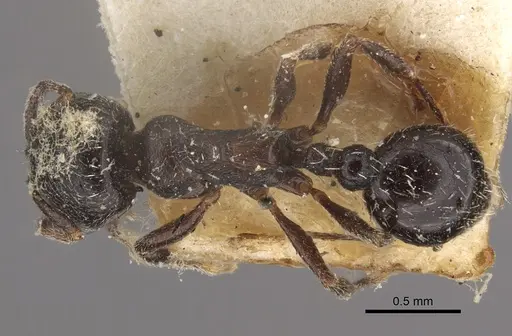
Literature
Loading distribution map...Loading products...