
Oxyepoecus quadratus
- Sci. Name
- Oxyepoecus quadratus
- Tribe
- Solenopsidini
- Subfamily
- Myrmicinae
- Author
- Albuquerque & Brandão, 2004
- Distribution
- Found in 2 countries
Introduction
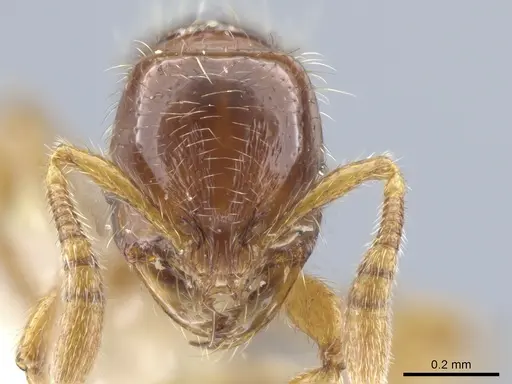
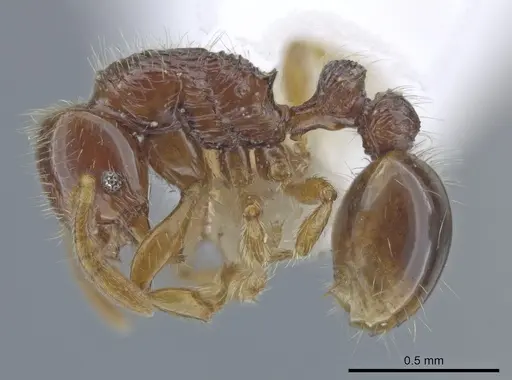
Oxyepoecus quadratus is a tiny Neotropical ant species measuring just 2.32-2.37mm in total worker length . Workers have chestnut-brown coloration with yellowish mandibles, antennae, and legs, while the gaster is nearly black . The species is recognized by its subquadrate petiolar node and ridged costulae pattern on the head and mesosoma . It belongs to the Solenopsidini tribe within the Myrmicinae subfamily and is known only from two western Amazonian localities: Cuyabeno in Ecuador and Panguana in Peru . Type specimens were collected in inundation forest at approximately 220m elevation using pitfall traps .
Quick Summary
- Difficulty: Expert
- Origin & Habitat: Western Amazonian region of Ecuador and Peru, specifically Cuyabeno and Panguana Biological Station. They inhabit lowland inundation forest at around 220m elevation [1][2].
- Colony Type: Colony structure is unconfirmed. No published data exists on queen number or colony organization.
- Size & Growth:
- Queen: Unknown, no queen specimens described
- Worker: 2.32-2.37mm total length [1]
- Colony: Unknown, no colony size data
- Growth: Unknown
- Development: Unknown, no development data exists (Based on related Solenopsidini species, development may take 4-8 weeks in tropical temperatures, but this is an estimate with no direct evidence for O. quadratus.)
- Antkeeping:
- Temperature: Estimated to require warm conditions around 25-30°C based on Amazonian habitat [1]. Start in the mid-to-high 20s Celsius and observe colony activity.
- Humidity: Likely needs high humidity due to inundation forest habitat [1]. Keep substrate consistently moist but not waterlogged.
- Diapause: Unknown, Amazonian species may not enter true diapause. No published overwintering data.
- Nesting: Ground-nesting inferred from pitfall trap collections [1][2]. Use small test tube setups or naturalistic terrariums with moist substrate.
- Behavior: Behavior is unstudied. Based on Solenopsidini tribe affiliation, they are likely predatory on small invertebrates, but this is inferred. Their tiny size makes escape prevention critical, they can slip through small gaps. Aggression levels are unknown, but related species are often cryptic.
- Common Issues: complete lack of captive care information means all husbandry is experimental., tiny size creates extreme escape risk, fine mesh barriers are essential., no confirmed diet acceptance, may require live micro-prey., humidity requirements are estimated, not confirmed., no information on founding behavior or colony establishment.
Species Identification and Distinction
Oxyepoecus quadratus is rare in captivity, known only from few Amazonian specimens. The key feature is the subquadrate petiolar node, which is the exclusive identifying character [1]. Workers have longitudinal ridging on the head, mesosoma, and petiole. Their tiny size (under 2.5mm), dark gaster, and yellowish appendages help distinguish them from other small Myrmicinae. Only two confirmed localities exist: Cuyabeno in Ecuador and Panguana in Peru [1].
Natural History and Habitat
This species is found only in lowland Amazonian inundation forest, which is seasonally flooded rainforest [1]. The type locality in Ecuador is near the equator, indicating a tropical climate. Specimens were collected using pitfall traps, suggesting ground-dwelling behavior in leaf litter or soil [2]. Elevation is around 220m in the Amazonian lowlands. No data exists on diet, foraging, or colony size in the wild. The habitat suggests adaptation to high humidity and periodic flooding.
Housing and Setup Recommendations
Since no captive care data exists, recommendations are based on their habitat inference. Given their tiny size and Amazonian origin, use a small test tube setup or naturalistic terrarium. Apply fine mesh barriers to prevent escape, ants this small can slip through gaps. Keep substrate moist but not waterlogged, mimicking inundation forest [1]. Maintain temperature around 26-28°C and avoid drops below 22°C. Provide shallow substrate or small chambers for their minute size.
Feeding and Nutrition
Diet is completely unstudied. As Solenopsidini members, they likely prey on small arthropods, but this is inferred. In captivity, offer small live prey like springtails or fruit fly larvae. Observe acceptance and adjust as needed. Sugar sources may or may not be accepted.
Challenges and Expert-Level Considerations
This species is Expert difficulty due to no captive husbandry information. Every aspect is experimental. Primary challenges include unknown diet, founding requirements, and extreme escape risk. If you establish a colony, document observations for scientific value.
Frequently Asked Questions
How long does it take for Oxyepoecus quadratus to develop from egg to worker?
This is unknown, no published studies exist. Related Solenopsidini in tropical environments typically develop in 4-8 weeks, but this is a rough estimate with no direct evidence for O. quadratus.
What do Oxyepoecus quadratus ants eat?
Diet is unconfirmed. Based on tribe affiliation, they likely prey on small invertebrates. In captivity, offer small live prey like springtails or fruit fly larvae and monitor acceptance.
Are Oxyepoecus quadratus ants aggressive?
Aggression levels are unstudied. Related small Solenopsidini are typically cryptic and non-aggressive. Their tiny size suggests they may flee rather than attack.
Do Oxyepoecus quadratus ants need hibernation?
Diapause requirements are unknown. As an Amazonian species from near the equator, they likely do not require true hibernation, but may show reduced activity in cooler periods.
Can I keep multiple Oxyepoecus quadratus queens together?
This is unknown, no data exists on colony structure. Combining unrelated queens is not recommended due to lack of information.
What temperature should I keep Oxyepoecus quadratus at?
No confirmed requirements. Based on Amazonian origin, aim for 26-28°C as a starting point. Avoid temperatures below 22°C and observe colony activity.
How big do Oxyepoecus quadratus colonies get?
Maximum colony size is unknown, no data has been published. The species is known only from a handful of worker specimens.
Are Oxyepoecus quadratus good for beginners?
No, this species is rated Expert difficulty due to complete lack of captive care information. Every aspect would be experimental, suited for advanced keepers.
What size escape prevention do I need for Oxyepoecus quadratus?
Excellent escape prevention is critical due to their minute size (under 2.5mm). Use fine mesh (at least 0.5mm or smaller), tight-fitting lids, and barrier tape.
Report an Issue
The current care sheet is based fully on literature. See inconsistencies, or something that's incorrect? Please , it will be resolved after review from an admin. Contributing to the blogs tab also helps providing information, to make us be able to further improve the caresheets. Thank you for your support!
References

This caresheet is licensed under CC BY-SA 4.0 .
Community Blogs
CASENT0637517
View on AntWeb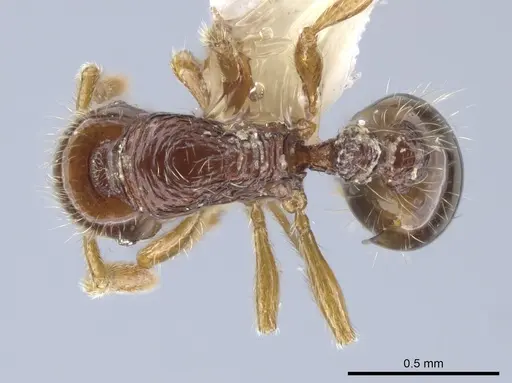
Literature
Loading distribution map...Loading products...