
Overbeckia subclavata
- Sci. Name
- Overbeckia subclavata
- Tribe
- Camponotini
- Subfamily
- Formicinae
- Author
- Viehmeyer, 1916
- Distribution
- Found in 1 countries
Introduction
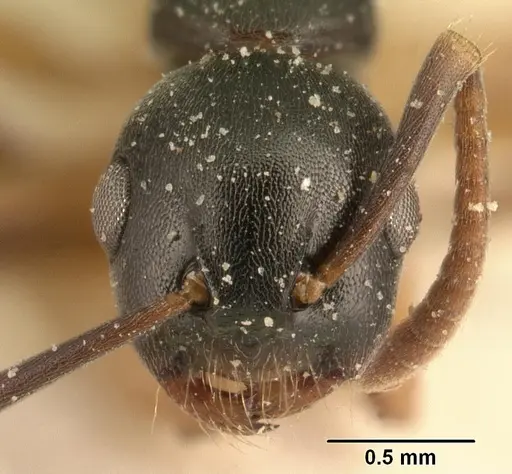
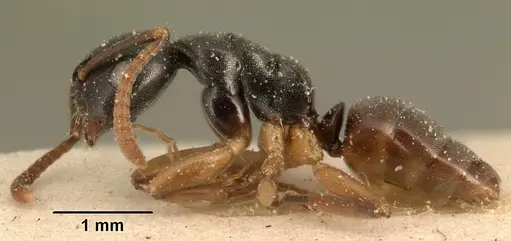
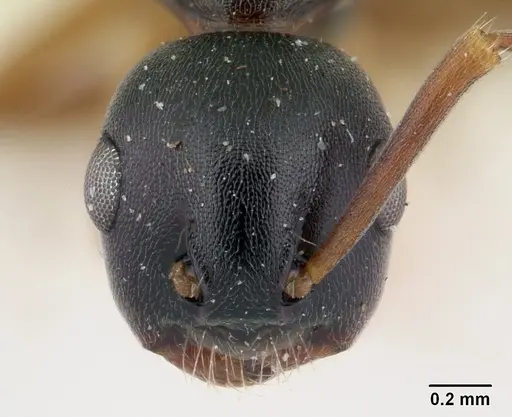
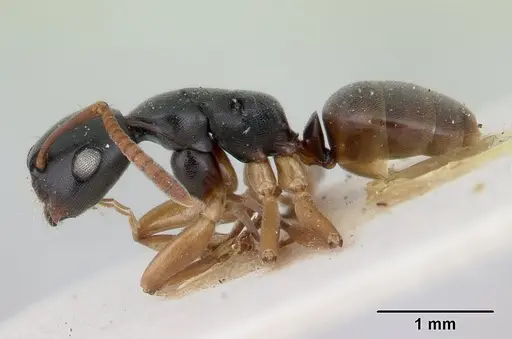
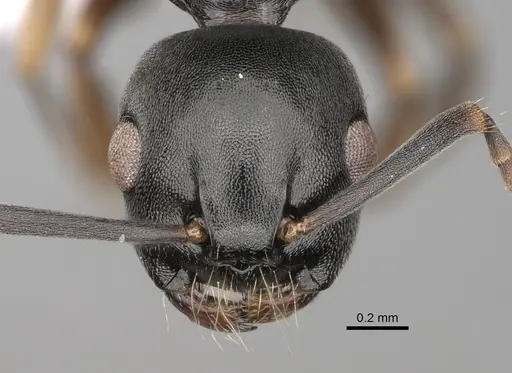
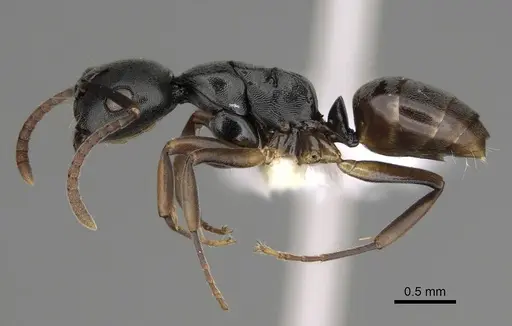
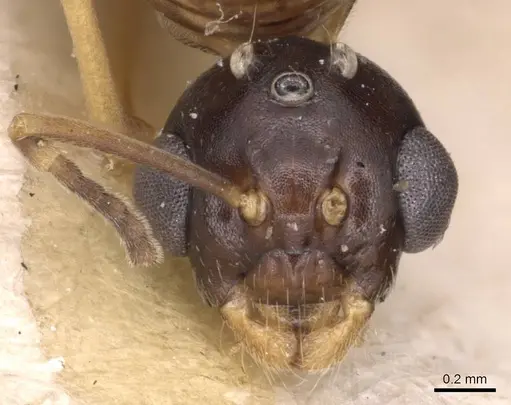
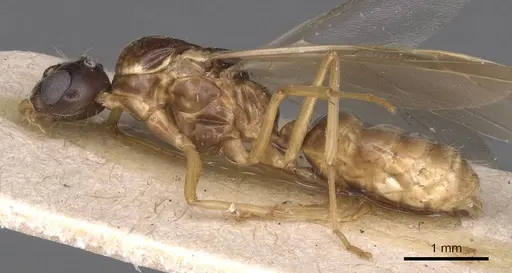
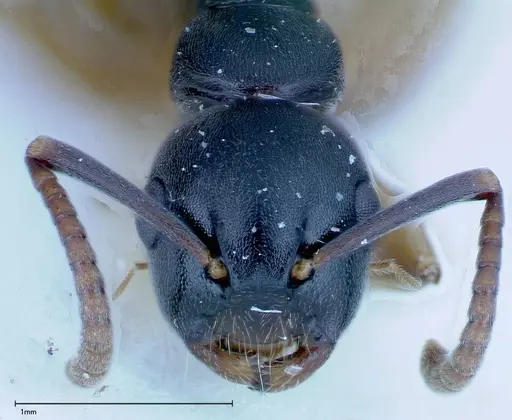
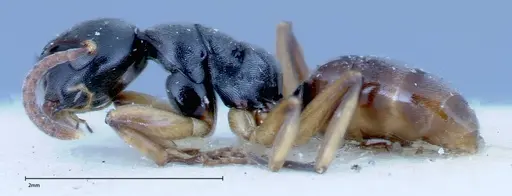
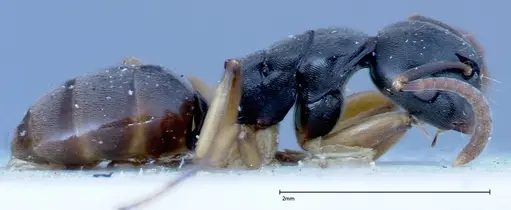
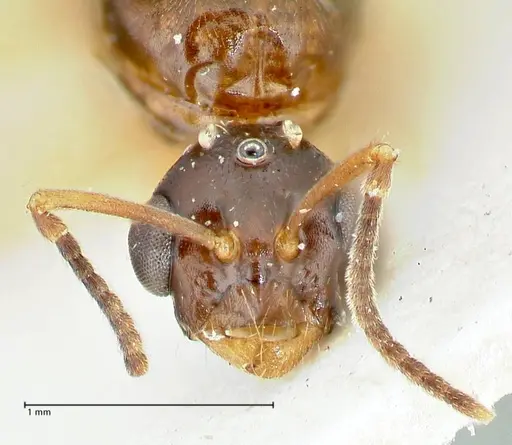
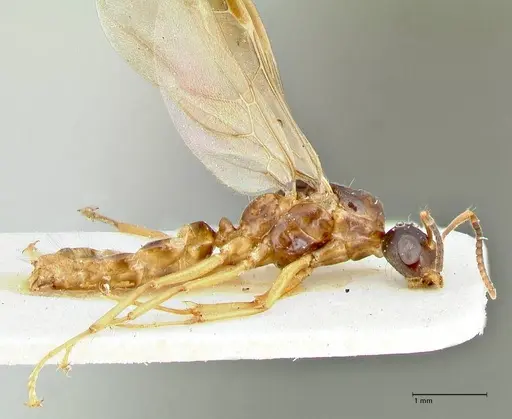
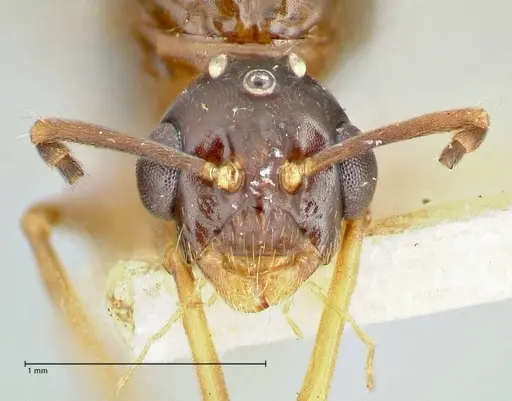
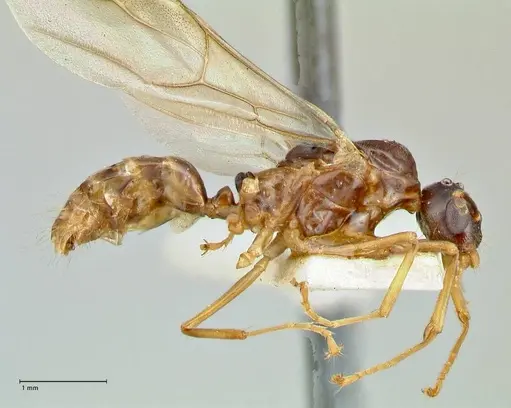
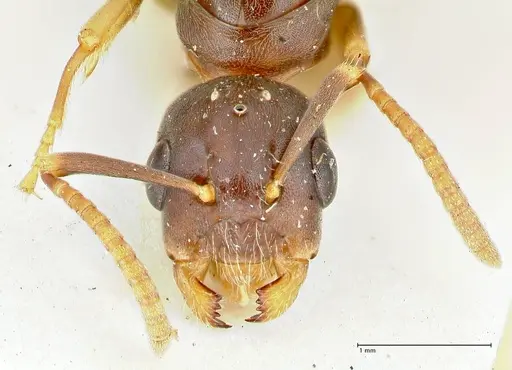
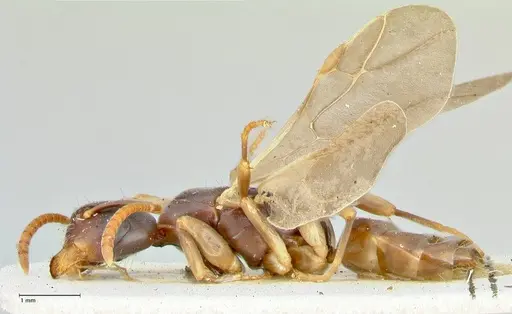
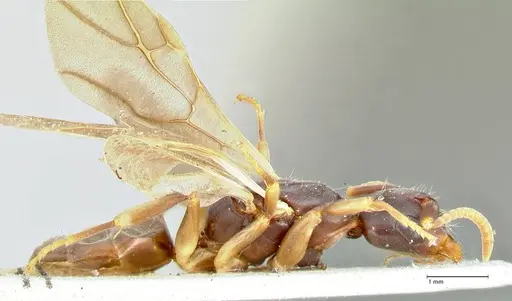
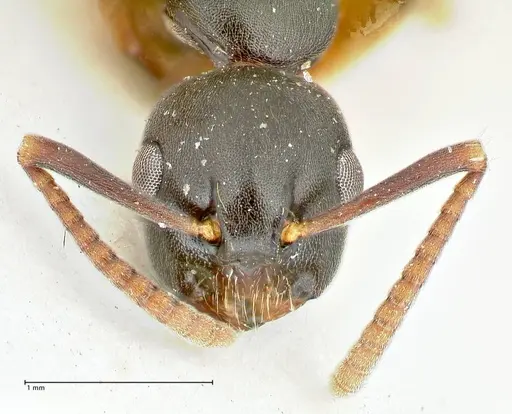
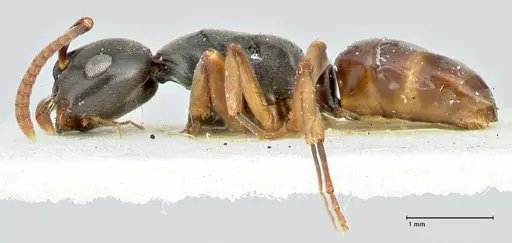
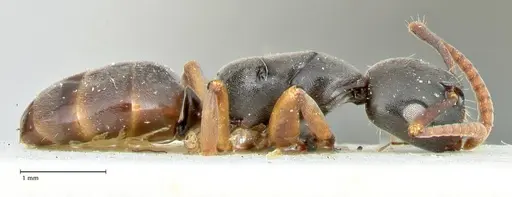
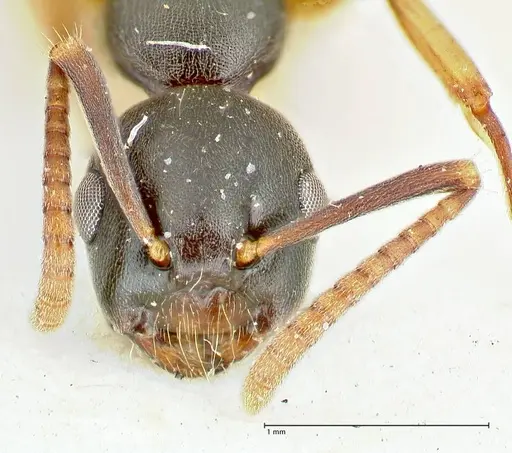
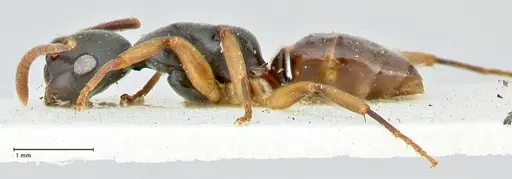
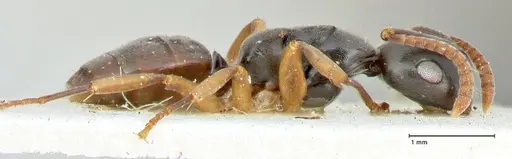
Overbeckia subclavata is an ant species from the Formicinae subfamily, described from Singapore in 1916. Workers are 4-5 mm long, queens 8 mm, and males 5.5 mm . It has a sub-truncate head and short antennae, resembling Camponotus and Colobopsis species . The species is found in Southeast Asia, including Singapore, the Philippines, Indonesia, and possibly northern Australia . It nests in hollow plant structures like bamboo and tree branches . A notable feature is that the metapleural gland is vestigial and likely non-functional, meaning these ants have limited chemical defense compared to other ants .
Quick Summary
- Difficulty: Hard
- Origin & Habitat: Southeast Asia (Singapore, Philippines, Indonesia) and possibly northern Australia. Found in lowland rainforest, jungle rubber, rubber plantations, and oil palm plantations [1].
- Colony Type: Unconfirmed, no data on colony structure in scientific literature.
- Size & Growth:
- Queen: 8 mm [1]
- Worker: 4-5 mm [1]
- Colony: Unknown, no colony size data available
- Growth: Unknown
- Development: Unknown, no development data available. Based on related Camponotus patterns, estimate 6-10 weeks at optimal temperature. (Development timeline has not been studied. Estimates are based on genus-level patterns for Formicinae.)
- Antkeeping:
- Temperature: Unknown, no specific data. Based on tropical origin, likely requires warm conditions around 24-28°C.
- Humidity: Unknown, no specific data. As an arboreal species from humid climates, keep nest substrate moderately moist but not waterlogged.
- Diapause: Unknown, as a tropical species, likely does not require hibernation.
- Nesting: Nests exclusively in hollow plant structures like dead bamboo and tree branches [1][3]. In captivity, provide arboreal-style nests such as Y-tong (AAC) or test tubes elevated off the ground.
- Behavior: Workers forage in tree canopies [1]. The metapleural gland is vestigial, limiting chemical defense [2]. Escape risk is moderate due to small size (4-5 mm), use standard barrier precautions.
- Common Issues: limited biological data means care requirements are estimated, which may lead to incorrect conditions and colony death., unknown founding behavior, queens may not survive if claustral or semi-claustral needs are not met., no colony size data, difficult to plan space and feeding needs., tropical origin, may not tolerate cool temperatures, risking colony health., wild-caught colonies may be stressed from limited native range.
Nesting and Housing
Overbeckia subclavata is an obligate arboreal nester, found only in hollow plant structures in nature. Colonies were collected from hollow bamboo stems and hollow branches of mango trees [1][3]. Specimens have been collected from dead twigs in living trees during canopy fogging [1]. In captivity, provide nesting options that mimic these conditions, Y-tong (AAC) nests or test tubes positioned horizontally or elevated. Avoid fully underground setups. The nest chamber should be relatively small and enclosed, similar to natural hollow cavities.
Distribution and Range
This species has a scattered distribution across Southeast Asia. The type locality is Singapore, where it was collected in the early 1900s from a home garden [1]. It is also recorded from the Philippines and Sumatra, Indonesia, in various lowland habitats [1]. A record from northern Queensland, Australia in 2002 represents either an introduction or range extension [2]. Australian specimens show slightly more pilosity but match overall morphology.
Taxonomy and Identification
Overbeckia is a monotypic genus containing only O. subclavata. Taxonomic experts note strong similarities to Camponotus, and revision may reclassify it as a junior synonym of Camponotus [1]. The genus is distinguished by features like the incrassate antennal funiculus and lack of a median depression between frontal carinae [2]. Workers have five-toothed mandibles and fine dense head punctation [1].
Temperature and Care
No specific temperature requirements are documented. Based on tropical origin, start with temperatures around 24-28°C and monitor colony activity. As an arboreal species from humid climates, maintain moderate humidity in the nest area without waterlogging. Diapause is likely not required for this tropical species.
Feeding and Diet
Diet preferences are not documented. As a Formicinae species, they likely accept carbohydrates (e.g., honey, sugar water) and protein (e.g., small insects) like Camponotus ants. Offer sugar water regularly and small insects like fruit flies or pinhead crickets. Start with modest amounts and adjust based on acceptance.
Frequently Asked Questions
How do I house Overbeckia subclavata ants?
This species naturally nests in hollow bamboo and tree branches, so provide arboreal-style housing like Y-tong (AAC) nests or elevated test tubes. Keep the nest off the ground to mimic tree canopies [1].
What do Overbeckia subclavata ants eat?
Diet is unconfirmed, but as Formicinae, they likely accept carbohydrates and protein like Camponotus ants. Offer sugar water and small insects.
How long does it take for Overbeckia subclavata to develop from egg to worker?
Development time is unknown, no scientific data exists. Based on related Camponotus species, estimate 6-10 weeks at optimal warm temperatures.
Are Overbeckia subclavata ants good for beginners?
Difficulty is hard due to limited biological data. This species is not recommended for beginners because care requirements are largely estimated.
Do Overbeckia subclavata ants need hibernation?
Diapause requirements are unknown. As a tropical species, they likely do not require hibernation and should not be exposed to cold temperatures.
How big do Overbeckia subclavata colonies get?
Maximum colony size is unknown, no colony size data has been documented [1].
Where is Overbeckia subclavata found in the wild?
This species is known from Singapore, the Philippines, and Sumatra, Indonesia, with a possible population in northern Australia [1][2].
Can I keep multiple Overbeckia subclavata queens together?
Colony structure is unconfirmed, no data exists on whether they are single-queen or multi-queen colonies. Do not combine unrelated queens until more is known.
What temperature should I keep Overbeckia subclavata at?
No specific requirements documented. Based on tropical origin, start with 24-28°C and adjust based on colony activity.
Report an Issue
The current care sheet is based fully on literature. See inconsistencies, or something that's incorrect? Please , it will be resolved after review from an admin. Contributing to the blogs tab also helps providing information, to make us be able to further improve the caresheets. Thank you for your support!
References

This caresheet is licensed under CC BY-SA 4.0 .
Community Blogs
CASENT0101191
View on AntWeb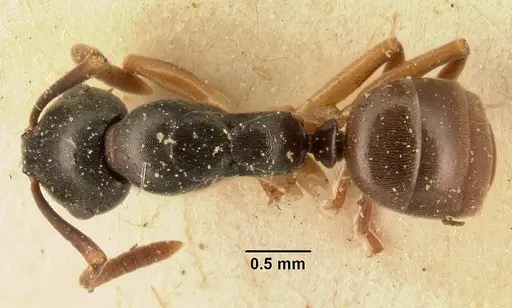
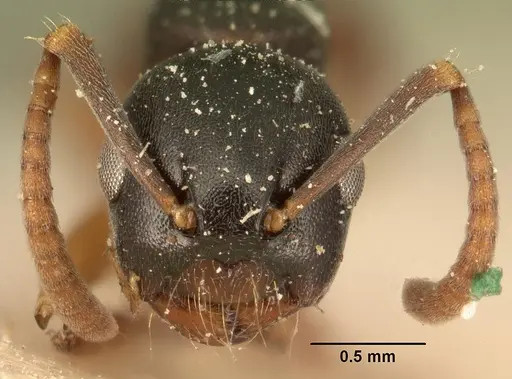
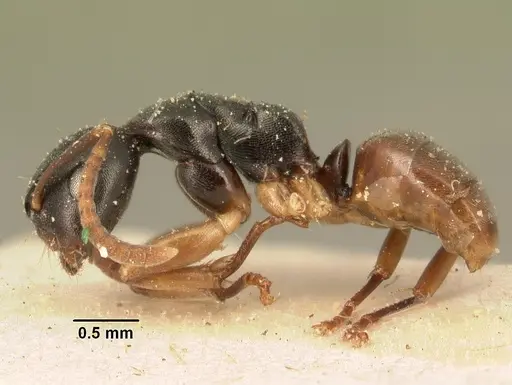
CASENT0101192
View on AntWeb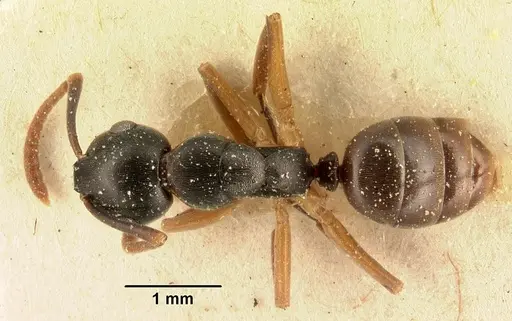
CASENT0178502
View on AntWeb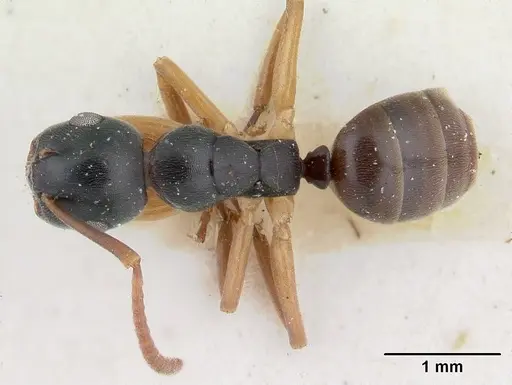
CASENT0872838
View on AntWeb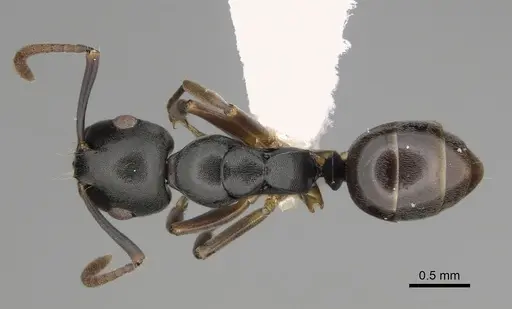
CASENT0905180
View on AntWeb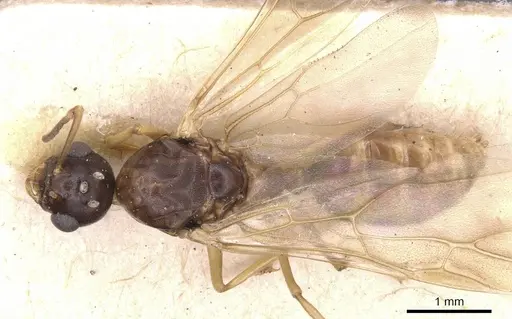
FOCOL0130
View on AntWeb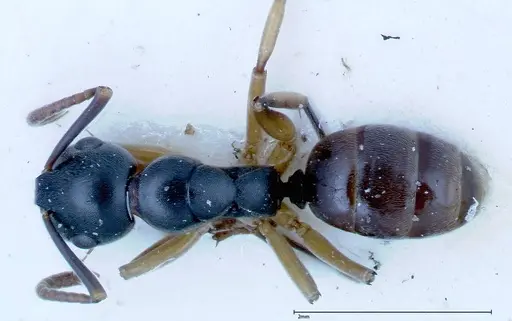
FOCOL2564
View on AntWeb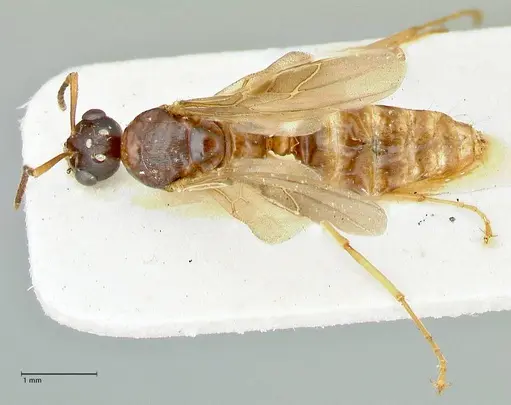
FOCOL2565
View on AntWeb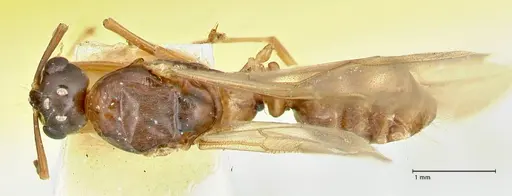
FOCOL2566
View on AntWeb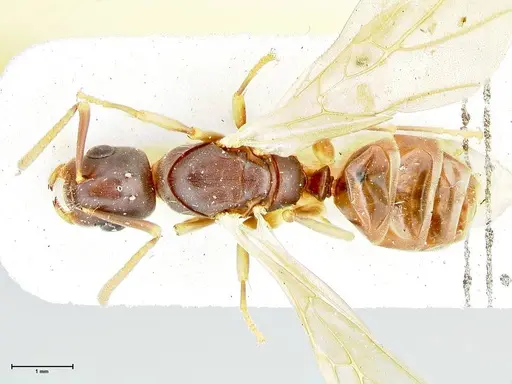
FOCOL2567
View on AntWeb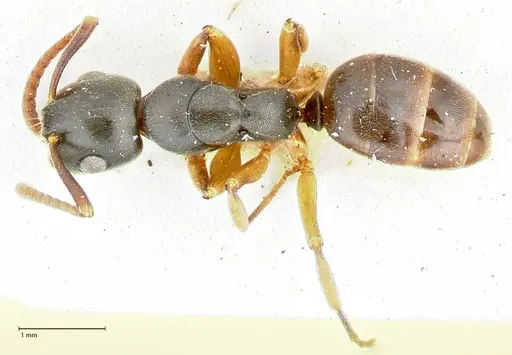
FOCOL2568
View on AntWeb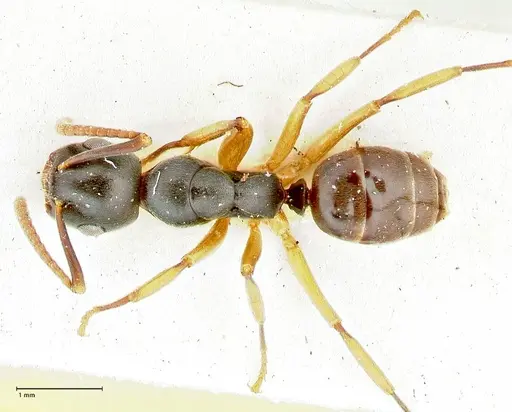
Literature
Loading distribution map...Loading products...