
Overbeckia papuana
- Sci. Name
- Overbeckia papuana
- Tribe
- Camponotini
- Subfamily
- Formicinae
- Author
- Klimeš, 2022
- Distribution
- Found in 1 countries
Introduction
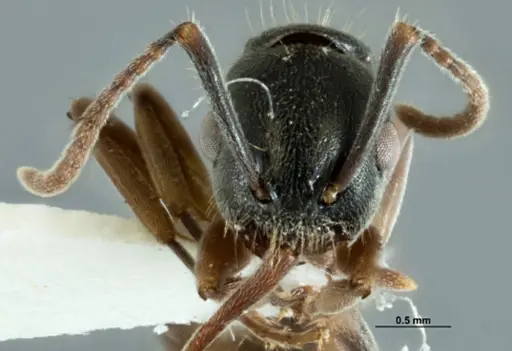
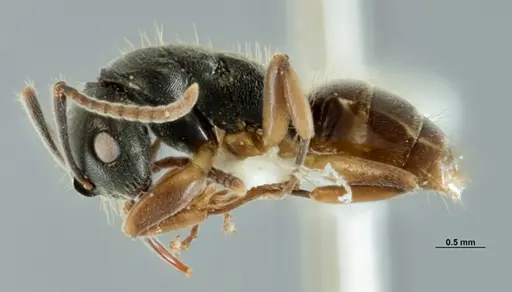
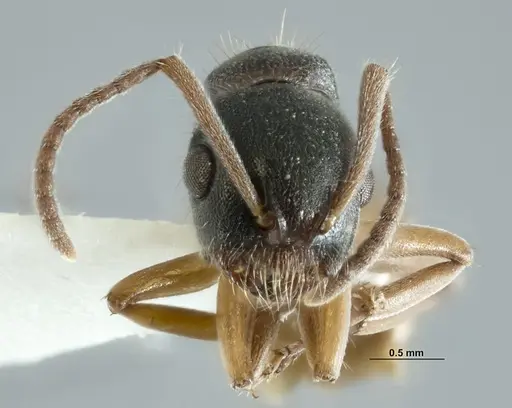
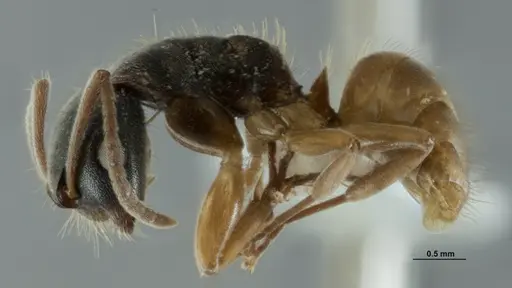
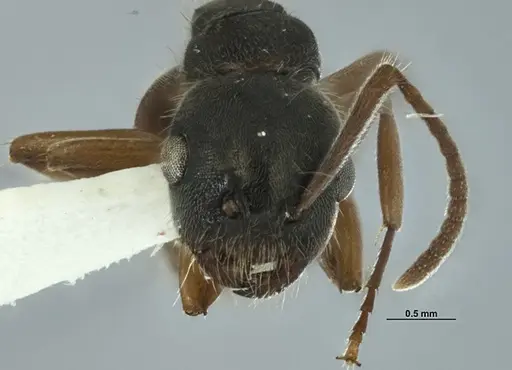
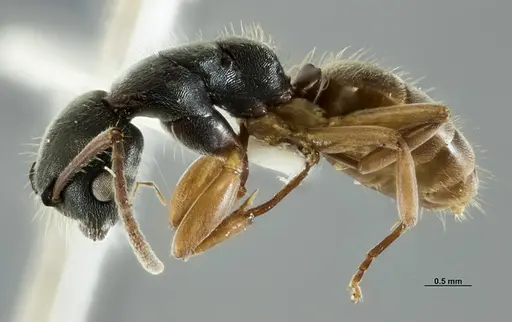
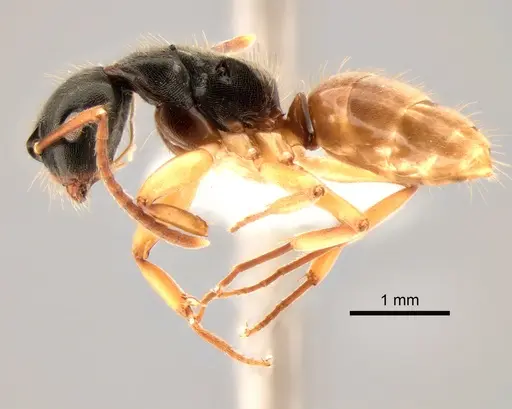
Overbeckia papuana is a small ant species from the Camponotini tribe, described in 2022 from Papua New Guinea and also found in Queensland, Australia. Workers have erect hairs on the head, thorax, petiole, and abdomen, giving them a hairy appearance. The species was previously misidentified as Camponotus janeti until genetic analysis revealed it as a new genus. Colonies are small, with up to 100 workers, and feature a wingless queen (ergatoid). This arboreal ant nests in dead vines high in tropical rainforest canopies . One unusual feature is the wingless ergatoid queen, which is rare in ants and suggests adaptation to stable canopy environments .
Quick Summary
- Difficulty: Expert
- Origin & Habitat: Papua New Guinea and Queensland, Australia in tropical rainforest secondary forests. Nests in dead vines (lianas) high in trees, at 16.4 m height on Trichospermum pleiostigma trees [1].
- Colony Type: Single-queen colonies with wingless ergatoid queen [1].
- Size & Growth:
- Antkeeping:
- Temperature: Based on tropical origin, likely warm conditions around 24-27°C. Provide a temperature gradient [1].
- Humidity: High humidity required, similar to tropical canopy. Keep nest substrate consistently moist but not waterlogged [1].
- Diapause: No, tropical species do not require hibernation [1].
- Nesting: Arboreal specialist, use vertical nests like cork bark or Y-tong oriented vertically [1].
- Behavior: Behavior unstudied in captivity. Based on Camponotini patterns, likely generalist foragers. Small size and arboreal lifestyle suggest active and agile ants. Escape prevention critical due to tiny size [1].
- Common Issues: escape prevention critical due to tiny size, small colony size means any losses have significant impact on the colony, tropical humidity requirements may be challenging to maintain consistently
Species Discovery and Identification
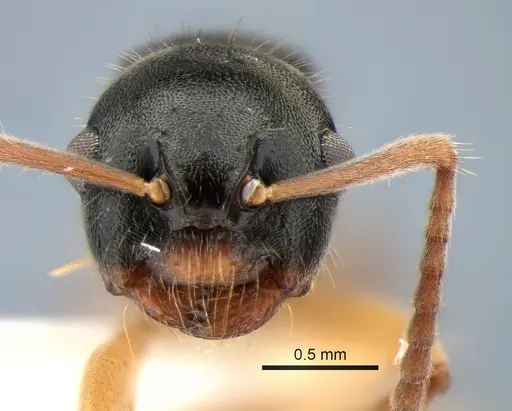
Overbeckia papuana was described as a distinct species in 2022. Specimens from Papua New Guinea and Australia were previously misidentified as Camponotus janeti until genetic analysis revealed they belonged to a new genus, Overbeckia, which is sister to Camponotus. The species name honors Papua New Guineans. Distinctive features include erect hairs on the head, thorax, petiole, and abdomen, and frontal carinae that approach closely at the front of the head [1].
Natural Nesting Behavior
In the wild, Overbeckia papuana is strictly arboreal, nesting in elevated locations. The only documented colony was found 16.4 meters high in a dead vine on a Trichospermum pleiostigma tree in secondary forest. The nest contained fewer than 100 workers, one wingless queen, three males, and developing brood. No honeydew-producing insects were observed, suggesting this species may not tend aphids or scale insects [1].
The Wingless Ergatoid Queen
Overbeckia papuana has a wingless ergatoid queen, which is rare in ants. Ergatoid queens remain in or near the nest and can serve as replacement reproductives. The documented colony had a single ergatoid gyne, indicating monogyne structure. This may be an adaptation to stable canopy environments where dispersal opportunities are limited [1].
Housing and Captive Care
This species has never been kept in captivity, so care recommendations are speculative based on related ants and natural history. Arboreal nesting suggests vertical setups like cork bark or Y-tong nests. Warm, humid conditions around 24-27°C are likely needed. Escape prevention is critical due to tiny size. Offer small live prey like fruit flies, as no trophobionts were observed in wild nests [1].
Geographic Distribution
Overbeckia papuana is known from Papua New Guinea (5 sites) and Queensland, Australia (3 sites). Australian specimens may be slightly larger, but genetic analysis confirms they are the same species. Populations occur in tropical and subtropical forests [1].
Frequently Asked Questions
Can I keep Overbeckia papuana as a pet ant?
This species has never been documented in the antkeeping hobby and there are no captive breeding records [1]. Wild collection would require permits and is not recommended.
How big do Overbeckia papuana colonies get?
The only documented wild colony had fewer than 100 workers, so colonies are small [1].
What do Overbeckia papuana ants eat?
Their diet is unstudied in captivity. Based on related ants, they likely accept small live prey like fruit flies or springtails, and may feed on nectar or honeydew [1].
What temperature do Overbeckia papuana ants need?
As a tropical species, they likely require warm conditions around 24-27°C with a temperature gradient [1].
Do Overbeckia papuana need hibernation?
No, as a tropical lowland species, they do not require hibernation and remain active year-round [1].
How long does it take for Overbeckia papuana to develop from egg to worker?
This has never been studied. There are no captive breeding records for this species [1].
What makes Overbeckia papuana different from other ants?
It was described in 2022 after being misidentified for decades, has a wingless ergatoid queen, nests arboreally, and belongs to a new genus sister to Camponotus [1].
Are Overbeckia papuana good for beginners?
No. This species has never been kept in captivity and would be experimental, so it is not recommended for beginners [1].
Can I keep multiple Overbeckia papuana queens together?
The documented wild colony had a single ergatoid queen, suggesting monogyne structure. Combining unrelated queens is not recommended without evidence [1].
Report an Issue
The current care sheet is based fully on literature. See inconsistencies, or something that's incorrect? Please , it will be resolved after review from an admin. Contributing to the blogs tab also helps providing information, to make us be able to further improve the caresheets. Thank you for your support!
References

This caresheet is licensed under CC BY-SA 4.0 .
Community Blogs
CASENT0872736
View on AntWeb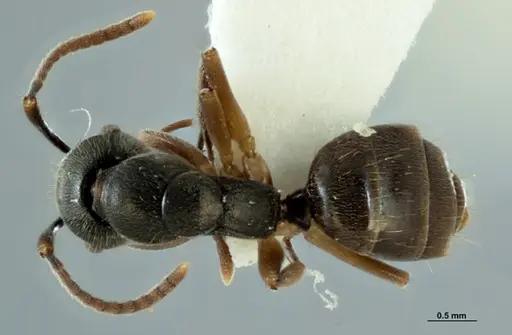
CASENT0872753
View on AntWeb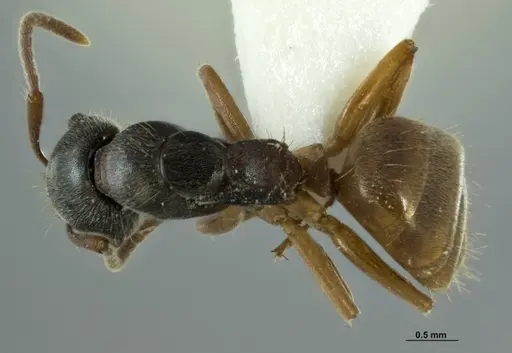
CASENT0872754
View on AntWeb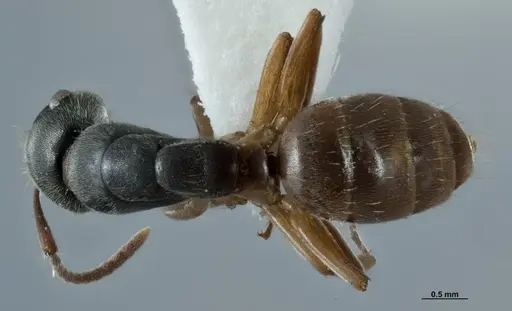
CASENT0882197
View on AntWeb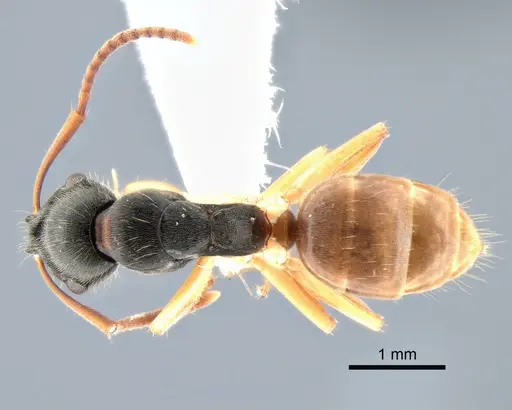
CASENT0887749
View on AntWeb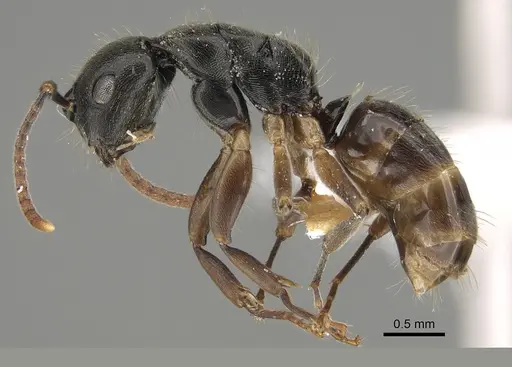
Literature
Loading distribution map...Loading products...