
Orectognathus darlingtoni
- Sci. Name
- Orectognathus darlingtoni
- Tribe
- Attini
- Subfamily
- Myrmicinae
- Author
- Taylor, 1977
- Distribution
- Found in 1 countries
Introduction
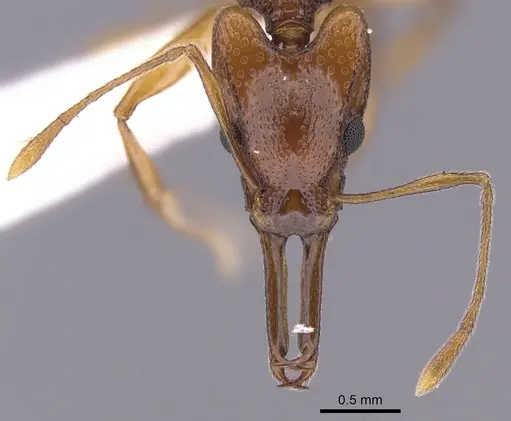
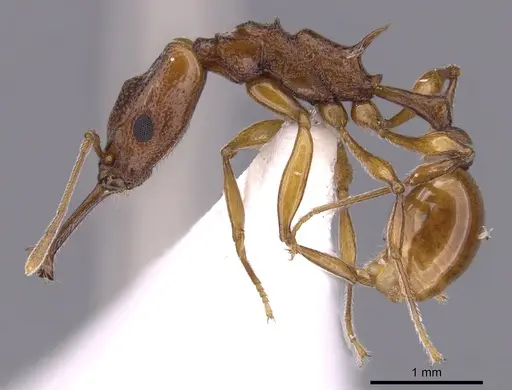
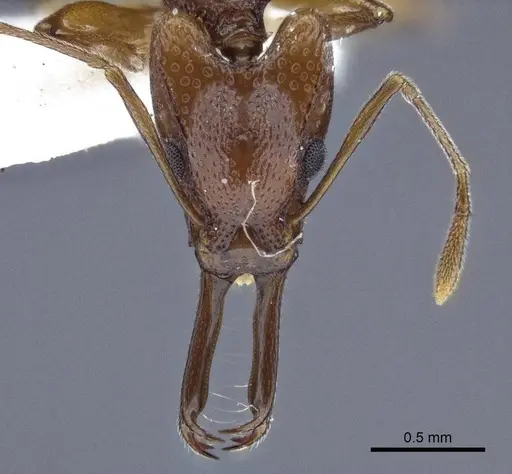
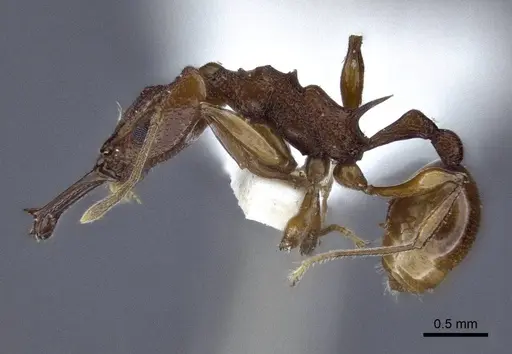
Orectognathus darlingtoni is a small myrmicine ant with distinctive elongated mandibles, endemic to the rainforests of eastern Australia . Size data is unavailable, but inferred from the Orectognathus genus to be small . This species was described in 1977 and remains poorly studied in captivity, with limited information on colony behavior or specific care requirements.
Quick Summary
- Difficulty: Unknown, species has minimal documented captive history
- Origin & Habitat: Eastern Australian rainforests [1]
- Colony Type: Unconfirmed
- Size & Growth:
- Queen: Size data unavailable, inferred from Orectognathus genus to be approximately 5-7 mm
- Worker: Size data unavailable, inferred from Orectognathus genus to be approximately 3-4 mm
- Colony: Unknown, no documented colony sizes available
- Growth: Unknown
- Development: Estimated 6-10 weeks based on similar Australian Myrmicinae, but no data for Orectognathus darlingtoni (No species-specific development data exists.)
- Antkeeping:
- Temperature: Aim for 22-26°C, based on their rainforest habitat [1]. Use a gentle heat gradient and observe colony activity.
- Humidity: Keep substrate consistently moist but not waterlogged, as rainforest species require high humidity [1].
- Diapause: Unknown for this species. Many Australian rainforest ants reduce activity in cooler months, but true hibernation may not be required.
- Nesting: Natural nesting habits unconfirmed. Given rainforest habitat, they likely prefer humid, enclosed spaces. Use Y-tong or plaster nests with moisture retention.
- Behavior: Based on genus patterns, they are likely docile. They possess a functional stinger as typical of Myrmicinae, but venom is less medically significant. Escape prevention is important due to small size.
- Common Issues: no documented captive breeding success means care protocols are largely unverified., humidity management is critical, rainforest species decline rapidly in dry conditions., small colony sizes and slow growth may frustrate keepers expecting visible progress., wild-caught colonies may struggle to adapt to captive conditions., lack of species-specific diet information makes feeding strategy uncertain.
Species Overview and Distribution
Orectognathus darlingtoni is a rarely encountered ant species native to the rainforests of eastern Australia [1]. First described by Taylor in 1977,the species is known from type specimens collected in Australian rainforest habitats [1]. The genus Orectognathus contains several species endemic to Australia, preferring humid, shaded forest environments [1].
Housing and Nest Preferences
Since specific captive data is lacking, housing recommendations must be inferred from the species' rainforest origins [1]. Provide a nest environment that maintains high humidity consistently, a plaster or Y-tong nest works well for this purpose. The nest should have chambers that retain moisture without becoming waterlogged.
Feeding and Diet
The specific diet of Orectognathus darlingtoni has not been documented. As members of the tribe Attini, they may have omnivorous tendencies similar to other small Myrmicinae. For captive care, offer a standard ant diet: small protein sources like fruit flies, along with sugar water or honey.
Temperature and Humidity Requirements
Based on their Australian rainforest habitat, maintain temperatures in the low-to-mid 20s Celsius [1]. Humidity is critical, target high relative humidity within the nest [1].
Colony Development and Growth
No documented colony development timelines exist for this species. The queen was described in the original 1977 description, but founding behavior and development times were not recorded. Expect slow growth typical of many rainforest understory ants.
Behavior and Temperament
Specific behavioral observations are not documented. Based on genus characteristics, they are likely relatively docile. They possess a functional stinger as typical of Myrmicinae, but venom is less medically significant. Standard antkeeping practices apply.
Frequently Asked Questions
How long does it take for Orectognathus darlingtoni to produce first workers?
The egg-to-worker timeline is unknown, no documented development data exists for this species. Based on similar Australian rainforest Myrmicinae, expect 6-10 weeks at optimal temperature, but this is a rough estimate [1].
What do Orectognathus darlingtoni ants eat?
Their exact diet is unconfirmed. Offer small protein sources like fruit flies, tiny crickets, or mealworm pieces, plus sugar water or honey. Start with small prey and remove uneaten food within 24 hours.
Are Orectognathus darlingtoni good for beginners?
No, this species is not recommended for beginners. It has no documented captive breeding success, minimal care information exists, and requires humid rainforest conditions that can be challenging to maintain.
What temperature should I keep Orectognathus darlingtoni at?
Aim for 22-26°C based on their Australian rainforest origins [1]. A gentle gradient allows self-regulation. Avoid temperatures below 20°C or above 30°C.
How big do Orectognathus darlingtoni colonies get?
Maximum colony size is unknown, no documented colony sizes exist for this species. Expect small to moderate colonies based on typical patterns for obscure rainforest species.
Do Orectognathus darlingtoni need hibernation?
Diapause requirements are unconfirmed. Many Australian rainforest ants reduce activity during cooler months but may not require true hibernation. If kept at stable indoor temperatures year-round, they may remain active.
Can I keep multiple Orectognathus darlingtoni queens together?
Colony structure is unconfirmed. No information exists on whether this species is monogyne or polygyne. Do not attempt combining unrelated queens without documented evidence.
What humidity level do Orectognathus darlingtoni need?
Keep humidity high, target high relative humidity within the nest [1]. Use a moist substrate that feels damp but not waterlogged. A water reservoir connected to the nest helps maintain stable humidity.
Where is Orectognathus darlingtoni found in the wild?
This species is endemic to the rainforests of eastern Australia [1]. Specimens have been collected from Australian rainforest habitats.
Report an Issue
The current care sheet is based fully on literature. See inconsistencies, or something that's incorrect? Please , it will be resolved after review from an admin. Contributing to the blogs tab also helps providing information, to make us be able to further improve the caresheets. Thank you for your support!
References

This caresheet is licensed under CC BY-SA 4.0 .
Community Blogs
CASENT0900012
View on AntWeb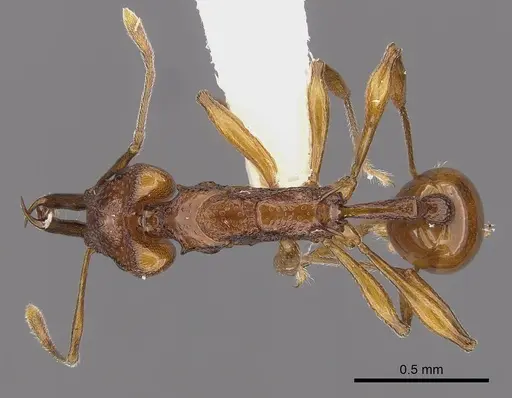
CASENT0916659
View on AntWeb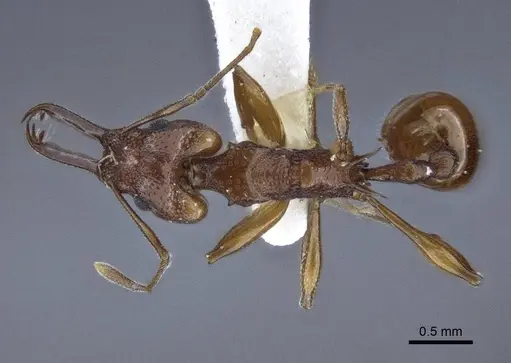
Literature
Loading distribution map...Loading products...