
Orectognathus clarki
- Sci. Name
- Orectognathus clarki
- Tribe
- Attini
- Subfamily
- Myrmicinae
- Author
- Brown, 1953
- Distribution
- Found in 1 countries
Introduction
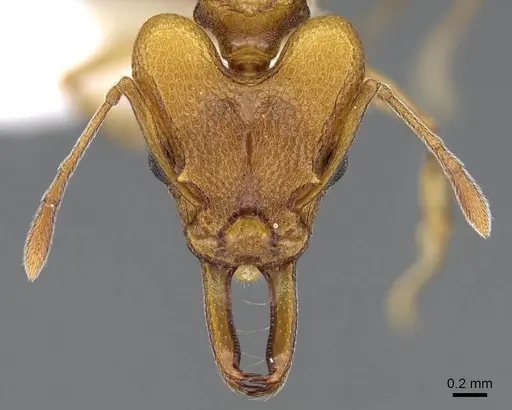
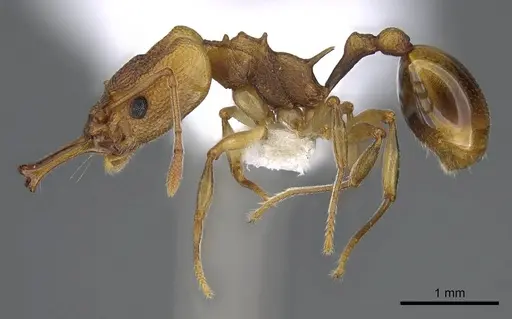
Orectognathus clarki is a tiny predatory ant belonging to the tribe Attini, making it a relative of leaf-cutter ants but with a specialized hunting lifestyle. Size data is unavailable from current research. The genus is monotypic in Western Australia, meaning this is the only species found there. Originally described from southern Victoria, these ants have been recorded across southern Australia from Tasmania to Western Australia's Stirling and Porongorup Ranges, typically in high-rainfall forested areas . The species was named after J. Clark, who collected the type specimens.
Quick Summary
- Difficulty: Medium
- Origin & Habitat: Southern Australia (Victoria, Tasmania, Western Australia) in moist sclerophyll forest and jarrah-marri woodland. Found in high rainfall areas and recently documented in the Darling Range near Perth [1][2][3].
- Colony Type: Unconfirmed, colony structure has not been documented in scientific literature.
- Size & Growth:
- Queen: Size data unavailable
- Worker: Size data unavailable
- Colony: Up to several hundred workers, inferred from typical dacetine colony sizes.
- Growth: Unknown
- Development: Unknown, no direct studies for this species. (Development timeline has not been researched, estimates based on related dacetine ants are unreliable.)
- Antkeeping:
- Temperature: Keep warm and stable, roughly low-to-mid 20s°C, based on their temperate habitat.
- Humidity: Keep nest substrate consistently moist but not waterlogged, based on their occurrence in moist forests [1][2].
- Diapause: Likely yes, based on southern Australian range.
- Nesting: In the wild, likely nest in rotting wood or soil. In captivity, use small plaster or Y-tong nests with moist substrate.
- Behavior: Dacetine ants are specialized predators with snap-jaw mandibles. Their primary defense is a sting, but they are too small to be medically significant to humans. Escape prevention is critical due to their tiny size, workers are active foragers hunting micro-arthropods.
- Common Issues: escape prevention is critical due to very small size, use fine mesh barriers to prevent colony loss., need for constant live prey can be challenging, lack of food may starve the colony., maintaining appropriate humidity without mold can be tricky in small nests., wild-caught colonies may carry parasites that can decimate captive colonies.
Housing and Nest Setup
Orectognathus clarki is a tiny ant that requires appropriately scaled housing. A small test tube setup works well for founding colonies, while established colonies can be moved to a small plaster or Y-tong nest. The nest should have chambers scaled to their minute size, too large and they will feel exposed. Keep the nest substrate consistently moist but not flooded. A water reservoir connected to the nest helps maintain humidity. Because of their minute size, excellent escape prevention is essential, use fine mesh barriers and ensure all connections are sealed.
Feeding and Diet
Based on dacetine ant patterns, Orectognathus clarki is likely a specialized predator. In the wild, they hunt small invertebrates including springtails and mites using their large snap-jaw mandibles. In captivity, their primary food should be small live prey such as springtails and fruit flies. They are unlikely to accept sugar water or honey. Offer prey 2-3 times per week, removing any uneaten remains promptly to prevent mold.
Temperature and Seasonal Care
These ants come from temperate southern Australia, so they prefer moderate temperatures. Room temperature is often suitable, but you can provide a gentle heat gradient. During the Australian winter, the colony will likely benefit from a diapause period. Reduce temperatures and feeding frequency during this time. Allow a gradual temperature transition over 1-2 weeks.
Behavior and Foraging
Orectognathus workers are active foragers that hunt individually. Their large mandibles are specialized for capturing small prey with a snapping action. Workers are not aggressive toward humans and are too small to bite effectively. The colony will likely show increased activity when temperatures are optimal and become more sluggish during cooler periods.
Frequently Asked Questions
How long does it take for Orectognathus clarki to produce first workers?
The exact timeline is unknown, no direct studies exist for this species. Development may be slow based on related dacetine ants.
Can I keep multiple Orectognathus clarki queens together?
The colony structure is unconfirmed. Combining unrelated queens is not recommended as it has not been studied and could result in fighting.
What do Orectognathus clarki ants eat?
They are likely specialized predators that need small live prey, such as springtails and fruit flies. They are unlikely to accept sugar sources.
Are Orectognathus clarki good for beginners?
This is a medium-difficulty species due to their need for constant live prey and tiny size requiring excellent escape prevention. They are not recommended for complete beginners.
Do Orectognathus clarki need hibernation?
Likely yes, based on their southern Australian range. Reduce temperature during winter for a diapause period.
How big do Orectognathus clarki colonies get?
Colony size is not documented, but based on related dacetine ants, colonies likely reach up to several hundred workers at most.
When should I move Orectognathus clarki to a formicarium?
Wait until the colony has a stable number of workers before moving from a test tube setup. Choose an appropriately sized nest with small chambers.
Why are my Orectognathus clarki dying?
Common causes include: lack of live prey, improper humidity, temperature stress, and escape-related losses. Check each parameter and ensure prey is offered regularly.
Report an Issue
The current care sheet is based fully on literature. See inconsistencies, or something that's incorrect? Please , it will be resolved after review from an admin. Contributing to the blogs tab also helps providing information, to make us be able to further improve the caresheets. Thank you for your support!
References

This caresheet is licensed under CC BY-SA 4.0 .
Community Blogs
CASENT0900020
View on AntWeb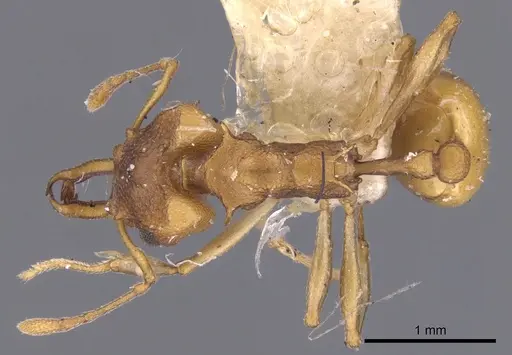
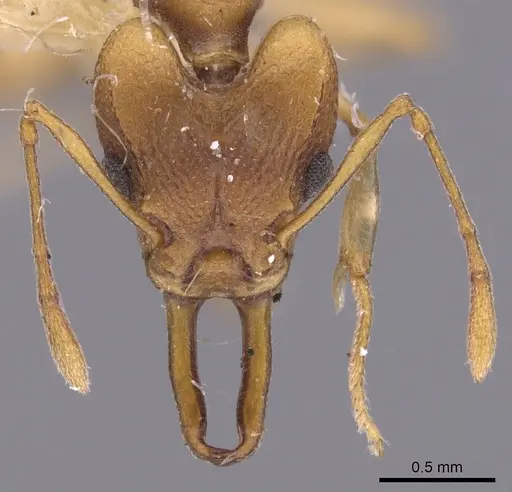
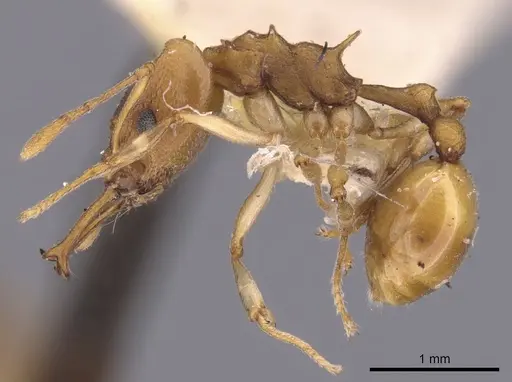
CASENT0914670
View on AntWeb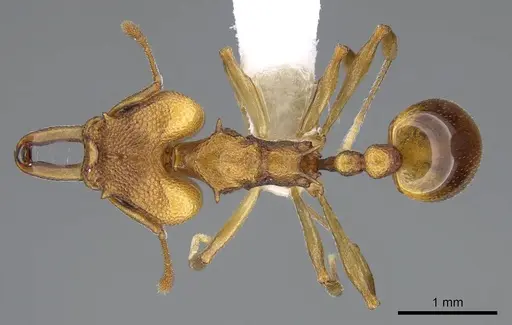
Literature
Loading distribution map...Loading products...