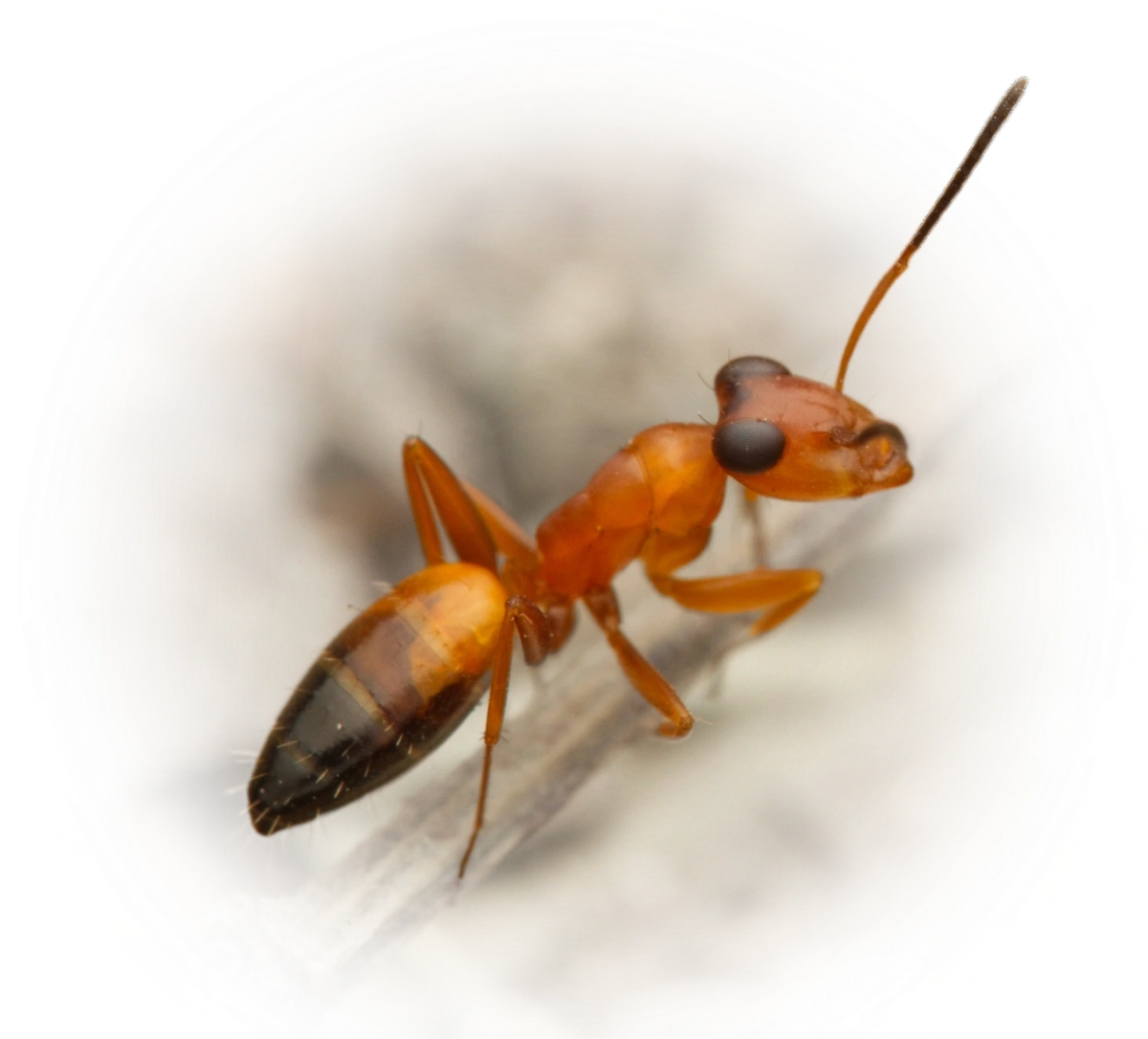
Haddon's Strobe ant
Opisthopsis haddoni
- Sci. Name
- Opisthopsis haddoni
- Tribe
- Camponotini
- Subfamily
- Formicinae
- Author
- Emery, 1893
- Common Name
- Haddon's Strobe ant
- Distribution
- Found in 2 countries
Introduction
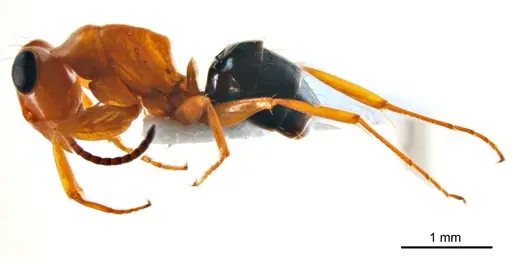
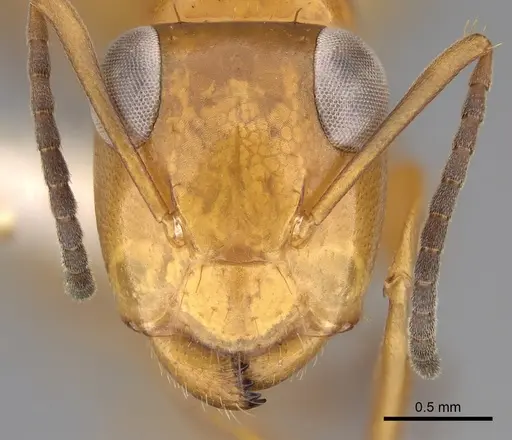
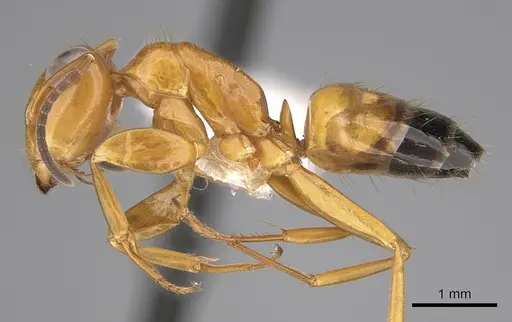
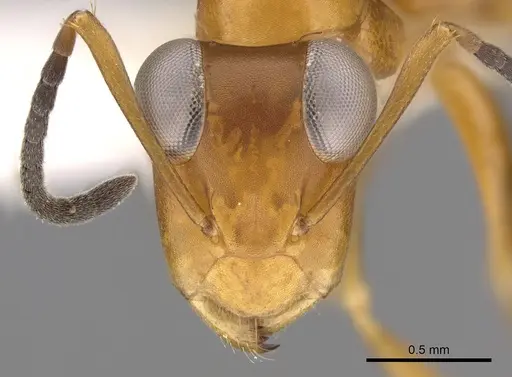
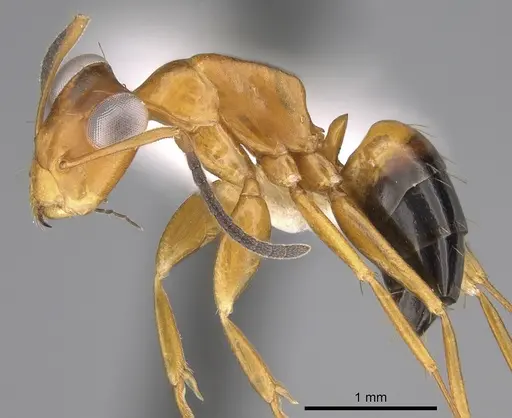
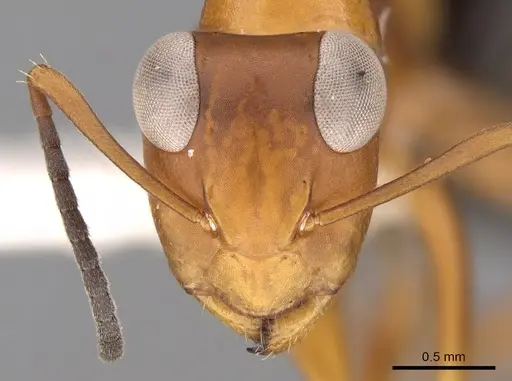
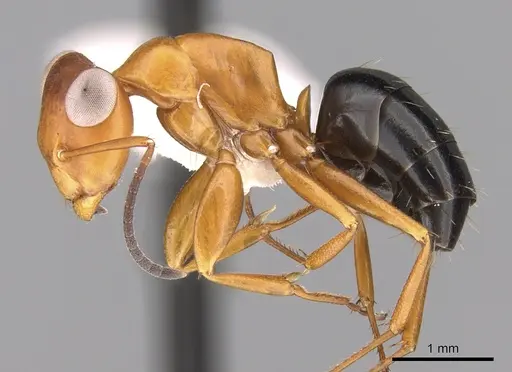
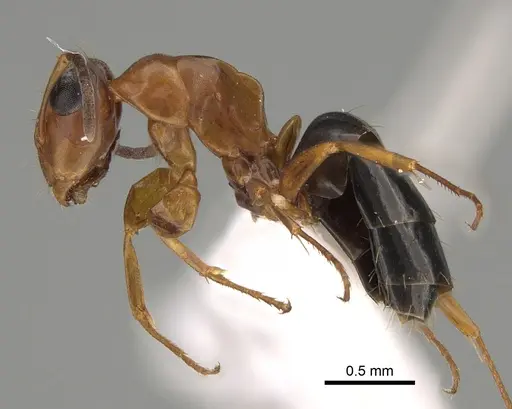
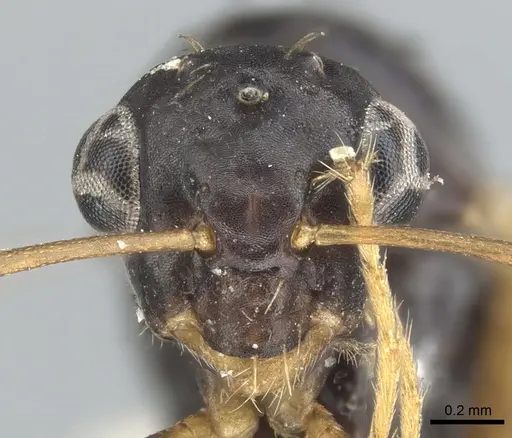
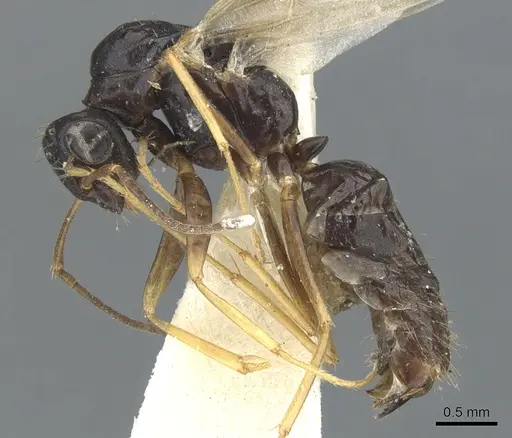
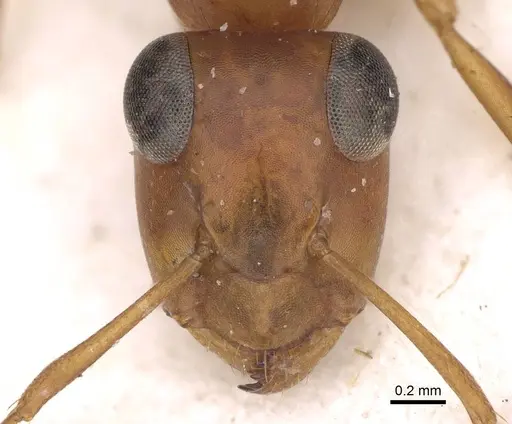
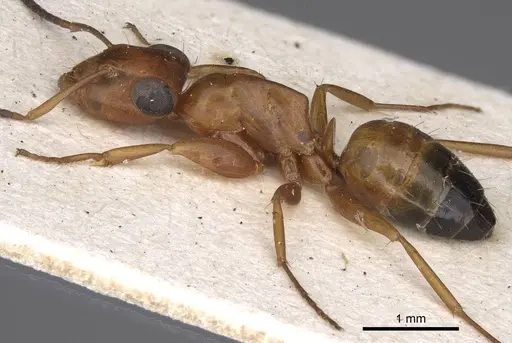
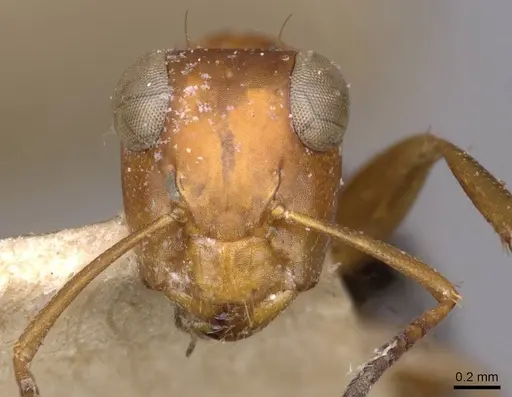
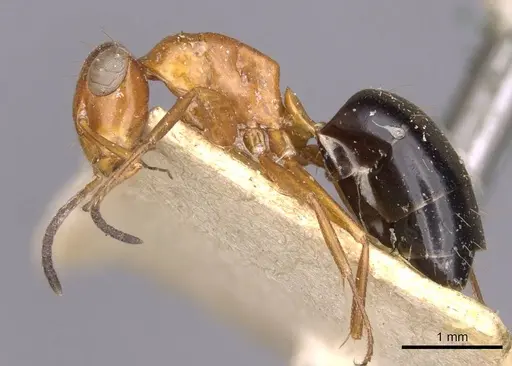
Opisthopsis haddoni is an Australian ant with extraordinarily large eyes positioned on the posterior angles of its head capsule, giving it excellent vision . Workers are small but move rapidly using a unique 'strobing' locomotion, reaching speeds of 50-60 body lengths per second during bursts . This species is found in northern Australia, including Queensland, Western Australia, and the Northern Territory, typically in savanna and tropical environments . The strobing behavior, involving rapid movement followed by pauses where ants tap their antennae, is their primary mode of travel and may help avoid predators .
Quick Summary
- Difficulty: Medium
- Origin & Habitat: Northern Australia (Queensland, Western Australia, Northern Territory) in savanna and tropical monsoonal environments, often on higher ground and islands [3][4][5].
- Colony Type: Unconfirmed, based on typical Camponotini patterns, likely single-queen colonies, but detailed studies are limited.
- Size & Growth:
- Queen: Size data unavailable, no total length measurements provided in research.
- Worker: Size data unavailable, no total length measurements provided in research.
- Colony: Colony size data limited, not specified in research.
- Growth: Moderate, inferred from related Camponotini species.
- Development: Unconfirmed, estimated 6-10 weeks based on genus patterns, but no direct data. (Development is temperature-dependent, warmer conditions may speed up growth.)
- Antkeeping:
- Temperature: Keep warm, roughly 24-28°C, based on tropical habitat inference [4].
- Humidity: Keep nest substrate consistently moist but not waterlogged, with a humidity gradient typical of savanna environments.
- Diapause: Unknown, no research on hibernation needs for this species.
- Nesting: Y-tong (AAC) or plaster nests work well, avoid acrylic nests. Provide enclosed spaces and a water tube for humidity.
- Behavior: Active and fast-moving with unique strobing locomotion [1]. Workers are alert but not particularly aggressive, and they tend to be nocturnal foragers [6]. Escape prevention should be moderate due to their small size, but specific size data is unavailable.
- Common Issues: limited captive care information, this species is not commonly kept, so experience is sparse, temperature stability is crucial for colony development and brood care, humidity control needed to prevent desiccation of brood, strobing behavior may be mistaken for distress by inexperienced keepers
Unique Strobe Walking Behavior
Opisthopsis haddoni uses strobing locomotion, alternating between rapid bursts and pauses at 5-7 Hz [1]. During active phases, peak speeds reach 50-60 body lengths per second, with overall average speed slower due to pauses [1]. The movement follows an alternating tripod gait, and ants tap their antennae during pauses [1]. This behavior occurs in both familiar and novel environments and is their primary travel mode [1]. When disturbed, they switch to a brief flight gait before reverting to strobing [1].
Vision and Sensory Adaptations
This species has large eyes on the posterior head angles, suggesting excellent vision for predator detection and navigation [1][2]. The antennae tapping during pauses may gather additional sensory information [1]. This combination makes them difficult to catch, as noted in early observations [1].
Feeding and Diet
As a Camponotini member, they likely consume nectar, honeydew, and protein from insects, aided by Blochmannia symbionts for nitrogen processing [7][8]. In captivity, offer sugar water or honey regularly, and protein sources like fruit flies 2-3 times per week [6]. Nocturnal foraging suggests evening feeding may be effective [6].
Temperature and Housing
Prefer warm conditions around 24-28°C, inferred from tropical habitat [4]. Use Y-tong or plaster nests with a humidity gradient, avoid acrylic nests. Include a water tube for moisture control.
Distribution and Ecology
Endemic to northern Australia, found on islands and higher ground [3][9][5]. They are subordinate Camponotini, benefiting from reduced competition after invasive species eradication [10][4][6].
Bacterial Symbiont
Carries Blochmannia symbiont, detected via PCR [7][8]. This helps process nitrogen from diet and is passed between generations [8].
Frequently Asked Questions
How long does it take for Opisthopsis haddoni to produce first workers?
The exact timeline is unknown. Based on related Camponotini species, it may take 6-10 weeks at optimal temperatures, but no direct data exists for this species.
What makes Opisthopsis haddoni special compared to other ants?
Their unique strobing locomotion, with rapid bursts and pauses, sets them apart [1]. They also have large eyes for an ant [1][2].
Can I keep Opisthopsis haddoni in a test tube?
Yes, test tubes work for founding colonies. Once the colony grows, move to a Y-tong or plaster nest.
Are Opisthopsis haddoni good for beginners?
This species is medium difficulty due to limited captive care information. Experienced keepers may have more success.
Do they need hibernation or diapause?
Unknown, no research on diapause for this species. Inferred from tropical distribution, full hibernation may not be required.
What do Opisthopsis haddoni eat?
They accept sugar sources and protein like fruit flies, and tend to be nocturnal foragers [6].
How big do Opisthopsis haddoni colonies get?
Colony size data is not available in research.
Why do they move in such a strange way?
The strobing behavior may help avoid predators or allow high-speed movement within sensory limits [1].
Can I keep multiple queens together?
Colony type is unconfirmed, but based on typical patterns, single-queen colonies are likely. Combining queens is not recommended.
Report an Issue
The current care sheet is based fully on literature. See inconsistencies, or something that's incorrect? Please , it will be resolved after review from an admin. Contributing to the blogs tab also helps providing information, to make us be able to further improve the caresheets. Thank you for your support!
References

This caresheet is licensed under CC BY-SA 4.0 .
Community Blogs
ANTWEB1008686
View on AntWeb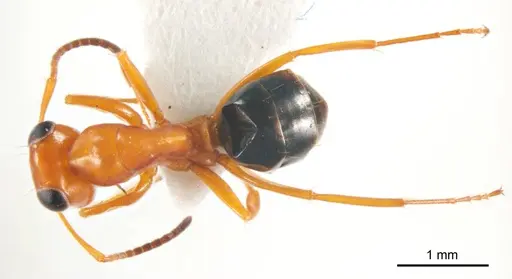
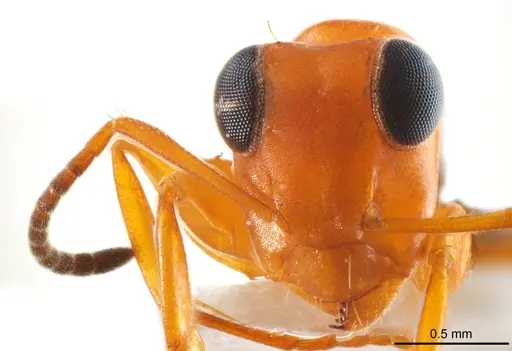
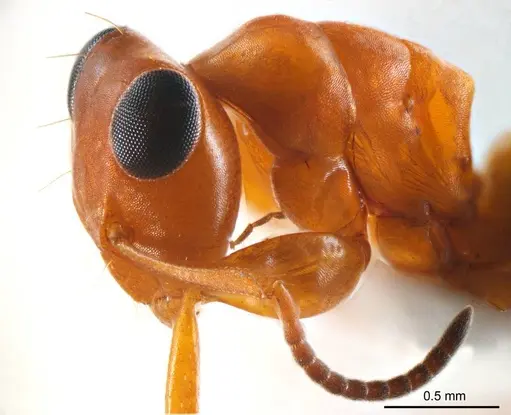
CASENT0281140
View on AntWeb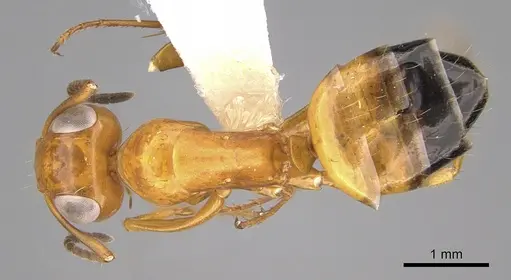
CASENT0281141
View on AntWeb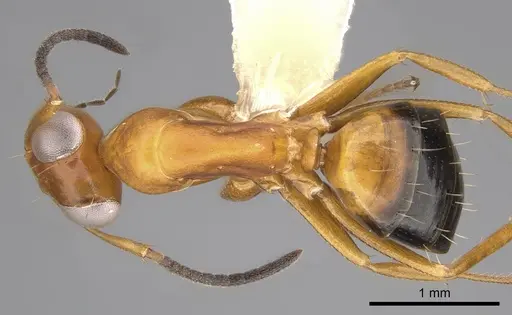
CASENT0281147
View on AntWeb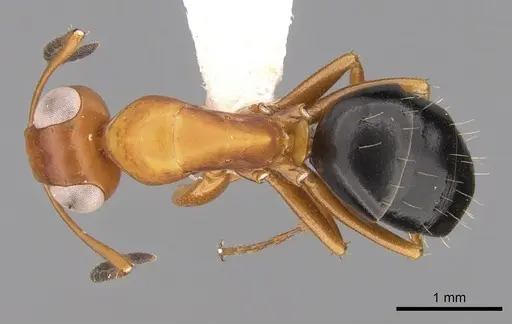
CASENT0887763
View on AntWeb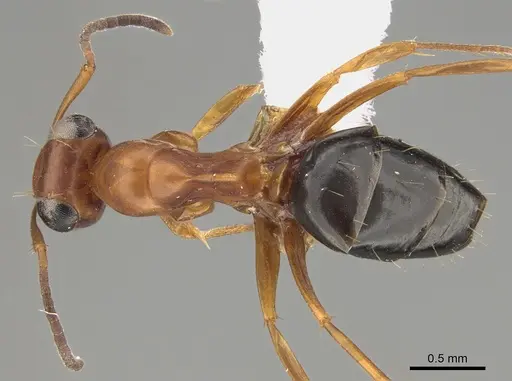
CASENT0903476
View on AntWeb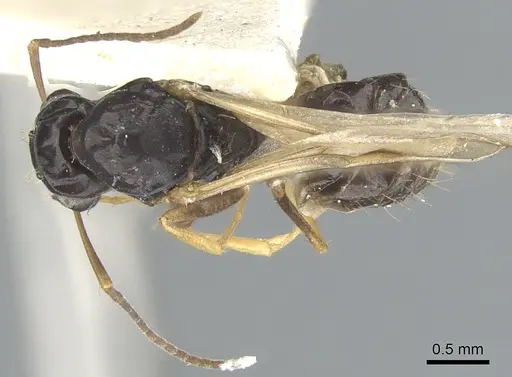
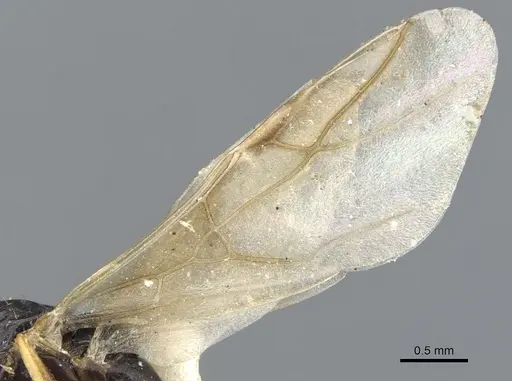
CASENT0905178
View on AntWeb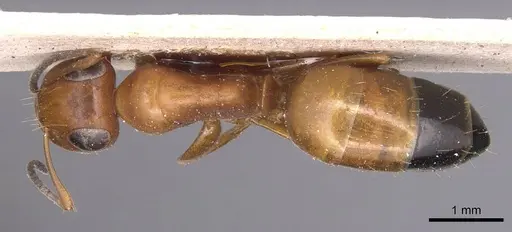
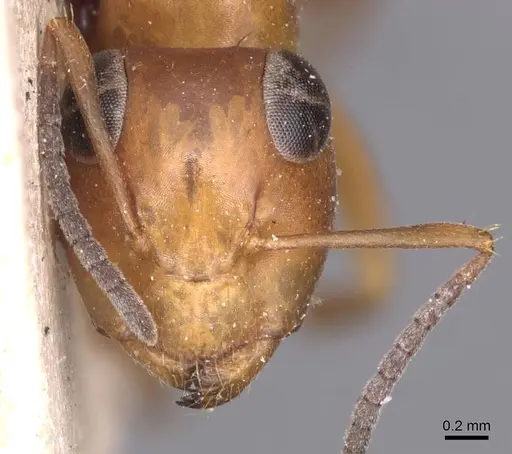
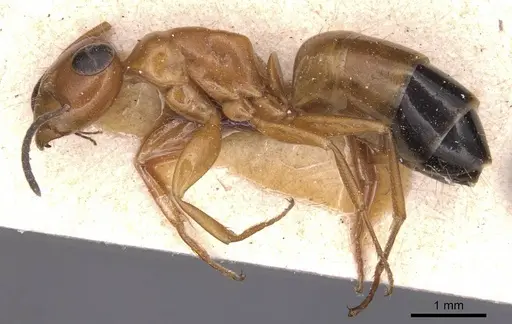
CASENT0906852
View on AntWeb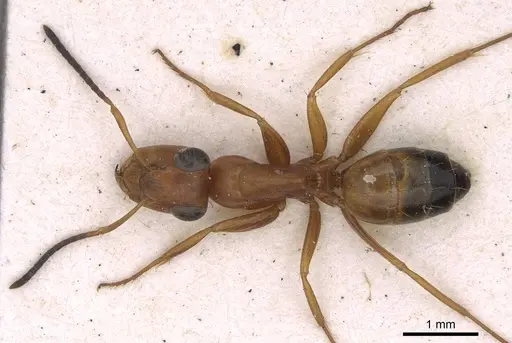
CASENT0909942
View on AntWeb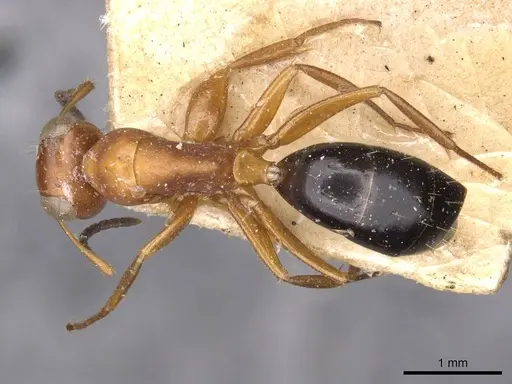
Literature
Loading distribution map...Loading products...