
Ophthalmopone hottentota
- Sci. Name
- Ophthalmopone hottentota
- Tribe
- Ponerini
- Subfamily
- Ponerinae
- Author
- Emery, 1886
- Distribution
- Found in 2 countries
Introduction
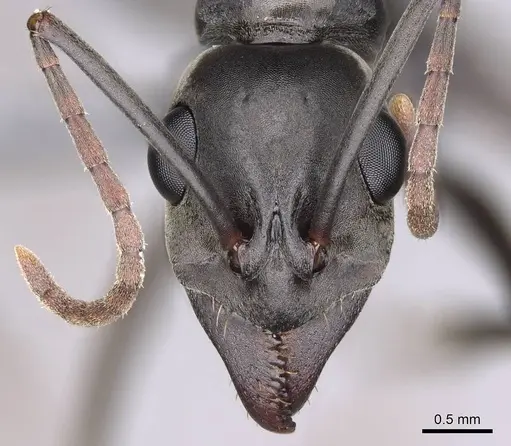
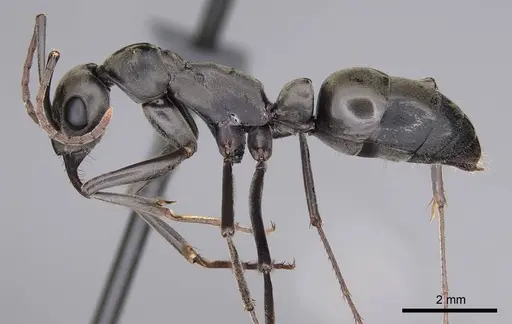
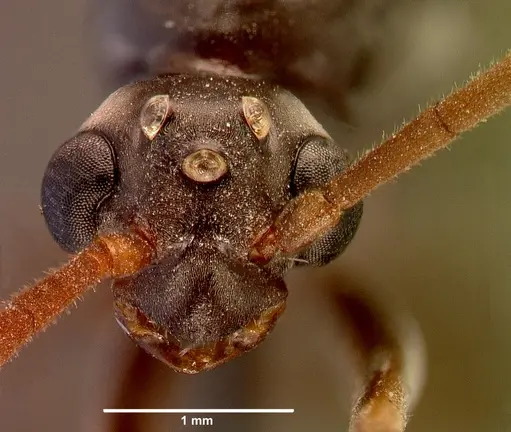
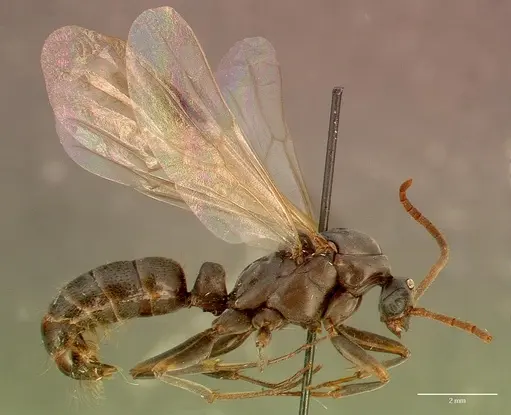
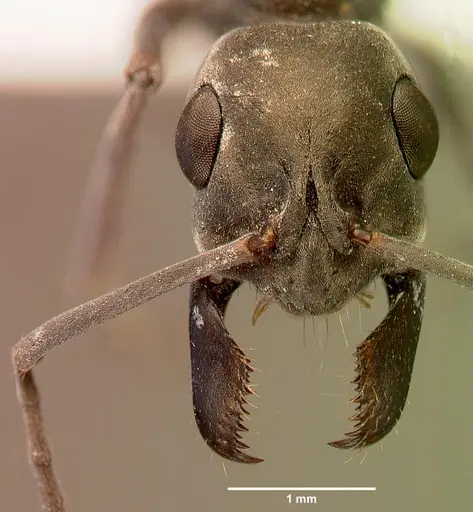
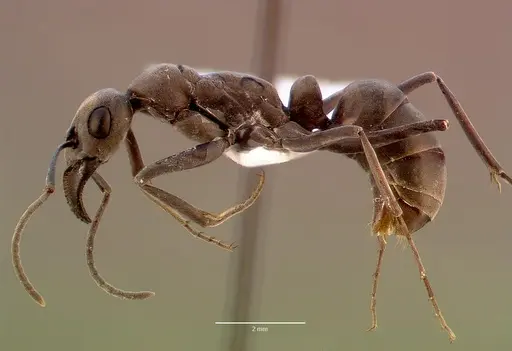
Ophthalmopone hottentota is a medium-sized ponerine ant native to South Africa, belonging to the subfamily Ponerinae. Worker size data is unavailable, but they have a distinctive dark reddish-brown coloration with a smooth, glossy appearance. They are found in the semi-arid Karoo and surrounding areas, where they preferentially forage on bare ground . This species has no true queen caste - instead, mated workers called gamergates handle all egg-laying duties . They are termite specialists that hunt individually, making their social structure unique among ants kept in captivity.
Quick Summary
- Difficulty: Expert
- Origin & Habitat: South Africa (Afrotropical Region), specifically the semi-arid Karoo and surrounding areas. They prefer bare ground in open habitats and are adapted to dry, warm conditions [1].
- Colony Type: Queenless, colonies reproduce through gamergates (mated, egg-laying workers) instead of a queen. This is a fundamentally different colony structure from most ant species [2].
- Size & Growth:
- Queen: N/A, this species is queenless. Gamergates (reproductive workers) take the place of queens [2].
- Worker: size data unavailable
- Colony: Unknown
- Growth: Unknown
- Development: Unknown (Development timeline has not been directly studied.)
- Antkeeping:
- Temperature: Likely 24-28°C based on semi-arid South African habitat [1]. Use a heating cable on one side of the nest to create a gradient.
- Humidity: Moderate to dry, the species is semi-arid adapted, so keep the nest relatively dry with a small moist area. Avoid waterlogging [1].
- Diapause: Unknown, South African winters are mild, reduced activity is possible but true hibernation is unlikely.
- Nesting: Likely nests in soil or under stones. Provide dry, enclosed chambers. Y-tong or plaster nests with tight spaces are suitable.
- Behavior: These ants are termite specialists that hunt individually [2]. They are not aggressive toward humans but possess a potent sting typical of Ponerinae, expect a painful sting if provoked. They are active foragers that search for prey alone. Escape prevention is important as they are medium-sized and capable climbers, standard barrier methods are recommended.
- Common Issues: no queen caste, you cannot start a colony from a single queen, you need an established colony with gamergates., specialized termite diet, live termites may be hard to source and the ants may refuse other prey., very limited availability in the antkeeping hobby., potent sting, handle with caution to avoid painful stings., lack of captive care data, husbandry is largely based on inference., unknown colony size and growth dynamics.
Understanding Queenless Colonies
Ophthalmopone hottentota is one of the few truly queenless ant species. Instead of a distinct queen caste, reproduction relies on gamergates, mated workers that lay eggs. Only workers that have successfully mated become gamergates [2]. This means you cannot start a colony from a single foundress like you would with typical ants. You must acquire an established colony that already contains gamergates, making this species extremely difficult to obtain. In related queenless ponerines, uninseminated workers never oviposit [3], so only a few mated individuals reproduce.
Feeding and Diet
This species is a termite specialist, in the wild they hunt and feed primarily on termites [2]. They are individual foragers, meaning each ant hunts alone rather than in raiding parties. Their diet in captivity should consist mainly of live termites, if available. They may also accept other small arthropods like fruit flies, small crickets, or mealworms, but success may vary. As strict predators, they do not need sugar sources like honey or sugar water. Feed every 2-3 days, offering enough prey for the colony to consume within 24 hours, and remove leftovers to prevent mold.
Temperature and Housing
As a South African species from semi-arid regions, Ophthalmopone hottentota likely prefers warmer, drier conditions. Keep the nest area at 24-28°C, with a slight gradient so workers can choose their preferred temperature [1]. A heating cable placed on top of the nest works well. Humidity should be moderate, aim for a drier nest environment with a small moist area, allowing the substrate to dry partially between waterings. For nesting, they prefer enclosed chambers similar to their natural soil nests. Y-tong or plaster nests with tight chambers are suitable. Provide a water tube for drinking and occasional misting of the outworld.
Handling and Sting Precaution
Ophthalmopone hottentota belongs to the subfamily Ponerinae, which is known for having potent stings. While this species is not aggressive, it will sting if threatened or handled roughly. The sting is painful. When working with this species, use caution and avoid handling them directly. If you need to move them, use gentle techniques like coaxing them into a test tube rather than picking them up. Keep the colony well-fed to reduce defensive behavior. Always wash your hands after contact with the ants or their nest. [2]
Frequently Asked Questions
Can I start an Ophthalmopone hottentota colony from a queen?
No. This species is queenless, it has no queen caste. Instead, mated workers called gamergates handle reproduction. You cannot start a colony from a founding queen because none exists. You need to acquire an already-established colony containing gamergates, which makes this species extremely difficult to obtain [2].
What do Ophthalmopone hottentota eat?
They are termite specialists and should be fed live termites as a primary food source [2]. They are individual foragers that hunt alone, so offer small prey items. They may also accept other small insects like fruit flies or small crickets, but termites should form the bulk of their diet. They do not need sugar sources like honey or sugar water.
Are Ophthalmopone hottentota good for beginners?
No. This species is rated as expert-level difficulty. The biggest challenge is obtaining a colony, since they are queenless, you cannot start from a founding queen. In addition, their specialized termite diet, potent sting, and lack of published captive care information make them unsuitable for beginners.
How do Ophthalmopone hottentota colonies reproduce?
Instead of a queen laying eggs, this species uses gamergates, mated workers that can lay eggs. Multiple gamergates may share reproductive duties within a colony. New colonies likely form through fission, where a mated gamergate leaves with some workers to establish a new nest [2].
What temperature do Ophthalmopone hottentota need?
Keep them warm, likely around 24-28°C based on their semi-arid South African habitat [1]. A heating cable on the nest creates a suitable temperature gradient. They can tolerate slightly cooler conditions but forage and grow best in the warm range.
How big do Ophthalmopone hottentota colonies get?
The exact maximum colony size is unknown, as this species has not been studied in captivity and wild colony data is lacking. Based on related ponerines, it may reach dozens to a few hundred workers, but this is speculative.
Can I keep multiple Ophthalmopone hottentota queens together?
This question does not apply to this species, there are no queens. The colony is led by gamergates (reproductive workers) rather than a single queen. Combining colonies would require careful introduction, but the social structure is fundamentally different from typical ant species [2].
Do Ophthalmopone hottentota need hibernation?
Unknown. South African species from semi-arid regions may not require true hibernation. They may have reduced activity during cooler winter months, but a full diapause is likely not necessary. If kept in temperate climates, you could reduce temperatures slightly (to around 18-20°C) during winter, but this is not confirmed.
Where can I get Ophthalmopone hottentota ants?
This species is extremely rare in the antkeeping hobby. They are not commonly available because they cannot be bred like typical ants (no queen to found colonies). If available, it would be through specialized dealers or by collecting a wild colony in South Africa (which may require permits). You are unlikely to simply purchase them online.
Report an Issue
The current care sheet is based fully on literature. See inconsistencies, or something that's incorrect? Please , it will be resolved after review from an admin. Contributing to the blogs tab also helps providing information, to make us be able to further improve the caresheets. Thank you for your support!
References

This caresheet is licensed under CC BY-SA 4.0 .
Community Blogs
CASENT0815985
View on AntWeb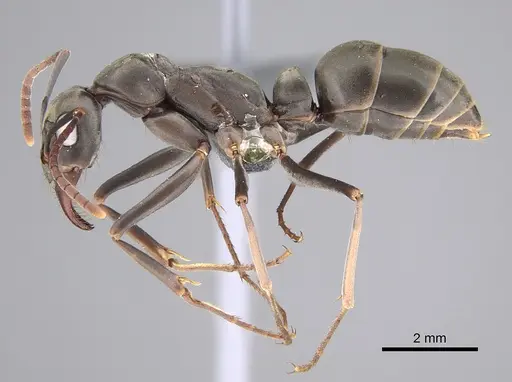
CASENT0903879
View on AntWeb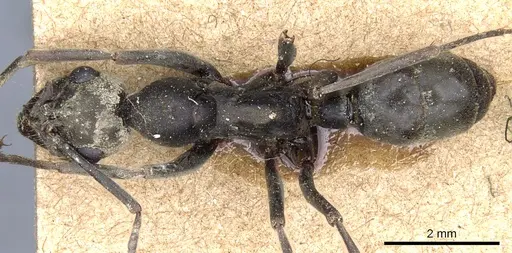
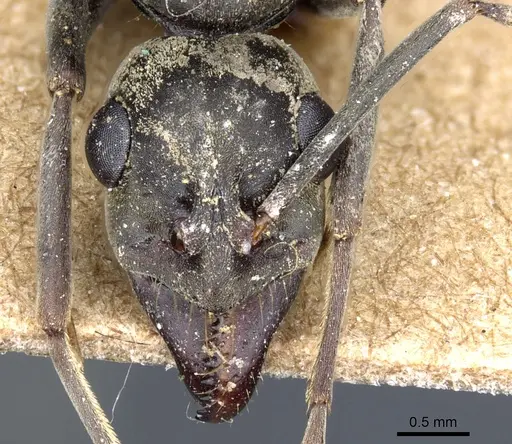
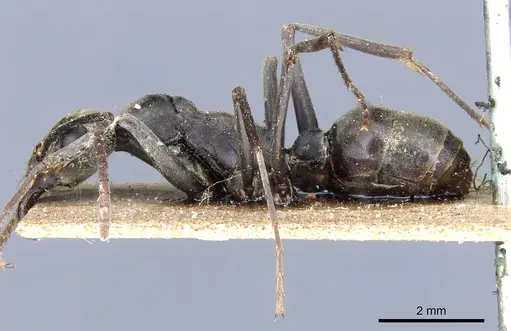
CASENT0914340
View on AntWeb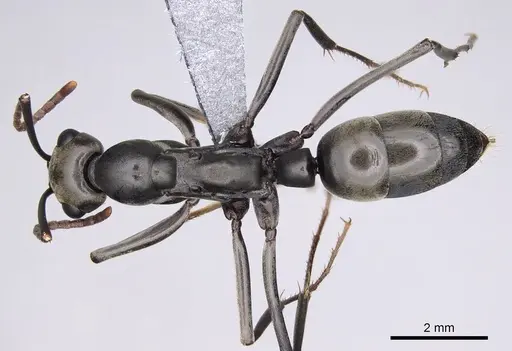
SAM-HYM-C005957A
View on AntWeb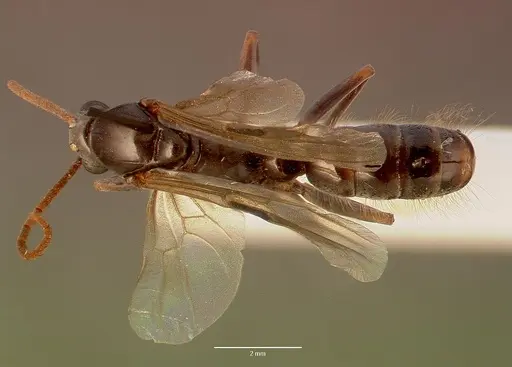
SAM-HYM-C007413A
View on AntWeb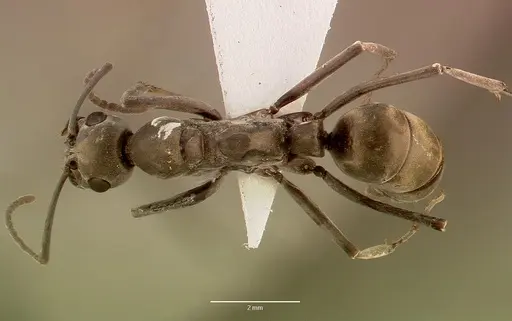
Literature
Loading distribution map...Loading products...