
Ooceraea australis
- Sci. Name
- Ooceraea australis
- Subfamily
- Dorylinae
- Author
- Forel, 1900
- Distribution
- Found in 1 countries
Introduction
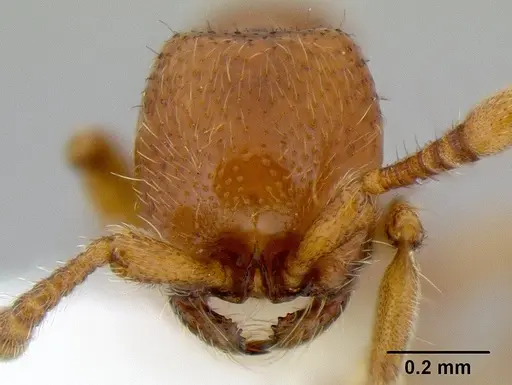
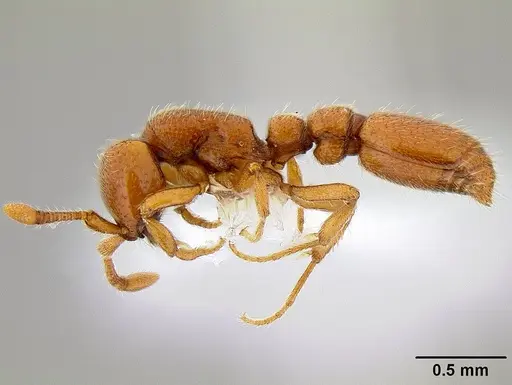
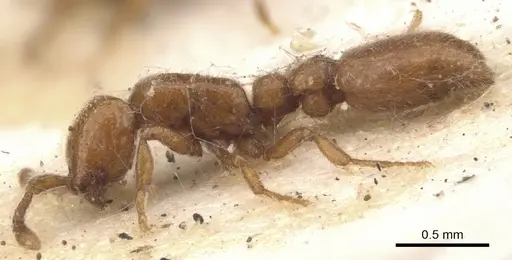
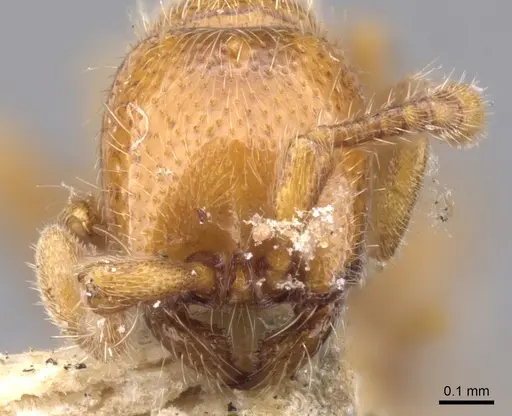
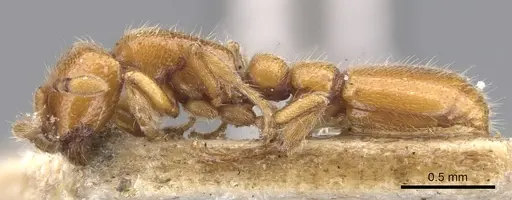
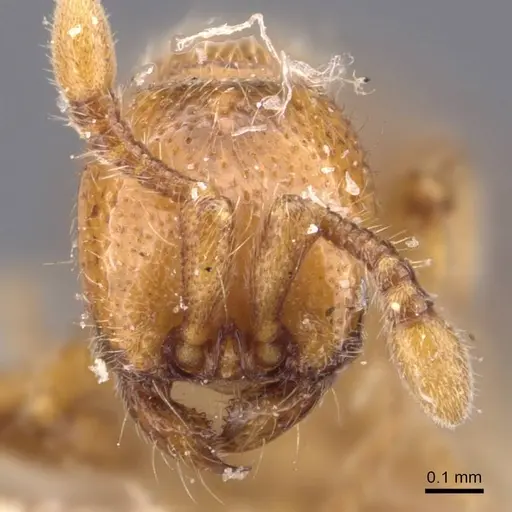
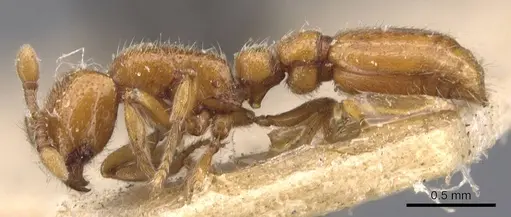
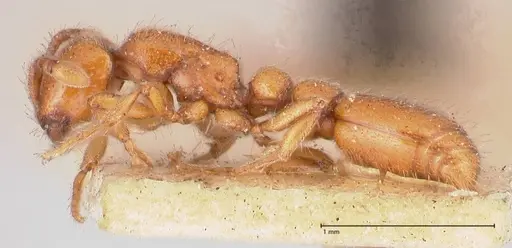
Ooceraea australis is a small ant native to Australia, belonging to the Dorylinae subfamily. Workers have 9-segmented antennae and a smooth, shiny mesosoma . The species is distributed across Australia, including Western Australia where it is the only Ooceraea species , as well as Queensland, New South Wales, and the ACT . They are typically found under rocks in temperate regions . This species is notable for its bivouacking behavior, where workers attach to each other by their mandibles, forming large tangled masses under rocks rather than building traditional nests .
Quick Summary
- Difficulty: Medium
- Origin & Habitat: Australia, found across WA, ACT, NSW, and Queensland. In Western Australia, they inhabit the wheatbelt region, including areas around Perth with native vegetation. They nest under rocks and form bivouac-style colonies [5][4][3].
- Colony Type: Unconfirmed, colony structure has not been specifically documented in research.
- Size & Growth:
- Queen: Size data unavailable, no specific measurements provided in research.
- Worker: Size data unavailable, no specific measurements provided in research.
- Colony: Up to thousands of workers based on field observations [5].
- Growth: Unknown, no development data available.
- Development: Unconfirmed, no direct development data exists. Based on related Dorylinae species, estimates range from 4-8 weeks at warm temperatures, but this is speculative. (Development timeline has not been directly studied for this species.)
- Antkeeping:
- Temperature: Based on their natural habitat in temperate Australia, keep warm and stable, roughly low-to-mid 20s°C [5].
- Humidity: Keep the nest substrate consistently moist but not waterlogged, as they inhabit areas with some moisture [5].
- Diapause: Yes, based on geographic range in temperate Australia, a winter rest period is likely required. Reduce temperature to 15-18°C for 2-3 months during winter [5].
- Nesting: This species does not use traditional nests, they form bivouac clusters. Provide a setup with multiple connected chambers or a flexible space that allows clustering, such as Y-tong or plaster nests [5].
- Behavior: Workers are small and may have functional stingers typical of Dorylinae. They show high group cohesion, attaching to each other with mandibles. Escape prevention is critical due to small size, use fine mesh barriers [5].
- Common Issues: colonies may fail if kept in conventional test tube setups, as they prefer to cluster together exposed., small size requires excellent escape prevention with fine mesh., no direct data on founding behavior makes successful colony establishment uncertain., winter dormancy requirements are not fully understood but likely necessary., predatory nature means they need live prey, sugar sources may not be accepted.
Natural History and Unique Behavior
Ooceraea australis displays bivouacking behavior, where workers physically attach to one another by their mandibles, forming large tangled masses under rocks. This behavior resembles that of army ants, with colonies forming temporary exposed clusters rather than permanent underground nests [5]. In Western Australia, researchers have observed enormous numbers of workers in these skeins, which fall away from rocks when disturbed [5].
Housing and Nest Setup
Keeping Ooceraea australis successfully requires unconventional nest design due to their bivouacking behavior. Provide a setup with multiple connected chambers or a flexible space that allows clustering, such as Y-tong or plaster nests [5]. Test tubes can work for founding colonies but may need modification to allow clustering. Ensure excellent escape prevention with fine mesh barriers due to their small size [5].
Feeding and Diet
As members of the Dorylinae subfamily, these ants are predatory and likely hunt small invertebrates. In captivity, offer small live prey such as fruit flies, small crickets, or mealworms [5]. Feed prey 2-3 times per week, adjusting based on colony consumption. Remove uneaten prey after 24-48 hours to prevent mold. Sugar sources may be accepted occasionally but should not be relied upon as a primary food source.
Temperature and Seasonal Care
Ooceraea australis originates from temperate Australia, so aim for stable temperatures in the low-to-mid 20s°C during active seasons [5]. During winter, reduce temperatures to 15-18°C for 2-3 months to simulate natural dormancy. Monitor colony activity, if workers cluster tightly and become sluggish, they may be entering dormancy.
Frequently Asked Questions
How long does it take for Ooceraea australis to produce first workers?
The egg-to-worker timeline is unconfirmed for this species as no direct development studies exist. Based on related Ooceraea species, expect approximately 4-8 weeks at warm temperatures (around 25°C), but this is an estimate [5].
Can I keep Ooceraea australis in a test tube setup?
Test tubes can work for founding colonies but may not be ideal long-term. These ants naturally form bivouac clusters rather than using traditional nest tunnels. Consider a naturalistic setup with larger chambers that allow workers to cluster together [5].
What do Ooceraea australis eat?
They are predatory ants that hunt small invertebrates. Feed small live prey such as fruit flies, small crickets, or mealworms [5]. Offer prey 2-3 times weekly. Sugar sources may be accepted but should not be the primary food.
Are Ooceraea australis good for beginners?
This species is rated as medium difficulty. Their unusual bivouacking behavior and lack of captive care data make them more challenging than common species. They require specific setup considerations and escape prevention. Not recommended as a first ant unless you're prepared for experimental husbandry.
Do Ooceraea australis need hibernation?
Likely yes, based on their temperate Australian range, a winter rest period is probably important for colony health. Reduce temperatures to 15-18°C for 2-3 months during winter [5].
How big do Ooceraea australis colonies get?
Colonies can reach large sizes in the wild, thousands of workers have been observed in single aggregations [5]. In captivity, expect colonies to grow to several hundred workers with proper care.
Why do my Ooceraea australis form clusters attached to each other?
This is their natural bivouacking behavior. Unlike most ants that spread out in nest chambers, Ooceraea australis workers attach to each other using their mandibles, forming protective clusters [5]. This is normal and indicates healthy colony cohesion.
Can I keep multiple queens together?
Colony structure is not well-documented for this species. Combining unrelated queens has not been studied and is not recommended. If you obtain a wild colony, it may contain multiple reproductive individuals, but proceed with caution when introducing new queens.
Why are my Ooceraea australis dying?
Potential causes include: unsuitable nest setup (they need clustering space, not narrow tunnels), incorrect temperature or humidity, lack of adequate live prey, escape-related mortality, or stress from overhandling. Review their bivouacking needs and ensure proper prey availability. Also verify escape prevention is adequate for their small size.
Report an Issue
The current care sheet is based fully on literature. See inconsistencies, or something that's incorrect? Please , it will be resolved after review from an admin. Contributing to the blogs tab also helps providing information, to make us be able to further improve the caresheets. Thank you for your support!
References

This caresheet is licensed under CC BY-SA 4.0 .
Community Blogs
CASENT0106146
View on AntWeb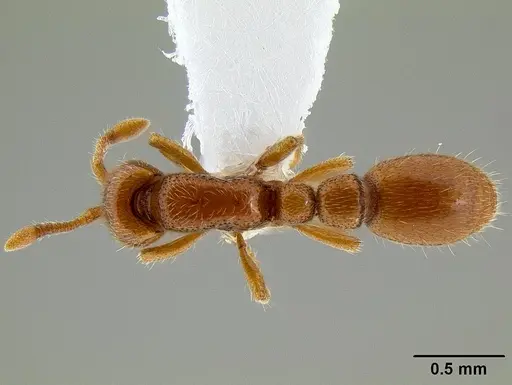
CASENT0249322
View on AntWeb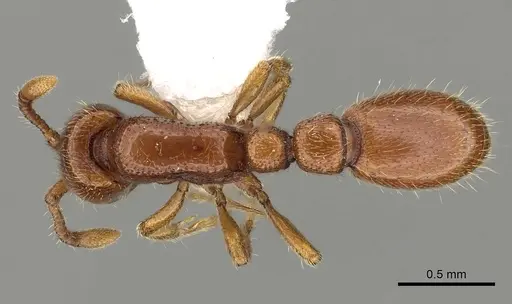
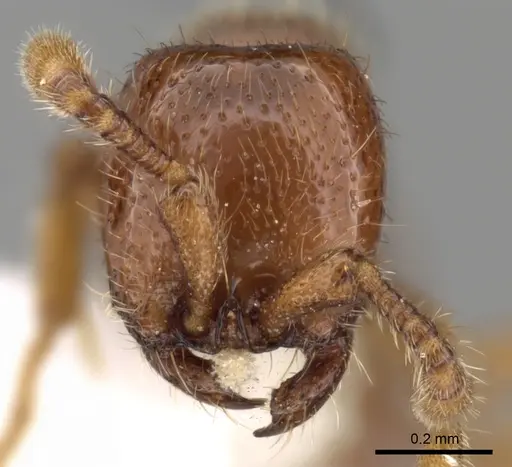
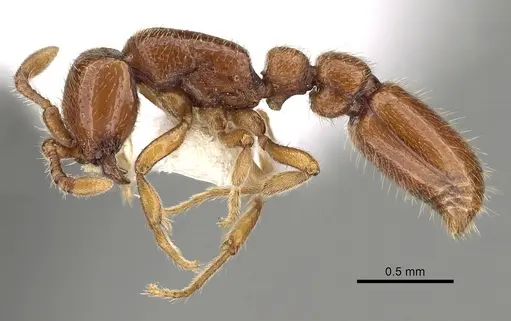
CASENT0902745
View on AntWeb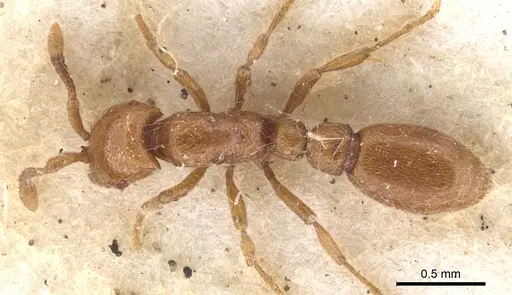
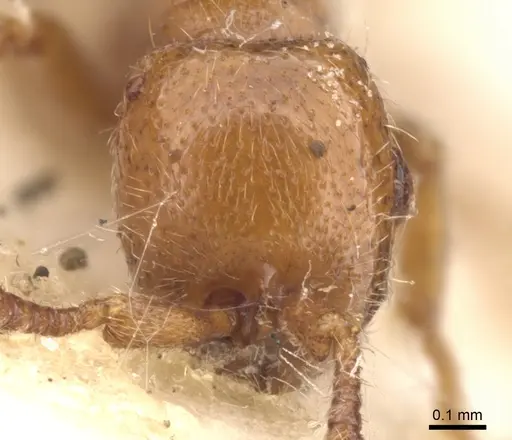
CASENT0902746
View on AntWeb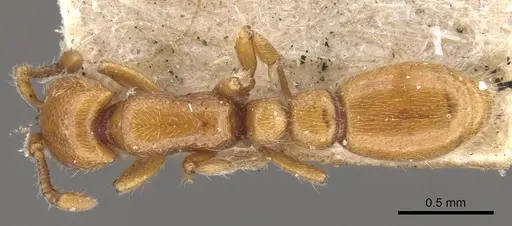
CASENT0907057
View on AntWeb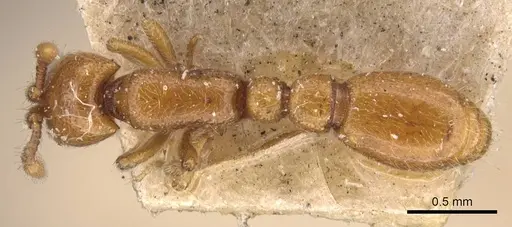
CASENT0907058
View on AntWeb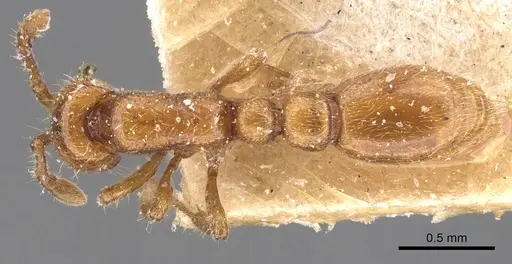
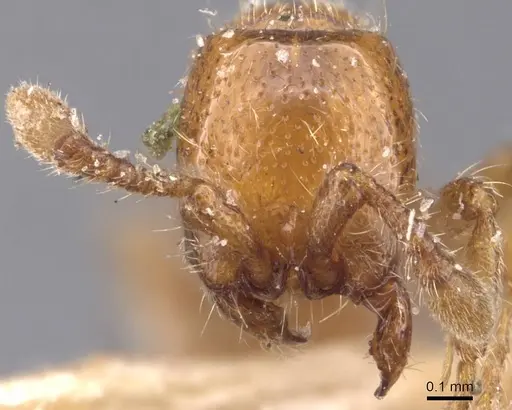
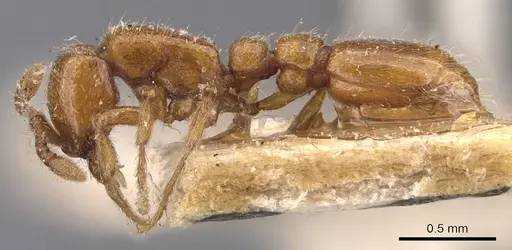
FOCOL0803
View on AntWeb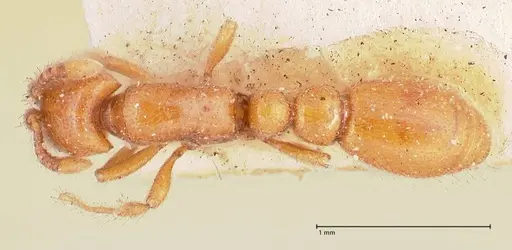
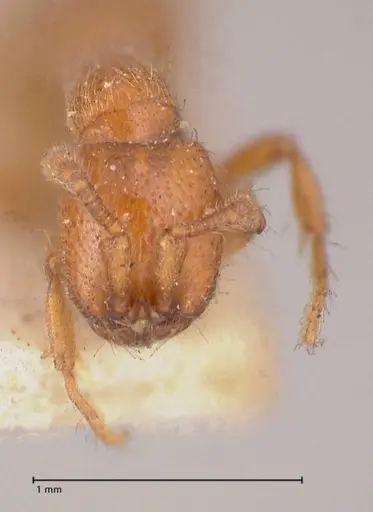
Literature
Loading distribution map...Loading products...