
Troglodyte Trap-jaw ant
Odontomachus troglodytes
- Sci. Name
- Odontomachus troglodytes
- Tribe
- Ponerini
- Subfamily
- Ponerinae
- Author
- Santschi, 1914
- Common Name
- Troglodyte Trap-jaw ant
- Distribution
- Found in 18 countries
Introduction
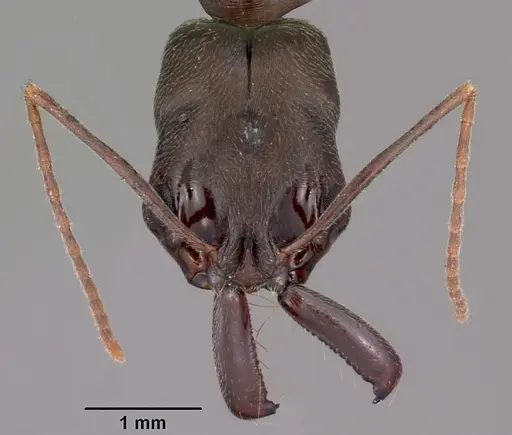
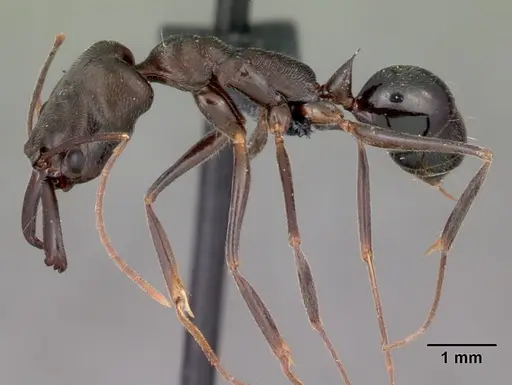
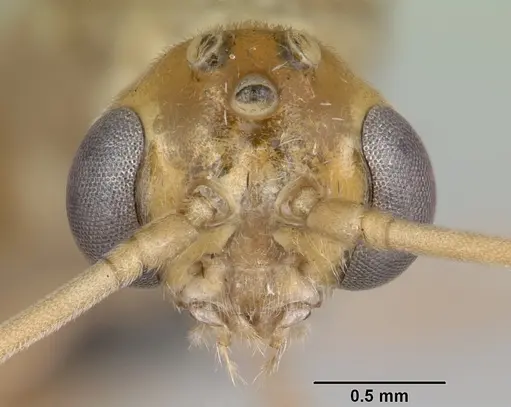
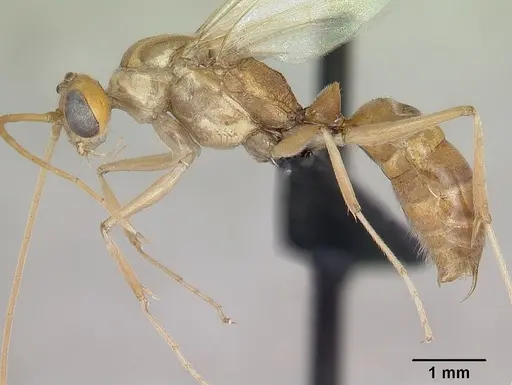
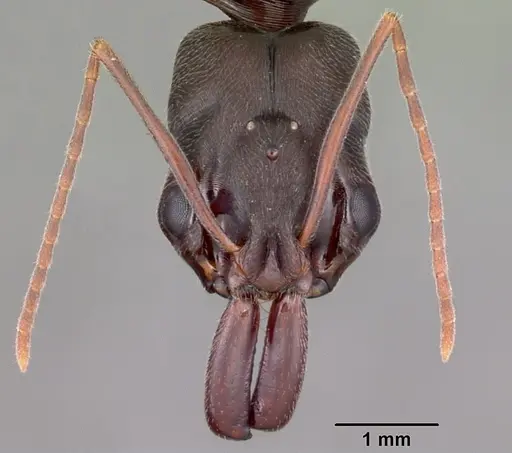
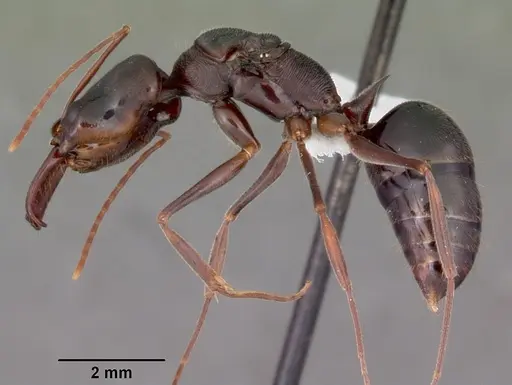
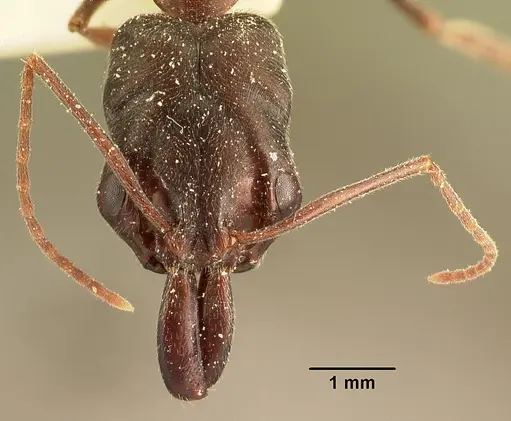
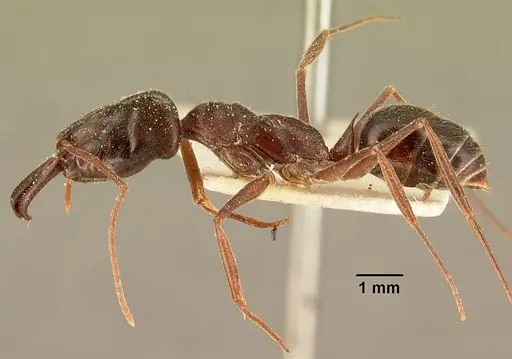
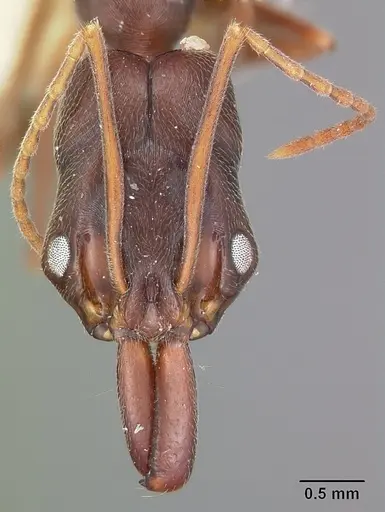
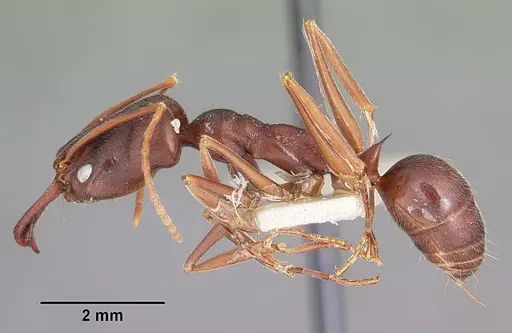
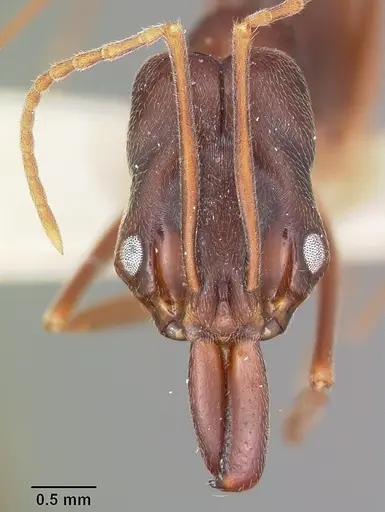
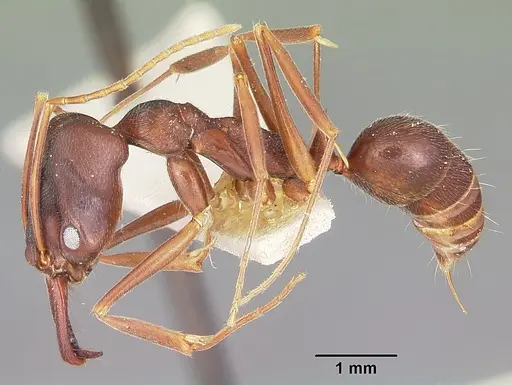
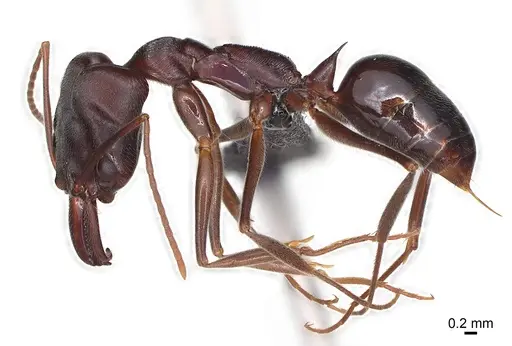
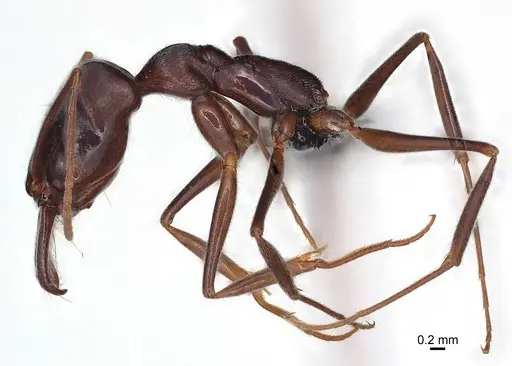
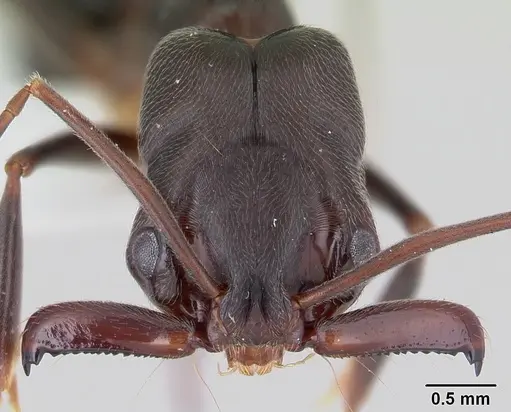
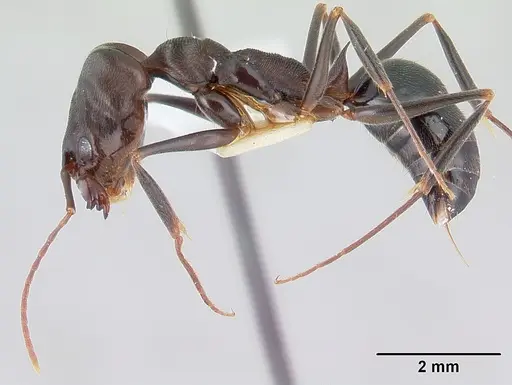
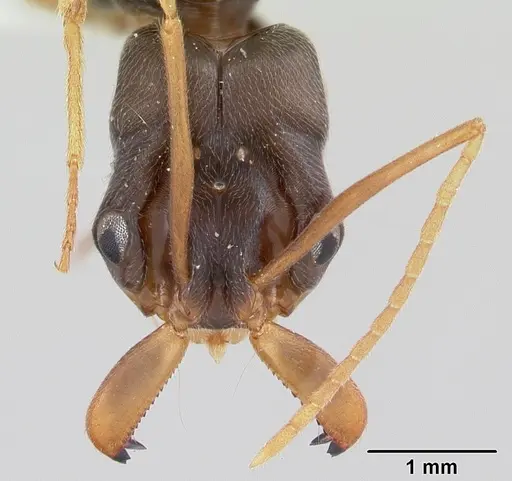
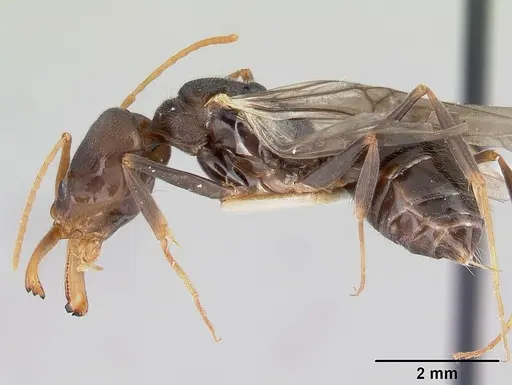
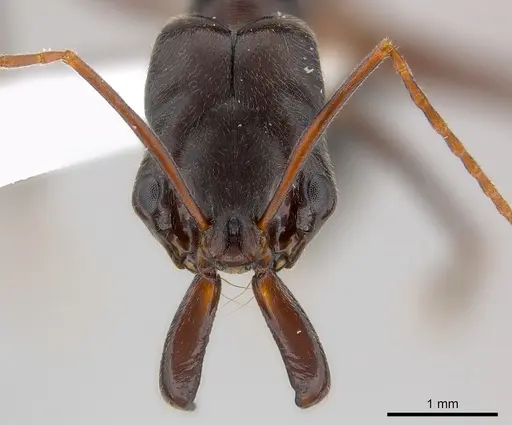
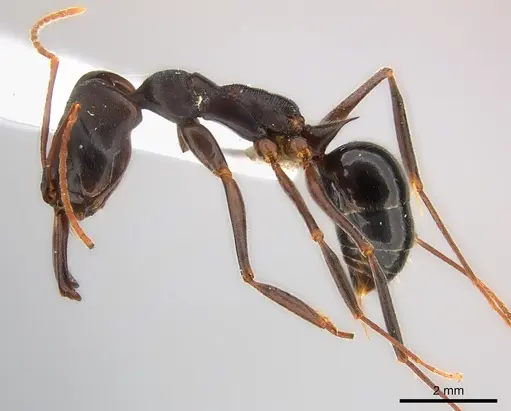
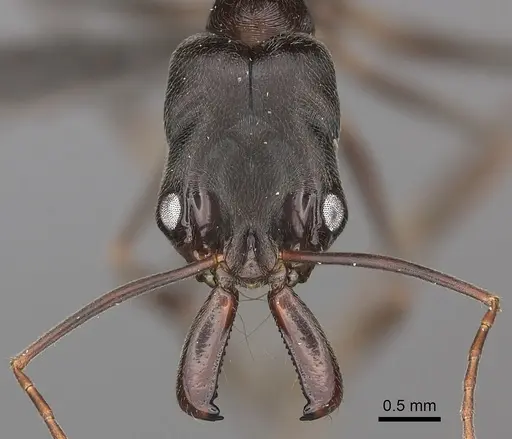
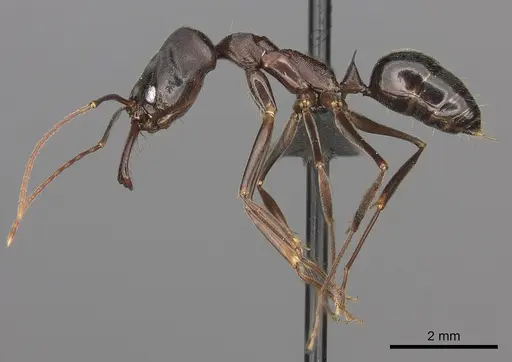
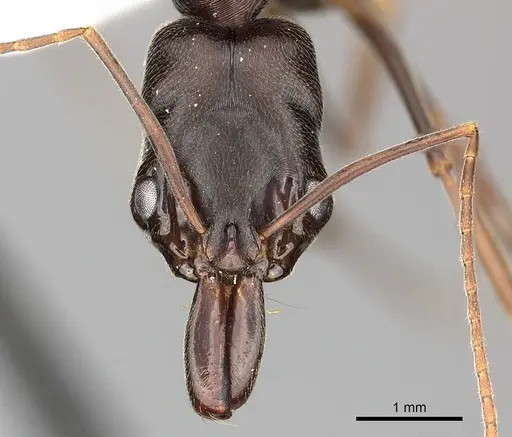
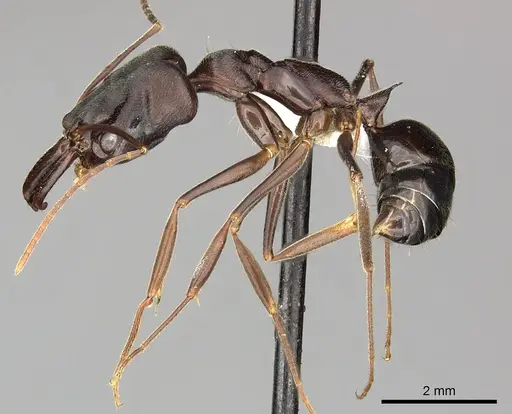
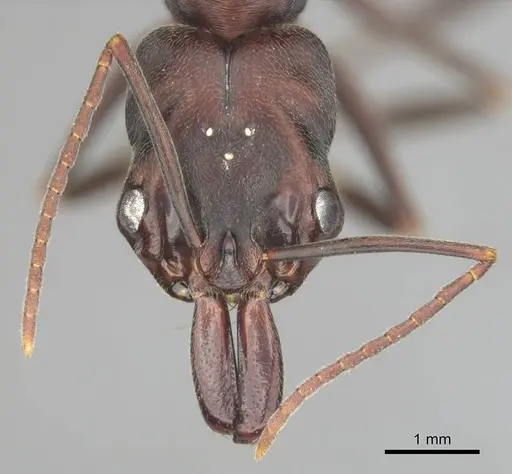
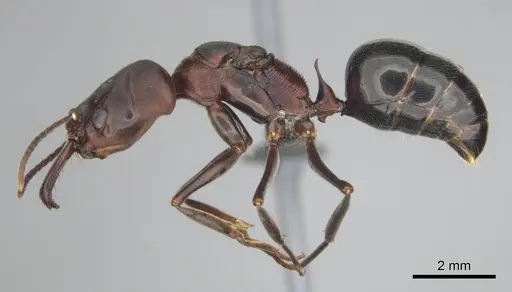
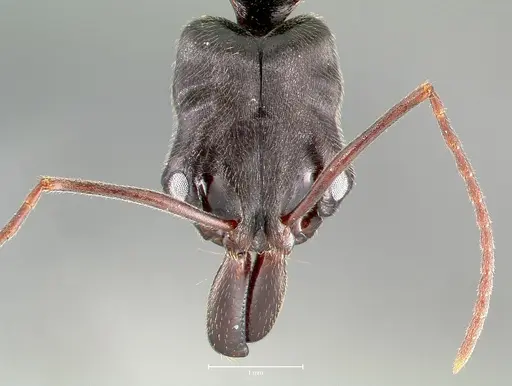
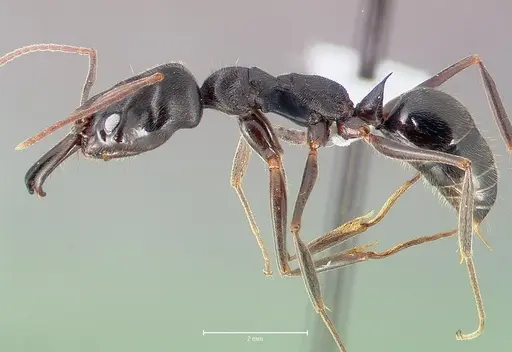
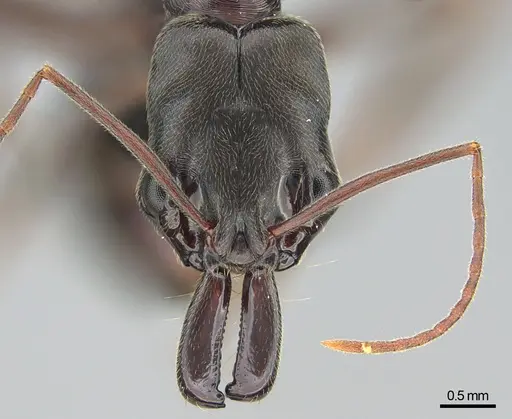
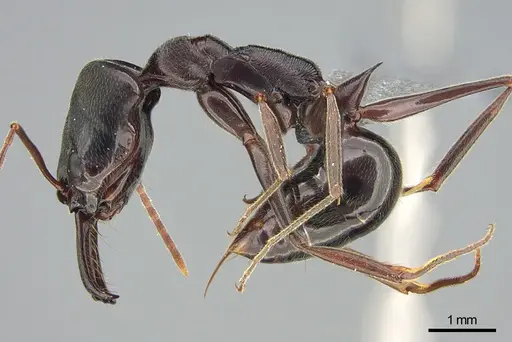
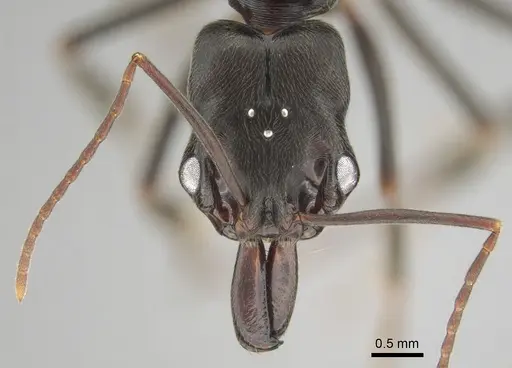
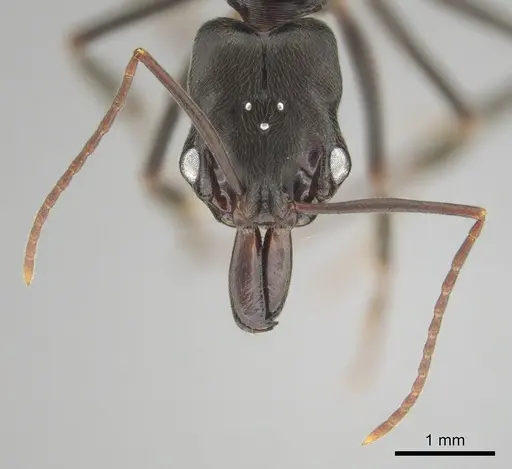
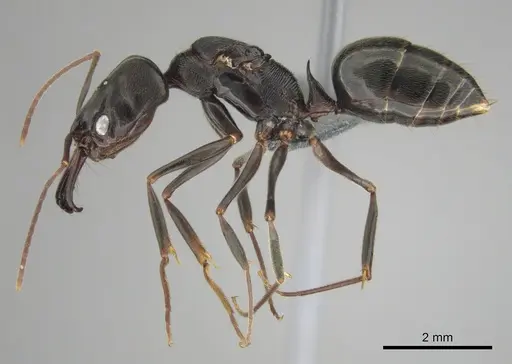
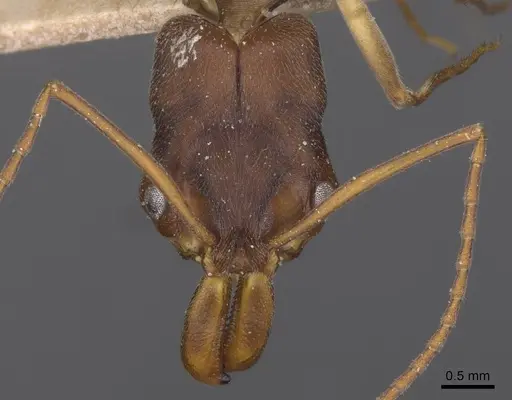
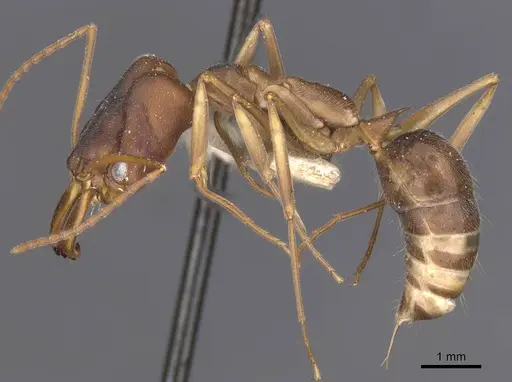
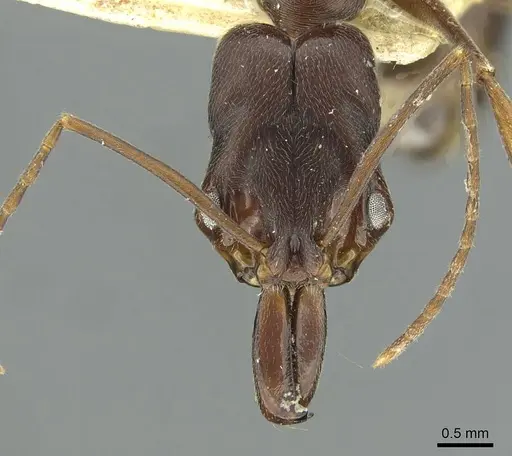
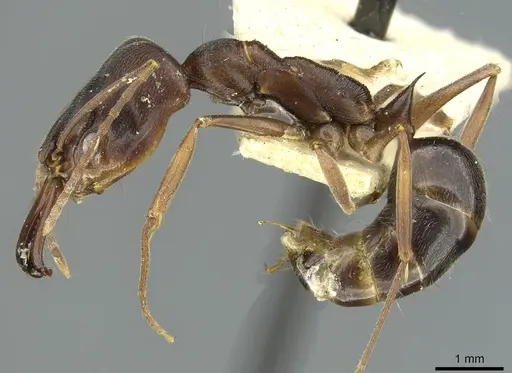
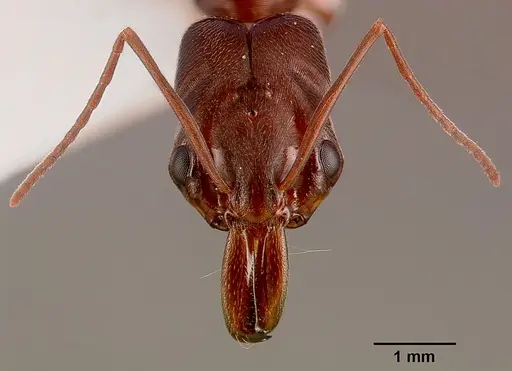
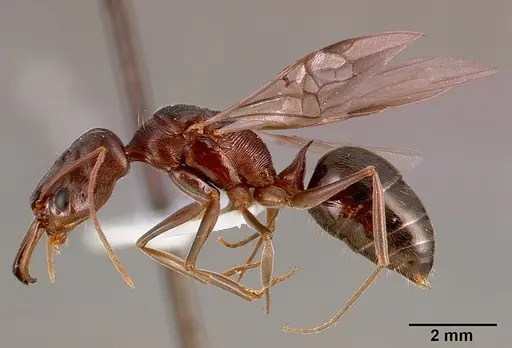
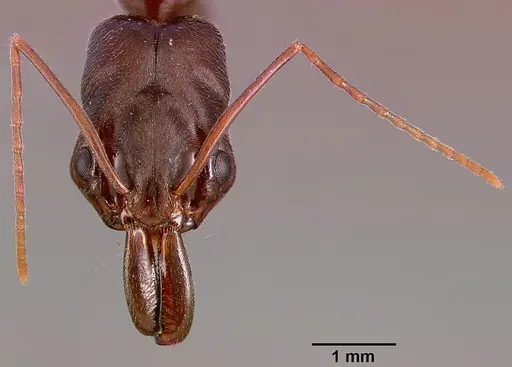
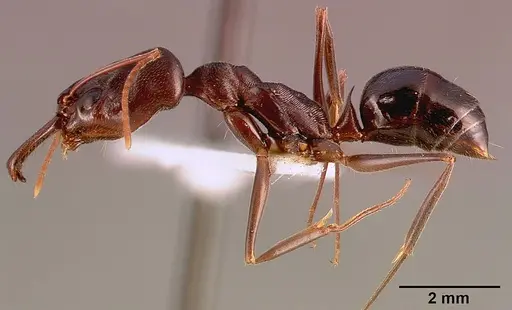
Odontomachus troglodytes is a predatory ant native to sub-Saharan Africa and Madagascar. Workers have a trap-jaw mechanism that snaps shut at high speed for capturing prey and defense . They are distinguished from similar species like Odontomachus coquereli by extraocular furrows and temporal ridges on the head . This species is widespread in secondary forests, savannas, and agricultural areas, and has been introduced to Taiwan where it shows supercolonial behavior .
Quick Summary
- Difficulty: Medium
- Origin & Habitat: Sub-Saharan Africa and Madagascar, found in secondary forests, savannas, agricultural areas, and coastal scrub. Nests in rotting wood on the ground, tree stumps, and among roots [1][3].
- Colony Type: Polygynous with multiple queens per colony, as documented in introduced populations [2].
- Size & Growth:
- Queen: Size data unavailable, no total length measurements in research.
- Worker: Size data unavailable, no total length measurements in research.
- Colony: Up to 200 workers in wild colonies [2].
- Growth: Moderate
- Development: Unknown, no species-specific data available. (Based on related Ponerinae species, development may take 6-10 weeks at optimal temperatures, but this is an estimate.)
- Antkeeping:
- Temperature: Keep warm, roughly 24-28°C, with a gradient if possible. Based on tropical habitat [1].
- Humidity: Keep nest substrate consistently moist but not waterlogged, as they nest in rotten wood [1].
- Diapause: No, tropical species, no hibernation needed [3].
- Nesting: Prefer rotten wood and leaf litter, in captivity, use Y-tong, plaster, or naturalistic nests with damp substrate [1].
- Behavior: These ants are predatory and active hunters. Workers are primarily nocturnal or crepuscular. They show no inter-nest aggression in introduced populations, a supercolonial trait [2]. However, they will attack other ant species and small arthropods. Escape prevention is important due to their active nature [1][4].
- Common Issues: trap-jaw snaps can startle keepers, give them space when disturbing the nest., predatory nature means they need live prey, sugar water alone is insufficient., high humidity requirements can lead to mold if ventilation is poor., colonies may be polygynous, multiple queens can coexist, but introducing unrelated queens is not recommended., small colony sizes initially mean slow growth, patience is required., warning: Odontomachus troglodytes is introduced in Taiwan and shows invasive potential. Do not release this species outside its native range [2].
Housing and Nest Setup
Odontomachus troglodytes nests in rotting wood and leaf litter in the wild, so replicate this with a naturalistic setup or a Y-tong/plaster formicarium with damp substrate. They prefer dark, tight chambers and will readily occupy narrow passages. A test tube setup can work for founding colonies, but move them to a proper nest once the colony reaches 20-30 workers. Because they are predatory, ensure the outworld is escape-proof, these ants are quick and will hunt any small insects that wander near. Provide a water tube and sugar water constantly, plus a hunting area for live prey [1].
Feeding and Diet
These are obligate predators that hunt small arthropods. In the lab, they thrived on a diet of crickets and produced numerous brood [1]. They are known termite predators in the wild, with a 33% detection rate in gut content studies [5]. Feed them small live prey like fruit flies, pinhead crickets, mealworms, and other small insects. They will also accept sugar water or honey as an energy source. Feed protein prey 2-3 times per week and keep sugar water constantly available. Remove uneaten prey after 24 hours to prevent mold [1][5].
Temperature and Humidity
As a tropical African species, they need warm conditions. Keep the nest at roughly 24-28°C with a gentle gradient, use a heating cable on one side of the nest if your room temperature is below this range. High humidity is essential, maintain moist substrate conditions by keeping it consistently damp but not waterlogged. Mist occasionally but monitor for condensation and mold. Do not let the nest dry out, but avoid waterlogging the substrate [1].
Trap-Jaw Behavior
The defining feature of Odontomachus troglodytes is their trap-jaw mechanism. Their mandibles can snap shut at speeds over 200 km/h, used both for capturing prey and defending against threats [6]. When disturbed, they use this mechanism to 'jump' away, the snap propels them several body lengths [1]. This makes them exciting to watch but can be startling for keepers. Give them space when cleaning or observing, and avoid sudden vibrations near the nest. They are not aggressive toward humans but the snap can feel like a small pinch if you happen to be in the way [1][6].
Colony Structure and Supercoloniality
This species exhibits polygyny, multiple queens per colony, with up to 9 queens documented in Taiwan populations [2]. The introduced Taiwan population shows supercolonial traits: no inter-nest aggression across distances of several kilometers, polygyny, and polydomy (multiple nest sites) [2]. In captivity, you may keep multiple queens together, though introducing unrelated foundresses is not recommended as their interactions are not well-documented. Colonies can reach several hundred workers. Worker reproduction has been documented in queenright colonies of related species [7].
Seasonal Care
As a tropical species, Odontomachus troglodytes does not require hibernation or diapause. Keep temperatures stable year-round at roughly 24-28°C. They may reduce activity slightly during cooler periods but should remain active. Maintain humidity consistently, do not allow drying even in winter when indoor heating can reduce moisture. Their native range experiences warm temperatures year-round, so replicate these conditions for optimal colony health [3].
Frequently Asked Questions
How long does it take for Odontomachus troglodytes to produce first workers?
No species-specific data is available. Based on related Ponerinae species, expect 6-10 weeks from egg to first worker at optimal temperature (around 26°C). Development is temperature-dependent, cooler temperatures will slow growth. Be patient during the founding stage as these ants grow more slowly than many common species [1].
Can I keep multiple queens together in one colony?
Yes, this species is naturally polygynous, colonies commonly have multiple queens (up to 9 documented). Queens can coexist and all reproduce. However, if you are starting a colony from scratch, it is best to let one queen establish first before considering introducing others. Combining unrelated foundresses has not been specifically studied [2].
What do Odontomachus troglodytes eat?
They are predatory ants that primarily eat small live insects. Feed them fruit flies, pinhead crickets, small mealworms, and similar prey. They will also drink sugar water or honey for energy. A lab colony thrived on crickets [1]. Remove uneaten prey after 24 hours. Do not rely on sugar alone, they need protein to raise brood [1][5].
Are Odontomachus troglodytes good for beginners?
They are rated as medium difficulty. They require more specific conditions than hardy species like Lasius niger, specifically high humidity, warm temperatures, and live prey. However, they are not as demanding as some other Ponerinae. If you have kept at least one species successfully to the point of producing workers, you should be able to manage these [3].
How big do Odontomachus troglodytes colonies get?
Wild colonies in Taiwan had up to 200 workers [2]. Related species like Odontomachus coquereli can reach 1300 workers [8]. Expect your colony to potentially reach several hundred workers with good care over 2-3 years. Growth is moderate, not as fast as many common species [2][8].
Do they need hibernation?
No. As a tropical African species, they do not require diapause or hibernation. Keep temperatures stable at roughly 24-28°C year-round. They may show slightly reduced activity in cooler conditions but should not be subjected to cold temperatures [3].
Why are my Odontomachus troglodytes dying?
Common causes include: too low humidity (keep substrate consistently moist), temperatures outside 24-28°C range, insufficient protein (they need live prey, not just sugar), and mold from poor ventilation. Also check for escape routes, they are quick and may find tiny gaps. If founding colony dies, it may be due to disturbance during the claustral period, minimize vibrations and light [1].
When should I move them to a formicarium?
Move them once they reach 20-30 workers and the test tube setup feels cramped. They will readily accept Y-tong, plaster, or naturalistic nests. Ensure the new setup has damp substrate and dark chambers. Allow 1-2 weeks for them to move in before disturbing them [1].
Report an Issue
The current care sheet is based fully on literature. See inconsistencies, or something that's incorrect? Please , it will be resolved after review from an admin. Contributing to the blogs tab also helps providing information, to make us be able to further improve the caresheets. Thank you for your support!
References

This caresheet is licensed under CC BY-SA 4.0 .
Community Blogs
CASENT0047308
View on AntWeb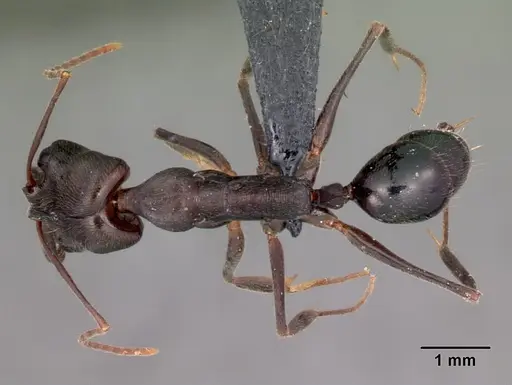
CASENT0051311
View on AntWeb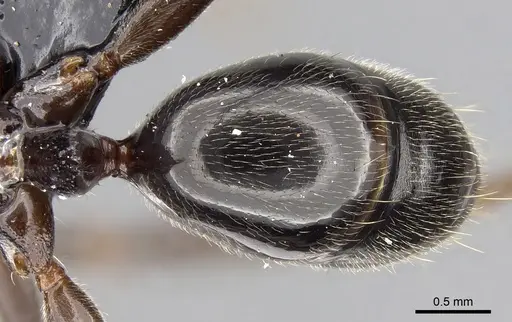
CASENT0096412
View on AntWeb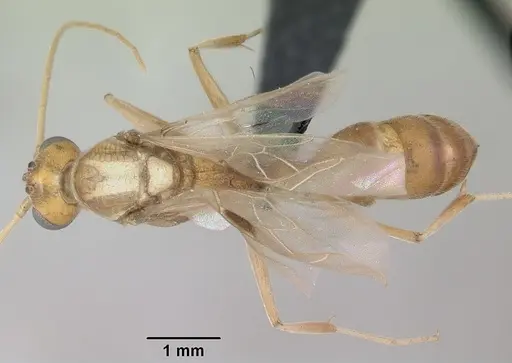
CASENT0100313
View on AntWeb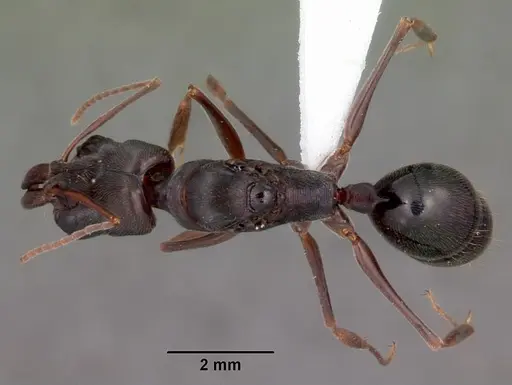
CASENT0100539
View on AntWeb


CASENT0101134
View on AntWeb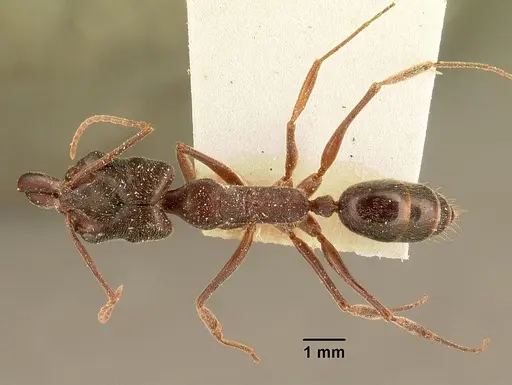
CASENT0104653
View on AntWeb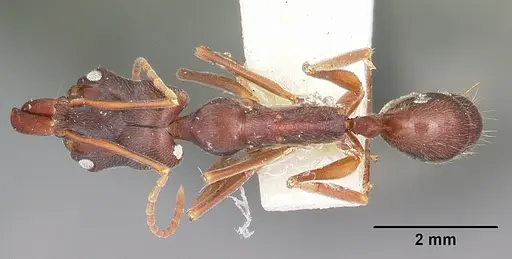
CASENT0104654
View on AntWeb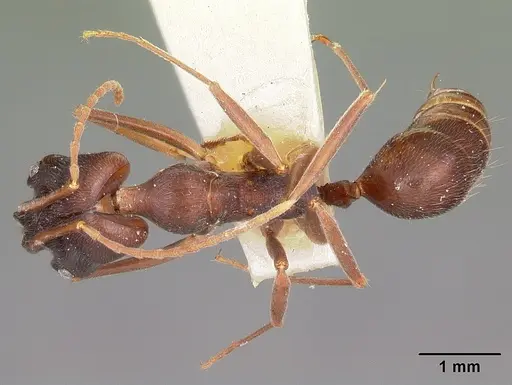
CASENT0136231
View on AntWeb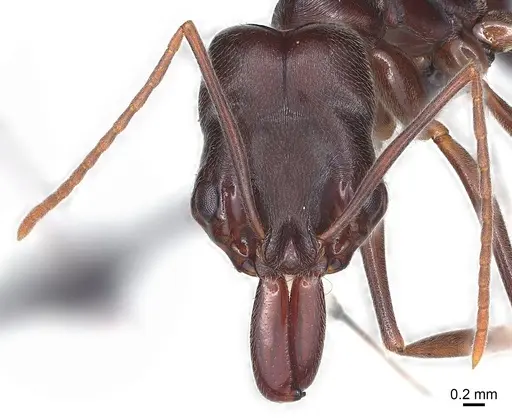
CASENT0136232
View on AntWeb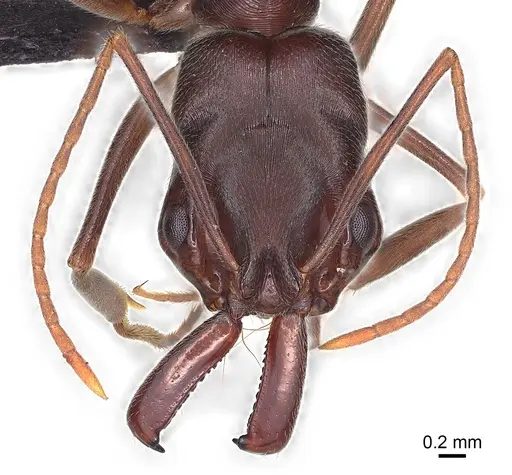
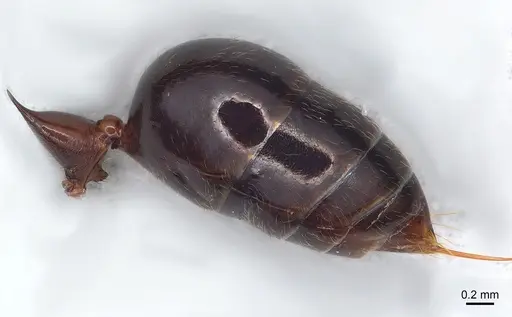
CASENT0138467
View on AntWeb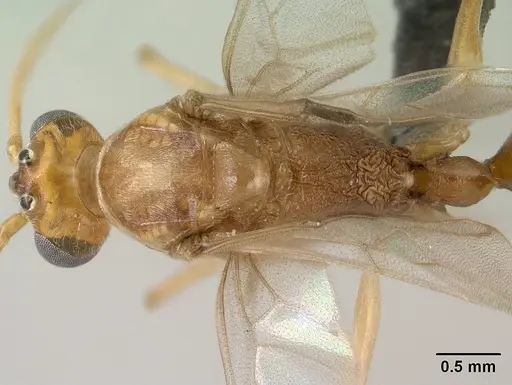
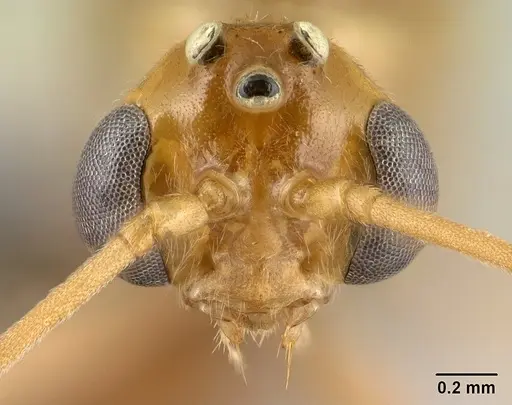
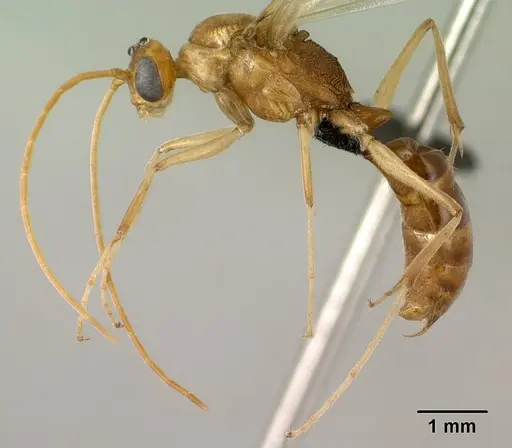
CASENT0178263
View on AntWeb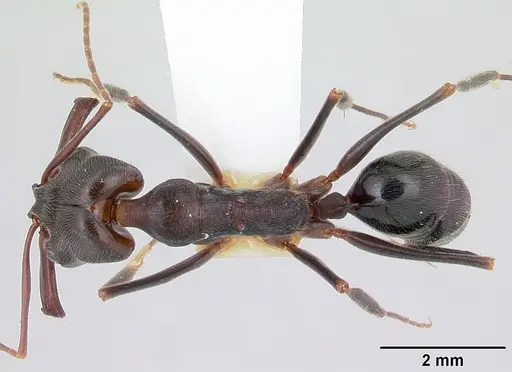
CASENT0178264
View on AntWeb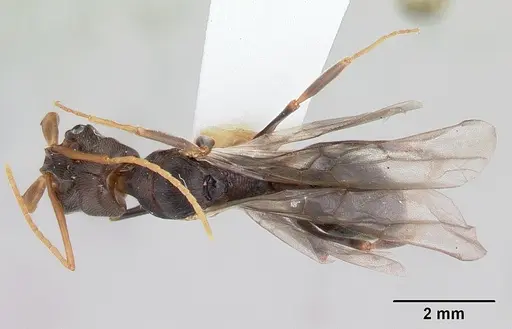
CASENT0217180
View on AntWeb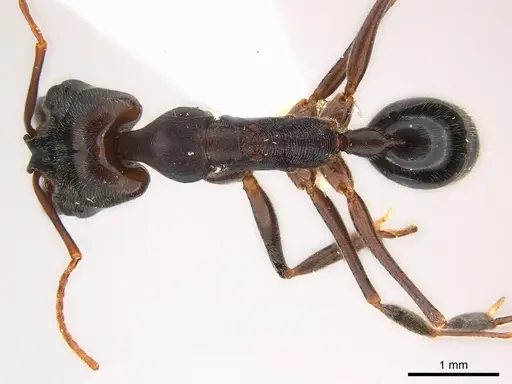
CASENT0235559
View on AntWeb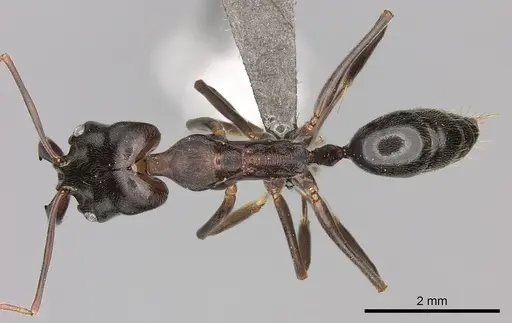
CASENT0249121
View on AntWeb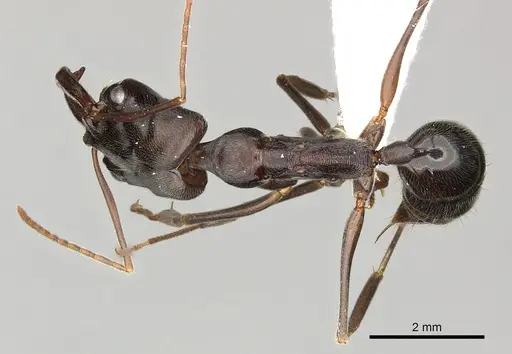
CASENT0251902
View on AntWeb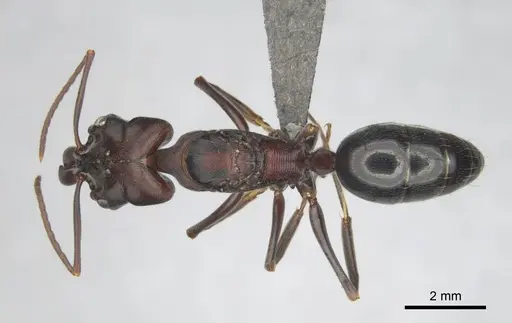
CASENT0253632
View on AntWeb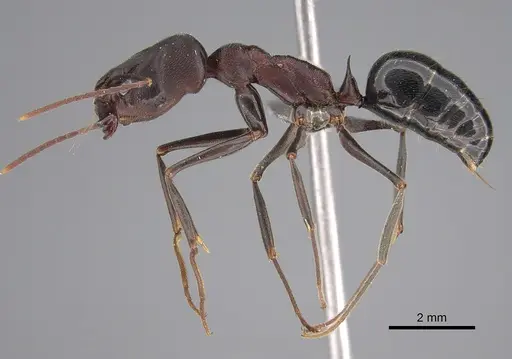
CASENT0400531
View on AntWeb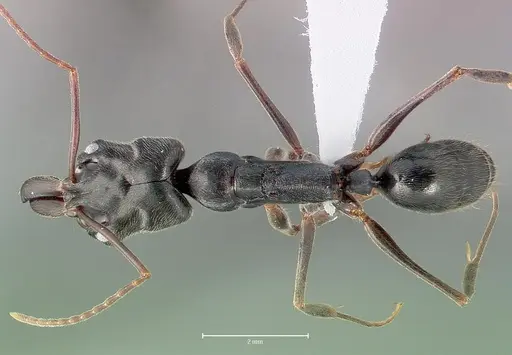
CASENT0745880
View on AntWeb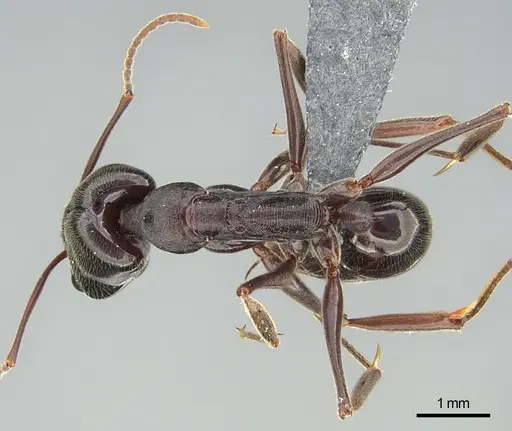
CASENT0815872
View on AntWeb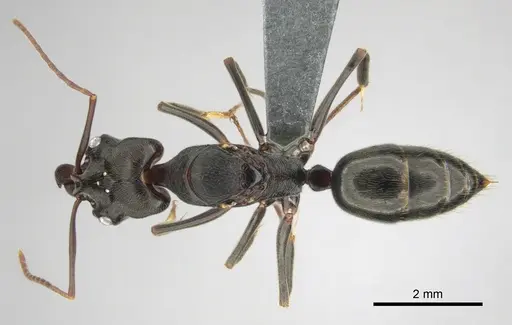
CASENT0915246
View on AntWeb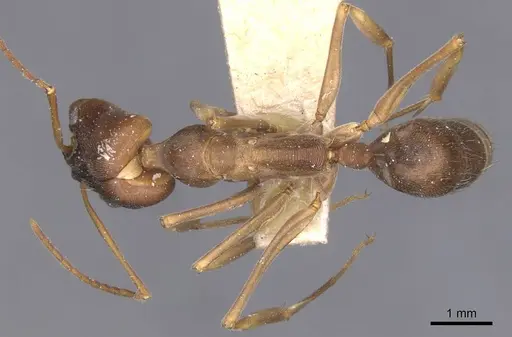
RMCAENT000017743
View on AntWeb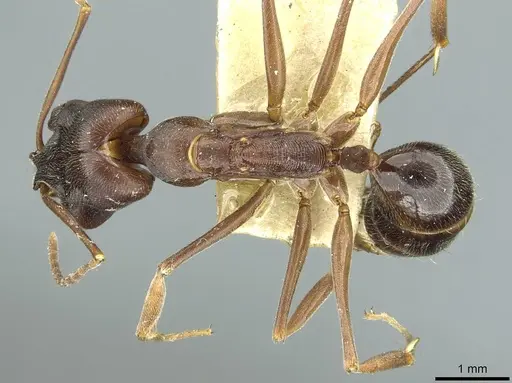
SAM-HYM-C000745A
View on AntWeb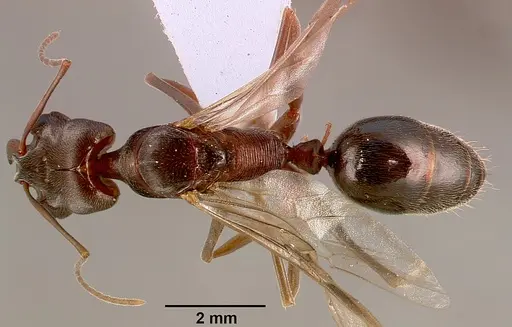
SAM-HYM-C000745B
View on AntWeb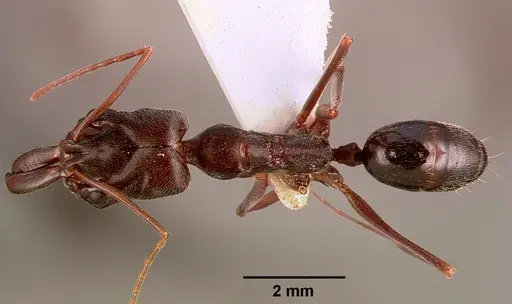
SAM-HYM-C006238A
View on AntWeb
Literature
Loading distribution map...Loading products...