
Odontomachus saevissimus
- Sci. Name
- Odontomachus saevissimus
- Tribe
- Ponerini
- Subfamily
- Ponerinae
- Author
- Smith, 1858
- Distribution
- Found in 3 countries
Introduction
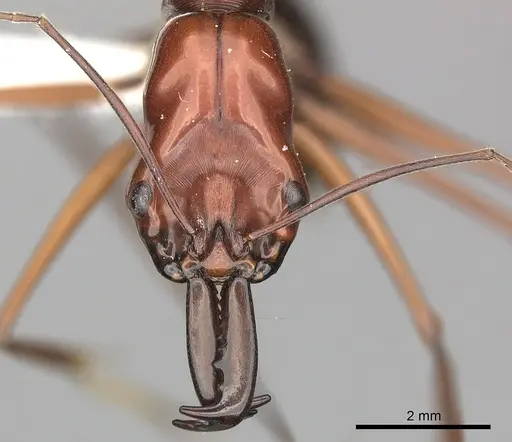
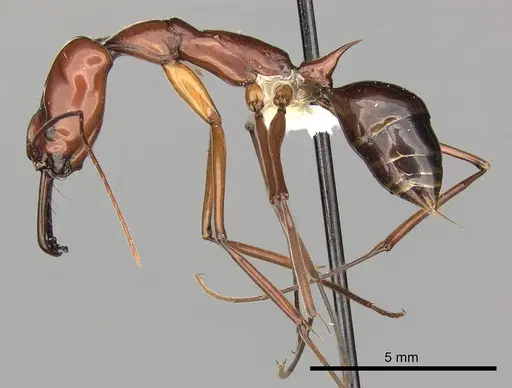
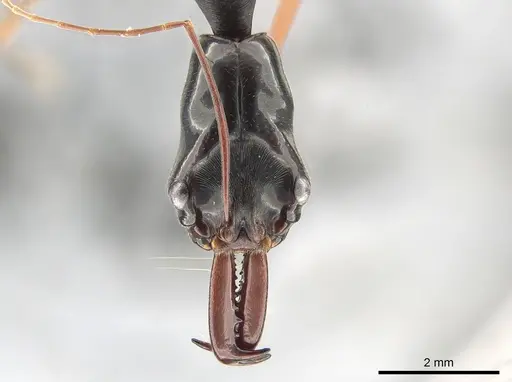
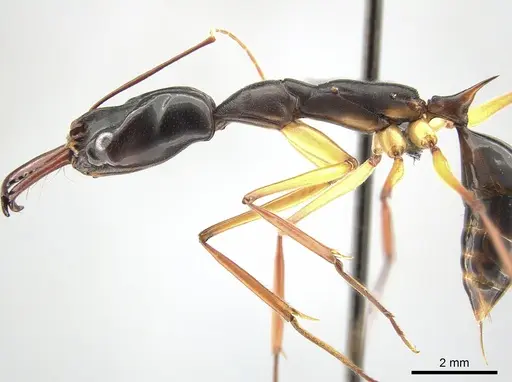
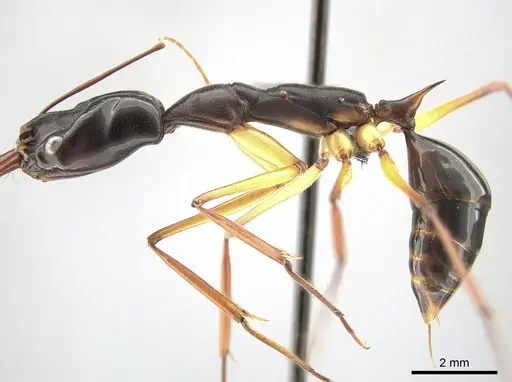
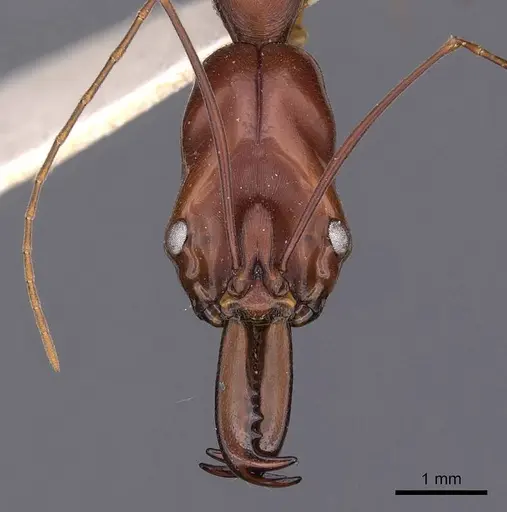
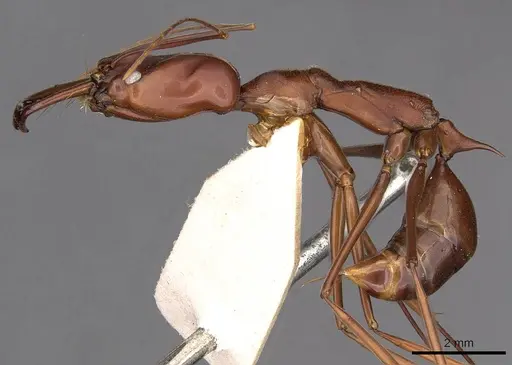
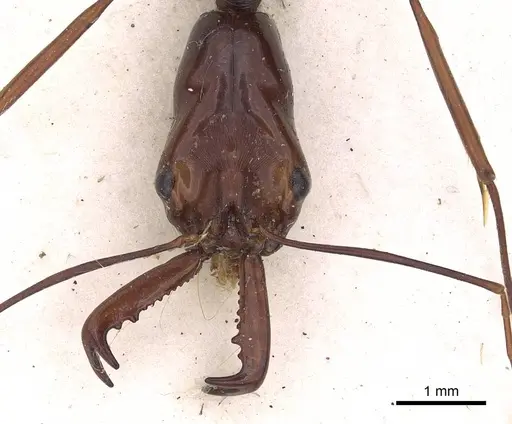
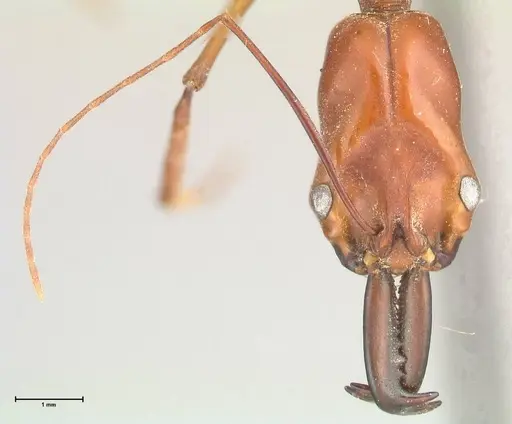
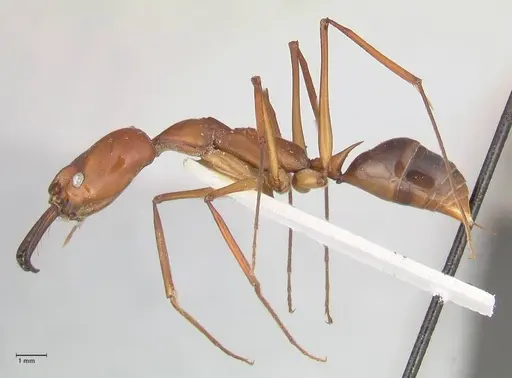
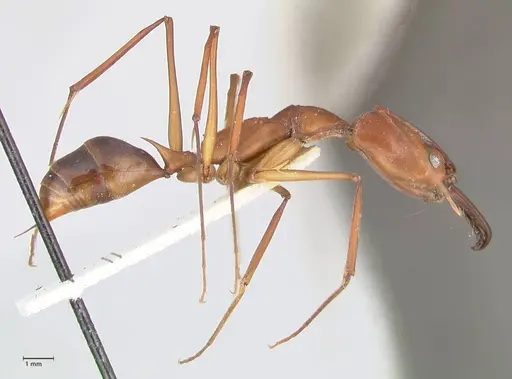
Odontomachus saevissimus is a trap-jaw ant from the Ponerinae subfamily, found in Indonesia, Papua New Guinea, and the Solomon Islands . They have elongated mandibles that snap shut to capture prey . This species belongs to the saevissimus species group .
Quick Summary
- Difficulty: Medium
- Origin & Habitat: Tropical regions including Indonesia, Papua New Guinea, and the Solomon Islands, inhabiting humid forests [1][2].
- Colony Type: Unconfirmed, no specific data on queen number available.
- Size & Growth:
- Queen: Size data unavailable
- Worker: Size data unavailable
- Colony: Unknown, no specific data on colony size available.
- Growth: Moderate
- Development: Unknown, no specific data available. Based on related Ponerinae, it may take 6-10 weeks at warm temperatures, but this is inferred. (Development is temperature-dependent.)
- Antkeeping:
- Temperature: Keep warm, roughly 24-28°C, based on tropical habitat inference. No specific data available.
- Humidity: Keep nest substrate consistently moist but not waterlogged, based on forest habitat inference.
- Diapause: No, as a tropical species, hibernation is not required.
- Nesting: Y-tong or plaster nests with humidity control. Preferred nest types are not specified in literature.
- Behavior: Trap-jaw ants are active predators with a powerful sting (from subfamily Ponerinae). They are good climbers, so escape prevention is important. Temperament is aggressive when threatened.
- Common Issues: colonies often fail due to improper humidity, these forest ants need consistently damp conditions, dry nests kill them quickly., overfeeding can lead to mold problems in the nest, remove uneaten prey within 24-48 hours., escape prevention requires attention, they are active climbers and will find any gap in setup., temperature drops below 22°C can stress colonies and slow or stop brood development., wild-caught colonies may have parasites that can decimate the colony in captivity.
Housing and Setup
For founding colonies, a test tube setup works well, fill a test tube one-third with water, plug with cotton, and place the queen in a dark, humid location. The queen will need access to small prey items during founding since this is a semi-claustral species. Once workers emerge, you can continue in the test tube or transition to a small formicarium. For established colonies, Y-tong (AAC) nests or plaster nests provide the humidity control these ants need. The nest should have chambers scaled to the colony size, not too large initially. Add a water reservoir or hydration system to maintain moisture. Connect the nest to an outworld for foraging. Use a deep outworld as these ants like to hunt and explore. Escape prevention is critical, apply Fluon or similar barrier to the rim of the outworld and ensure all connections are secure.
Feeding and Diet
Odontomachus saevissimus are obligate predators, they require live prey to thrive. Feed small live insects such as fruit flies, small crickets, mealworms, and other appropriately-sized invertebrates. Prey should be no larger than the ant's head width. They will also accept dead prey if moved, but live prey triggers their hunting behavior. Offer protein prey 2-3 times per week for established colonies. Remove any uneaten prey within 24-48 hours to prevent mold. Sugar sources are not typically required for Ponerine ants, but you can occasionally offer a drop of honey or sugar water, acceptance varies by individual colony. Always provide fresh water.
Temperature and Seasonal Care
Maintain temperatures between 24-28°C year-round. These tropical ants do not tolerate cool conditions well. Use a heating cable or mat on one side of the nest to create a temperature gradient, allowing ants to self-regulate. Place heating on top of the nest material, not underneath, to avoid drying out the nest too quickly. No hibernation is required or recommended. During winter months in temperate climates, maintain the same temperature range, do not reduce temperatures significantly. If room temperature drops below 22°C, provide supplemental heating. Brood development slows considerably below optimal temperatures, so consistent warmth promotes healthy colony growth.
Behavior and Defense
These ants are active hunters with a powerful defensive sting. Workers patrol the outworld searching for prey, using their exceptional vision to detect movement. When they locate prey, they snap their trap-jaw mandibles to capture and impale it, this happens in milliseconds. When threatened, they will readily sting. The sting is painful and can cause localized swelling in humans. Handle with caution. They are not overly aggressive toward the outworld but will defend the nest vigorously. Workers can produce a clicking sound by snapping their mandibles, this serves as a defensive warning. They are primarily crepuscular (active at dawn and dusk) in the wild, but in captivity they often adjust to the light cycle of their environment. Provide low-light conditions or dim lighting near the nest to reduce stress.
Colony Growth and Development
Colony growth is moderate, expect 6-10 weeks from egg to first worker under optimal conditions. The founding queen will hunt for prey during the claustral period (semi-claustral founding), unlike fully claustral species that rely solely on stored fat reserves. This makes the founding stage more challenging as the queen needs access to hunting opportunities. First workers (nanitics) are typically smaller than mature workers. The colony will grow gradually through the first few months. Once established, growth accelerates but remains moderate compared to faster-growing genera like Camponotus. A mature colony may reach several hundred workers over 1-2 years. Colony size remains moderate, these are not massive colony builders.
Frequently Asked Questions
How long does it take for first workers to emerge in Odontomachus saevissimus?
Unknown, no specific data for this species. Based on related Ponerinae, it may take 6-10 weeks at warm temperatures, but this is inferred.
Do Odontomachus saevissimus ants sting?
Yes, they have a potent sting from subfamily Ponerinae. They will use it defensively when threatened.
What do I feed Odontomachus saevissimus?
They require live prey such as small insects like fruit flies or crickets. Remove uneaten prey within 24-48 hours to prevent mold.
Can I keep multiple queens together?
Unknown, no data on queen number. Multiple queens may fight, so it's not recommended.
What temperature do they need?
Keep them warm, roughly 24-28°C, based on tropical habitat inference. No specific data available.
Do they need hibernation?
No, as a tropical species from Indonesia, Papua New Guinea, and the Solomon Islands, they do not require hibernation.
Are they good for beginners?
This is a medium-difficulty species. They require live prey regularly, maintain high humidity, and keep temperatures warm. Best suited for keepers with some experience.
How big do colonies get?
Unknown, no specific data on colony size available.
When should I move them to a formicarium?
Once the colony has several workers and the test tube is crowded, but specific timing is unknown. Use Y-tong or plaster nests that maintain humidity.
Why are my ants dying?
Common causes include low humidity, incorrect temperature below 22°C, mold from uneaten prey, or stress from disturbance. Review your setup and practices.
Report an Issue
The current care sheet is based fully on literature. See inconsistencies, or something that's incorrect? Please , it will be resolved after review from an admin. Contributing to the blogs tab also helps providing information, to make us be able to further improve the caresheets. Thank you for your support!
References

This caresheet is licensed under CC BY-SA 4.0 .
Community Blogs
CASENT0270626
View on AntWeb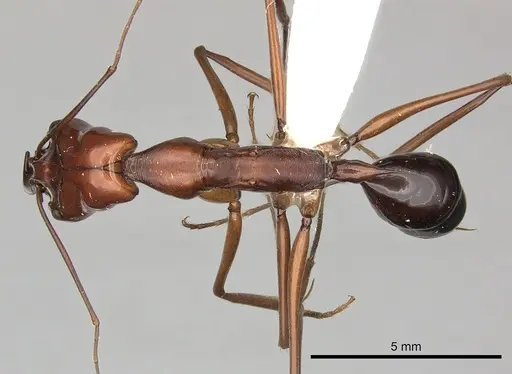
CASENT0650355
View on AntWeb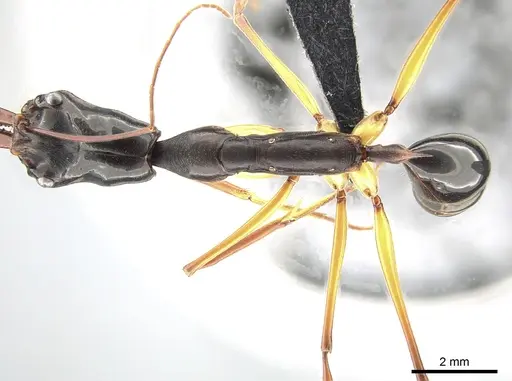
CASENT0900615
View on AntWeb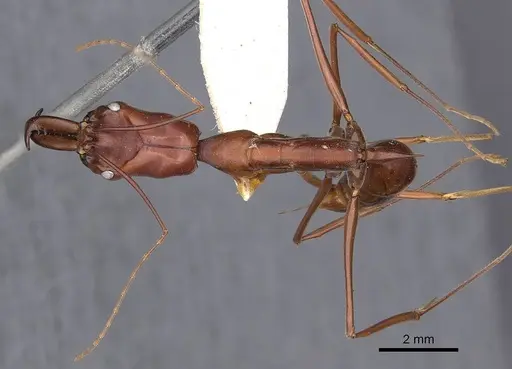
CASENT0900616
View on AntWeb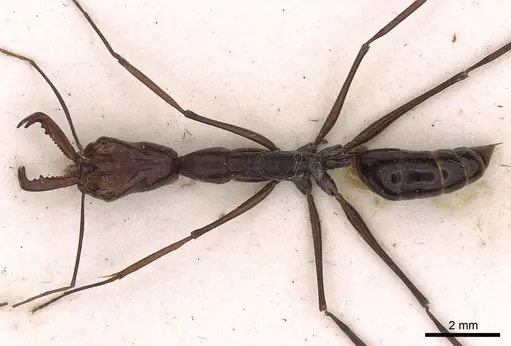
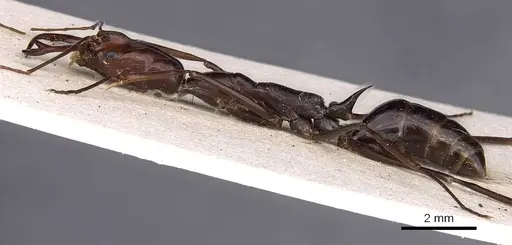
CASENT0900658
View on AntWeb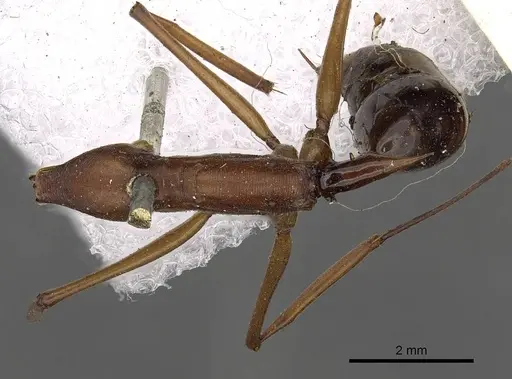
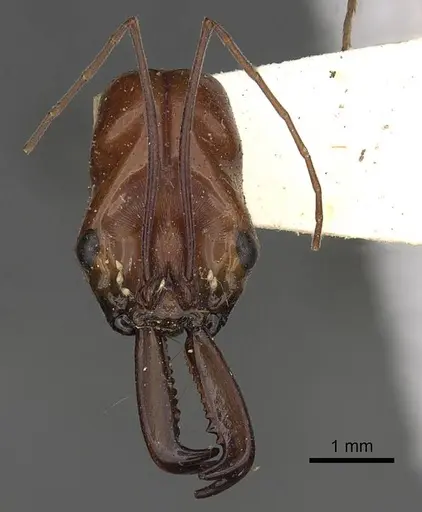
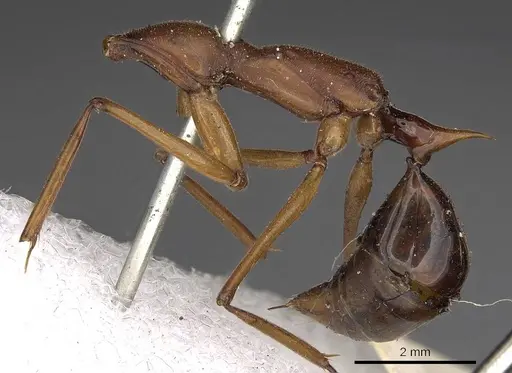
FOCOL1067
View on AntWeb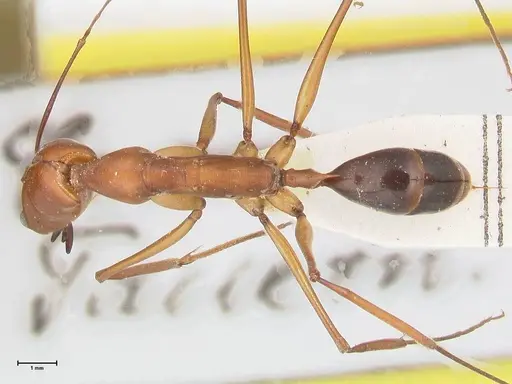
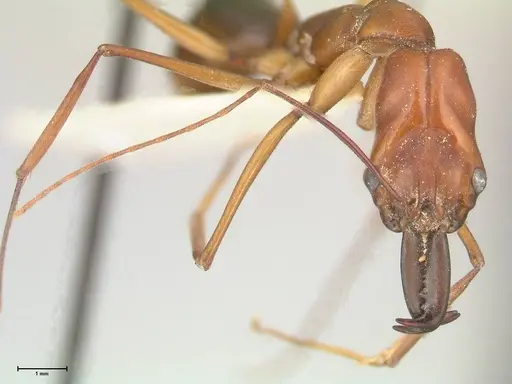
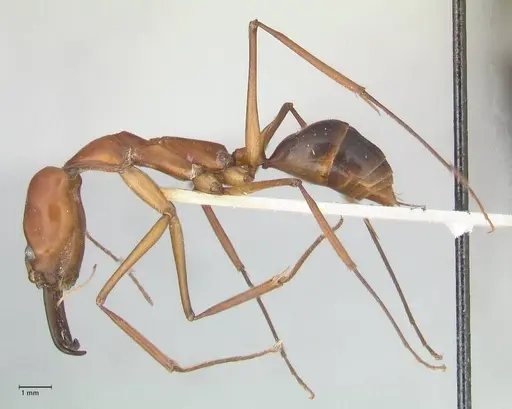
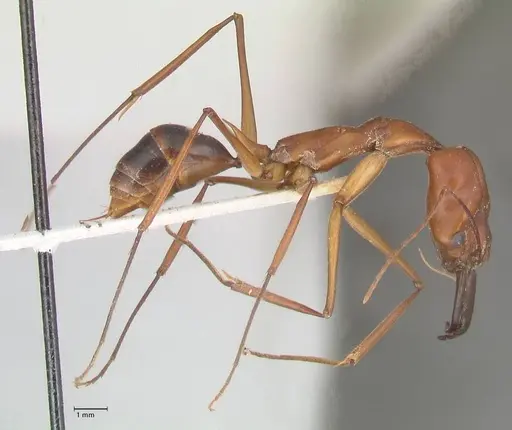
FOCOL1068
View on AntWeb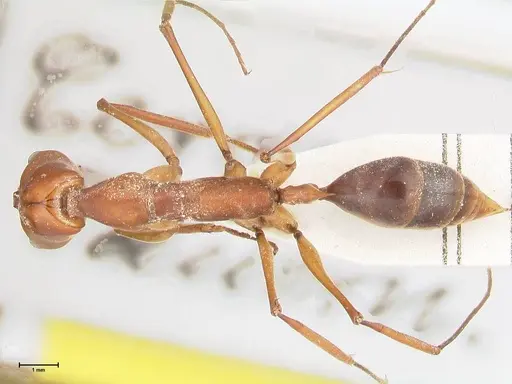
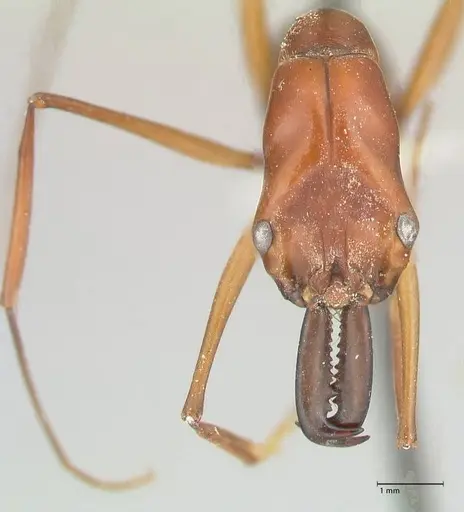
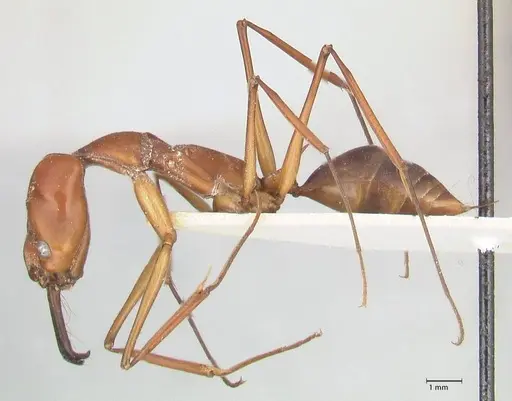
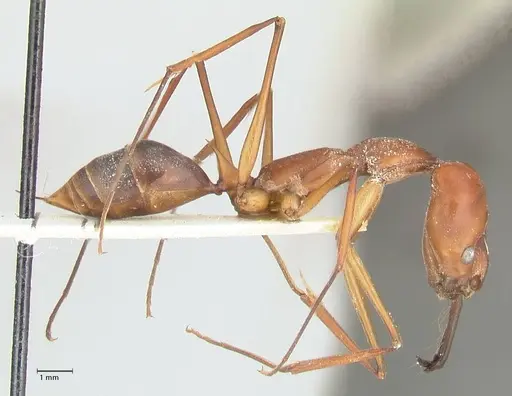
FOCOL1069
View on AntWeb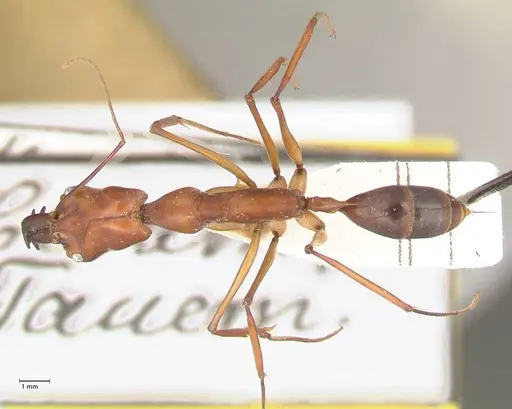
Literature
Loading distribution map...Loading products...