Odontomachus ruginodis exhibits a clear seasonal activity window. Peak activity is concentrated in July, with the overall period spanning January to December. This extended season suggests multiple flight events or varying conditions across its range.
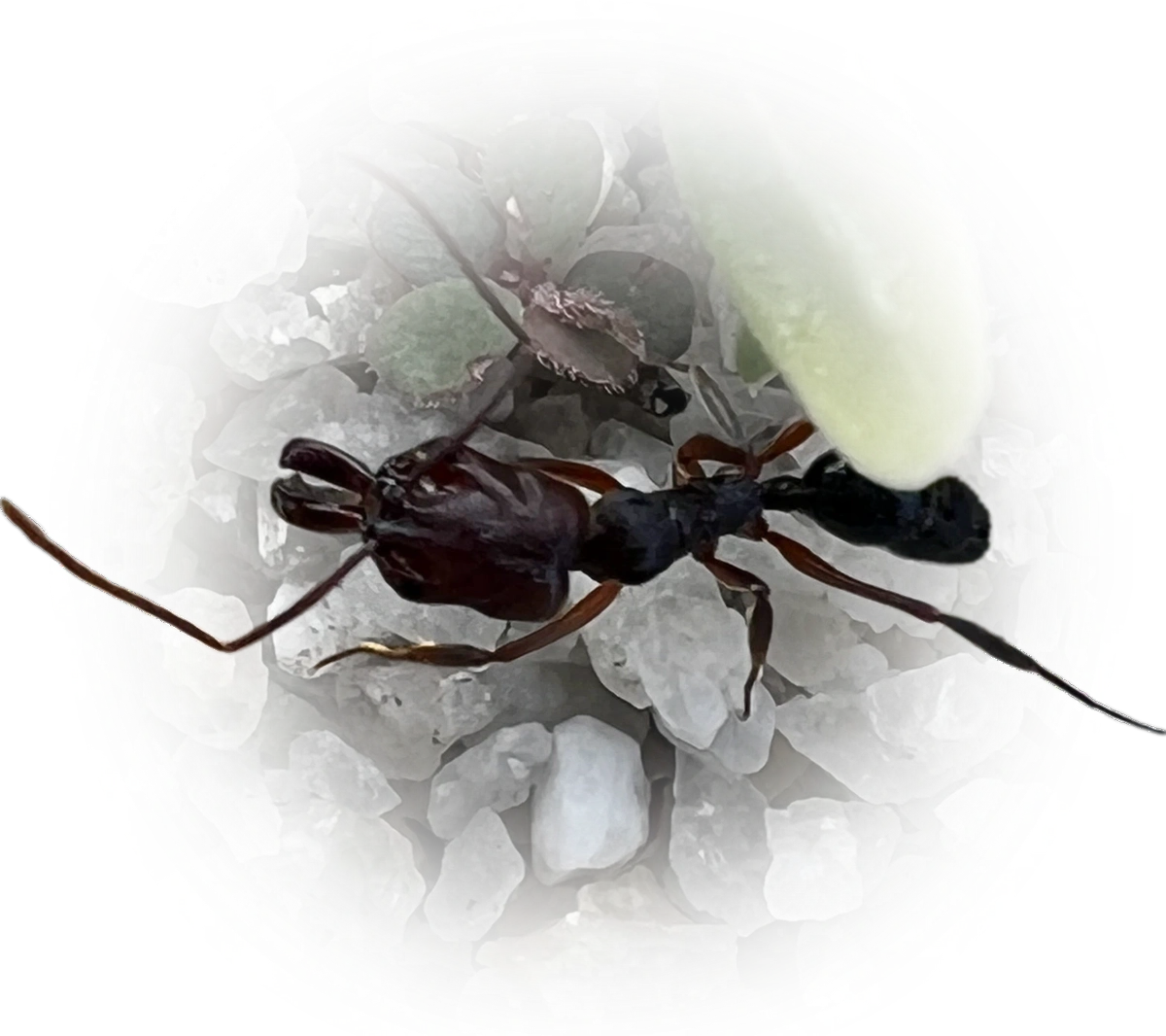
Rough-node Trap-jaw Ant
Odontomachus ruginodis
- Sci. Name
- Odontomachus ruginodis
- Tribe
- Ponerini
- Subfamily
- Ponerinae
- Author
- Wheeler, 1908
- Common Name
- Rough-node Trap-jaw Ant
- Distribution
- Found in 15 countries
- Queen Activity
- From January to December
- Peak Time
- 18:00
AI Identifiable
try →
Introduction
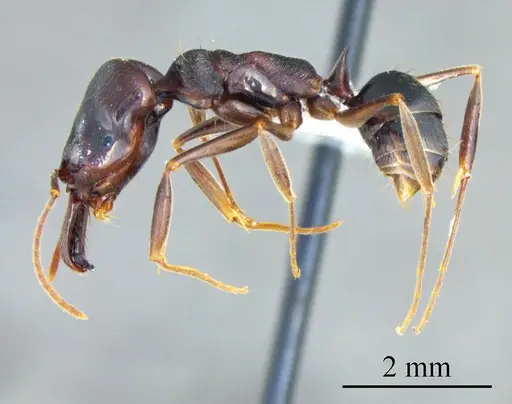
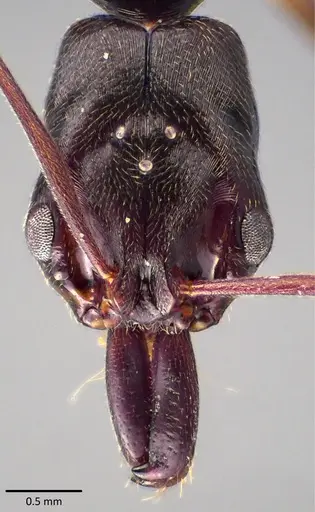
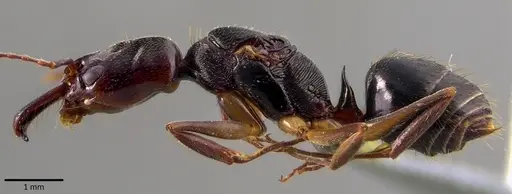
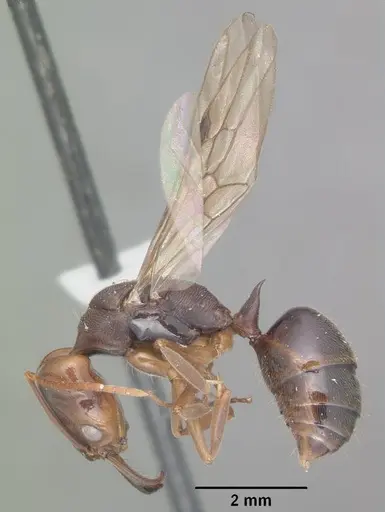
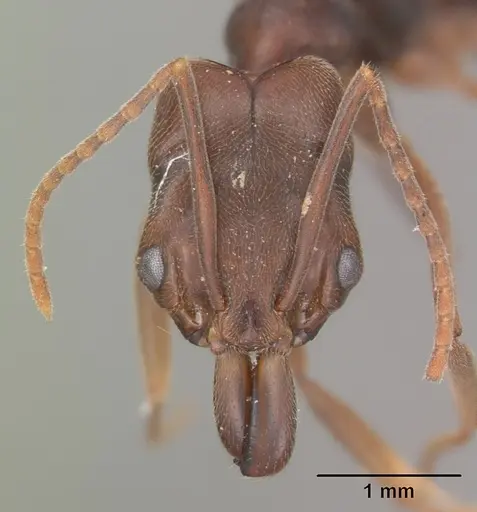
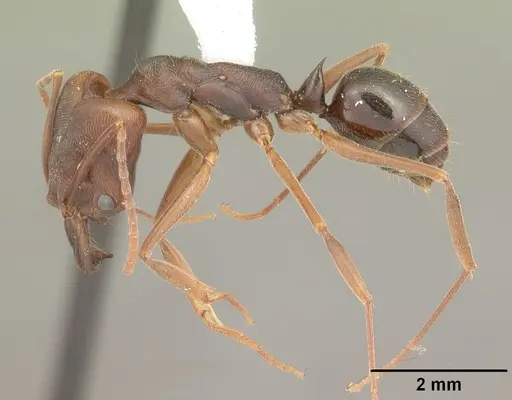
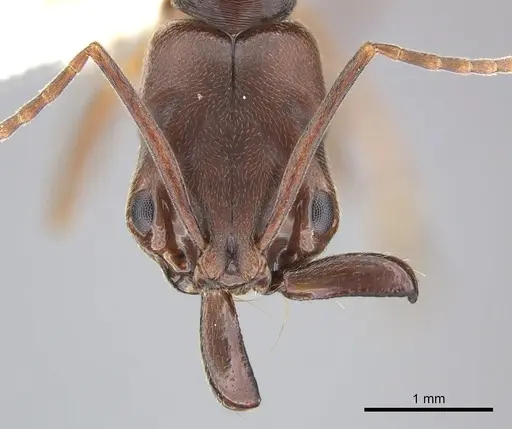
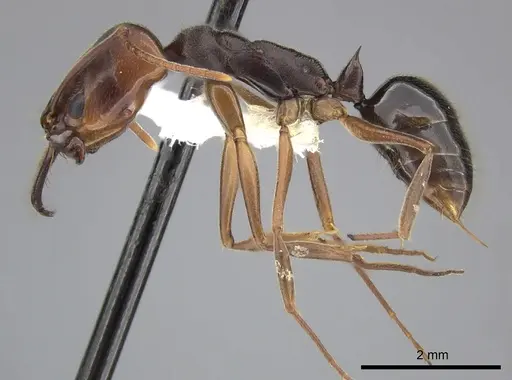
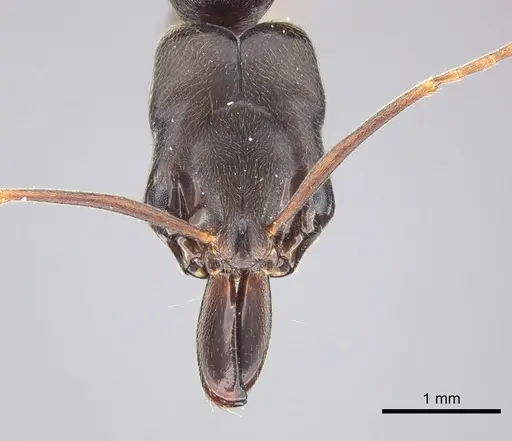
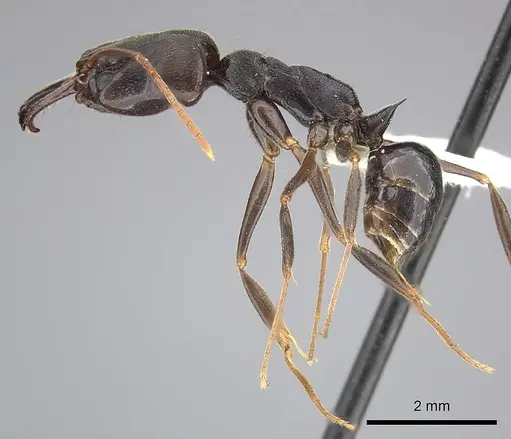
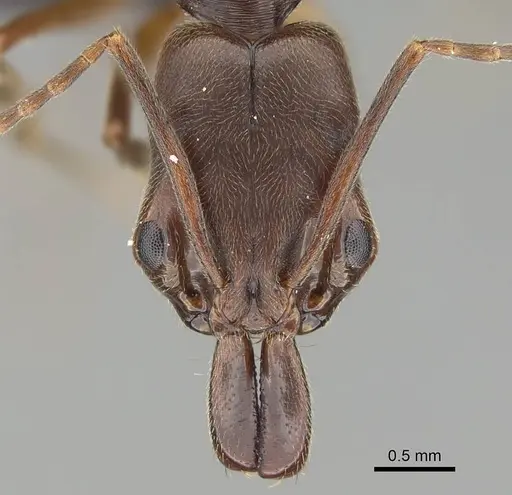
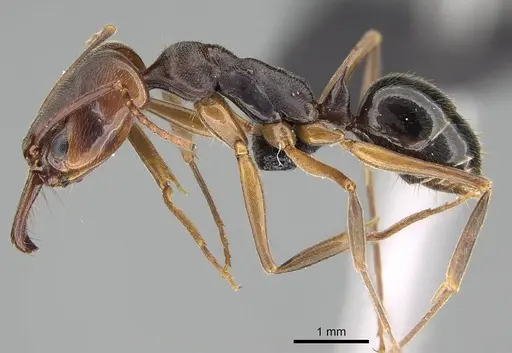
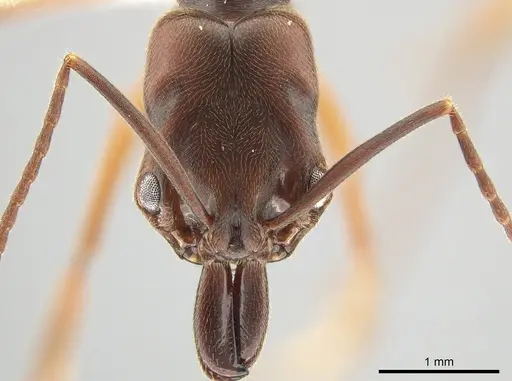
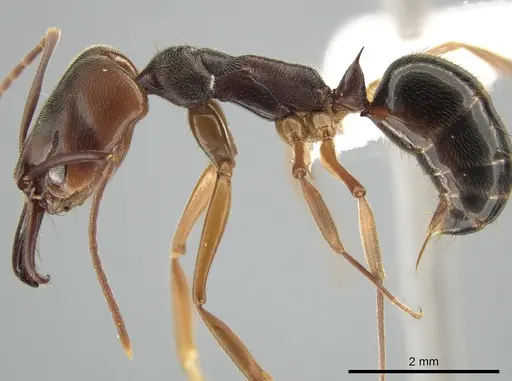
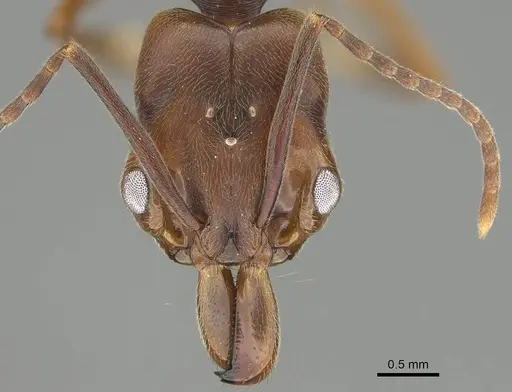
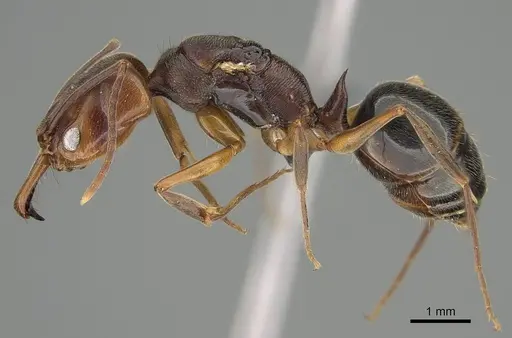
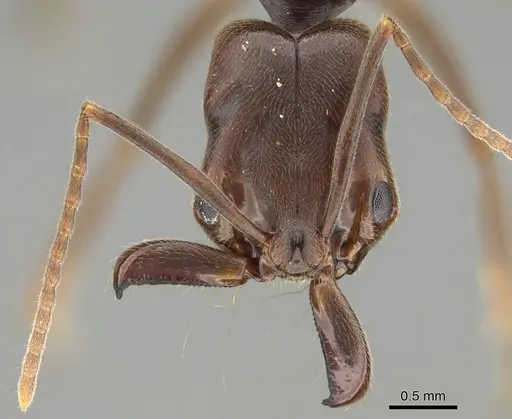
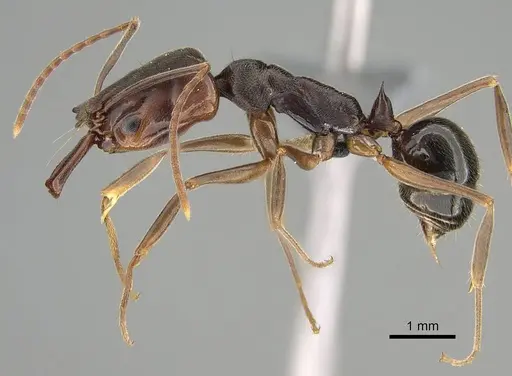
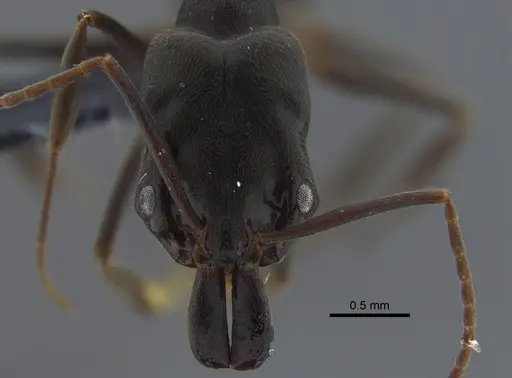
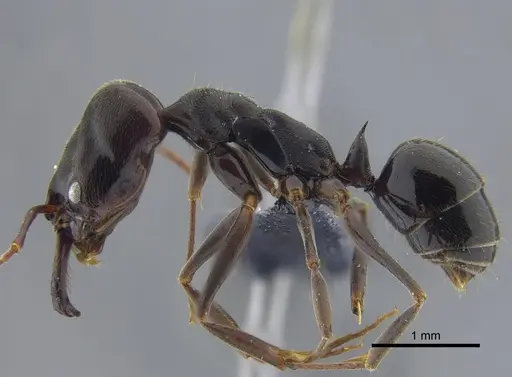
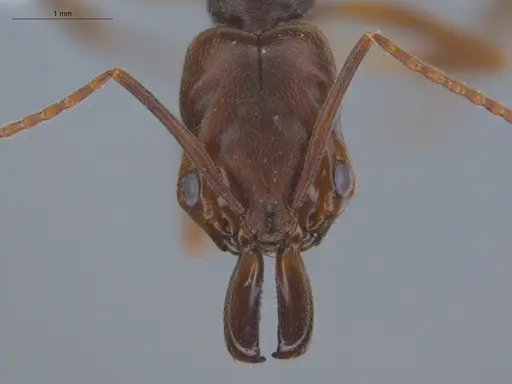
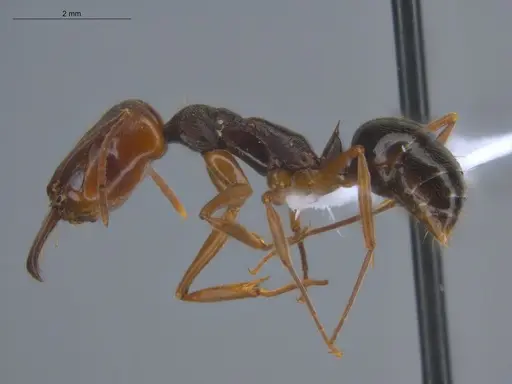
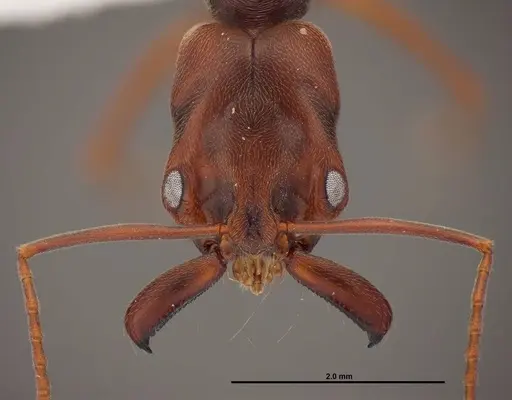
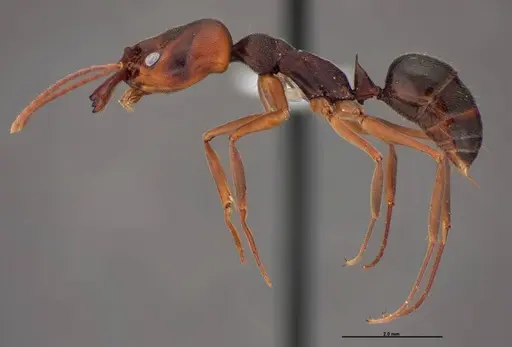
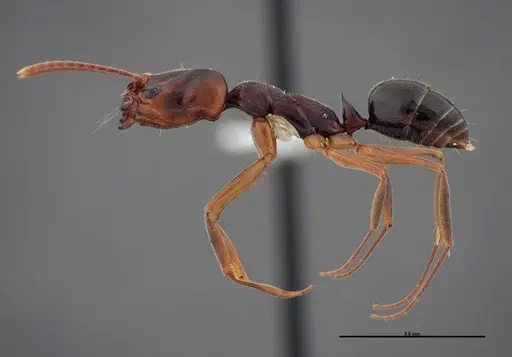
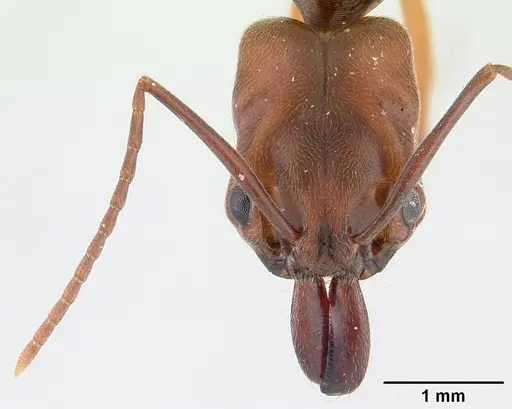
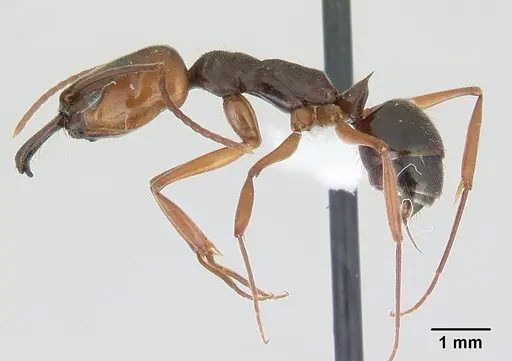
Odontomachus ruginodis is a small trap-jaw ant with mandibles that snap shut at speeds up to 50 m/s . Workers are 3.5-4.0 mm long with a reddish-brown body and dark black abdomen . This species is found in the Caribbean, Florida, and northern South America, nesting in soil and under stones in disturbed and natural habitats . It exhibits 'bouncer' defensive behavior, where workers guard the nest entrance with cocked mandibles, snapping at intruders .
Quick Summary
- Difficulty: Expert
- Origin & Habitat: Native to the Caribbean and northern South America, with introduced populations in Florida and the Galápagos Islands. Found in disturbed areas including urban habitats, beaches, open woods, and mangrove areas [3][4]. In Puerto Rico, prefers open sunny areas like river bottoms [3].
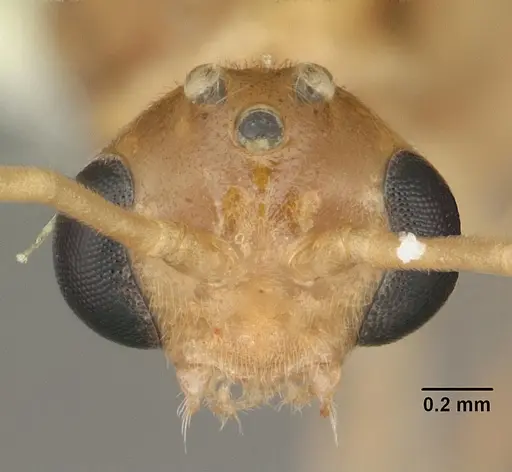
- Colony Type: Monogyne (single queen colonies). Workers are monomorphic (all the same size) [5]. Queens are similar to workers but larger with ocelli and larger compound eyes [2].
- Size & Growth:
- Queen: ~4.0-4.5 mm [2]
- Worker: ~3.5-4.0 mm [2]
- Colony: Up to about 50 workers in mature colonies, wild colonies are typically small, often around a dozen workers [3][6]
- Growth: Moderate
- Development: Estimated 6-10 weeks at optimal temperatures (25-28°C), based on related Odontomachus species [3] (Development time is inferred, colonies remain small compared to many ant species.)
- Antkeeping:
- Temperature: Keep at 24-28°C. This is a tropical species, so warmth is essential for activity and brood development [3].
- Humidity: Keep the nest substrate consistently moist but not waterlogged. These ants nest in soil and under stones in areas that range from dry to moist [3][4].
- Diapause: No. This is a tropical species that does not require winter diapause [3].
- Nesting: Ground-nesting species that does well in test tube setups or Y-tong nests with a soil chamber. Provide moist substrate for them to dig in or around [3][4].
- Behavior: This species is defensive and will aggressively guard its nest. Workers act as 'bouncers' at nest entrances, standing with mandibles cocked and snapping at intruders within striking distance [3][7]. Their trap-jaw mandibles can fling attackers away 1-14 centimeters, and if they hit a solid object, the worker may be flung into the air [3]. They are primarily nocturnal and predatory, hunting small insects [6]. Escape prevention is important due to their active nature.
- Common Issues: small colony size means slow population growth, do not expect rapid expansion, their trap-jaw defense can fling workers several centimeters, potentially out of poorly secured setups, predatory diet means they need live prey, sugar water alone will not sustain them, colonies often fail if kept too cool, maintain warm temperatures year-round, wild-caught colonies may have parasites that kill them in captivity
Queen Ant Activity Analysis 150 observations
Queen Activity by Hour 150 observations
Odontomachus ruginodis queen activity peaks around 18:00 during the evening. Activity is spread across a 23-hour window (01:00–23:00). Times may be influenced by human observation patterns.
Housing and Nest Setup
Odontomachus ruginodis is a ground-nesting ant that does well in test tube setups or Y-tong formicariums with a soil chamber. Since they naturally nest under stones and in soil, provide a moist substrate like a sand-soil mix for them to dig in or around [3][4]. For established colonies, a Y-tong nest with a dirt chamber or a naturalistic setup with soil and flat stones works well. These ants are nocturnal and somewhat shy, so provide covered areas for security. Use fluon on container rims to prevent escapes, as these active ants can climb smooth surfaces [6].
Feeding and Diet
As predatory trap-jaw ants, they need a protein-rich diet of live prey. Offer small live insects like fruit flies, pinhead crickets, and small worms [3][6]. They may occasionally accept dead prey, but hunting behavior is natural enrichment. Feed them prey 2-3 times per week, adjusting for colony size. Remove uneaten prey after 24 hours to prevent mold. Sugar water or honey can be offered occasionally, but protein is essential for survival and brood production [8].
Temperature and Seasonal Care
Keep your colony at 24-28°C (75-82°F). This tropical species needs warmth for activity and brood development [3]. A heating cable on one side of the nest creates a gradient. Room temperature in the low-to-mid 70s°F is usually adequate. They do not require diapause, but activity may slow if temperatures drop [3]. They are primarily nocturnal, so they will be most active during evening and night hours.
Behavior and Defense
This species is famous for its 'bouncer' defense. Workers stand guard at the nest entrance with mandibles cocked, snapping at intruders within striking distance [3][7]. Their mandibles can strike at speeds up to 50 m/s, flinging attackers away 1-14 centimeters [1][9]. If mandibles hit a solid object, the worker may be flung into the air but immediately returns to fight [3]. Their sting is reported to be painful among Caribbean ants [8]. Handle nests with care due to this defensive behavior.
Colony Development
Colonies start with a single queen who raises the first brood alone. The first workers (nanitics) will be smaller than mature workers. Growth is slow, wild colonies are typically around a dozen workers [3][6]. Mature colonies may reach up to 50 workers but rarely become massive. Males are produced in larger colonies and have been collected from early May through June in Florida [3]. Adjust expectations for small colony size.
Frequently Asked Questions
How long does it take for Odontomachus ruginodis to produce first workers?
Expect 6-10 weeks from egg to first worker at optimal temperatures (25-28°C), based on related Odontomachus species [3]. Specific development timing for this species is not documented.
Can I keep multiple queens together?
No. This is a monogyne species with a single queen per colony [5]. Combining unrelated queens will likely result in fighting.
Do these ants sting?
Yes, and it is reported to be one of the more painful stings among Caribbean ants [8]. However, their primary defense is their trap-jaw snap.
What do I feed Odontomachus ruginodis?
They need live prey like fruit flies, pinhead crickets, and small worms [3][6]. Feed them 2-3 times per week, protein is essential for survival.
Are Odontomachus ruginodis good for beginners?
No, they are rated as Expert difficulty due to invasive status and care requirements [3][4]. They need warm temperatures, live prey, and have slow-growing colonies.
How big do colonies get?
Colonies remain small, in the wild, they typically have around a dozen workers [3][6]. In captivity, they may reach up to 50 workers but rarely become massive.
Do they need hibernation?
No. This is a tropical species that does not require diapause [3]. Keep them warm year-round.
When should I move them to a formicarium?
Keep them in a test tube setup during founding. Once the colony has 20-30 workers and consistent brood, move to a Y-tong or naturalistic setup with a soil chamber [3][4].
Why is my colony dying?
Common causes include: too cool temperatures (keep at 24-28°C), lack of live prey, too dry conditions, or parasites from wild-caught colonies [3]. Check temperature and diet first.
When do Odontomachus ruginodis queens forage?
Queen activity of Odontomachus ruginodis typically occurs From January to December. Times may be influenced by human observation patterns.
What time of day are Odontomachus ruginodis queens most active?
Queen activity of Odontomachus ruginodis peaks around 18:00 during the evening, with most activity between 01:00 and 23:00. Times may be influenced by human observation patterns.
Report an Issue
The current care sheet is based fully on literature. See inconsistencies, or something that's incorrect? Please , it will be resolved after review from an admin. Contributing to the blogs tab also helps providing information, to make us be able to further improve the caresheets. Thank you for your support!
References

This caresheet is licensed under CC BY-SA 4.0 .
Community Blogs
ANTWEB1041429
View on AntWeb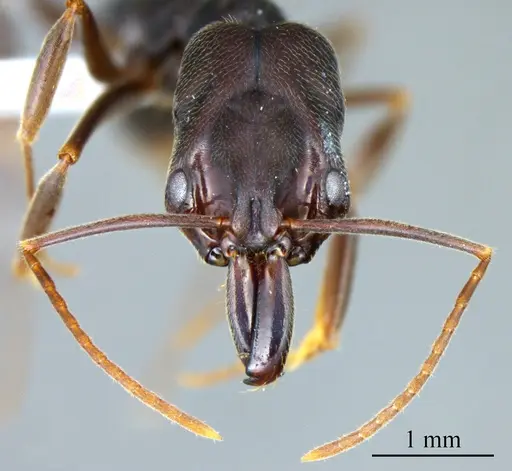
ANTWEB1041820
View on AntWeb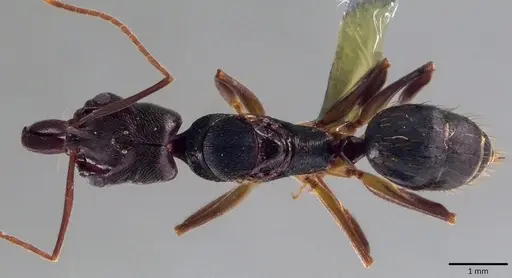
CASENT0104177
View on AntWeb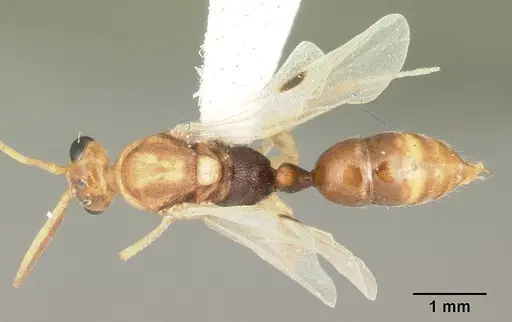
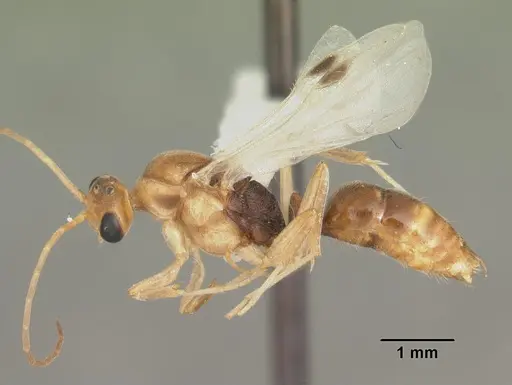
CASENT0104179
View on AntWeb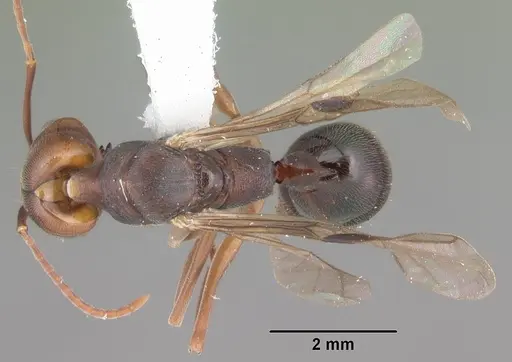
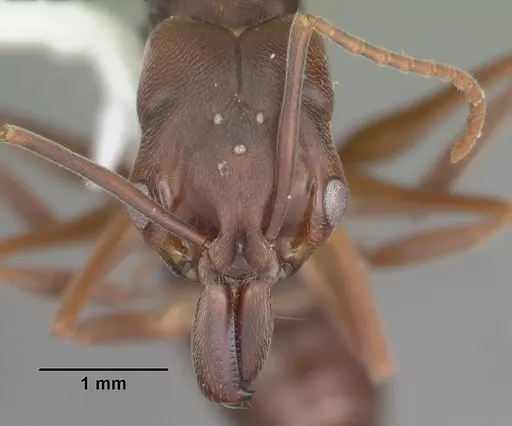
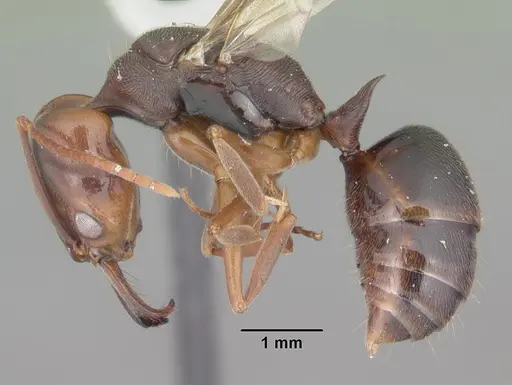
CASENT0104183
View on AntWeb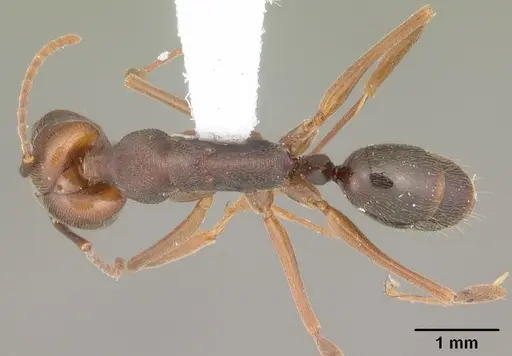
CASENT0270611
View on AntWeb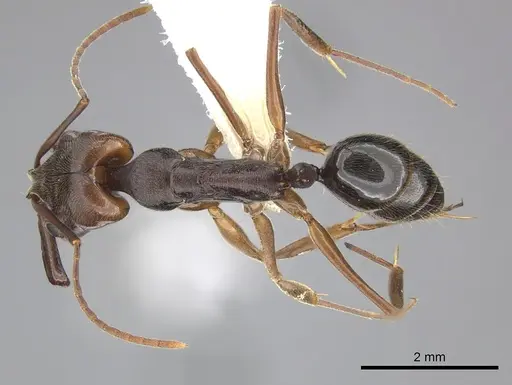
CASENT0270612
View on AntWeb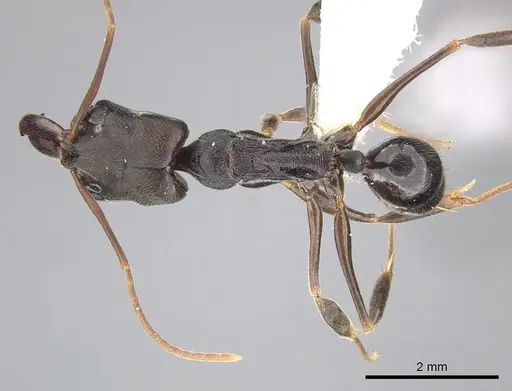
CASENT0318467
View on AntWeb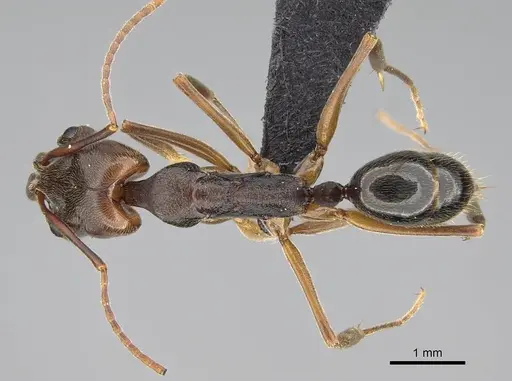
CASENT0650423
View on AntWeb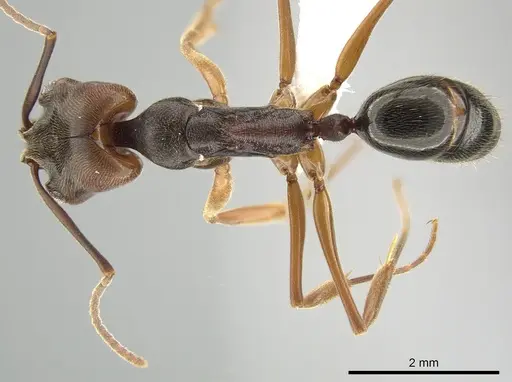
CASENT0766369
View on AntWeb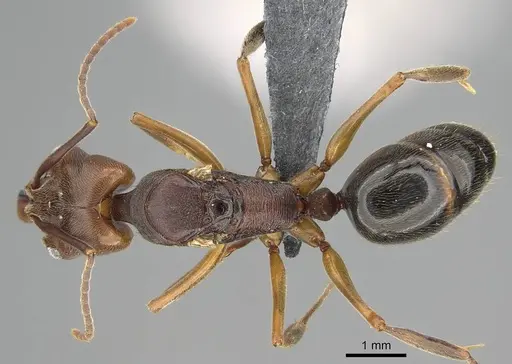
CASENT0767681
View on AntWeb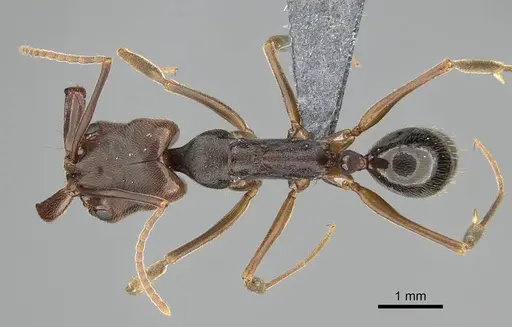
CBUMAGENT41705
View on AntWeb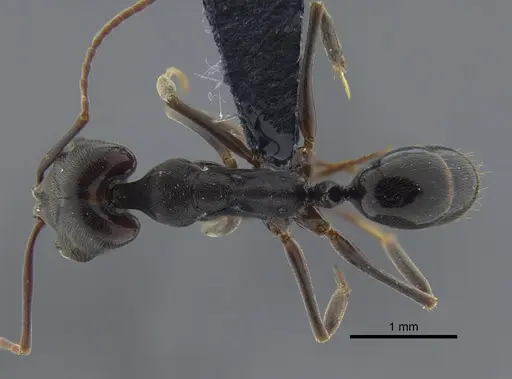
ECOFOG-BOUM-0014-01
View on AntWeb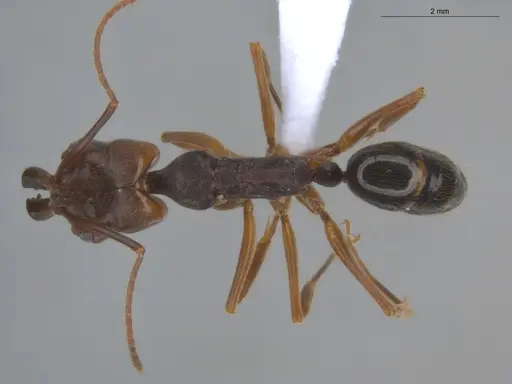
FMNHINS0000078502
View on AntWeb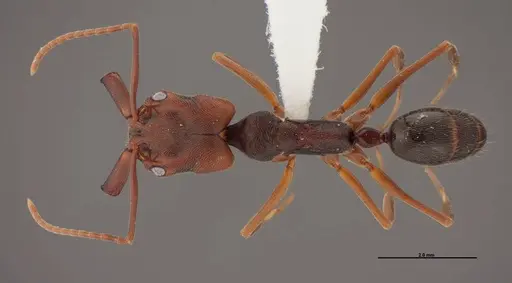
FMNHINS0000088684
View on AntWeb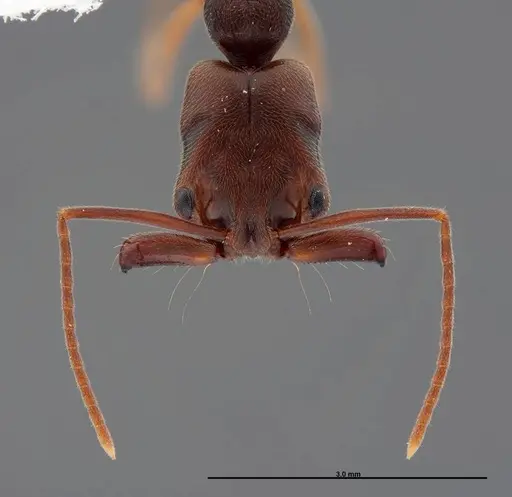
ICCDRS0013038
View on AntWeb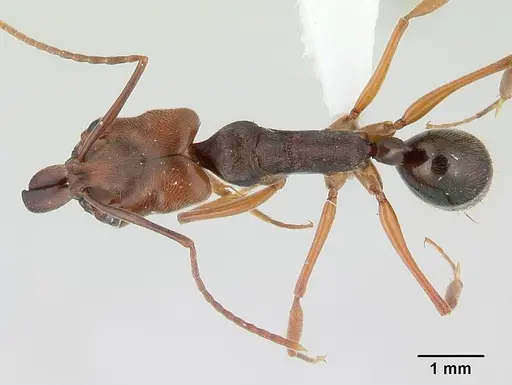
Literature
Loading distribution map...Loading products...