
Odontomachus opaciventris
- Sci. Name
- Odontomachus opaciventris
- Tribe
- Ponerini
- Subfamily
- Ponerinae
- Author
- Forel, 1899
- Distribution
- Found in 8 countries
Introduction
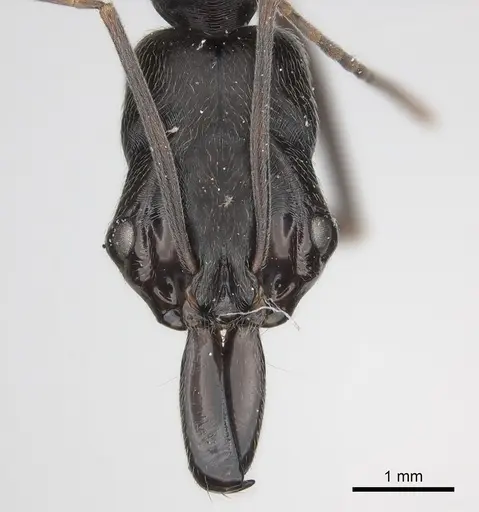
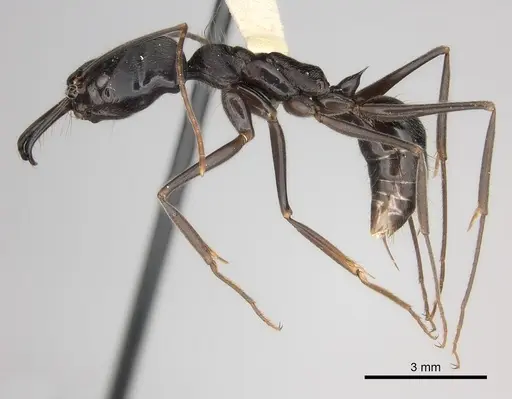
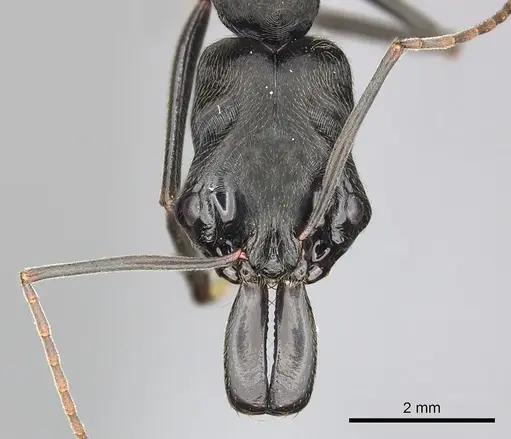
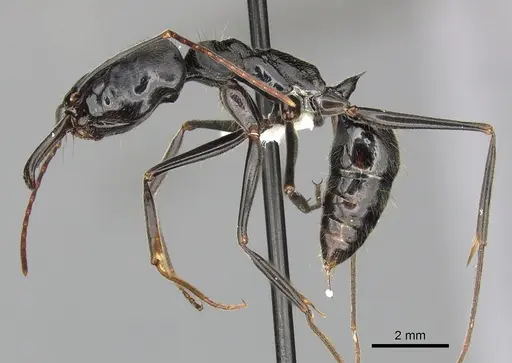
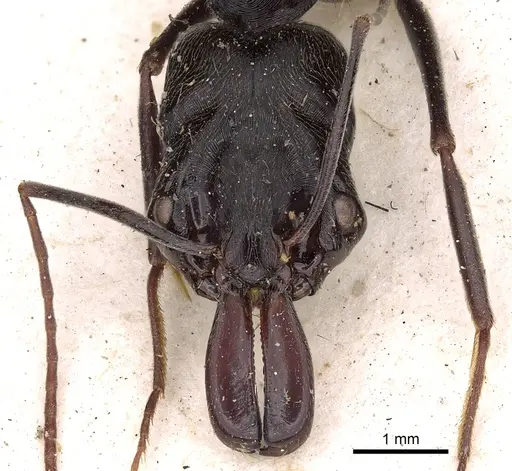
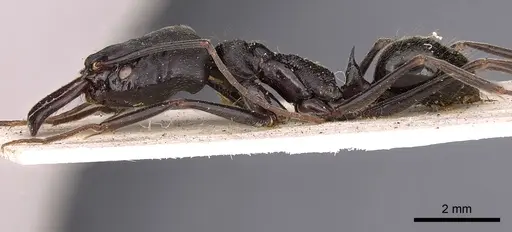
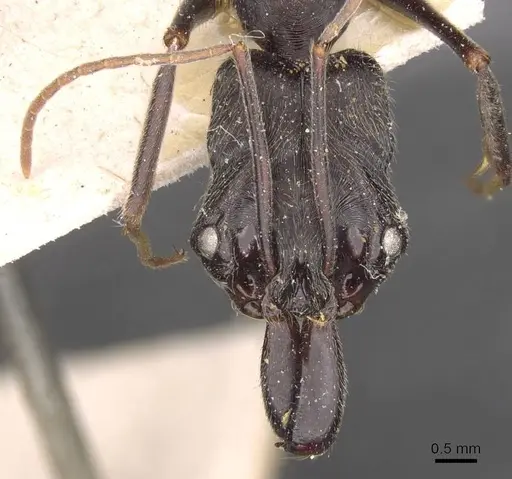
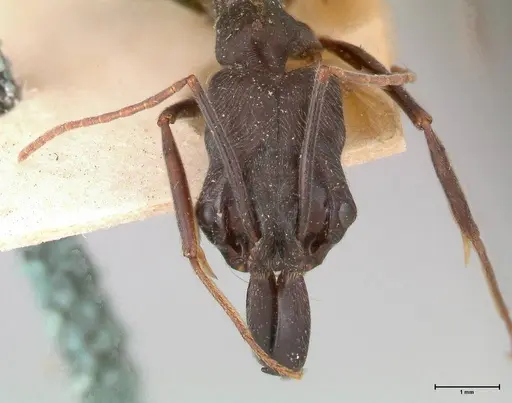
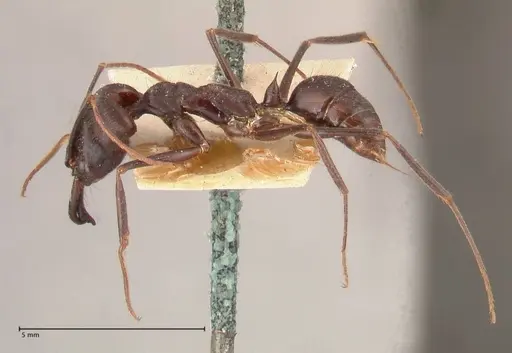
Odontomachus opaciventris is a large trap-jaw ant native to Central and South America, ranging from Mexico through Guatemala, Costa Rica, Panama, Colombia, Ecuador, and Brazil . Workers have a total length of 13.4-14.9 mm and exhibit dark reddish-brown coloration with distinctive striations on the head and body . They nest in rotten wood on the ground and in superficial soil beneath fallen logs, often in humid areas associated with water currents at altitudes between 520-2,200 m . What makes O. opaciventris notable is their highly efficient predatory strategy. They are solitary hunters that use their trap-jaw mandibles to capture prey ranging from 0.3 to 2 times their body size, with a capture rate of 76.7-100% . Colonies can grow large, with up to 10,000 workers and 2,000 larvae and cocoons .
Quick Summary
- Difficulty: Medium
- Origin & Habitat: Tropical Central and South America (Mexico to Brazil), found in humid lowland and premontane forests at altitudes between 520-2,200 m, often associated with water currents [4][2][1].
- Colony Type: Monogyne, single queen colonies [3].
- Size & Growth:
- Queen: Estimated ~15-18 mm based on Odontomachus genus patterns (inferred)
- Worker: 13.4-14.9 mm [3]
- Colony: Up to 10,000 workers [6][3]
- Growth: Moderate to fast (inferred from colony size data)
- Development: Estimated 6-10 weeks at optimal temperature (inferred from Ponerinae patterns) (Development time is inferred, no specific data available for this species.)
- Antkeeping:
- Temperature: Keep warm, roughly 24-28°C, with a gradient if possible (inferred from tropical habitat)
- Humidity: Keep nest substrate consistently moist but not waterlogged, as they inhabit humid environments [4][7]
- Diapause: No, tropical species do not require hibernation (inferred)
- Nesting: Prefer nests in rotten wood or soil. Use Y-tong (AAC), plaster, or soil-based formicaria with tight chambers [3][4]
- Behavior: Workers are nocturnal to crepuscular, foraging individually at dusk and dawn [3][8]. They are solitary hunters with powerful mandibles, not aggressive toward keepers but bite can be painful. Escape risk is moderate due to their size and speed.
- Common Issues: colonies can become very large, requiring significant space and feeding, nocturnal activity means most foraging occurs in evening hours, their powerful mandible strike can damage equipment if not handled carefully, high humidity requirements may lead to mold if ventilation is poor, live prey is essential for their diet
Housing and Nest Setup
Odontomachus opaciventris does well in Y-tong (AAC) nests or naturalistic setups with rotten wood and moist soil. For founding colonies, a test tube setup works fine, but no specific founding behavior is confirmed. Once workers emerge, move to a proper formicarium with tight chambers that match their body size. The outworld should be spacious for individual foraging. Use a water tube for humidity and mist the nest regularly. Escape prevention is important, use fluon on edges since they are fast and can grip surfaces [3][4].
Feeding and Diet
These are obligate predators that need live prey. In the wild, they capture prey 0.3-2 times their body size using their lethal mandible strike [5]. Feed small live insects like fruit flies, small crickets, mealworms, and waxworms. They occasionally collect nectar or honeydew, so offer sugar water or honey occasionally, but protein from live prey is essential. Feed 2-3 times per week for established colonies, removing uneaten prey after 24 hours.
Temperature and Humidity
As a tropical species, O. opaciventris needs warm, humid conditions. Keep temperatures roughly 24-28°C with a gradient if your room is cooler. They are nocturnal and forage at dusk/dawn, so avoid hot spots above 30°C. Humidity should be maintained by keeping the nest substrate consistently moist but not waterlogged, as they inhabit humid environments near water currents [4][7].
Behavior and Foraging
Workers forage individually on soil or leaf litter, typically at dusk or dawn [3]. About 11.8% of the colony participates in foraging outside the nest, with behavioral specialization, some workers focus on carbohydrate collection, others on prey transport [8]. They are solitary hunters that don't recruit nestmates to food sources. Their trap-jaw mandibles are their primary weapon for subduing prey. They are not aggressive toward humans but can deliver a painful bite if handled roughly.
Colony Growth and Development
Colonies grow large, documented colonies had up to 10,000 workers and 2,000 larvae and cocoons [6][3]. Growth is moderate to fast once the first workers arrive. The queen is not confirmed to be claustral, founding behavior is unconfirmed. Nanitic (first) workers are smaller but grow with subsequent broods. Expect estimated 6-10 weeks from egg to first worker based on typical Ponerinae development.
Seasonal Care
No hibernation or diapause is required for this tropical species. Keep temperatures stable year-round. Avoid cold drafts or sustained temperatures below 18°C. Maintain humidity consistently to prevent drying out.
Frequently Asked Questions
How long does it take for Odontomachus opaciventris to get first workers?
Expect estimated 6-10 weeks from egg to first worker at optimal temperature (24-28°C). This is inferred from typical Ponerinae development since specific timing isn't documented for this species [6][3].
Can I keep multiple Odontomachus opaciventris queens together?
No, this is a monogyne (single-queen) species. Multiple queens will fight, as confirmed by research [3].
What do I feed Odontomachus opaciventris?
Live prey is essential, they are obligate predators. Offer small insects like fruit flies, small crickets, mealworms, and waxworms. They can take prey up to twice their body size [5].
Are Odontomachus opaciventris good for beginners?
They are medium difficulty. You need to provide live prey regularly, maintain high humidity, and keep them warm. Their large size makes them easier to handle, but specific needs make them better suited for keepers with some experience.
How big do Odontomachus opaciventris colonies get?
Very large, up to 10,000 workers in mature colonies, with up to 2,000 larvae and cocoons [6][3]. This means you'll need significant space and will be feeding them frequently.
When are Odontomachus opaciventris most active?
They are nocturnal to crepuscular, most active at dusk and dawn, with foraging peaks between 19:00 and 6:30 [8][3].
Do Odontomachus opaciventris need hibernation?
No, they are a tropical species and do not require hibernation or diapause. Keep temperatures stable year-round.
What temperature is best for Odontomachus opaciventris?
Keep them roughly at 24-28°C. Use a heating cable on one side of the nest to create a gradient if your room temperature is lower. Avoid temperatures above 30°C or below 20°C for extended periods.
Why are my Odontomachus opaciventris dying?
Common causes: temperatures too cold (below 20°C), low humidity causing desiccation, lack of live prey, or stress from too frequent disturbances. Check your setup for proper warmth and humidity.
When to move from test tube to formicarium?
Move once the colony reaches 20-30 workers and the test tube is becoming crowded. They prefer tight chambers, so don't oversize the formicarium.
Report an Issue
The current care sheet is based fully on literature. See inconsistencies, or something that's incorrect? Please , it will be resolved after review from an admin. Contributing to the blogs tab also helps providing information, to make us be able to further improve the caresheets. Thank you for your support!
References

This caresheet is licensed under CC BY-SA 4.0 .
Community Blogs
CASENT0217542
View on AntWeb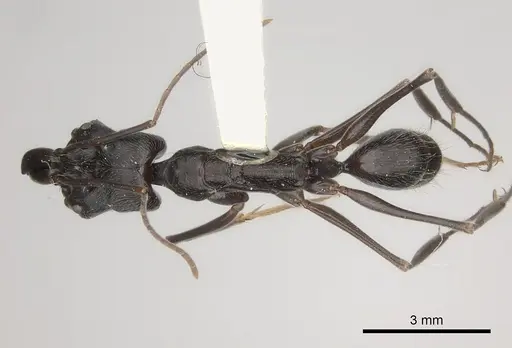
CASENT0270610
View on AntWeb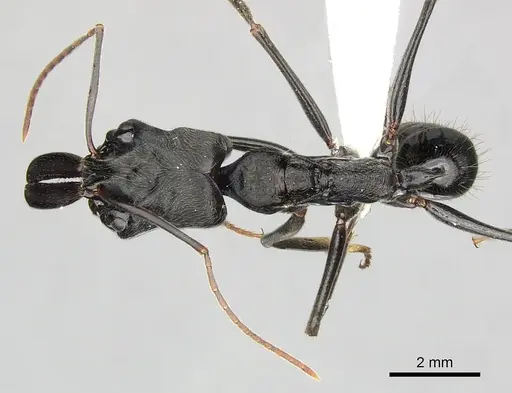
CASENT0900586
View on AntWeb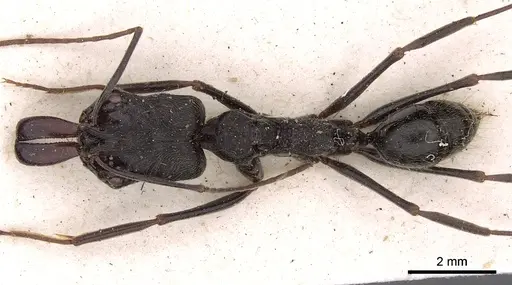
CASENT0907435
View on AntWeb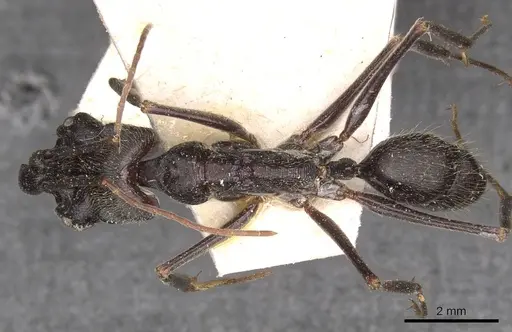

FOCOL0687
View on AntWeb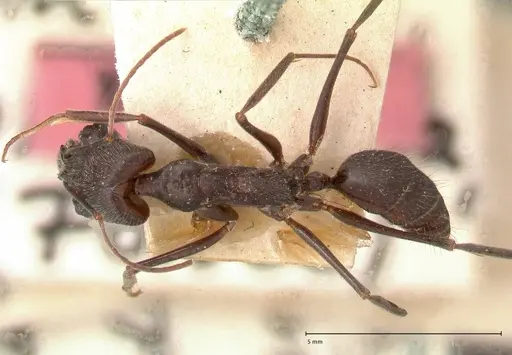
Literature
Loading distribution map...Loading products...