Odontomachus monticola shows a July to November activity window. Peak activity occurs in August, with queen sightings distributed across 5 months.

Odontomachus monticola
- Sci. Name
- Odontomachus monticola
- Tribe
- Ponerini
- Subfamily
- Ponerinae
- Author
- Emery, 1892
- Distribution
- Found in 7 countries
- Queen Activity
- From July to November
- Peak Time
- 20:00
AI Identifiable
try →
Introduction
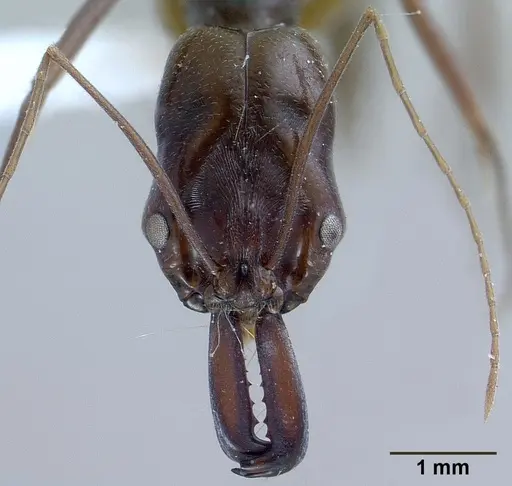
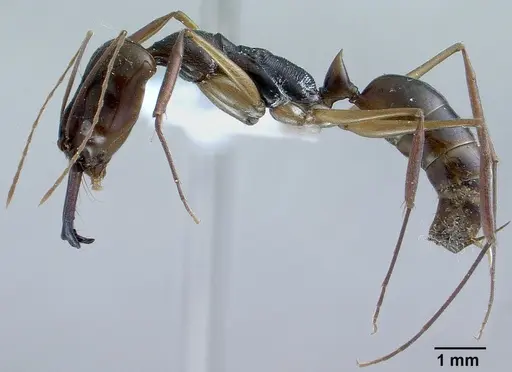
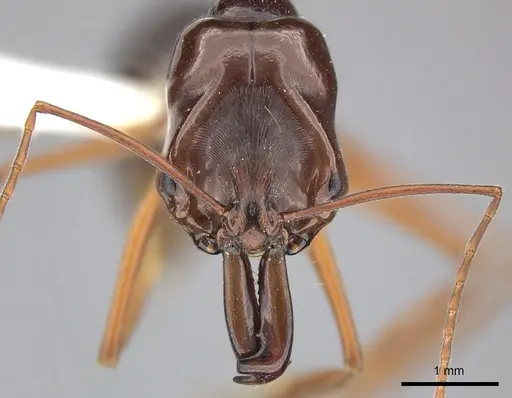
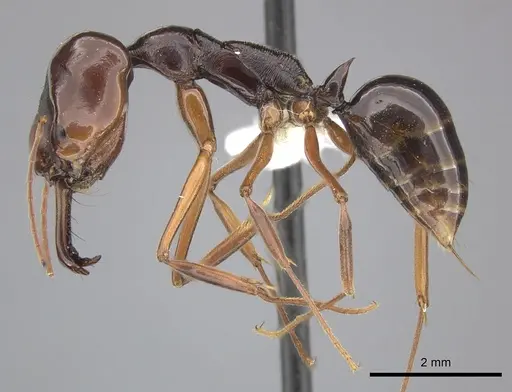
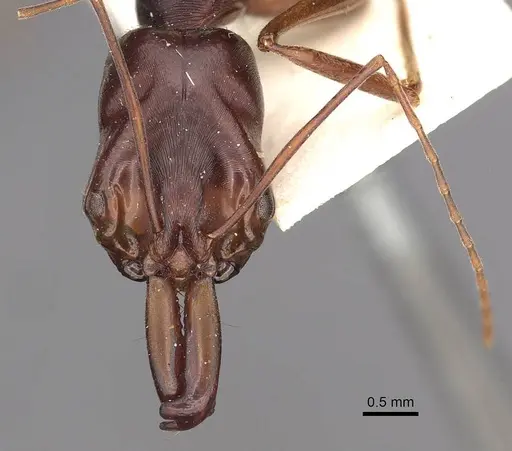
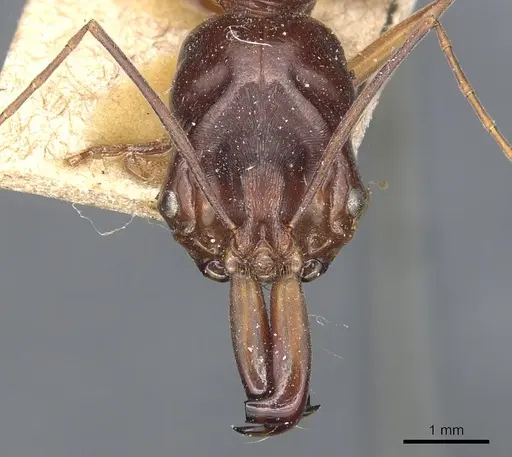
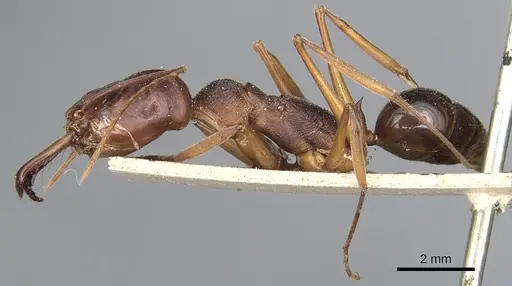
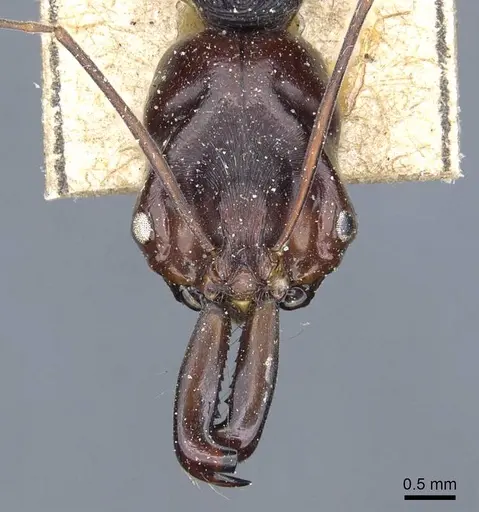
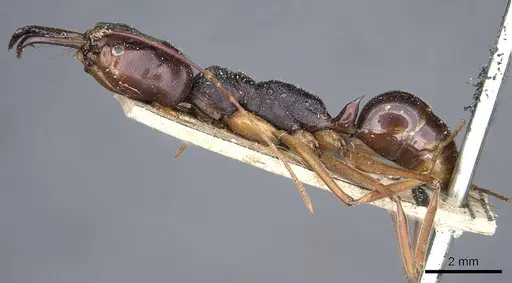
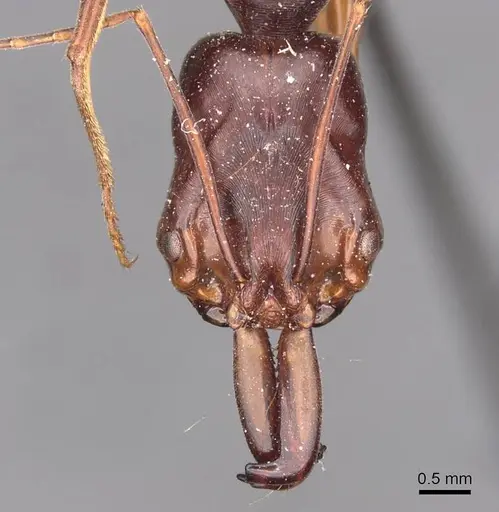
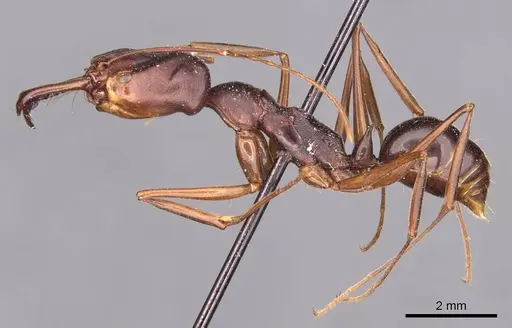
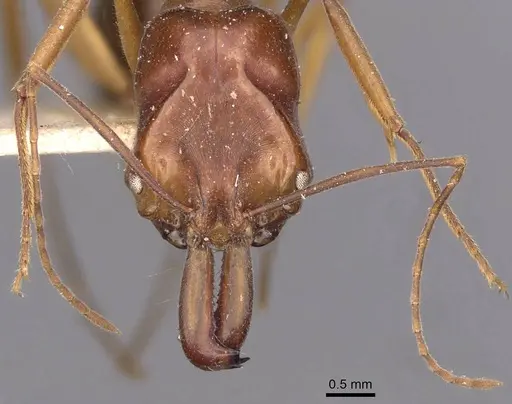
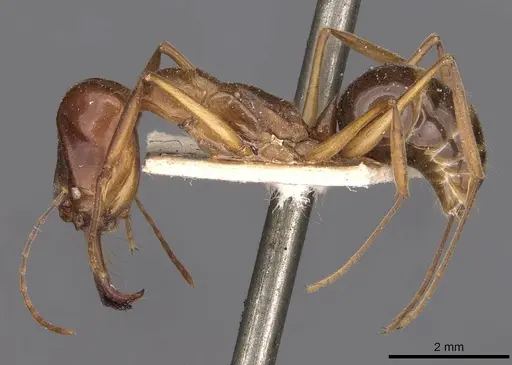
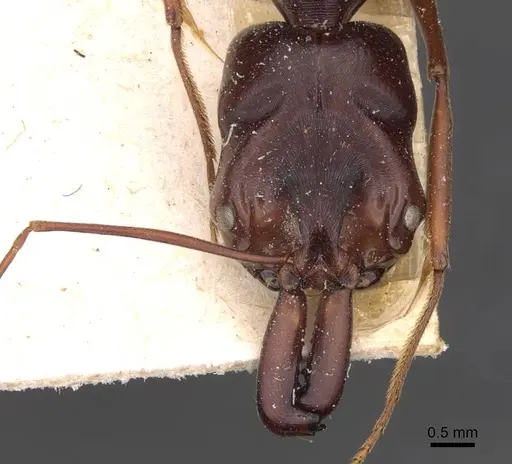
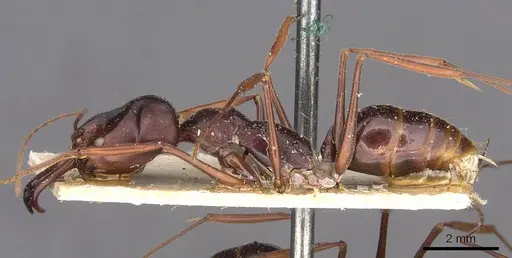
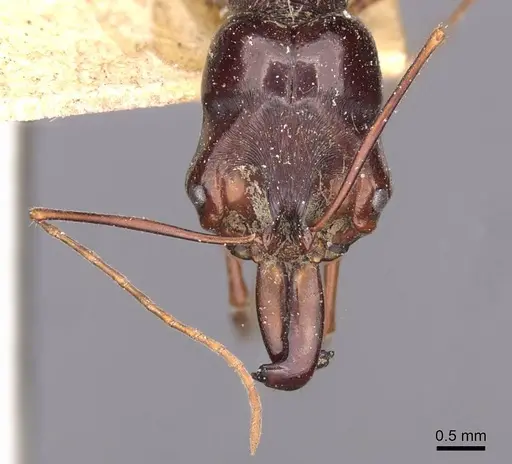
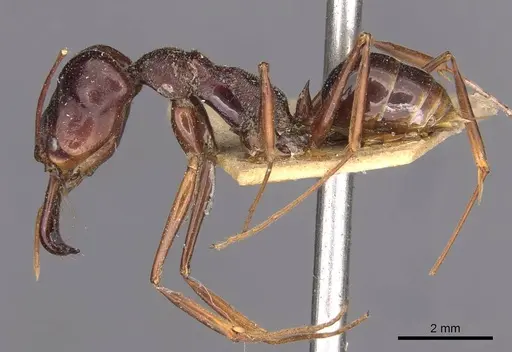
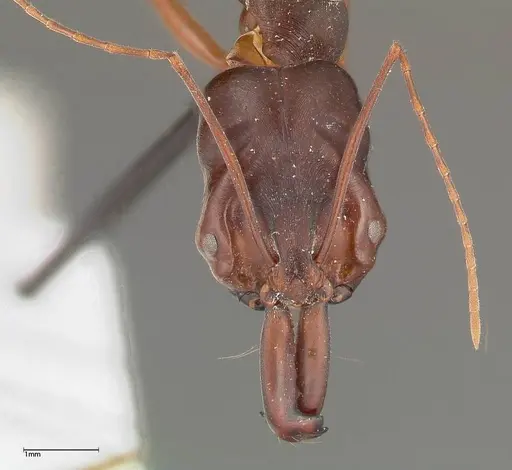
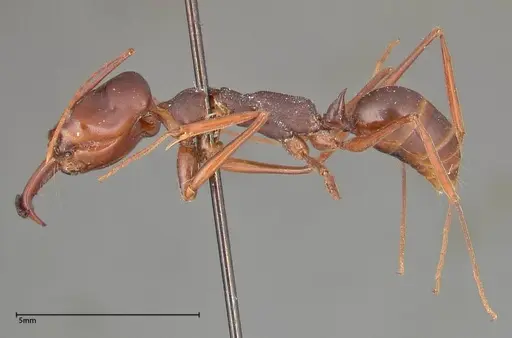
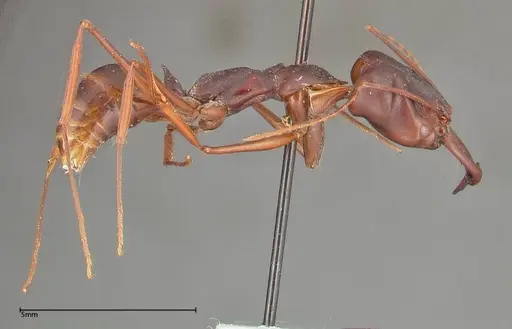
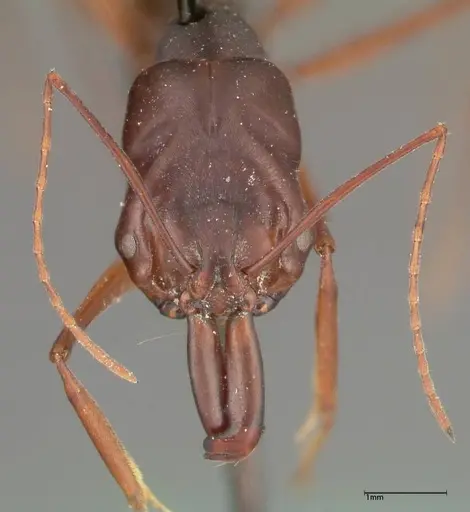
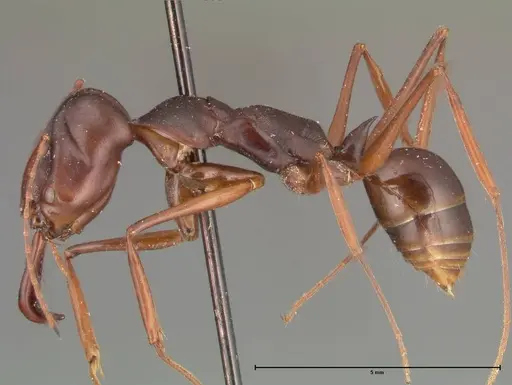
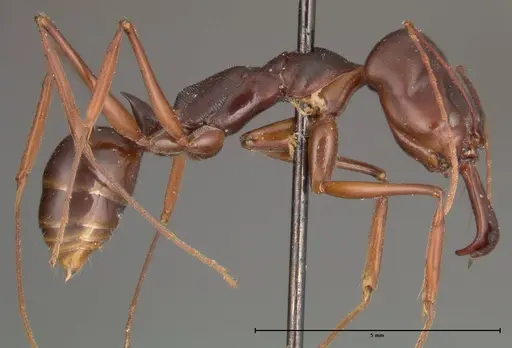
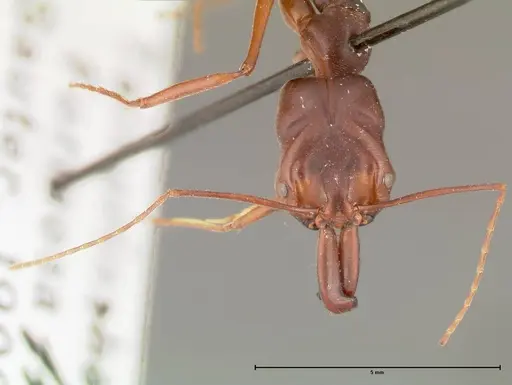
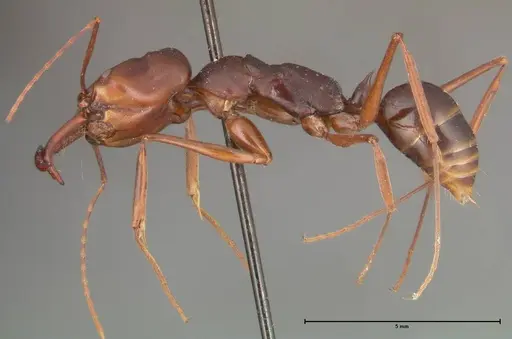
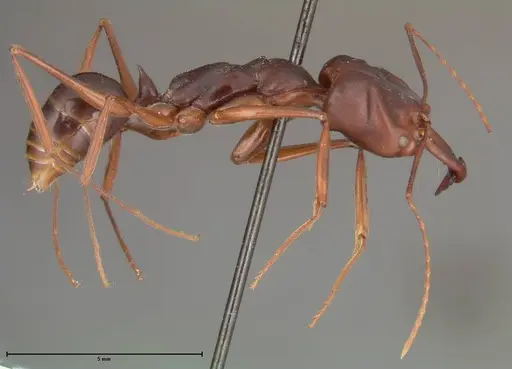
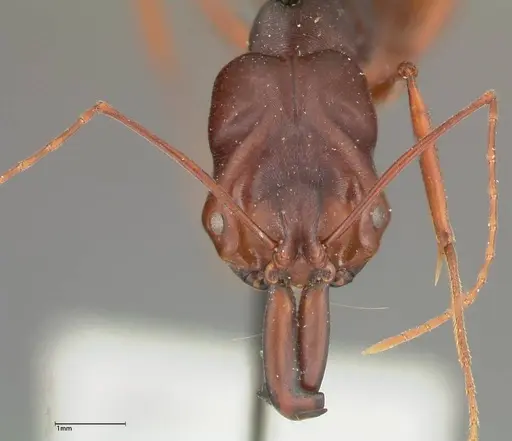
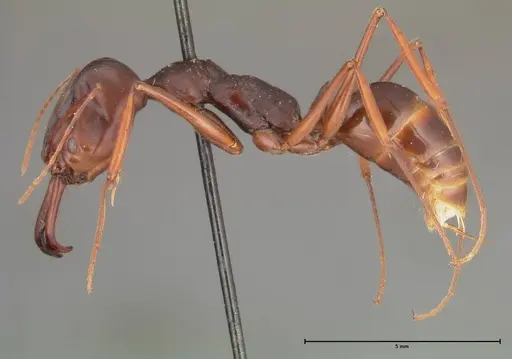
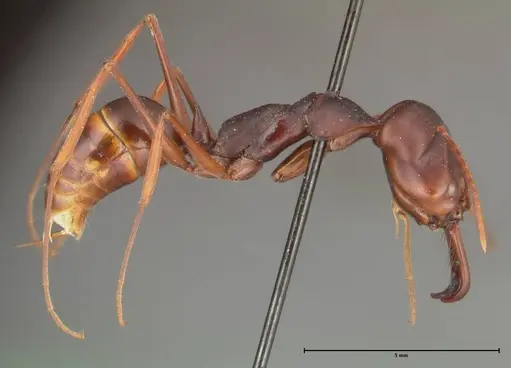
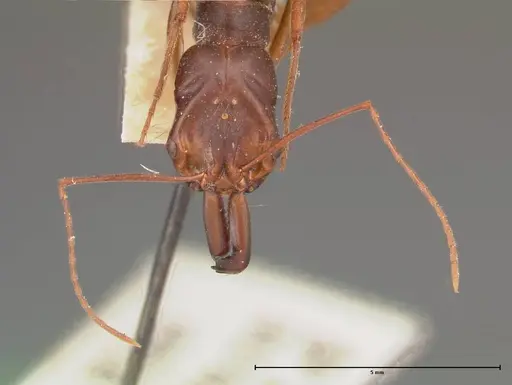
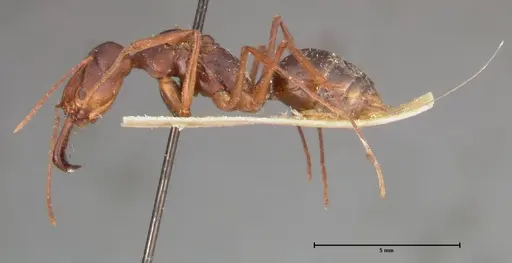
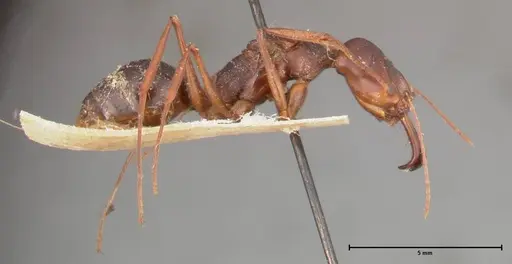
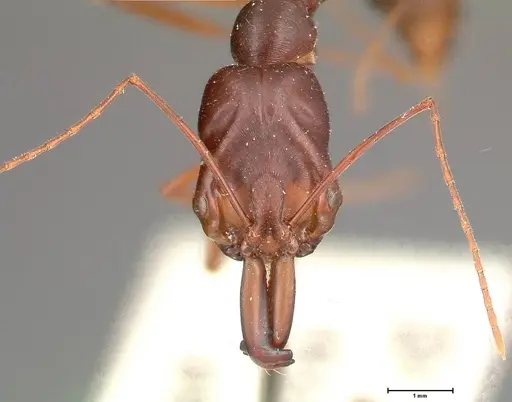
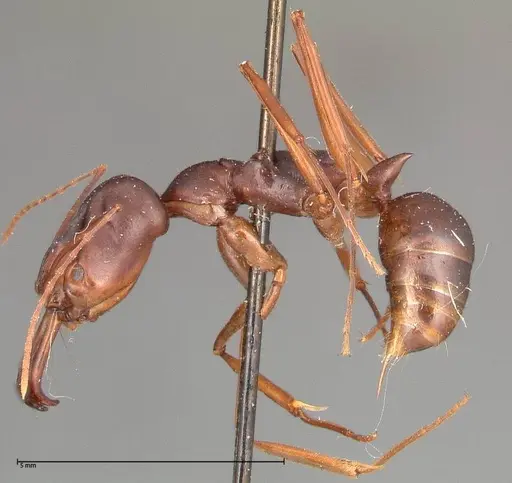
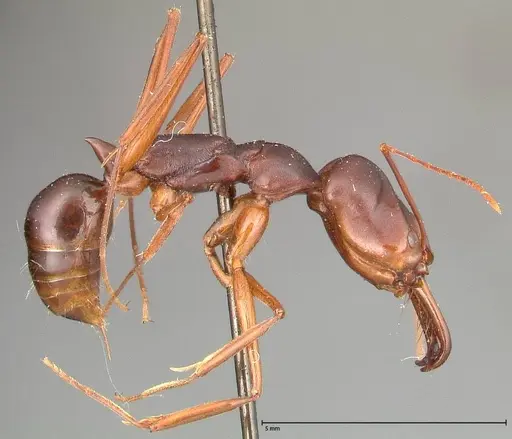
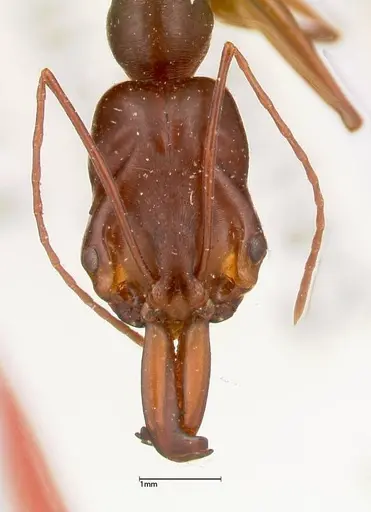
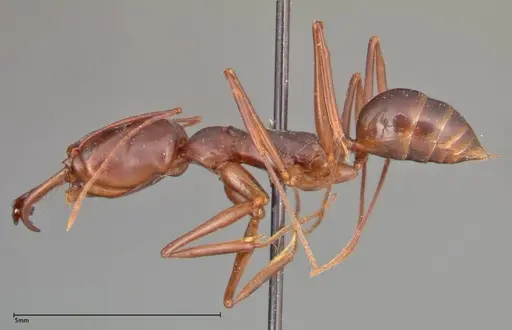
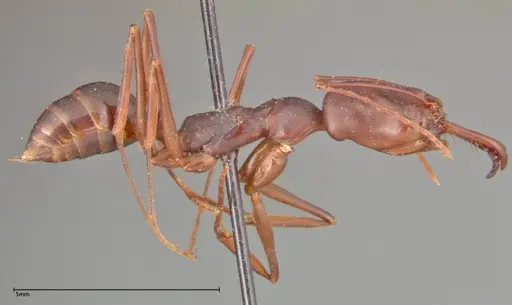
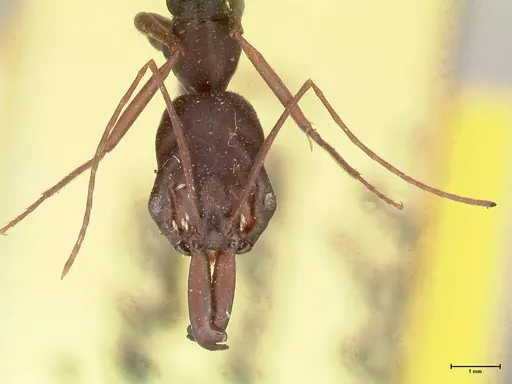
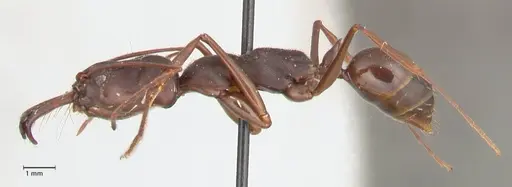
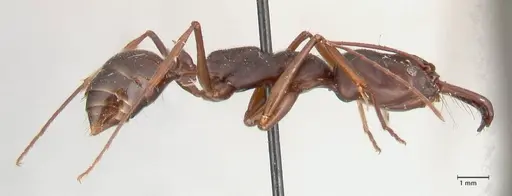
Odontomachus monticola is a medium-sized predatory ant known for its trap-jaw mandibles that snap shut at incredible speeds. Workers measure 10-13 mm in body length and have a dark reddish-brown to blackish-brown body. This species is widespread across Asia, from India and Myanmar to China, Taiwan, and Japan, often found at elevations up to 1500 meters . They nest under stones and in rotting wood in forest habitats. Their sting delivers potent venom that causes intense pain and itching in humans . When threatened, workers can escape by snapping their jaws against the ground to jump backwards .
Quick Summary
- Difficulty: Medium
- Origin & Habitat: Widespread across Asia including India, Myanmar, mainland China, Taiwan, Japan, Laos, Vietnam, Thailand, Borneo, Nepal, Bangladesh, and Malaysia. Found in forest habitats under stones and in rotting wood, at elevations from 500m to over 1500m [8][3][4].
- Colony Type: Based on studies from the Ryukyu Islands, likely monogyne, but status is unconfirmed [9].
- Size & Growth:
- Queen: 11-13.4 mm [10][11]
- Worker: 10-13 mm [1][2]
- Colony: Colony size data unavailable, no specific maximum recorded in literature.
- Growth: Moderate, inferred from Ponerinae patterns [7].
- Development: Estimated 8-12 weeks based on Ponerinae patterns [7]. (Development time may vary with temperature, no species-specific data available.)
- Antkeeping:
- Temperature: Keep warm and stable, roughly low-to-mid 20s°C. A gradient allows self-regulation [8].
- Humidity: Keep nest substrate consistently moist but not waterlogged [8].
- Diapause: Yes, for temperate regions, reduce temperature to 10-15°C for 2-3 months during winter [8][12].
- Nesting: Use test tube setups for founding, for established colonies, provide soil or plaster nests with moisture chambers [8][7].
- Behavior: Specialist predators that primarily hunt insects using their venomous sting and powerful mandibles. Workers are monomorphic and forage on the ground surface. They are not aggressive toward humans but will sting if handled or threatened. Their trap-jaw escape mechanism allows them to launch backward to safety. Medium escape risk, standard barrier precautions recommended [8][7][12].
- Common Issues: sting hazard, their potent venom causes intense pain and prolonged itching. handle with caution and avoid bare skin contact [8][5]., humidity control is critical, too dry and colonies desiccate, too wet and mold becomes a problem., feeding requirements, being predators, they need regular protein in the form of live insects, sugar alone is insufficient., winter die-off in temperate regions if proper diapause conditions are not provided.
Queen Ant Activity Analysis 70 observations
Queen Activity by Hour 70 observations
Odontomachus monticola queen activity peaks around 20:00 during the evening. Activity is spread across a 23-hour window (00:00–22:00). Times may be influenced by human observation patterns.
Housing and Setup
For founding colonies, a simple test tube setup works well. Fill a test tube one-third with water, plug with cotton, and place the queen in darkness. Keep it humid and undisturbed until workers emerge. For established colonies, upgrade to a formicarium with a moisture chamber. These ants do well in plaster or soil nests that can hold moisture. A small outworld for foraging allows you to offer prey items. Because they nest under stones and in rotting wood in the wild, adding flat stones or pieces of rotting wood to naturalistic setups encourages natural behavior. Escape prevention should be standard, these are medium-sized ants that can climb smooth surfaces [8][7].
Feeding and Diet
Odontomachus monticola is a specialized predator that primarily hunts insects. In captivity, offer live prey such as small crickets, mealworms, fruit flies, and other small insects. They particularly favor termites and will readily hunt them if available. Unlike many ants, they are not heavily dependent on sugar sources, their venom allows them to subdue prey efficiently. However, they will occasionally accept sugar water or honey as an energy supplement. Feed founding colonies small prey items a few times per week. Established colonies can be fed larger prey items every 2-3 days. Remove uneaten prey to prevent mold [7][8].
Temperature and Seasonal Care
These ants tolerate a range of temperatures, with optimal growth in warm, stable conditions around low-to-mid 20s°C. Their wide distribution across Asia from tropical regions to temperate Japan and northern China means they adapt to various conditions. In temperate regions, they require a winter dormancy period. Reduce temperatures to 10-15°C for 2-3 months during winter, this mimics natural seasonal cycles and is essential for colony health. In subtropical or tropical climates, hibernation may not be necessary, but a slight reduction in temperature during winter months is still beneficial. Use a heating cable on one side of the nest to create a temperature gradient, allowing workers to self-regulate [8][12].
Behavior and Defense
The most remarkable aspect of Odontomachus monticola is their trap-jaw mechanism. Their mandibles can snap shut at speeds exceeding 200 km/h, among the fastest animal movements recorded. This serves dual purposes: capturing prey and escaping predators. When threatened, workers can snap their jaws against the ground to launch themselves backward several centimeters to safety. Their sting delivers potent venom that causes intense pain and prolonged itching in humans [5][6]. While they are not aggressive and will flee rather than attack when given the chance, their sting is medically significant. Handle with care and avoid bare skin contact. Workers are monomorphic and forage individually on the ground surface, hunting small arthropods [7].
Colony Development
Colony founding behavior is unconfirmed in the literature. After mating, the queen likely digs a small chamber in soil or under a stone and lays her first eggs. She may hunt small insects to feed the larvae until the first workers emerge. Development from egg to worker is estimated at 8-12 weeks under optimal conditions, based on Ponerinae patterns [7]. The first workers are smaller than mature workers but already possess functional trap-jaws. Colony growth is moderate, expect several months before a significant worker population develops. Mature colonies may reach several hundred workers, but specific size data is unavailable [9].
Safety Considerations
This species should be considered a stinging ant and handled with appropriate caution. Their venom causes intense, long-lasting pain and itching that can persist for hours to days. The venom contains pilosulin-like peptides that trigger histamine release and cause hemolytic effects [5][6]. While not typically dangerous to healthy adults, individuals with insect venom allergies should avoid handling this species. When working with colonies, use tools rather than bare hands. If stung, wash the area with soap and water, apply ice for swelling, and monitor for allergic reactions. Keep ant farms and feeding areas away from areas where bare skin might contact the ants [5][6].
Frequently Asked Questions
How long does it take for first workers to emerge?
Based on typical Ponerinae development patterns, expect 8-12 weeks from egg to first worker at optimal temperature. Development is slower than many common ant species, so patience is required [7].
Can I keep multiple queens together?
This species is likely monogyne (single queen), but status is unconfirmed. Combining unrelated queens is not recommended and likely results in fighting [9].
What do Odontomachus monticola eat?
They are predators that primarily eat insects. Offer live prey such as small crickets, mealworms, fruit flies, and especially termites. They will occasionally accept sugar water or honey as an energy supplement but protein from insects is essential [7][8].
Do they need hibernation?
Yes, in temperate regions they require a winter dormancy period. In Japan and northern China where they naturally occur, reduce temperatures to 10-15°C for 2-3 months during winter. In tropical climates, a slight temperature reduction may be sufficient [8][12].
Are Odontomachus monticola good for beginners?
They are considered medium difficulty. While fascinating and rewarding to watch, they have specific requirements: live prey diet, longer development time, and sting hazard. They are better suited for keepers with some experience who can provide proper care [8].
What size colony do they reach?
Colony size data is unavailable in the literature. No specific maximum colony size has been recorded [8].
When should I move them to a formicarium?
Keep queens in test tubes for founding. Once the colony reaches a reasonable size and the test tube becomes crowded, upgrade to a formicarium with a moisture chamber. They do well in plaster or soil nests that hold humidity [8][7].
How do they escape predators?
They have a remarkable escape mechanism, when threatened, they snap their powerful jaws against the ground or substrate, propelling themselves backward several centimeters to escape. This is one of the fastest animal movements recorded [7].
What temperature is ideal?
Keep them in warm, stable conditions, roughly low-to-mid 20s°C. A temperature gradient allowing self-regulation is ideal [8].
When do Odontomachus monticola queens forage?
Queen activity of Odontomachus monticola typically occurs From July to November. Times may be influenced by human observation patterns.
What time of day are Odontomachus monticola queens most active?
Queen activity of Odontomachus monticola peaks around 20:00 during the evening, with most activity between 00:00 and 22:00. Times may be influenced by human observation patterns.
Report an Issue
The current care sheet is based fully on literature. See inconsistencies, or something that's incorrect? Please , it will be resolved after review from an admin. Contributing to the blogs tab also helps providing information, to make us be able to further improve the caresheets. Thank you for your support!
References

This caresheet is licensed under CC BY-SA 4.0 .
Community Blogs
CASENT0179010
View on AntWeb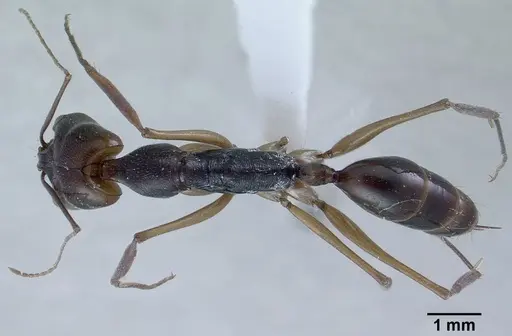
CASENT0270621
View on AntWeb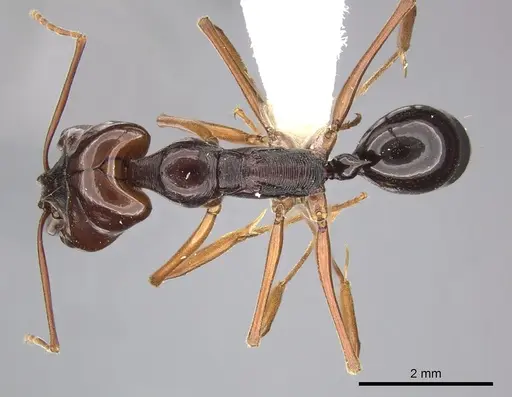
CASENT0900651
View on AntWeb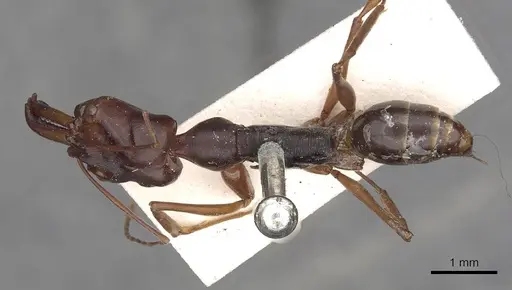
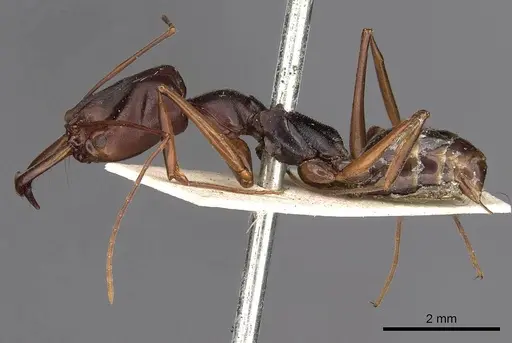
CASENT0900657
View on AntWeb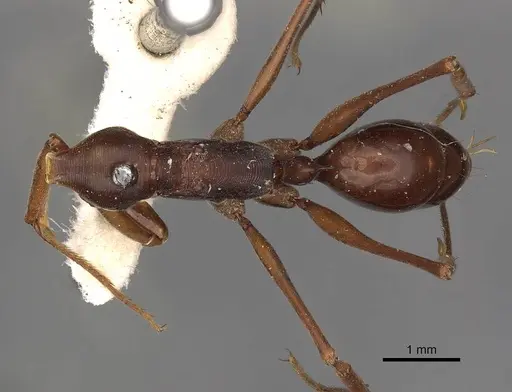
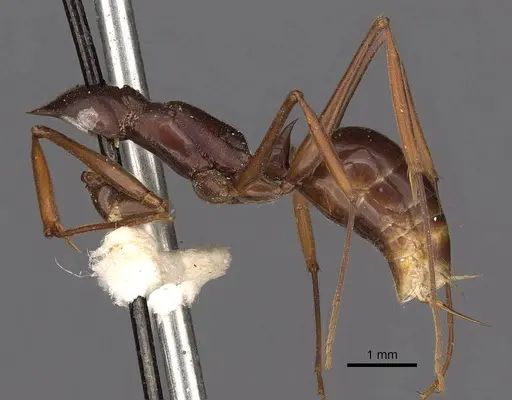
CASENT0904000
View on AntWeb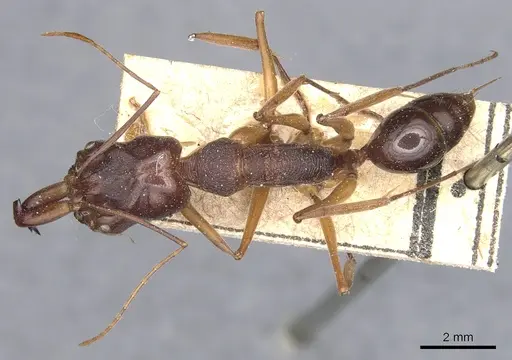
CASENT0905746
View on AntWeb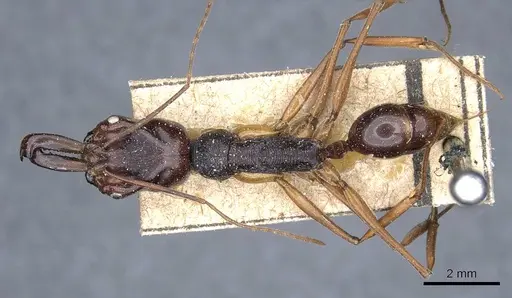
CASENT0907427
View on AntWeb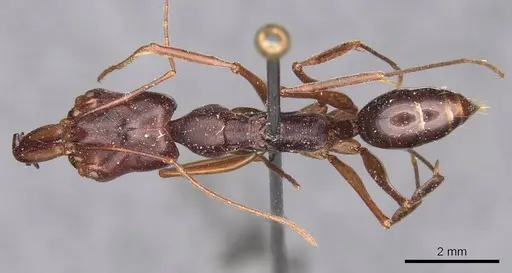
CASENT0907428
View on AntWeb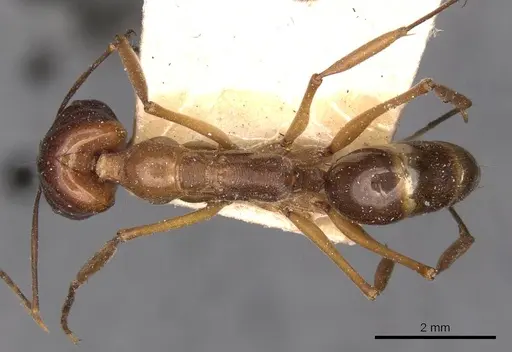
CASENT0907429
View on AntWeb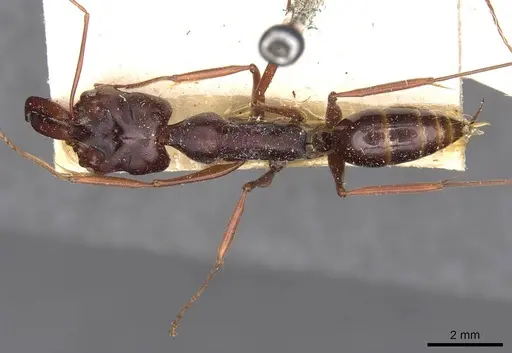
CASENT0907430
View on AntWeb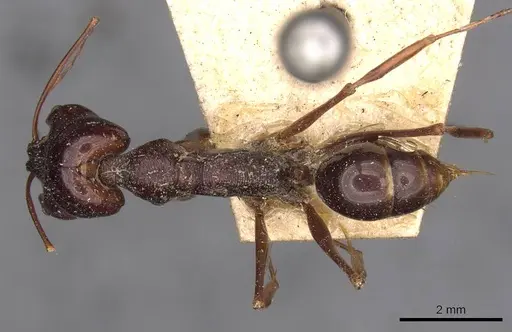
FOCOL0327
View on AntWeb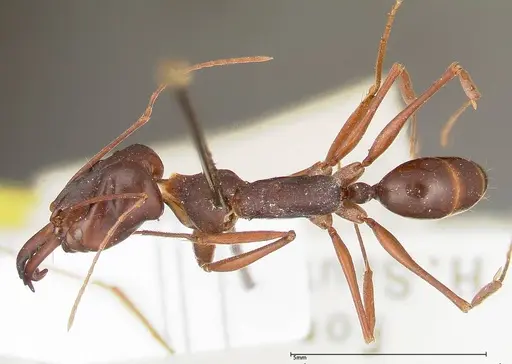
FOCOL0328
View on AntWeb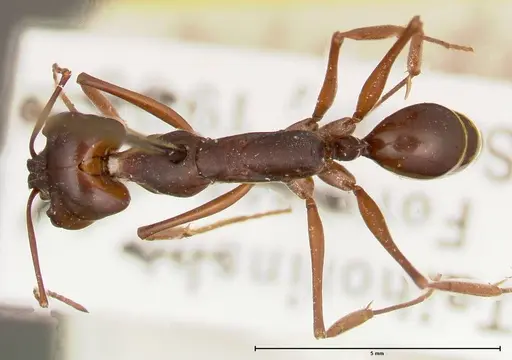
FOCOL0329
View on AntWeb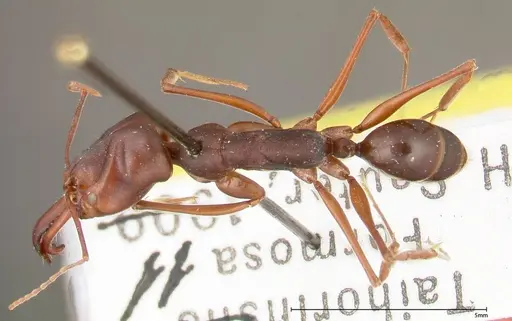
FOCOL0330
View on AntWeb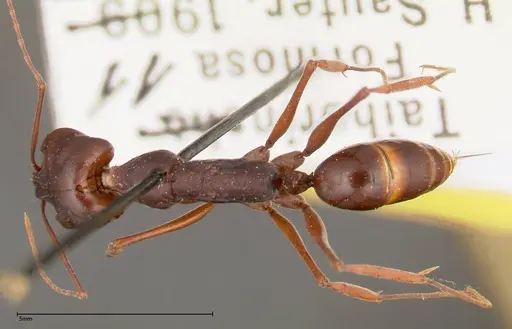
FOCOL0331
View on AntWeb
FOCOL0332
View on AntWeb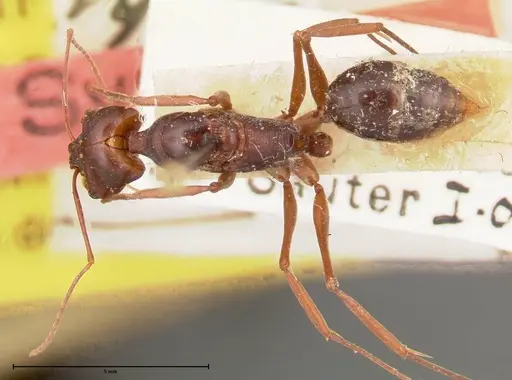
FOCOL0333
View on AntWeb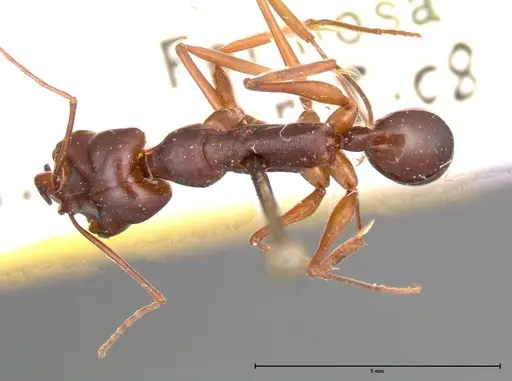
FOCOL0334
View on AntWeb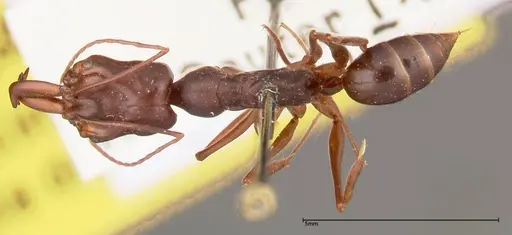
FOCOL1061
View on AntWeb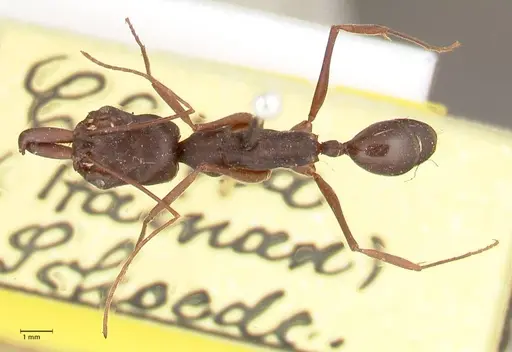
Literature
Loading distribution map...Loading products...