
Odontomachus meinerti
- Sci. Name
- Odontomachus meinerti
- Tribe
- Ponerini
- Subfamily
- Ponerinae
- Author
- Forel, 1905
- Distribution
- Found in 11 countries
Introduction
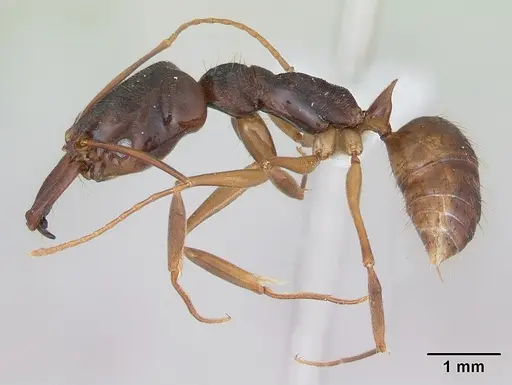
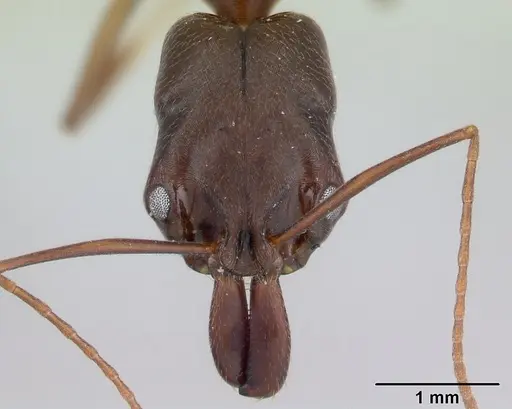
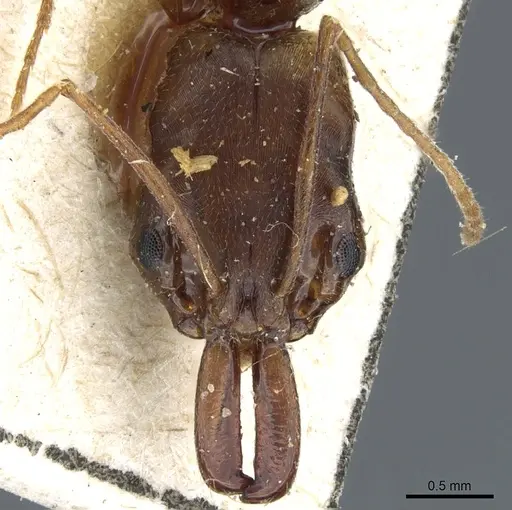
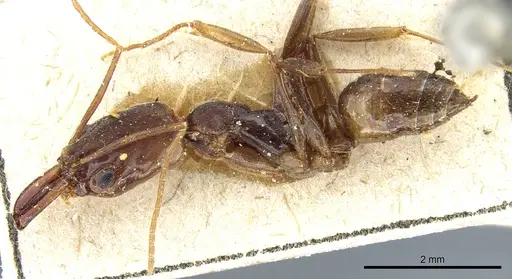
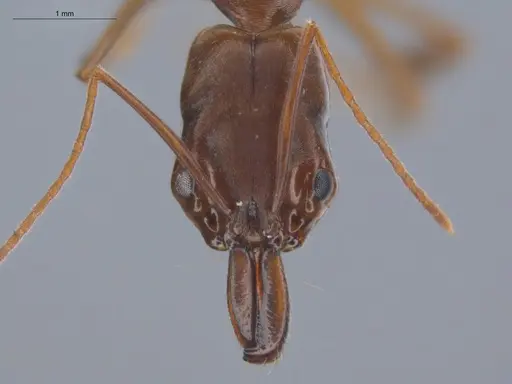
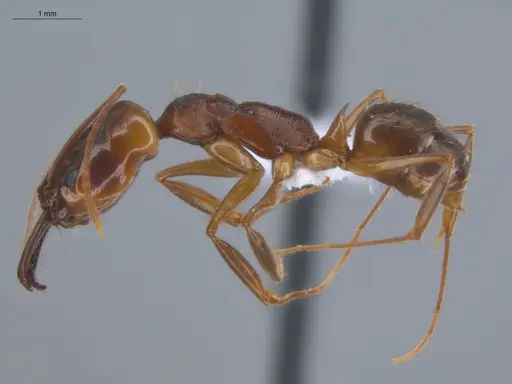
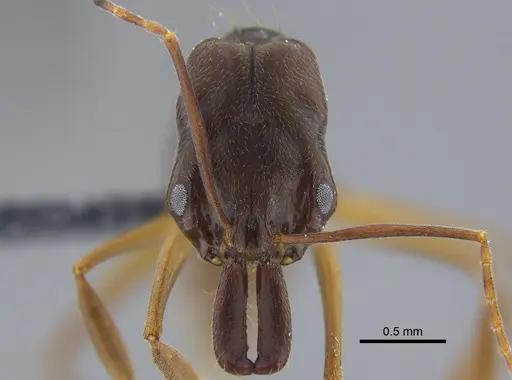
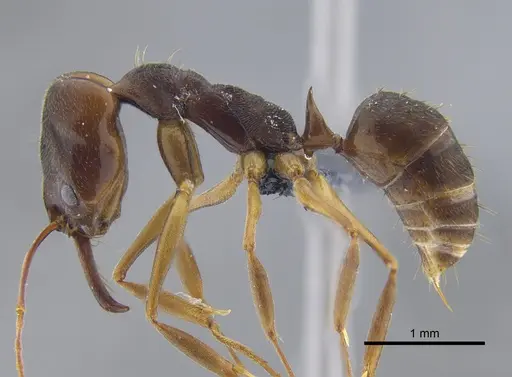
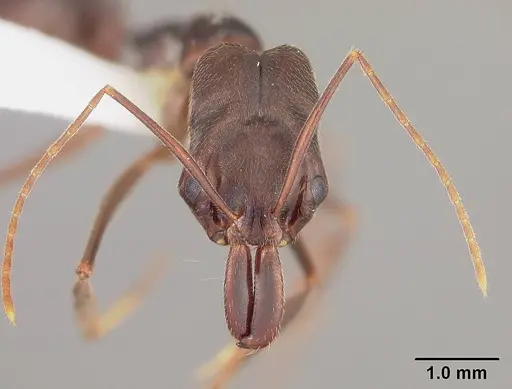
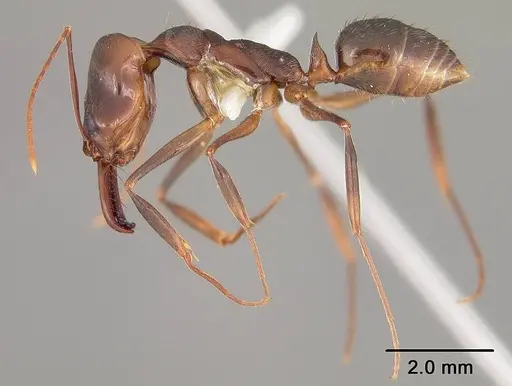
Odontomachus meinerti is a trap-jaw ant species native to the Neotropical region, ranging from Mexico down to Argentina. Workers measure 6-10mm with distinctive elongated trap-jaw mandibles that snap shut at high speeds to capture prey . The species has dark reddish-brown to black coloration with fine striations on the head and mesosoma. Queens are larger at 8-10mm, while males are smaller at 5.30-5.80mm . This species nests in rotten branches on the forest floor and in coffee plantations, often in decaying wood or under rotten trunks . What makes O. meinerti stand out is its role as a specialist predator with aggressive hunting behavior, and it has been documented moving seeds and fruits up to 1 gram in weight, participating in seed dispersal .
Quick Summary
- Difficulty: Medium
- Origin & Habitat: Neotropical region, found across Mexico, Central America, and South America including Brazil, Colombia, Ecuador, Peru, Venezuela, and surrounding countries. Inhabits tropical and subtropical forests including Atlantic Forest, Amazonian forests, and semi-deciduous mesophytic forests. Also found in coffee agroecosystems and disturbed areas near forests [5][1][6].
- Colony Type: Unconfirmed, research does not explicitly state queen number or social structure.
- Size & Growth:
- Queen: 8.60-10.40mm [1]
- Worker: 6.30-10.40mm [1]
- Colony: Unknown, no specific data available in research
- Growth: Moderate (inferred from genus patterns)
- Development: 6-10 weeks (inferred from genus patterns) (Larvae have three instars. Males can appear in artificial colonies after 46 days [1]. Development is likely temperature-dependent.)
- Antkeeping:
- Temperature: Keep at 24-28°C (inferred from tropical habitat)
- Humidity: High humidity required, keep nest substrate consistently moist but not waterlogged (inferred from forest-floor habitat)
- Diapause: No, tropical species, does not require hibernation (inferred from habitat)
- Nesting: Prefers nesting in rotten wood, decaying branches, or under rotten trunks [1]. In captivity, use Y-tong (AAC) or plaster nests with moisture retention.
- Behavior: Nocturnal preference, more active at night [7]. Aggressive predator with powerful trap-jaw mandibles. Sensitive to environmental changes and considered a bioindicator of better-preserved environments [8][9]. Escape prevention is important though they are not extremely small.
- Common Issues: colonies often fail if kept too dry, moisture is critical for this forest-floor species, parasite risk, up to 54% of wild colonies can be parasitized by eucharitid wasps [11], watch for unusual brood mortality, slow growth compared to some common ants, beginners may lose patience, sensitive to disturbance, avoid frequent nest inspections, tropical species cannot tolerate cool temperatures, keep above 24°C year-round
Housing and Nest Setup
Odontomachus meinerti does best in a nest that mimics its natural forest-floor habitat. A Y-tong (AAC) formicarium or plaster nest with good moisture retention works well, the key is keeping the substrate consistently damp. These ants nest in rotten wood and decaying branches in the wild, so including natural materials like small pieces of decaying wood or bark can encourage natural behavior. Provide an outworld with a shallow water dish and feeding area. Because they have a nocturnal preference, avoid placing the nest in direct bright light, ambient room lighting is sufficient. [1][11]
Feeding and Diet
This is a specialist predator, feed them live prey items like small crickets, fruit flies, mealworms, and other small insects appropriate to their size. The powerful trap-jaw mandibles allow them to tackle prey much larger than what smaller ants can handle. Beyond protein, they will accept sugar sources like honey or sugar water, though protein should make up the majority of their diet. In the wild, they are aggressive predators but have also been observed moving seeds and fruits up to 1 gram, so occasional fruit offerings may be accepted. Feed every 2-3 days, removing any uneaten prey after 24 hours. [3][4][10]
Temperature and Climate Control
As a tropical species from the Neotropics, O. meinerti requires warm temperatures. Keep the nest area at 24-28°C, this range supports normal colony activity and brood development. A small heating cable placed on one side of the nest creates a temperature gradient they can choose from. Unlike temperate species, they do not require any diapause or winter cooling period. Room temperature in most homes may be too cool, especially in winter, so monitor with a thermometer. Avoid temperatures below 22°C for extended periods. High humidity should accompany these warm temperatures. [1]
Colony Development and Growth
Colony growth is moderate rather than fast. Queens are likely claustral, they seal themselves in a chamber and raise the first brood using stored fat reserves, but this is not confirmed in research. The first workers (nanitics) will emerge smaller than mature workers but are already capable hunters. Larvae go through three instars before pupation [1]. In artificial conditions, colonies can produce male eggs after about 46 days [1], which may indicate the colony is mature enough to consider reproduction. Full colony size is not well documented.
Behavior and Temperament
These ants are nocturnal to crepuscular, they show more activity during night hours and may be less active during bright daylight [7]. Workers are aggressive predators and will readily attack prey with their powerful trap-jaw mandibles. They are considered a specialist predator in ecological studies [10]. Unlike some more docile species, they can be defensive when their nest is disturbed. They are sensitive to environmental changes and habitat disturbance, which makes them useful as bioindicators of forest health [8][9]. Workers forage individually on the ground rather than in large raiding parties.
Health and Parasites
A significant concern with this species is parasitism, in the wild, up to 54% of colonies can be parasitized by eucharitid wasps [11]. These parasitic wasps target the brood, so if you notice unusually high brood mortality or pupae that fail to develop normally, parasitism may be the cause. Wild-caught colonies are at higher risk. Additionally, because they are sensitive to environmental changes [8], sudden changes in temperature, humidity, or frequent disturbance can stress colonies. Quarantine and monitor any new colonies or ants added to existing setups.
Frequently Asked Questions
How long does it take for Odontomachus meinerti to produce first workers?
Based on genus patterns and the related O. haematodus group, expect first workers in approximately 6-10 weeks after the queen lays her first eggs. This timeline depends on temperature, warmer conditions within their 24-28°C range speed development (inferred from genus patterns).
Can I keep multiple queens together?
This species is likely monogyne based on genus patterns, but not confirmed in research. Combining unrelated queens is not recommended as they will likely fight. Only one queen should be kept per colony.
What do Odontomachus meinerti eat?
They are specialist predators, their primary diet should be live prey like small crickets, fruit flies, mealworms, and other small insects. They will also accept sugar sources like honey or sugar water. Occasional fruit may be offered but protein-rich prey is essential.
Are Odontomachus meinerti good for beginners?
This is a medium-difficulty species. They require stable warm temperatures and high humidity, which may require more equipment than beginner species like Lasius. However, they are not as demanding as some exotic ants. The main challenges are maintaining proper humidity, providing live prey, and being patient with their moderate growth rate.
When should I move my colony to a formicarium?
Founding colonies can start in a test tube setup. Move to a proper formicarium (Y-tong, plaster, or naturalistic setup) when the test tube becomes crowded or when you observe signs of space limitation. Ensure the new setup maintains the humidity levels they are accustomed to.
Do Odontomachus meinerti need hibernation?
No, this is a tropical species from the Neotropics. They do not require any diapause or winter rest period. Keep temperatures stable year-round in the 24-28°C range.
Why are my Odontomachus meinerti dying?
Common causes include: too low temperature (below 22°C), dry conditions (they need consistently damp substrate), parasite infection (eucharitid wasps are common in wild colonies), or stress from frequent disturbance. Check your temperature and humidity levels first. If the colony was wild-caught, parasitism is likely.
How big do Odontomachus meinerti colonies get?
Exact colony sizes are not well documented in research. Based on related species in the genus, colonies may reach a few hundred workers, but this is inferred and not confirmed.
Report an Issue
The current care sheet is based fully on literature. See inconsistencies, or something that's incorrect? Please , it will be resolved after review from an admin. Contributing to the blogs tab also helps providing information, to make us be able to further improve the caresheets. Thank you for your support!
References

This caresheet is licensed under CC BY-SA 4.0 .
Community Blogs
ANTWEB1041402
View on AntWeb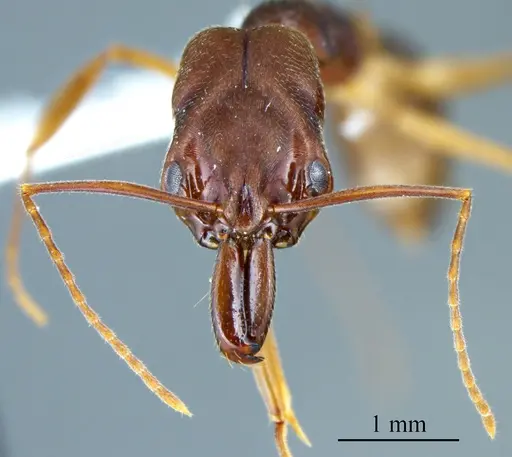
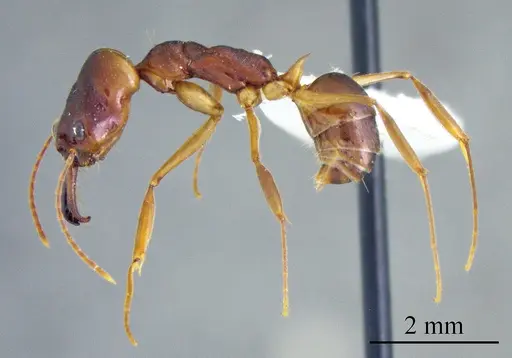
CASENT0173538
View on AntWeb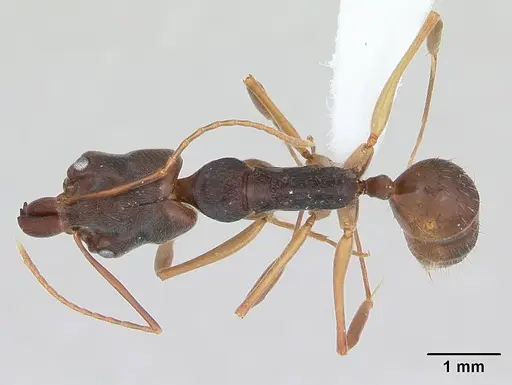
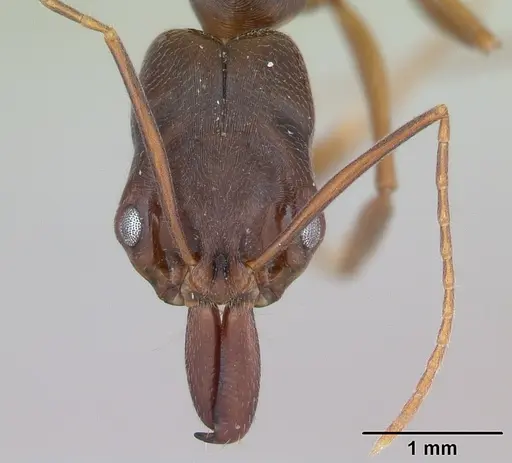
CASENT0178690
View on AntWeb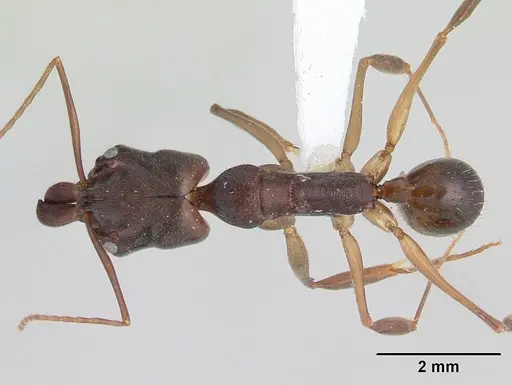
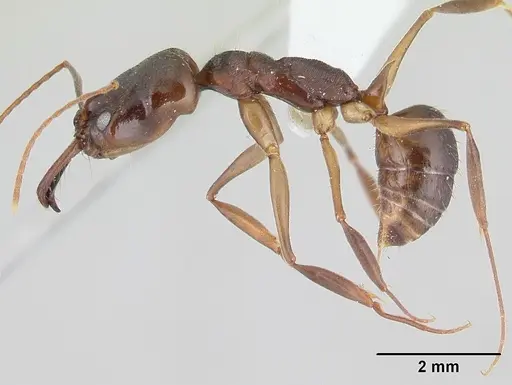
CASENT0270609
View on AntWeb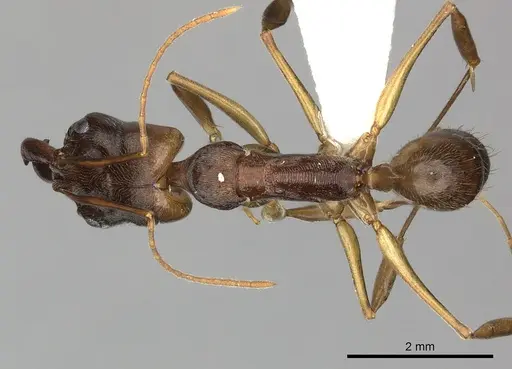
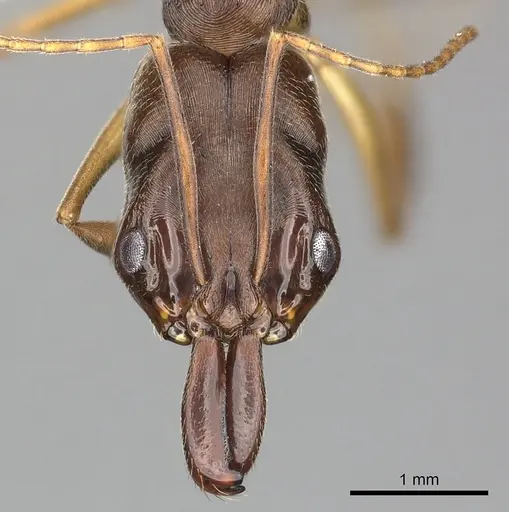
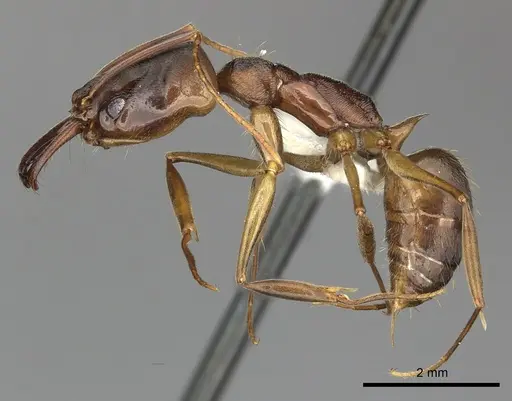
CASENT0904009
View on AntWeb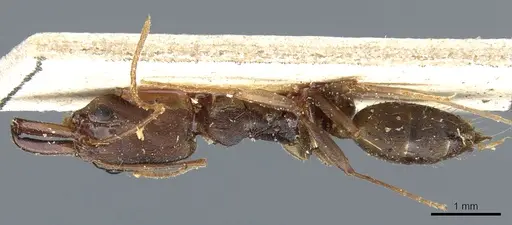
ECOFOG-IT14-0568-13
View on AntWeb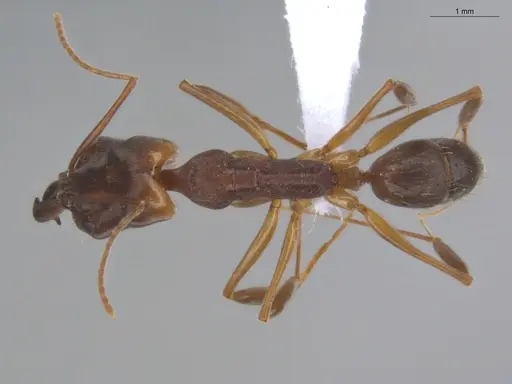
IAVH-E-222337
View on AntWeb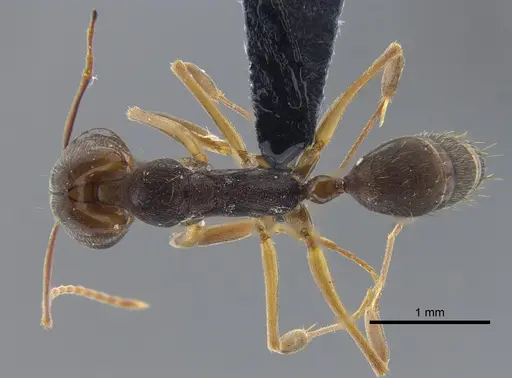
USNMENT00413813
View on AntWeb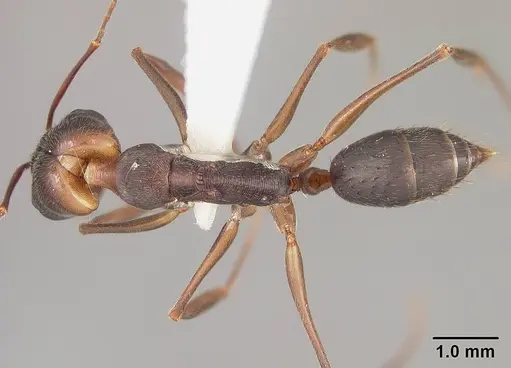
Literature
Loading distribution map...Loading products...