
Odontomachus malignus
- Sci. Name
- Odontomachus malignus
- Tribe
- Ponerini
- Subfamily
- Ponerinae
- Author
- Smith, 1859
- Distribution
- Found in 4 countries
Introduction
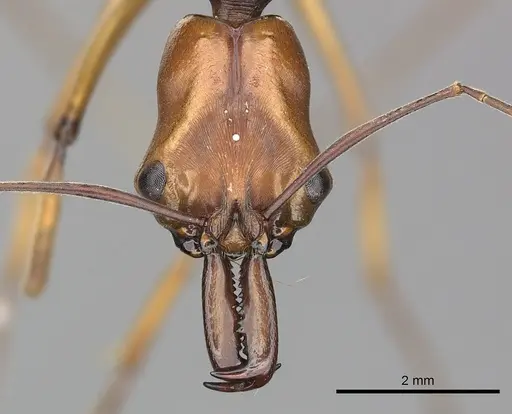
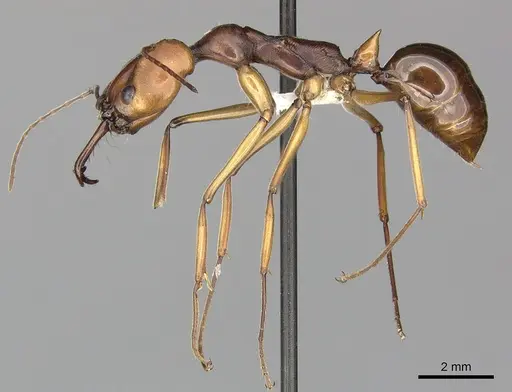
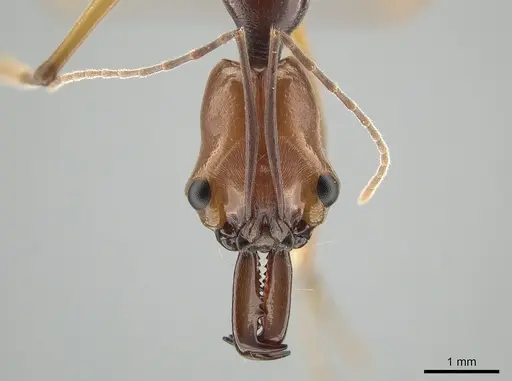
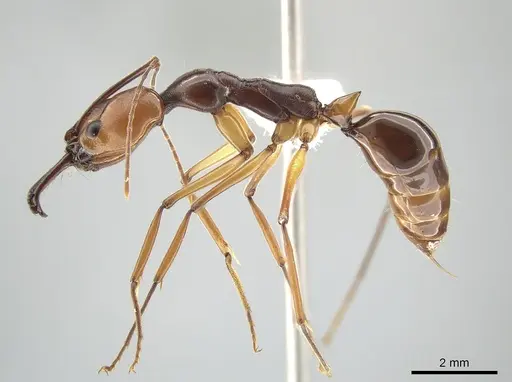
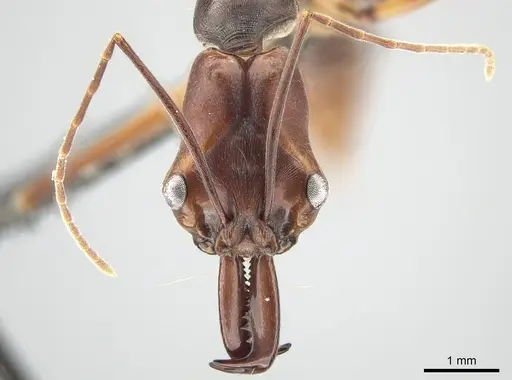
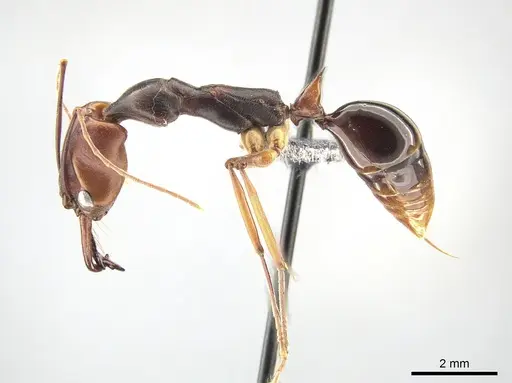
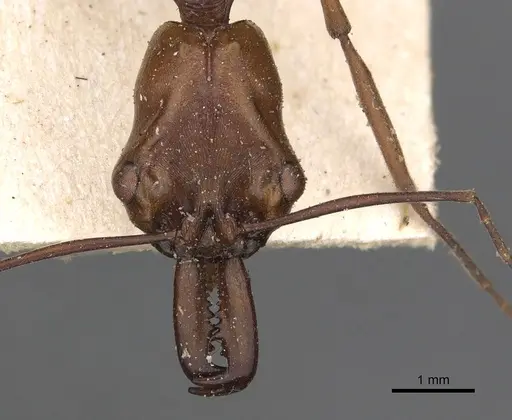
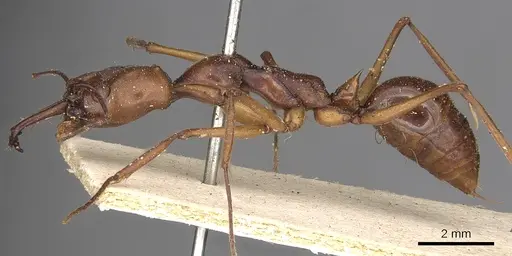
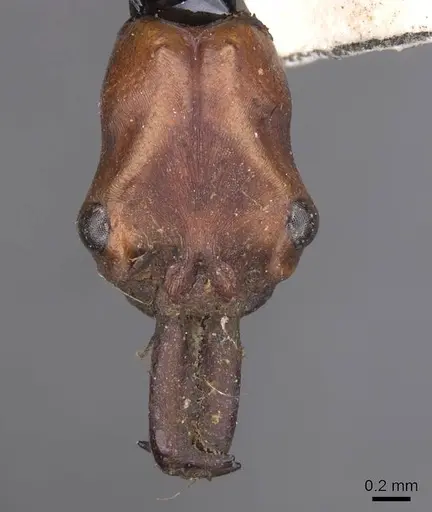
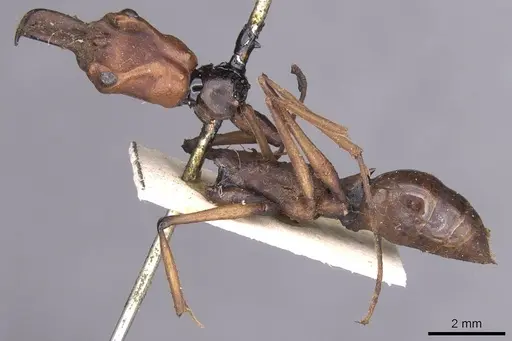
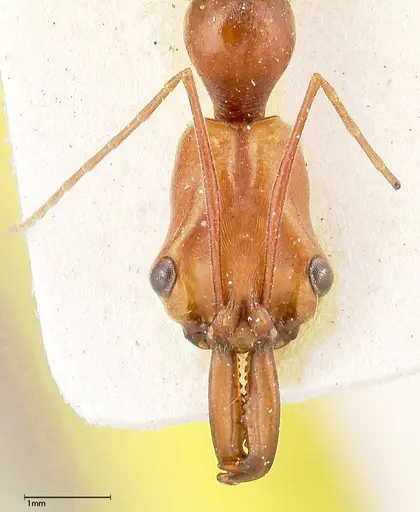
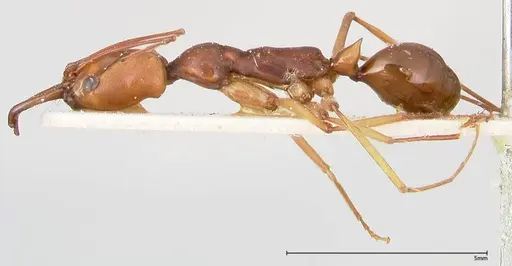
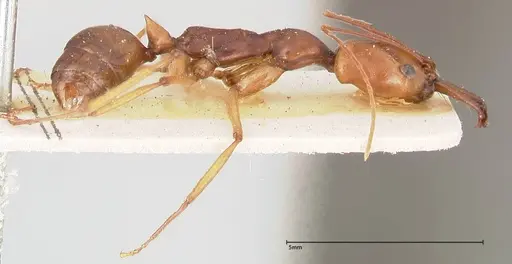
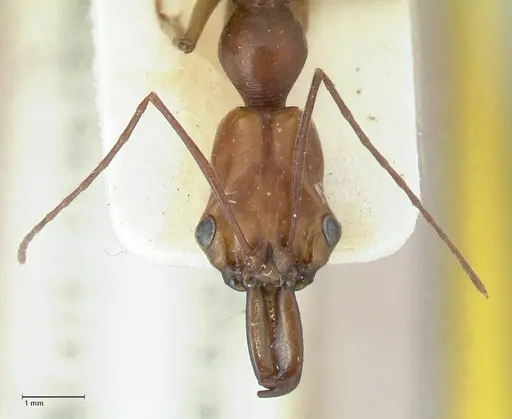
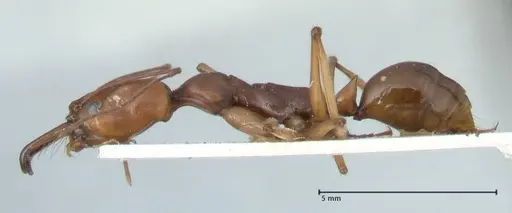
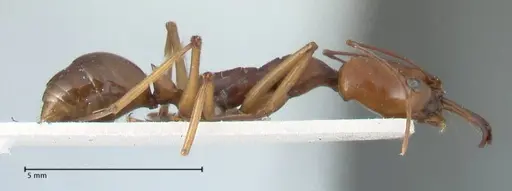
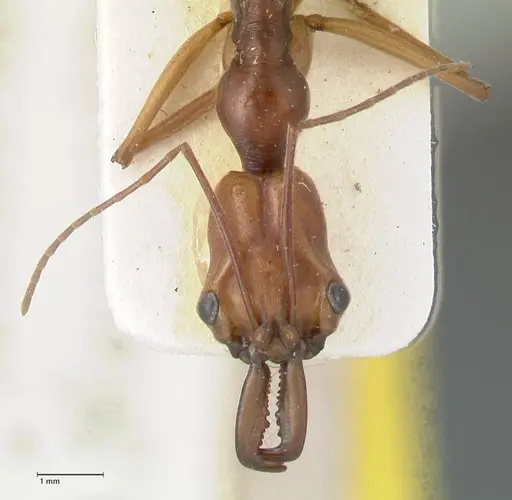
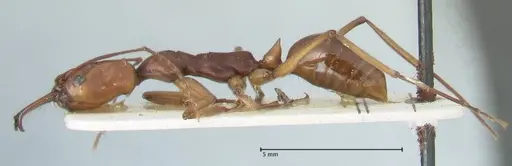
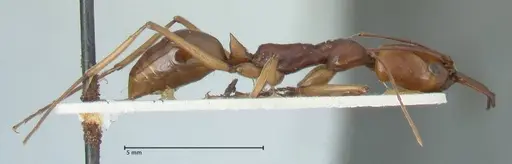
Odontomachus malignus is a medium-sized ponerine ant known for its extraordinary habitat preference - it lives exclusively in intertidal zones along tropical coastlines. Workers have a total length of 10.00-11.13 mm , with reddish-brown coloration and long trap-jaw mandibles. The head features conspicuous tubercles, and mandibles extend beyond the midpoint of the head . This species is part of the malignus species group, distinguished by its relatively short head and stout mesosoma . What makes O. malignus remarkable is its adaptation to the intertidal littoral zone, where nests are flooded twice daily by tides, yet colonies persist by building air-filled galleries in coral rubble and limestone .
Quick Summary
- Difficulty: Expert
- Origin & Habitat: Coastal Southeast Asia and Oceania, found in Borneo, Philippines, Indonesia, Singapore, Palau, Papua New Guinea, and Solomon Islands. This species exclusively inhabits intertidal zones, nesting in coral rubble and limestone rockfaces [2][1].
- Colony Type: Colony structure is not well documented. Based on limited observations, appears to be single-queen colonies, but this is unconfirmed [1].
- Size & Growth:
- Antkeeping:
- Temperature: Keep warm, roughly 24-28°C, based on tropical habitat [2].
- Humidity: Keep nest substrate consistently moist but not waterlogged, mimicking intertidal habitat [2][3].
- Diapause: No, tropical species, no hibernation needed [2].
- Nesting: Naturalistic setup with coral rubble or limestone, allowing air pockets during flooding [2][3].
- Behavior: Workers are active predators foraging in intertidal zones during low tide, hunting amphipods, clams, crabs, insects, and polychaetes [4]. They have powerful trap-jaw mandibles and show group transport behavior [4]. Not aggressive toward keepers but can sting if threatened. Escape risk is moderate, use standard prevention.
- Common Issues: drowning risk, nests must have air pockets to survive inundation [3]., humidity management critical, too dry or too wet causes problems., slow colony growth may lead to overfeeding and mold., wild-caught colonies may have parasites., escape prevention important due to active foraging.
The Intertidal Lifestyle
Odontomachus malignus is one of the few ant species that lives in the intertidal zone, where nests are flooded twice daily by tides. In the wild, these ants nest in coral rubble and sheer vertical limestone rockfaces along tropical coastlines. High tides reach 1.7-1.9 meters, inundating nests [4]. Colonies persist because their nests have bell-shaped galleries that trap air pockets, allowing workers to survive submerged until the tide recedes [3]. In captivity, you need to replicate this by providing a nest structure that can hold air pockets. A naturalistic setup with coral rubble or limestone pieces works well, as does a Y-tong nest with chambers designed to retain air space during any flooding events [2].
Housing and Nest Setup
The key to keeping O. malignus successfully is understanding their unique nesting requirements. They naturally nest in coral rubble and limestone crevices along coastlines, so a naturalistic setup with these materials works best. You can use a hybrid formicarium with a moist soil chamber mixed with coral rubble or small limestone pieces. The substrate should be kept consistently moist but must have air pockets, this is non-negotiable. Avoid setups where water can completely fill all spaces. Some keepers use a modified Y-tong setup with multiple chambers and a water reservoir, but add pieces of coral or limestone to create air gaps. The outworld should be spacious with hiding places, and you can add pieces of coral or rock for the ants to explore. [2][4][3]
Feeding and Diet
O. malignus are active predators in the wild, hunting a variety of small invertebrates in the intertidal zone. Their prey includes amphipods, small clams, crabs, insects, and polychaetes (marine worms) [4]. In captivity, offer a diet similar to other trap-jaw ants: protein-rich foods like small crickets, mealworms, fruit flies, and other small insects. They will likely accept protein gels and honey/sugar water, though protein should be the primary food. Feed them small prey items 2-3 times per week, adjusting based on colony size. Remove uneaten prey after 24-48 hours to prevent mold.
Temperature and Humidity
As a tropical species from coastal Southeast Asia and Oceania, O. malignus needs warm, humid conditions year-round. Keep the nest at roughly 24-28°C, this is warmer than many common ant species require. A heating cable on one side of the nest can create a suitable temperature gradient. Humidity is the more critical factor. These ants come from environments that are constantly moist from seawater and rain. Keep the nest substrate damp but not waterlogged. The goal is consistent moisture that allows air pockets to form. Monitor for condensation, some condensation is good, but pooling water is a sign you're overdoing it. [2]
Behavior and Temperament
These ants have the characteristic trap-jaw mandibles of Odontomachus species, capable of snapping shut rapidly to capture prey. Workers are active foragers and will hunt any small invertebrates they encounter. One notable behavior is group transport, unlike most trap-jaw ants, O. malignus workers have been observed cooperating to carry large prey items back to the nest [4]. They are not excessively aggressive toward keepers, but like all Ponerinae, they can deliver a painful sting if handled roughly or threatened. Their sting is not dangerous to healthy humans but can be quite painful. They are moderate escape artists, use standard escape prevention with fluon on container edges.
Colony Founding
The founding behavior of O. malignus has not been directly documented in scientific literature. If you obtain a founding queen, provide her with small prey items (fruit flies, small insects) alongside a moist substrate for her to dig in. The founding chamber should have some air space. Expect the first workers to emerge under optimal warm, humid conditions, but exact timeline is unknown.
Seasonal Care
Unlike temperate ant species, O. malignus does not require hibernation or diapause. They are adapted to a tropical environment with consistent temperatures year-round. Maintain warm, stable conditions throughout the year. If your room temperature drops below 24°C, use a heating source. There is no seasonal slowdown in activity, these ants remain active year-round. [2]
Frequently Asked Questions
Can I keep Odontomachus malignus in a test tube?
A test tube setup is not ideal for this species. They need high humidity and a naturalistic setup that mimics their coral rubble/limestone intertidal habitat. A test tube can work for a single founding queen if you keep it very humid, but established colonies need more space and appropriate nesting material [2].
How long does it take for first workers to appear?
The exact timeline has not been directly documented for this species. Under optimal warm, humid conditions, expect first workers to emerge, but no specific data is available.
Are Odontomachus malignus good for beginners?
No, this species is not recommended for beginners. Their unique intertidal habitat requirements make them challenging to keep. They need very high humidity, warm temperatures year-round, and a nest setup that allows for air pockets during any potential flooding [2].
What do I feed Odontomachus malignus?
They are predators that need protein-rich foods. Offer small insects like fruit flies, pinhead crickets, mealworms, and other small invertebrates. Their prey in the wild includes amphipods, clams, crabs, insects, and polychaetes [4].
Can I keep multiple queens together?
This has not been documented. Based on limited observations, O. malignus appears to have single-queen colonies. Combining unrelated queens is not recommended as it has not been studied.
Do they need hibernation?
No, they do not require hibernation. As a tropical species, they need warm conditions year-round [2].
Why is my colony dying?
The most likely causes are: 1) humidity too low, they need consistently moist substrate,2) temperature too cold, they need warm conditions,3) nest flooding without air pockets, they can survive flooding but only if air pockets exist [3],4) mold from overfeeding or poor ventilation.
When should I move them to a formicarium?
Move them when the colony becomes cramped in the founding setup. For a founding queen, start in a test tube or small container with moist substrate. Once workers emerge and the colony grows, transfer to a larger naturalistic setup.
How big do colonies get?
The maximum colony size is not documented. They are not known for forming supercolonies, and growth rate is unknown.
What makes this species special?
O. malignus is one of the few ant species that lives in the intertidal zone, where nests are flooded twice daily by tides. They have adapted by building nests with air-filled chambers that allow workers to survive inundation [3]. They also show cooperative group transport of prey, which is unusual for trap-jaw ants [4].
Report an Issue
The current care sheet is based fully on literature. See inconsistencies, or something that's incorrect? Please , it will be resolved after review from an admin. Contributing to the blogs tab also helps providing information, to make us be able to further improve the caresheets. Thank you for your support!
References

This caresheet is licensed under CC BY-SA 4.0 .
Community Blogs
CASENT0270620
View on AntWeb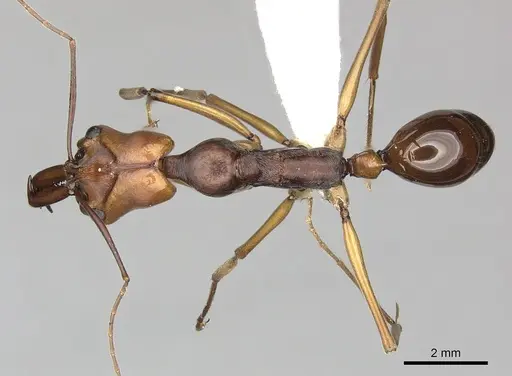
CASENT0650205
View on AntWeb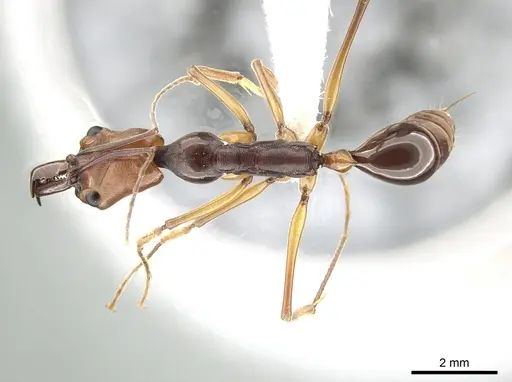
CASENT0650354
View on AntWeb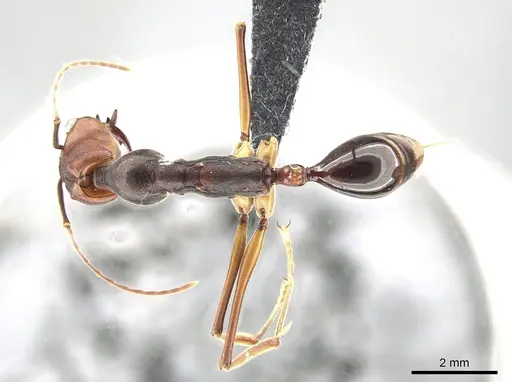
CASENT0901334
View on AntWeb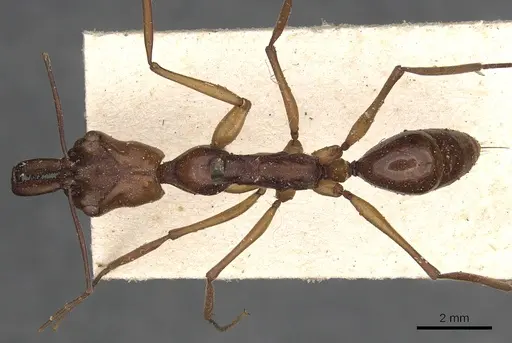
CASENT0915471
View on AntWeb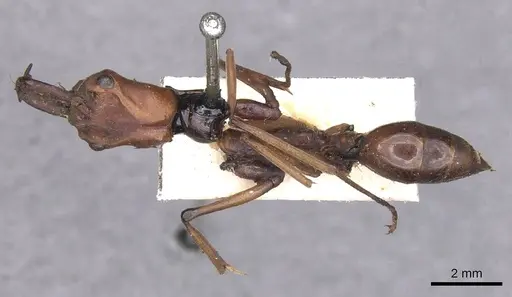
FOCOL0402
View on AntWeb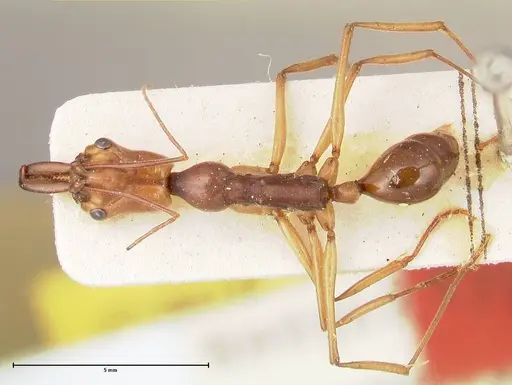
FOCOL1081
View on AntWeb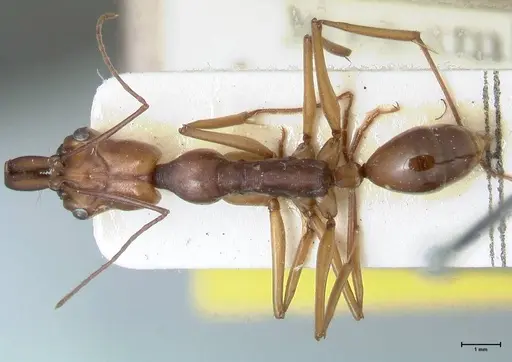
FOCOL1082
View on AntWeb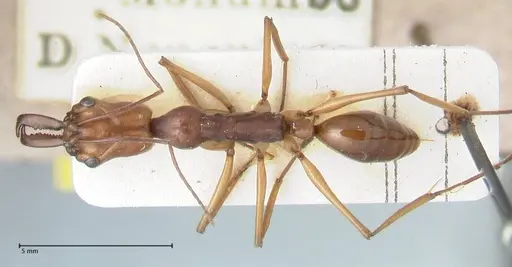
Literature
Loading distribution map...Loading products...