
Odontomachus laticeps
- Sci. Name
- Odontomachus laticeps
- Tribe
- Ponerini
- Subfamily
- Ponerinae
- Author
- Roger, 1861
- Distribution
- Found in 7 countries
Introduction
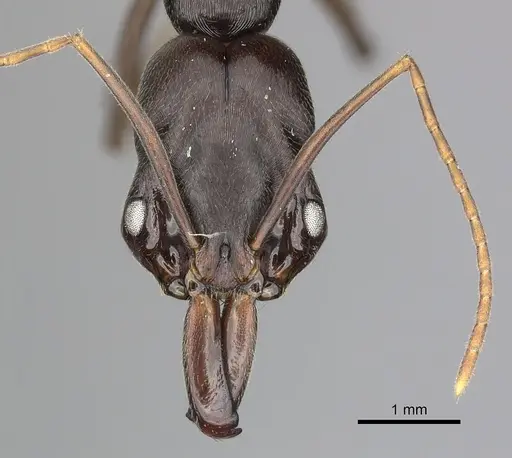
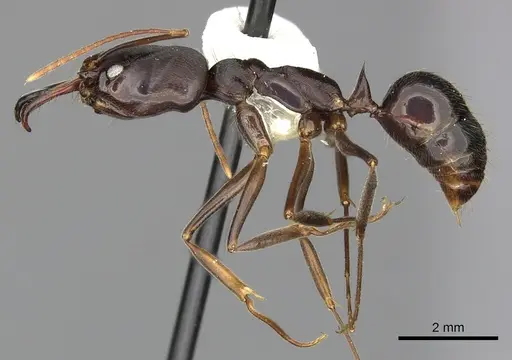
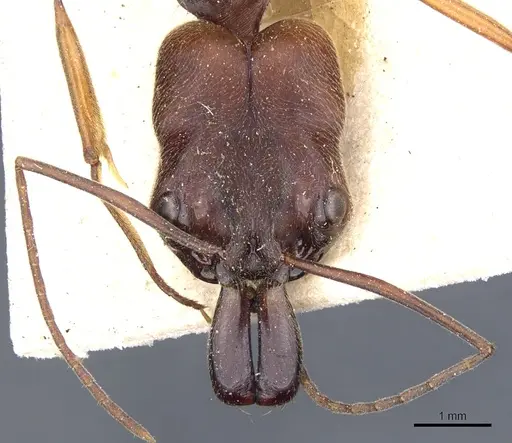
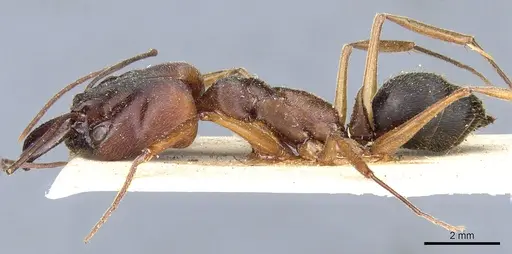
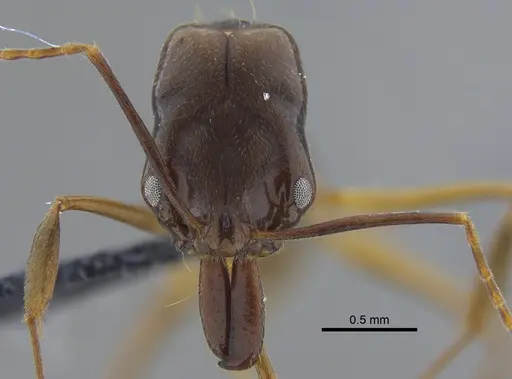
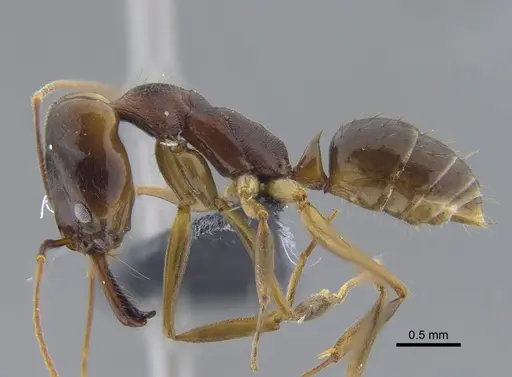
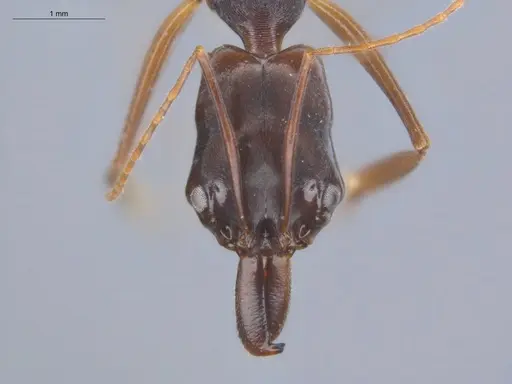
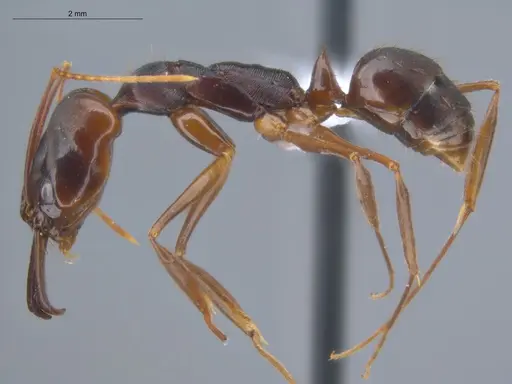
Odontomachus laticeps is a trap-jaw ant native to the Neotropical region, ranging from Mexico through Central America into South America . Workers measure 10.8-13.5 mm in total length, with queens measuring 12.9-13.6 mm . They are found in tropical and subtropical rainforests, often in leaf litter and low vegetation . This species is known for its powerful trap-jaw mandibles that snap shut rapidly to capture prey .
Quick Summary
- Difficulty: Medium
- Origin & Habitat: Native to tropical and subtropical rainforests from northeastern Mexico to Panama and into South America, including Bolivia, Brazil, Colombia, and Ecuador [2][1]. In Mexico, it is found in pine forest, oak forest, and secondary vegetation [5].
- Colony Type: Unconfirmed, no research data on queen number or social structure.
- Size & Growth:
- Antkeeping:
- Temperature: Keep warm, around 24-28°C, inferred from tropical distribution [2].
- Humidity: Keep substrate consistently moist but not waterlogged, based on leaf litter habitat [2].
- Diapause: No diapause required, as a tropical species [2].
- Nesting: Y-tong or plaster nests work well, providing dark, enclosed spaces. No specific research data, but standard for antkeeping.
- Behavior: Active predators that hunt individually through leaf litter and low vegetation using trap-jaw mandibles [2]. Defensive and will snap at threats [4]. Have a functional sting, but it is rarely used against humans.
- Common Issues: small colony sizes reported in the wild may indicate slow growth, don't expect rapid expansion [6], tropical species may struggle if temperatures drop below 22°C, monitor closely, they are preyed upon by army ants in the wild, keep away from other aggressive ant species [6], escape prevention is important as workers are fast and can fit through small openings
Housing and Nest Setup
Use Y-tong (AAC) or plaster nests with narrow chambers and dark hiding spaces. Provide an outworld for foraging with deep substrate if possible. Since these ants are ground-dwelling, keep the nest area moist but not waterlogged. Escape prevention is crucial, apply fluon or use tight-fitting lids on all connections.
Feeding and Diet
Feed small live prey like fruit flies, pinhead crickets, and small mealworms [7]. They are opportunistic omnivores but have low nectar use compared to other ants [8], so sugar water can be offered occasionally. Protein is essential for brood development.
Temperature and Seasonal Care
Keep temperatures warm, around 24-28°C, based on their tropical habitat [2]. They do not require hibernation. Avoid temperatures below 22°C to maintain activity.
Behavior and Defense
Workers are active hunters with trap-jaw mandibles that snap shut rapidly to capture prey [4][2]. They are defensive and will snap at threats. As members of Ponerinae, they have a sting for defense, but it is rarely used against humans.
Colony Development
Colony growth is slow based on limited data, one study recorded only 15 individuals [6]. Development from egg to worker is estimated at 6-10 weeks under optimal conditions, but no specific research data exists.
Frequently Asked Questions
How long does it take for Odontomachus laticeps to get their first workers?
Estimated 6-10 weeks from egg to worker at warm temperatures, based on typical Ponerinae patterns. No specific research data exists for this species.
Do Odontomachus laticeps ants sting?
Yes, they have a functional sting that can be painful, but they rarely use it against humans. Their primary defense is their trap-jaw mandibles [4].
What do I feed my Odontomachus laticeps colony?
Feed small live prey like fruit flies, pinhead crickets, and small mealworms [7]. They are predatory hunters and have low nectar use [8].
Can I keep multiple Odontomachus laticeps queens together?
No research data on queen number, so it is unconfirmed. Based on typical Ponerinae patterns, they are likely single-queen colonies, but this is not confirmed for this species.
Do Odontomachus laticeps need hibernation?
No, as a tropical species, they do not require hibernation [2].
How big do Odontomachus laticeps colonies get?
One study recorded up to 15 workers [6], but colony sizes may be larger. Growth is slow based on limited data.
Are Odontomachus laticeps good for beginners?
They are rated medium difficulty due to the need for live prey and warm conditions. Not recommended for absolute beginners.
What size nest do I need for Odontomachus laticeps?
Start with a small Y-tong or plaster nest and expand as the colony grows. They prefer enclosed, dark spaces.
Why is my founding queen dying?
If the queen is semi-claustral (unconfirmed), she may need to hunt for food. Provide small live prey and maintain appropriate humidity. No specific research data on founding for this species.
Where is Odontomachus laticeps found in the wild?
From northeastern Mexico through Central America to South America, including Bolivia, Brazil, Colombia, and Ecuador [1][2].
Report an Issue
The current care sheet is based fully on literature. See inconsistencies, or something that's incorrect? Please , it will be resolved after review from an admin. Contributing to the blogs tab also helps providing information, to make us be able to further improve the caresheets. Thank you for your support!
References

This caresheet is licensed under CC BY-SA 4.0 .
Community Blogs
CASENT0270608
View on AntWeb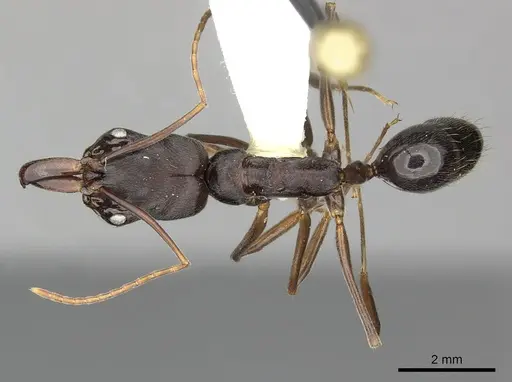
CASENT0904008
View on AntWeb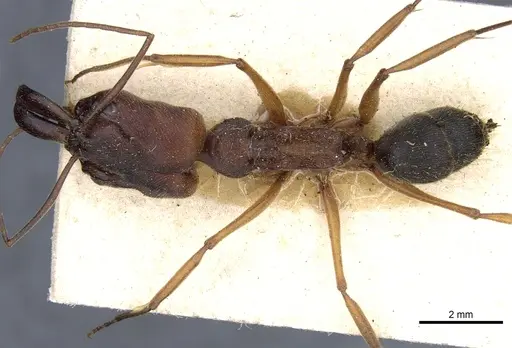
CBUMAGENT41704
View on AntWeb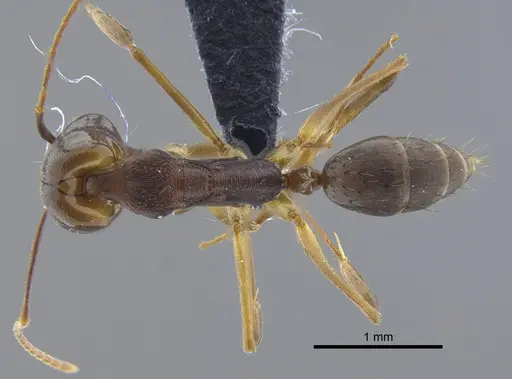
ECOFOG-MI15-0482-07
View on AntWeb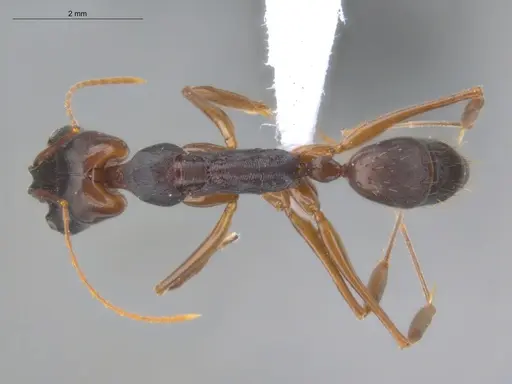
USNMENT00446064
View on AntWeb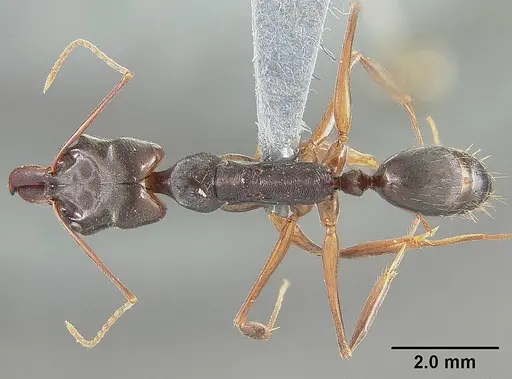
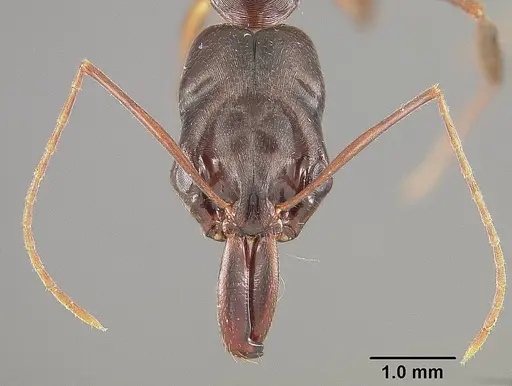
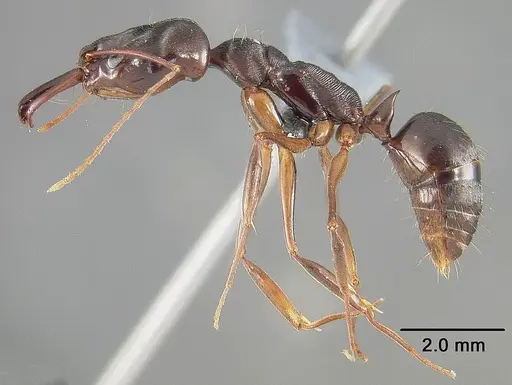
Literature
Loading distribution map...Loading products...