Odontomachus haematodus shows an extended activity window from January through December, spanning 11 months. This longer season suggests multiple flight events or varying conditions across its range. Peak activity occurs in November. This extended season suggests multiple flight events or varying conditions across its range.
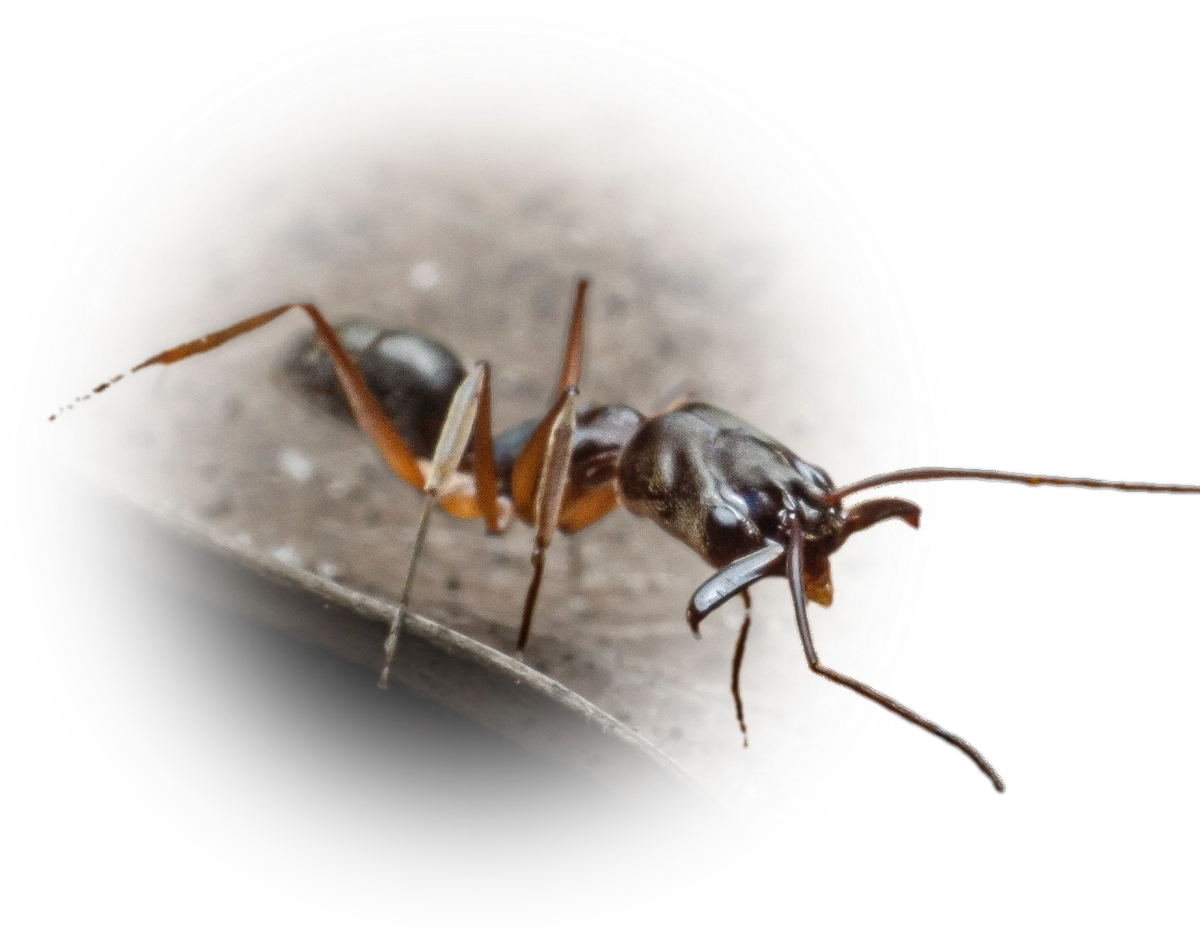
Two-spined Trap-jaw Ant
Odontomachus haematodus
- Sci. Name
- Odontomachus haematodus
- Tribe
- Ponerini
- Subfamily
- Ponerinae
- Author
- Linnaeus, 1758
- Common Name
- Two-spined Trap-jaw Ant
- Distribution
- Found in 12 countries
- Queen Activity
- From January to December
- Peak Time
- 19:00
AI Identifiable
try →
Introduction
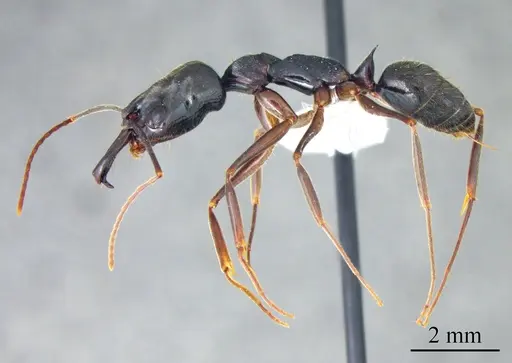
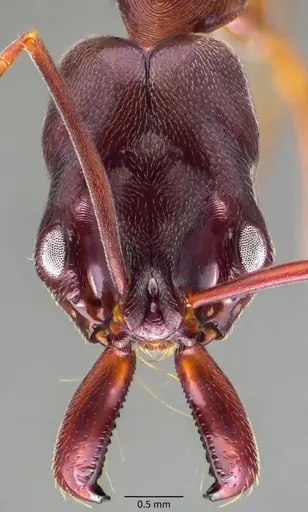
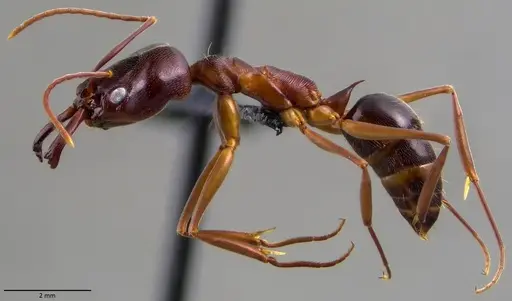
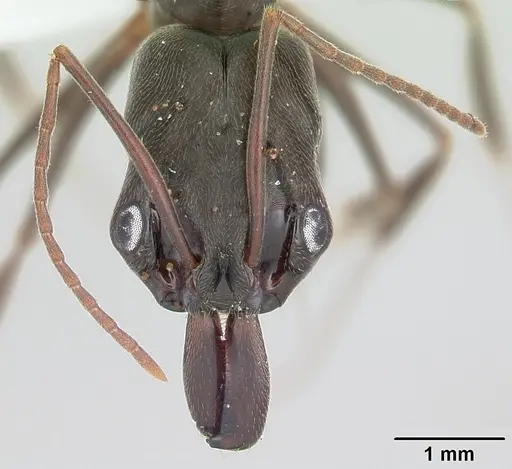
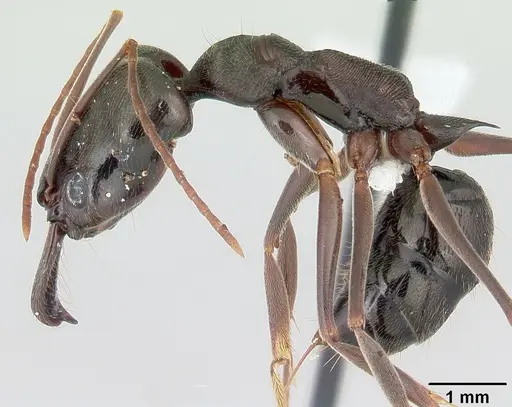
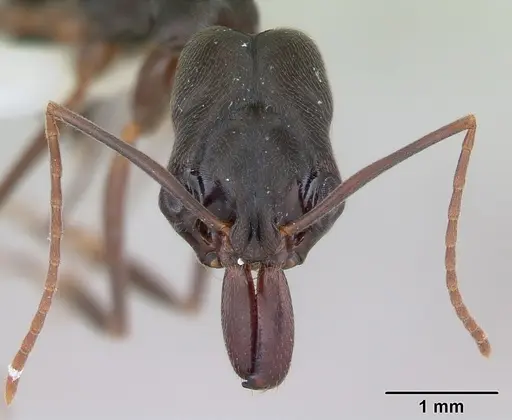
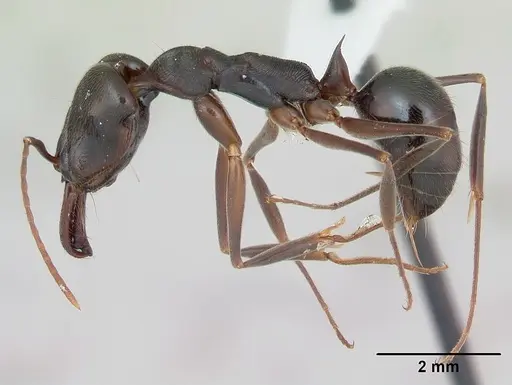
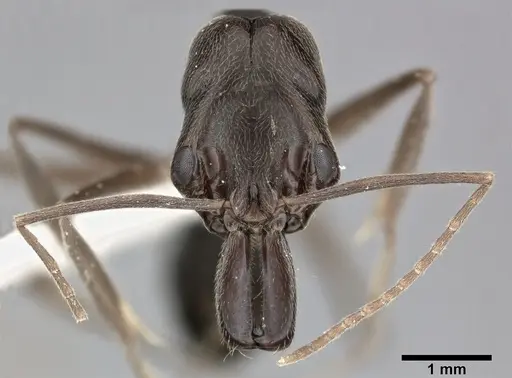
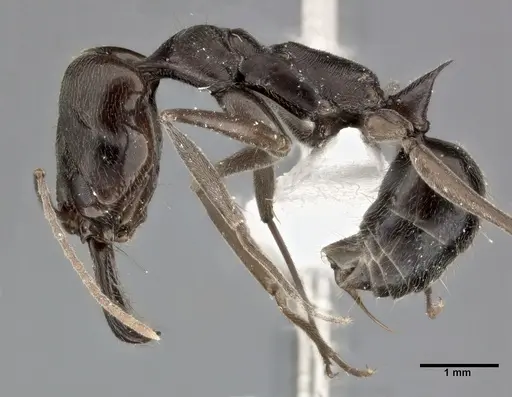
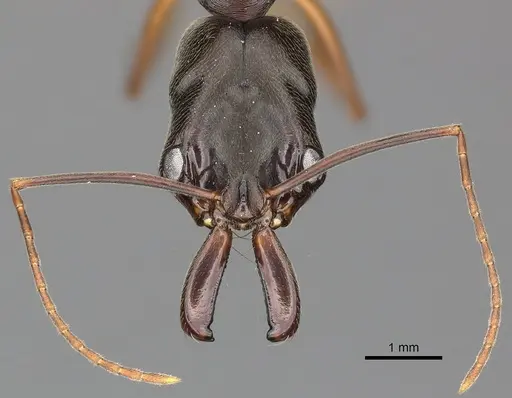
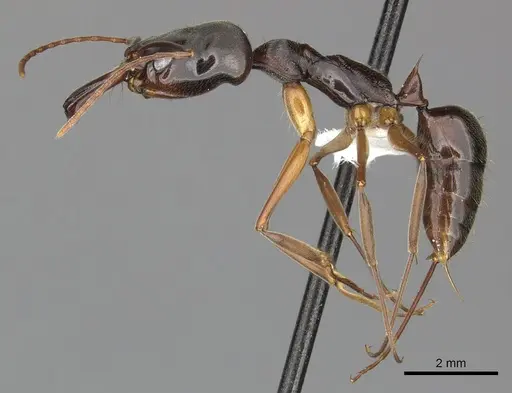
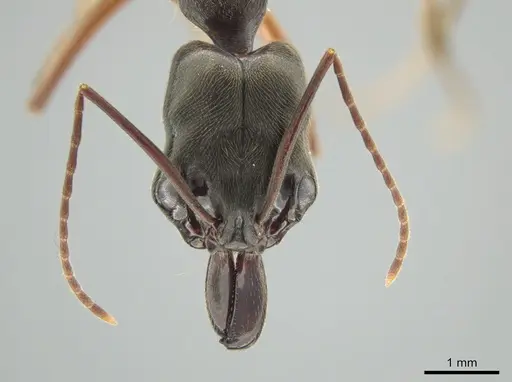
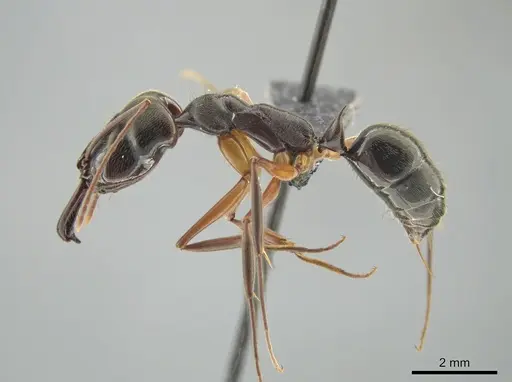
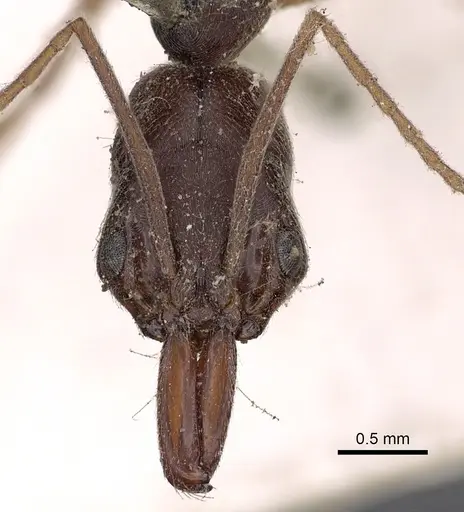
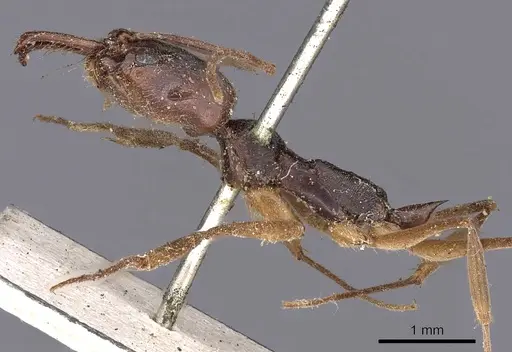
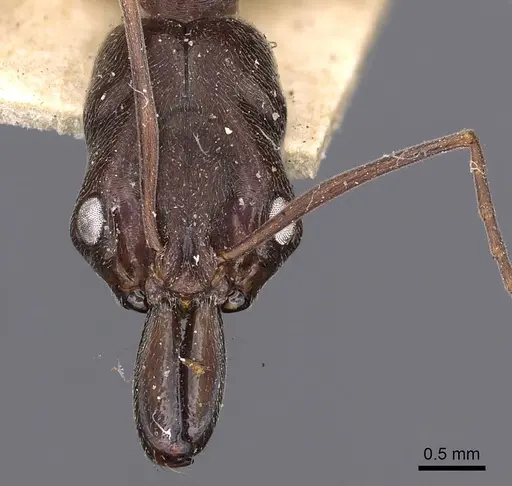
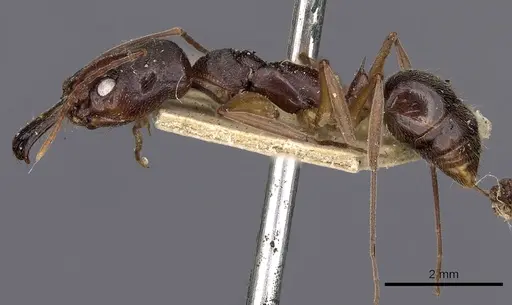
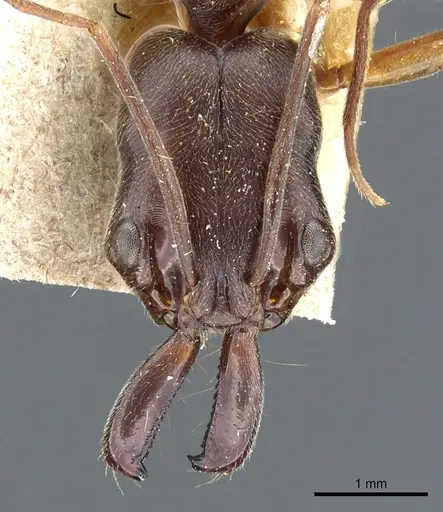
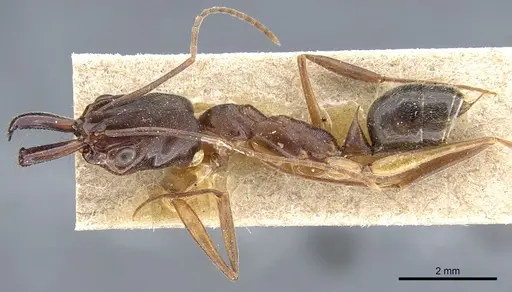
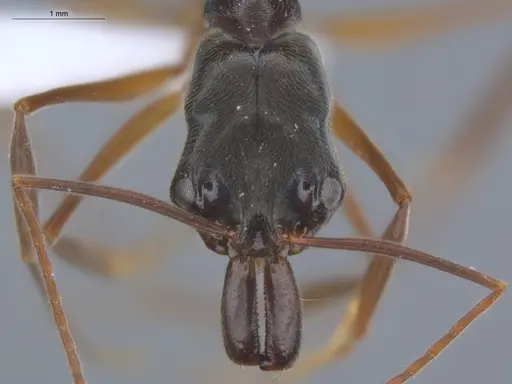
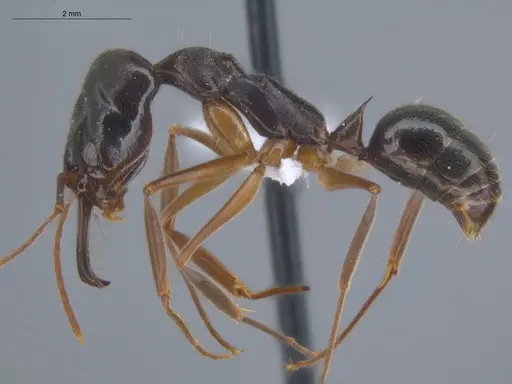
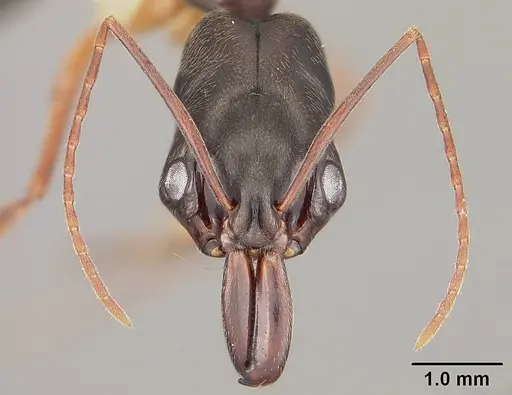
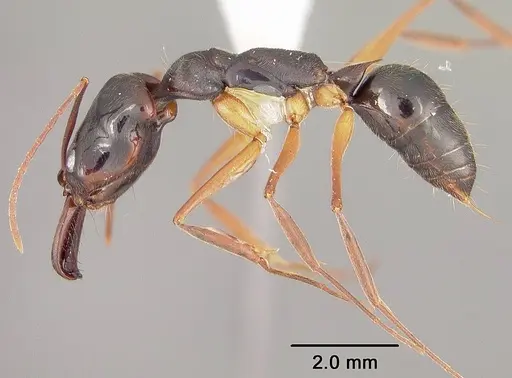
Odontomachus haematodus is a large, predatory trap-jaw ant native to South America and the Caribbean. Workers measure 8.5-11.8 mm in total length with distinctive elongated snapping mandibles that can strike at speeds over 56 m/s . Their body is dark reddish-brown with often darker gaster, and they possess a visible sting. This species belongs to the haematodus species group, characterized by three-segmented labial palps and metasternum with paired spines . They nest in soil, rotting wood, under stones, and occasionally in arboreal situations like bromeliads or abandoned termite nests . Colonies are monogynous with up to 500 workers . This species is notable for being invasive in the United States, where it has established populations along the Gulf Coast . Its powerful trap-jaw mechanism and painful sting make it a challenging but fascinating species for experienced keepers.
Quick Summary
- Difficulty: Expert
- Origin & Habitat: Native to South America (Argentina to Brazil) and the Caribbean. Introduced to US Gulf Coast (Alabama, Florida, Louisiana, Mississippi). Found in tropical and subtropical forests, often in shady humid areas with rich soil, from sea level to 2,200m elevation [6][2].
- Colony Type: Monogynous (single queen) colonies.
- Size & Growth:
- Antkeeping:
- Temperature: Keep warm, roughly 24-28°C, based on tropical habitat.
- Humidity: Keep nest substrate consistently moist but not waterlogged.
- Diapause: No, as tropical species do not require hibernation.
- Nesting: Use a naturalistic setup with soil and rotting wood pieces, or a Y-tong/plaster nest with chambers scaled to their large size. Provide damp substrate and ensure good ventilation to prevent mold.
- Behavior: These ants are aggressive generalist predators with powerful trap-jaw mandibles. They forage on the soil surface both day and night [8][9]. When threatened, workers can leap several inches by snapping their mandibles, and they will readily sting, the sting is painful but short-lived [5]. They are not aggressive toward ants of different species from other nests [2]. WARNING: Odontomachus haematodus is an invasive species in the United States. It is NOT recommended to keep this species in countries where it is not native. If kept, extreme precautions must be taken to prevent any escape, as established invasive populations can cause severe ecological damage.
- Common Issues: colonies may fail if kept too cold, maintain warm temperatures, stings are painful and can cause repeated stinging, handle with care, slow colony growth compared to many common ants, patience required, colonies can be sensitive to disturbance during founding, may escape if enclosure is not properly secured, warning: this species is invasive in the united states, do not keep if in non-native areas
Queen Ant Activity Analysis 1410 observations
Queen Activity by Hour 1410 observations
Odontomachus haematodus queen activity peaks around 19:00 during the evening. Activity is spread across a 17-hour window (07:00–23:00). Times may be influenced by human observation patterns.
Housing and Nest Setup
Odontomachus haematodus can be kept in various setups. A naturalistic terrarium with soil substrate works well, allowing them to dig their own chambers. Alternatively, a Y-tong nest or plaster nest with appropriately sized chambers suits them. Provide damp substrate (not soaking wet) and include pieces of rotting wood or stones for cover. They prefer dark, humid nesting areas. The outworld should be spacious enough for foraging, with a secure lid as these large ants can escape. Use a water test tube as a humidity station. [3][4][2]
Feeding and Diet
These ants are omnivorous generalist predators. In captivity, they readily accept small live prey like fruit flies, small crickets, mealworms, and other small insects. They also consume sugar water, honey, or diluted syrup. Natural diet includes caterpillars, flies, beetles, small hemiptera, and they even scavenge on bread and other human foods [2][10]. Feed protein prey 2-3 times per week and provide sugar water constantly. Remove uneaten prey after 24 hours to prevent mold.
Temperature and Heating
As a tropical species, O. haematodus requires warm temperatures. Keep the nest area at roughly 24-28°C. Use a heating cable or heating mat on one side of the nest to create a temperature gradient, allowing ants to regulate their own temperature by moving between warmer and cooler areas. Avoid temperatures below 20°C for extended periods. Room temperature in the low-to-mid 20s°C is often suitable if your home is warm.
Trap-jaw Mechanism and Defense
This species possesses one of the fastest striking mechanisms in the animal kingdom, their mandibles can snap shut at speeds over 56 m/s [1]. They use this for capturing prey and defense. When threatened, workers may also leap by snapping their mandibles against surfaces. They have a functional sting that delivers venom containing at least 150 linear short peptides [4]. Stings are painful but typically short-lived. Handle colonies with care and avoid placing hands near the nest opening.
Colony Development
Colonies develop moderately fast compared to many ants. Eggs incubate 9-10 days, larval development takes approximately 20 days, and pupal development about 21 days for workers, totaling roughly 6-7 weeks from egg to worker [7]. First workers (nanitics) are smaller than mature workers. Queens can live 2-3 years in laboratory conditions, with maximum recorded lifespan of 4.5 years [11]. Worker lifespan is 12-13 months [7]. Colonies reach up to 500 workers at maturity.
Seasonal Care
Being tropical, O. haematodus does not require true hibernation. However, they may show reduced activity during cooler periods. No special winter preparations are needed beyond maintaining appropriate temperature. They are active year-round in captivity when kept warm. Alate males and females typically develop in late summer in wild colonies. [5]
Frequently Asked Questions
How long does it take for first workers to appear in Odontomachus haematodus?
First workers typically appear in about 6-7 weeks from when the queen lays eggs. This includes 9-10 days for egg incubation, approximately 20 days for larval development, and about 21 days for pupal development [7].
Do Odontomachus haematodus ants sting?
Yes, they have a functional sting and will use it when threatened. The sting is painful but typically short-lived. Workers can sting multiple times, reports indicate up to 4-5 stings before they disengage [5]. Their trap-jaw mandibles also deliver a defensive boxing-like blow when threatened [12].
What do Odontomachus haematodus eat?
They are omnivorous generalist predators. They accept small live prey (fruit flies, small crickets, mealworms), and sugar sources (honey water, sugar water). In the wild they eat caterpillars, flies, beetles, and small hemiptera [2][10].
Are Odontomachus haematodus good for beginners?
They are rated as Expert difficulty due to invasive status and care requirements. They require warm temperatures, regular feeding with live prey, and careful handling due to their painful sting [5].
How big do Odontomachus haematodus colonies get?
Colonies can reach up to 500 workers at maturity [4]. This is moderate compared to many common ant species.
Can I keep multiple queens together?
No, this species is monogynous, colonies have a single queen. Multiple unrelated queens would likely fight. Only one queen per colony is recommended [4].
What temperature do they need?
Keep them warm, roughly 24-28°C, based on their tropical habitat.
Do they need hibernation?
No, as a tropical species they do not require hibernation or diapause. Simply maintain warm temperatures year-round.
When should I move them to a formicarium?
You can keep them in a test tube setup for the founding stage, then move to a more elaborate setup once the colony reaches 20-30 workers. A naturalistic terrarium or Y-tong nest works well for established colonies.
Why are my Odontomachus haematodus dying?
Common causes include: temperatures too cold (below 20°C), too dry conditions, mold from overwatering, or stress from disturbance. Also ensure they're getting enough protein food. Wild-caught colonies may carry parasites.
When do Odontomachus haematodus queens forage?
Queen activity of Odontomachus haematodus typically occurs From January to December. Times may be influenced by human observation patterns.
What time of day are Odontomachus haematodus queens most active?
Queen activity of Odontomachus haematodus peaks around 19:00 during the evening, with most activity between 07:00 and 23:00. Times may be influenced by human observation patterns.
Report an Issue
The current care sheet is based fully on literature. See inconsistencies, or something that's incorrect? Please , it will be resolved after review from an admin. Contributing to the blogs tab also helps providing information, to make us be able to further improve the caresheets. Thank you for your support!
References

This caresheet is licensed under CC BY-SA 4.0 .
Community Blogs
ANTWEB1041411
View on AntWeb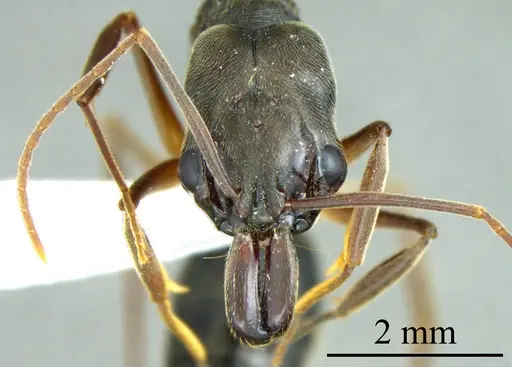
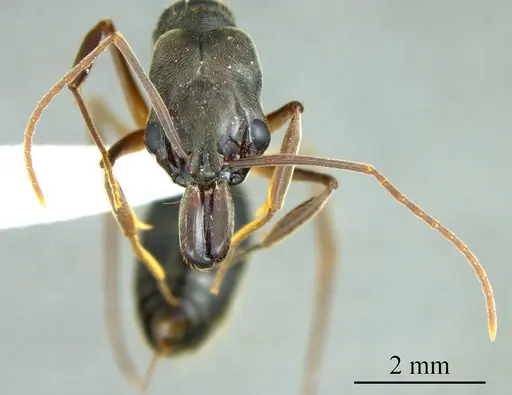
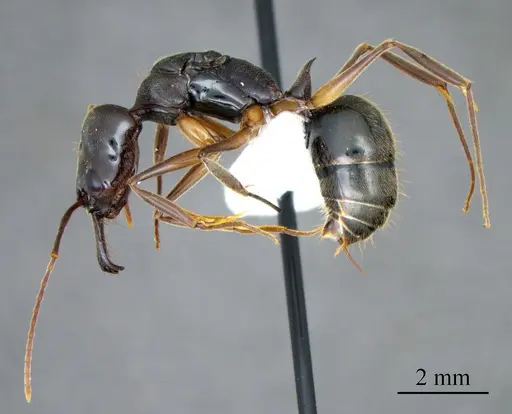
ANTWEB1041426
View on AntWeb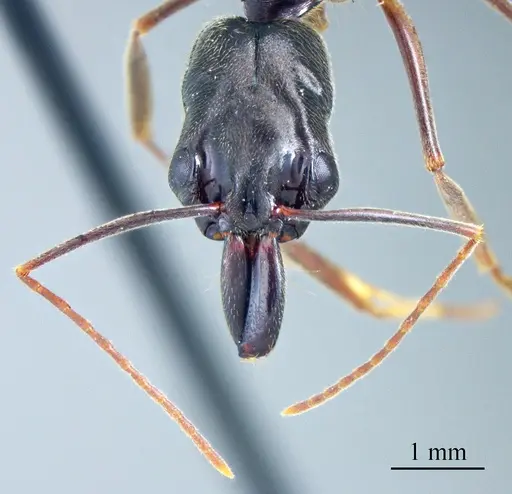
ANTWEB1060068
View on AntWeb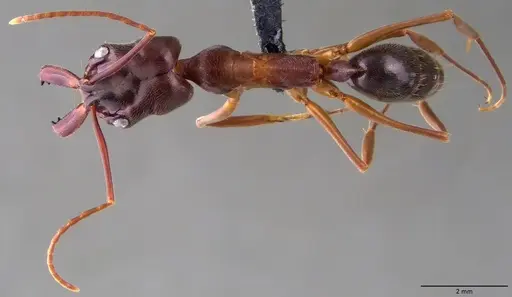
CASENT0103104
View on AntWeb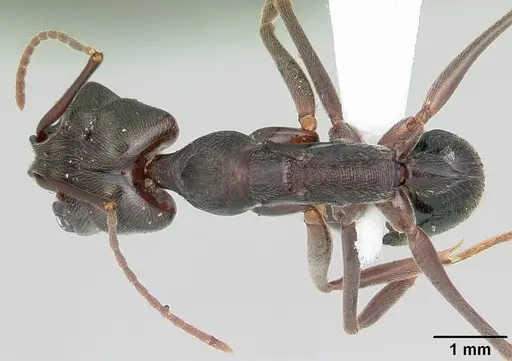
CASENT0103105
View on AntWeb
CASENT0173537
View on AntWeb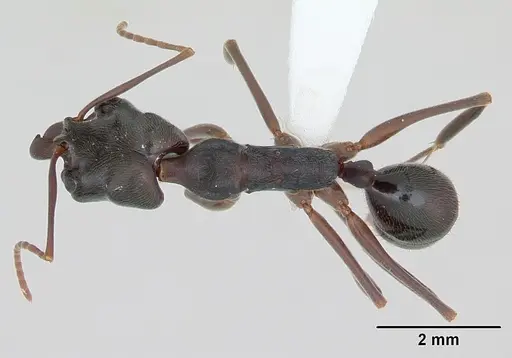
CASENT0246014
View on AntWeb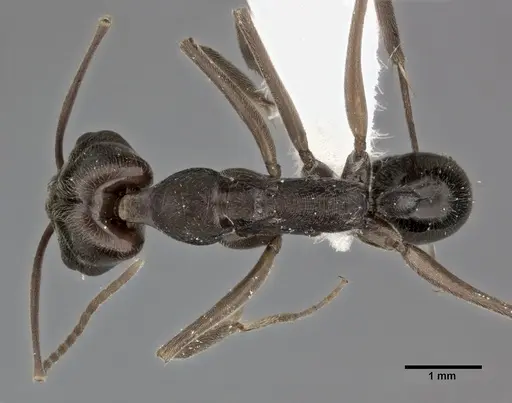
CASENT0270605
View on AntWeb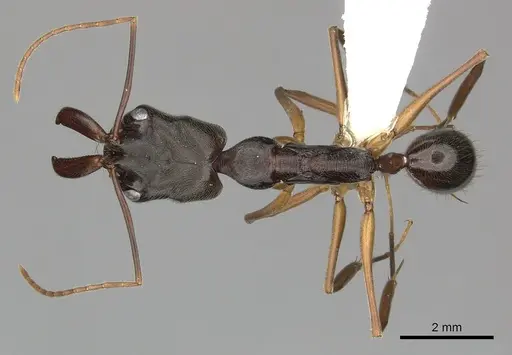
CASENT0649088
View on AntWeb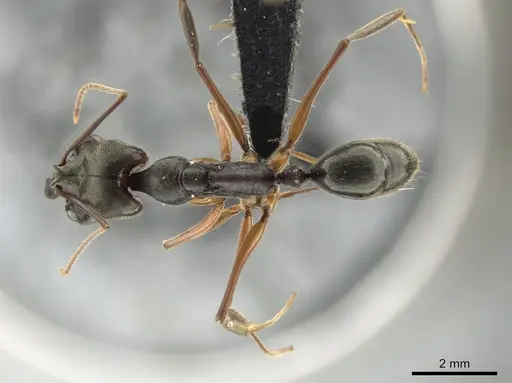
CASENT0900581
View on AntWeb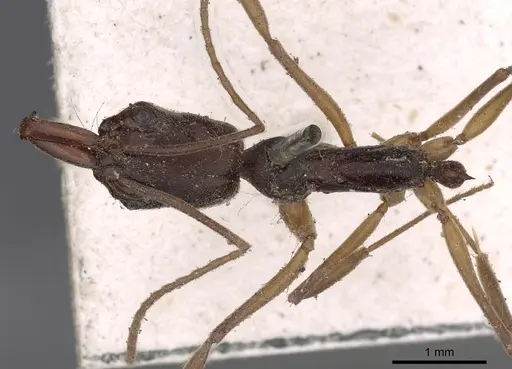
CASENT0900582
View on AntWeb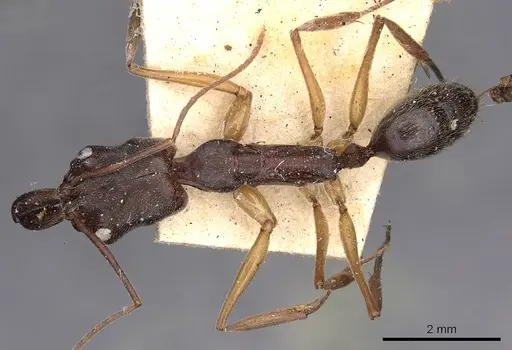
CASENT0904007
View on AntWeb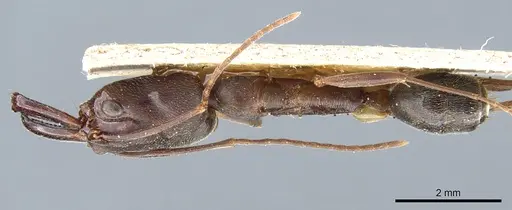
ECOFOG-SL13-1238-10
View on AntWeb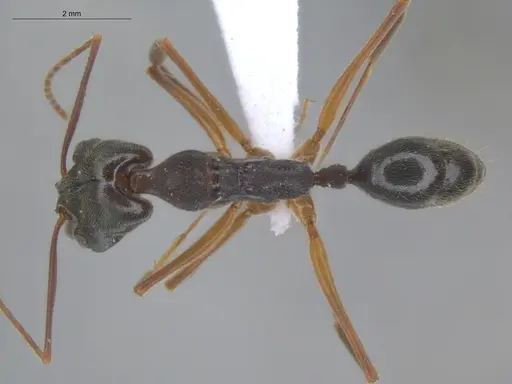
USNMENT00441734
View on AntWeb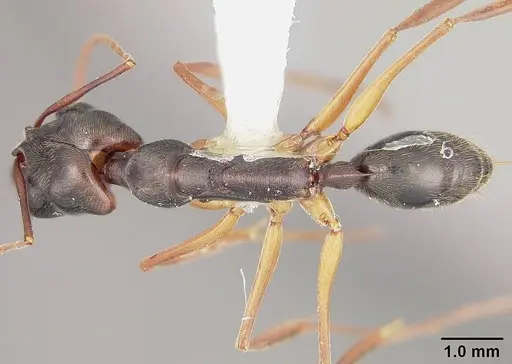
Literature
Loading distribution map...Loading products...