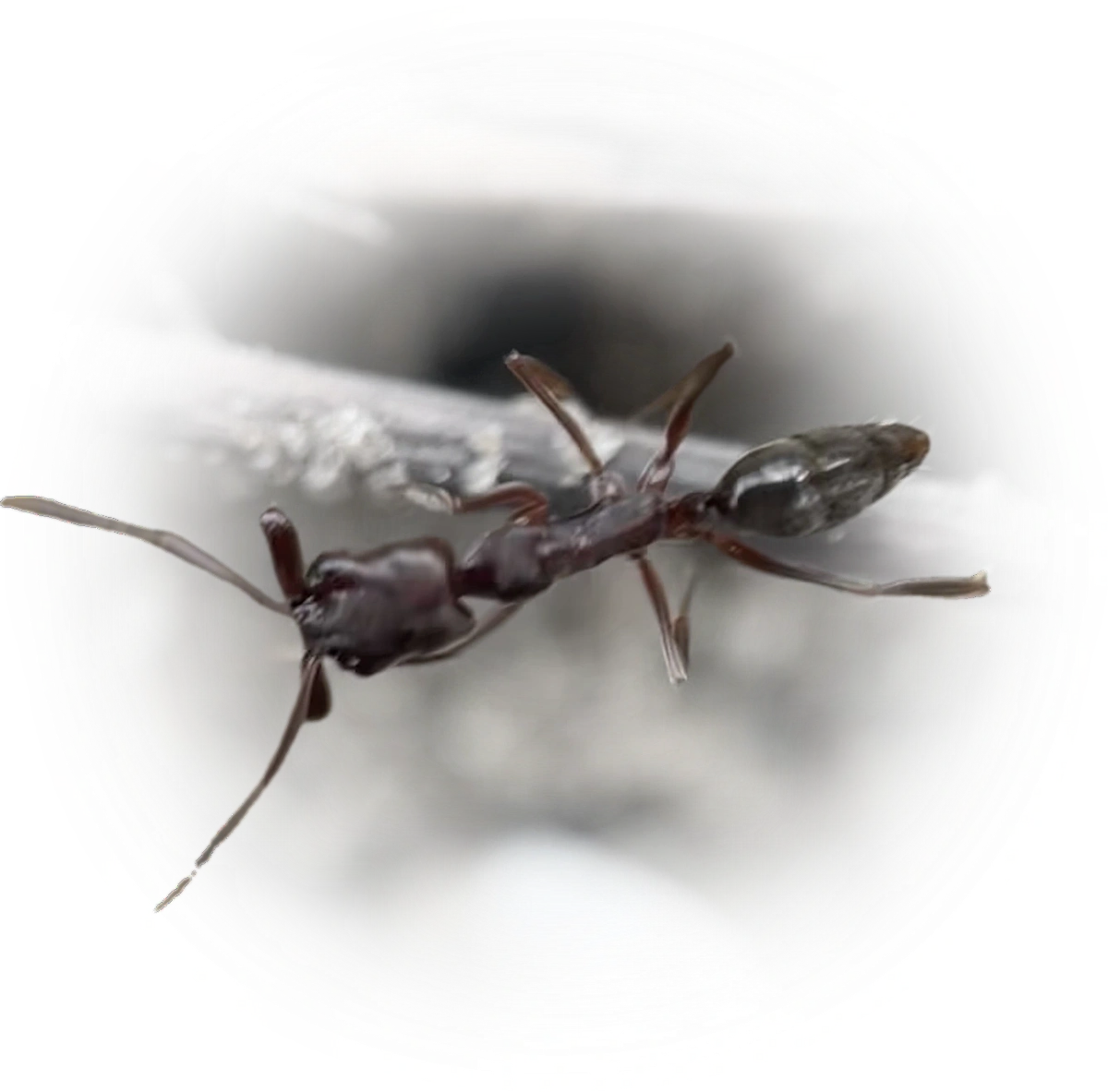
Florida Trap-jaw Ant
Odontomachus brunneus
- Sci. Name
- Odontomachus brunneus
- Tribe
- Ponerini
- Subfamily
- Ponerinae
- Author
- Patton, 1894
- Common Name
- Florida Trap-jaw Ant
- Distribution
- Found in 2 countries
Introduction
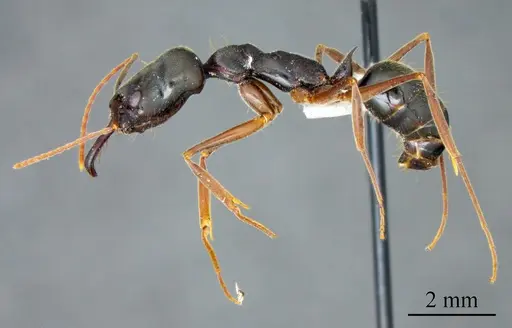
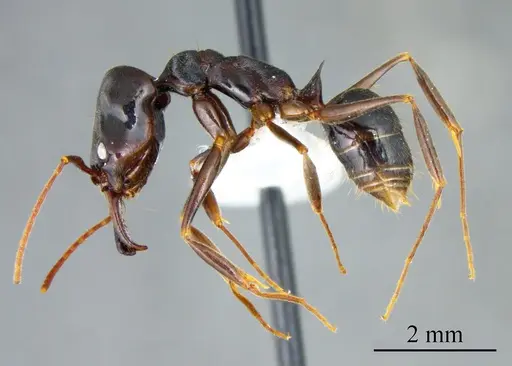
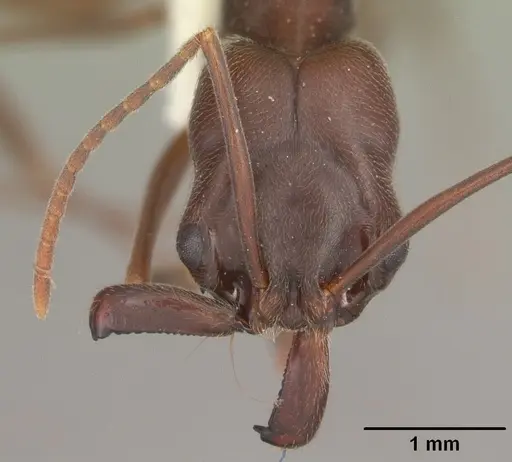
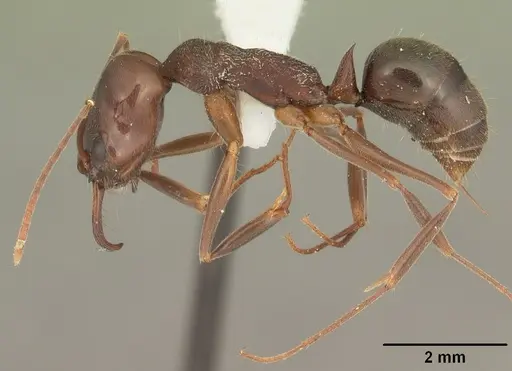
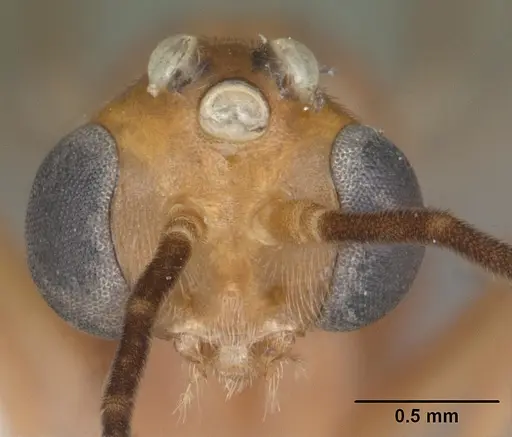
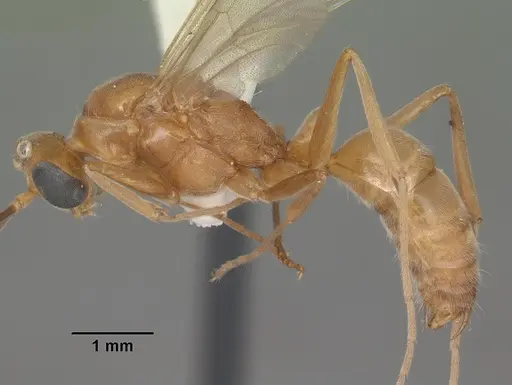
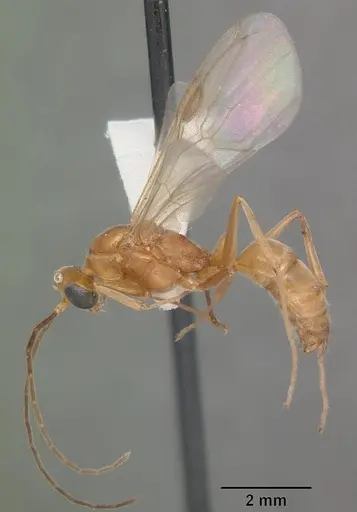
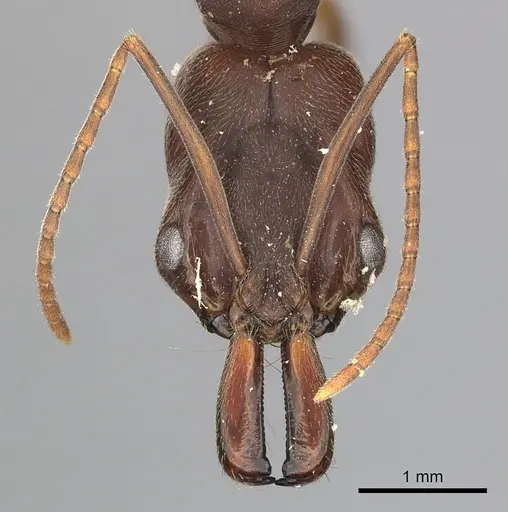
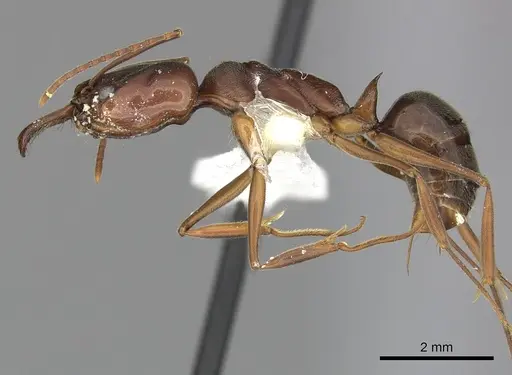
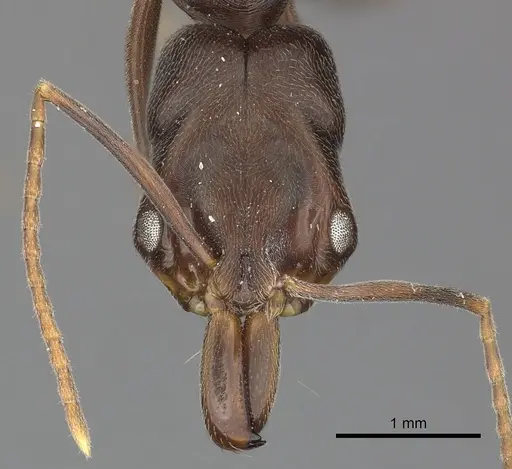
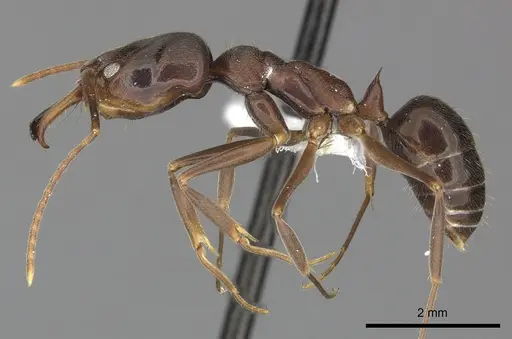
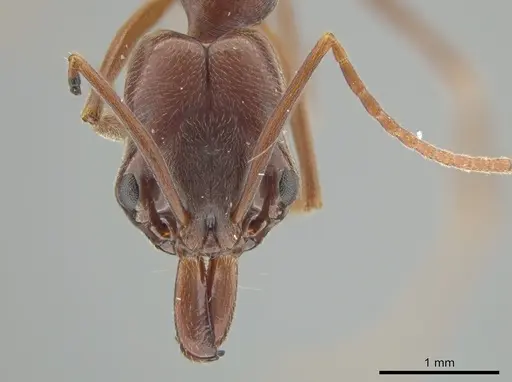
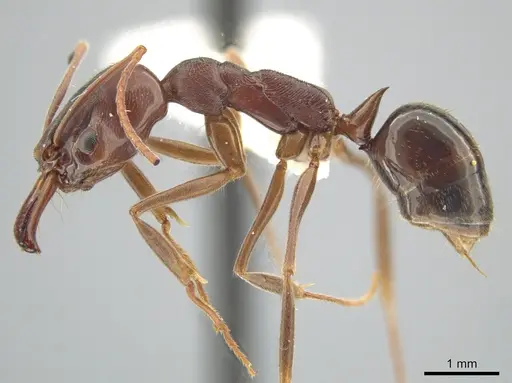
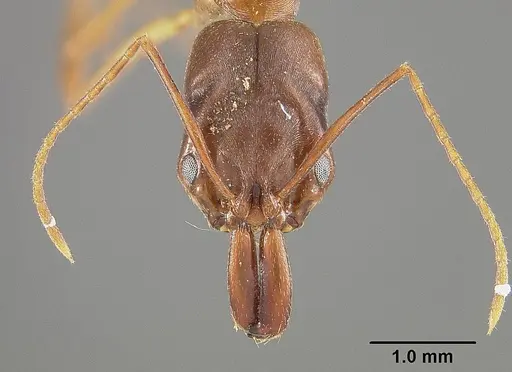
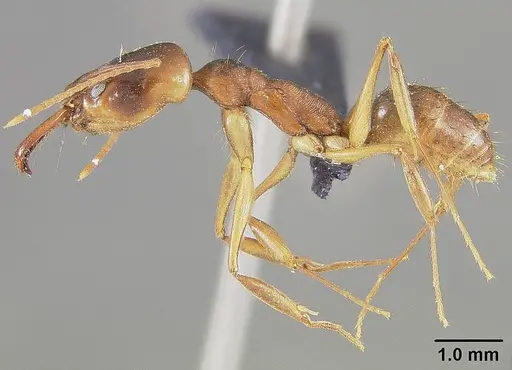
Odontomachus brunneus is a medium-sized trap-jaw ant native to the southeastern United States. Workers are 3.5-4.2 mm long with distinctive elongated mandibles that can snap shut at speeds over 60 m/s . Their reddish-brown to dark brown coloration and dense fine hairs on the gaster help distinguish them from related species . These ants are found throughout Florida (except three westernmost counties), southern Georgia, and Alabama, typically nesting in soil, rotting logs, or at tree bases in diverse habitats including flatwoods, mesic forests, pine savannas, and swamp forests . O. brunneus uses ritualized dominance interactions to determine task allocation, where workers must win conflicts before approaching the brood . They also exhibit rescue behavior, actively freeing trapped nestmates when they detect distress signals . Unlike their aggressive cousin Odontomachus haematodus, these ants are non-aggressive and retreat when disturbed rather than sting .
Quick Summary
- Difficulty: Medium
- Origin & Habitat: Southeastern United States (Florida, Georgia, Alabama). Found in diverse natural habitats including flatwoods, mesic forests, pine savannas, swamp forests, oak-pine scrub, upland scrub, sandhills, and bayheads. Nests in leaf litter, rotting logs, at tree bases, and in open to partially covered sandy areas [2][3].
- Colony Type: Colony structure is unconfirmed from literature, but likely single-queen based on genus patterns. Workers use ritualized dominance interactions for task allocation [4].
- Size & Growth:
- Queen: ~4.5-5.0 mm [3]
- Worker: ~3.5-4.2 mm [3]
- Colony: Up to 300 workers [6], with wild nests often containing up to 177 workers [7]
- Growth: Moderate
- Development: Unknown, no specific data available. Based on related Ponerinae species, estimate 6-10 weeks at optimal temperature. (Development is temperature-dependent. Lab colonies maintained at 27-30°C show normal development [8][4].)
- Antkeeping:
- Temperature: Keep at 24-27°C. Lab colonies thrive at 27-30°C [8][4]. They can tolerate temperatures up to 45°C for about 20 minutes [9].
- Humidity: Provide a humidity gradient, mostly dry nest chamber with one small moist area. In the wild, they inhabit both well-drained and poorly drained areas [2].
- Diapause: Yes. Colonies show seasonal depth changes, nests are shallower in summer and deeper in winter [10]. Reduce temperature to 15-18°C for 2-3 months during winter.
- Nesting: Y-tong (AAC) or plaster nests work well. In the wild, they build simple vertical shaft nests with horizontal chambers reaching 18-184 cm deep [7]. Provide vertical space scaled to their size.
- Behavior: These ants are generally nocturnal, sometimes foraging on cloudy days but more active at night [2]. They are not aggressive, when disturbed, workers retreat or vacate the nest rather than attack [2]. They forage solitarily without the protection of large groups [11]. Their trap-jaw mandibles are used primarily for prey capture and escape jumps. Workers can jump several inches when disturbed [12], so escape prevention is important.
- Common Issues: sensitive to chemical defenses from other ants, which may affect prey capture and colony survival., non-aggressive nature means colonies can be easily displaced by competitive ants., declining in native range due to competition from invasive fire ants [15]., slow colony growth compared to many common ants, beginners may lose patience., wild-caught colonies may have parasites that affect survival in captivity.
Housing and Nest Setup
Odontomachus brunneus can be kept in test tubes for founding colonies, but will need more space as the colony grows. A Y-tong (AAC) nest or plaster formicarium works well for established colonies. These ants naturally build deep vertical nests with horizontal chambers, so providing vertical space is important [7]. The nest should have chambers scaled to worker size (workers are 3.5-4.2 mm). Keep the nest substrate moderately moist with a humidity gradient, these ants tolerate both well-drained and poorly drained conditions in the wild [2]. A water test tube connected to the nest provides drinking water. Escape prevention is important, these ants can jump several inches when threatened [12], so use fluon on container edges.
Feeding and Diet
O. brunneus are predatory ants that primarily hunt small invertebrates. In captivity, they readily accept live prey like termites, crickets, and mealworms [8]. They are solitary foragers, workers hunt alone rather than in groups [11]. They also remove seeds, using their snapping jaws to throw seeds into the air before retrieving them [13]. Offer protein (live or freeze-killed insects) 2-3 times per week, and provide sugar water or honey constantly. They are sensitive to chemical defenses, when hunting, they approach prey tentatively and may recoil after striking, waiting for any chemical defenses to dissipate before retrieving prey [2].
Temperature and Seasonal Care
Maintain nest temperature at 24-27°C for optimal colony health and development. Lab colonies thrive at 27-30°C [8][4]. These ants are native to the southeastern US and experience seasonal temperature changes. In the wild, nest depth changes seasonally, shallower in summer and deeper in winter [10]. Provide a diapause period in winter by reducing temperature to 15-18°C for 2-3 months. They can tolerate high temperatures briefly, up to 45°C for about 20 minutes [9]. A heating cable on one side of the nest creates a gradient allowing workers to choose their preferred temperature.
Behavior and Social Organization
O. brunneus has an unusual social organization where workers use ritualized dominance interactions to determine who does what [4]. Workers compete in dominance interactions, those that win move toward the brood zone, while those that lose move toward the foraging zone. This system is precise, with 98% of movements toward brood preceded by winning a dominance interaction [4]. They also exhibit rescue behavior, when a nestmate is trapped, workers will actively try to free them, biting and pulling at the entrapment [5]. They produce stridulation signals when immobilized that summon help, with best response at close range [5]. Unlike many ants, they are not aggressive and will retreat when threatened [2].
Trap-Jaw Mechanism and Defense
The trap-jaw mandibles are this species' most famous feature. Mandibles accelerate at up to 105 m/s² with a mass-specific power output of 100 kW/kg [1]. The strike can generate forces over 30 mN and the jaws can snap shut at speeds exceeding 60 m/s [1]. While primarily used for prey capture, they also serve as an escape mechanism, when caught by predators like antlions, workers can power jumps by snapping their jaws against the substrate [14]. About 15% of workers caught in antlion pits escape by this mandible-powered jumping. Despite this impressive weapon, they are not aggressive toward humans or larger threats and will retreat rather than fight [2].
Frequently Asked Questions
How long does it take for Odontomachus brunneus to produce first workers?
No specific data available. Based on related Ponerinae species, estimate 6-10 weeks from founding at optimal temperature (27°C). Development is temperature-dependent, so cooler conditions will slow growth.
Can I keep multiple Odontomachus brunneus queens together?
Colony structure is unconfirmed from literature. In the wild, colonies appear to have single queens, but combining unrelated queens is not recommended without evidence.
What do Odontomachus brunneus eat?
They are predatory ants that accept live insects (termites, crickets, mealworms) and freeze-killed prey. They also remove seeds in the wild [13]. Offer protein 2-3 times weekly and provide sugar water or honey constantly.
Are Odontomachus brunneus good for beginners?
They are medium difficulty. They are not as aggressive as some trap-jaw species and are fascinating to watch due to their unique social organization. However, they are sensitive to competition from other ants and have slower colony growth than many common species.
Do Odontomachus brunneus need hibernation?
Yes, they benefit from a winter rest period. In their native range, they show seasonal changes in nest depth, deeper in winter [10]. Reduce temperature to 15-18°C for 2-3 months during winter.
Why are my Odontomachus brunneus dying?
Common causes include: competition from more aggressive ants (they are sensitive to chemical defenses), improper humidity (too dry or waterlogged), temperature stress, or parasites from wild-caught colonies. They are declining in parts of their native range due to competition from invasive fire ants [15].
When should I move Odontomachus brunneus to a formicarium?
Move from test tube to a larger nest when the colony reaches 20-30 workers. They need vertical space for their characteristic deep nests. A Y-tong or plaster nest works well.
Do Odontomachus brunneus need escape prevention?
Yes, absolutely. They can jump several inches when disturbed [12]. Use fluon on all container edges and ensure any connections between outworld and nest are secure.
How big do Odontomachus brunneus colonies get?
Colonies can reach up to 300 workers [6], though wild nests often have up to 177 workers [7]. Growth is moderate, expect several months to a year to reach moderate colony size.
Report an Issue
The current care sheet is based fully on literature. See inconsistencies, or something that's incorrect? Please , it will be resolved after review from an admin. Contributing to the blogs tab also helps providing information, to make us be able to further improve the caresheets. Thank you for your support!
References

This caresheet is licensed under CC BY-SA 4.0 .
Community Blogs
ANTWEB1041404
View on AntWeb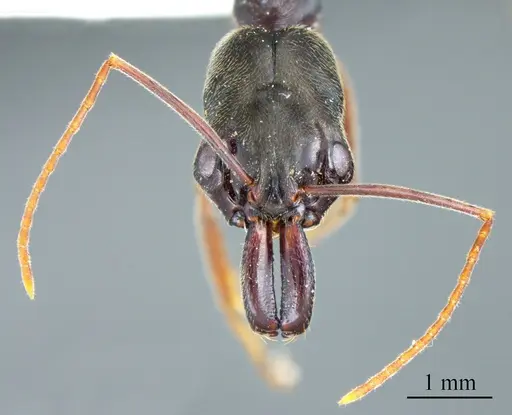
ANTWEB1041422
View on AntWeb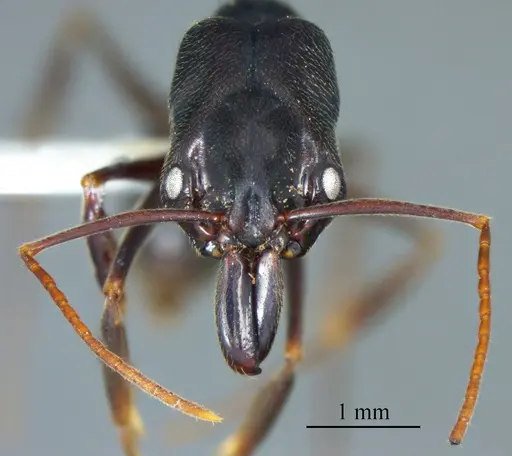
CASENT0104165
View on AntWeb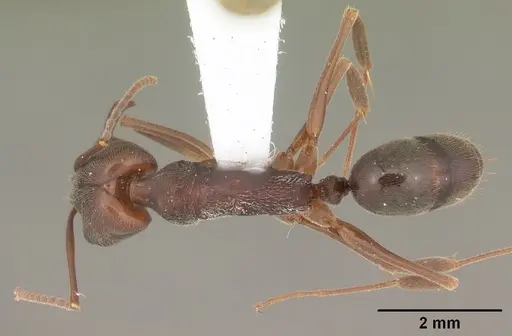
CASENT0104168
View on AntWeb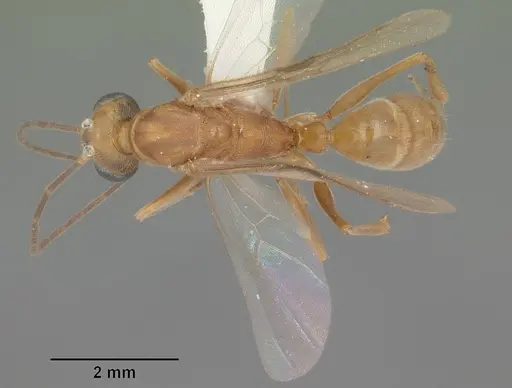
CASENT0104169
View on AntWeb
CASENT0270600
View on AntWeb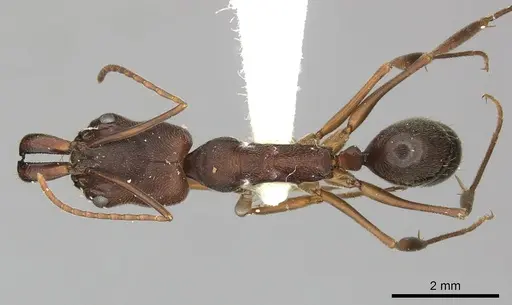
CASENT0270601
View on AntWeb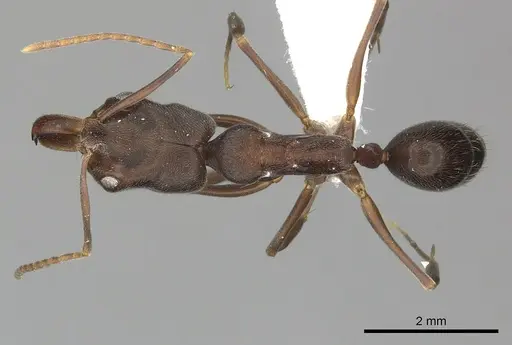
CASENT0649761
View on AntWeb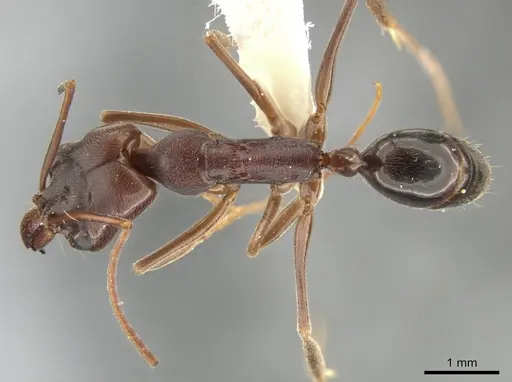
USNMENT00445671
View on AntWeb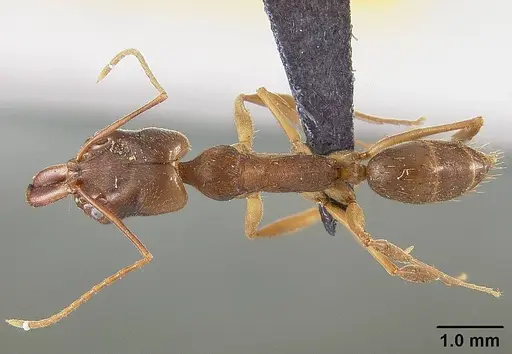
Literature
Loading distribution map...Loading products...