
Odontomachus biolleyi
- Sci. Name
- Odontomachus biolleyi
- Tribe
- Ponerini
- Subfamily
- Ponerinae
- Author
- Forel, 1908
- Distribution
- Found in 1 countries
Introduction
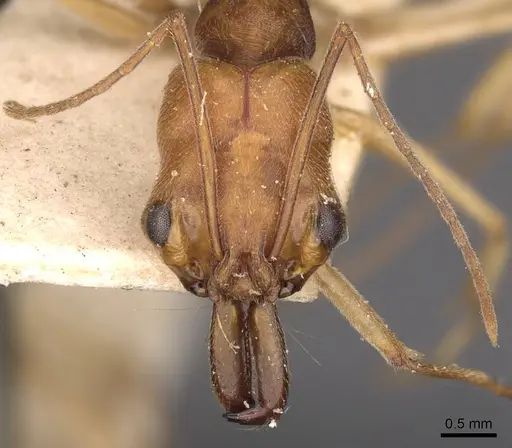
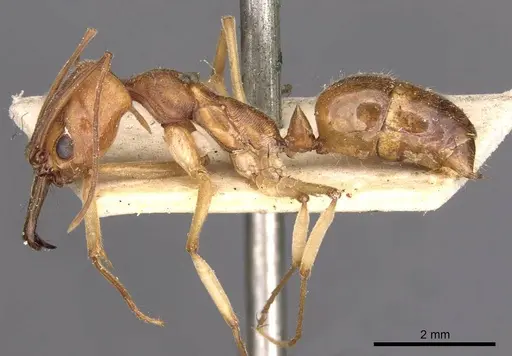
Odontomachus biolleyi is a medium-sized predatory ant native to Costa Rica and Mexico. Workers measure 7.9-9.4mm TL and have distinctive trap-jaw mandibles . They are light brown with a conical petiolar node . These ants inhabit mangroves and tropical lowland forests, nesting in soil, under fallen trees, among tree roots, or in leaf litter . Their trap-jaw mechanism allows them to strike quickly to capture prey. They are predatory on arthropods and nematodes .
Quick Summary
- Difficulty: Medium
- Origin & Habitat: Native to Costa Rica and Mexico, inhabiting mangroves and tropical lowland forests [2][1].
- Colony Type: Unconfirmed from research.
- Size & Growth:
- Queen: Size data unavailable.
- Worker: 7.9-9.4mm TL [1].
- Colony: Unknown, estimated up to several hundred workers based on related Odontomachus species.
- Growth: Moderate, inferred from Ponerinae patterns.
- Development: Estimated 8-12 weeks, but this is inferred and may vary. (Development time depends on temperature and feeding.)
- Antkeeping:
- Behavior: Active hunters with trap-jaw mandibles. Not aggressive toward humans but can deliver a painful bite if threatened. Medium escape risk, ensure secure barriers.
- Common Issues: temperatures below 24°C can cause colony stagnation, keep them warm consistently, without live prey, colonies will decline, they are obligate predators, escape prevention is important, they are active foragers, mold can be an issue in humid setups, maintain ventilation, founding colonies are fragile, queen needs darkness and quiet
Housing and Nest Setup
Odontomachus biolleyi needs a humid nest environment that mimics their natural forest floor habitat. A Y-tong (AAC) nest or plaster formicarium works well, both hold humidity well while providing dark chambers the ants prefer. Connect the nest to an outworld where you can add substrate for natural hunting behavior. The outworld should be large enough for workers to hunt and for you to place prey items. These ants are medium-sized so standard formicarium connections work fine, but ensure all connections are secure. Provide a water test tube with cotton as a constant hydration source. Keep the nest area dark by covering three sides of the formicarium, as these ants prefer dim conditions [2].
Feeding and Diet
These are obligate predators, they must have live prey to thrive. In the wild, they hunt arthropods and nematodes [2]. In captivity, offer small live insects like fruit flies, pinhead crickets, small roaches, and mealworms. Feed prey items 2-3 times per week, adjusting based on colony size. Remove uneaten prey after 24 hours to prevent mold. Unlike many ants, they are not highly attracted to sugar sources, focus on protein-rich prey.
Temperature and Heating
As a tropical species from Costa Rica and Mexico, Odontomachus biolleyi needs warm temperatures to thrive. Keep the nest area at 24-28°C consistently. Temperatures below 24°C can cause colony stagnation and slow development. Use a heating cable placed on top of the nest to maintain warmth. Create a temperature gradient by heating one end of the nest, this lets workers regulate by moving between warmer and cooler areas. [1]
Humidity Management
These ants need high humidity to match their mangrove and forest floor habitat. Keep the nest substrate consistently moist but never waterlogged. The substrate should feel damp to the touch. A water test tube provides constant drinking water and helps maintain humidity through evaporation. Check water levels weekly and refill as needed. Balance humidity with ventilation to prevent mold. [2]
Behavior and Handling
Odontomachus biolleyi workers are active predators with distinctive trap-jaw mandibles. They will hunt and capture prey using their snap-jaw mechanism. Workers are not naturally aggressive toward humans but can deliver a painful bite if threatened or handled roughly. When working with your colony, move slowly and avoid disturbing them unnecessarily. They are medium escape artists, ensure all formicarium openings are secure. [2]
Colony Founding
Founding behavior is unconfirmed from research. If you find a queen, provide a dark, quiet location with access to moisture and occasional small live prey. Do not disturb her for the first few months.
Frequently Asked Questions
How long does it take for Odontomachus biolleyi to produce first workers?
Expect 6-12 months from founding to first workers, but this is inferred and may vary. Temperature and feeding quality affect this timeline, warmer temperatures and regular prey will speed up development.
What do Odontomachus biolleyi eat?
They are obligate predators that need live prey. Feed small insects like fruit flies, pinhead crickets, small roaches, and mealworms [2].
Do Odontomachus biolleyi ants sting?
As Ponerinae, they have a functional sting, but their primary defense is their powerful trap-jaw mandibles, which can deliver a painful bite.
What temperature do Odontomachus biolleyi need?
Keep them at 24-28°C consistently. They are tropical ants and need warmth. Temperatures below 24°C can cause colony stagnation.
Are Odontomachus biolleyi good for beginners?
They are rated as medium difficulty. They require more specialized care than simple species, but are manageable with commitment to live prey and warm, humid conditions.
Can I keep multiple Odontomachus biolleyi queens together?
Not recommended. Colony type is unconfirmed, and combining unrelated queens has not been documented for this species.
Do Odontomachus biolleyi need hibernation?
No. As a tropical species, they do not require hibernation. Keep them warm year-round.
How big do Odontomachus biolleyi colonies get?
The exact maximum colony size is unknown. Based on related species, colonies likely reach several hundred workers.
What size formicarium do I need for Odontomachus biolleyi?
Start with a small setup for the founding queen, such as a test tube. Once you have workers, move to a small Y-tong or plaster nest connected to an outworld.
Why is my Odontomachus biolleyi colony dying?
Common causes include temperatures below 24°C, lack of live prey, low humidity, or disturbance during founding. Check these parameters first.
How do I set up an outworld for hunting?
Fill the outworld with a substrate layer about 1-2cm deep. Add hiding spots like small pieces of bark. Place prey items on the substrate so workers can hunt naturally.
Report an Issue
The current care sheet is based fully on literature. See inconsistencies, or something that's incorrect? Please , it will be resolved after review from an admin. Contributing to the blogs tab also helps providing information, to make us be able to further improve the caresheets. Thank you for your support!
References

This caresheet is licensed under CC BY-SA 4.0 .
Community Blogs
CASENT0907425
View on AntWeb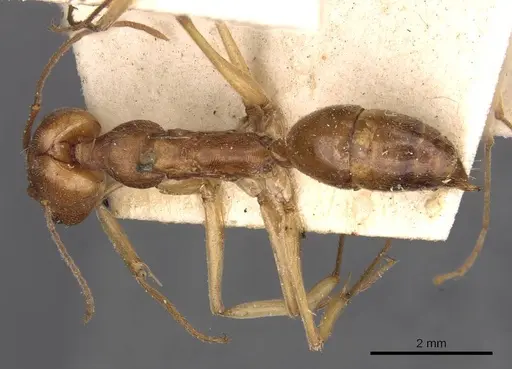
Literature
Loading distribution map...Loading products...