Odontomachus bauri shows a January to November activity window. Peak activity occurs in May, with queen sightings distributed across 10 months. This extended season suggests multiple flight events or varying conditions across its range.
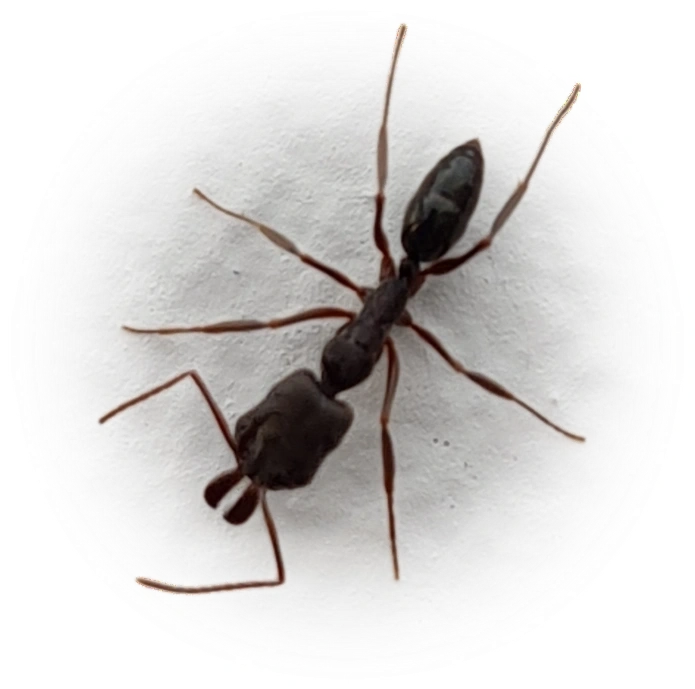
Odontomachus bauri
- Sci. Name
- Odontomachus bauri
- Tribe
- Ponerini
- Subfamily
- Ponerinae
- Author
- Emery, 1892
- Distribution
- Found in 11 countries
- Queen Activity
- From January to November
- Peak Time
- 21:00
AI Identifiable
try →
Introduction
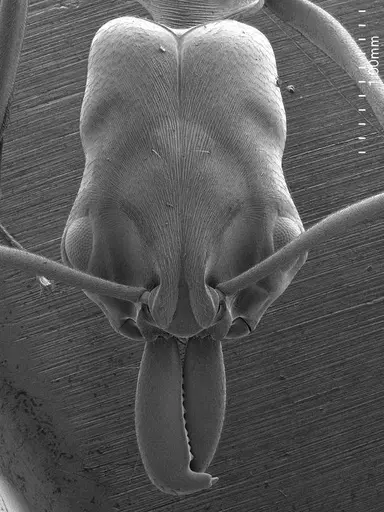
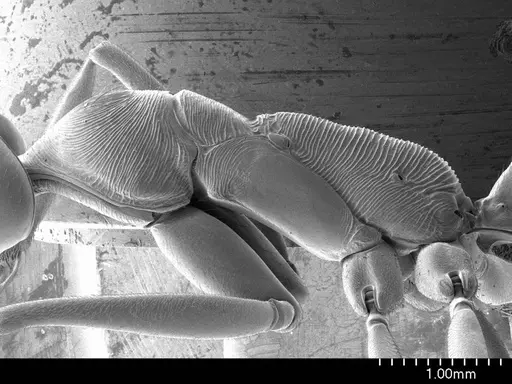
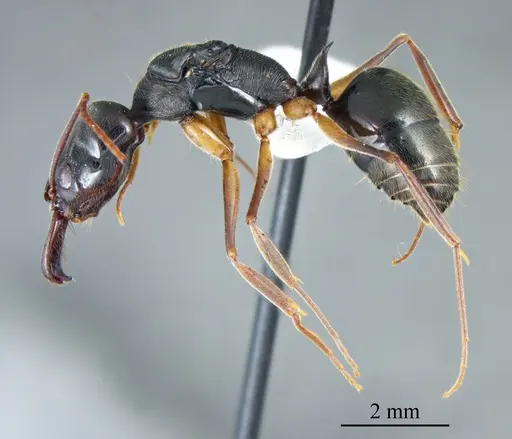
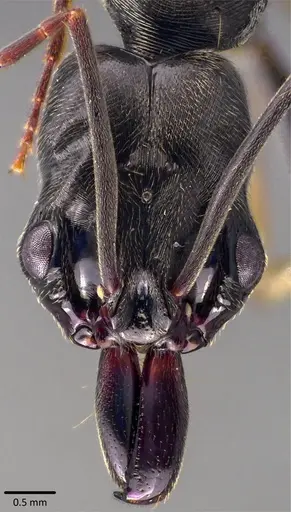
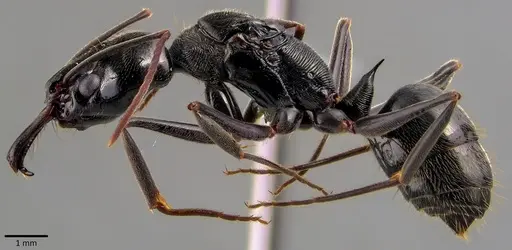
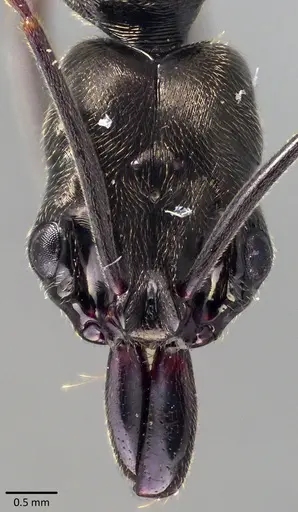
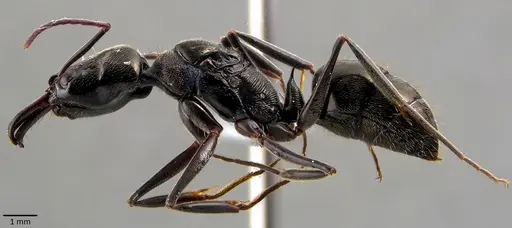
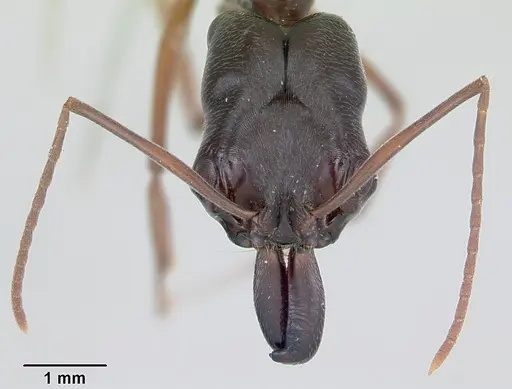
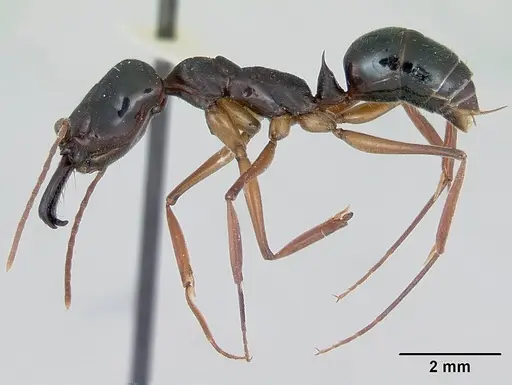
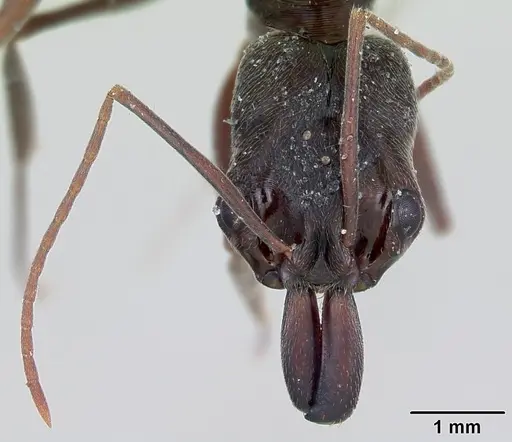
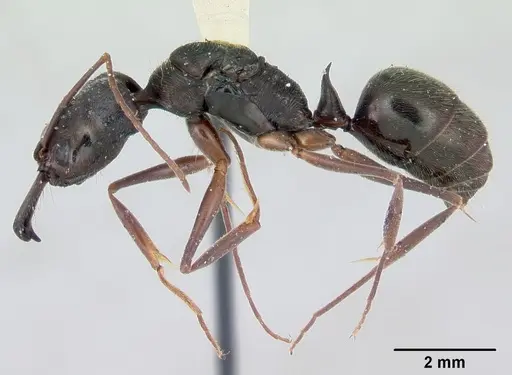
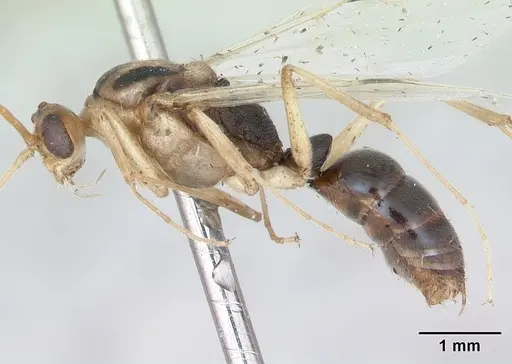
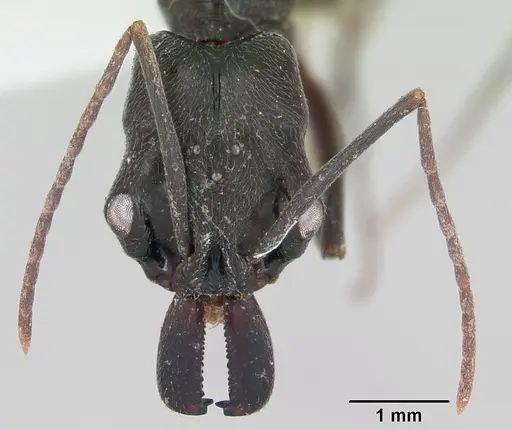
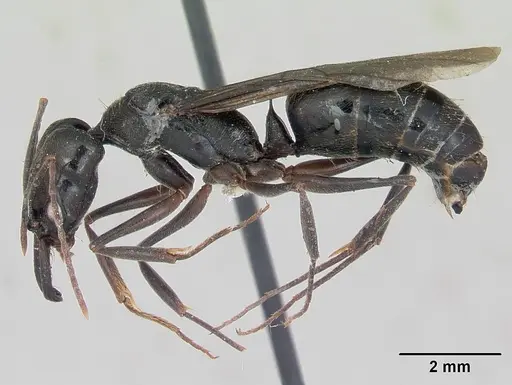
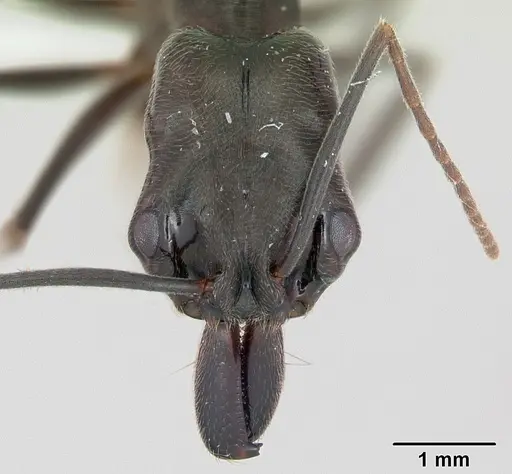
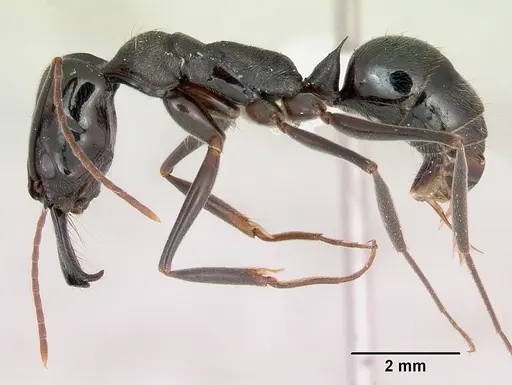
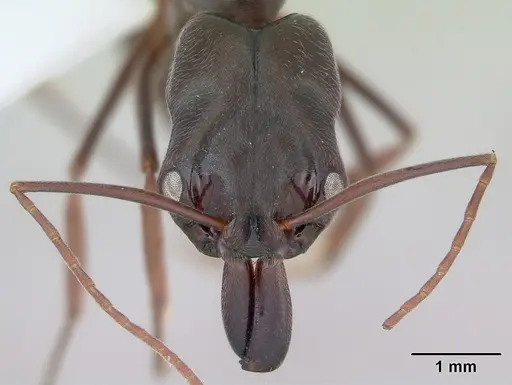
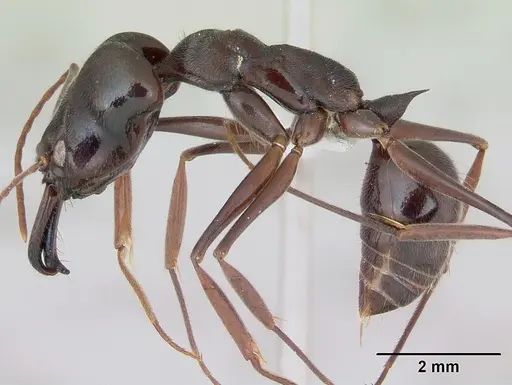
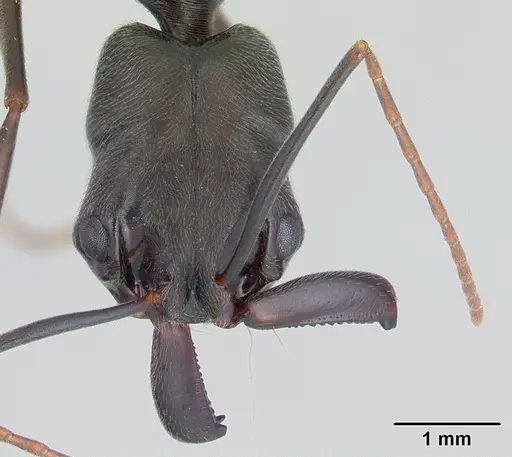
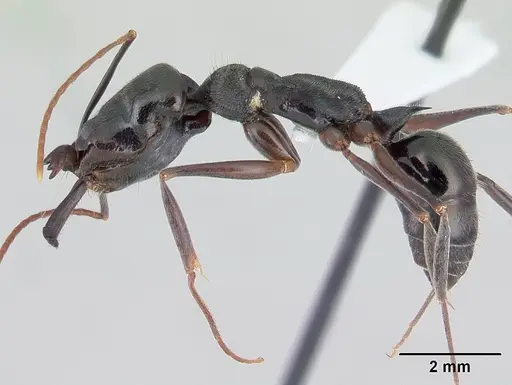
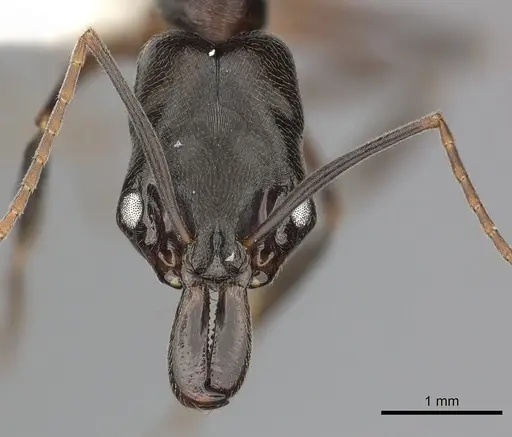
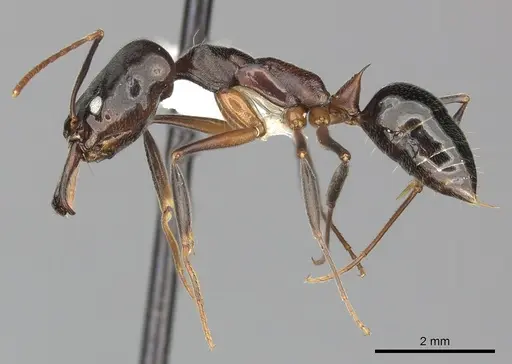
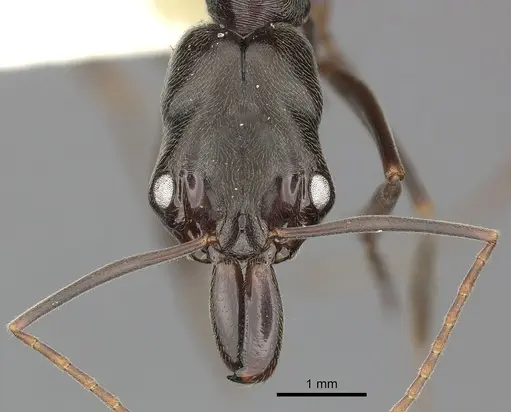
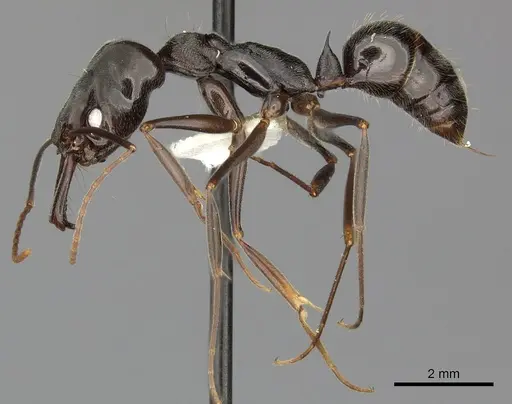
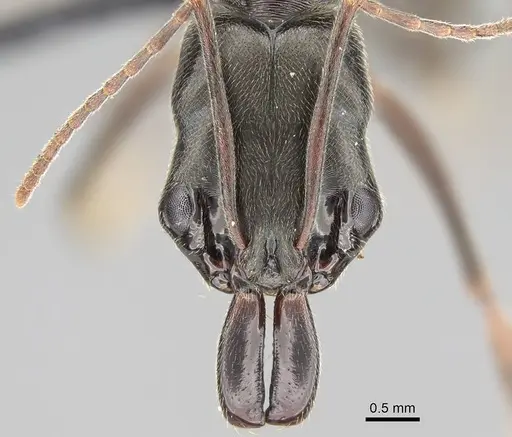
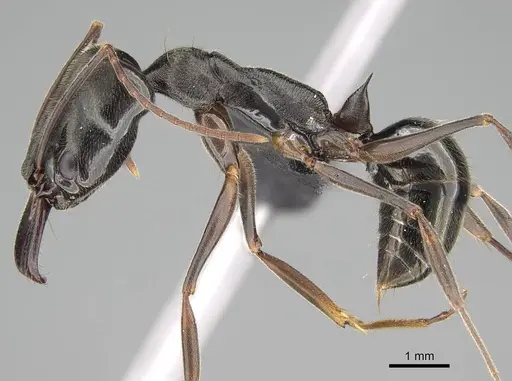
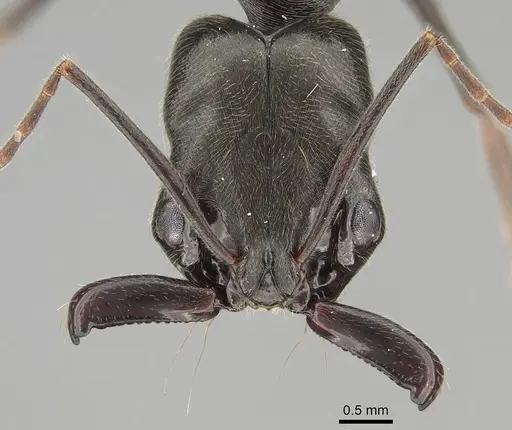
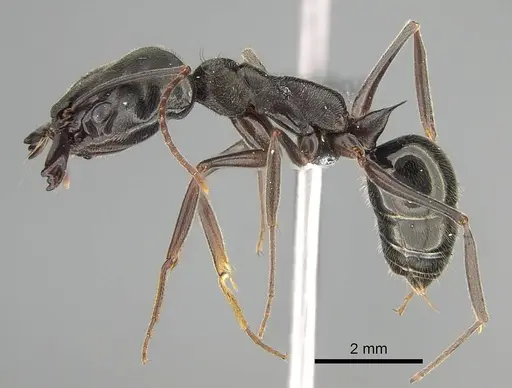
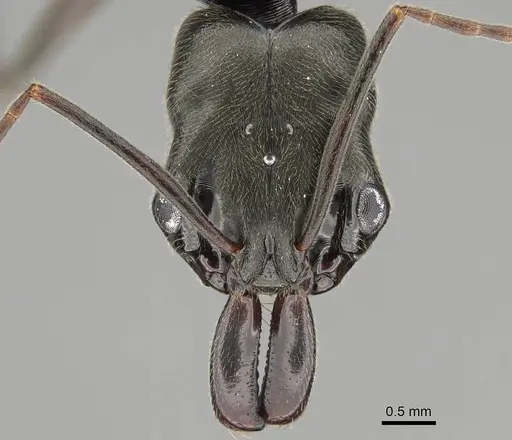
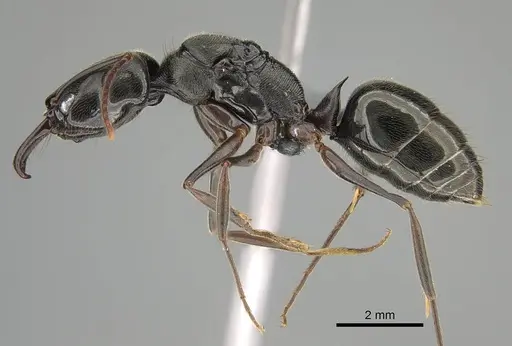
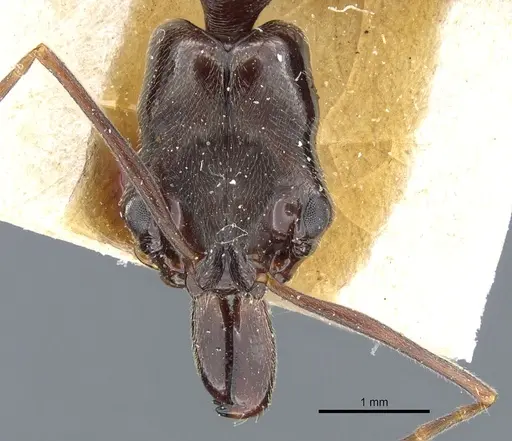
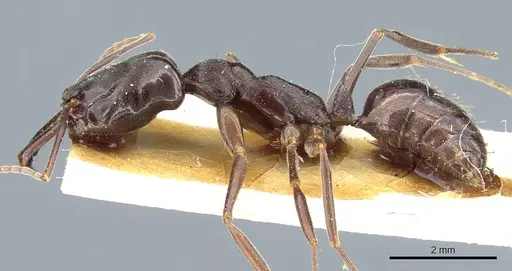
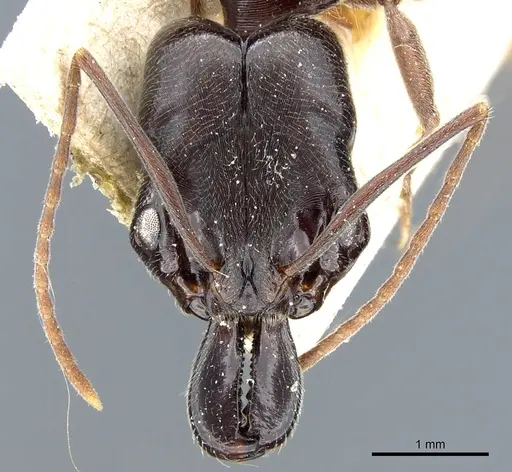
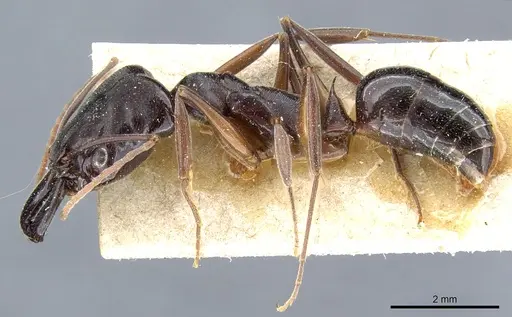
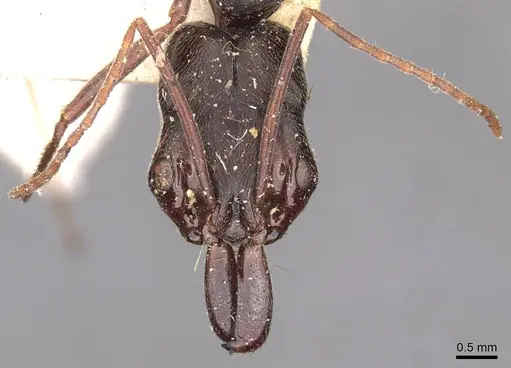
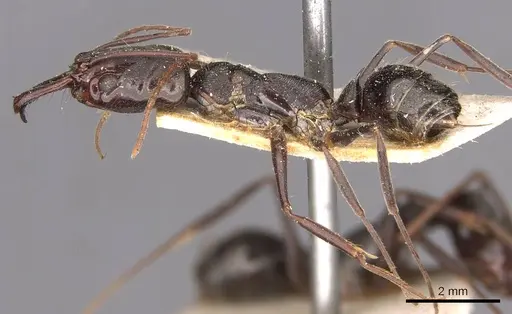
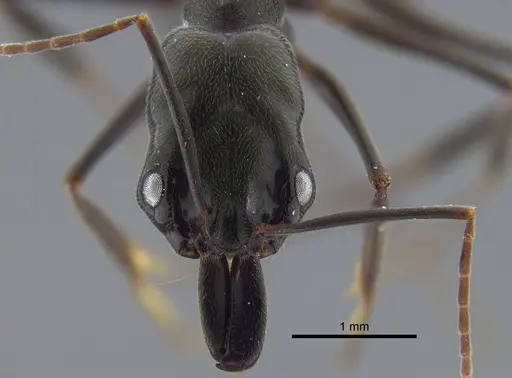
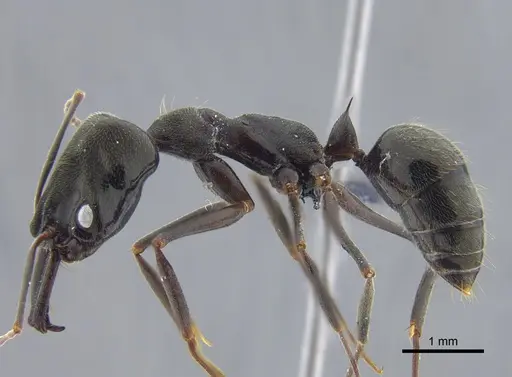
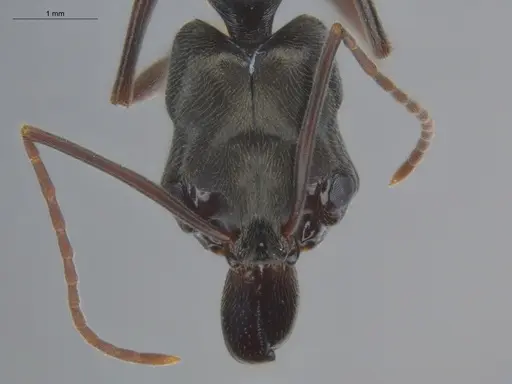
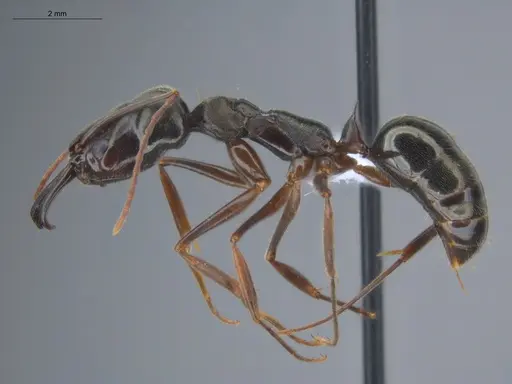
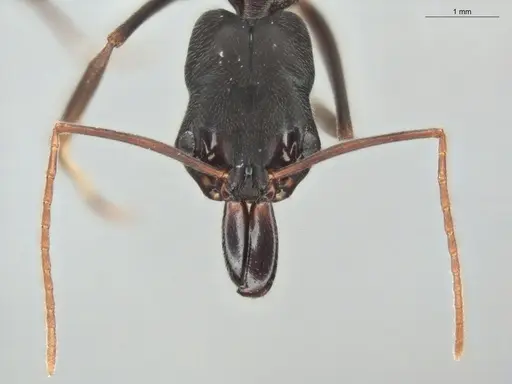
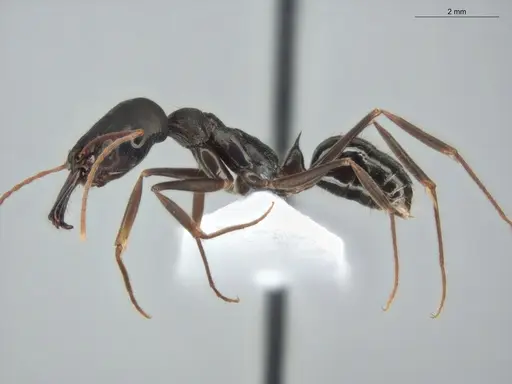
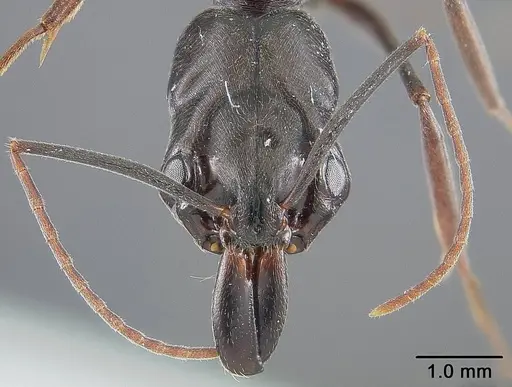
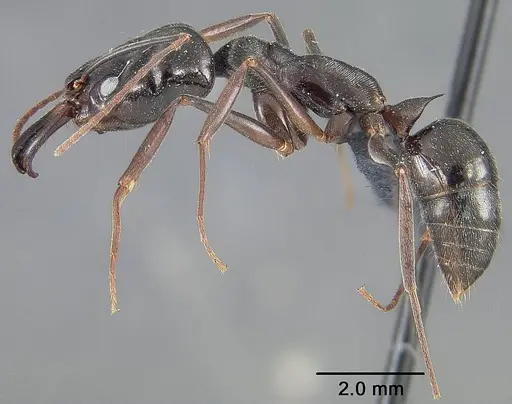
Odontomachus bauri is a large, predatory ant native throughout the Neotropical region, from southern Brazil through Central America to the Caribbean islands. Workers measure 9-12mm with a distinctive dark brown to nearly black body and the genus' signature elongated trap-jaw mandibles that can open 180 degrees and snap shut at speeds up to 64 m/s - among the fastest movements in the animal kingdom . These ants are easily recognized by their large size, powerful mandibles, and the dome-shaped petiolar node with coarse transverse striations . What makes O. bauri notable is its dual-purpose trap-jaw system. The mandibles serve both as deadly weapons for hunting soft-bodied prey like termites and other ants, and as an escape mechanism - when threatened, the ant snaps its jaws against the ground to launch itself backward in a 'bouncer defense' jump covering over 20cm, or vertically to escape predators . Colonies are likely monogyne (single queen) and can contain hundreds of workers that forage individually in leaf litter, maintaining distinct territorial boundaries . This species thrives in diverse habitats from rainforests to pastures, making it one of the most widespread trap-jaw ants in the Americas .
Quick Summary
- Difficulty: Medium
- Origin & Habitat: Neotropical region, from southern Brazil through Central America to Caribbean islands including the Galapagos. Found in forests, arid areas, pastures, and urban areas from sea level to about 1,000m elevation [2][3]. Nests in soil, under rocks, in rotten wood, and occasionally in tree cavities [2][3].
- Colony Type: Likely monogyne (single-queen colonies) that are sometimes polydomous (multiple connected nest sites). Colonies can contain hundreds of workers [3].
- Size & Growth:
- Queen: ~11.6-12.9 mm (TL) [2]
- Worker: ~9.0-12.6 mm (TL) [2]
- Colony: Up to hundreds of workers [3]
- Growth: Moderate (inferred from Ponerinae patterns)
- Development: Unknown, no direct data available. Estimated 8-12 weeks at warm temperatures based on related Ponerinae species. (Development time is estimated, direct measurements for O. bauri are not available. Ponerines typically take 2-3 months from egg to worker at warm temperatures.)
- Antkeeping:
- Temperature: Keep warm and stable, roughly low-to-mid 20s°C to high 20s°C. Based on tropical habitat [3].
- Humidity: Keep the nest substrate consistently moist but not waterlogged. Based on leaf-litter habitat [3].
- Diapause: No, tropical species does not require hibernation [3].
- Nesting: Prefer soil nests with moist substrate. Use Y-tong (AAC), plaster, or 3D-printed nests with chambers scaled to their size. Based on natural nesting behavior [2][3].
- Behavior: Workers are active foragers that hunt individually in leaf litter [3]. They use visual navigation based on canopy patterns [5]. Sting is painful (rating 2.5 on Schmidt's pain index) and can cause swelling or allergic reactions [6][2]. Escape prevention is important due to their powerful jumping ability.
- Common Issues: Sting pain and potential allergic reactions, handle with care and avoid provocation [6][2]., Colony stress from improper humidity, too dry causes workers to become sluggish and may kill brood [3]., Escape via bouncer jumps, ensure secure barriers, especially when colony is disturbed [1]., Slow founding phase, semi-claustral queens must forage during founding, which has higher failure rates [7]., WARNING: Odontomachus bauri is introduced to the Galapagos Islands and considered a minor threat. It is NOT recommended to keep this species in countries where it is not native. If kept, extreme precautions must be taken to prevent escape [9].
Queen Ant Activity Analysis 53 observations
Queen Activity by Hour 53 observations
Odontomachus bauri queen activity peaks around 21:00 during the night. Activity is spread across a 18-hour window (06:00–23:00). A secondary activity peak occurs around 19:00. Times may be influenced by human observation patterns.
Housing and Nest Setup
Odontomachus bauri requires a setup that accommodates their large size and burrowing behavior. In the wild, they nest in soil, under rocks, in rotten wood, and occasionally in tree cavities [2][3]. For captivity, a naturalistic terrarium-style setup works best, use a deep container (at least 8-10cm) filled with a moist soil/sand mix that allows them to create chambers. Alternatively, a Y-tong nest with appropriately sized chambers can work, but ensure the chambers are spacious enough for their large workers.
The outworld should be spacious enough for foragers to hunt and should include hiding spots and a water source. Because these ants can snap their jaws against the substrate to escape (bouncer defense), ensure that any barriers are secure and that the nest area cannot be easily launched from. A layer of leaf litter or small pieces of bark on the substrate surface mimics their natural leaf-litter foraging habitat.
For founding colonies, a test tube setup can work but the queen will need access to prey items since she cannot survive on stored fat alone. Transfer to a larger setup once the colony reaches 15-20 workers.
Feeding and Diet
O. bauri is a specialized predator that primarily hunts soft-bodied invertebrates. In the wild, they focus heavily on termites (especially Nasutitermes and Amitermes) and other ants, along with various small insects [8]. Their trap-jaws are designed to stun or crush prey rather than chase elusive targets, they prefer 3-4mm soft-bodied prey like termites, woodlice, and small ants [1].
In captivity, feed them a diet based on small live prey: fruit flies, small crickets, mealworms, waxworms, and especially termites (if available). They will readily accept dead insects too, the foraging success rate in the wild is about 28% [5], so offering prey that is already disabled is perfectly acceptable. Remove uneaten prey after 24-48 hours to prevent mold.
Unlike many ants, O. bauri does not rely heavily on sugar sources. They are strict predators and do not tend aphids or seek nectar. However, they may occasionally accept a drop of honey or sugar water, but this should not be a primary food source. Feed prey items 2-3 times per week for established colonies, adjusting based on consumption rate. Founding queens will need regular prey items to survive until workers emerge.
Temperature and Environmental Needs
As a tropical species, O. bauri requires warm, stable temperatures in the range of 24-28°C. They are found in lowland tropical forests and similar habitats throughout their range, where temperatures remain consistently warm year-round [3]. Room temperature (around 22-24°C) is typically adequate, but if your space runs cooler, use a heating cable placed on top of the nest to create a gentle thermal gradient.
Humidity should be moderate to high. These leaf-litter ants prefer damp conditions, keep the substrate consistently moist but not waterlogged. Allow part of the nest to dry slightly so the ants can choose their preferred humidity zone. Mist the setup periodically and use a water tube or small dish for drinking water.
No diapause is required, these are year-round active tropical ants. Maintain consistent warm, humid conditions throughout the year. Avoid temperatures below 20°C or sudden temperature swings, which can stress the colony and slow brood development.
The Trap-Jaw Mechanism
The most remarkable feature of O. bauri is its trap-jaw system, which produces one of the fastest movements in the animal kingdom. The mandibles can snap shut at speeds averaging 38.4 m/s, with maximum recorded speeds of 64.3 m/s, that's faster than a bullet train [1]. The strike takes only 0.13 milliseconds (the fastest recorded being 0.06 ms), generating forces equivalent to 371-504 times the ant's body weight [1].
This mechanism serves two purposes. First, it's a deadly hunting weapon, the ant positions itself near prey, then snaps its jaws to stun or crush soft-bodied insects before carrying them back to the nest. Their short, robust mandibles with blunt teeth are optimized for generating high forces rather than large displacements [1]. Second, it's an escape mechanism, when threatened, the ant snaps its jaws against the ground to launch itself away. This 'bouncer defense' can propel the ant over 20cm horizontally, while 'escape jumps' can launch them 7cm vertically [1].
In captivity, you may observe this behavior when the nest is disturbed. It's a fascinating defense to watch but means you should handle these ants carefully and ensure their enclosure is secure.
Behavior and Colony Dynamics
O. bauri colonies are likely monogyne (single queen) and typically contain hundreds of workers [3]. They are polydomous in some habitats, meaning the colony maintains multiple nest sites connected by foraging trails, this is especially common in palm tree habitats where nests can be found in leaf axils high above ground [3].
Workers forage individually rather than in groups, hunting alone through leaf litter for arthropods [3]. They maintain colony-specific territories and will defend these boundaries from neighboring colonies [3]. Unlike some ants, they do not use chemical trails to direct nestmates to food, instead, returning foragers perform rapid antennation bouts with nestmates, stimulating them to leave and search for food but not providing directional information [5].
These ants use visual navigation, primarily relying on canopy patterns to find their way back to the nest. When entering unfamiliar terrain, workers raise their heads every 3-5 minutes to scan the overhead environment [5]. This means they do best in setups where they can see overhead light patterns, avoid completely enclosed outworlds with no visual reference points.
The sting is the primary defense against larger threats. It causes local swelling, redness, and a burning sensation that can develop into severe allergic reactions in sensitive individuals [2]. The venom also has antibiotic properties and has been shown to be effective against certain bacteria [2].
Handling and Safety
While O. bauri is not aggressive toward humans when unprovoked, they will defend their nest if threatened. Their sting is painful (rated 2.5 on Schmidt's pain index) and can cause significant swelling, redness, and burning sensations [6]. In sensitive individuals, the sting may trigger severe allergic reactions requiring medical attention [2].
When working with these ants, move slowly and avoid blowing on them or disturbing the nest directly. Use gentle tapping or light brushing to encourage workers into a container rather than shaking or prodding. If a worker raises its mandibles in a threat display, give it space, they are warning you to back off.
For keepers with allergies to insect stings, exercise extra caution. Keep epinephrine auto-injectors handy if you have known severe sting allergies. Wash hands thoroughly after any contact with the ants or their enclosure.
Their powerful jaws can also deliver a painful pinch if handled carelessly, though they rarely bite unless directly threatened. The primary risk comes from the sting, not the bite.
Frequently Asked Questions
How long does it take for Odontomachus bauri to go from egg to worker?
Exact development time for O. bauri has not been documented. Based on related Ponerinae species, estimated 8-12 weeks at warm temperatures (around 26°C). The first workers (nanitics) will be smaller than mature workers.
Can I keep multiple Odontomachus bauri queens together?
No. O. bauri is likely monogyne, meaning colonies naturally have a single queen. Combining unrelated queens will likely result in fighting and the death of one or both queens. Only attempt multi-queen setups if you have a colony that has naturally produced additional reproductives (which is not typical for this species).
What do I feed Odontomachus bauri ants?
Feed them small live prey like fruit flies, small crickets, mealworms, waxworms, and especially termites. They are specialized predators that prefer soft-bodied insects 3-4mm in size. They will also accept dead insects. Do not rely on sugar sources, they are predators, not sugar-seekers. Remove uneaten prey after 24-48 hours.
Are Odontomachus bauri good for beginners?
They are intermediate difficulty. While not the hardest species, they require more attention to temperature and humidity than common pet store ants. The semi-claustral founding means more initial care, and their sting requires careful handling. They are fascinating to watch but not ideal as a first ant unless you have researched Ponerine care thoroughly.
How big do Odontomachus bauri colonies get?
Colonies can reach hundreds of workers. In the wild, colonies with hundreds of workers have been documented, and they can be polydomous (spread across multiple nest sites) [3]. In captivity, expect a moderate-sized colony that grows steadily over 2-3 years.
Do Odontomachus bauri need hibernation?
No. As a tropical species, they do not require hibernation or winter cooling. Maintain warm, humid conditions year-round (24-28°C). Temperature drops below 20°C for extended periods can stress the colony and slow or stop brood development.
Why does my O. bauri jump backward suddenly?
That's their bouncer defense! When threatened, these ants snap their powerful jaws against the ground to launch themselves away from danger. This can propel them over 20cm horizontally. It's a fascinating escape mechanism but means you should ensure their enclosure is secure and handle them gently to avoid triggering this behavior.
When should I move my O. bauri to a formicarium?
For founding colonies, keep them in a test tube or small container until the colony reaches 15-20 workers. Since they are semi-claustral, the queen will need access to prey during founding, so a small outworld with prey access is important from the start. Transition to a larger naturalistic or Y-tong setup as the colony grows.
When do Odontomachus bauri queens forage?
Queen activity of Odontomachus bauri typically occurs From January to November. Times may be influenced by human observation patterns.
What time of day are Odontomachus bauri queens most active?
Queen activity of Odontomachus bauri peaks around 21:00 during the night, with most activity between 06:00 and 23:00. Times may be influenced by human observation patterns.
Report an Issue
The current care sheet is based fully on literature. See inconsistencies, or something that's incorrect? Please , it will be resolved after review from an admin. Contributing to the blogs tab also helps providing information, to make us be able to further improve the caresheets. Thank you for your support!
References

This caresheet is licensed under CC BY-SA 4.0 .
Community Blogs
ANTWEB1008557
View on AntWeb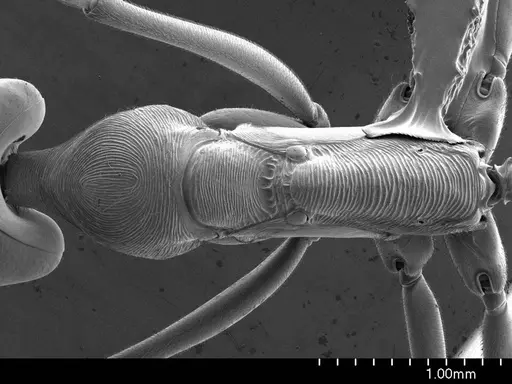
ANTWEB1041396
View on AntWeb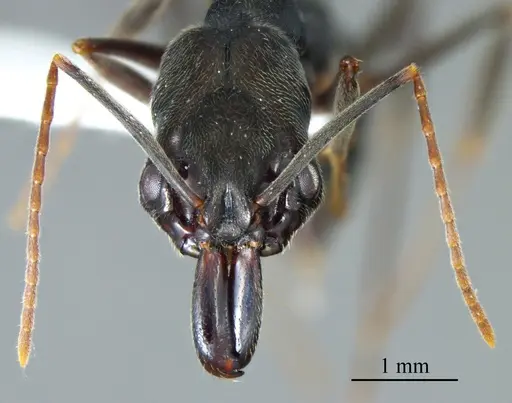
ANTWEB1041827
View on AntWeb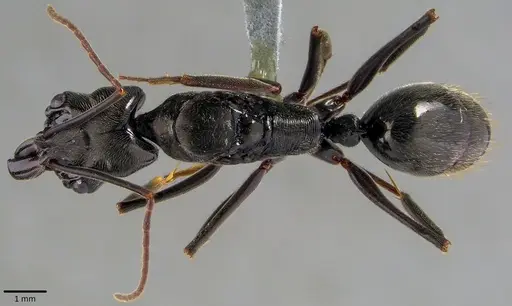
ANTWEB1041846
View on AntWeb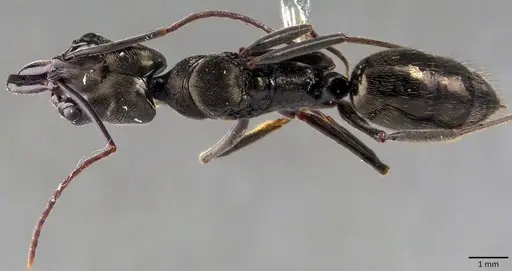
CASENT0172629
View on AntWeb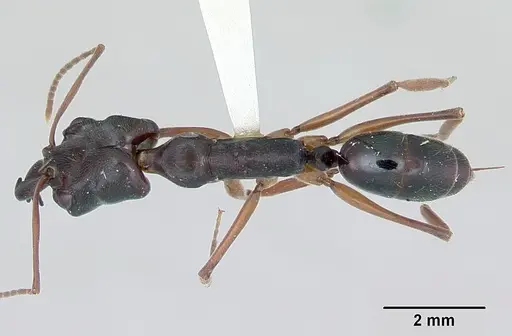
CASENT0172630
View on AntWeb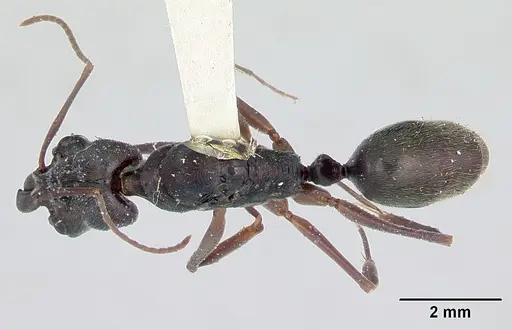
CASENT0173303
View on AntWeb
CASENT0173304
View on AntWeb
CASENT0173305
View on AntWeb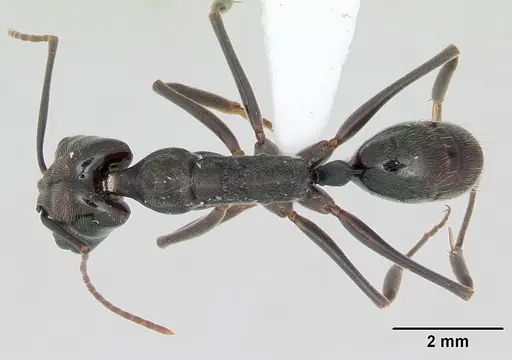
CASENT0173535
View on AntWeb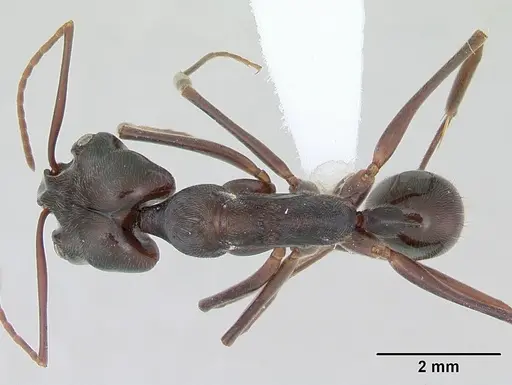
CASENT0178671
View on AntWeb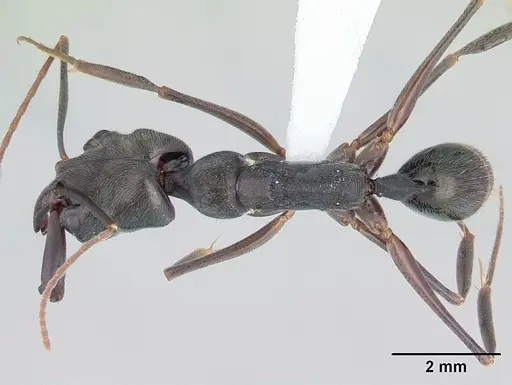
CASENT0270597
View on AntWeb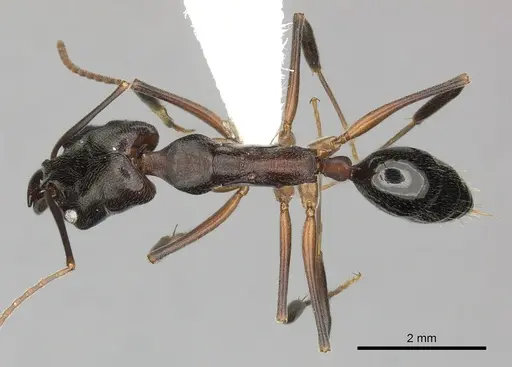
CASENT0270598
View on AntWeb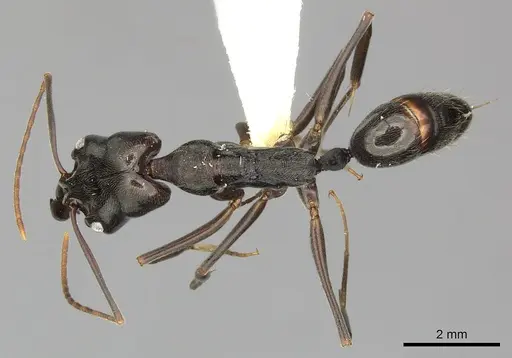
CASENT0318519
View on AntWeb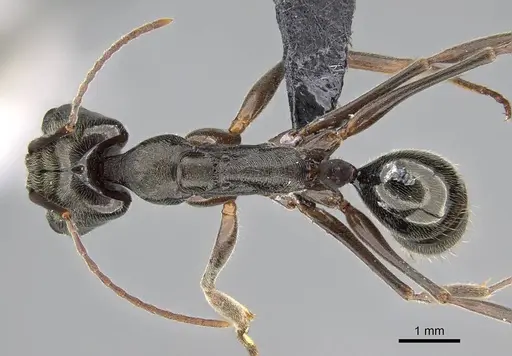
CASENT0729162
View on AntWeb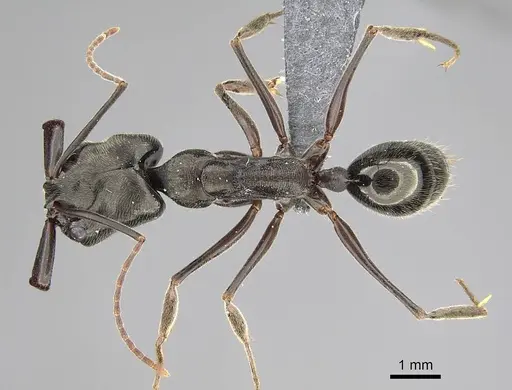
CASENT0729195
View on AntWeb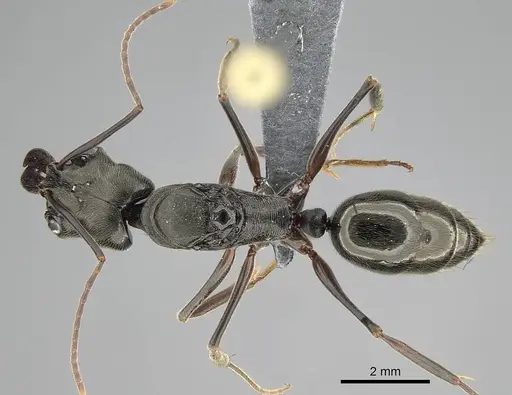
CASENT0904010
View on AntWeb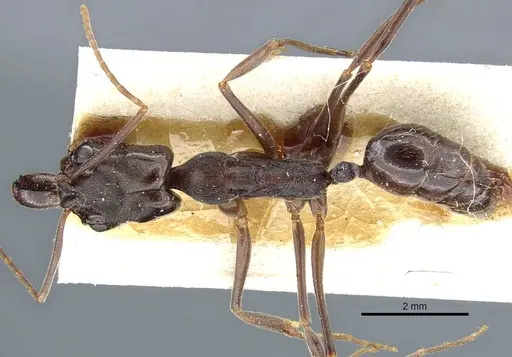
CASENT0904011
View on AntWeb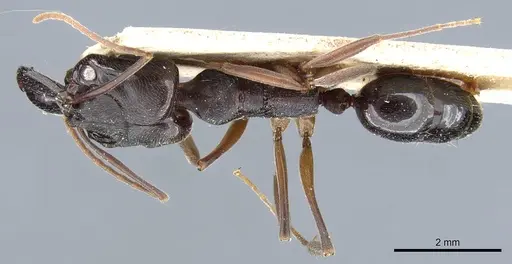
CASENT0907434
View on AntWeb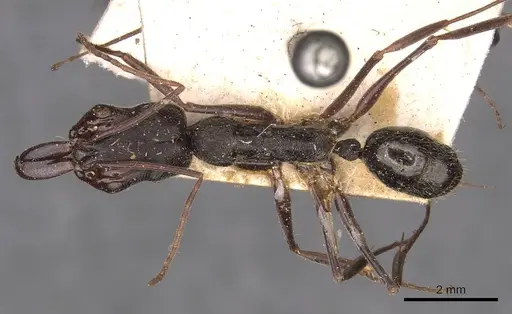
CBUMAGENT41703
View on AntWeb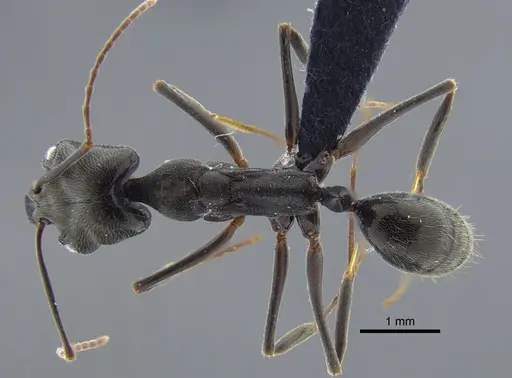
ECOFOG-BOUM-0064-04
View on AntWeb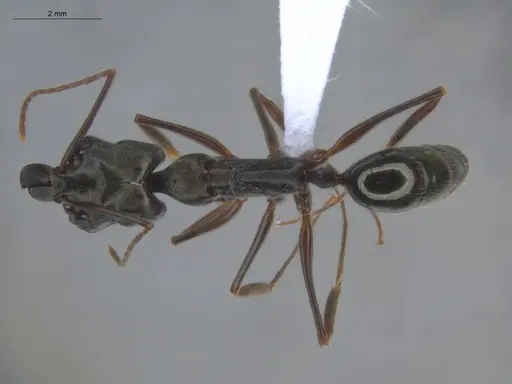
ECOFOG-OI17-0233-02
View on AntWeb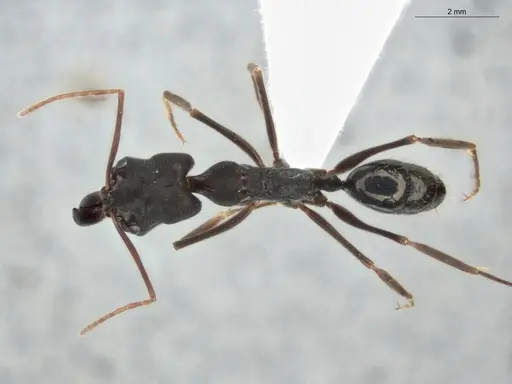
USNMENT01124285
View on AntWeb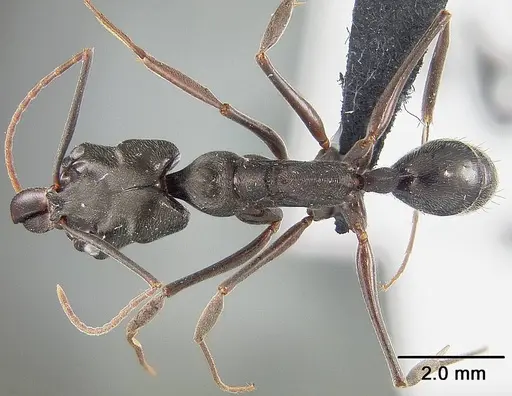
Literature
Loading distribution map...Loading products...