
Southern Trap-jaw ant
Odontomachus assiniensis
- Sci. Name
- Odontomachus assiniensis
- Tribe
- Ponerini
- Subfamily
- Ponerinae
- Author
- Emery, 1892
- Common Name
- Southern Trap-jaw ant
- Distribution
- Found in 17 countries
Introduction
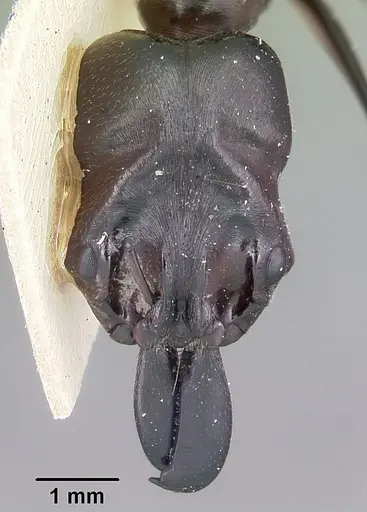
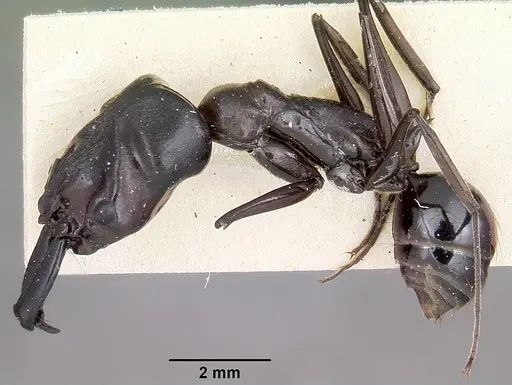
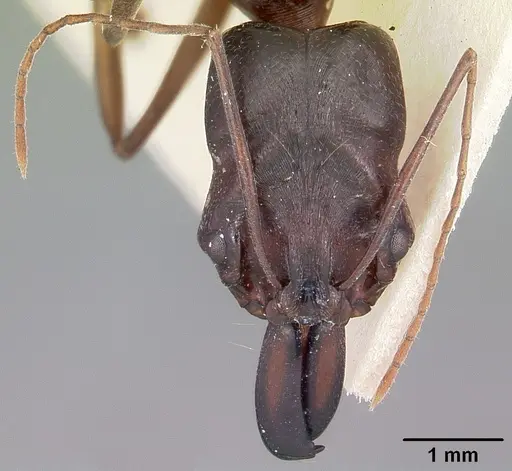
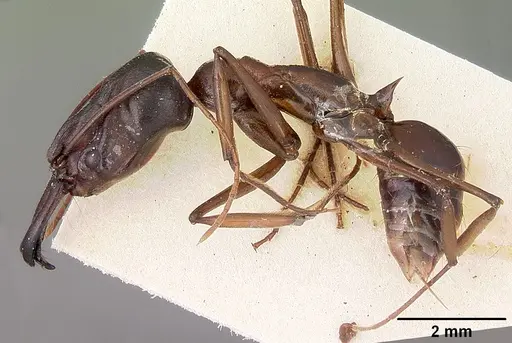
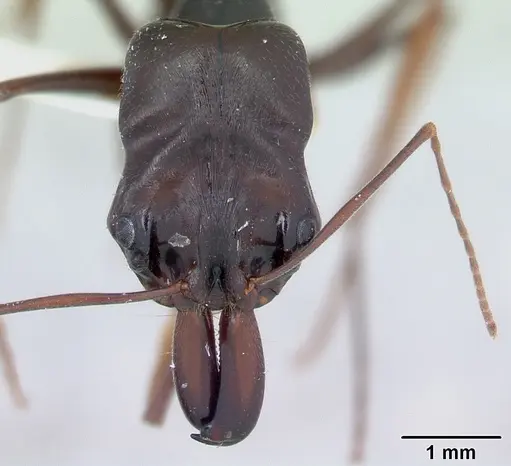
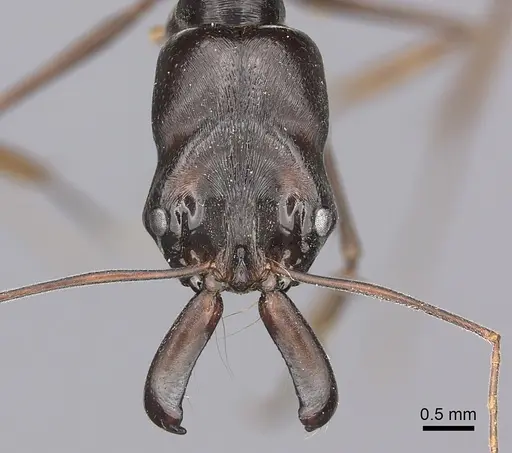
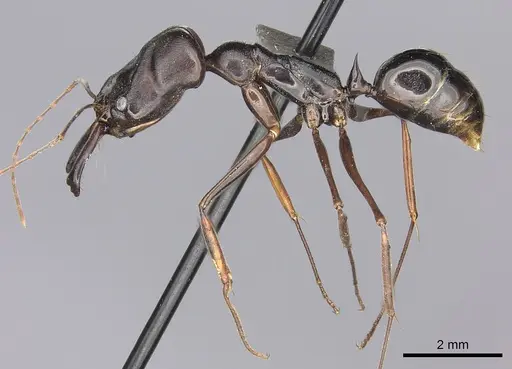
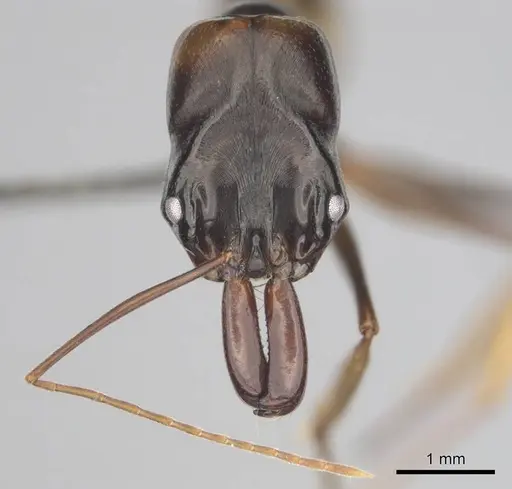
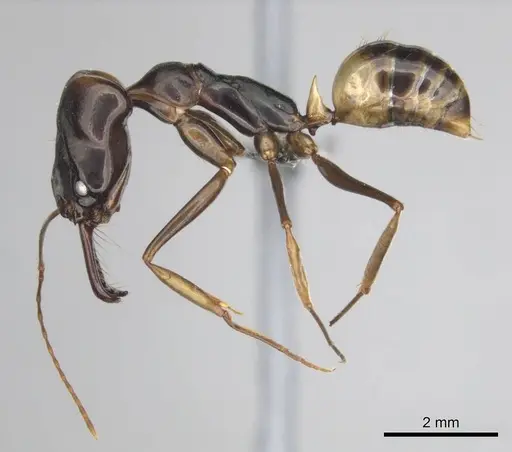
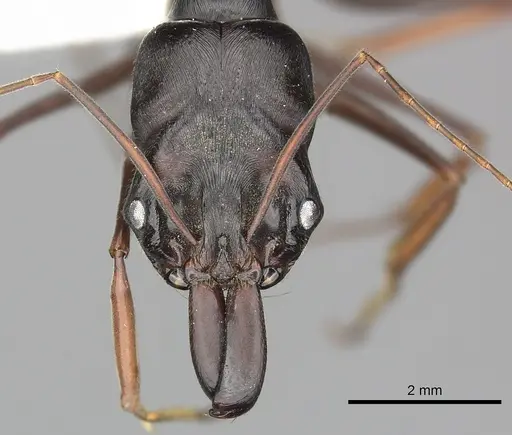
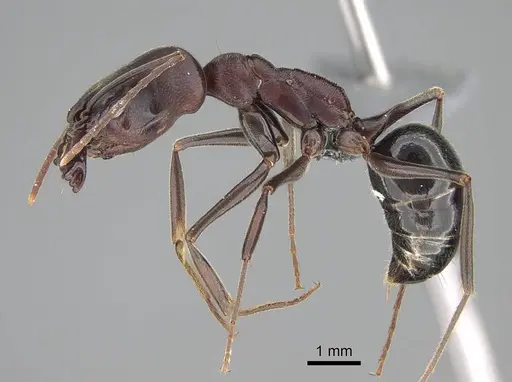
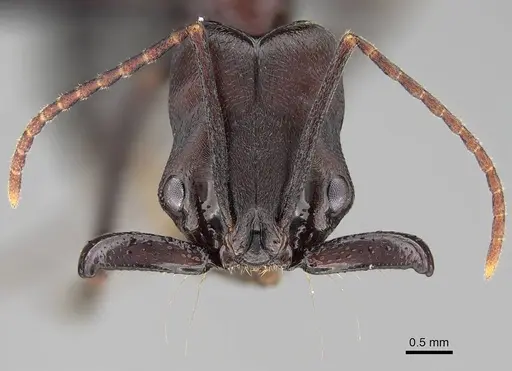
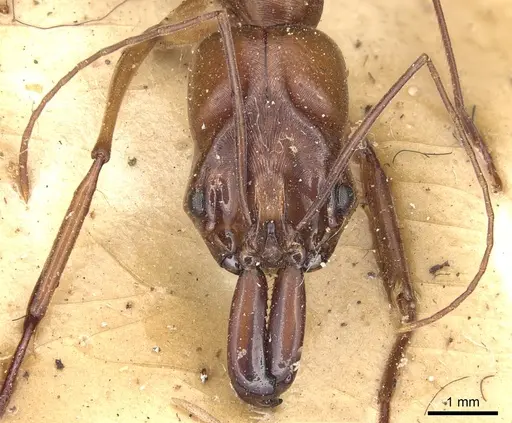
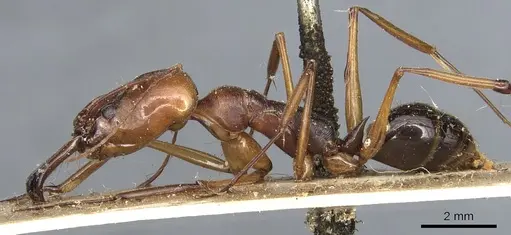
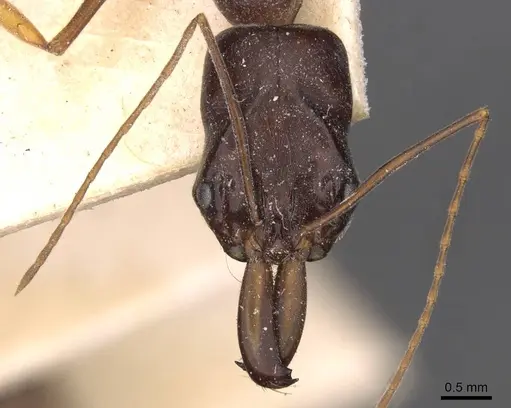
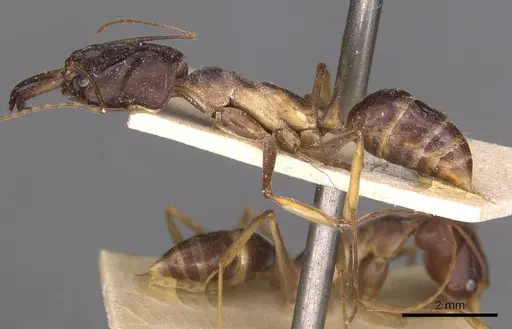
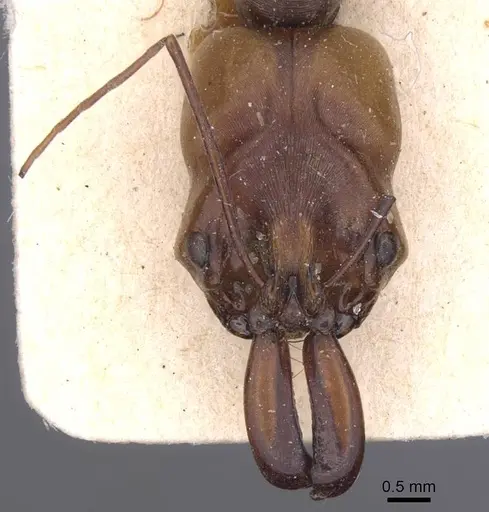
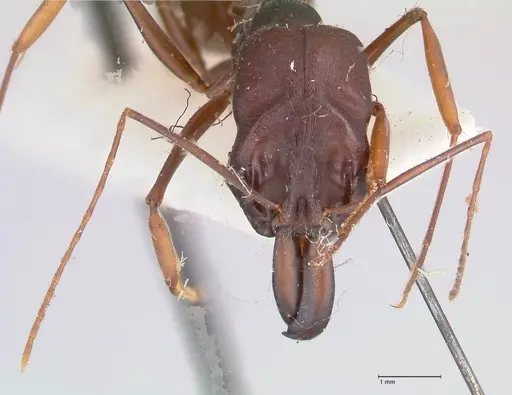
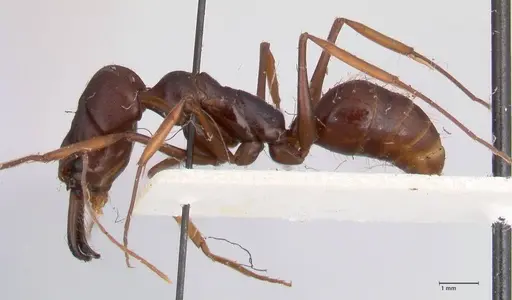
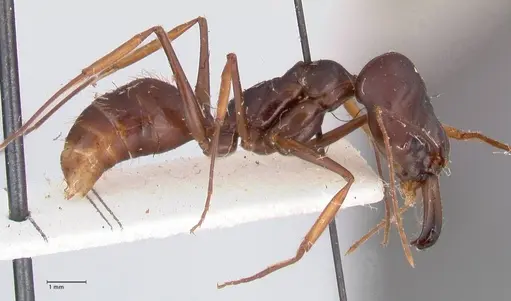
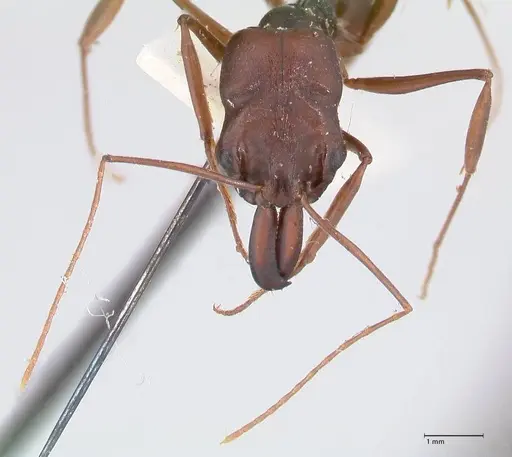
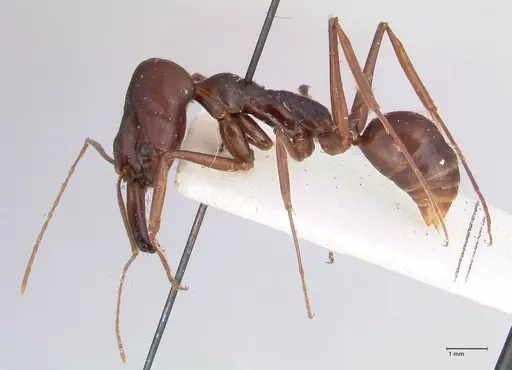
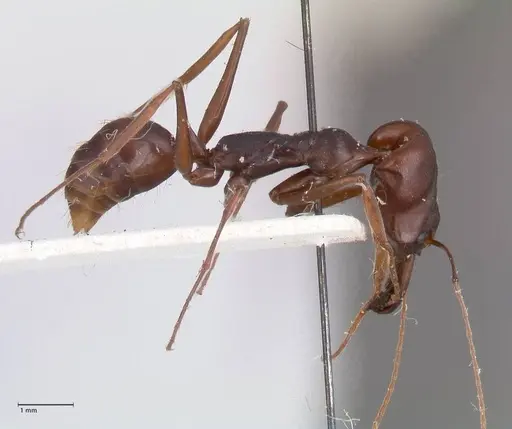
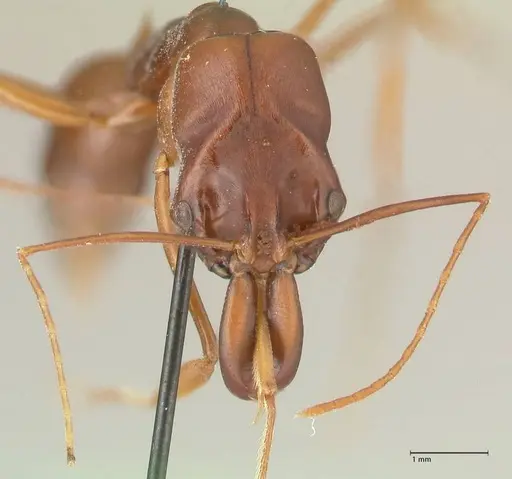
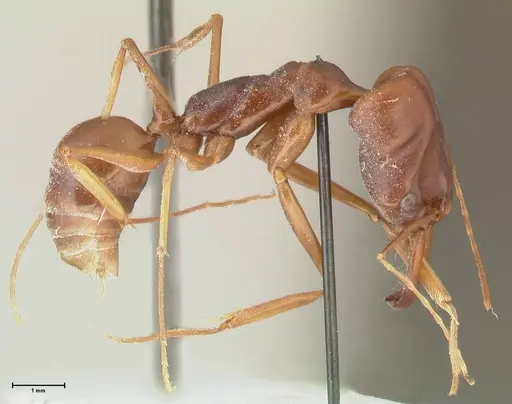
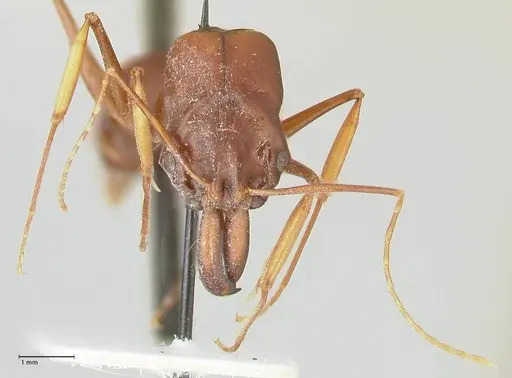
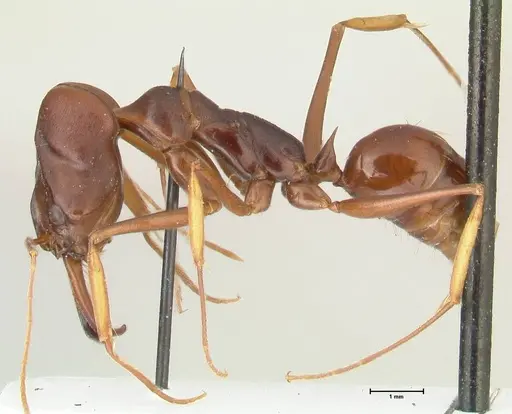
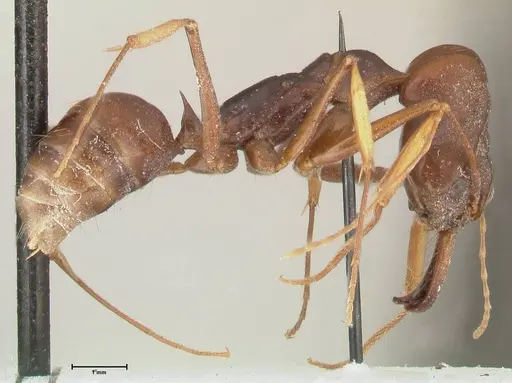
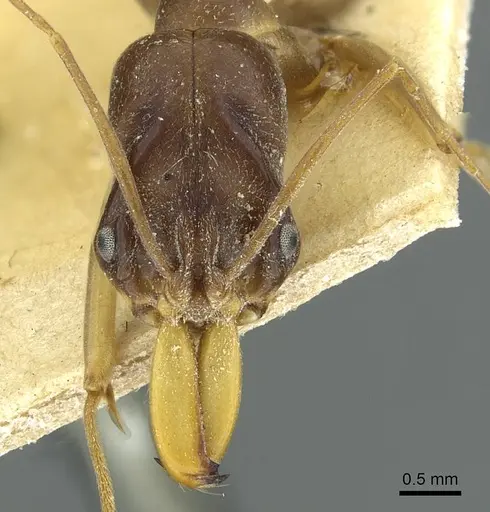
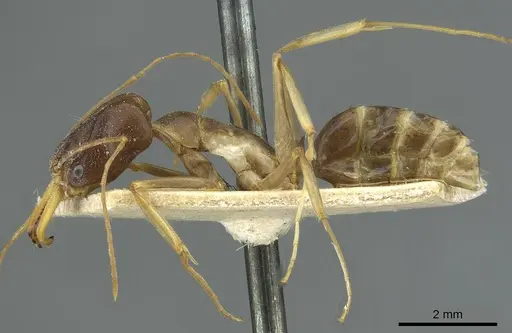
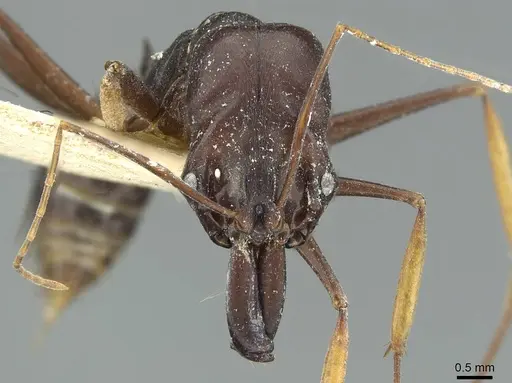
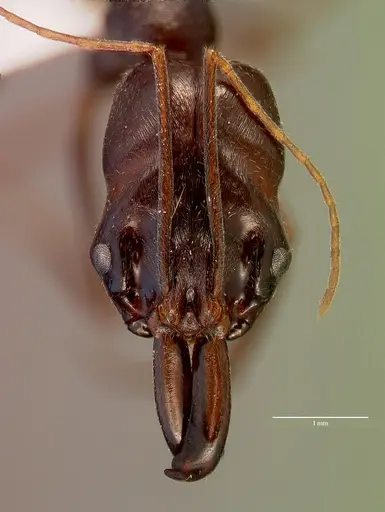
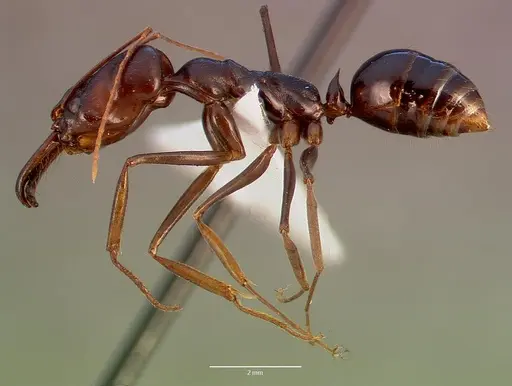
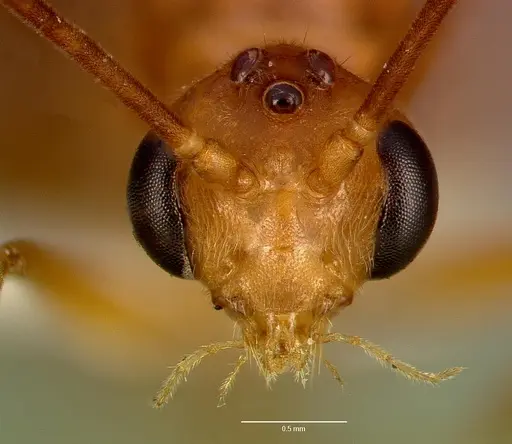
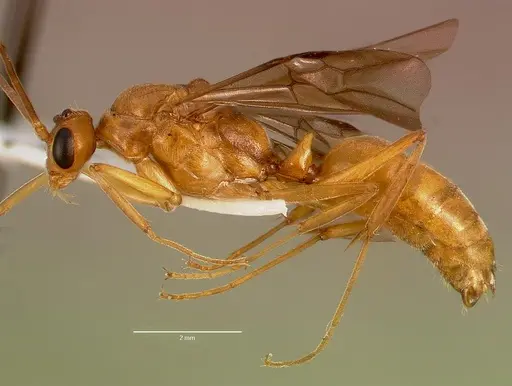
Odontomachus assiniensis is a trap-jaw ant native to the Afrotropical region, found across central and eastern Africa from Ivory Coast to South Africa . They have characteristic trap-jaw mandibles , broad heads with reduced jaws, and smooth shiny gasters . The head is elongate,1.3-1.5 times longer than wide . This species is the sole member of the Odontomachus assiniensis species group and shows significant variation in striation patterns, suggesting possible cryptic species in Uganda . They are confirmed termite predators .
Quick Summary
- Difficulty: Medium
- Origin & Habitat: Afrotropical region, found in Ivory Coast, Cameroon, Democratic Republic of Congo, Kenya, Uganda, Tanzania, South Africa, and neighboring countries. Inhabits lowland rainforests and forest edges at elevations from 110m to 1150m [2][1].
- Colony Type: Colony structure is not well-documented, but based on genus patterns, likely monogyne (single queen).
- Size & Growth:
- Queen: Size data unavailable
- Worker: Size data unavailable
- Colony: Colony size data unavailable
- Growth: Moderate
- Development: Development timeline unknown, no specific data available for this species (Based on related Ponerinae species, development may take several weeks under optimal conditions)
- Antkeeping:
- Temperature: Keep warm, roughly 24-28°C, based on tropical habitat and elevation data [2][1].
- Humidity: Keep nest substrate consistently moist but not waterlogged.
- Diapause: No, as a tropical species, they do not require hibernation or diapause.
- Nesting: In nature, they nest in soil and rotting wood [7]. In captivity, Y-tong (AAC) or plaster nests with moisture chambers work well.
- Behavior: Active hunters with trap-jaw mandibles. More aggressive than many ants, with a stinger for defense. Escape risk is moderate due to size and agility, use standard barrier methods.
- Common Issues: tropical warmth requirement means colonies can struggle in cool rooms below 24°C [2][1], specialized diet, they need regular protein (live insects) and may not accept sugar water readily [6], slower colony growth than common ant species can frustrate beginners, stinger means they can deliver painful stings if provoked, handle with care, wild-caught colonies may harbor parasites that affect captive survival
Housing and Nest Setup
Odontomachus assiniensis does well in Y-tong (AAC) nests or plaster formicariums that can hold moisture. They prefer dark, humid chambers and will often cluster in moist areas [7]. A test tube setup can work for founding colonies, but established colonies do better in nests that hold humidity well. Provide a water reservoir or moisture chamber connected to the nest area. They need a foraging area where you can offer prey. Because they are predatory, they benefit from a naturalistic setup where they can hunt.
Feeding and Diet
This species is a confirmed termite predator [6]. Their primary diet should be live insects, small crickets, mealworms, fruit flies, and especially termites. They have powerful mandibles and can tackle prey much larger than themselves. Offer protein prey 2-3 times per week for established colonies. Sugar sources are less important for this species compared to omnivorous ants, they are true predators. Some keepers report success with diluted honey or sugar water, but protein should form the bulk of their diet. Remove uneaten prey after 24 hours to prevent mold.
Temperature Requirements
As a tropical Afrotropical species, Odontomachus assiniensis requires warm conditions. Keep the nest area at roughly 24-28°C consistently, based on their native habitat at elevations from 110m to 1150m [2][1]. A heating cable on one side of the nest can create a gradient, allowing workers to regulate their temperature. Avoid temperatures below 22°C for extended periods, as this can slow colony growth.
Behavior and Defense
These ants are active hunters with the characteristic trap-jaw mandibles of the genus [3]. They are more aggressive than many common ant species and will readily attack threats to the colony. They possess a stinger and can deliver painful stings if handled roughly or if the colony feels threatened. Workers are fast-moving and will chase prey aggressively. When working with them, move slowly and avoid provoking defensive responses.
Colony Development
Colony growth is moderate rather than rapid. Ponerine ants typically develop more slowly than many Myrmicinae species. A newly mated queen will found her colony, but specific founding behavior is unconfirmed. Development timeline is unknown for this species, but related Ponerinae may take several weeks under optimal conditions. Colonies likely reach substantial sizes over several years, but exact numbers are unavailable.
Seasonal Care
As a tropical species from Africa's rainforests, Odontomachus assiniensis does not require hibernation or diapause. Maintain consistent warm temperatures and humidity year-round. Seasonal changes in the captive setting are not necessary and could harm the colony if temperatures drop significantly. [2][1]
Frequently Asked Questions
How long does it take for Odontomachus assiniensis to produce first workers?
Development timeline is unknown for this species. Based on related Ponerinae, it may take several weeks under optimal temperature (24-28°C). Be patient and do not disturb the queen during founding.
What do Odontomachus assiniensis eat?
They are confirmed termite predators [6]. Feed them live insects like small crickets, mealworms, fruit flies, and especially termites. Protein should be the main food source.
Do Odontomachus assiniensis ants sting?
Yes, they have a functional stinger and can deliver painful stings. They are more aggressive than many ant species and will defend their colony. Handle them carefully.
What temperature do they need?
Keep them at roughly 24-28°C consistently, based on their tropical habitat [2][1]. A heating cable can help maintain proper temperatures in cooler rooms.
Are they good for beginners?
They are rated as medium difficulty. They require more specific care than common ants, warm temperatures, live prey diet, and longer development times. They are not the best first ant but are manageable for keepers willing to provide proper conditions.
How big do colonies get?
Colony size data is unavailable for this species. Based on typical Ponerinae patterns, colonies may reach substantial sizes over several years with good care.
Do they need hibernation?
No. As a tropical African species, they do not require hibernation or diapause. Keep temperatures stable and warm year-round.
Can I keep multiple queens together?
Colony structure is unconfirmed, but Odontomachus is typically monogyne (single queen). Combining unrelated queens is not recommended and may result in fighting.
What nest type works best?
Y-tong (AAC) nests or plaster formicariums with moisture chambers work well. They prefer dark, humid nest chambers [7].
Why are my ants dying?
Common causes include: temperatures below 22°C, lack of live protein prey, too dry conditions, or parasites from wild-caught colonies. Ensure warm temperatures, offer live insects regularly, and maintain humidity.
Report an Issue
The current care sheet is based fully on literature. See inconsistencies, or something that's incorrect? Please , it will be resolved after review from an admin. Contributing to the blogs tab also helps providing information, to make us be able to further improve the caresheets. Thank you for your support!
References

This caresheet is licensed under CC BY-SA 4.0 .
Community Blogs
CASENT0104655
View on AntWeb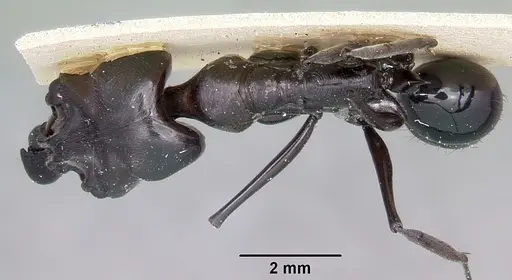
CASENT0104656
View on AntWeb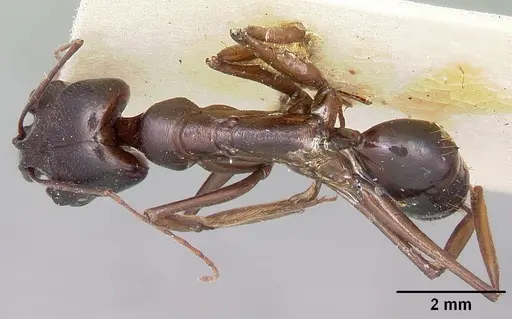
CASENT0178262
View on AntWeb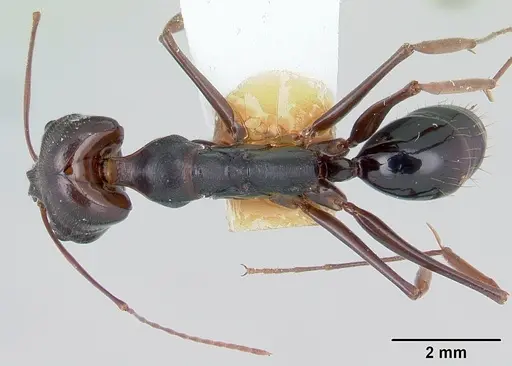
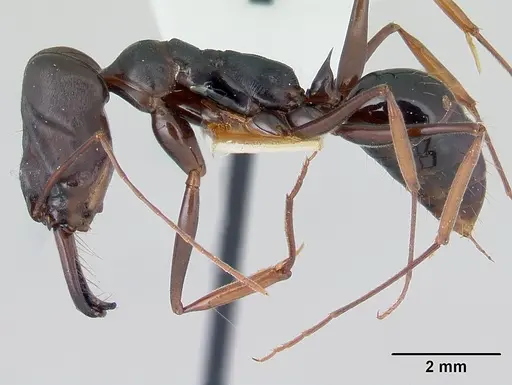
CASENT0217181
View on AntWeb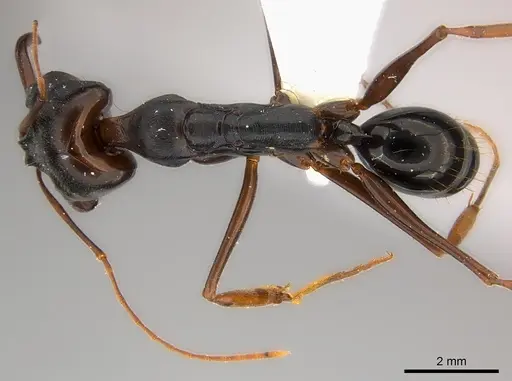
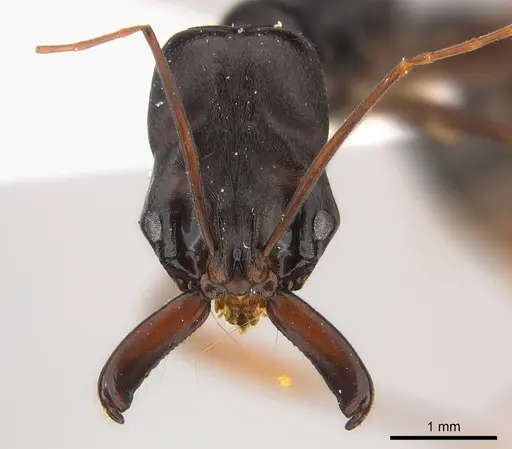
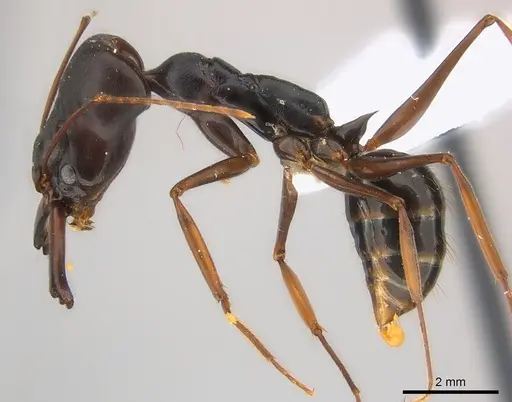
CASENT0235558
View on AntWeb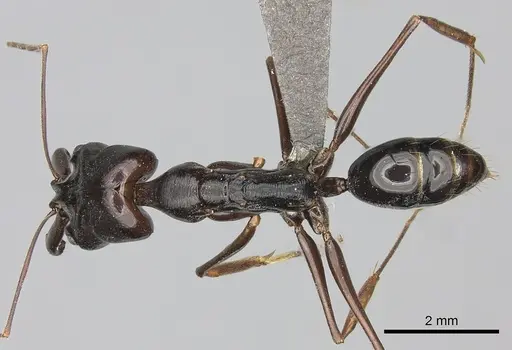
CASENT0250098
View on AntWeb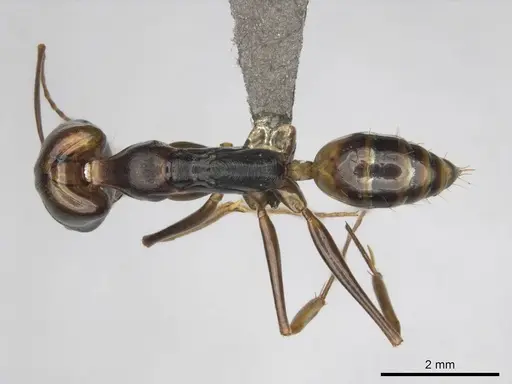
CASENT0270614
View on AntWeb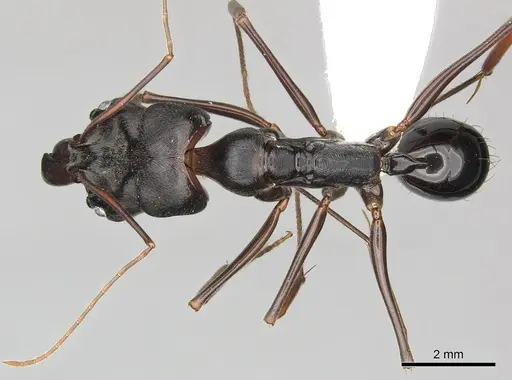
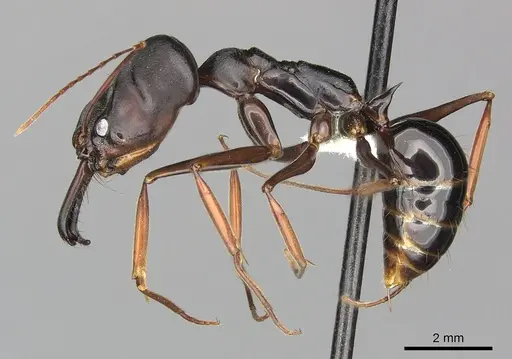
CASENT0354600
View on AntWeb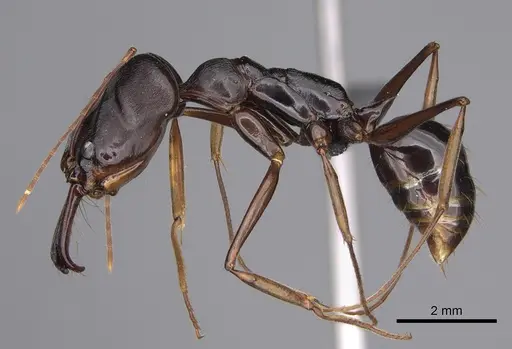
CASENT0785948
View on AntWeb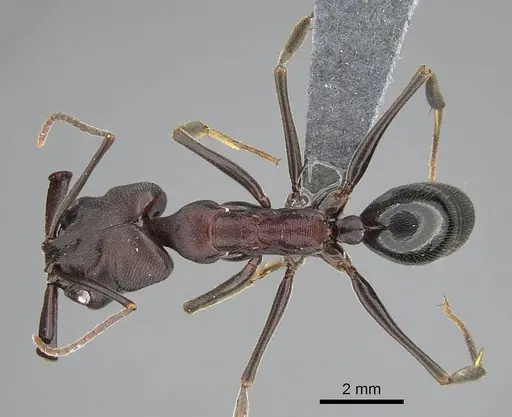
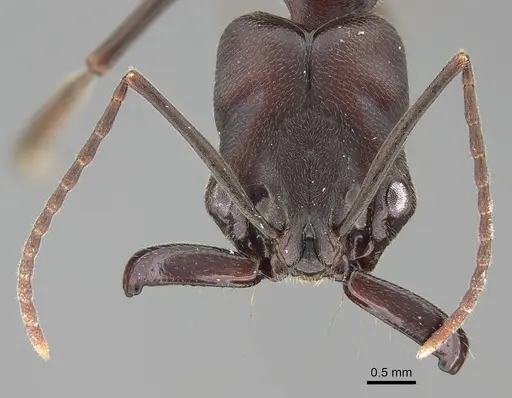
CASENT0821680
View on AntWeb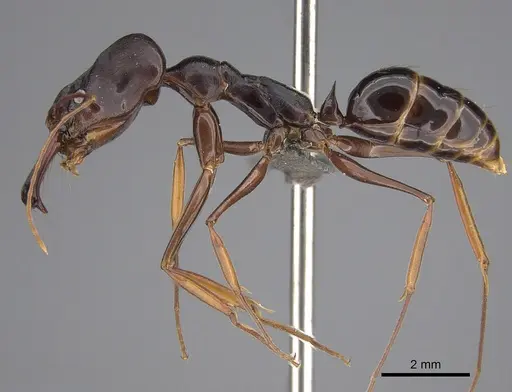
CASENT0822206
View on AntWeb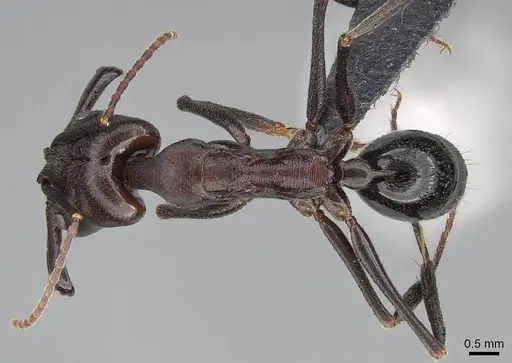
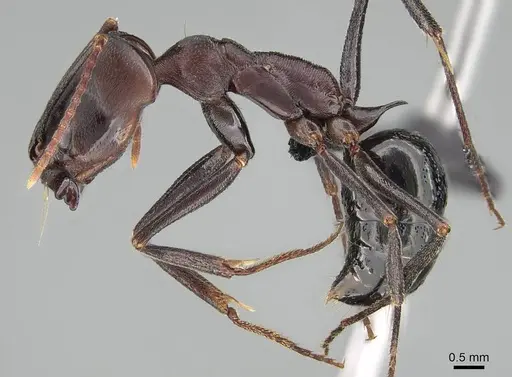
CASENT0900580
View on AntWeb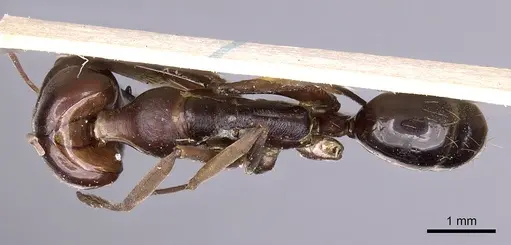
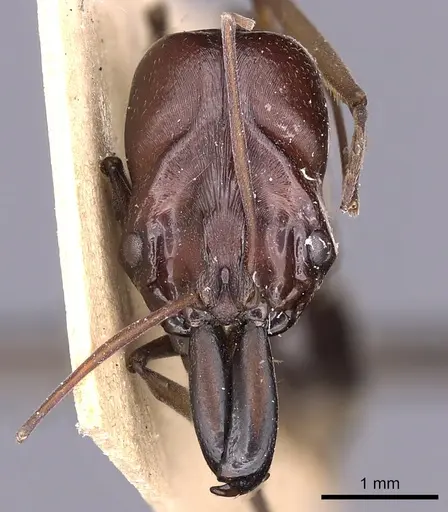
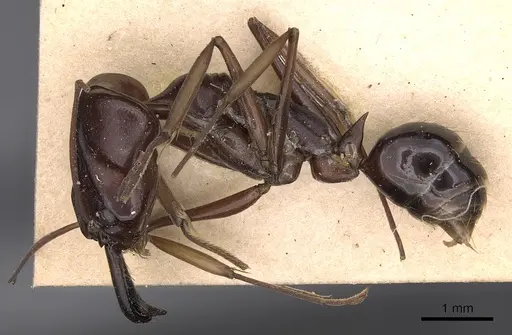
CASENT0904001
View on AntWeb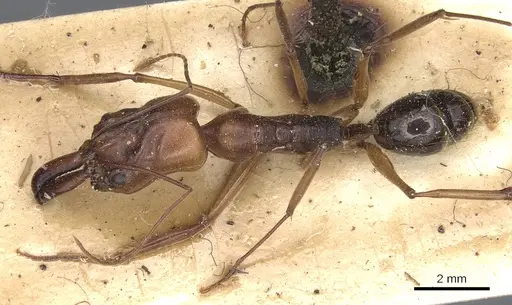
CASENT0907424
View on AntWeb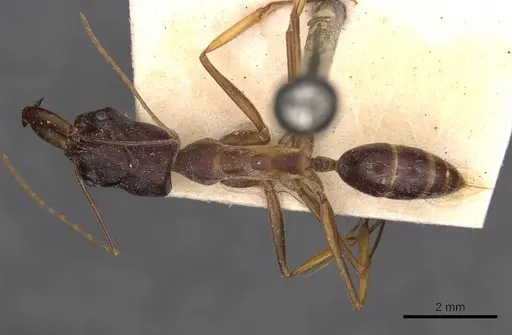
CASENT0913746
View on AntWeb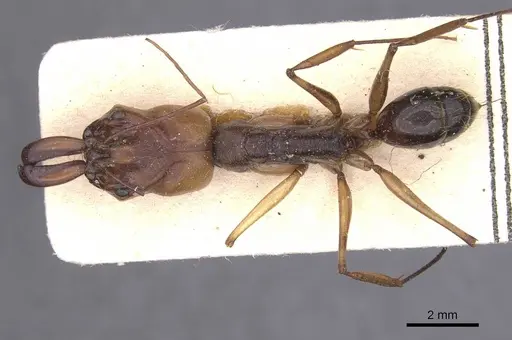
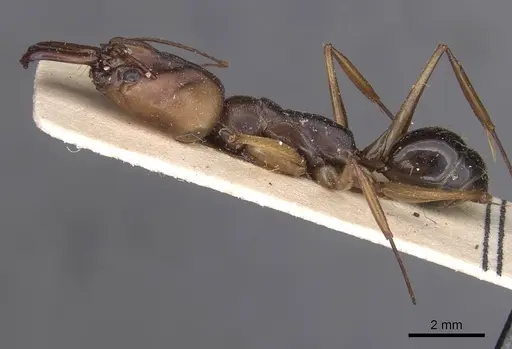
CASENT0915470
View on AntWeb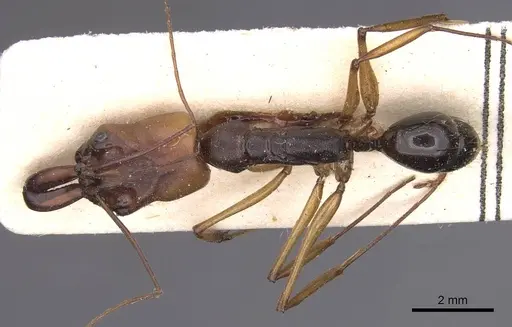
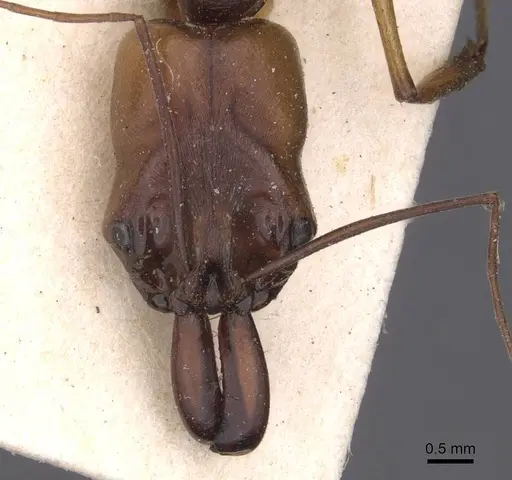
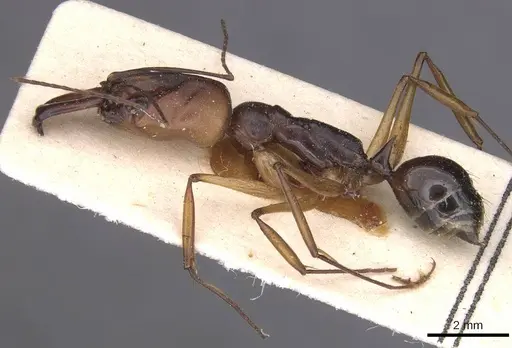
FOCOL1047
View on AntWeb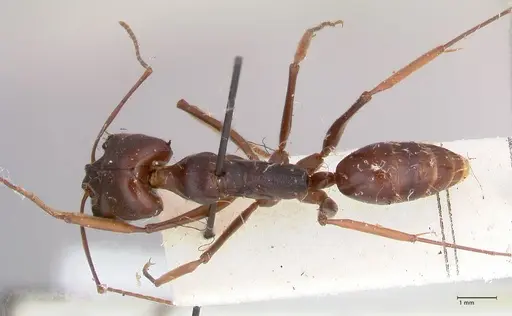
FOCOL1048
View on AntWeb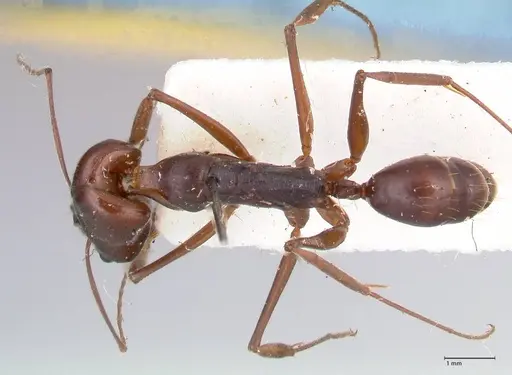
FOCOL2304
View on AntWeb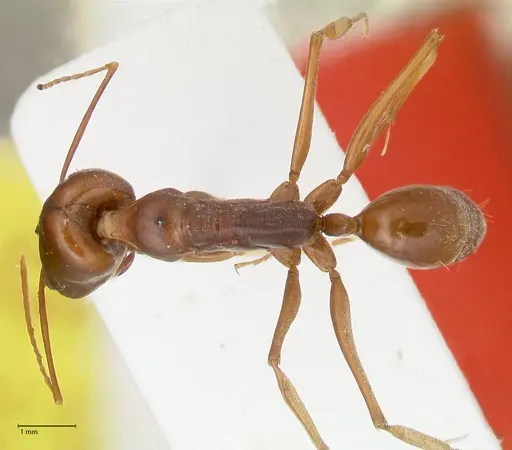
FOCOL2305
View on AntWeb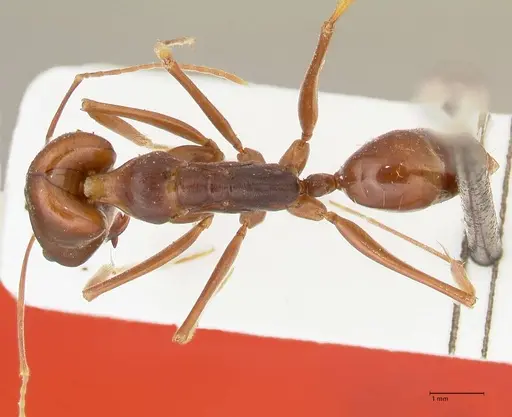
RMCAENT000017744
View on AntWeb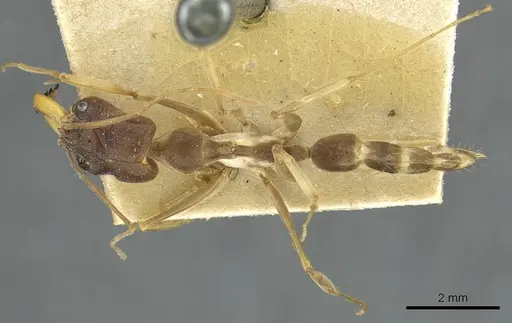
RMCAENT000017745
View on AntWeb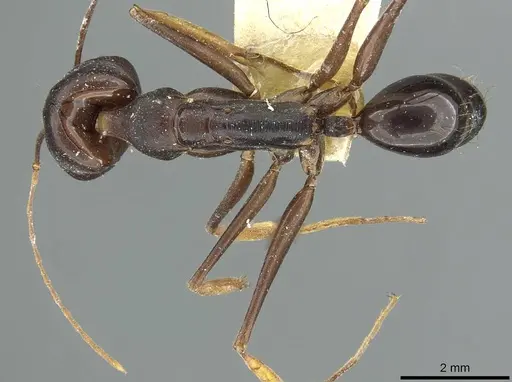
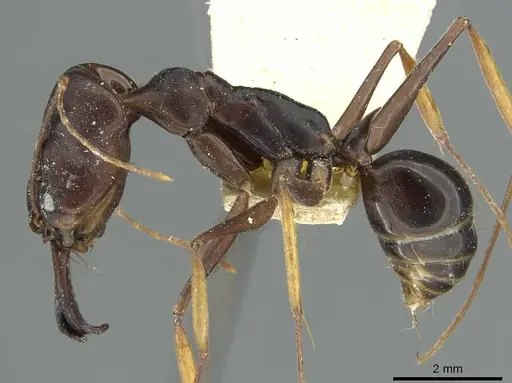
SAM-HYM-C002699A
View on AntWeb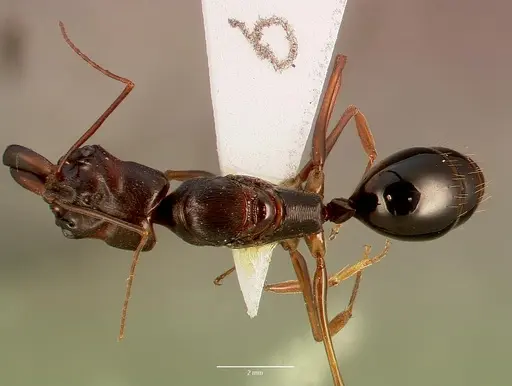
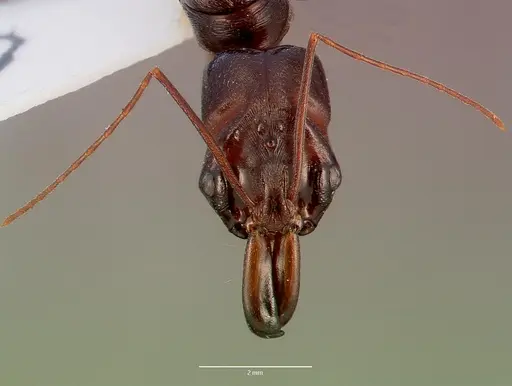
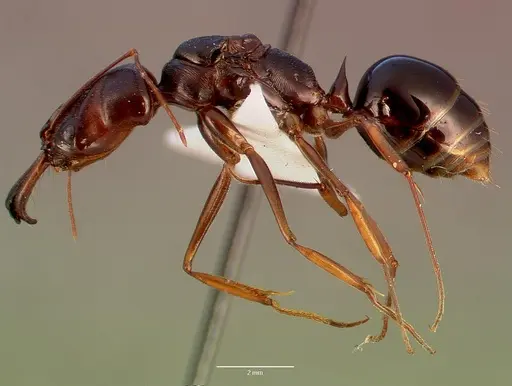
SAM-HYM-C002699B
View on AntWeb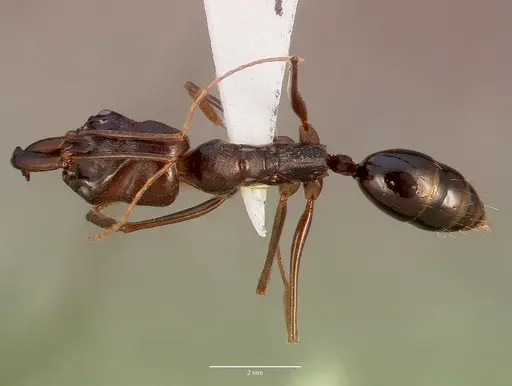
SAM-HYM-C005434A
View on AntWeb
Literature
Loading distribution map...Loading products...