
Odontomachus aciculatus
- Sci. Name
- Odontomachus aciculatus
- Tribe
- Ponerini
- Subfamily
- Ponerinae
- Author
- Smith, 1863
- Distribution
- Found in 3 countries
Introduction
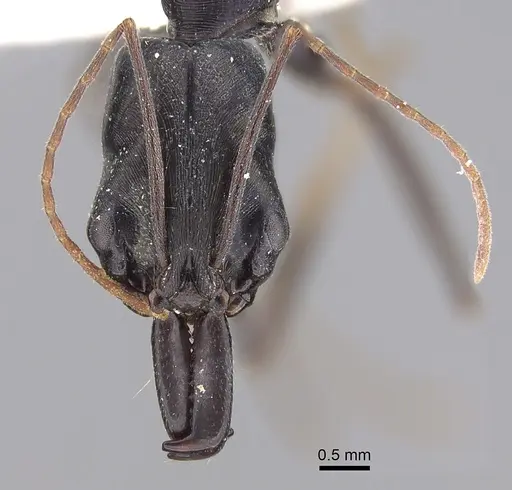
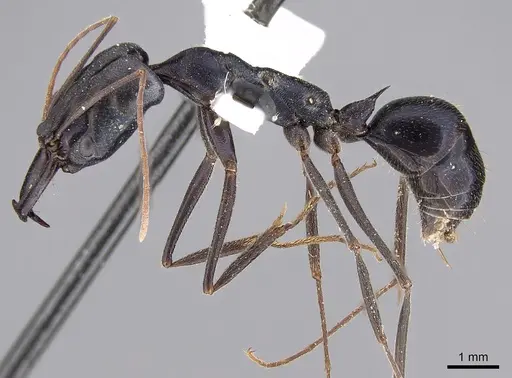
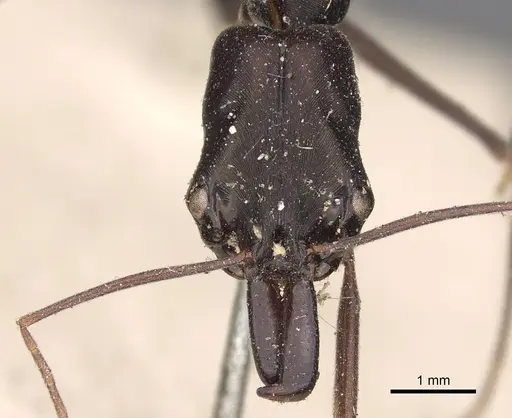
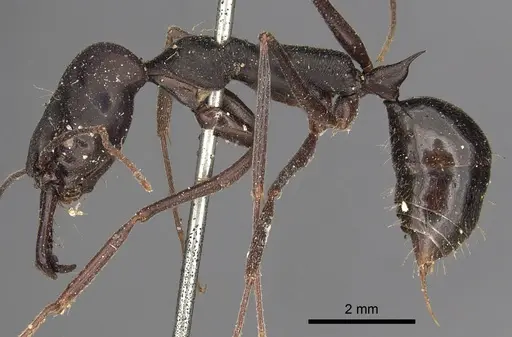
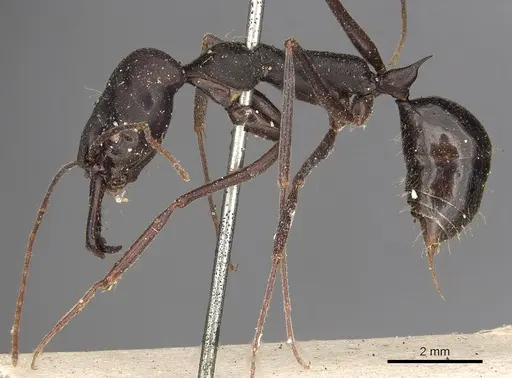
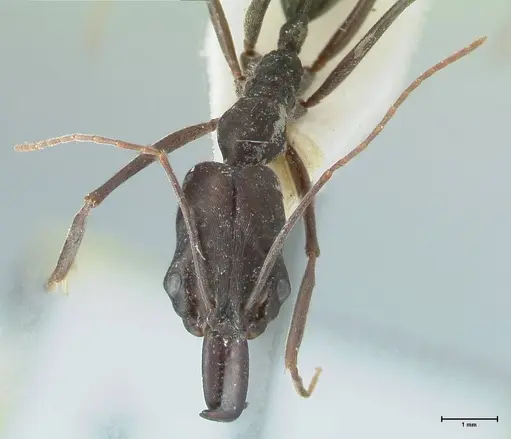
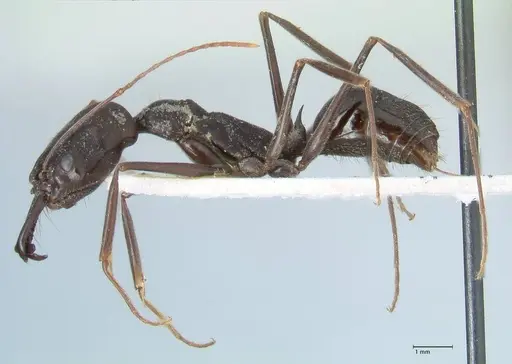
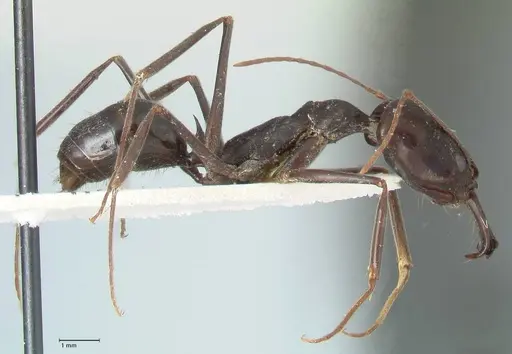
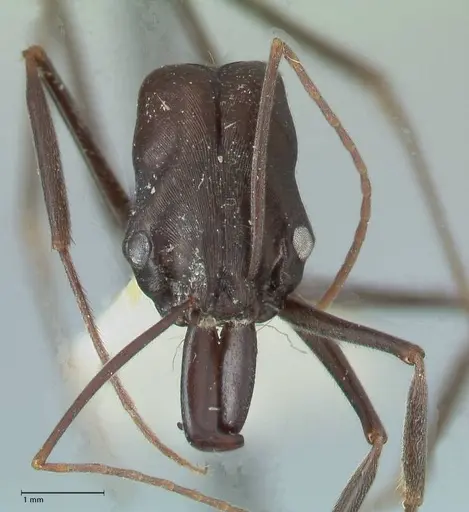
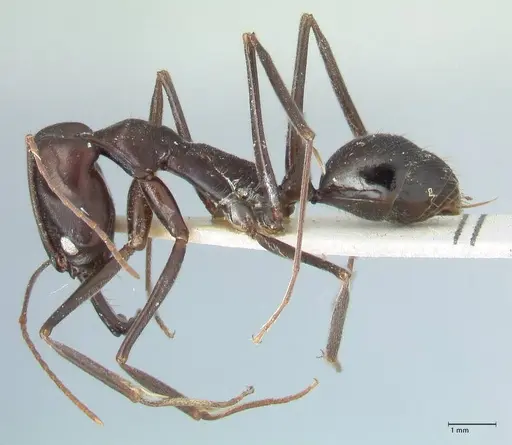
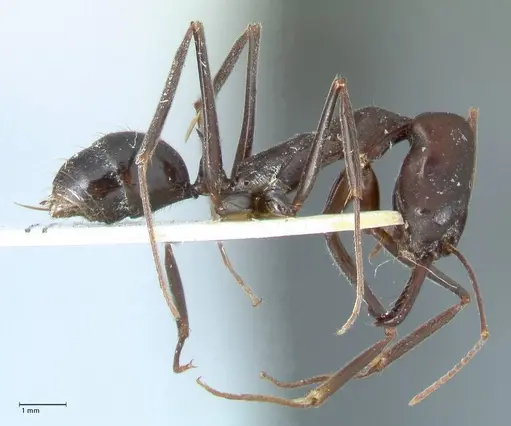
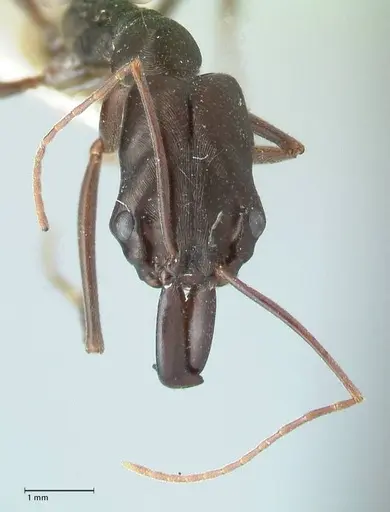
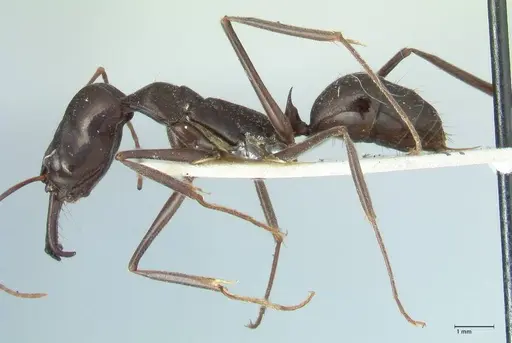
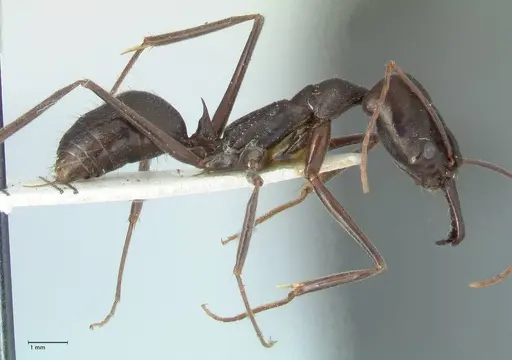
Odontomachus aciculatus is a trap-jaw ant species found in Indonesia and Papua New Guinea . Workers are about 12mm in length and have metallic coloration with bronze head and violet reflections . They belong to the Odontomachus ruficeps species group . This species uses its trap-jaw mandibles to capture prey and has a sting for defense, as is typical for Ponerinae ants.
Quick Summary
- Difficulty: Medium
- Origin & Habitat: Tropical Indonesia and Papua New Guinea, including Misool Island and Irian Jaya [1][2].
- Colony Type: Based on Odontomachus patterns, likely monogyne (single queen), but unconfirmed for this species.
- Size & Growth:
- Queen: Size data unavailable for queens, but inferred from Odontomachus genus to be larger than workers.
- Worker: 12mm [3]
- Colony: Up to several hundred workers, based on genus patterns.
- Growth: Moderate.
- Development: Estimated 6-10 weeks at optimal temperature. (Development time is inferred from related Odontomachus species.)
- Antkeeping:
- Temperature: Keep at 24-28°C, inferred from tropical habitat [1].
- Humidity: Maintain moderate to high humidity, inferred from tropical forest conditions [1].
- Diapause: No, as a tropical species from Indonesia and Papua New Guinea, they do not require hibernation.
- Nesting: Y-tong, plaster, or naturalistic nests are suitable, inferred from genus behavior.
- Behavior: Trap-jaw ants with powerful mandibles, predatory, moderately aggressive, with a sting.
- Common Issues: Temperature too low can slow development., Humidity issues can affect colony health., Escape prevention is important due to agile nature.
Housing and Nest Setup
Odontomachus aciculatus does well in Y-tong (AAC) nests, which provide tight chambers suited to their natural behavior [1]. Plaster nests with water reservoirs help maintain humidity. Provide a dark cover over the nest area. Use fluon barriers on edges to prevent escapes.
Feeding and Diet
As predatory trap-jaw ants, they need a protein-rich diet of small live insects like fruit flies or crickets. Offer dead prey by crushing it slightly for detection. Sugar sources are not primary but can be offered occasionally. Fresh water should always be available.
Temperature and Humidity
Keep the colony at 24-28°C for optimal activity, inferred from tropical habitat [1]. Humidity should be moderate to high, with substrate moist but not waterlogged. Mist the outworld occasionally and ensure clean water sources.
Colony Founding
Founding behavior is unconfirmed for this species. Based on Odontomachus patterns, queens may need to hunt for food during founding. Provide small live prey in a test tube and avoid disturbance. Development to first workers is estimated at 6-10 weeks.
Behavior and Defense
These ants have trap-jaw mandibles for capturing prey and a sting for defense. Workers are moderately aggressive and may sting if handled roughly. They are primarily nocturnal, so activity may increase in the evening.
Frequently Asked Questions
How long does it take for Odontomachus aciculatus to have first workers?
Estimated 6-10 weeks after queen lays eggs, based on tropical Ponerinae development patterns. Provide warm temperatures and regular feeding to support development.
Do Odontomachus aciculatus ants sting?
Yes, they can sting when threatened, similar to a bee sting. Use caution when handling them.
What do I feed Odontomachus aciculatus?
Feed small live insects like fruit flies or crickets. Dead prey can be offered by crushing it slightly. Sugar water may be accepted occasionally but is not primary.
Are Odontomachus aciculatus good for beginners?
They are rated medium difficulty due to specific needs like warm temperatures and regular feeding. Beginners may want to start with easier species.
What temperature do Odontomachus aciculatus need?
Keep at 24-28°C, inferred from tropical habitat [1]. Avoid prolonged temperatures below 22°C.
Can I keep multiple queens together?
This species is likely monogyne, so combining queens is not recommended. House founding queens separately.
How big do Odontomachus aciculatus colonies get?
Up to several hundred workers, based on genus patterns. Growth is moderate.
Do they need hibernation?
No, as a tropical species from Indonesia and Papua New Guinea, they do not require hibernation.
What size are Odontomachus aciculatus workers?
Workers are approximately 12mm in length [3]. Queens are likely larger, inferred from genus patterns.
When are Odontomachus aciculatus nuptial flights?
Nuptial flight timing is unknown for this species. In tropical regions, mating flights may occur year-round or during wet seasons.
Why is my colony dying?
Common causes include temperatures too low, humidity issues, insufficient protein, or mold from overfeeding. Check all parameters and ensure the queen is fed during founding.
What type of nest is best?
Y-tong (AAC) nests work well with tight chambers [1]. Plaster nests with water reservoirs help maintain humidity. Naturalistic setups with soil are also suitable.
Report an Issue
The current care sheet is based fully on literature. See inconsistencies, or something that's incorrect? Please , it will be resolved after review from an admin. Contributing to the blogs tab also helps providing information, to make us be able to further improve the caresheets. Thank you for your support!
References

This caresheet is licensed under CC BY-SA 4.0 .
Community Blogs
CASENT0281870
View on AntWeb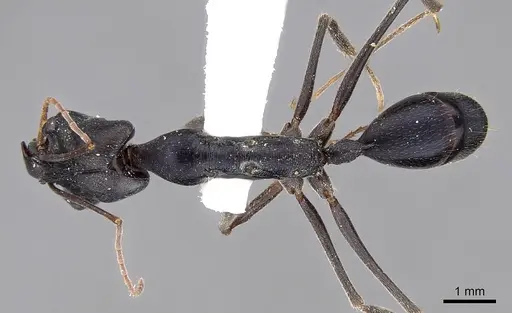
CASENT0901337
View on AntWeb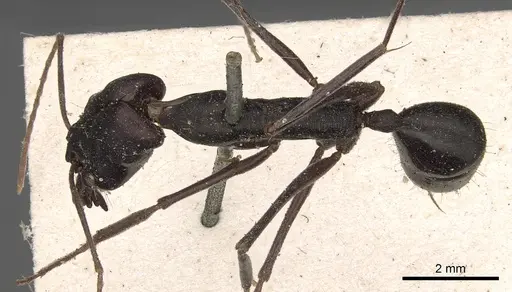
FOCOL1072
View on AntWeb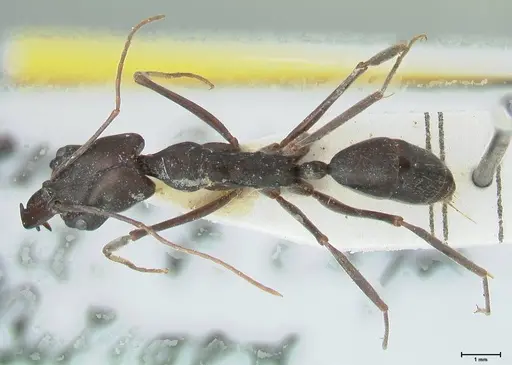
FOCOL1073
View on AntWeb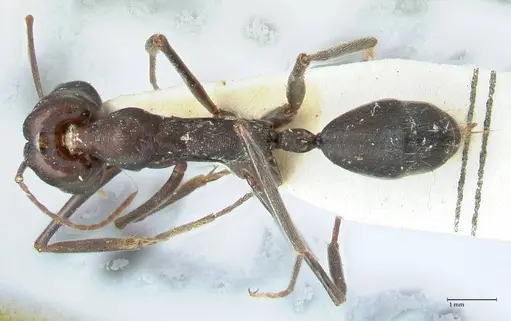
FOCOL1074
View on AntWeb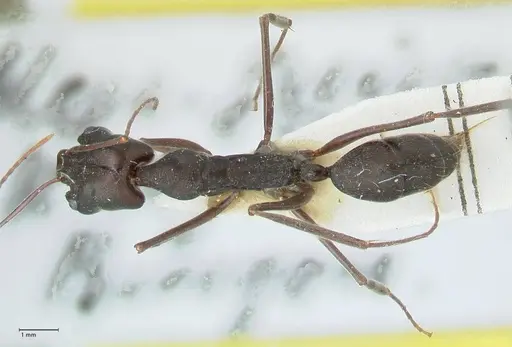
Literature
Loading distribution map...Loading products...