
Ocymyrmex resekhes
- Sci. Name
- Ocymyrmex resekhes
- Tribe
- Crematogastrini
- Subfamily
- Myrmicinae
- Author
- Bolton & Marsh, 1989
- Distribution
- Found in 3 countries
Introduction
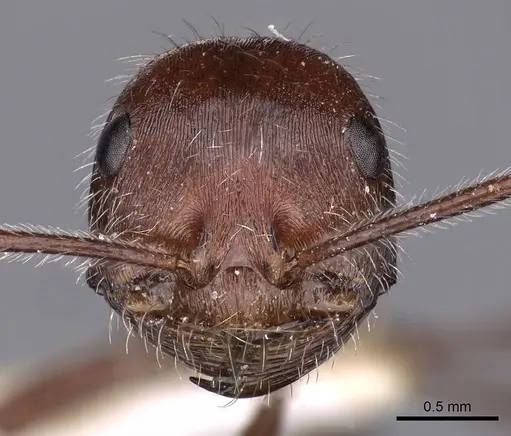
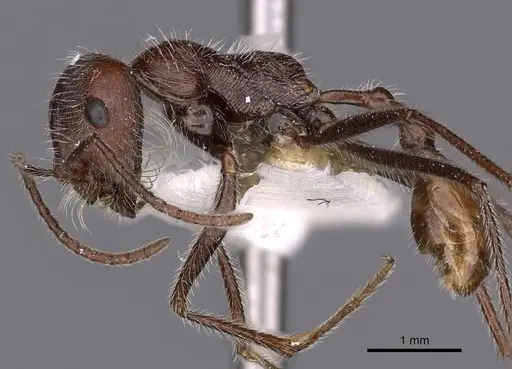
Ocymyrmex resekhes is a medium-sized ant native to the hot, arid regions of southern Africa, specifically Namibia and South Africa. Workers have a total length of 7.9-8.6mm , with dense, silky pilosity covering their dark reddish to orange body. This species is found in savannah habitats and is highly dominant, monopolizing food resources . Queens are robust, but size data is unconfirmed. These ants are fast runners, characteristic of the genus name 'Ocymyrmex', meaning 'swift ant' . They are adapted to thermophilic conditions, thriving in hot environments.
Quick Summary
- Difficulty: Medium
- Origin & Habitat: Native to the Afrotropical region, specifically Namibia and northern Cape Province, South Africa. Found in savannah habitat, primarily in the ground stratum [2].
- Colony Type: Colony structure is unconfirmed. Based on genus patterns, likely monogyne (single queen) colonies.
- Size & Growth:
- Queen: Approximately 8-9mm, inferred from worker size and Ocymyrmex genus patterns
- Worker: 7.9-8.6mm [1]
- Colony: Up to several hundred workers, estimated from related Ocymyrmex species
- Growth: Unknown, likely moderate based on genus patterns
- Development: Unconfirmed, estimated 6-10 weeks based on typical Myrmicinae development at warm temperatures (Development timeline has not been directly studied. Warmer temperatures within safe range may accelerate development.)
- Antkeeping:
- Temperature: Based on thermophilic nature, keep warm at 26-32°C. Use a heating cable to create a gradient [1].
- Humidity: Low to moderate, keep nest substrate consistently dry with minimal moisture, as these are desert-adapted ants [1].
- Diapause: No true diapause required, but a brief winter slowdown at 15-18°C for 4-6 weeks may be beneficial [1].
- Nesting: Preferred nest types include Y-tong (AAC) or plaster nests, kept dry and warm. Natural nesting is under stones in hot ground [1].
- Behavior: Highly aggressive and dominant, field studies show O. resekhes monopolizes 63% of food baits and has a behavioral dominance score of 39.3% [2]. Workers are fast-running and will vigorously defend the nest. Escape risk is moderate due to agility, use standard barriers.
- Common Issues: high temperature requirements may be difficult to maintain without heating equipment, aggressive temperament means handling requires caution, they will swarm if disturbed, dry habitat requirements mean overwatering can cause mold or stress, lack of documented care information may require trial and error
Temperature and Heating Requirements
Ocymyrmex resekhes is thermophilic, adapted to hot African conditions. Maintain nest temperatures between 26-32°C, using a heating cable on one side to create a gradient [1]. Room temperature alone is often insufficient, supplemental heating is recommended. Avoid temperatures above 35°C to prevent stress.
Housing and Nest Setup
Provide a warm, dry nest such as Y-tong (AAC) or plaster, avoiding acrylic nests. The nest should have chambers sized for the colony, with narrow connections for security. For the outworld, include a water feeder and protein dish. Ensure escape prevention with fluon barriers, as workers are agile [1].
Feeding and Diet
Based on dominance at food baits, this species is likely omnivorous with a focus on protein. Offer small insects like crickets or mealworms 2-3 times per week, and sugar sources like honey water. Provide constant fresh water and remove uneaten food to prevent mold [2].
Behavior and Colony Dynamics
Workers are fast runners and aggressively defend the nest, reflecting the genus name 'swift ant' [1]. Colonies are likely led by a single queen, but this is unconfirmed. Observe temperature preferences, if workers avoid heat, reduce temperature, if they cluster, increase within safe range.
Seasonal Care and Winter Period
As a hot-climate species, no true hibernation is needed. A brief winter slowdown at 15-18°C for 4-6 weeks may mimic natural cycles, but many keepers maintain warm conditions year-round [1]. Feed minimally during cooler periods.
Frequently Asked Questions
How long does it take for Ocymyrmex resekhes to have first workers?
The exact timeline is unconfirmed, but based on typical Myrmicinae development, expect first workers in approximately 6-10 weeks at warm temperatures [1].
What temperature do Ocymyrmex resekhes ants need?
Keep them warm at 26-32°C, using a heating cable for a gradient [1].
Are Ocymyrmex resekhes good for beginners?
This species is rated Medium difficulty due to high temperature needs and aggressive behavior. Beginners should start with easier species [1].
Do Ocymyrmex resekhes ants sting?
Ocymyrmex ants have a smear defense mechanism typical of Myrmicinae, using a modified stinger to wipe venom. They will defend vigorously if threatened [1].
How big do Ocymyrmex resekhes colonies get?
Colonies likely reach up to several hundred workers, based on related species [1].
What do Ocymyrmex resekhes eat?
They are omnivorous but focus on protein, such as small insects. Offer sugar sources like honey water [2].
Can I keep multiple Ocymyrmex resekhes queens together?
Colony structure is unconfirmed, based on genus patterns, they likely form single-queen colonies. Combining queens is not recommended without evidence [1].
Do Ocymyrmex resekhes need hibernation?
No true hibernation is required, but a brief winter slowdown may be beneficial [1].
Why is my Ocymyrmex resekhes colony dying?
Common causes include temperatures too low, excessive humidity causing mold, or overfeeding. Ensure warm, dry conditions and minimal disturbance [1].
When should I move Ocymyrmex resekhes to a formicarium?
Move when the colony has around 30-50 workers and the test tube is cramped. Use a nest that maintains warm, dry conditions [1].
Report an Issue
The current care sheet is based fully on literature. See inconsistencies, or something that's incorrect? Please , it will be resolved after review from an admin. Contributing to the blogs tab also helps providing information, to make us be able to further improve the caresheets. Thank you for your support!
References

This caresheet is licensed under CC BY-SA 4.0 .
Community Blogs
CASENT0812262
View on AntWeb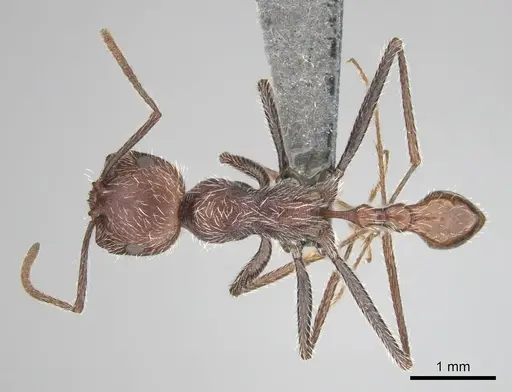
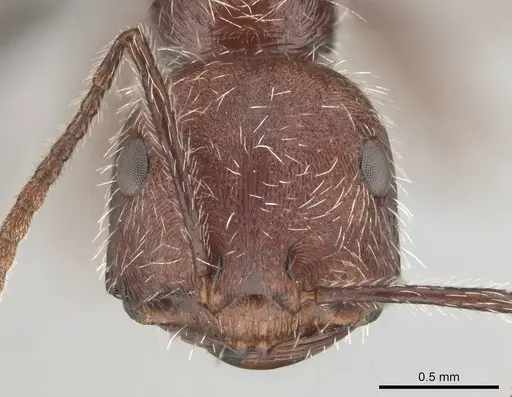
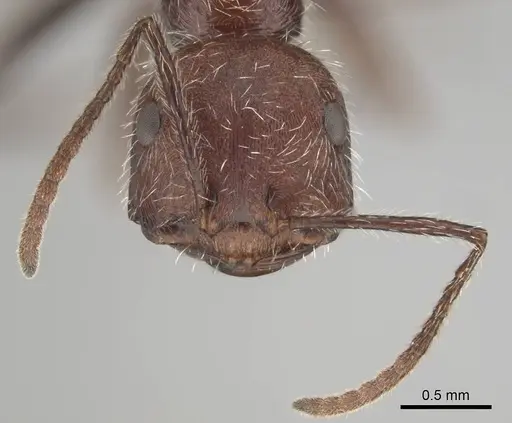
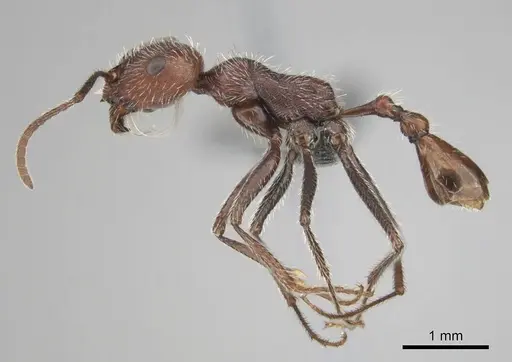
CASENT0900411
View on AntWeb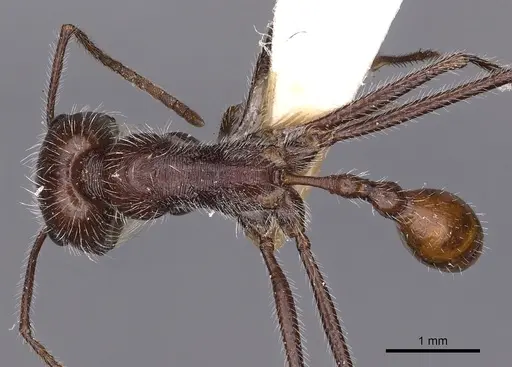
Literature
Loading distribution map...Loading products...