
Octostruma wheeleri
- Sci. Name
- Octostruma wheeleri
- Tribe
- Attini
- Subfamily
- Myrmicinae
- Author
- Mann, 1922
- Distribution
- Found in 5 countries
Introduction
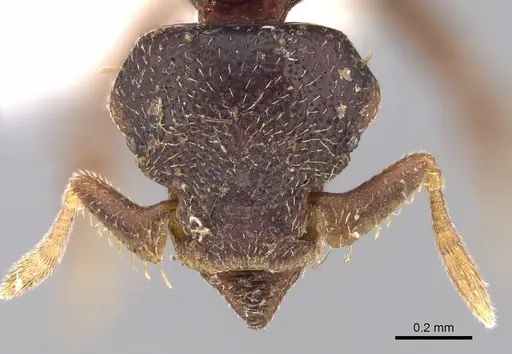
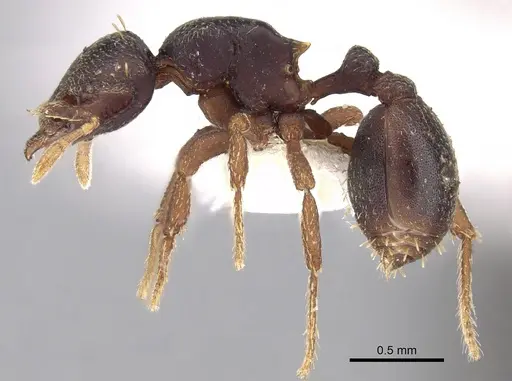
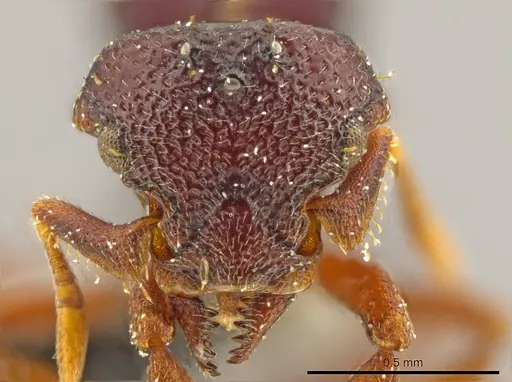
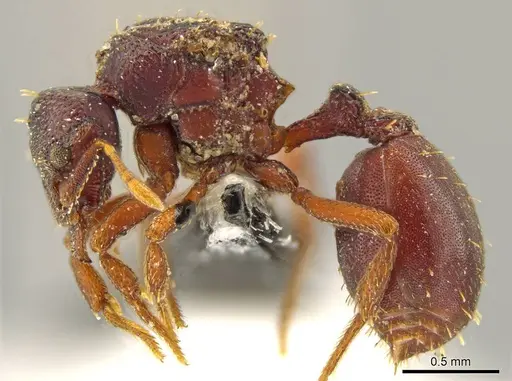
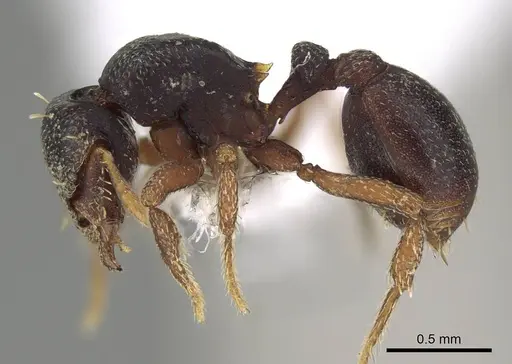
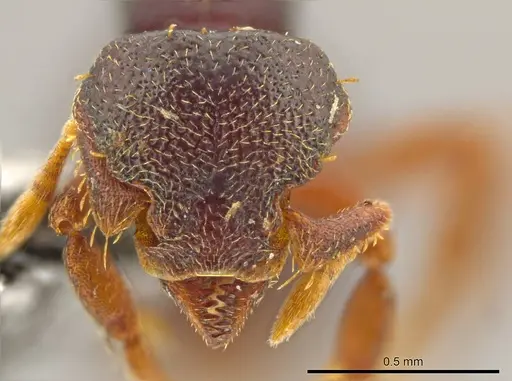
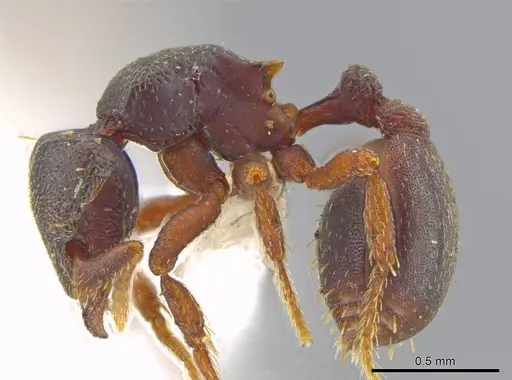
Octostruma wheeleri is a tiny leaf-litter ant native to the Neotropics, ranging from Mexico through Central America to Colombia. Workers are very small, with a distinctive dark brown coloration and specialized erect clavate hairs on their face . These ants live exclusively in sifted leaf litter from lowland rainforest floors . This species has a parapatric relationship with Octostruma triangulabrum, with O. wheeleri occupying lower elevations below 600m .
Quick Summary
- Difficulty: Hard
- Origin & Habitat: Lowland rainforest and seasonal moist forest in Central America (Mexico to Panama), with highest abundance below 600m elevation. They live exclusively in leaf litter on the rainforest floor [1][2].
- Colony Type: Colony structure is not well documented. Based on related ants, they likely form small colonies with a single queen. Queens have only recently been described and associated with workers [1].
- Size & Growth:
- Queen: Size data unavailable
- Worker: Size data unavailable
- Colony: Unknown, typical for leaf-litter ants
- Growth: Unknown
- Development: Unknown, based on typical Myrmicinae patterns, estimate 6-10 weeks at optimal temperature [3]. (Development timeline has not been directly studied. Maintain warm and humid conditions for best results.)
- Antkeeping:
- Temperature: Keep around 24-28°C. These are lowland tropical ants that prefer warm, stable conditions [1].
- Humidity: Keep the nest substrate consistently moist but not waterlogged, like a rainforest floor [3].
- Diapause: No, as a lowland tropical species, they do not require hibernation [1].
- Nesting: Provide a naturalistic setup with moist leaf litter in a Y-tong or plaster nest with small chambers [1].
- Behavior: These ants are cryptic and reclusive. Workers are tiny and slow-moving. They have a sting based on their subfamily, but it is less medically significant. Escape prevention is critical due to their minute size [1].
- Common Issues: escape prevention is critical due to their tiny size, as they can slip through standard barriers, drying out is the biggest risk, as these rainforest ants need constant moisture, slow growth and small colonies mean development can stall if conditions are not perfect, wild-caught colonies may be difficult to establish due to sensitivity to habitat changes
Housing and Nest Setup
Octostruma wheeleri requires a setup that mimics their natural leaf-litter habitat. Workers are tiny, so standard formicarium chambers are too large. Use a Y-tong nest with small chambers or a shallow container with moist leaf litter [1]. Provide many small crevices and damp surfaces. Escape prevention must be excellent, use fluon on all edges and consider fine mesh wrapping [1].
Temperature and Humidity
As lowland rainforest ants, they need warm and humid conditions year-round. Keep temperatures stable around 24-28°C [1]. Humidity is critical, keep the nest substrate consistently moist, like a rainforest floor [3]. Mist regularly but avoid standing water.
Feeding and Diet
These ants are generalist foragers. In captivity, offer small live prey like springtails and fruit flies [1]. Sugar sources may be accepted but are not primary. Feed small amounts and remove uneaten prey to prevent mold.
Colony Establishment
Establishing colonies is challenging due to their cryptic nature. If obtained, keep founding colonies in darkness with minimal disturbance [1]. Wait weeks before inspection. Maintain perfect humidity and temperature from day one.
Behavior and Temperament
Workers are cryptic and slow-moving, spending time hidden in substrate [1]. They are not aggressive but have a sting based on subfamily. Watch for workers carrying prey back to the nest.
Frequently Asked Questions
How long does it take for Octostruma wheeleri to produce first workers?
The exact timeline is unknown, but based on typical Myrmicinae patterns, expect 6-10 weeks from founding to first workers [3].
Can I keep Octostruma wheeleri in a test tube setup?
Standard test tubes are too large and dry. A naturalistic setup with moist leaf litter works best [1].
What do Octostruma wheeleri eat?
They are generalist foragers that hunt tiny arthropods. In captivity, feed small live prey like springtails and fruit flies [1].
Are Octostruma wheeleri good for beginners?
No, they are challenging due to tiny size, high humidity needs, and cryptic behavior. Best for experienced keepers.
How big do Octostruma wheeleri colonies get?
Colony size is unknown but likely small, typical for leaf-litter ants [1].
Do Octostruma wheeleri need hibernation?
No, as lowland tropical ants, they do not require hibernation [1].
Why are my Octostruma wheeleri dying?
Most likely causes are drying out, temperature issues, or escape due to their tiny size. Check humidity first.
When should I move Octostruma wheeleri to a formicarium?
They do best in naturalistic setups with leaf litter. If using a formicarium, wait until the colony has active foragers [1].
Can I keep multiple Octostruma wheeleri queens together?
This has not been studied. Based on related species, they are likely single-queen colonies. Do not combine unrelated queens.
Report an Issue
The current care sheet is based fully on literature. See inconsistencies, or something that's incorrect? Please , it will be resolved after review from an admin. Contributing to the blogs tab also helps providing information, to make us be able to further improve the caresheets. Thank you for your support!
References

This caresheet is licensed under CC BY-SA 4.0 .
Community Blogs
CASENT0280764
View on AntWeb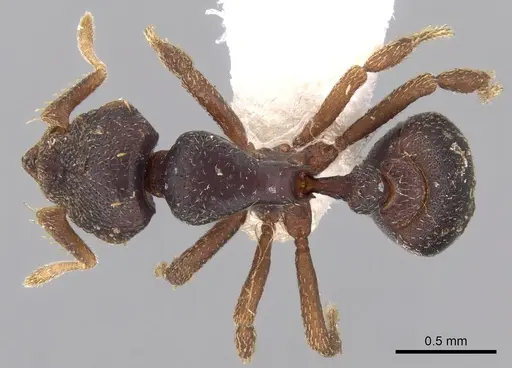
CASENT0627351
View on AntWeb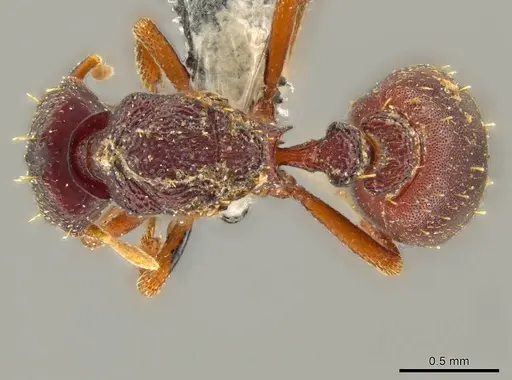
CASENT0914918
View on AntWeb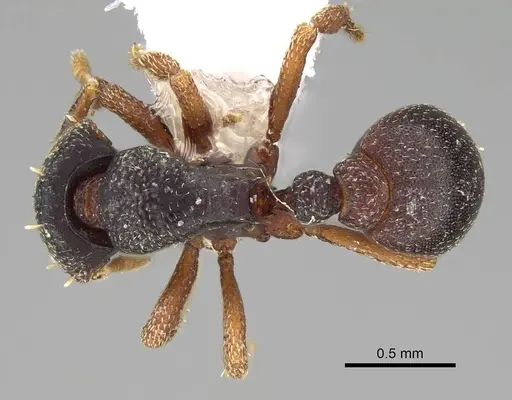
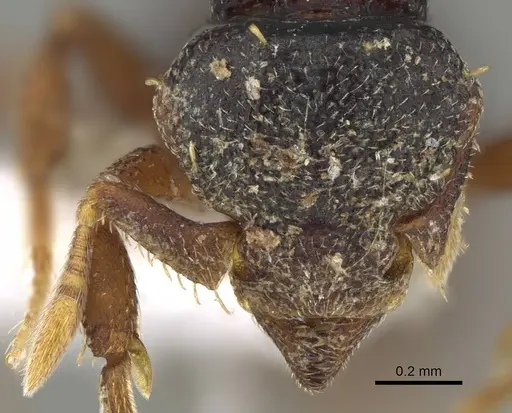
JTLC000010028
View on AntWeb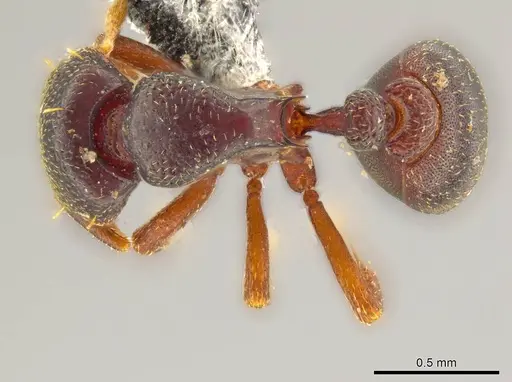
Literature
Loading distribution map...Loading products...