
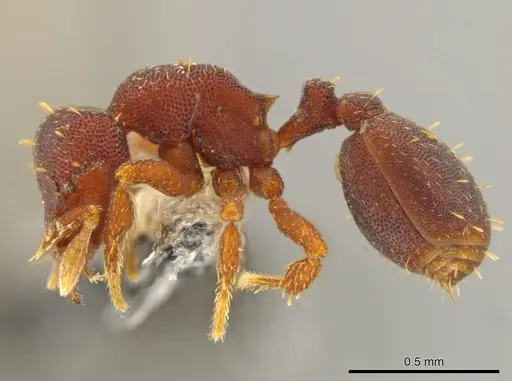
Octostruma trithrix
- Sci. Name
- Octostruma trithrix
- Tribe
- Attini
- Subfamily
- Myrmicinae
- Author
- Longino, 2013
- Distribution
- Found in 4 countries
Introduction
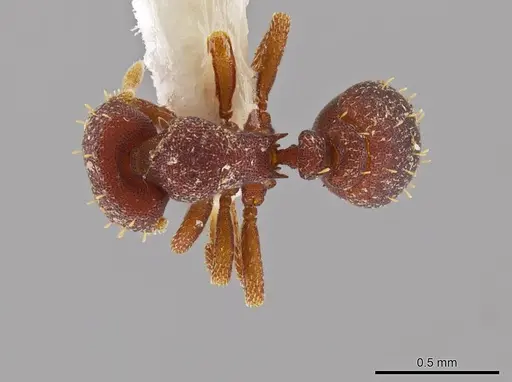
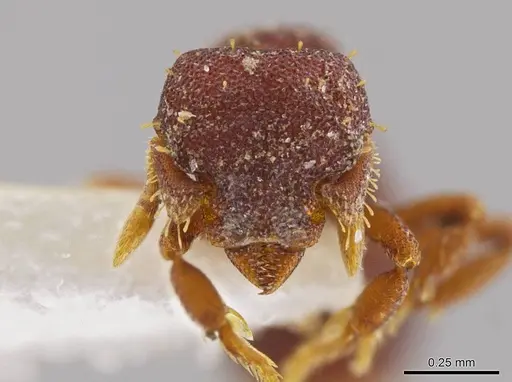
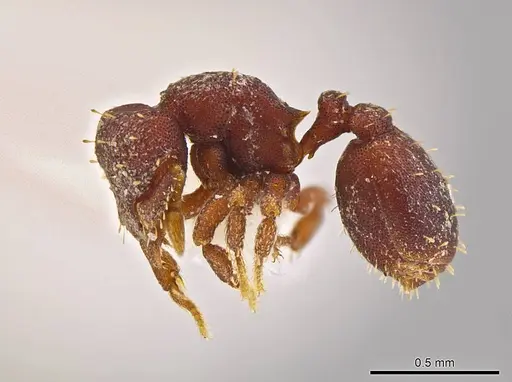
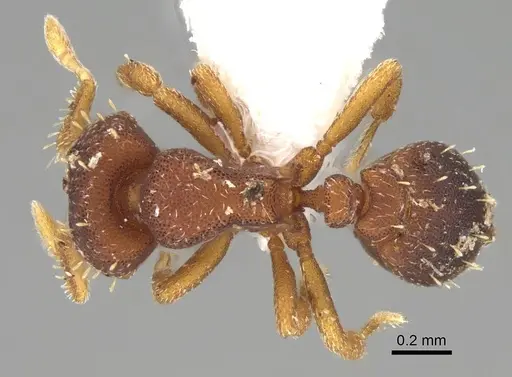
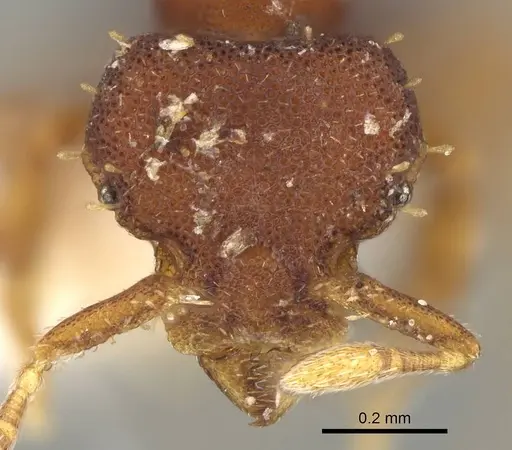
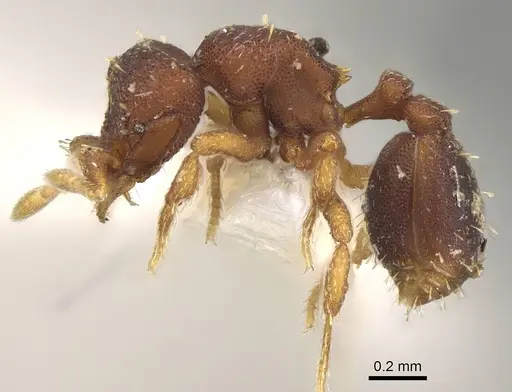
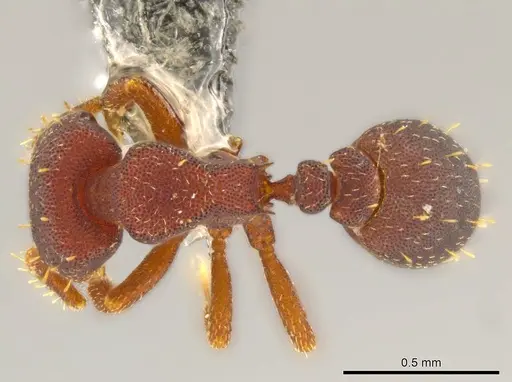
Octostruma trithrix is a tiny leaf-litter ant native to Central America, ranging from northern Mexico to Honduras. Workers are very small, though exact body size data is unavailable. They inhabit forest floors in wet to seasonal dry forests, from sea level up to 1200m elevation in cloud forest areas. The genus Octostruma belongs to the tribe Attini. Almost all collections come from sifted leaf litter and rotting wood on the forest floor . What makes O. trithrix interesting is that dealate queens are often found living alongside workers in litter samples. This suggests a high density of small colonies in their natural habitat. Within-sample abundance is typically tens of workers or fewer, indicating these ants form very small, localized groups .
Quick Summary
- Difficulty: Hard
- Origin & Habitat: Central America: northern Mexico (Nuevo Leon) to Honduras. Found in wet to seasonal dry forests, second growth to mature forest, from sea level to 700m in southern range and up to 1200m in cloud forest in the north. Lives in sifted leaf litter and rotting wood on the forest floor [1][2].
- Colony Type: Small colonies with dealate queens found living with workers in litter samples. Colony structure appears to be small, with queens often found alongside workers. Colonies contain up to tens of workers [1].
- Size & Growth:
- Queen: size data unavailable
- Worker: size data unavailable
- Colony: Up to tens of workers [1]
- Growth: Slow, small colony size suggests slow development
- Development: Unknown, no direct data available (Development timeline has not been studied. Based on similar small leaf-litter Myrmicinae, expect 2-4 months at optimal temperature. Small colony size means growth will be slow.)
- Antkeeping:
- Temperature: Keep at 22-26°C. These are lowland to montane forest ants that prefer stable, warm, humid conditions. Avoid temperature extremes.
- Humidity: High humidity is essential, these ants live in leaf litter on the forest floor where conditions are constantly moist. Keep substrate consistently damp but not waterlogged. A well-sealed nest with minimal ventilation helps maintain humidity.
- Diapause: Unknown, being a tropical/subtropical species, they likely do not require hibernation, but specific data is unavailable. Maintain consistent temperatures year-round.
- Nesting: These tiny ants live in leaf litter and rotting wood in nature. In captivity, they do well in small test tube setups with tight chambers, or small plaster, soil, or 3D-printed nests designed for tiny species. The key is small chambers scaled to their minute size, they cannot navigate large open spaces. Provide damp substrate (soil or plaster) that stays consistently moist.
- Behavior: Octostruma trithrix is a secretive, slow-moving leaf-litter ant. They hunt small arthropods in the litter layer. Workers are non-aggressive and will flee rather than engage threats. Escape prevention is critical, at under 1mm, they can squeeze through the tiniest gaps. They possess a functional stinger, though it is less medically significant to humans than fire ants. Activity level is low, they spend most of their time foraging in the substrate.
- Common Issues: escape prevention is critical, their tiny size means they can slip through standard barrier setups, small colony size makes them vulnerable to stress, avoid disturbing the nest frequently, dietary habits are not explicitly detailed in research, but they likely require small live prey based on their litter habitat, high humidity requirements can lead to mold issues if ventilation is poor, slow growth and small colony size may frustrate keepers expecting rapid expansion
Housing and Nest Setup
Octostruma trithrix requires housing scaled to their minute size. Workers are very small, though exact body size data is unavailable. Standard test tubes work but must have cotton packed tightly, standard gaps that are harmless to larger ants become escape routes for these tiny ants. Better options include small plaster, soil, or 3D-printed nests that can maintain humidity. The key principle is tight spaces: chambers should be small and narrow, passages narrow, and any gaps in the setup must be sealed with cotton, fluon, or other barriers. These ants cannot navigate large open areas effectively. Place the nest in a dark area with minimal disturbance, they are secretive forest-floor dwellers that prefer darkness and quiet. [1]
Feeding and Diet
As leaf-litter ants, Octostruma trithrix likely requires a diet based on small prey, though specific dietary habits are not explicitly detailed in the research. They hunt small arthropods in the litter layer. In captivity, you should offer small live prey like springtails, tiny mites, or other micro-arthropods small enough for them to tackle. Fruit flies (Drosophila) can work for slightly larger colonies. They may ignore sugar water or honey, as their metabolism is tuned for protein-rich prey. Feed small prey items every few days, removing uneaten prey after 24-48 hours to prevent mold. A well-fed colony will have workers that appear active and foragers that venture out regularly. Protein is likely essential. [1]
Temperature and Humidity
These ants come from lowland to montane Central American forests where conditions are warm and humid year-round. Maintain temperatures between 22-26°C, avoid temperatures below 20°C or above 30°C. Room temperature in most homes falls within this range, but monitor during winter or summer extremes. Humidity is the more critical factor. In nature, they live in constantly moist leaf litter on the forest floor. Keep the nest substrate consistently damp but not submerged in water. A water reservoir connected to the nest (like a test tube water reservoir) helps maintain humidity through evaporation. Avoid placing the nest near heating elements or in direct sunlight, as this dries out the setup. Signs of improper humidity include workers clustering at the edges of the nest (too dry) or mold growth (too wet). [1][2]
Behavior and Colony Dynamics
Octostruma trithrix colonies remain small throughout their life, typically up to tens of workers even in mature colonies. This is normal for the species, not a sign of poor care. Colonies appear to have queens found living alongside workers in the litter layer. Workers are slow-moving and secretive, spending most of their time in the substrate rather than out in the open. They are not aggressive and will not defend the nest vigorously, their survival strategy is concealment rather than confrontation. You may rarely see foragers unless you provide a shallow foraging area with litter material. The ants possess a functional stinger, though it is less medically significant to humans than fire ants. Expect slow, steady growth rather than the rapid expansion seen in larger species. Patience is key, a healthy colony might only add a few workers per month. [1]
Escape Prevention
Escape prevention is the most critical practical concern when keeping O. trithrix. At under 1mm, workers are tiny enough to slip through gaps that seem completely sealed to larger ants. Standard cotton plugs in test tubes may need to be packed very tightly or replaced with fine mesh. If using formicarium barriers, apply fluon (insect barrier) to all edges and rims. Check all connection points between the nest and outworld. Even small gaps around tubing connections can allow escapes. The good news is that their slow movement means escaped ants are usually easy to spot and recapture, they cannot run rapidly like larger ants. However, they can hide in substrate, furniture, or small crevices, so prevention is far easier than recapture.
Frequently Asked Questions
How long does it take for Octostruma trithrix to produce first workers?
The exact development timeline has not been studied for this species. Based on similar small leaf-litter Myrmicinae, expect 2-4 months from founding to first workers. Growth will be slow, these ants naturally have small colonies, so don't expect rapid expansion.
Can I keep Octostruma trithrix in a test tube?
Yes, test tubes work well for this species, but you must pack the cotton very tightly, their tiny size means standard cotton plugs may not prevent escapes. Consider using fine mesh over the cotton as an extra barrier.
What do Octostruma trithrix eat?
Dietary habits are not explicitly detailed in the research, but they likely consume small live prey based on their litter habitat. Feed them springtails, tiny mites, or fruit flies. They are unlikely to accept sugar water or honey, their diet is likely primarily protein from small arthropods.
How big do Octostruma trithrix colonies get?
Colonies remain small, typically up to tens of workers even in mature colonies. This is normal for the species, not a sign of problems.
Do Octostruma trithrix need hibernation?
Unknown, they are a tropical/subtropical species from Central America and likely do not require hibernation. Keep them at consistent warm temperatures year-round.
Are Octostruma trithrix good for beginners?
No, they are considered difficult to keep. Their tiny size, specific humidity needs, and slow growth make them better suited for experienced antkeepers who can provide the specialized care they require.
Why are my Octostruma trithrix escaping?
Their tiny size allows them to slip through gaps that seem sealed to larger ants. Check all cotton plugs, mesh barriers, and connection points. Pack cotton tightly or add fine mesh barriers. Apply fluon to rim edges.
Can I keep multiple Octostruma trithrix queens together?
Queens are found living alongside workers in litter samples, which suggests they may tolerate multiple queens or at least that queens do not immediately disappear after mating. However, introducing unrelated queens to an established colony may still result in aggression.
When should I move Octostruma trithrix to a formicarium?
Given their tiny size and need for high humidity, keeping them in a modified test tube setup long-term is often better than moving to a larger formicarium. If you do move them, use a small plaster, soil, or 3D-printed nest with appropriately sized chambers.
Report an Issue
The current care sheet is based fully on literature. See inconsistencies, or something that's incorrect? Please , it will be resolved after review from an admin. Contributing to the blogs tab also helps providing information, to make us be able to further improve the caresheets. Thank you for your support!
References

This caresheet is licensed under CC BY-SA 4.0 .
Community Blogs
Literature
Loading distribution map...Loading products...