
Octostruma stenoscapa
- Sci. Name
- Octostruma stenoscapa
- Tribe
- Attini
- Subfamily
- Myrmicinae
- Author
- Palacio, 1997
- Distribution
- Found in 3 countries
Introduction
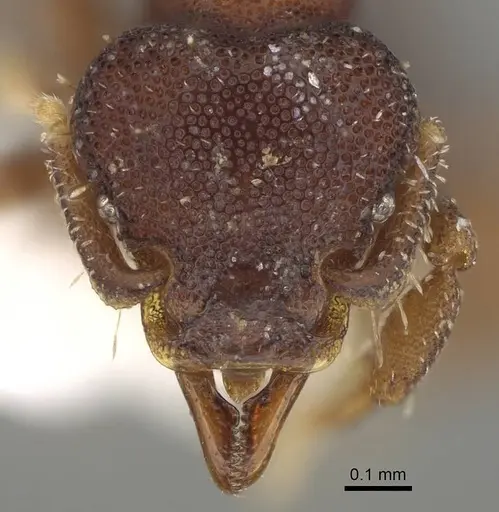
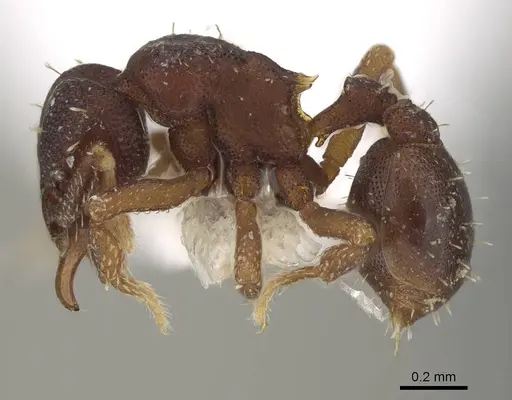
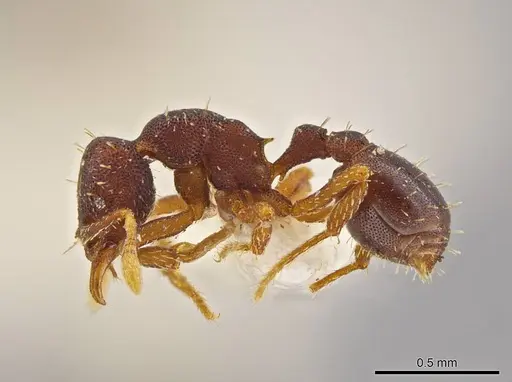
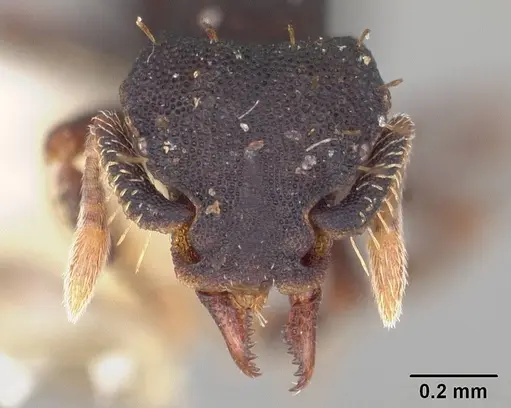
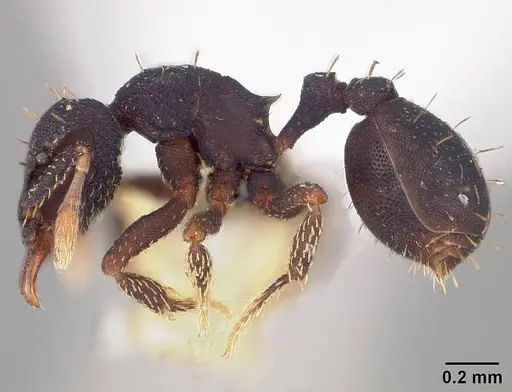
Octostruma stenoscapa is a tiny ant found in Central and South America, from Panama through Colombia to Ecuador . It inhabits lowland rainforests, second growth forests, and cloud forests at elevations from sea level to 1600 meters . This species is distinguished by its mandibles, which are similar to those of Basiceros, unlike other Octostruma species .
Quick Summary
- Difficulty: Hard
- Origin & Habitat: Central Panama to Ecuador, found in lowland rainforest, second growth forest, and cloud forest at elevations 0-1600m [1]. Also recorded in Antioquia, Meta, and Valle del Cauca in Colombia [2][3].
- Colony Type: Colony structure is unconfirmed.
- Size & Growth:
- Queen: Size data unavailable
- Worker: Size data unavailable
- Colony: Unknown, only a few individuals have been collected in studies [4]
- Growth: Unknown
- Development: Approximately 8-12 weeks (inferred from similar small Myrmicinae) (Development is likely temperature-dependent, no direct data available.)
- Antkeeping:
- Temperature: Keep warm, roughly 22-26°C, based on their tropical habitat [1].
- Humidity: Keep the nest substrate consistently moist but not waterlogged, as they come from humid forests [1].
- Diapause: No, as a tropical species, they do not require hibernation. Keep temperatures stable year-round [1].
- Nesting: They prefer small, dark, humid spaces. Test tube setups or small nests with moist substrate work well. Evidence tier: inferred from habitat.
- Behavior: Octostruma stenoscapa is shy and secretive, foraging slowly through leaf litter. They are specialized predators using their mandibles to capture small prey. Workers are non-aggressive and flee rather than fight. Escape prevention is critical due to their tiny size [1].
- Common Issues: escape prevention is critical, their tiny size means they can slip through standard barrier setups, high humidity requirements can lead to mold problems if ventilation is poor, they are rarely kept in captivity so established care protocols don't exist, slow growth and small colony sizes make them difficult to maintain, wild-caught colonies may be stressed and fail to adapt to captive conditions
Housing and Setup
Because of their extremely small size, Octostruma stenoscapa requires careful housing. Test tube setups work well, use a small test tube with a water reservoir that keeps the cotton consistently moist. The chamber should be dark, as these ants prefer dim conditions. A naturalistic setup with a layer of moist forest soil and leaf litter can mimic their natural habitat [1]. Ensure there are no gaps larger than 0.3mm to prevent escapes.
Feeding and Diet
Octostruma stenoscapa is a specialized predator. In the wild, they likely hunt small soil micro-arthropods like springtails and mites. In captivity, offer live micro-prey such as springtails, tiny isopods, and fruit fly larvae. Feed small amounts every 2-3 days, removing uneaten prey to prevent mold. Sugar sources are unlikely to be accepted.
Temperature and Humidity
Maintain temperatures between 22-26°C, with a gentle gradient if possible. Humidity is critical, keep the substrate consistently moist but not waterlogged, as they come from humid forests [1]. Use a hydration system to maintain stable moisture levels.
Colony Establishment
Establishing colonies in captivity is challenging. If you obtain a founding queen, keep her in a small, dark test tube with a water reservoir. She may lay eggs, but founding behavior is unconfirmed. Once workers emerge, growth will be slow. Do not combine unrelated queens, as this species has not been studied for pleometrosis.
Behavior and Observation
These ants are secretive and rarely seen outside the nest. Workers move slowly through leaf litter, hunting for small prey. They are not aggressive and will retreat from threats. Observation is difficult due to their reclusive nature [1].
Frequently Asked Questions
How long does it take for Octostruma stenoscapa to produce first workers?
The exact timeline is unknown, but estimates based on similar small ants suggest 8-12 weeks from egg to worker at optimal temperature.
What do Octostruma stenoscapa eat?
They are specialized predators. Feed live micro-prey like springtails, tiny isopods, and fruit fly larvae. They are too small to handle larger insects.
Are Octostruma stenoscapa good for beginners?
No. This species is considered difficult to keep due to their tiny size, high humidity requirements, and specialized diet. They are best suited for experienced antkeepers.
Do Octostruma stenoscapa need hibernation?
No. As a tropical species from Panama to Ecuador, they do not require diapause. Keep temperatures stable year-round [1].
How do I prevent Octostruma stenoscapa from escaping?
Escape prevention is critical. Use fine mesh on all ventilation and check seals regularly. Their tiny size means they can slip through small gaps [1].
Can I keep multiple Octostruma stenoscapa queens together?
Not recommended. There is no data on pleometrosis for this species, and combining unrelated queens typically results in fighting.
What size colony do Octostruma stenoscapa reach?
Unknown. Based on collection records showing only a few individuals, colonies are likely small.
What temperature should I keep Octostruma stenoscapa at?
Keep them warm: roughly 22-26°C, based on their tropical habitat [1].
When should I move Octostruma stenoscapa to a formicarium?
Wait until the colony has several workers and is actively foraging. For this species, test tube setups may work long-term due to their preference for small, humid spaces.
Report an Issue
The current care sheet is based fully on literature. See inconsistencies, or something that's incorrect? Please , it will be resolved after review from an admin. Contributing to the blogs tab also helps providing information, to make us be able to further improve the caresheets. Thank you for your support!
References

This caresheet is licensed under CC BY-SA 4.0 .
Community Blogs
CASENT0008663
View on AntWeb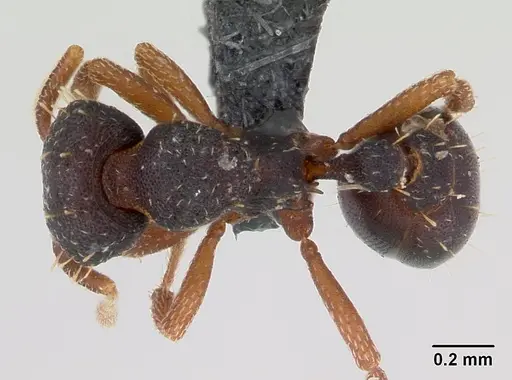
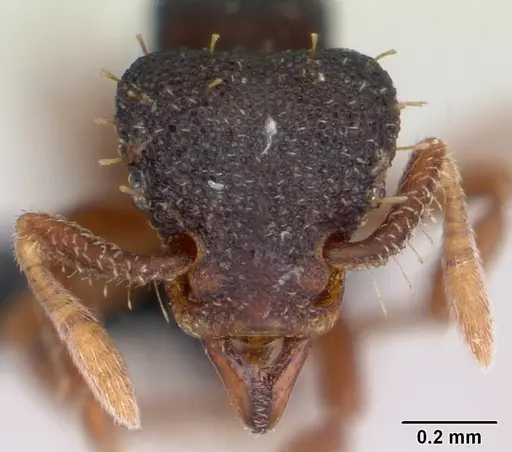
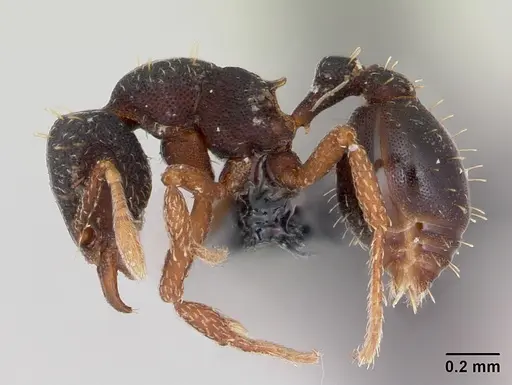
CASENT0914916
View on AntWeb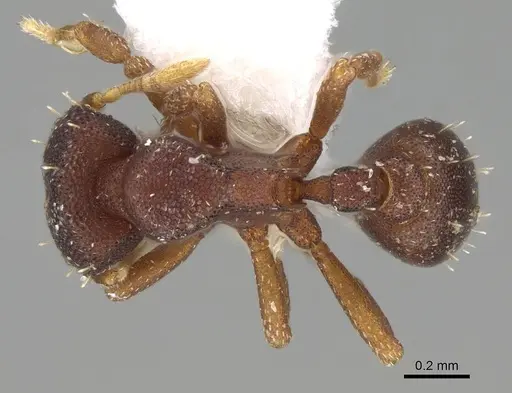
MCZ-ENT00511389
View on AntWeb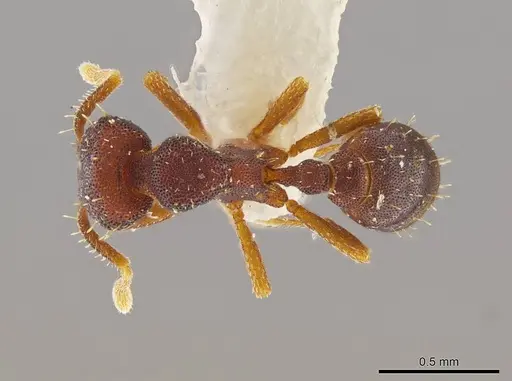
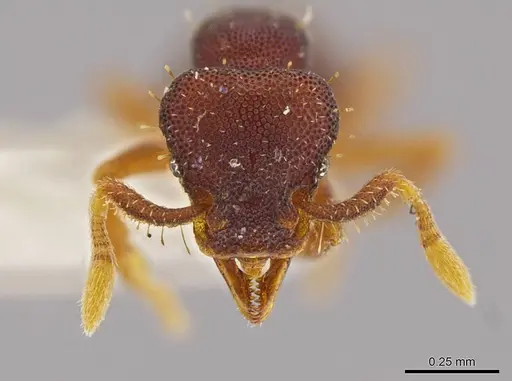
USNMENT00445337
View on AntWeb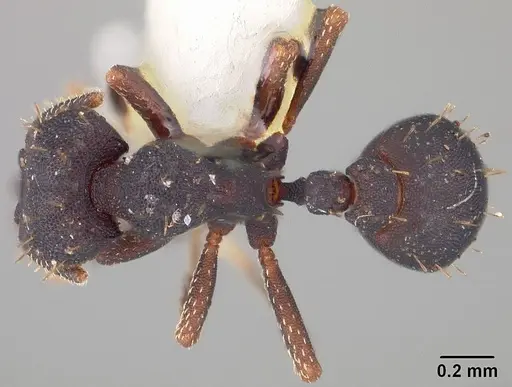
Literature
Loading distribution map...Loading products...