
Octostruma rugiferoides
- Sci. Name
- Octostruma rugiferoides
- Tribe
- Attini
- Subfamily
- Myrmicinae
- Author
- Brown & Kempf, 1960
- Distribution
- Found in 4 countries
Introduction
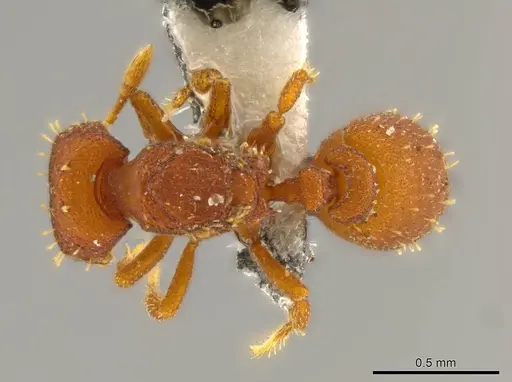
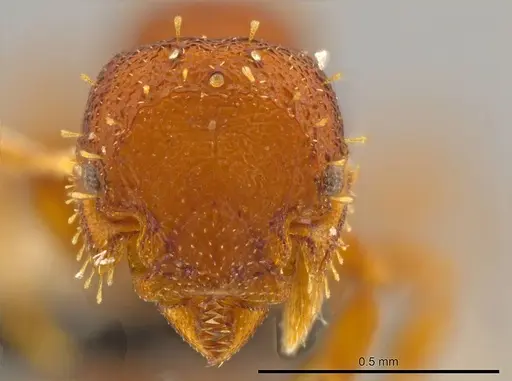
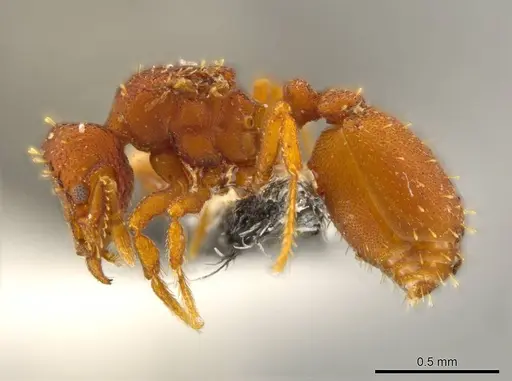
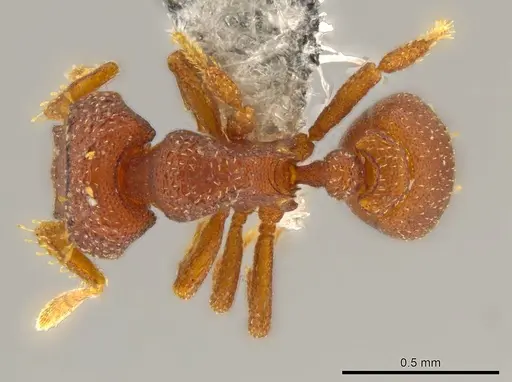
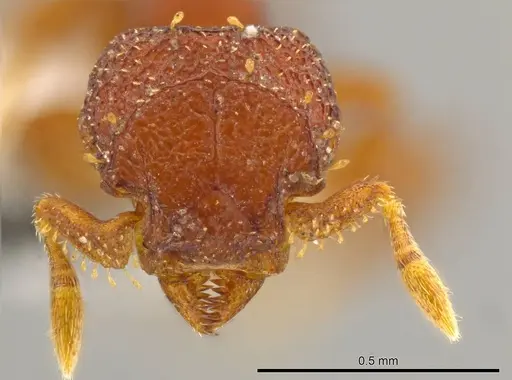
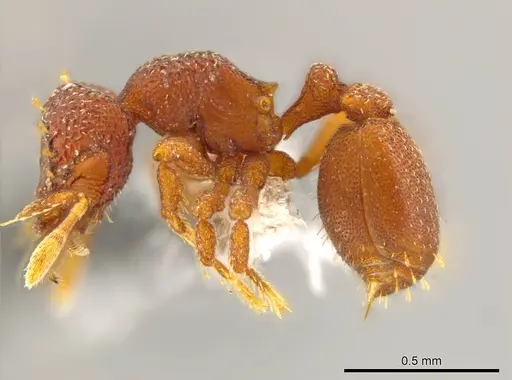
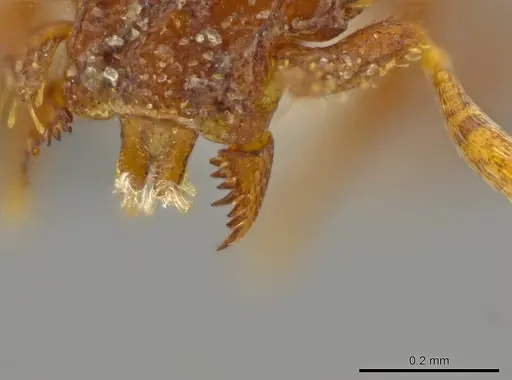
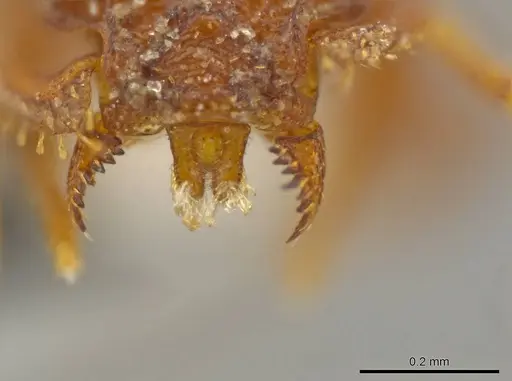
Octostruma rugiferoides is a tiny ant native to the tropical forests of Mexico and Guatemala . They live in leaf litter on the forest floor, foraging in dark, humid microhabitats . Workers have specialized hairs and minute eyes, characteristic of their tribe . Queens were only described in 2013,reflecting the limited knowledge about this species .
Quick Summary
- Difficulty: Hard
- Origin & Habitat: Tropical evergreen forests in Mexico and Guatemala, living in leaf litter on the forest floor [1][2][3].
- Colony Type: Unconfirmed, colony structure has not been documented in scientific literature.
- Size & Growth:
- Queen: size data unavailable
- Worker: size data unavailable
- Colony: Unknown
- Growth: Unknown
- Development: Unknown, no development data exists for this species. (Timeline is unconfirmed, no captive breeding data available.)
- Antkeeping:
- Temperature: Keep at 22-26°C, based on their tropical habitat [1][2].
- Humidity: Keep the nest substrate consistently moist but not waterlogged, mimicking leaf litter conditions [3].
- Diapause: No, as a tropical species, they do not require diapause [1][2].
- Nesting: Naturalistic setup with moist substrate or Y-tong/plaster nests with small chambers, based on their leaf-litter habitat [3].
- Behavior: These ants are cryptic and slow-moving, spending most time in dark nest chambers. They are not aggressive and have low escape risk due to their small size, but excellent prevention is needed as they can squeeze through tiny gaps.
- Common Issues: escape prevention is critical due to their tiny size., small colony sizes mean any losses have a big impact., wild-caught colonies may not adapt well to captive conditions., lack of available care information makes troubleshooting difficult., slow growth may lead keepers to abandon colonies prematurely.
Housing and Nest Setup
Set up a naturalistic terrarium with moist soil and rotting leaves to mimic leaf litter habitat [3]. Alternatively, use a Y-tong or plaster nest with small chambers scaled to their tiny size. Keep the nest dark and maintain humidity with a water reservoir. Ensure all connections are tight to prevent escape.
Feeding and Diet
Offer small live prey such as springtails and fruit flies. Sugar sources may be accepted experimentally. Feed small amounts every few days and remove uneaten food to prevent mold.
Temperature and Humidity Management
Maintain temperatures between 22-26°C with a gentle heat gradient. Keep substrate moist but not waterlogged, mimicking their natural leaf-litter conditions [3].
Understanding Their Rarity
This species is rarely kept due to limited knowledge and specific needs. Queens were described in 2013,and much of their biology remains unknown [1][4].
Acquiring This Species
Finding colonies is difficult, they may require specialized breeders or field collection in native ranges with appropriate permits [1][2].
Frequently Asked Questions
How long does it take for Octostruma rugiferoides to develop from egg to worker?
The egg-to-worker timeline is unknown for this species, as no development data exists.
What do Octostruma rugiferoides ants eat?
They likely accept small live prey such as springtails and fruit flies, and may experimentally take sugar sources.
Are Octostruma rugiferoides good for beginners?
No, this species is not recommended for beginners due to its small size, specific humidity needs, and lack of captive care information.
What temperature do Octostruma rugiferoides need?
Keep them at 22-26°C, based on their tropical habitat [1][2].
How big do Octostruma rugiferoides colonies get?
Colony size is unknown, with no data available from research.
Can I keep multiple Octostruma rugiferoides queens together?
This has not been studied, colony structure is unconfirmed. Do not attempt combining queens without evidence.
Do Octostruma rugiferoides need hibernation?
No, as a tropical lowland species, they do not require diapause [1][2].
Why are my Octostruma rugiferoides dying?
Potential causes include incorrect humidity, temperature stress, escapes, or stress from wild capture. Ensure excellent escape prevention and consistent moisture.
When should I move Octostruma rugiferoides to a formicarium?
Wait until the colony has consistent activity and sufficient workers, but a naturalistic setup with moist substrate may be more appropriate.
Report an Issue
The current care sheet is based fully on literature. See inconsistencies, or something that's incorrect? Please , it will be resolved after review from an admin. Contributing to the blogs tab also helps providing information, to make us be able to further improve the caresheets. Thank you for your support!
References

This caresheet is licensed under CC BY-SA 4.0 .
Community Blogs
Literature
Loading distribution map...Loading products...