
Octostruma rugifera
- Sci. Name
- Octostruma rugifera
- Tribe
- Attini
- Subfamily
- Myrmicinae
- Author
- Mayr, 1887
- Distribution
- Found in 4 countries
Introduction
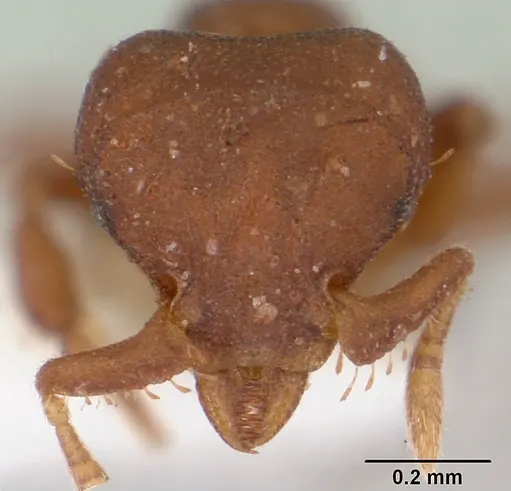
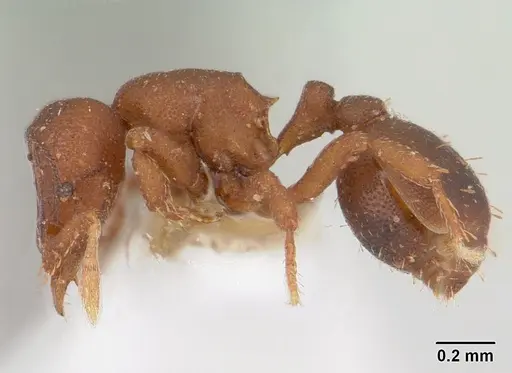
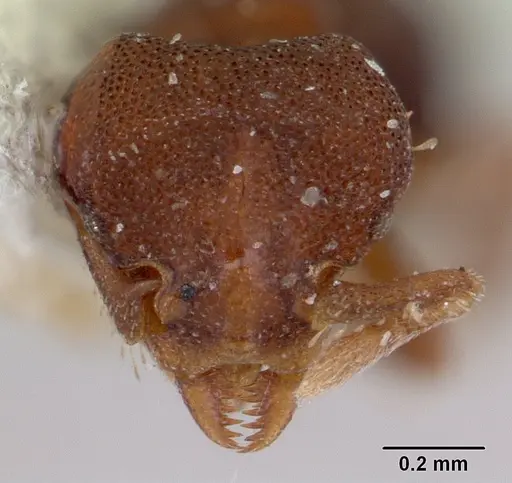
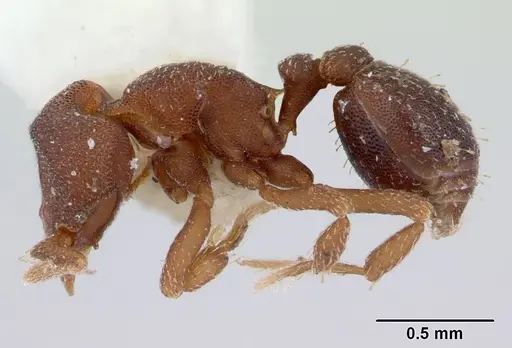
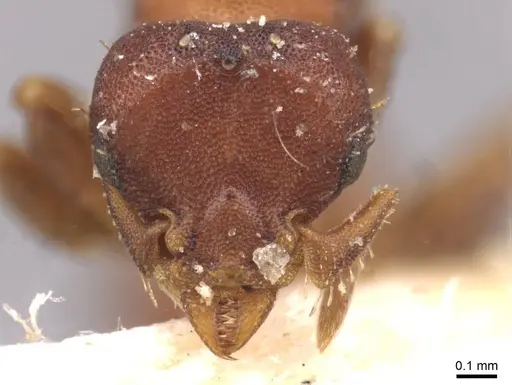
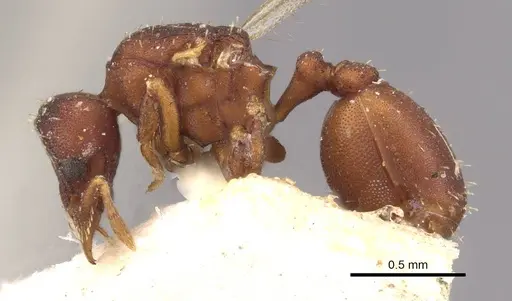
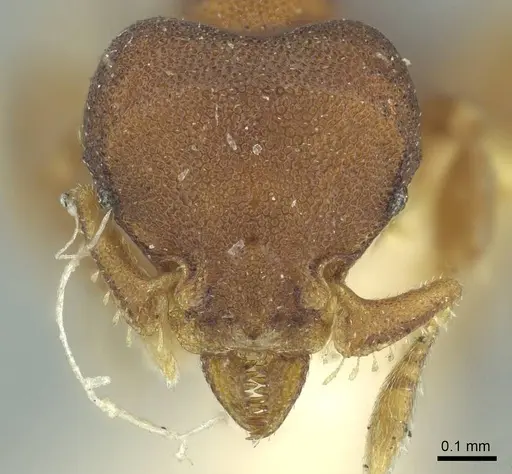
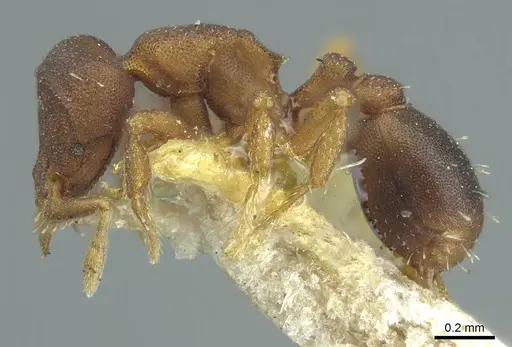
Octostruma rugifera is a tiny leaf-litter ant in the tribe Basicerotini, subfamily Myrmicinae. Workers measure 2.0-2.5mm and queens 2.9-3.1mm . They are found in Argentina, Brazil, Colombia, Paraguay, and Venezuela, primarily in primary forest leaf litter . This species has both winged and ergatoid (wingless) queens, allowing colonies to recover if the primary queen dies .
Quick Summary
- Difficulty: Hard
- Origin & Habitat: Native to the Neotropical region: Argentina, Brazil, Colombia, Paraguay, and Venezuela, living in primary forest leaf litter [1][2].
- Colony Type: Unconfirmed, no specific data on queen number or social structure.
- Size & Growth:
- Antkeeping:
- Temperature: Keep warm, roughly 24-28°C, based on tropical forest habitat [2].
- Humidity: Keep substrate consistently moist but not waterlogged, mimicking forest floor conditions [2].
- Diapause: Unknown, no data on diapause for this species.
- Nesting: Prefer naturalistic setups with moist substrate and leaf litter, as they are leaf-litter specialists [2].
- Behavior: Workers are cryptic hunters that forage alone in leaf litter. They are not aggressive and have low escape risk due to small size, but ensure tight enclosures to prevent escapes [1].
- Common Issues: tiny size makes escape likely, use fine mesh and tight-fitting lids., requires high humidity, drying out kills colonies quickly [2]., habitat specialist does poorly in modified environments, avoid non-forest settings [2]., slow growth tests patience, avoid overfeeding or disturbing colonies., limited biological data available, expect a learning curve.
Natural History and Distribution
Octostruma rugifera is found across the Neotropics in Argentina, Brazil, Colombia, Paraguay, and Venezuela [1]. It is a habitat specialist, occurring almost exclusively in primary forest leaf litter and absent from secondary growth or disturbed areas [2]. The species belongs to the tribe Basicerotini, known for small, cryptic ants that hunt invertebrates in humid leaf litter [1].
Housing and Nest Setup
Use a naturalistic setup with moist substrate and leaf litter to mimic forest floor conditions. Keep humidity high but avoid waterlogging [2]. Test tubes can work if kept humid, but a terrarium with deep substrate is better for foraging.
Feeding and Diet
This species is a predatory specialist that hunts small invertebrates like springtails and mites. Feed live prey regularly, as they are unlikely to scavenge. No specific diet data exists, so infer from related leaf-litter ants.
Temperature and Seasonal Care
Maintain warm temperatures around 24-28°C, based on their tropical habitat [2]. No diapause is required, but keep conditions stable year-round.
Behavior and Colony Dynamics
Workers forage alone and are cryptic. Colonies likely have ergatoid queens for reproduction if the primary queen dies [1]. Escape risk is low due to small size, but ensure tight enclosures.
Frequently Asked Questions
How long does it take for Octostruma rugifera to produce first workers?
Unknown, no data on development time for this species.
Can I keep Octostruma rugifera in a test tube?
Test tubes can work if kept humid, but a naturalistic setup with moist substrate is better [2].
What do Octostruma rugifera ants eat?
They are predatory specialists that hunt small invertebrates like springtails and mites. Feed live prey regularly.
Are Octostruma rugifera ants dangerous?
No, they are harmless to humans. Workers are small and not known to sting [1].
Do Octostruma rugifera need hibernation?
Unknown, no data on diapause for this species.
Why are my Octostruma rugifera dying?
Common causes include drying out (they need high humidity), temperature extremes, or stress from disturbance [2].
How big do Octostruma rugifera colonies get?
Colony size is unknown, but they are likely small due to their cryptic lifestyle.
Can I keep multiple Octostruma rugifera queens together?
No data exists, keep one queen per setup to be safe.
What makes Octostruma rugifera different from other ants?
They are primary forest specialists with ergatoid queens and require high humidity [1][2].
Are Octostruma rugifera good for beginners?
No, this is a difficult species due to specific humidity needs, slow growth, and limited care data.
Report an Issue
The current care sheet is based fully on literature. See inconsistencies, or something that's incorrect? Please , it will be resolved after review from an admin. Contributing to the blogs tab also helps providing information, to make us be able to further improve the caresheets. Thank you for your support!
References

This caresheet is licensed under CC BY-SA 4.0 .
Community Blogs
CASENT0178003
View on AntWeb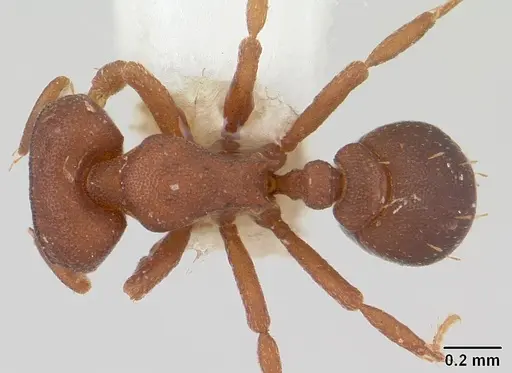
CASENT0178666
View on AntWeb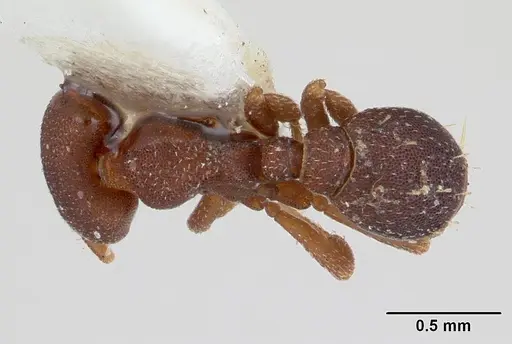
CASENT0636248
View on AntWeb
CASENT0909344
View on AntWeb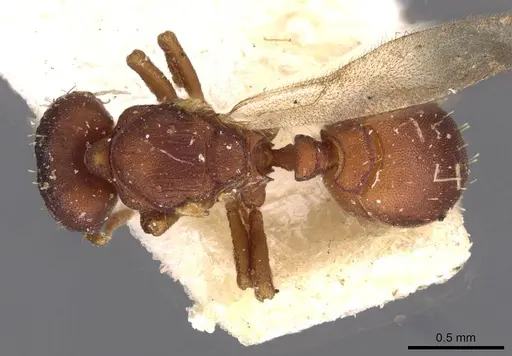
CASENT0914915
View on AntWeb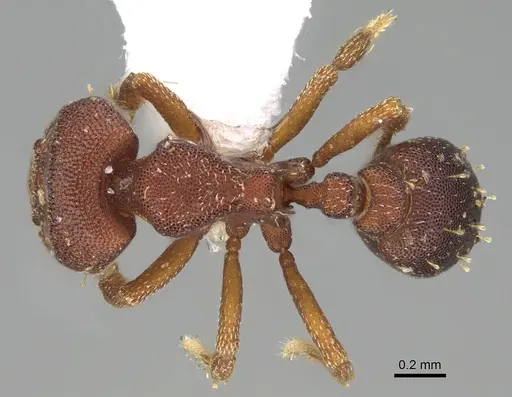
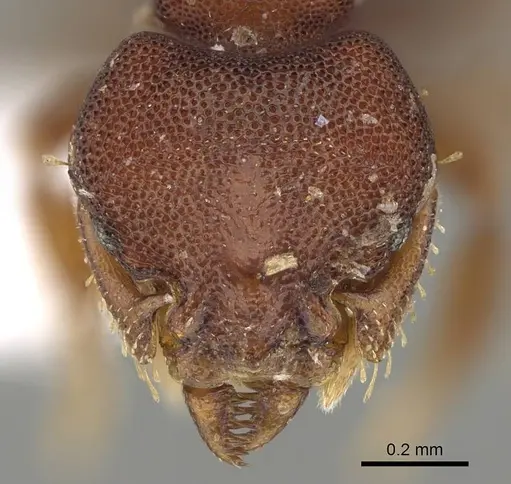
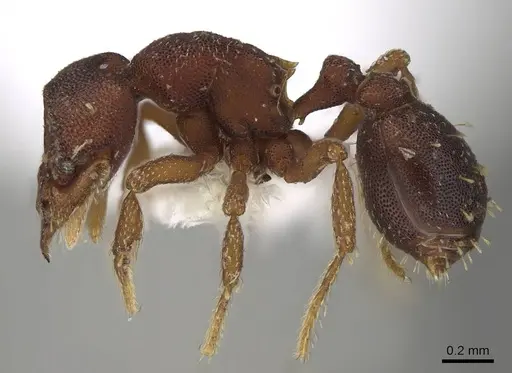
CASENT0915941
View on AntWeb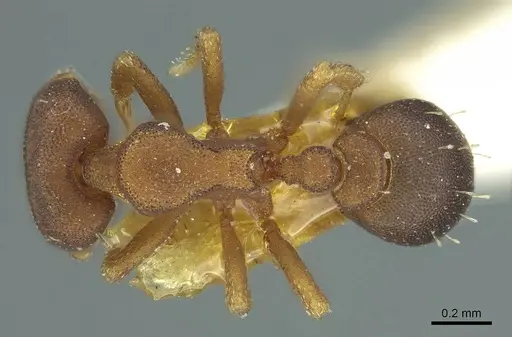
Literature
Loading distribution map...Loading products...