
Octostruma pexidorsum
- Sci. Name
- Octostruma pexidorsum
- Tribe
- Attini
- Subfamily
- Myrmicinae
- Author
- Longino, 2013
- Distribution
- Found in 1 countries
Introduction
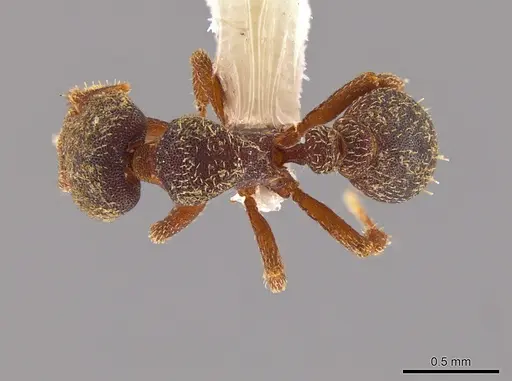
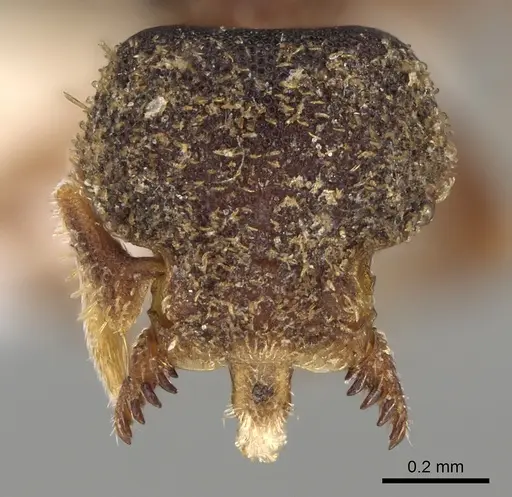
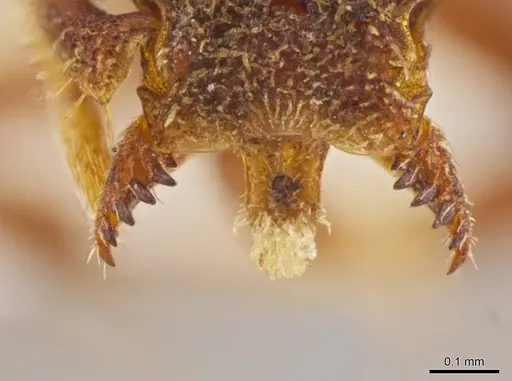
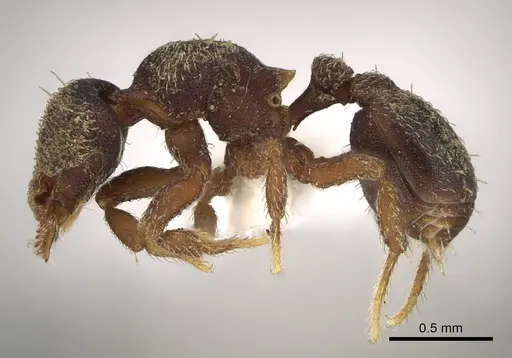
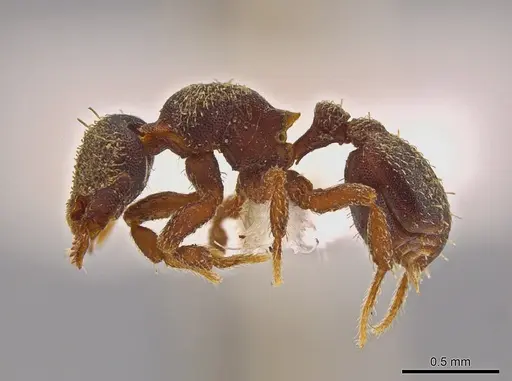
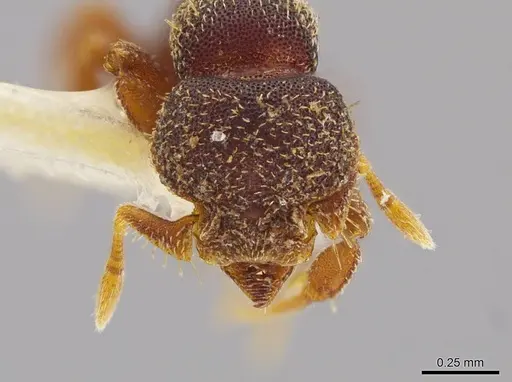
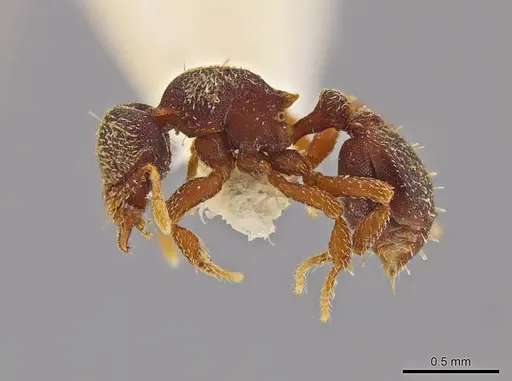
Octostruma pexidorsum is a tiny ant species from the Amazon basin. Workers are very small, with exact body size unknown, though head measurements are available . They have a distinctive wooly appearance due to dense ground pilosity . The species is known from Colombia and Brazil, living in forest floor litter . This species was described in 2013 and is poorly studied. It belongs to the Attini tribe, but unlike leaf-cutter ants, it nests in leaf litter rather than cultivating fungus . Only workers are known, making it a species for advanced keepers who enjoy observing rare ants .
Quick Summary
- Difficulty: Expert
- Origin & Habitat: Lowland Amazonian rainforest in Colombia and Brazil, living in forest floor litter [1][2].
- Colony Type: Unconfirmed colony structure. Only worker caste is known [1].
- Size & Growth:
- Antkeeping:
- Temperature: Keep warm, roughly low-to-mid 20s°C, based on their tropical habitat [1][2].
- Humidity: Keep the nest substrate consistently moist but not waterlogged, as they live in humid forest floor litter [1][2].
- Diapause: No diapause required, as they are from tropical Amazon [1][2].
- Nesting: Prefer naturalistic setups with moist substrate, mimicking forest floor litter [1].
- Behavior: Workers are cryptic and slow-moving, spending most time hidden. Escape prevention is critical due to their tiny size. Defense mechanism is unconfirmed, but based on subfamily Myrmicinae, they may have a sting.
- Common Issues: escape prevention is critical due to their extremely small size, standard barriers may be inadequate., no established husbandry guidelines exist, this is a species for advanced keepers willing to experiment., colony size is unknown, do not expect large colonies., humidity management is challenging, too dry causes colony loss, too wet causes mold., lack of documented captive colonies means all care is experimental.
Discovery and Taxonomy
Octostruma pexidorsum was formally described by John T. Longino in 2013 as part of a revision of the genus Octostruma [1]. The type series was collected from the Colombian Amazon near Leticia, with specimens from forest floor leaf litter [1]. Additional records from Pará state, Brazil, were documented in 2021 [2].
The species name refers to the wooly ground pilosity on their dorsal surface [1]. Only the worker caste has been collected, queens, males, and colony founding behavior remain undescribed [1].
Natural History and Ecology
In the wild, Octostruma pexidorsum lives in decomposing leaf litter of lowland Amazonian rainforest [1][2]. This microhabitat is humid and stable, with warm temperatures and consistent moisture [1]. The species is collected using Berlese extraction, indicating they are cryptic, surface-dwelling ants [1].
As members of the Attini tribe, they are related to leaf-cutter ants but do not cultivate fungus [1]. They likely forage slowly through litter, hunting micro-arthropods or scavenging organic matter [1].
Housing and Setup
Housing requires attention to scale and humidity. Given workers are tiny, use a naturalistic setup with moist substrate like coco fiber or soil mix in a shallow container [1]. Place it in a humid enclosure to maintain moisture.
A small test tube setup can work if kept humid, but substrate-based setups better match their natural habitat [1]. Escape prevention is critical, apply fluon barriers and ensure tight seals due to their small size.
Feeding and Nutrition
Diet is unconfirmed, but based on related species, they likely eat small live prey like springtails or mites and scavenge organic matter [1]. Offer appropriately-sized protein sources and remove uneaten food promptly to prevent mold.
Challenges and Considerations
This is not a species for beginners. Octostruma pexidorsum is poorly studied with no established husbandry protocols. Colony sizes are likely small, and maintaining humidity without mold is challenging [1]. Document observations to contribute to knowledge of this species.
Frequently Asked Questions
How big do Octostruma pexidorsum colonies get?
Colony size is unknown, no established colonies have been documented [1].
What do Octostruma pexidorsum ants eat?
Diet is unconfirmed, but they likely eat small live prey like springtails and scavenge organic matter [1].
Are Octostruma pexidorsum ants suitable for beginners?
No, this is an expert-level species due to their small size and lack of documented care [1].
Do Octostruma pexidorsum ants need hibernation?
No, as a tropical species, they do not require diapause [1][2].
How do I house Octostruma pexidorsum?
Use a naturalistic setup with moist substrate in a humid enclosure, and ensure excellent escape prevention [1].
How long does it take for Octostruma pexidorsum to develop from egg to worker?
Unknown, no development data exists for this species.
Can I keep multiple Octostruma pexidorsum queens together?
Unknown, queen caste has not been described, so colony structure is unconfirmed [1].
Where is Octostruma pexidorsum found?
They are found in the Amazon basin: Colombia and Brazil, in forest floor litter [1][2].
Why is Octostruma pexidorsum so hard to find in the antkeeping hobby?
This species was described in 2013 and is poorly studied, with no documented captive colonies [1].
Report an Issue
The current care sheet is based fully on literature. See inconsistencies, or something that's incorrect? Please , it will be resolved after review from an admin. Contributing to the blogs tab also helps providing information, to make us be able to further improve the caresheets. Thank you for your support!
References

This caresheet is licensed under CC BY-SA 4.0 .
Community Blogs
MCZ-ENT00511314
View on AntWeb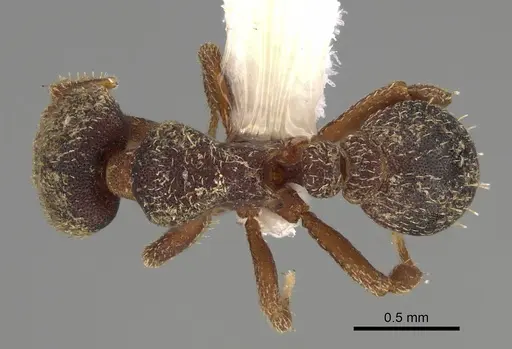
MCZ-ENT00511319
View on AntWeb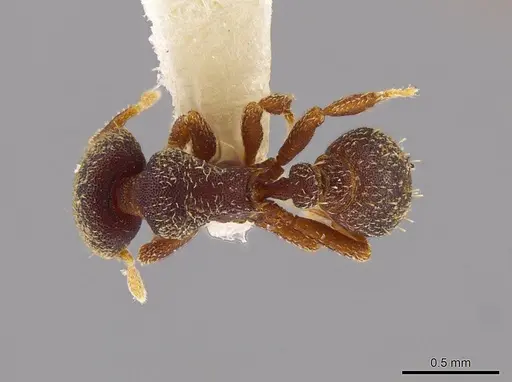
Literature
Loading distribution map...Loading products...