
Octostruma montanis
- Sci. Name
- Octostruma montanis
- Tribe
- Attini
- Subfamily
- Myrmicinae
- Author
- Longino, 2013
- Distribution
- Found in 2 countries
Introduction
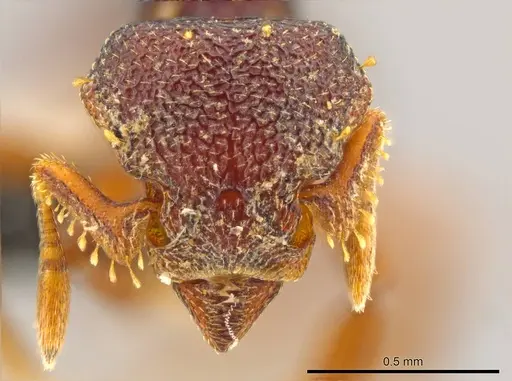
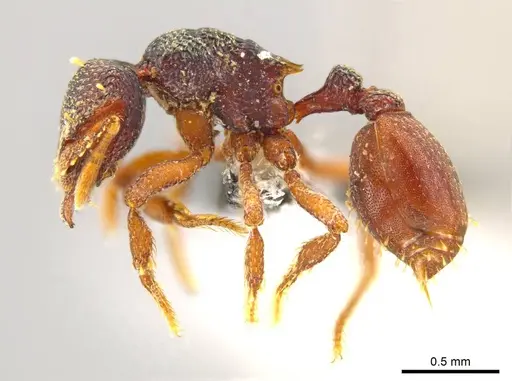
Octostruma montanis is a tiny ant species found in cloud forests of Nicaragua and Costa Rica. It was described in 2013 and is known from only two locations: Cerro Musún in Nicaragua (1100-1350m elevation) and Monteverde in Costa Rica (1500m). All specimens come from sifted leaf litter and rotten wood on the forest floor, showing they are true litter-dwelling ants.
Quick Summary
- Difficulty: Expert
- Origin & Habitat: Cloud forests of Nicaragua and Costa Rica at 1100-1500m elevation, in wet montane habitats with sifted leaf litter and rotting wood. [1][2][3]
- Colony Type: Colony structure is unconfirmed. Based on limited collection data, only single workers or small groups have been found, suggesting small, dispersed colonies typical of cryptic litter ants. [1]
- Size & Growth:
- Queen: Undescribed, no queen specimens collected [1]
- Worker: Size data unavailable, no total length measurements provided [1]
- Colony: Unknown, collections show up to 4 workers, but mature colony size is unconfirmed [1]
- Growth: Unknown
- Development: Unconfirmed (Development timeline has not been studied. Given their tiny size and cloud forest habitat, development is likely slow.)
- Antkeeping:
- Temperature: Keep cool, based on their montane habitat, aim for 18-22°C. Avoid warm conditions. [1]
- Humidity: High humidity required, cloud forest environment means consistently moist substrate. Keep nest material damp but not waterlogged, with good ventilation. [1][3]
- Diapause: Unknown, cloud forests may have mild seasonal variation, but specific diapause requirements are unconfirmed. [1]
- Nesting: Natural nesting occurs in rotting wood and leaf litter. In captivity, use small chambers with moist substrate like coco fiber or peat. A test tube with damp cotton can work for founding, but naturalistic setups are better. [1][3]
- Behavior: These are cryptic, slow-moving ants that spend time in leaf litter. They are not aggressive, but as members of Myrmicinae, they possess a sting, though it is less significant to humans. Their tiny size makes them harmless in practice. Foraging occurs within the substrate. Escape risk is high due to their small size, they can slip through standard barriers. [1][3]
- Common Issues: escape prevention is critical, their tiny size allows them to squeeze through barriers, very slow growth may lead to stagnant colonies for months, wild-caught colonies may not establish well due to collection stress, high humidity requirements can cause mold if ventilation is poor, lack of documented care means experimentation is necessary
Housing and Nest Setup
Octostruma montanis needs a setup that mimics cool, humid cloud forest floor conditions. Use a small naturalistic formicarium with moist substrate like coco fiber, peat, or soil mixed with rotting wood pieces. Because they are tiny, test tube setups must have tight cotton plugs to prevent escapes. Foraging occurs within the substrate, so provide deep material. Avoid heating elements due to their montane habitat. [1][3]
Temperature and Humidity
Keep this species cool, room temperature around 18-22°C is ideal based on their natural habitat. Avoid heat sources or direct sunlight. Humidity should be high, with substrate consistently damp but not waterlogged. Good ventilation prevents mold. A water dish in the outworld helps maintain humidity. [1]
Feeding and Diet
Diet is unconfirmed. As members of Attini, they may be related to fungus-growing ants, but Octostruma is a basal genus. They likely feed on tiny arthropods or honeydew. In captivity, offer small protein like micro mealworms or fruit flies, and sugar water. Experiment to see what they consume. [1]
Behavior and Temperament
These ants are cryptic and slow-moving, spending time hidden in leaf litter. They are not aggressive, but possess a sting from their subfamily, though it is not medically significant. Colonies are small and dispersed, foraging individually within the substrate. Escape risk is high due to their size, check barriers carefully. [1][3]
Acquiring This Species
Octostruma montanis is rare in antkeeping. It is only known from two cloud forest sites in Nicaragua and Costa Rica. If available, it might come from specialized dealers or researchers. Wild collection requires permits for protected areas. Consider your ability to meet their specific needs before acquiring. [1]
Why This Species Is Difficult
This species is Expert difficulty due to lack of documented care, specific cool and humid requirements, tiny size leading to escape and drying risks, and slow growth that may frustrate keepers. Only experienced keepers should attempt it. [1]
Frequently Asked Questions
How long does it take for Octostruma montanis to produce first workers?
The egg-to-worker timeline is unconfirmed. Given their tiny size, development may take several months. Patience is essential. [1]
Can I keep Octostruma montanis in a test tube?
Yes, for founding colonies, use a small test tube with a tight cotton plug and avoid large water reservoirs to prevent drowning. Monitor for drying and mold. [1][3]
What do Octostruma montanis eat?
Diet is unconfirmed, but they likely eat tiny prey or honeydew. Offer small protein sources and sugar water, and observe what they consume. [1]
Are Octostruma montanis good for beginners?
No, this species is rated Expert difficulty due to specific requirements and lack of care information. Only experienced keepers should attempt it. [1]
What temperature do Octostruma montanis need?
Keep them cool around 18-22°C based on their montane cloud forest habitat. Avoid warm conditions. [1]
How big do Octostruma montanis colonies get?
Colony size is unknown, but collections show up to 4 workers, with mature size unconfirmed. [1]
Do Octostruma montanis need hibernation?
Diapause requirements are unconfirmed. Cloud forests may have mild seasonal variation, but no specific data exists. [1]
Why are my Octostruma montanis dying?
Common causes include temperature too warm, substrate drying out, mold from poor ventilation, or escapes due to inadequate barriers. [1]
Where does Octostruma montanis live in the wild?
They live in cloud forests of Nicaragua and Costa Rica at 1100-1500m elevation, in leaf litter and rotting wood. [1][3]
When should I move Octostruma montanis to a formicarium?
Move them when the test tube shows stress signs or the colony outgrows space. They often do better in simple setups longer due to their cryptic nature. [1]
Report an Issue
The current care sheet is based fully on literature. See inconsistencies, or something that's incorrect? Please , it will be resolved after review from an admin. Contributing to the blogs tab also helps providing information, to make us be able to further improve the caresheets. Thank you for your support!
References

This caresheet is licensed under CC BY-SA 4.0 .
Community Blogs
CASENT0627340
View on AntWeb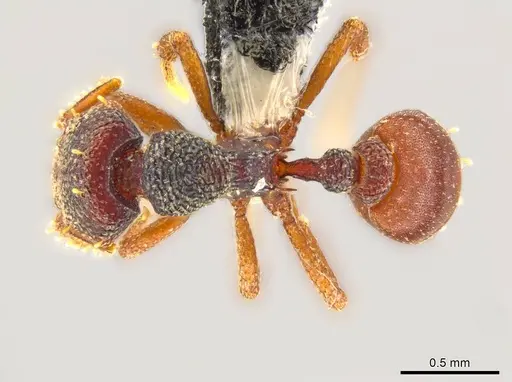
CASENT0639996
View on AntWeb
Literature
Loading distribution map...Loading products...