
Octostruma megabalzani
- Sci. Name
- Octostruma megabalzani
- Tribe
- Attini
- Subfamily
- Myrmicinae
- Author
- Longino, 2013
- Distribution
- Found in 3 countries
Introduction
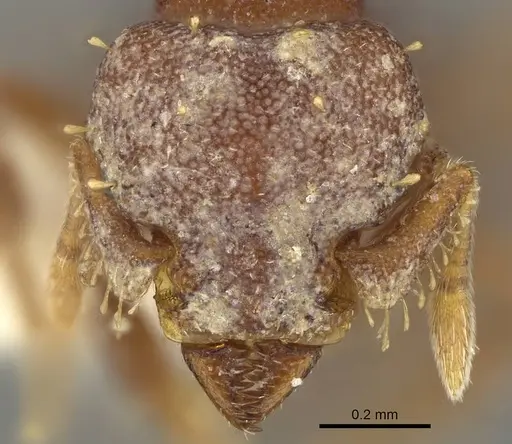
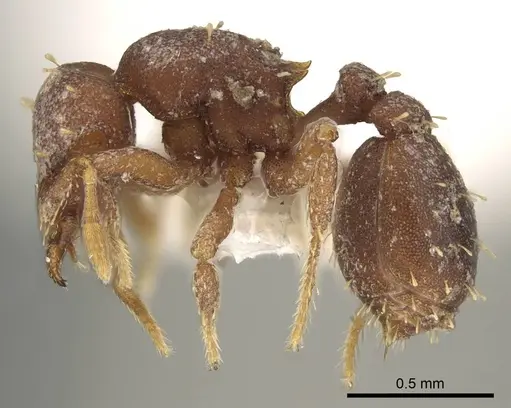
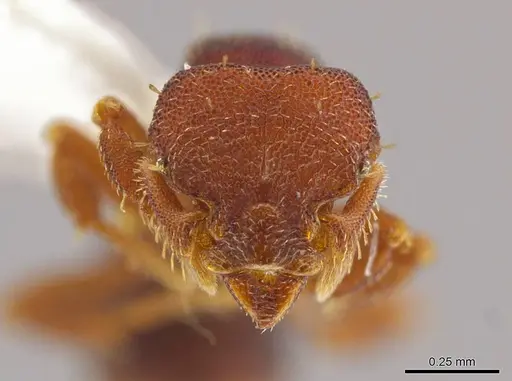
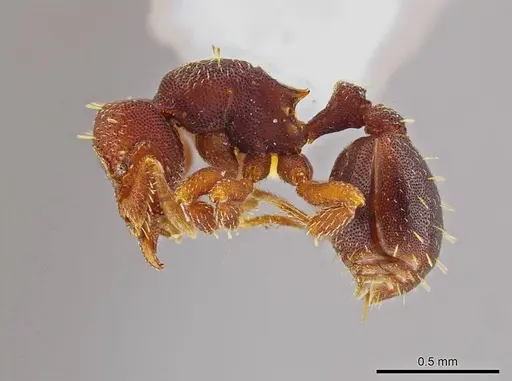
Octostruma megabalzani is a tiny montane ant species in the tribe Attini, related to leaf-cutter ants but does not cultivate fungus. Workers are dark brown with 16-22 stiff hairs on the first gastral segment . Queens are slightly larger . This species lives in cloud forests and montane oak forests at elevations of 950-2000 meters in Panama, Costa Rica, Peru, and Bolivia . They nest in sifted leaf litter and rotting wood on the forest floor . Body size in total length is not available from research, but head width measurements are provided for identification.
Quick Summary
- Difficulty: Medium
- Origin & Habitat: Montane cloud forests and oak forests in Central America (Panama, Costa Rica) and the Andes (Peru, Bolivia) at elevations of 950-2000 meters [1]. Found in mature cloud forest and montane oak forest habitats, as well as litter beneath cultivated coffee [3].
- Colony Type: Colony structure is unconfirmed. Like other Octostruma species, they likely form monogyne (single queen) colonies, but this has not been directly studied [1].
- Size & Growth:
- Queen: Size data unavailable [1]
- Worker: Size data unavailable [1]
- Colony: Colony size is unknown.
- Growth: Unknown, likely slow to moderate based on montane origin.
- Development: Unconfirmed. Based on typical Myrmicinae patterns at cool temperatures, estimate 8-14 weeks from egg to first worker [1]. (Montane species suggests slower development at cooler temperatures. No direct data available.)
- Antkeeping:
- Temperature: Keep cool, aim for 15-20°C. This is a montane species from cloud forests, so avoid warm conditions. Room temperature (18-22°C) is likely ideal. Do not heat above 25°C [1].
- Humidity: High humidity required, think damp cloud forest floor. Keep the nest substrate consistently moist but not waterlogged. Provide a humidity gradient so ants can choose their preferred moisture level. Mist occasionally and ensure good ventilation to prevent mold [1][3].
- Diapause: Likely yes. Montane species from high elevations typically require a winter rest period. Reduce temperature to 10-15°C for 2-3 months during winter months. This is inferred from similar montane Myrmicinae [1].
- Nesting: Naturalistic setup works best, they live in leaf litter and rotting wood in the wild. A humus-style or soil-based formicarium with plenty of substrate depth (at least 5cm) mimics their natural environment. Test tubes can work but may need to be buried horizontally in substrate. They are tiny and may have trouble navigating standard test tube setups [1][3].
- Behavior: Very cryptic and shy. These are tiny leaf-litter ants that avoid light and disturbance. They are not aggressive and will flee rather than fight. They possess a stinger as part of the Myrmicinae subfamily, but are too small to sting humans effectively. Foraging is slow and deliberate, they search through substrate rather than making visible trails. Escape risk is HIGH because of their tiny size, they can squeeze through gaps too small for most ants. Use fine mesh and ensure all connections are sealed [1].
- Common Issues: escape prevention is critical, they are tiny enough to squeeze through standard ant farm gaps., high humidity can lead to mold problems if ventilation is poor., slow growth may cause keepers to overfeed or disturb the colony unnecessarily., cold sensitivity, temperatures above 25°C may be harmful., wild-caught colonies may be difficult to establish in captivity due to their specialized leaf-litter habitat.
Housing and Setup
Octostruma megabalzani is a tiny leaf-litter ant that requires a setup mimicking the damp forest floor. A naturalistic terrarium-style formicarium works best, use a mix of soil and rotting wood/dead leaves as substrate. Keep the substrate at least 5cm deep to allow these tiny ants to create galleries. Because of their small size, they can easily escape through standard gaps, use fine mesh (at least 0.5mm) on all openings and check connections regularly. A horizontal test tube setup buried in moist substrate can work, but these ants prefer to move through tight spaces in soil rather than exposed tubes. Provide a water source via a damp cotton ball or small water tube, and ensure the setup has ventilation holes to prevent mold while maintaining humidity. [1][3]
Feeding and Diet
The diet of Octostruma megabalzani is not directly documented, but as a member of the tribe Attini, they likely have omnivorous habits similar to other Octostruma species. In the wild, they probably scavenge on small insects, honeydew, and organic debris in the leaf litter layer. In captivity, offer small protein sources like tiny fruit flies, springtails, or small pieces of mealworms. Sugar water or honey can be offered occasionally, but acceptance is uncertain, start with very small amounts. Feed small amounts every 3-4 days and remove any uneaten food within 24 hours to prevent mold. Because they are so small, prey items should be appropriately sized, tiny fragments are better than whole insects. [1]
Temperature and Seasonal Care
This is a montane cloud forest species, so cool temperatures are essential. Keep the colony at 15-20°C, this is much cooler than most tropical ant species. Room temperature in most homes (18-22°C) should be suitable. Avoid any heating and never expose them to temperatures above 25°C. During winter months (roughly November-February in the Northern Hemisphere), reduce temperatures further to 10-15°C to simulate their natural high-elevation seasonal cycle. This winter rest period is likely important for colony health and reproduction. Monitor the colony closely during temperature changes, if workers become sluggish or cluster together, the temperature may be too low. [1]
Behavior and Observation
These ants are extremely cryptic and spend most of their time hidden within the substrate. You will rarely see them out in the open, they navigate through leaf litter and tight spaces. They are not aggressive and will retreat from disturbance rather than defend. Foraging activity is slow and sporadic, they search through the substrate rather than forming visible trails. The colony will likely remain small even at maturity, so don't expect the dramatic swarms you might see with larger species. Observation requires patience and careful substrate management. When you do see them, notice their dark brown color and the distinctive stiff hairs on their abdomen, these are diagnostic features of the species. [1]
Frequently Asked Questions
How long does it take for Octostruma megabalzani to produce first workers?
The exact timeline is unconfirmed, but based on typical montane Myrmicinae development at 15-20°C, expect 8-14 weeks from egg to first worker. Montane species typically develop more slowly than tropical ants.
Can I keep Octostruma megabalzani in a test tube?
Test tubes can work but are not ideal. These tiny ants prefer to move through tight spaces in soil and leaf litter. If using test tubes, bury the tube horizontally in moist substrate so they can create galleries. Ensure the cotton is properly sealed, they can squeeze through tiny gaps.
What temperature do Octostruma megabalzani need?
Keep them cool, 15-20°C is ideal. This is a montane cloud forest species that does not tolerate warmth. Never exceed 25°C.
How big do Octostruma megabalzani colonies get?
Colony size is unknown, but they are likely small based on their cryptic leaf-litter lifestyle.
Do Octostruma megabalzani need hibernation?
Yes, a winter rest period is likely required. Reduce temperatures to 10-15°C for 2-3 months during winter. This mimics their natural seasonal cycle at high elevations.
What do Octostruma megabalzani eat?
Their exact diet is unconfirmed, but they likely scavenge on small insects and organic matter. Offer tiny protein sources like fruit flies, springtails, or small mealworm pieces. Sugar water may be accepted but offer sparingly.
Are Octostruma megabalzani good for beginners?
This species is rated Medium difficulty. They require specific conditions (cool temperatures, high humidity, small escape-proof setup) that make them better suited for keepers with some experience. Their cryptic behavior and small size also make them challenging to observe and care for.
Why are my Octostruma megabalzani escaping?
Their tiny size means they can squeeze through gaps too small for other ants. Check all connections and ventilation holes, use fine mesh (0.5mm or smaller) on all openings. Even a tiny crack is an escape route for these ants.
When should I move Octostruma megabalzani to a formicarium?
Start them in a test tube setup buried in moist substrate. Once the colony reaches a small size and you regularly see foragers active, you can transition to a naturalistic setup. Go slowly, these ants don't tolerate disturbance well.
Report an Issue
The current care sheet is based fully on literature. See inconsistencies, or something that's incorrect? Please , it will be resolved after review from an admin. Contributing to the blogs tab also helps providing information, to make us be able to further improve the caresheets. Thank you for your support!
References

This caresheet is licensed under CC BY-SA 4.0 .
Community Blogs
CASENT0914913
View on AntWeb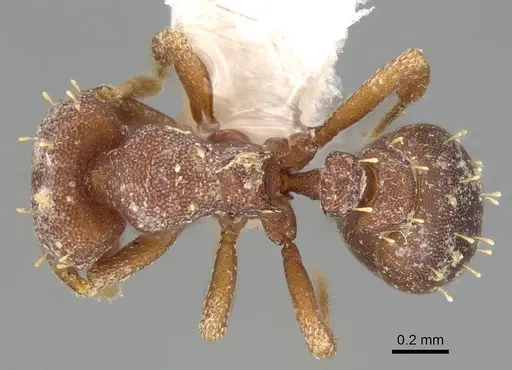
MCZ-ENT00511006
View on AntWeb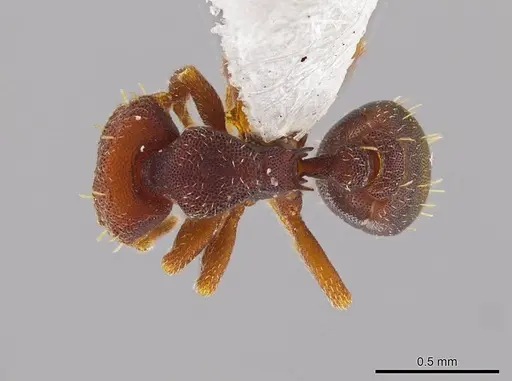
Literature
Loading distribution map...Loading products...