
Octostruma lutzi
- Sci. Name
- Octostruma lutzi
- Tribe
- Attini
- Subfamily
- Myrmicinae
- Author
- Wheeler, 1913
- Distribution
- Found in 3 countries
Introduction
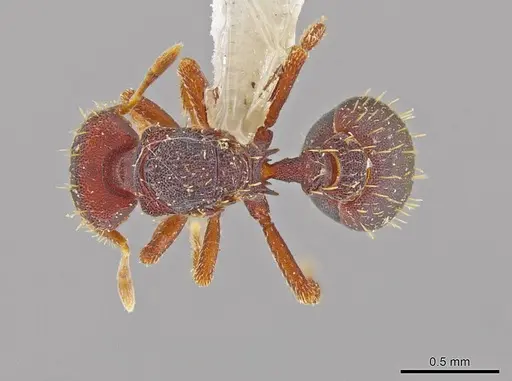
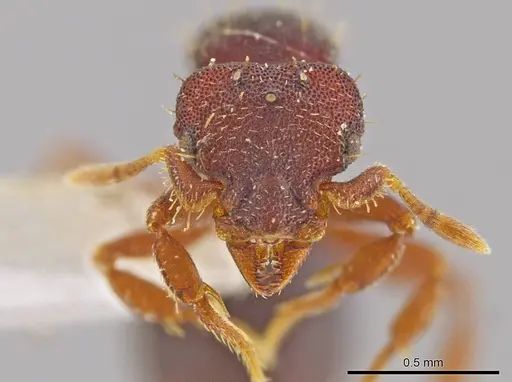
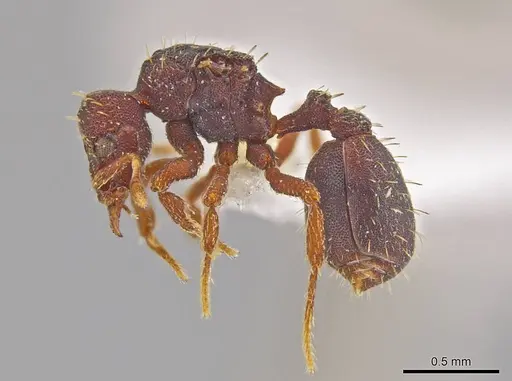
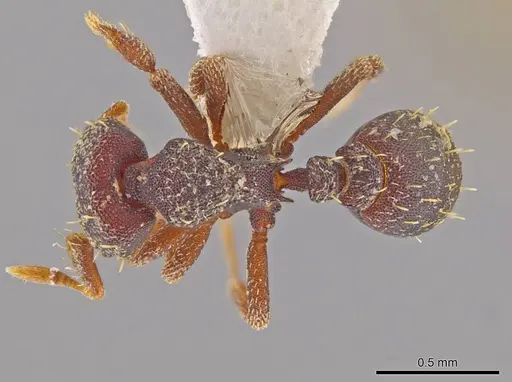
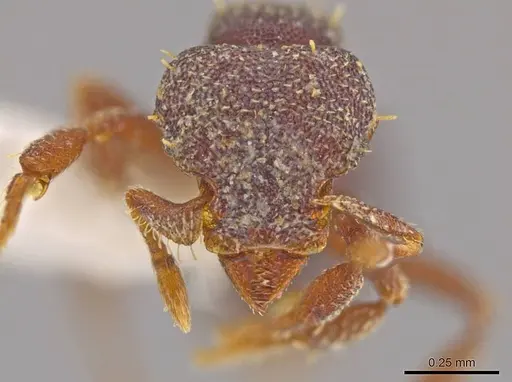
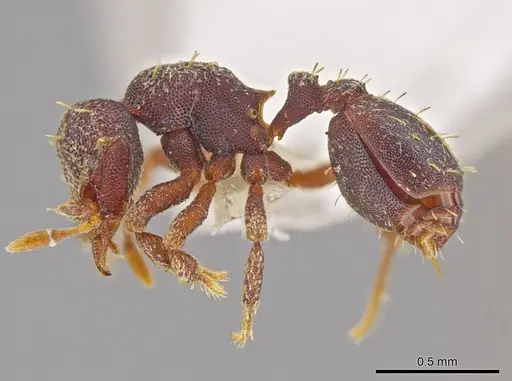
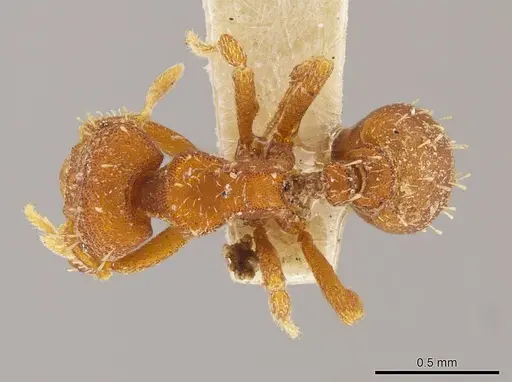
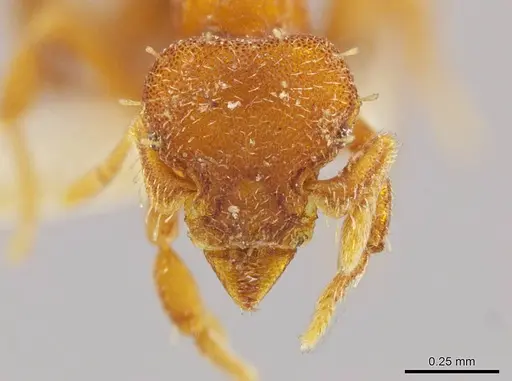
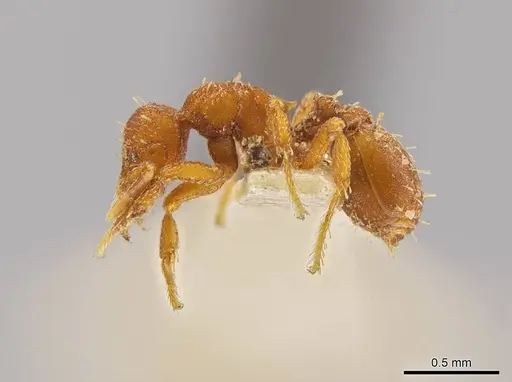
Octostruma lutzi is a tiny, cryptic leaf-litter ant endemic to the Caribbean islands of Dominica and Guadeloupe in the Lesser Antilles. Workers and queens are among the smallest ants you'll encounter, with a head width of about 0.56-0.62 mm (workers) and 0.65-0.66 mm (queens), though total body length has not been measured . They have a distinctive appearance with two pairs of spoon‑shaped setae on the mesosoma and erect hairs around the head. The species was originally described in 1913 from specimens collected “sifting leaves in forest and among bananas and tree‑ferns” on Dominica . It was later synonymized with Octostruma balzani and revived as a valid species by Longino in 2013 . On Guadeloupe, these ants live in forest leaf litter and rotting wood from sea level to 800 m elevation, in wet forests, seasonal dry forests, mahogany plantations, and cloud forests . What makes O. lutzi particularly interesting is how little we know about them in captivity - they are among the rarest ants in the antkeeping hobby, and their tiny size and cryptic lifestyle make them a challenge even for experienced keepers. They are part of the subfamily Myrmicinae and tribe Attini, but unlike some close relatives they do not cultivate fungus. Their Caribbean island endemism makes them a prized find for enthusiasts interested in unusual species.
Quick Summary
- Difficulty: Expert
- Origin & Habitat: Endemic to Dominica and Guadeloupe in the Lesser Antilles. They live in tropical forest leaf litter and rotting wood, from sea level up to 800 m elevation on Guadeloupe [1][2].
- Colony Type: Unconfirmed, likely monogyne. Dealate queens are found with workers in litter samples, but queen number per colony has not been directly studied [1].
- Size & Growth:
- Queen: size data unavailable (head width ~0.65-0.66 mm)
- Worker: size data unavailable (head width ~0.56-0.62 mm)
- Colony: Unknown, likely small, possibly under 100 workers
- Growth: Unknown, likely slow
- Development: Unknown, no data available (No published data on development. As a tropical leaf‑litter species, development probably happens faster than in temperate ants, but exact timing is unknown.)
- Antkeeping:
- Temperature: Warm tropical conditions, likely 24-28 °C. Maintain stable warmth without extremes, a gentle heat gradient is beneficial.
- Humidity: High, typical of tropical leaf litter. Keep the nest substrate consistently moist but not waterlogged, with areas of varying moisture. Avoid standing water.
- Diapause: No, tropical species, no hibernation required.
- Nesting: Very small, moist chambers. Y‑tong (AAC) nests with the narrowest passages, or a naturalistic setup with damp leaf litter and small pieces of rotting wood. Ensure all openings are sealed against escape.
- Behavior: Extremely cryptic and slow‑moving. Likely has a tiny sting (subfamily Myrmicinae typical), but it is not harmful to humans. Escape prevention is critical due to their minute size, even gaps invisible to the naked eye are escape routes.
- Common Issues: escape prevention is critical, their tiny size lets them slip through standard mesh and gaps that larger ants cannot pass, very slow colony growth can lead to impatience or overfeeding, causing mold, high humidity requirements can cause mold if ventilation is inadequate, wild‑caught colonies may carry parasites that can decimate small captive populations
Housing and Nest Setup
Housing Octostruma lutzi requires careful attention to scale. These are among the smallest ants in the Myrmicinae, workers and queens are tiny, and even a 1 mm gap is an escape route. A Y‑tong (AAC) nest with the smallest available chambers is ideal, or you can make a custom setup with very narrow tunnels. Some keepers use a hybrid: a small test tube as a founding/nursery chamber placed inside a larger outworld, which keeps humidity high in the tube. Whatever setup you choose, make sure all connections fit snugly and use a very fine mesh (0.5 mm or smaller) on any ventilation holes. The nest material should hold moisture well while still allowing some air exchange to prevent mold. In the wild they live in leaf litter and rotting wood [2], so a naturalistic setup with damp leaf litter can work well.
Feeding and Diet
Feeding these tiny ants is a real challenge. In the wild they likely hunt micro‑arthropods, such as springtails, booklice, and other small soil creatures that live in the leaf litter. In captivity, live springtails are the most reliable food because they are small enough for the workers to subdue. You can also try pieces of crushed mealworms or fish flakes, but acceptance is not guaranteed, place them right in front of the ants or in a feeding dish. Sugar sources are probably not important, as they seem to be mainly predatory. Offer small prey every 2-3 days and remove any leftovers within 24 hours to avoid mold. The key is giving prey that is smaller than the workers’ head, if it is too large, they cannot handle it.
Temperature and Humidity
As a tropical species from Dominica and Guadeloupe, Octostruma lutzi needs warm, humid conditions. Aim for temperatures around 24-28 °C, mimicking the stable warmth of their forest floor home. Use a heating cable on one side of the nest to create a gentle gradient so the ants can choose their preferred spot. Humidity is even more important. These ants live in damp leaf litter in nature, so the nest substrate should feel consistently moist. However, avoid standing water or waterlogging, which can drown very small colonies. Mist the nest lightly when it starts to dry out. A water‑reservoir setup (like a test tube with a cotton plug) can help keep humidity stable. No precise numbers are available, just keep it moist but with some ventilation. [2]
Colony Establishment and Growth
Establishing a colony of O. lutzi is hard because they are rarely available. If you get a queen (dealate queens are sometimes found with workers in litter samples), set her up in a very small test tube with a water reservoir and place it in a dark, humid spot. The founding chamber should be tiny, just big enough for her. There is no data on how long it takes for the first workers to appear, so be prepared for a long wait. Once workers emerge, offer very small live prey. Expect colony growth to be very slow. Signs of stress include workers wandering from the nest, refusing food, or a gradual decline in numbers. If that happens, check that humidity and temperature are right and that the prey is small enough.
Understanding Their Rarity
Octostruma lutzi represents a frontier in antkeeping. It is endemic to only two Caribbean islands, Dominica and Guadeloupe, and lives exclusively in the leaf‑litter layer of tropical forests, making it very hard to find and collect. Its tiny size means it is often overlooked even during scientific surveys. The scientific literature about its wild biology is minimal, and there are no established captive‑breeding protocols or documented care routines in the hobby. Keeping this species is both a challenge and an opportunity: you can help build knowledge about its care. Record what foods it accepts, how quickly the colony grows, and what conditions it prefers. Such information is valuable for the entire antkeeping community [1][4].
Legal and Ethical Considerations
Before obtaining Octostruma lutzi, check the legal status in your country. As an endemic species to Dominica and Guadeloupe, there might be export restrictions. Try to get captive‑bred colonies from reputable keepers rather than wild‑caught ones from protected areas. If you do get a wild‑caught colony from a legal source, be aware that it may carry parasites or diseases. Never release this or any non‑native ant into the wild, island species with small native ranges can become invasive if they establish elsewhere.
Frequently Asked Questions
How long does it take for Octostruma lutzi to go from egg to first worker?
The exact timeline is unknown, no published data exists for this species. Based on similar tiny leaf‑litter Myrmicinae, it could be around 6-10 weeks at warm temperatures (24-28 °C), but this is a rough guess. The first workers (nanitics) will likely be smaller than mature workers.
What do Octostruma lutzi ants eat?
They are probably predatory on tiny arthropods. The most reliable food in captivity is live springtails. You can also offer pieces of crushed mealworms or fish flakes, but acceptance is not guaranteed. Sugar sources are likely not important. Feed small prey every 2-3 days and remove leftovers quickly.
Are Octostruma lutzi good for beginners?
No, this species is firmly in the Expert category. They are among the smallest ants kept in captivity, need very specific humidity and temperature conditions, have no established care protocols, and are extremely difficult to acquire. Beginners should start with more documented species like Lasius, Camponotus, or Messor.
How big do Octostruma lutzi colonies get?
Colony size is not documented in scientific literature. Based on patterns in other leaf‑litter ants, colonies probably remain small, possibly under 100-200 workers. They are naturally cryptic and slow‑growing.
Can I keep multiple Octostruma lutzi queens together?
Probably not, the species is likely monogyne, though this is not confirmed. Multiple unrelated queens would likely fight. In the wild, dealate queens are found singly with workers, suggesting single‑queen colonies [1].
What temperature do Octostruma lutzi need?
Keep them warm at around 24-28 °C. This mimics their native tropical forest floor habitat. Provide a gentle temperature gradient so workers can move between warmer and cooler areas.
Do Octostruma lutzi need hibernation?
No, as a tropical species from the Caribbean, they do not require hibernation. Maintain warm, stable temperatures (24-28 °C) all year and avoid letting them drop below room temperature.
Why are my Octostruma lutzi escaping?
Their tiny size (workers have a head width of about 0.56-0.62 mm) means they can slip through gaps you cannot see. Use fluon on all rims, make sure container lids fit tightly, and use mesh with holes 0.5 mm or smaller for ventilation. Even a 0.5 mm gap is a potential escape route.
Where is Octostruma lutzi found in the wild?
It is endemic to two Caribbean islands: Dominica and Guadeloupe in the Lesser Antilles. On Guadeloupe it lives from sea level to 800 m in wet forest, seasonal dry forest, mahogany plantations, and cloud forest, always in leaf litter and rotting wood on the forest floor [1][2].
When can I move Octostruma lutzi to a formicarium?
Wait until the colony has at least 20-30 workers and is actively foraging. For this species that may take many months or even a year because growth is very slow. Moving too soon can stress the colony. Make sure the formicarium has tiny chambers, standard ones are far too large.
Is Octostruma lutzi invasive anywhere?
No, it naturally occurs only on Dominica and Guadeloupe. There are no reports of it establishing elsewhere. However, never release captive colonies, as they could become invasive in new environments [1][4].
Report an Issue
The current care sheet is based fully on literature. See inconsistencies, or something that's incorrect? Please , it will be resolved after review from an admin. Contributing to the blogs tab also helps providing information, to make us be able to further improve the caresheets. Thank you for your support!
References

This caresheet is licensed under CC BY-SA 4.0 .
Community Blogs
Literature
Loading distribution map...Loading products...