
Octostruma inca
- Sci. Name
- Octostruma inca
- Tribe
- Attini
- Subfamily
- Myrmicinae
- Author
- Brown & Kempf, 1960
- Distribution
- Found in 2 countries
Introduction
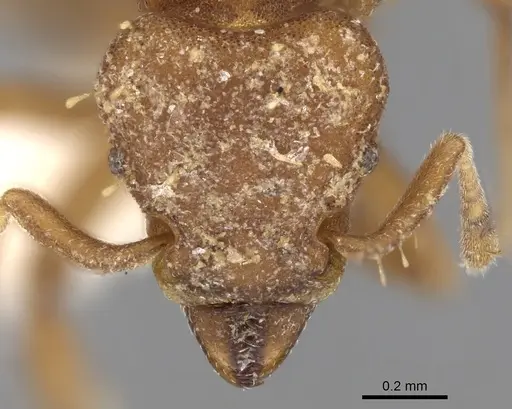
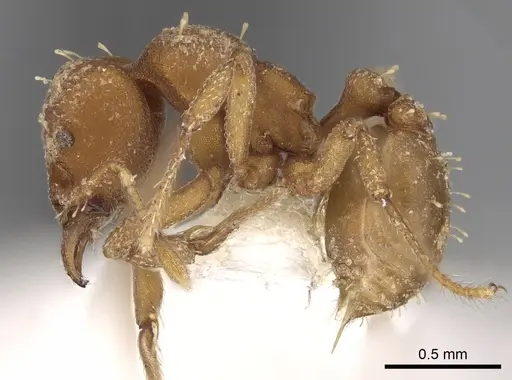
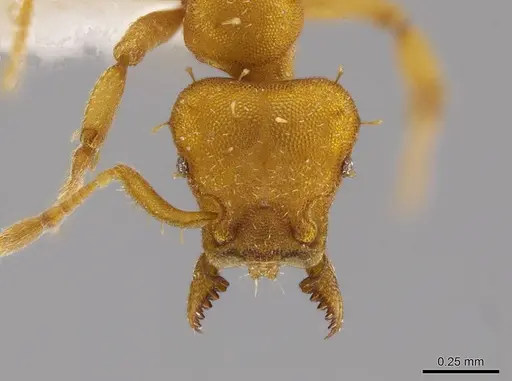
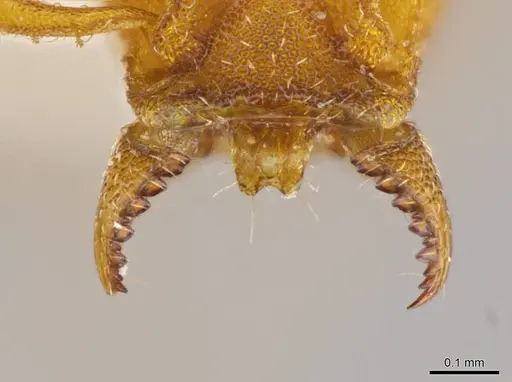
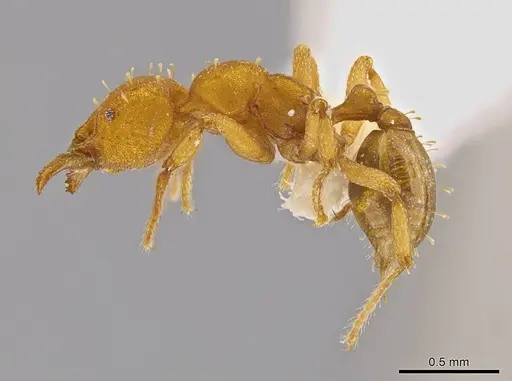
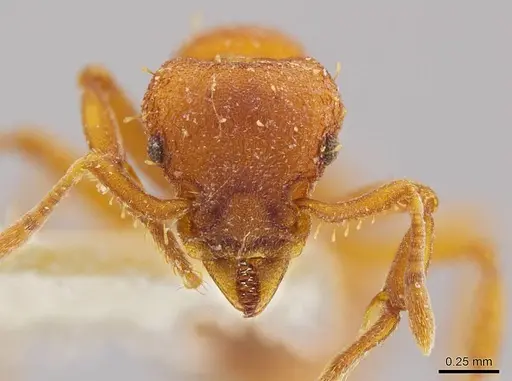
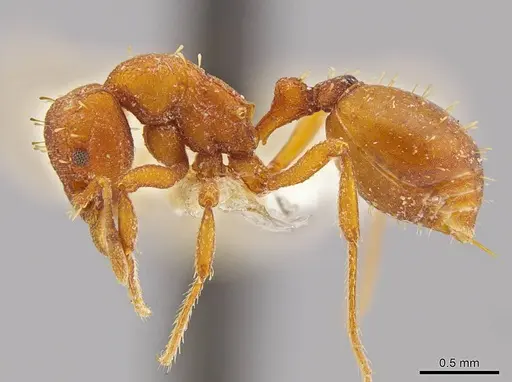
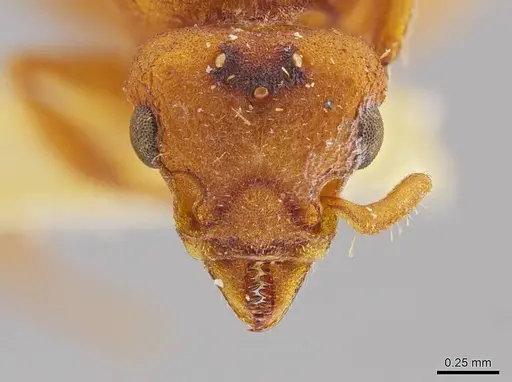
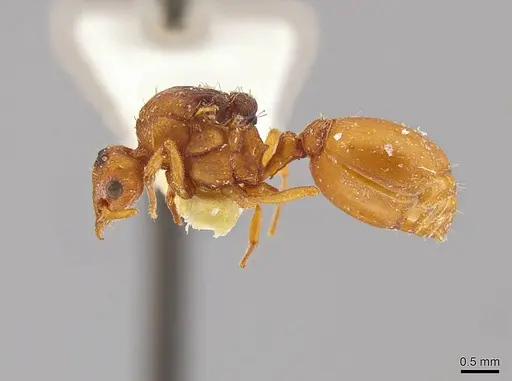
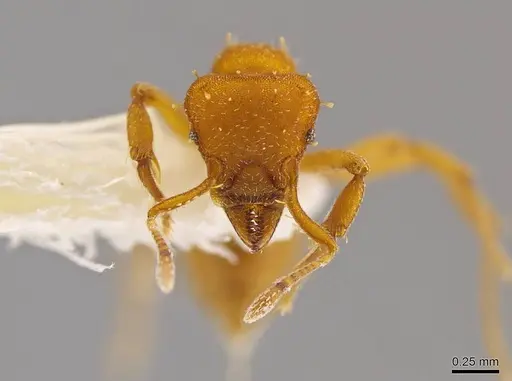
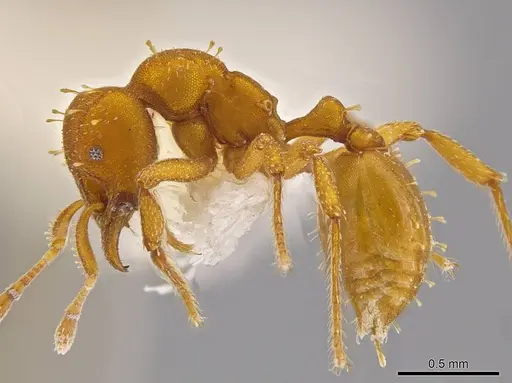
Octostruma inca is a small Neotropical ant species found in Colombia, Peru, and Bolivia, typically in tropical forest habitats like leaf litter . Workers are rusty-ferruginous in color, with large compound eyes and a shallow antennal scrobe, and measure 3.6-4.2 mm in total length . Queens are larger at 5.9 mm total length with a robust, swollen alitrunk . This species belongs to the Basicerotini tribe and is not a fungus-grower but rather a predator in forest floor microhabitats . Nothing is known about its biology in the wild, making it a challenging species for antkeepers who enjoy working with poorly documented ants.
Quick Summary
- Difficulty: Expert
- Origin & Habitat: Neotropical region, Colombia, Peru, and Bolivia, in tropical forest habitats such as leaf litter [1][2][3].
- Colony Type: Unconfirmed. Based on typical Octostruma patterns, likely single-queen colonies, but colony structure has not been documented.
- Size & Growth:
- Queen: ~5.9 mm [4]
- Worker: ~3.6-4.2 mm [4]
- Colony: Unknown, no colony size data exists for this species
- Growth: Unknown, no development data available
- Development: Unknown, no direct measurements exist. Based on typical Attini patterns in tropical conditions, estimate 6-10 weeks at optimal temperature, but this is a rough guess. (No published development data exists for this species. Estimates based on related Octostruma species and general Attini patterns.)
- Antkeeping:
- Temperature: Unknown for this species. Based on Neotropical distribution, aim for 22-26°C with stable conditions [1]. Avoid temperatures below 18°C or above 30°C.
- Humidity: Unknown for this species. Based on forest floor habitat, keep substrate consistently moist but not waterlogged, with some drier areas for adjustment [1].
- Diapause: Unknown, Neotropical species may not require true hibernation, but may have reduced activity during cooler seasons. No specific data exists.
- Nesting: No specific nesting data exists. Based on related Octostruma species, likely nests in leaf litter or soil cavities. In captivity, a naturalistic setup with moist substrate and small chambers would be appropriate. Test tubes may work for founding colonies.
- Behavior: Behavior is undocumented. Based on related species, they are likely surface-foraging predators using large compound eyes to locate small prey. Workers are small (3.6-4.2 mm), so escape prevention is important, use fine mesh barriers. Aggression levels are unknown. Defense mechanism is a sting, as typical for Myrmicinae, but not medically significant to humans.
- Common Issues: no biological data exists, keepers are pioneering captive care for this species, colony founding may be difficult since nothing is known about queen behavior, temperature and humidity requirements are unknown and must be learned through observation, slow growth or colony failure is likely as no established care protocols exist, wild-caught colonies may have parasites or diseases that are hard to treat without species-specific knowledge
Species Overview and Identification
Octostruma inca is a small Myrmicine ant found in the northern Andes of Colombia, Peru, and Bolivia [1][3]. Workers are rusty-ferruginous, with large compound eyes, a shallow antennal scrobe, and lack a flattened lobe at the scape base [1]. Queens are larger at 5.9 mm total length with a swollen alitrunk [4]. This species is part of the Basicerotini group, which are predators in leaf-litter habitats, not fungus-growers [4]. The type locality is in Peru, with occurrences in Colombia's Valle del Cauca region [2][3].
Current State of Knowledge
AntWiki states that nothing is known about the biology of Octostruma inca, this is one of the most poorly documented ant species in the hobby [4]. No scientific papers describe colony structure, founding behavior, development, diet, or environmental needs. The original descriptions cover only morphology, and a larval description exists from 1977 [4]. This means keepers must experiment and learn through observation, which can be challenging but rewarding.
Housing and Nest Setup
Since nesting preferences are unknown, use a naturalistic setup with moist substrate like soil mixed with rotting wood fragments, based on related Octostruma species [1]. For founding colonies, a test tube setup can work, but monitor for queen stress. Given their small size (3.6-4.2 mm), escape prevention is critical, use fine mesh on ventilation and seal connections. The nest should have small chambers scaled to their body size.
Temperature and Humidity Guidance
No specific data exists, but based on their Neotropical distribution, aim for temperatures of 22-26°C and moderate humidity with moist substrate [1]. Avoid extremes below 18°C or above 30°C. Monitor colony behavior to adjust conditions gradually.
Feeding and Diet
Diet is unconfirmed, but based on their predatory tribe, offer small live prey like fruit flies or pinhead crickets [4]. Sugar sources may be accepted but are unconfirmed. Feed small amounts and remove uneaten food to prevent mold.
Colony Founding and Development
Founding behavior is undocumented. Queens are robust, suggesting possible claustral founding, but this is uncertain. Give queens a dark, quiet space and minimal disturbance. Development timeline is unknown, but based on Attini patterns, expect 6-10 weeks to first workers under optimal conditions.
Seasonal Care and Overwintering
Diapause requirements are unknown. As a Neotropical species, they may not need hibernation but could have seasonal slowdowns. Maintain stable temperatures unless reduced activity is observed, in which case a slight cooling for 2-3 months may help.
Frequently Asked Questions
How difficult is Octostruma inca to keep?
This is an expert-level species. AntWiki states that nothing is known about its biology, so there are no established care protocols [4]. Keeping it successfully requires experience and a willingness to experiment.
What do Octostruma inca ants eat?
Diet is unconfirmed, but based on their tribe, they are likely predatory. Offer small live prey like fruit flies [4]. Document what your colony accepts to build knowledge.
What temperature should I keep Octostruma inca at?
No specific data exists. Based on their distribution, aim for 22-26°C [1]. Adjust based on colony behavior.
How long does it take for Octostruma inca to produce first workers?
Development time is unknown. Based on Attini patterns, estimate 6-10 weeks at optimal temperature, but this is speculative.
Can I keep multiple Octostruma inca queens together?
Colony structure is unconfirmed, no research documents if this species is monogyne or polygyne. Do not combine queens until more is known.
What size colony does Octostruma inca reach?
Maximum colony size is unknown, no scientific papers document wild or captive sizes.
Do Octostruma inca need hibernation?
Diapause requirements are unknown. As a Neotropical species, they may not need hibernation but could have seasonal slowdowns. Maintain stable temperatures unless your colony shows dormancy signs.
What nest type is best for Octostruma inca?
Nesting preferences are unconfirmed. Based on likely leaf-litter habitat, use a naturalistic setup with moist substrate [1]. For founding, test tubes may work but monitor for stress.
Why is my Octostruma inca colony dying?
Without established protocols, colony failure is common. Potential issues include incorrect temperature/humidity, inappropriate diet, stress, or parasites. Document conditions and adjust through observation.
Report an Issue
The current care sheet is based fully on literature. See inconsistencies, or something that's incorrect? Please , it will be resolved after review from an admin. Contributing to the blogs tab also helps providing information, to make us be able to further improve the caresheets. Thank you for your support!
References

This caresheet is licensed under CC BY-SA 4.0 .
Community Blogs
CASENT0280763
View on AntWeb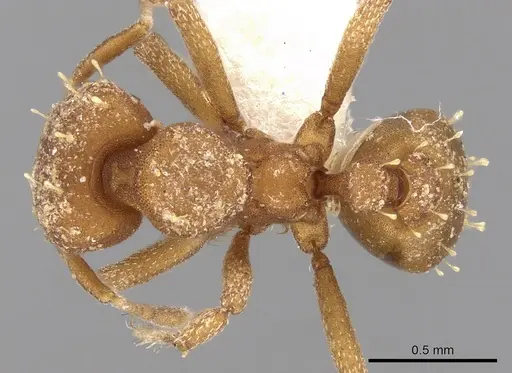
CASENT0639173
View on AntWeb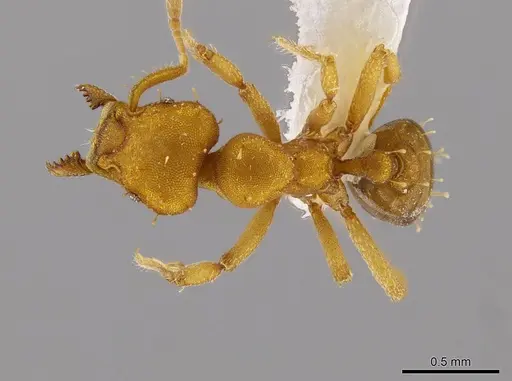
MCZ-ENT00030879
View on AntWeb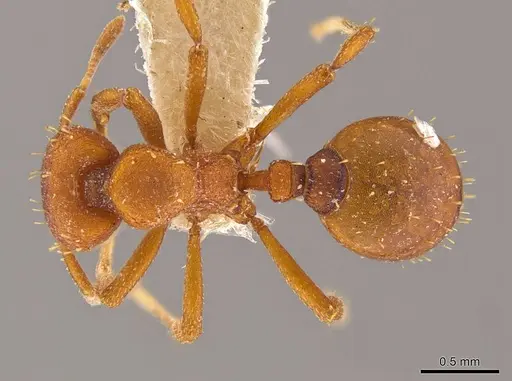
MCZ-ENT00303382
View on AntWeb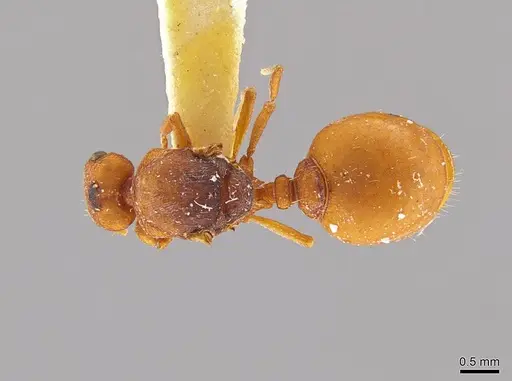
MCZ-ENT00511353
View on AntWeb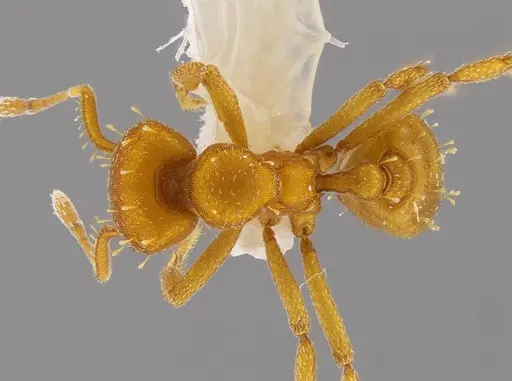
Literature
Loading distribution map...Loading products...