
Octostruma iheringi
- Sci. Name
- Octostruma iheringi
- Tribe
- Attini
- Subfamily
- Myrmicinae
- Author
- Emery, 1888
- Distribution
- Found in 14 countries
Introduction
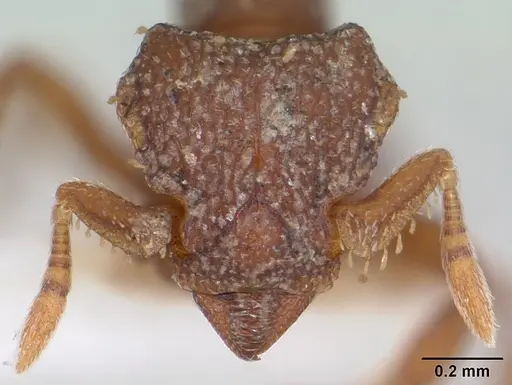
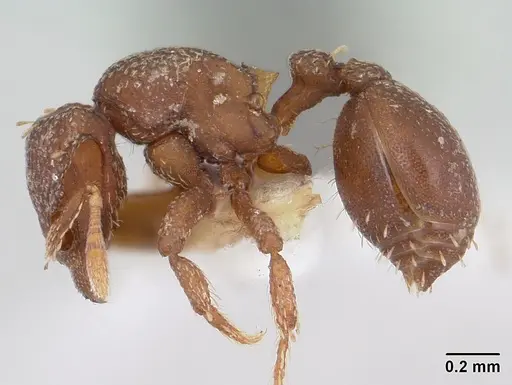
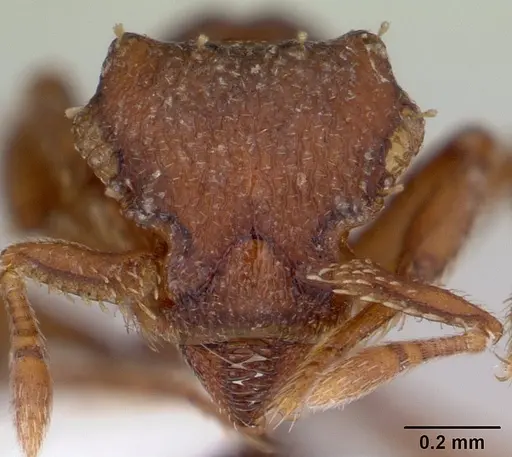
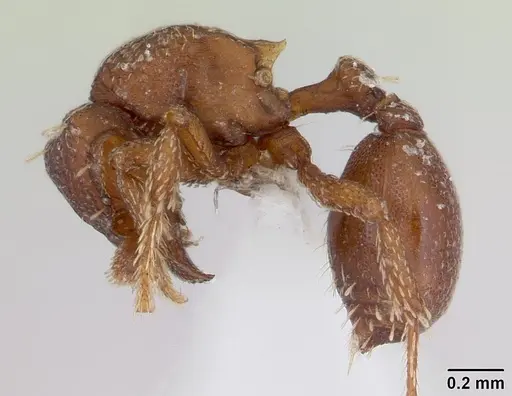
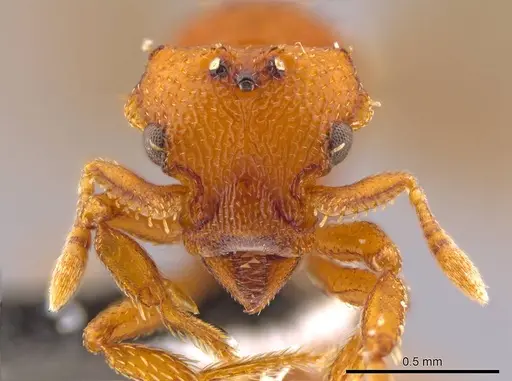
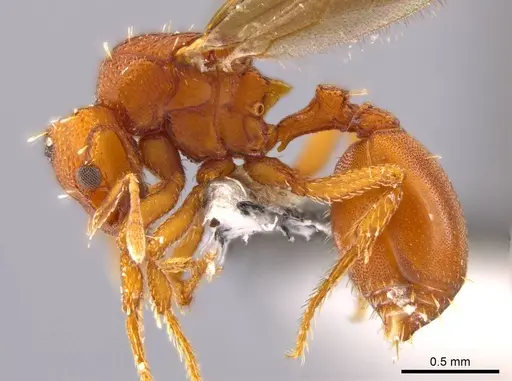
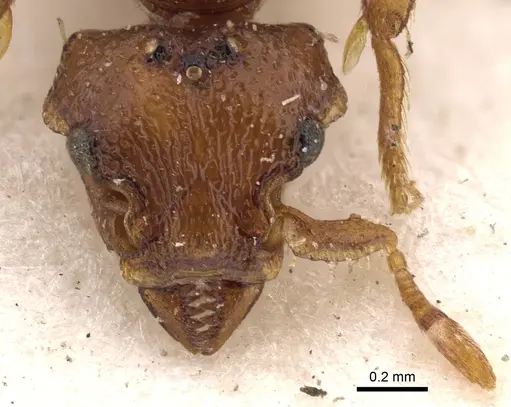
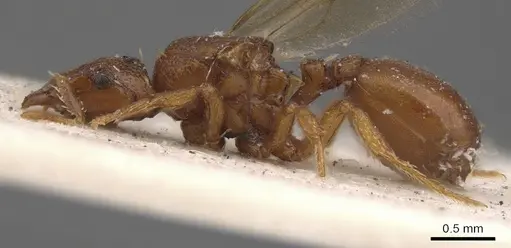
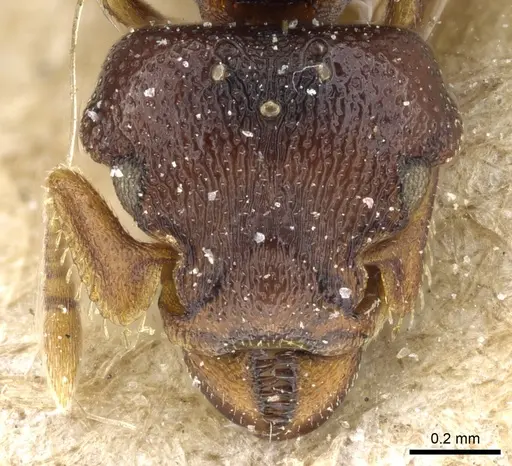
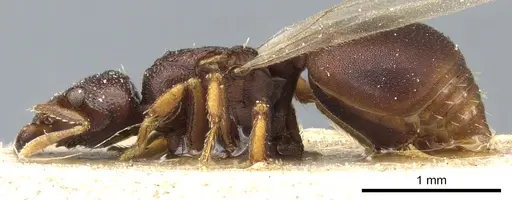
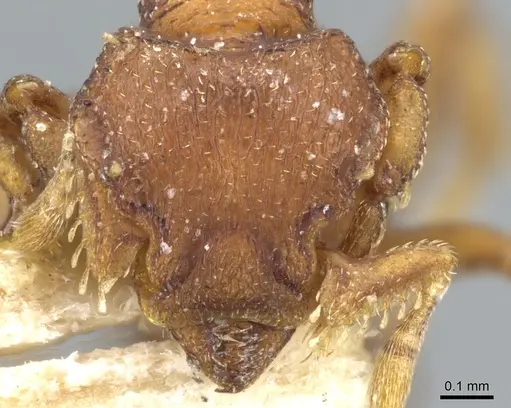
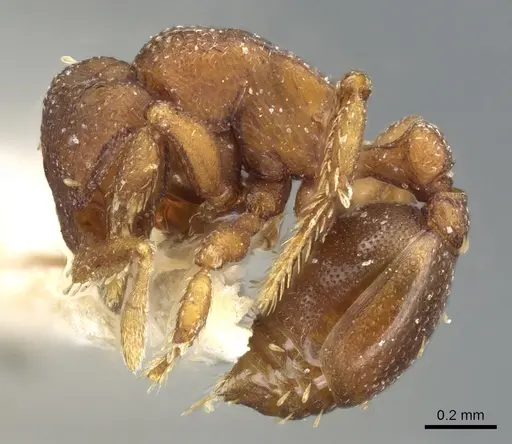
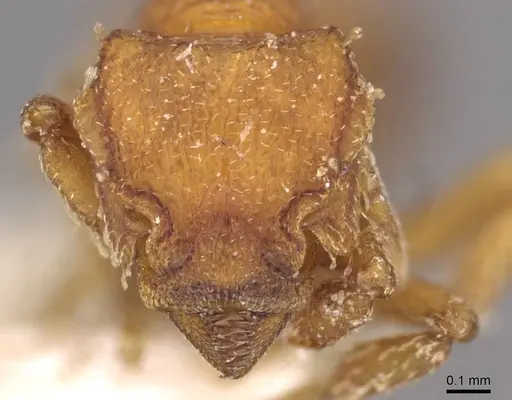
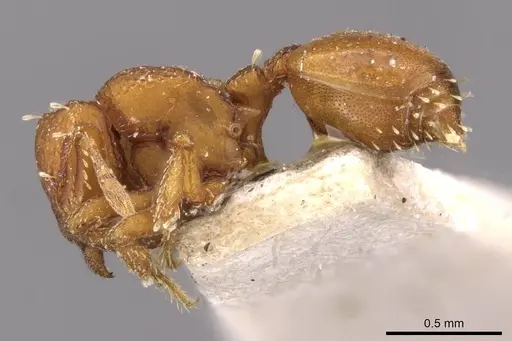
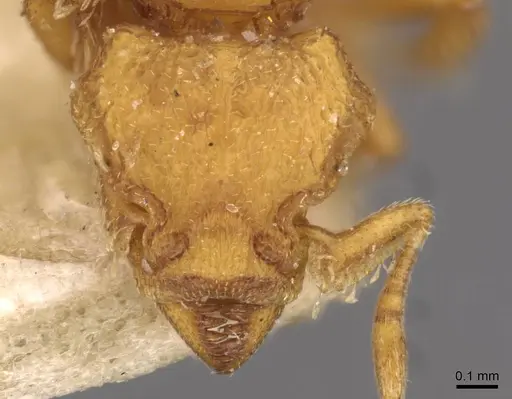
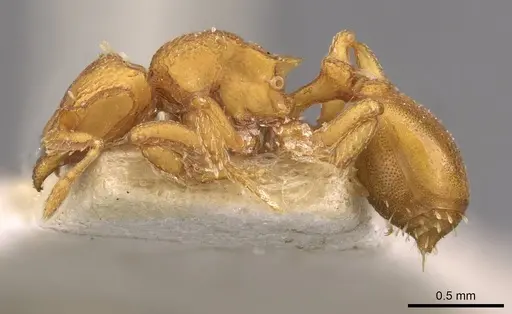
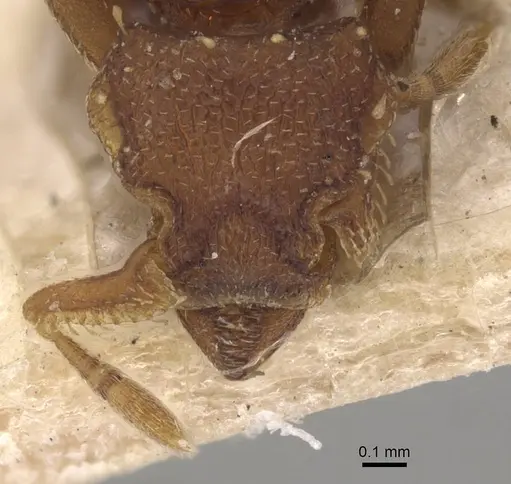
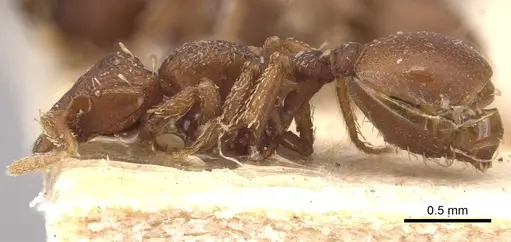
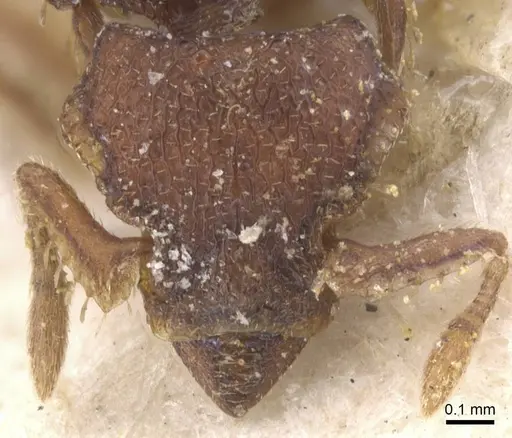
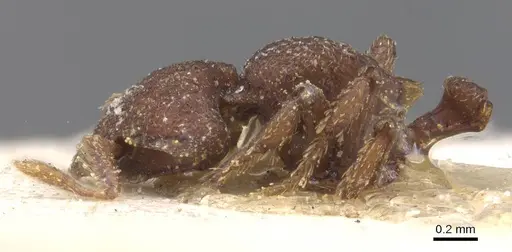
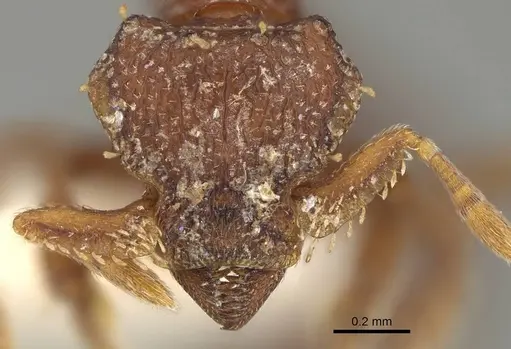
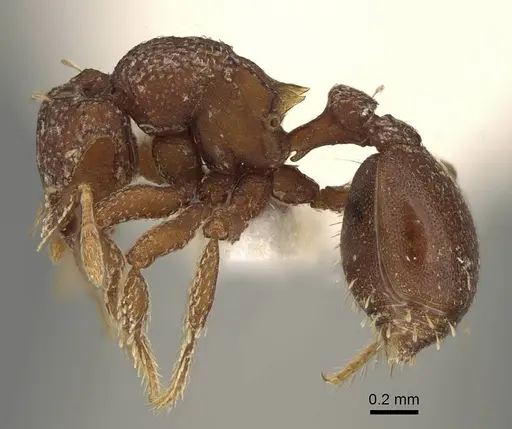
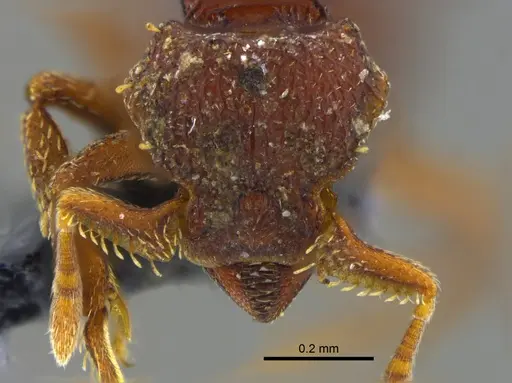
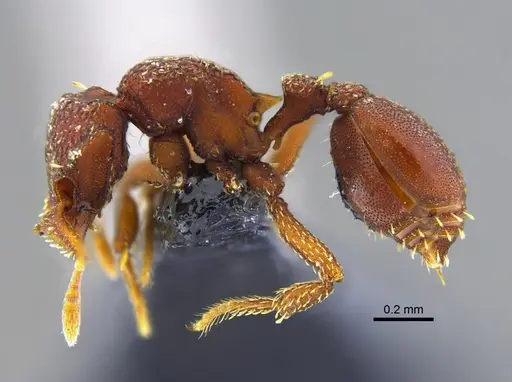
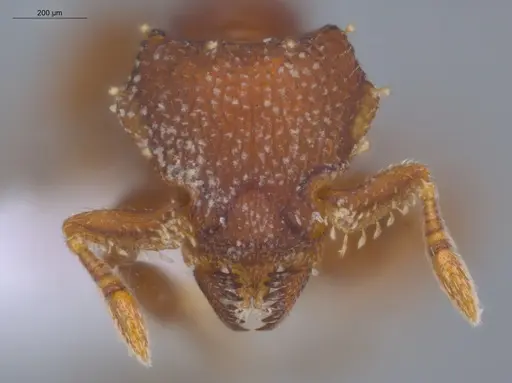
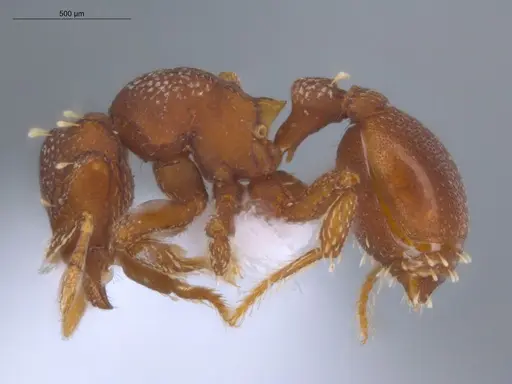
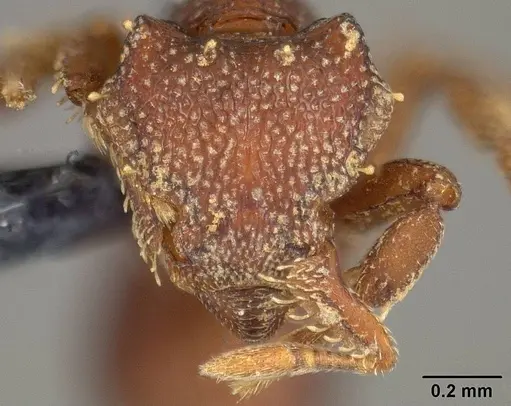
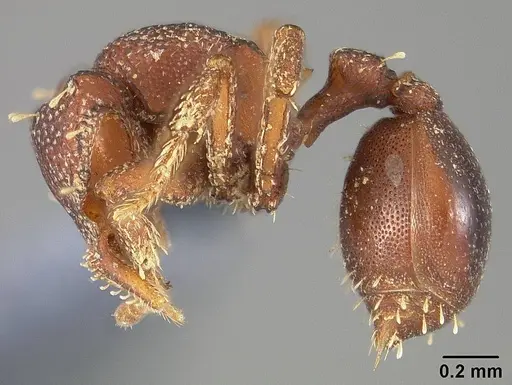
Octostruma iheringi is a tiny, cryptic leaf-litter ant native to the Neotropics. They range from southern Mexico down to southern Brazil, including Jamaica . Their exact body length is not recorded, but they are very small ants with an orange-red color and specialized hairs that help them blend into the forest floor. They live in mature and second-growth forests, from sea level up to about 800 m elevation, and are almost always collected from sifted leaf litter and rotting wood using Berlese or Winkler samplers . What makes this species interesting is their unusual propodeal spines, which have a roof-like transverse carina that gives them a distinctive look. They also have a pair of long, fine setae on the petiole and eight erect spatulate setae on the face . Despite being widespread and common in surveys, they are rarely seen by casual observers because of their hidden lifestyle.
Quick Summary
- Difficulty: Medium
- Origin & Habitat: Neotropical lowlands from southern Mexico to southern Brazil and Jamaica. Occurs in wet to seasonally dry forests, both primary and secondary, from sea level to about 800 m elevation (with one record at 1540 m in Colombia) [1][3]. Lives in leaf litter and rotting wood on the forest floor.
- Colony Type: Colony structure is not documented. Dealate queens have been found together with workers in litter samples, which suggests established colonies, but the queen number is unconfirmed [1].
- Size & Growth:
- Queen: Size data unavailable. Head width is 0.84 mm [1].
- Worker: Size data unavailable. Head width is 0.70-0.79 mm [1].
- Colony: Unknown. Based on similar leaf-litter ants, colonies are likely small (less than a few hundred workers).
- Growth: Unknown. Likely moderate based on typical small Myrmicinae patterns.
- Development: Unknown for this species. Related small Attini take 6-10 weeks at warm temperatures, use this as a rough estimate. (No specific development data is available. Keep conditions warm (around 24-26 °C) to encourage growth.)
- Antkeeping:
- Temperature: Keep warm and stable, roughly 22-26 °C. As a lowland tropical species, avoid temperature extremes and sudden changes.
- Humidity: High humidity is essential. Keep the nest substrate consistently moist but not waterlogged, feel it should be damp to the touch, with some slightly drier areas available. A soil-rotting wood mix holds moisture well.
- Diapause: Unknown. As a tropical lowland species, diapause is probably not required, maintain consistent conditions year‑round.
- Nesting: In nature they nest in leaf litter and rotting wood. In captivity use a naturalistic setup: moist soil mixed with small pieces of rotting wood or leaf litter. Y‑tong or plaster nests with tight, small chambers work well. Avoid large open spaces, these ants feel secure in narrow, dark cavities.
- Behavior: Shy and cryptic. They spend almost all their time hidden in the substrate. Not aggressive and not known to sting (subfamily-level sting is present but too small to bother humans). Escape prevention must be excellent, they are tiny enough to slip through very small gaps.
- Common Issues: escape through tiny gaps, use fine mesh (0.2 mm or smaller) on all openings., low humidity or sudden drying, the substrate must stay consistently moist, drying can kill the colony quickly., mold from over‑watering, ensure some ventilation and do not let water pool in the nest., stress from disturbance, they are extremely shy, minimize vibrations and light exposure., difficulty monitoring, because they hide, you may not see the colony for weeks, this is normal.
Natural History and Distribution
Octostruma iheringi is one of the most widespread species in its genus. Its range extends from southern Mexico through Central America (Guatemala, Honduras, Nicaragua, Costa Rica, Panama) into northern South America (Colombia, Ecuador, French Guiana, Venezuela, Trinidad, Paraguay) and south to Brazil [2][4][5]. It also occurs in Jamaica [1]. The species inhabits both wet evergreen forests and seasonally dry forests, from sea level to about 800 m elevation, with one Colombian record at 1540 m [3]. It is strictly a leaf‑litter and rotting wood specialist, almost every collection comes from sifted litter samples [1]. They have also been found in abandoned termite nests, suggesting they use pre‑existing cavities in decaying wood [6]. In surveys, they are consistently present but at low frequencies (e.g.,0.12% in central Amazonia [7],0.30% of specimens in a Florianópolis restinga [8], and 6.45% of samples in Salvador, Bahia [9]).
Identification and Morphology
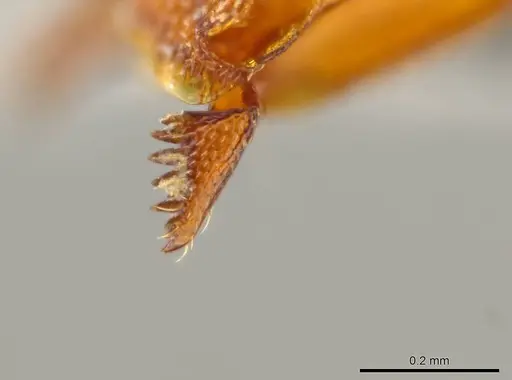
Workers are very small, head width (HW) is 0.70-0.79 mm [1]. Body length (TL) has not been recorded. They are orange‑red in color, with a matte surface. The most distinctive feature is the propodeal spines: each bears a roof‑like transverse carina that makes them look like tiny horse ears [1]. They also have a pair of long, thin setae on the petiole, and eight erect spatulate setae on the face [1]. The mandibles have 8 teeth, and the antennal scrobe is deep with a translucent foliaceous rim. Queens are larger (HW 0.84 mm) with ocelli and larger compound eyes, but otherwise similar [1]. The species has several synonyms, Octostruma iheringi, R. simoni, R. simoni spei, R. simoni wighti, and R. sulcata, all synonymized under O. iheringi [5].
Housing and Nest Setup
Because Octostruma iheringi is tiny and cryptic, your setup must be scaled to their size. A test tube with a moist cotton plug can work for a small colony, but escape prevention is critical, use fine mesh (0.2 mm or smaller) around the opening. For larger colonies, use a naturalistic nest: a Y‑tong or plaster block with small, tight chambers filled with a mix of moist soil and bits of rotting wood or leaf litter. This mimics the forest floor and provides the high humidity they need. The substrate should be consistently moist but not waterlogged. Because these ants hide most of the time, you will see little activity, this is normal. A dark background and minimal disturbance will encourage them to explore slightly more.
Feeding and Diet
The natural diet of Octostruma iheringi is not documented. Based on other small leaf‑litter ants, they are probably omnivorous, taking small arthropods, honeydew, and decaying organic matter. In captivity, offer a variety of tiny live prey (fruit flies, pinhead crickets) and sugar water or honey. Because the ants are shy and may not forage in the open, place food near the nest entrance or directly into the nest using a feeding dish. Remove uneaten protein after 24 hours to prevent mold. If the colony is small, you may need to supplement with finely crushed insect powder or small pieces of boiled egg.
Temperature and Humidity
As a lowland Neotropical species, Octostruma iheringi needs warm, stable temperatures. Aim for 22-26 °C, room temperature is usually fine. Avoid letting the nest get below 18 °C or above 30 °C for extended periods. Humidity is more critical: the nest substrate must stay damp. A water reservoir connected to the nest or regular misting will help. The substrate should feel moist to the touch but not have standing water. Good ventilation is needed to prevent mold, a small mesh panel on the nest lid helps. Condensation on the walls is okay, but if water pools, reduce moisture.
Colony Establishment and Growth
Establishing a colony of Octostruma iheringi is challenging because wild‑caught colonies are rare. They are not typically found foraging in the open. If you obtain a dealate queen, founding behavior is unconfirmed, most small Myrmicinae are claustral, but this is not certain. Provide her with a small test tube setup with moist cotton and keep her in the dark and quiet. Colony growth is likely slow, the first nanitics will be extremely tiny. Be patient and avoid disturbing the colony often. Data from related species suggests 6-10 weeks from egg to first worker at 24-26 °C, but this is only a rough guide.
Frequently Asked Questions
How long does it take for Octostruma iheringi to produce first workers?
The exact timeline is unknown. Based on typical Attini patterns, expect 6-10 weeks from egg to first worker at warm temperatures (around 24-26 °C). Growth is likely slow, so patience is required.
What do Octostruma iheringi ants eat?
Their exact wild diet is not documented. They are probably omnivorous, feeding on small insects, honeydew, and decaying organic matter. In captivity offer tiny live prey (fruit flies, pinhead crickets) and sugar water or honey.
Are Octostruma iheringi good for beginners?
No. They are small, cryptic, require high humidity, and are difficult to establish. Their slow growth and hidden lifestyle can frustrate new keepers. Start with hardier species like Lasius niger or Messor barbarus.
What size colony do Octostruma iheringi colonies reach?
Colony size is unknown. Based on similar leaf‑litter ants, they likely reach only a few dozen to a few hundred workers. They are not large‑colony ants.
Do Octostruma iheringi need hibernation?
It is unknown. As a tropical lowland species, diapause is probably not required. Maintain consistent warm conditions year‑round.
How do I house Octostruma iheringi?
Use a naturalistic setup: a Y‑tong, plaster, or soil nest with tight, small chambers. The substrate should be a mix of moist soil and rotting wood bits. Ensure excellent escape prevention (fine mesh). Test tubes can work for small colonies but may be too open.
Why can't I see my Octostruma iheringi ants?
This is normal. They are cryptic leaf‑litter ants that spend almost all their time hidden in the substrate. Minimize disturbance and provide a dark environment to encourage slightly more activity.
What temperature do Octostruma iheringi need?
Room temperature (22-26 °C) is fine. Avoid extremes. They are a lowland tropical species and prefer stable warmth.
Where is Octostruma iheringi found in the wild?
From southern Mexico to southern Brazil, including Jamaica. They inhabit wet to seasonally dry forests from sea level to about 800 m elevation, in leaf litter and rotting wood [1][2].
Can I keep multiple Octostruma iheringi queens together?
This has not been documented. The colony structure is not well studied. It is not recommended to combine unrelated queens as this could lead to aggression.
Why are my Octostruma iheringi dying?
Common causes: escape (use fine mesh), low humidity (keep substrate moist), mold from over‑watering (improve ventilation), and stress from disturbance (minimize handling). They are sensitive to changes in their environment.
Report an Issue
The current care sheet is based fully on literature. See inconsistencies, or something that's incorrect? Please , it will be resolved after review from an admin. Contributing to the blogs tab also helps providing information, to make us be able to further improve the caresheets. Thank you for your support!
References

This caresheet is licensed under CC BY-SA 4.0 .
Community Blogs
CASENT0178002
View on AntWeb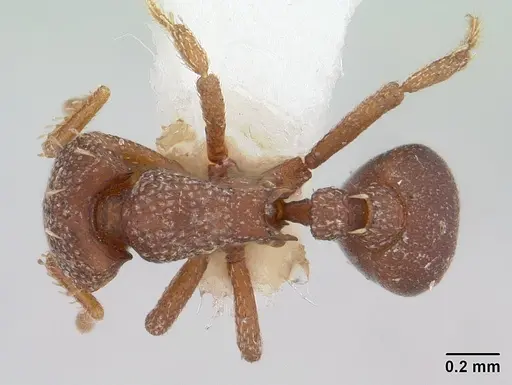
CASENT0178700
View on AntWeb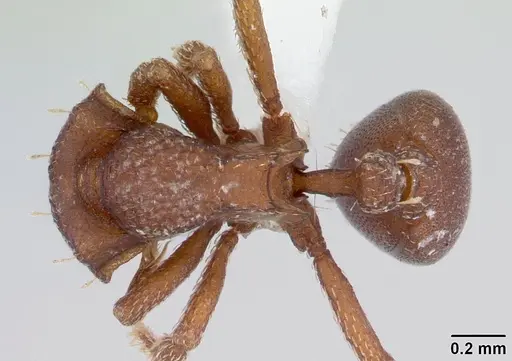
CASENT0627354
View on AntWeb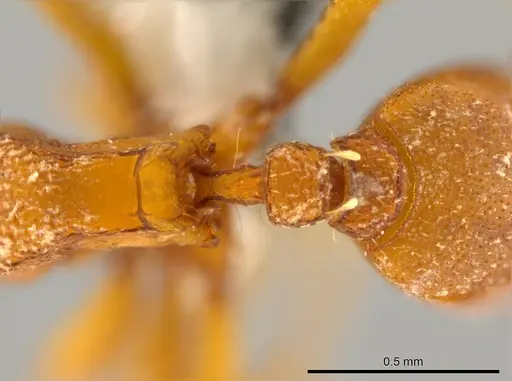
CASENT0639172
View on AntWeb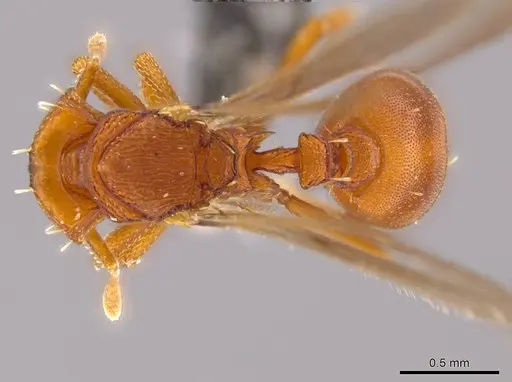
CASENT0900927
View on AntWeb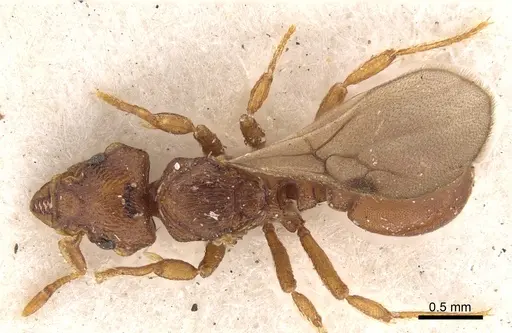
CASENT0904966
View on AntWeb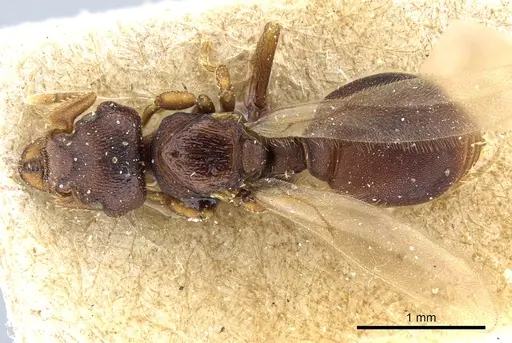
CASENT0904967
View on AntWeb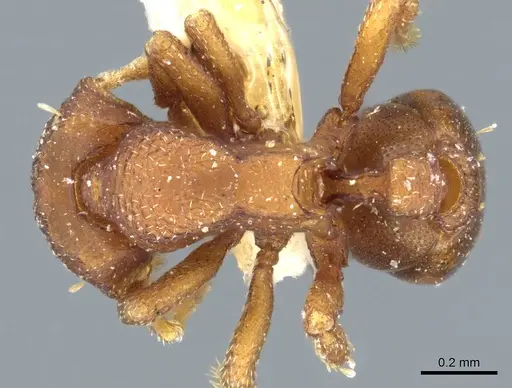
CASENT0909345
View on AntWeb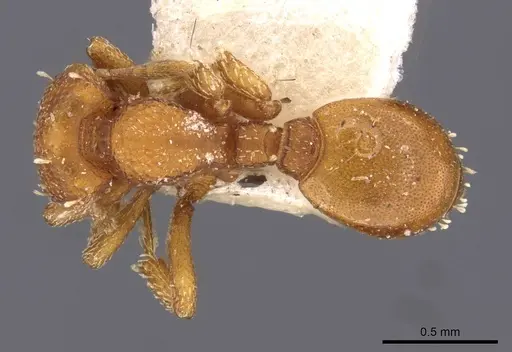
CASENT0909346
View on AntWeb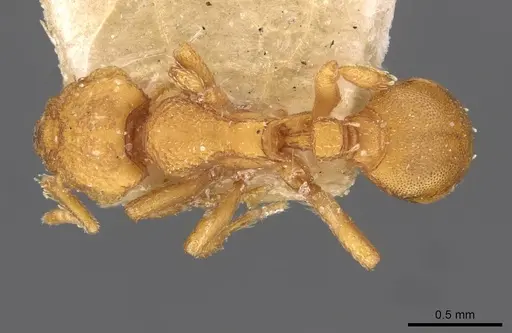
CASENT0911206
View on AntWeb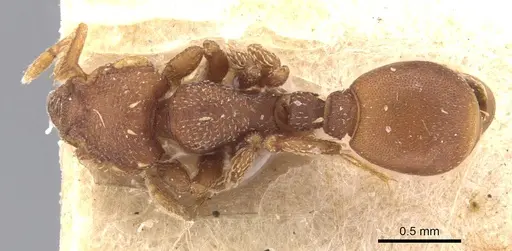
CASENT0912539
View on AntWeb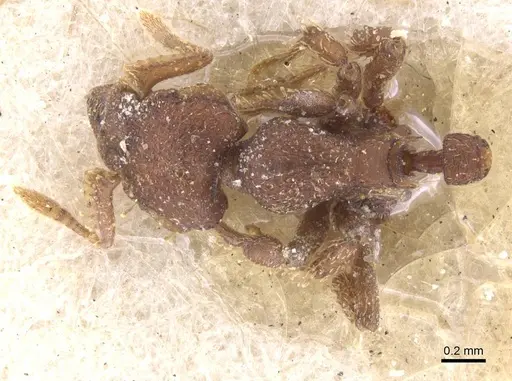
CASENT0914910
View on AntWeb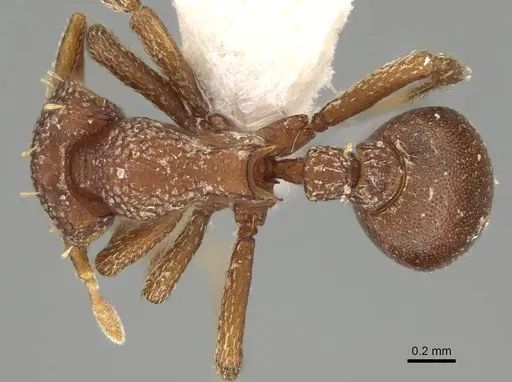
CBUMAGENT41980
View on AntWeb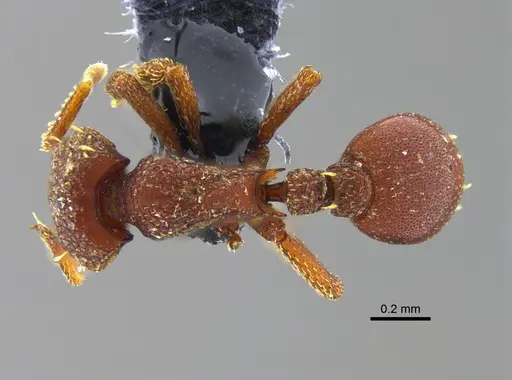
ECOFOG-BAF19-0030-03
View on AntWeb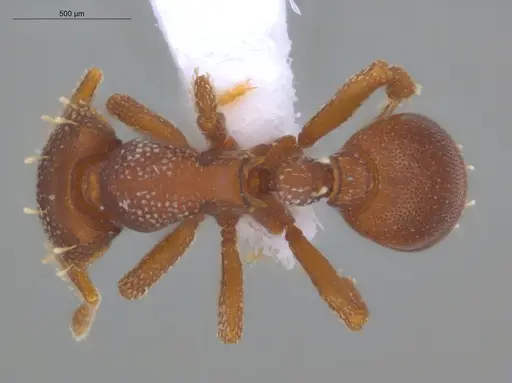
INBIOCRI001226543
View on AntWeb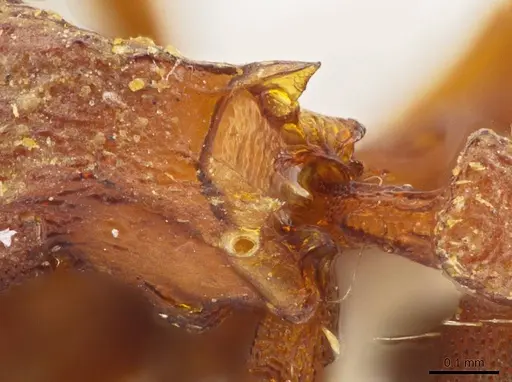
USNMENT00445693
View on AntWeb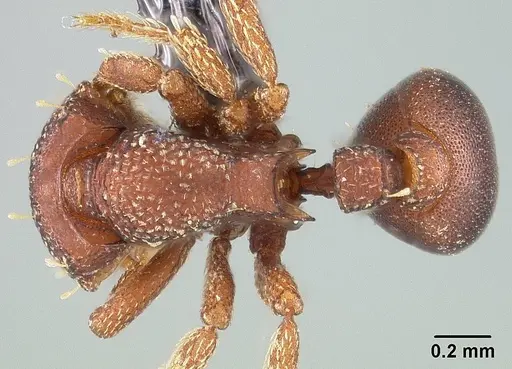
Literature
Loading distribution map...Loading products...