
Octostruma betschi
- Sci. Name
- Octostruma betschi
- Tribe
- Attini
- Subfamily
- Myrmicinae
- Author
- Perrault, 1988
- Distribution
- Found in 4 countries
Introduction
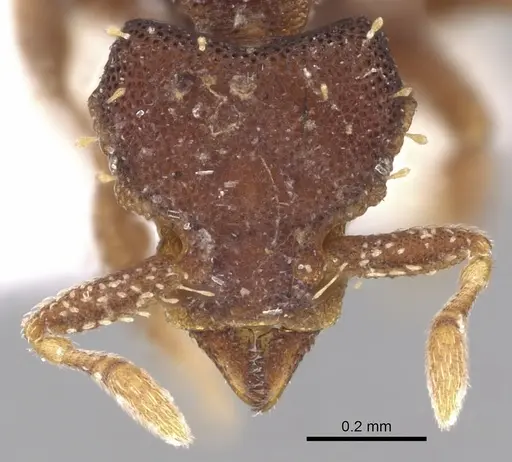
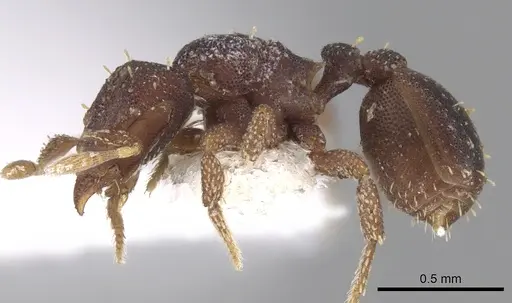
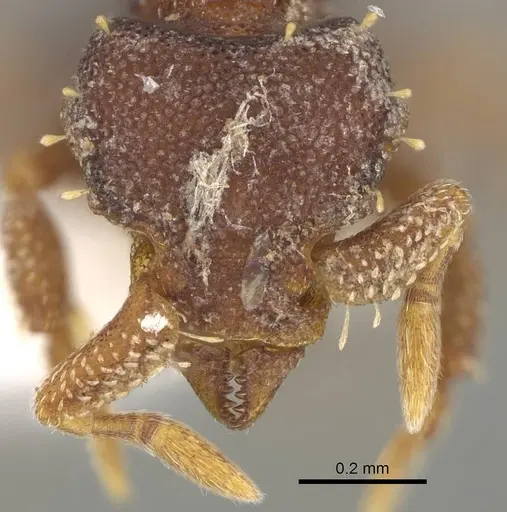
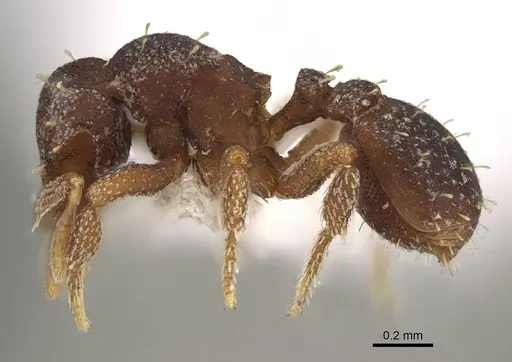
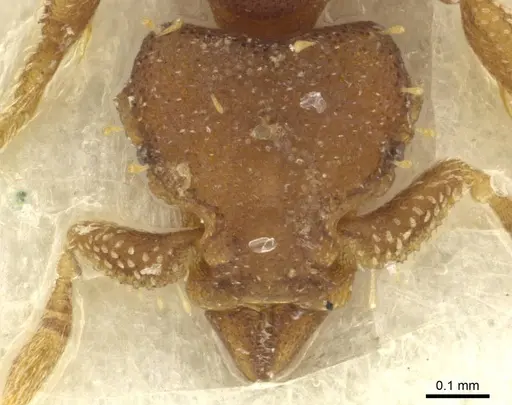
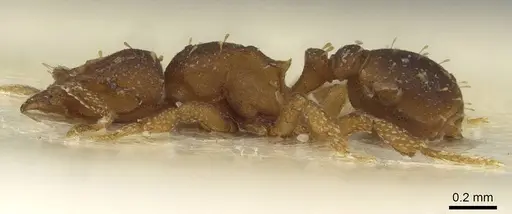
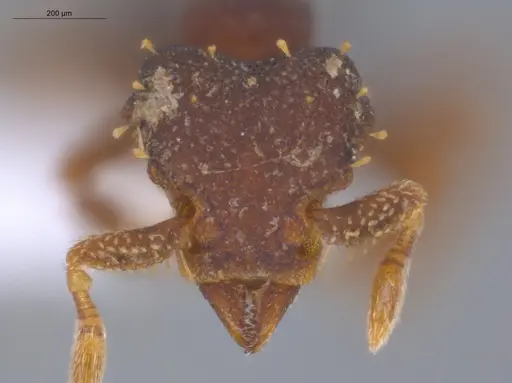
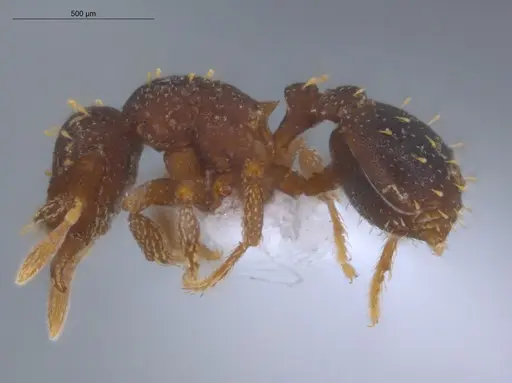
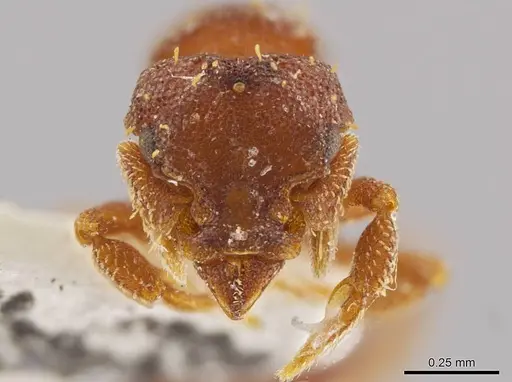
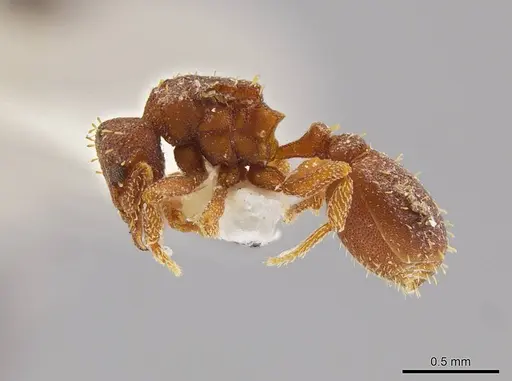
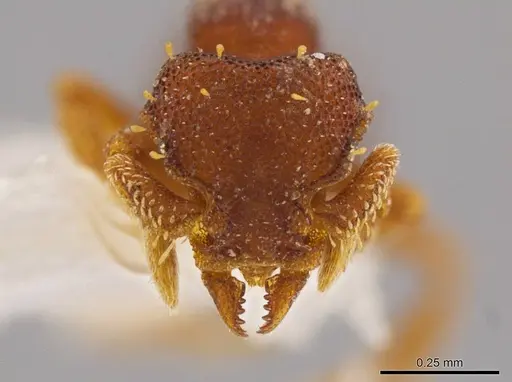
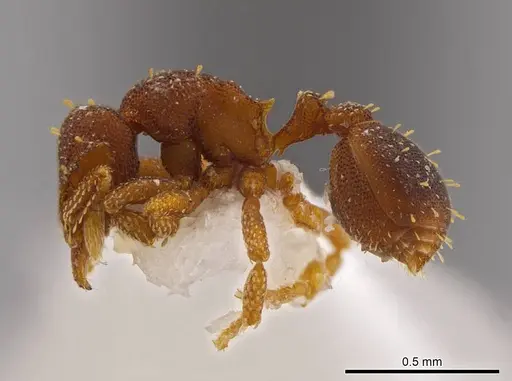
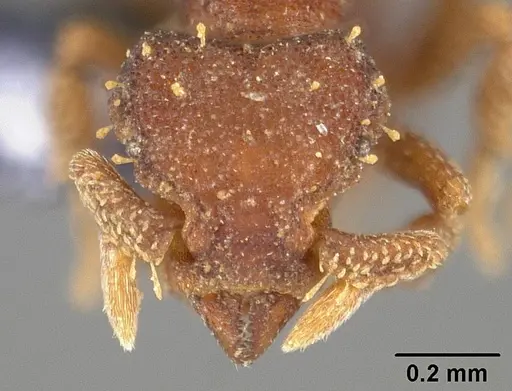
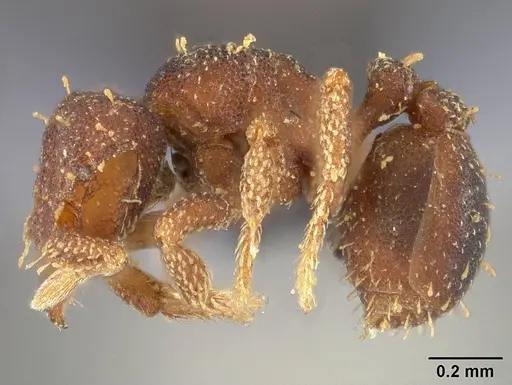
Octostruma betschi is a tiny leaf-litter ant native to Amazonian South America. Workers are approximately 1.9 mm in total length and queens about 2.3 mm, with golden-brown coloration and distinctive morphological features like two pairs of setae on the promesonotum . This species is part of the O. balzani group and is found in Bolivia, Brazil, Colombia, French Guiana, and Peru . Nothing is known about the biology of this species - it is one of the least studied ants in the hobby. Keepers will need to approach care experimentally, as all husbandry knowledge must be pioneered.
Quick Summary
- Difficulty: Expert
- Origin & Habitat: Amazonian South America, including Bolivia, Brazil, Colombia, French Guiana, and Peru. In nature, they inhabit leaf-litter in tropical rainforests, including primary and floodplain forests [3][2][4].
- Colony Type: Unconfirmed, colony structure has not been documented in scientific literature.
- Size & Growth:
- Antkeeping:
- Temperature: Based on Amazonian distribution, keep warm around 24-28°C. Avoid temperatures below 20°C [2].
- Humidity: Keep substrate consistently moist but not waterlogged, as leaf-litter ants need high humidity [1].
- Diapause: Unknown, Amazonian species may not require true diapause
- Nesting: Natural nesting occurs in leaf-litter, in captivity, use small test tubes or formicaria with moist substrate [1].
- Behavior: Behavior is unstudied. Based on related leaf-litter ants, they are likely docile and avoid confrontation. Their tiny size makes them vulnerable, so escape prevention is critical. As Myrmicinae, they have a sting, but it is imperceptible to humans.
- Common Issues: escape risk is high due to tiny size, use fine barriers to prevent loss, diet preferences are unknown, experimental feeding required to avoid starvation, humidity management is challenging, too wet causes mold, too dry kills ants, colony growth may be slow and unpredictable due to lack of data
Understanding the Challenge
Octostruma betschi is an expert-level species because no biological data exists. AntWiki states 'Nothing is known about the biology' [1]. You will be pioneering all husbandry knowledge, so only keep this if you have extensive experience and are comfortable with experimental approaches [2][3].
Natural History and Distribution
This species is distributed across Amazonian South America, with records from Bolivia, Brazil, Colombia, French Guiana, and Peru [3]. Specimens are collected from leaf-litter in lowland tropical forests [4][5]. The morphology includes specialized mandibles and setae patterns [2].
Housing and Nest Setup
Use a small test tube setup for founding colonies with a water reservoir and cotton plug. For established colonies, a small formicarium with moist substrate works. Maintain high humidity but avoid flooding. Escape prevention is critical due to tiny size, use fine mesh or barriers [1].
Feeding and Diet
Diet is unstudied. Offer small live prey like fruit flies, insects, and sugar sources like honey water. Remove uneaten food promptly to prevent mold. Experimental feeding is essential [1].
Temperature and Humidity Management
Keep temperatures at 24-28°C based on their natural range [2]. Humidity should be high, with substrate moist but not waterlogged [1]. Provide ventilation to prevent mold.
Colony Development Expectations
No data exists on development. Colonies may grow slowly, and keepers should be patient. Based on related ants, growth could be moderate, but this is speculative [1].
Frequently Asked Questions
How long does it take for Octostruma betschi to produce first workers?
Unknown, no development timeline has been documented. Based on similar ants, it may take several weeks, but this is speculative [1].
What do Octostruma betschi ants eat?
Diet is unstudied. Offer small live prey and sugar sources, experimental feeding is needed [1].
Are Octostruma betschi ants good for beginners?
No, this is an expert-level species due to lack of data. Only keep if you have extensive experience [1].
Do Octostruma betschi ants need hibernation?
Unknown, likely not required given Amazonian distribution, but monitor colony activity [1].
How big do Octostruma betschi colonies get?
Unknown, no colony size data exists. Based on related species, colonies likely remain small [1].
Can I keep multiple Octostruma betschi queens together?
Unknown, colony structure is unconfirmed. Do not combine queens without evidence [1].
What temperature should I keep Octostruma betschi at?
Aim for 24-28°C based on natural range, avoid below 20°C [2].
Why are my Octostruma betschi dying?
Common causes include incorrect humidity, temperature, starvation, or escape. Adjust conditions systematically [1].
When should I move Octostruma betschi to a formicarium?
Wait until the colony has at least 20-30 workers and is actively foraging. For tiny species, small spaces are appropriate [1].
Report an Issue
The current care sheet is based fully on literature. See inconsistencies, or something that's incorrect? Please , it will be resolved after review from an admin. Contributing to the blogs tab also helps providing information, to make us be able to further improve the caresheets. Thank you for your support!
References

This caresheet is licensed under CC BY-SA 4.0 .
Community Blogs
CASENT0280762
View on AntWeb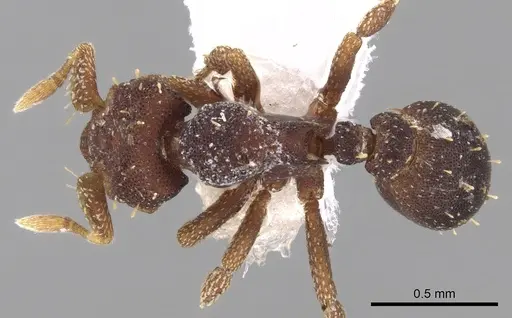
CASENT0914908
View on AntWeb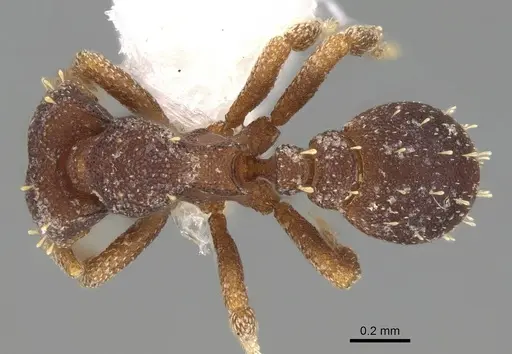
CASENT0915363
View on AntWeb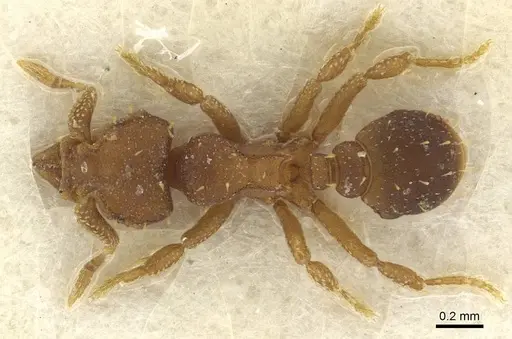
ECOFOG-IT14-0055-145
View on AntWeb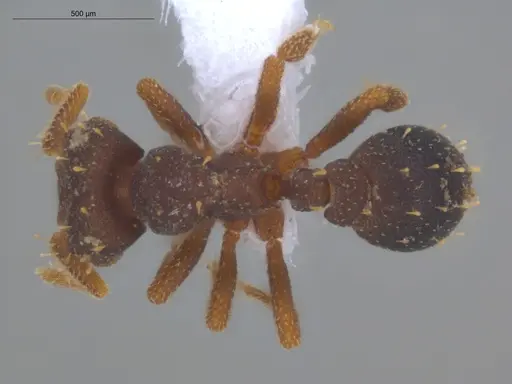
MCZ-ENT00511298
View on AntWeb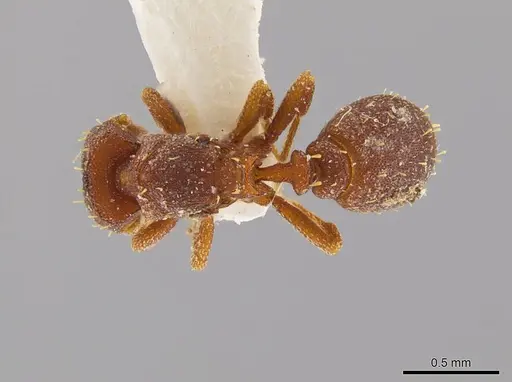
MCZ-ENT00511313
View on AntWeb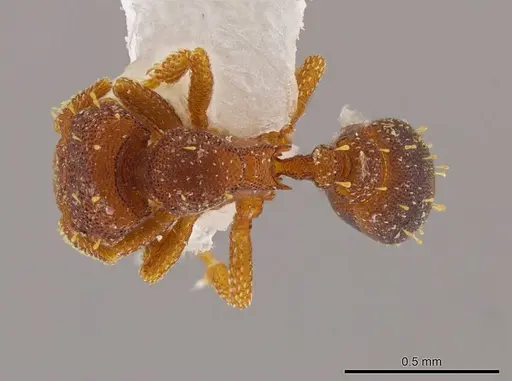
USNMENT00446443
View on AntWeb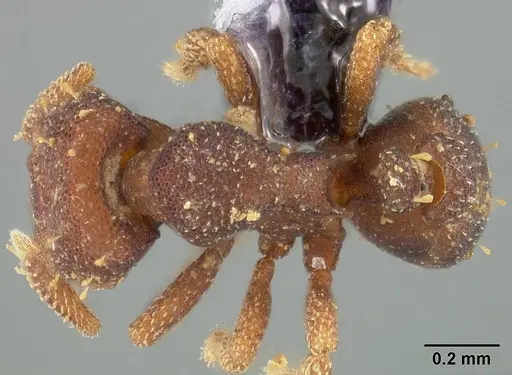
Literature
Loading distribution map...Loading products...