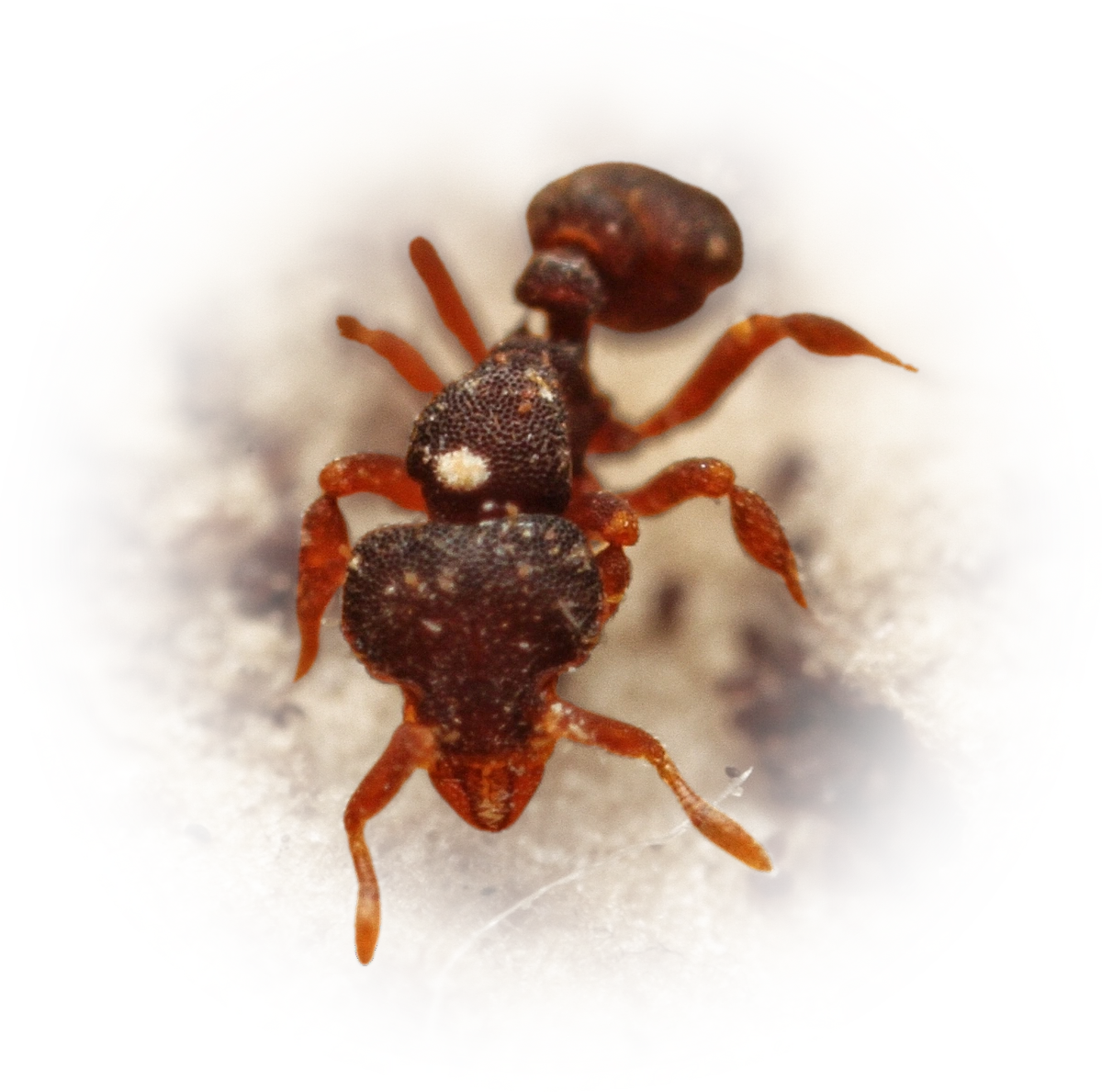
Octostruma balzani
- Sci. Name
- Octostruma balzani
- Tribe
- Attini
- Subfamily
- Myrmicinae
- Author
- Emery, 1894
- Distribution
- Found in 11 countries
Introduction
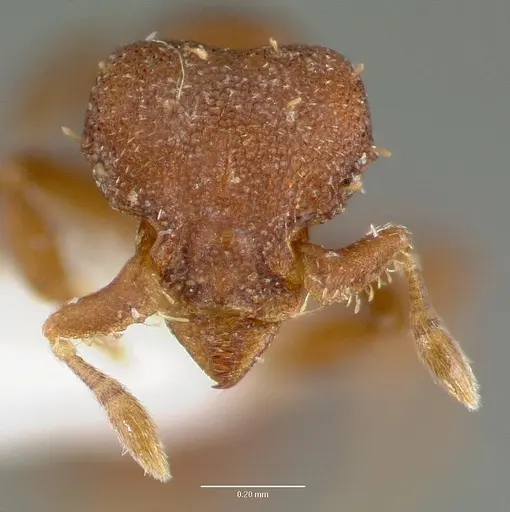
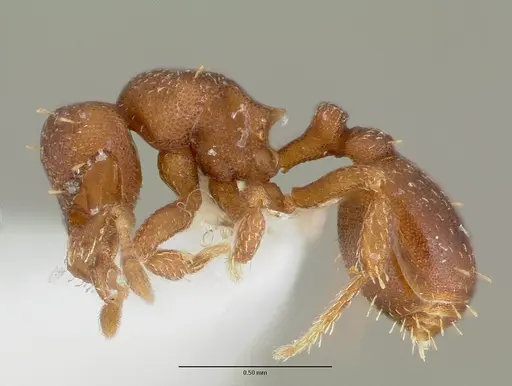
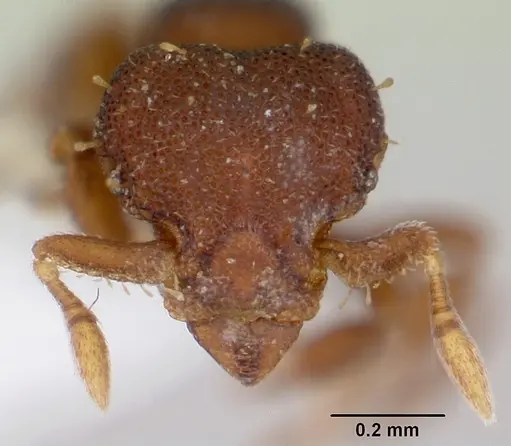
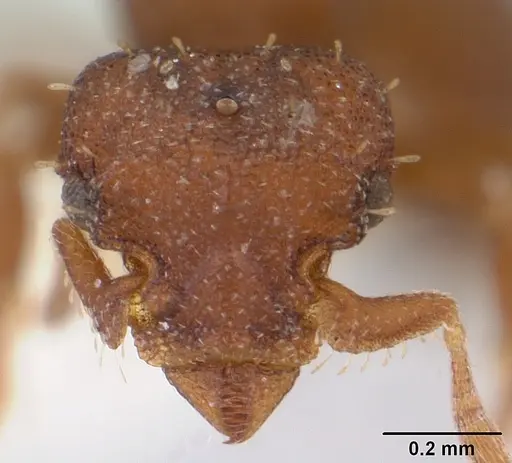
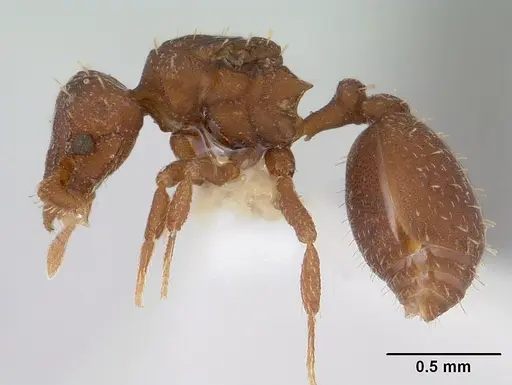
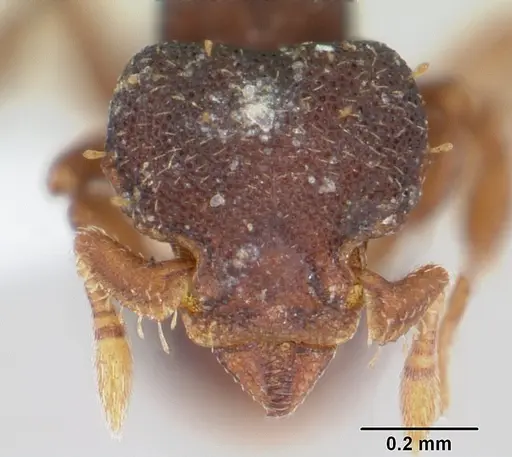
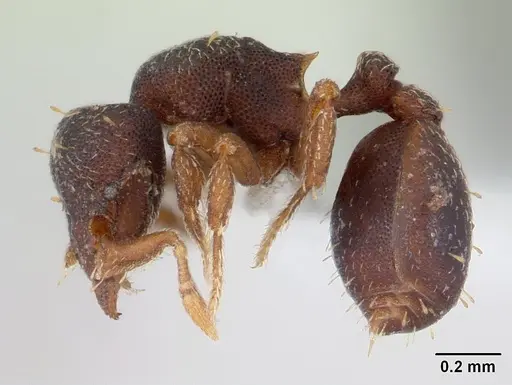
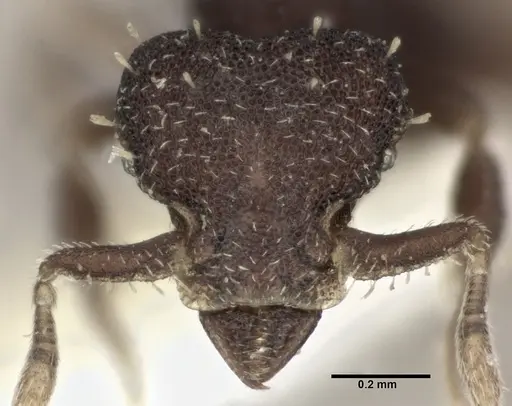
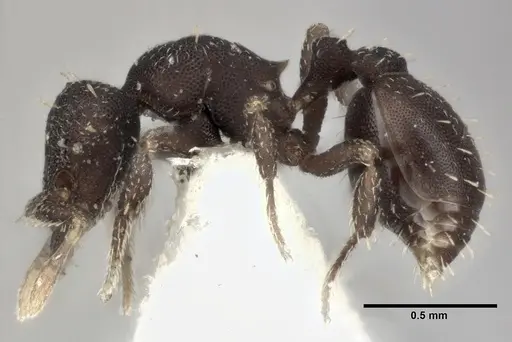
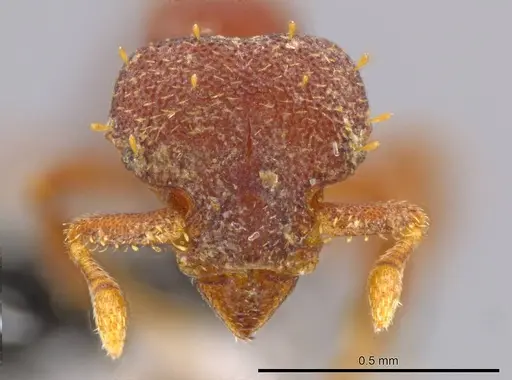
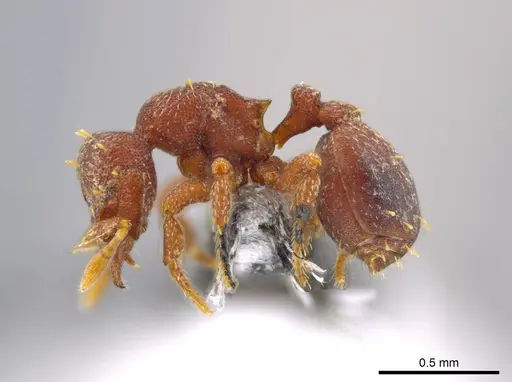
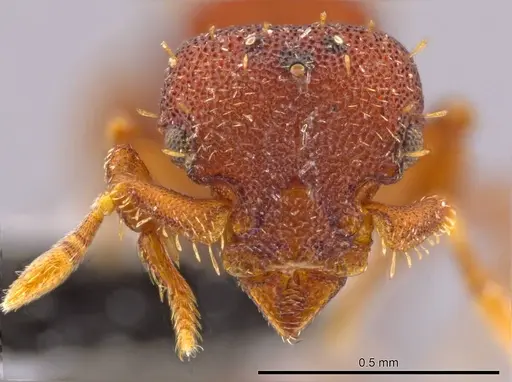
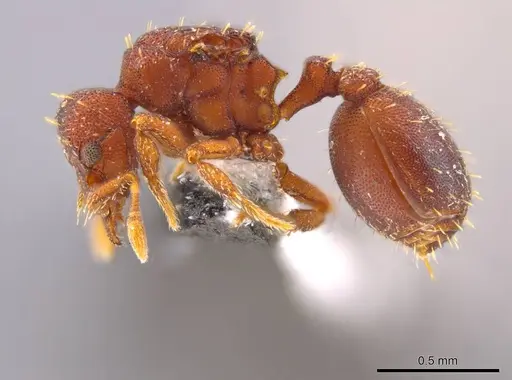
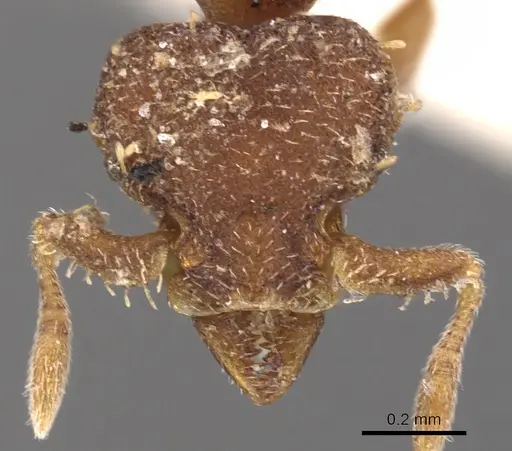
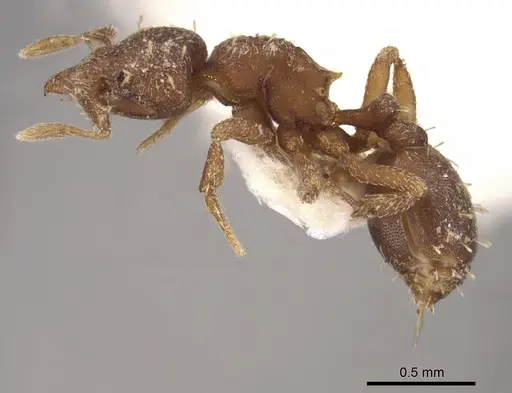
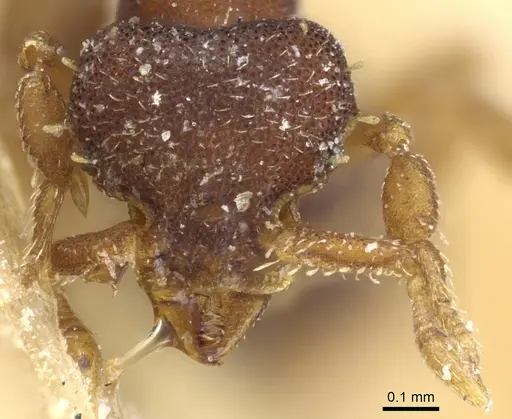
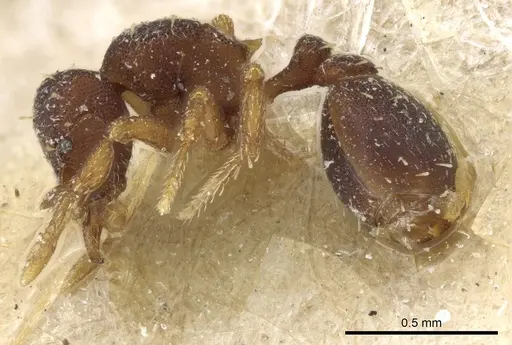
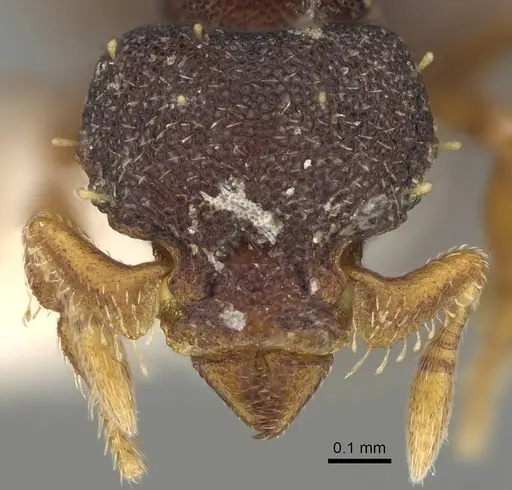
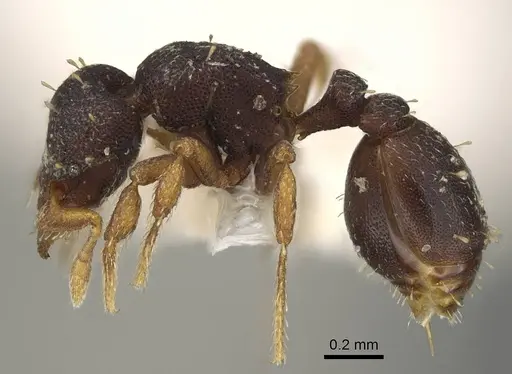
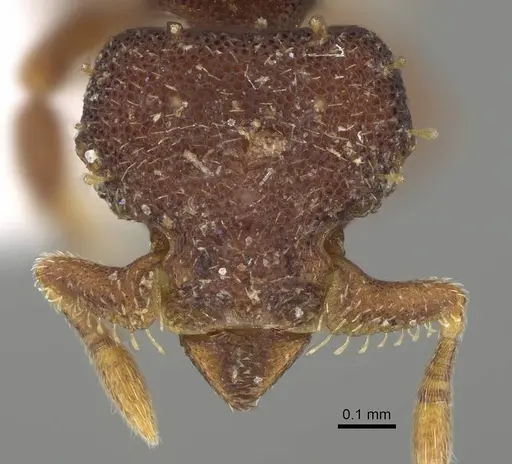
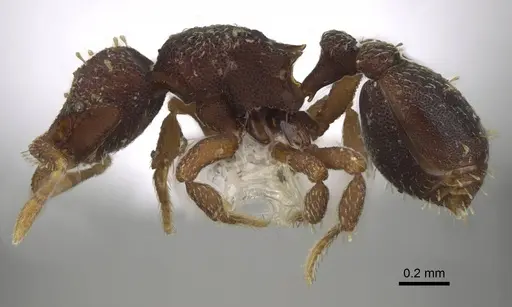
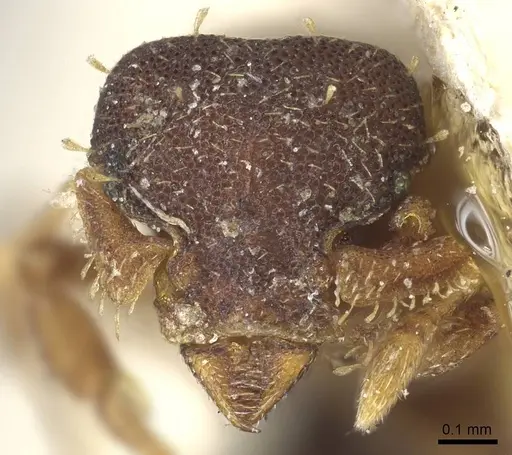
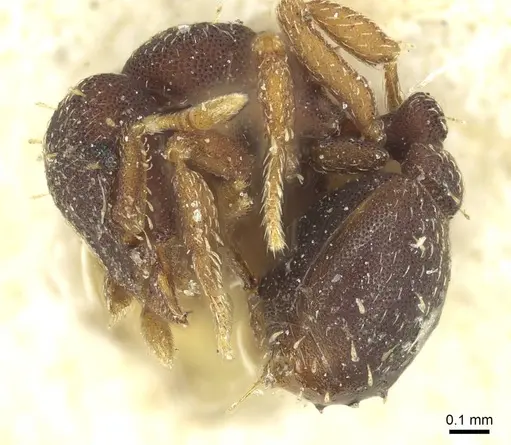
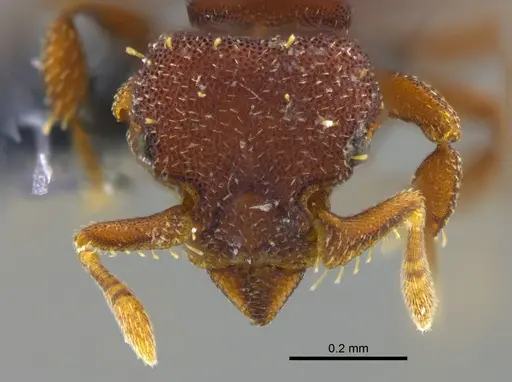
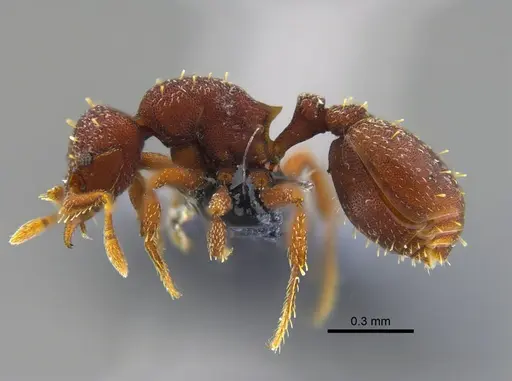
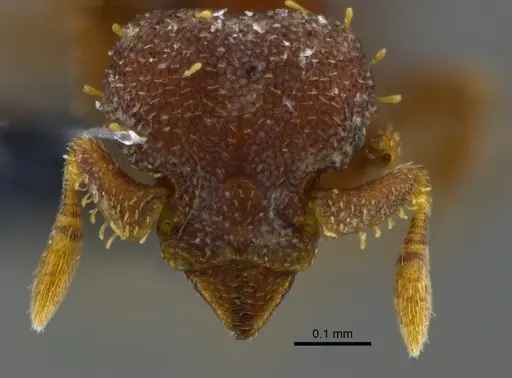
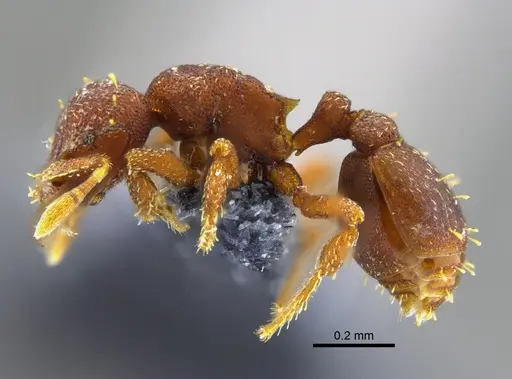
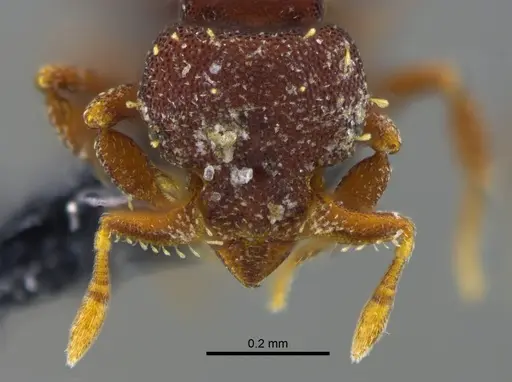
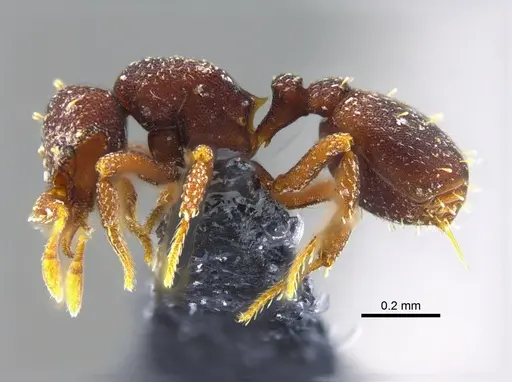
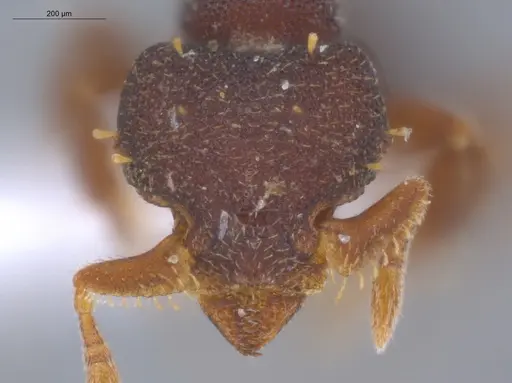
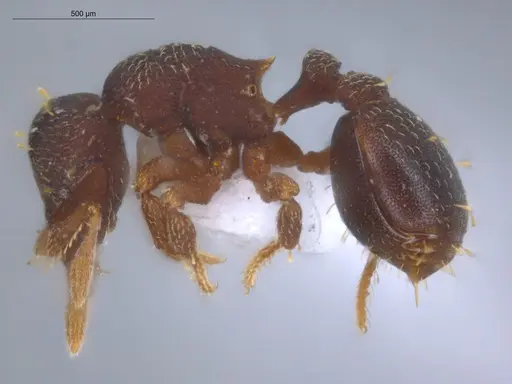
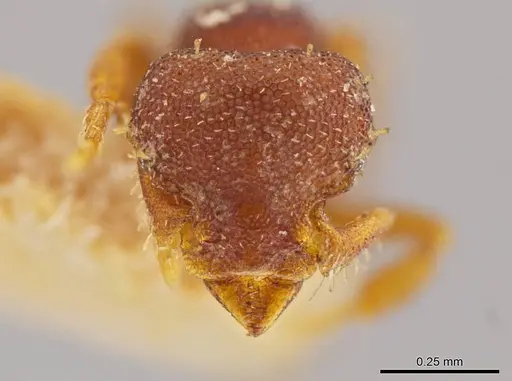
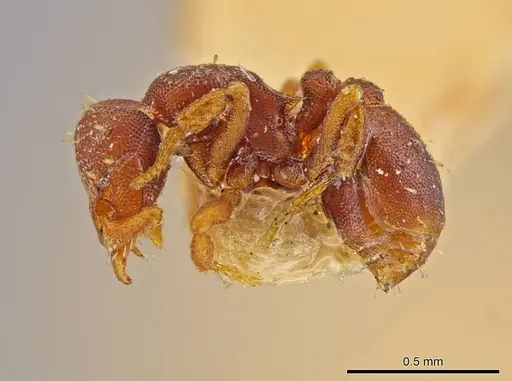
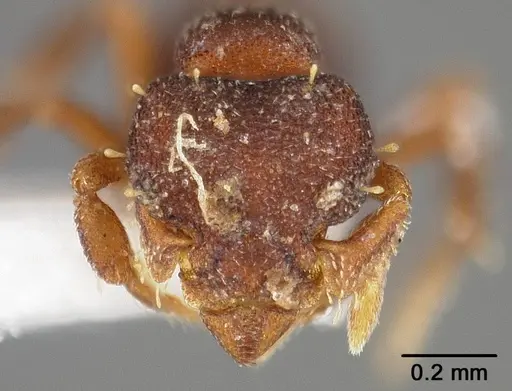
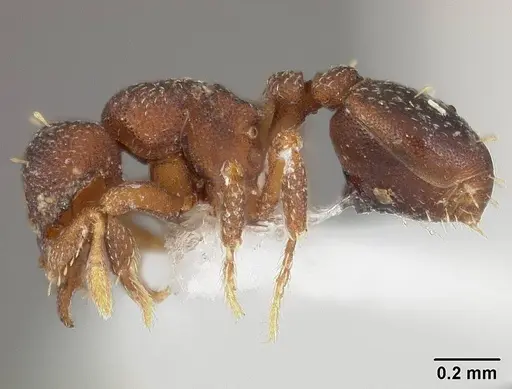
Octostruma balzani is a tiny, cryptic ant species native to Central and South America, and it is one of the most widespread basicerotine ants in the region . Workers are small, and queens are slightly larger, but exact body size measurements are not available from the research . These ants belong to the tribe Attini and are specialized predators that forage slowly through leaf litter and decaying wood on the forest floor . They have unique brush hairs for capturing soil particles and holding hairs for camouflage, making them well-adapted to their hidden lifestyle . The species occurs across a vast range from Mexico to Argentina and Brazil, thriving in various forested habitats from wet lowland rainforests to seasonal dry forests at elevations up to 1650m . What makes O. balzani notable is its status as a cryptic specialist predator, it belongs to a group that hunts tiny prey in the leaf litter using specialized mandibles . Colonies remain small, typically containing only tens of workers, which explains why they're rarely observed despite being common in their native range . This species is part of the O. balzani complex, and researchers believe the number of species in this group is underestimated .
Quick Summary
- Difficulty: Medium
- Origin & Habitat: Native to Central and South America, from Mexico to Argentina and Brazil. Found in wet to seasonal dry forests, from second-growth to mature forest, at elevations from sea level up to 1650m (typically around 1400m). Lives in leaf litter and rotting wood on the forest floor [4][2].
- Colony Type: Small colonies with tens of workers. Colony structure is not well-documented in scientific literature, likely monogyne (single queen) based on typical Basicerotini patterns, but this is unconfirmed.
- Size & Growth:
- Queen: Size data unavailable, no total length measurements provided in research [2].
- Worker: Size data unavailable, no total length measurements provided in research [2].
- Colony: Up to tens of workers [2].
- Growth: Slow, inferred from small colony size, but no direct studies confirm this.
- Development: Unknown, no direct studies on development time. Based on typical Myrmicinae patterns and small colony size, estimate 6-10 weeks at optimal temperature. (Development timeline is unconfirmed. Small colony size suggests slower growth compared to faster-breeding Myrmicinae.)
- Antkeeping:
- Temperature: Keep at stable, warm conditions, roughly low-to-mid 20s°C, as they are from Neotropical forest floor habitats. No specific temperature data in research, observe colony activity for adjustments.
- Humidity: Keep the nest substrate consistently moist but not waterlogged, as they are from damp forest floors. Provide a humidity gradient for the ants to choose [4].
- Diapause: Unknown, no specific research on diapause requirements. As a tropical species, they likely do not require true hibernation.
- Nesting: Prefer naturalistic setups with moist soil or leaf litter substrate. Use Y-tong (AAC), plaster, or soil nests with small chambers to mimic their hidden lifestyle [3].
- Behavior: These ants are cryptic, slow-moving, and spend most of their time hidden in the substrate or under cover. They are specialized predators that hunt tiny prey in the leaf litter [5]. Workers forage individually and are not aggressive, rarely sting and harmless to humans due to small size. Escape prevention is critical because of their tiny size. They are more active in dim conditions [3].
- Common Issues: small colony size means slow growth, beginners may lose patience and abandon colonies., escape prevention is critical due to their tiny size, they can squeeze through small gaps., high humidity requirements can lead to mold if ventilation is poor., wild-caught colonies may have parasites that kill them in captivity., difficulty finding appropriate live prey, they need tiny insects like springtails., slow-moving foragers means food can go unnoticed if not placed near active areas.
Housing and Nest Setup
Octostruma balzani is a tiny leaf-litter ant that requires careful housing. In the wild, they live in decaying wood, soil, and leaf litter on the forest floor [3]. For captivity, use a naturalistic setup with a moist soil or peat mixture in a small container, allowing them to create tunnels. Y-tong nests with small chambers work well for their size. Maintain high humidity with a moisture gradient, keep the substrate damp but not waterlogged. Use small ventilation holes to prevent mold. Place a water tube or cotton with water in the outworld to maintain humidity. Keep the nest area dark or covered, as these cryptic ants prefer dim conditions.
Feeding and Diet
These ants are specialized predators in the leaf-litter guild [5]. They hunt tiny arthropods and likely accept small live prey like springtails, booklice, and micro-insects. In captivity, offer small live prey items such as springtails, fruit flies, or tiny mealworms. They are unlikely to accept sugar water or honey, their diet is primarily protein-based. Feed small amounts every 2-3 days and remove uneaten prey after 24 hours to prevent mold. Place prey near active workers since they are slow-moving hunters.
Temperature and Humidity
As a Neotropical species from forest floor habitats, Octostruma balzani prefers stable, warm conditions. No specific temperature data exists, keep them at roughly low-to-mid 20s°C and observe colony activity. They require high humidity to match their native leaf-litter environment. Keep the substrate consistently moist but not waterlogged, and provide a humidity gradient for behavioral regulation. Mist the outworld occasionally but avoid direct spraying on the nest. [4][2]
Behavior and Activity Patterns
Octostruma balzani is cryptic and slow-moving, foraging individually in the leaf litter [3]. Workers are not aggressive and rarely sting, harmless to humans due to small size. They are more active in dim conditions, possibly nocturnal or crepuscular. Colonies remain small throughout life, with only tens of workers [2]. Workers have specialized hairs for camouflage [3], helping them blend into the environment. Low activity is normal, do not mistake it for illness.
Colony Establishment
Establishing a colony can be challenging. Wild colonies are small and hidden in leaf litter, making them difficult to find [2]. If you obtain a founding queen, founding behavior is unconfirmed, no research exists. Expect slow growth, first workers may take 6-10 weeks or longer. The colony will remain small even at maturity. Patience is essential. Consider acquiring an established colony from a breeder rather than attempting to find a wild queen.
Frequently Asked Questions
How long does it take for Octostruma balzani to produce first workers?
The exact timeline is unconfirmed, but based on typical Myrmicinae development and small colony size, expect 6-10 weeks from egg to first worker at optimal temperature. Growth is slow, and colonies remain small even at maturity.
Can I keep Octostruma balzani in a test tube?
Yes, a test tube setup can work for founding colonies. Use a small test tube with a water reservoir and keep it humid. However, these ants do better in naturalistic setups with soil substrate where they can forage naturally. Ensure the chamber is small and dark.
What do Octostruma balzani eat?
They are specialized predators that hunt tiny prey in leaf litter. Feed small live prey like springtails, fruit flies, or tiny mealworms. They are unlikely to accept sugar water or honey. Remove uneaten prey after 24 hours.
Are Octostruma balzani good for beginners?
This species is rated as Medium difficulty. While not aggressive, their small size, slow growth, and specific humidity requirements make them challenging for complete beginners. They're better suited for antkeepers with some experience.
How big do Octostruma balzani colonies get?
Colonies remain small throughout their life, typically reaching up to tens of workers. This is normal for the species [2].
Do Octostruma balzani need hibernation?
As a Neotropical species, they likely do not require true hibernation. However, they may slow down during cooler periods. No specific diapause requirements have been documented. Keep them at stable room temperature year-round.
Why are my Octostruma balzani not very active?
This is normal behavior, they are cryptic, slow-moving ants that spend most of their time hidden in the substrate. They may be more active at night or in dim conditions. Low activity is not necessarily a sign of problems.
When should I move Octostruma balzani to a formicarium?
For this species, a naturalistic setup with moist soil substrate works well from the start. If starting with a test tube colony, you can transfer to a small naturalistic setup once the colony reaches 10-15 workers. They do not need large spaces, tight chambers help them feel secure.
Can I keep multiple Octostruma balzani queens together?
Colony structure is unconfirmed for this species. Combining unrelated queens is not recommended since it hasn't been documented. Single-queen colonies are most likely based on typical Basicerotini patterns.
Report an Issue
The current care sheet is based fully on literature. See inconsistencies, or something that's incorrect? Please , it will be resolved after review from an admin. Contributing to the blogs tab also helps providing information, to make us be able to further improve the caresheets. Thank you for your support!
References

This caresheet is licensed under CC BY-SA 4.0 .
Community Blogs
ANTWEB1062555
View on AntWeb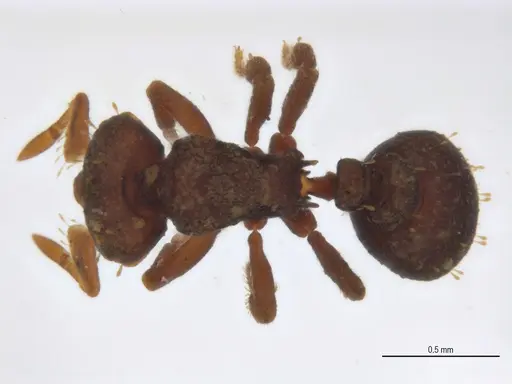
ANTWEB1062556
View on AntWeb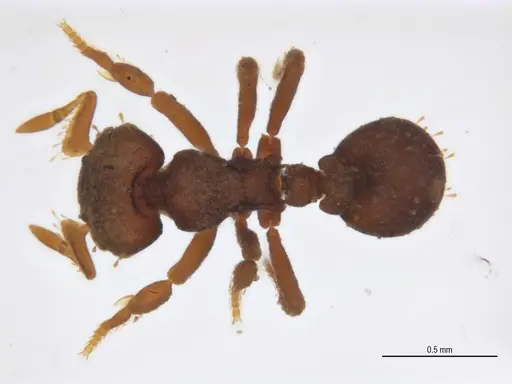
CASENT0006158
View on AntWeb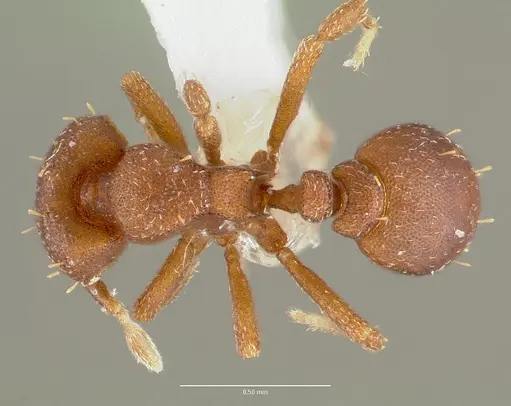
CASENT0103342
View on AntWeb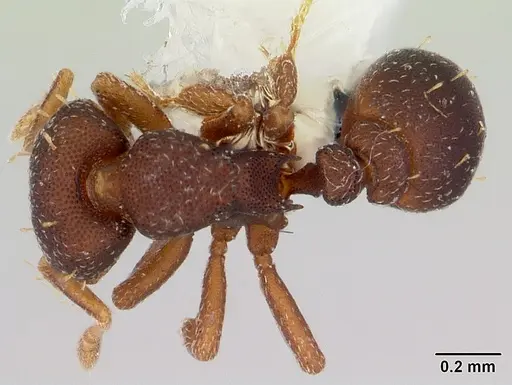
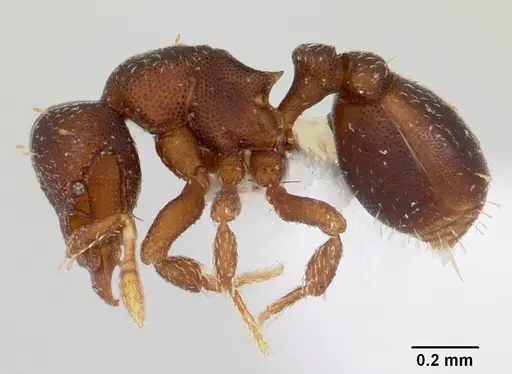
CASENT0178000
View on AntWeb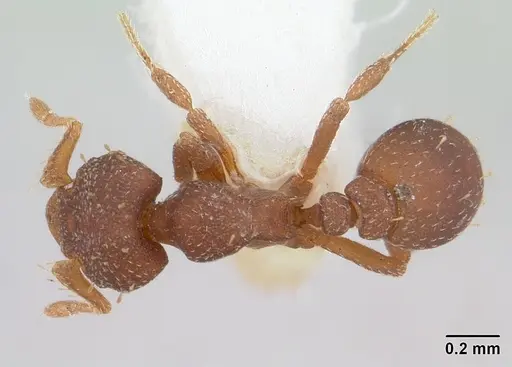
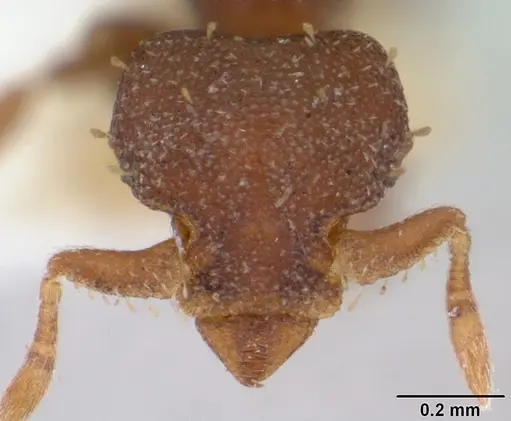
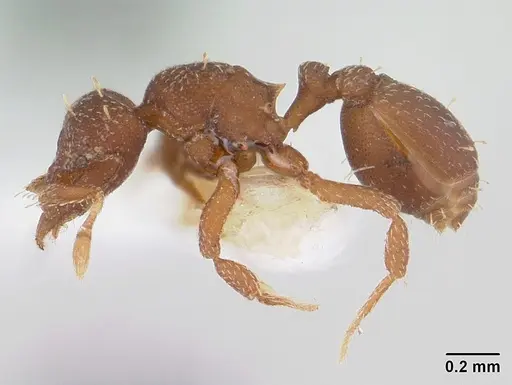
CASENT0178001
View on AntWeb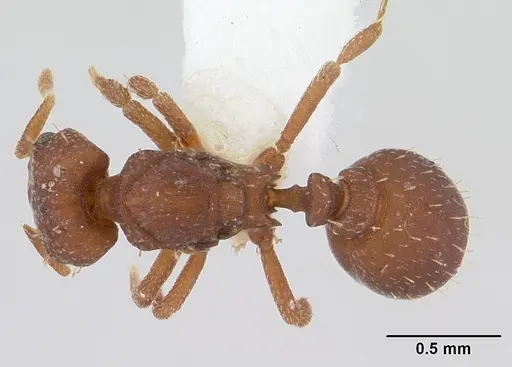
CASENT0178665
View on AntWeb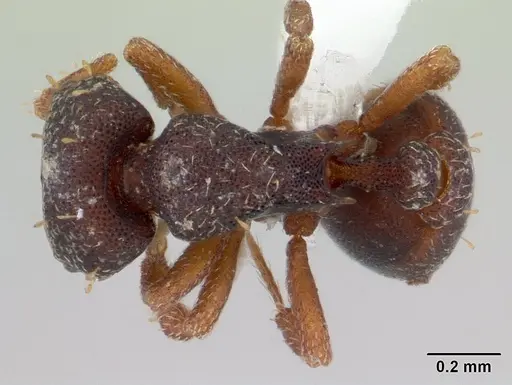
CASENT0246082
View on AntWeb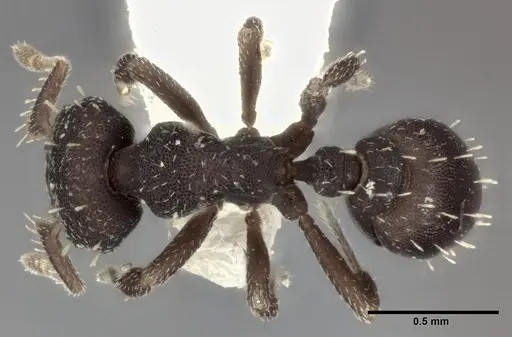
CASENT0611293
View on AntWeb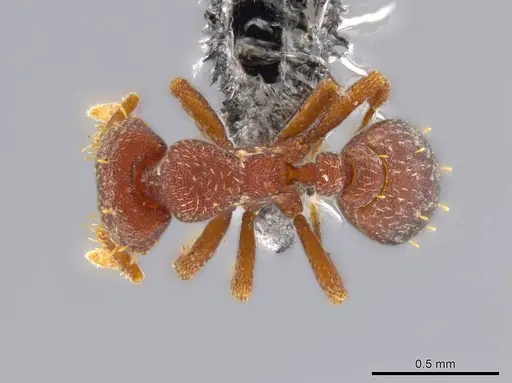
CASENT0639165
View on AntWeb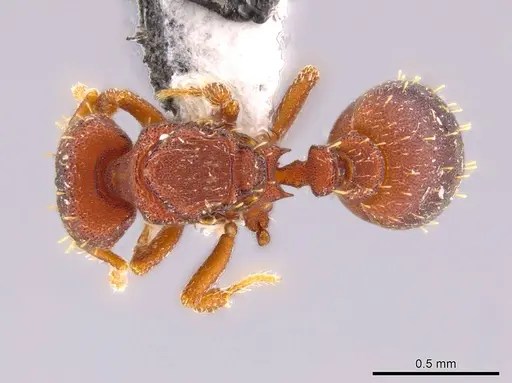
CASENT0900926
View on AntWeb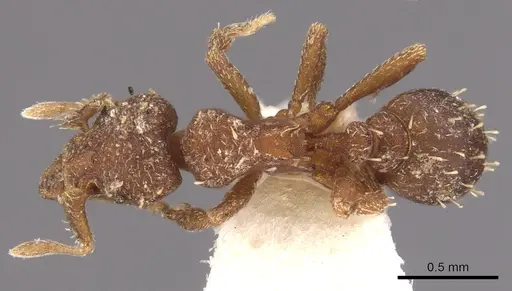
CASENT0904969
View on AntWeb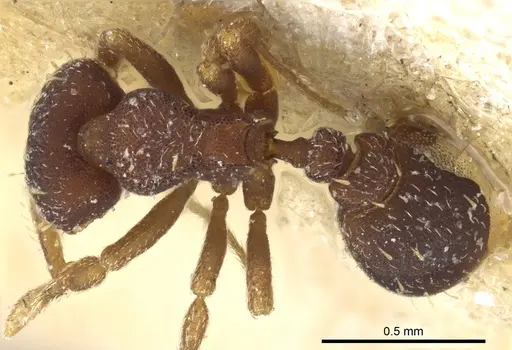
CASENT0914911
View on AntWeb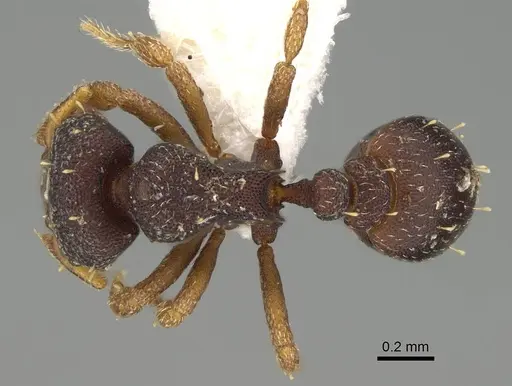
CASENT0914912
View on AntWeb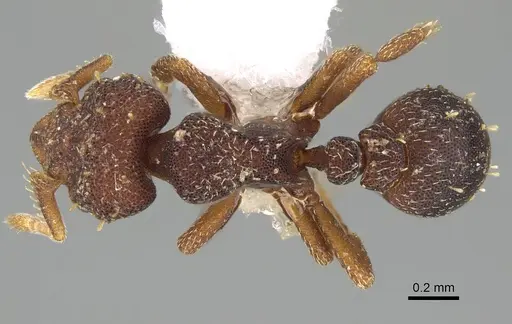
CASENT0915939
View on AntWeb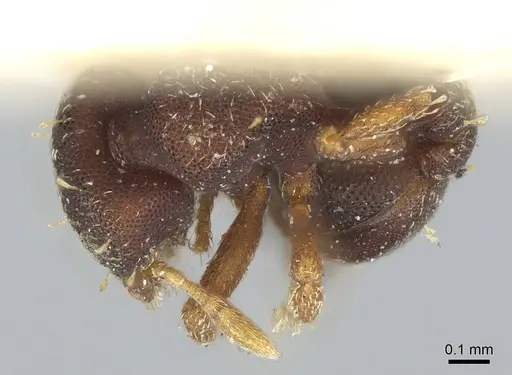
CBUMAGENT41974
View on AntWeb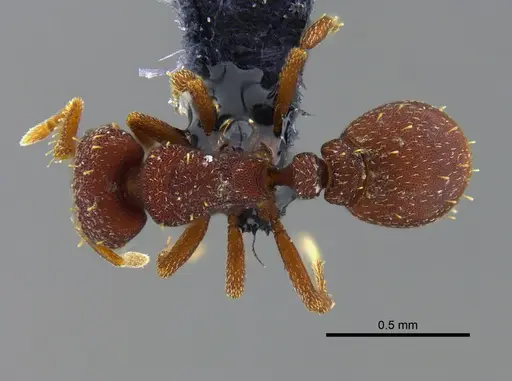
CBUMAGENT41991
View on AntWeb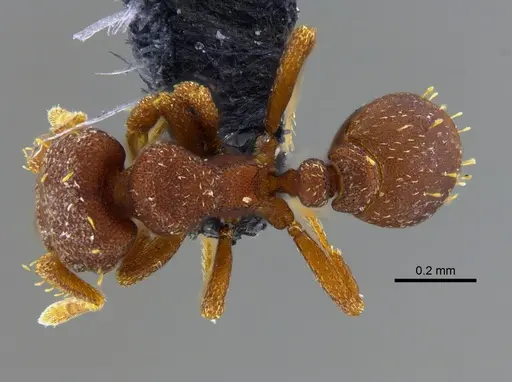
CBUMAGENT41992
View on AntWeb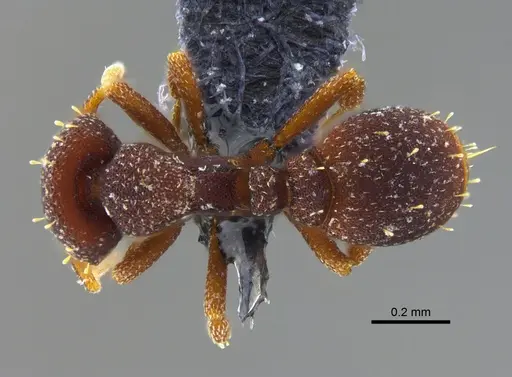
ECOFOG-IT14-0299-31
View on AntWeb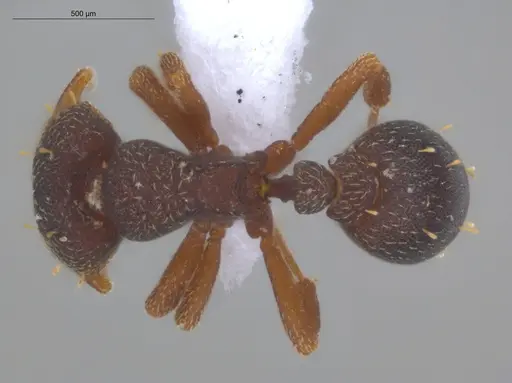
MCZ-ENT00022446
View on AntWeb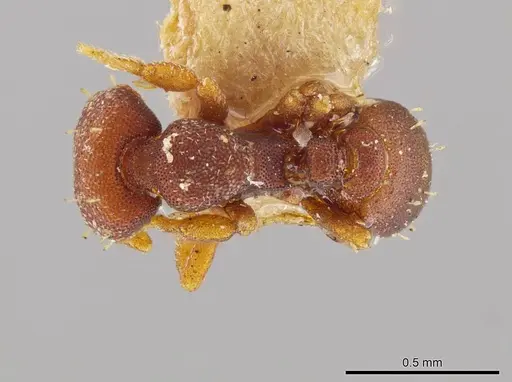
USNMENT01124287
View on AntWeb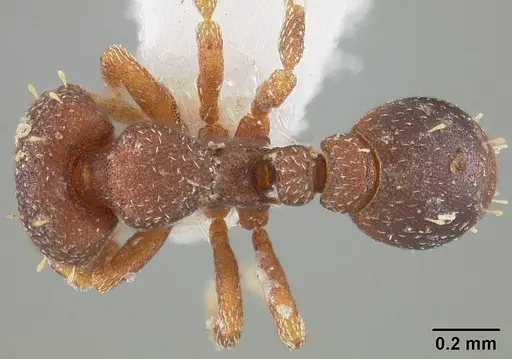
Literature
Loading distribution map...Loading products...