
Octostruma amrishi
- Sci. Name
- Octostruma amrishi
- Tribe
- Attini
- Subfamily
- Myrmicinae
- Author
- Makhan, 2007
- Distribution
- Found in 10 countries
Introduction
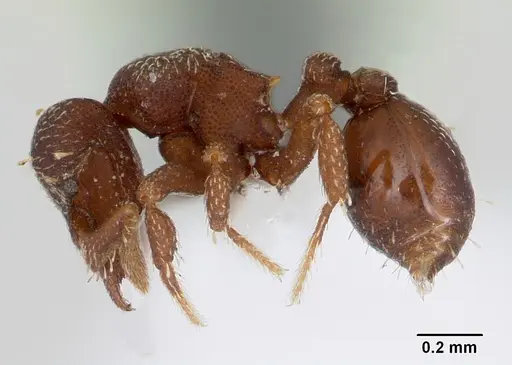
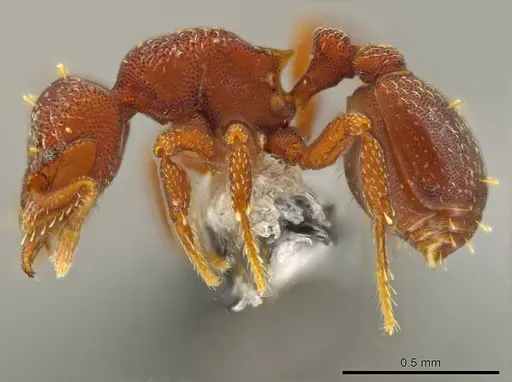
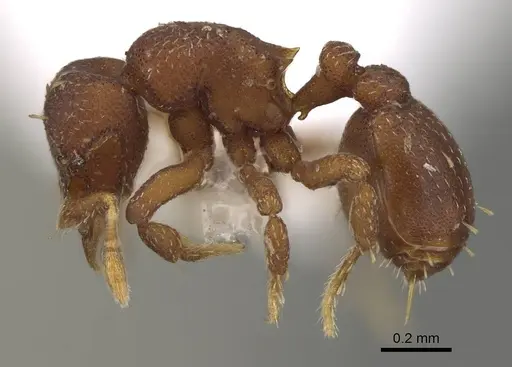
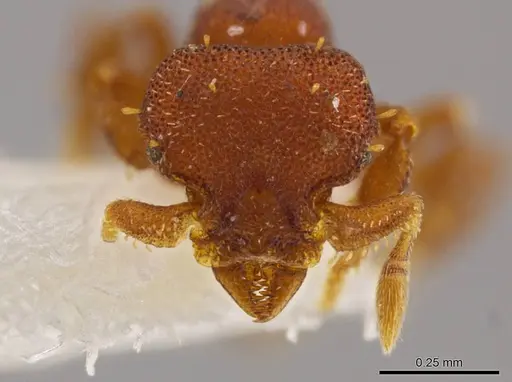
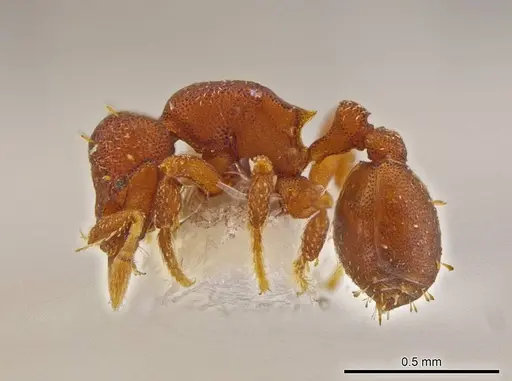
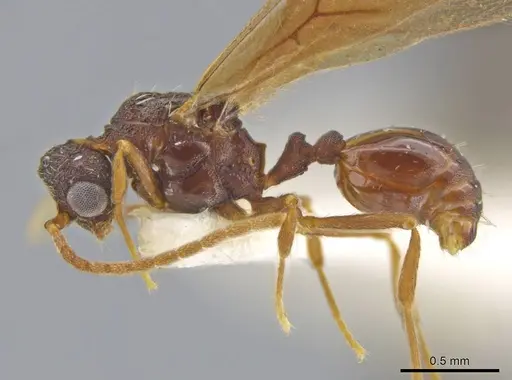
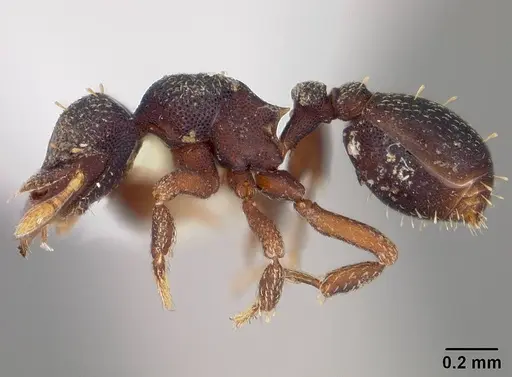
Octostruma amrishi is a tiny leaf-litter ant native to Central and South American rainforests. Workers measure about 1.7 mm in total length, with a dark brown to reddish-brown coloration . They live in the forest floor layer, nesting in rotting wood and leaf litter in lowland to lower montane wet forests from Honduras to Amazonian Brazil . This species is part of the Octostruma balzani complex and is closely related to fungus-growing ants, though it does not cultivate fungus itself .
Quick Summary
- Difficulty: Expert
- Origin & Habitat: Lowland to lower montane wet forests in Central and South America, from Honduras to Amazonian Brazil. They inhabit mature wet forest and second growth forest, typically found in leaf litter and rotting wood on the forest floor [2][3][4].
- Colony Type: Colony structure is not well documented. Dealate queens and intercaste workers have been found together in litter samples, suggesting possible multi-queen or ergatoid systems, but this is unconfirmed [2].
- Size & Growth:
- Queen: size data unavailable
- Worker: ~1.7 mm [1]
- Colony: Unknown, likely small colonies based on typical Octostruma ecology
- Growth: Unknown, likely slow to moderate
- Development: Unknown, no direct studies. Based on related species, estimate 6-10 weeks at optimal temperature. (Development likely follows typical small ant patterns.)
- Antkeeping:
- Temperature: Keep warm, roughly 22-26°C, mimicking tropical forest floor conditions. Avoid below 20°C or above 30°C[4].
- Humidity: Keep nest substrate consistently moist but not waterlogged, as they live in damp leaf litter[4].
- Diapause: Unknown, tropical species may reduce activity in cooler seasons, but no data exists.
- Nesting: Prefer naturalistic setups with moist substrate like soil and rotting wood fragments. Use nests made of Y-tong, plaster, or 3D-printed materials scaled to their tiny size. Avoid large open spaces.
- Behavior: Octostruma amrishi is cryptic and slow-moving, foraging in moist substrate. They are not aggressive but possess a functional sting from their subfamily, though it is less medically significant to humans. Their tiny size means escape risk is high, so excellent barriers are needed.
- Common Issues: their tiny size means escapes are likely without fine mesh barriers and tight lids, high humidity requirements can lead to mold if ventilation is inadequate, slow growth makes colonies vulnerable to disturbance, virtually no captive breeding data exists, this is a rare species in antkeeping, they require naturalistic setups with moist leaf litter, which differs from standard formicariums
Natural History and Distribution
Octostruma amrishi ranges from Honduras through Central America to Amazonian Brazil, with records in Belize, Costa Rica, Ecuador, El Salvador, French Guiana, Guatemala, Guyana, Nicaragua, Panama, Peru, Suriname, and Venezuela [3][5][4]. It is a lowland to lower montane species found in mature wet forests, occasionally in second growth forest [2][4]. In northern Central America, it extends to 1500m in cloud forest, while in southern areas it is restricted below 600m where sympatric with O. gymnogon [4]. Collections are mostly from Berlese and Winkler samples of leaf litter and rotting wood, indicating a cryptic lifestyle [2].
Identification and Morphology
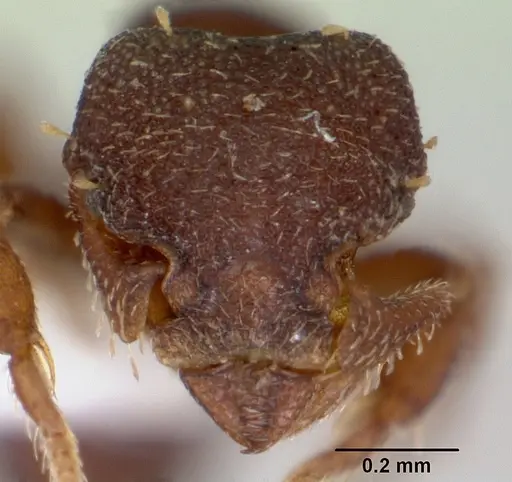
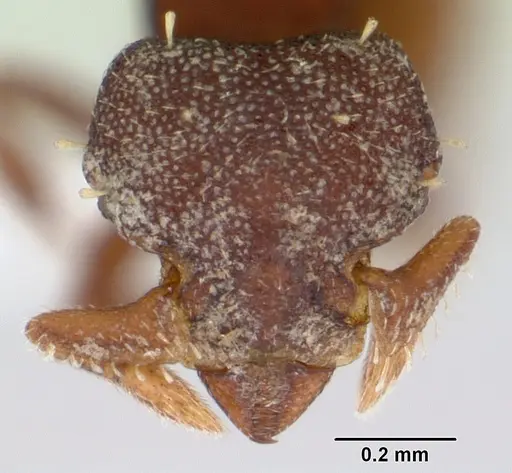
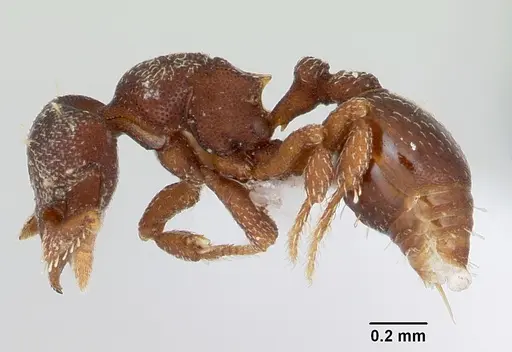
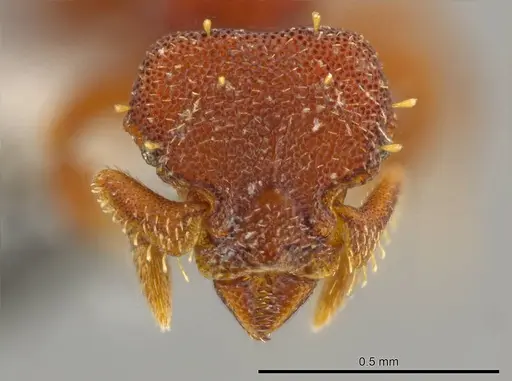
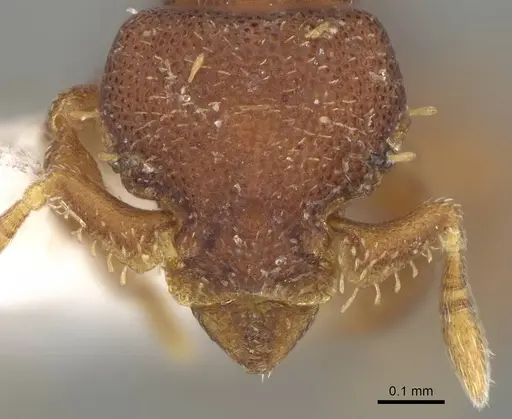
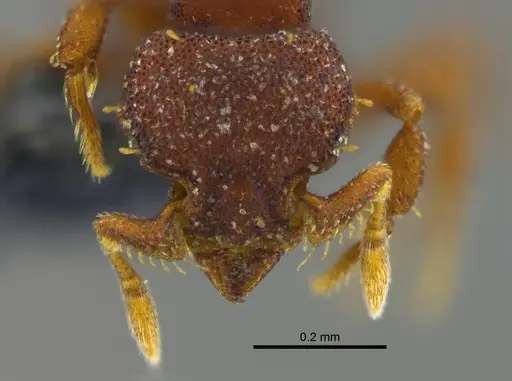
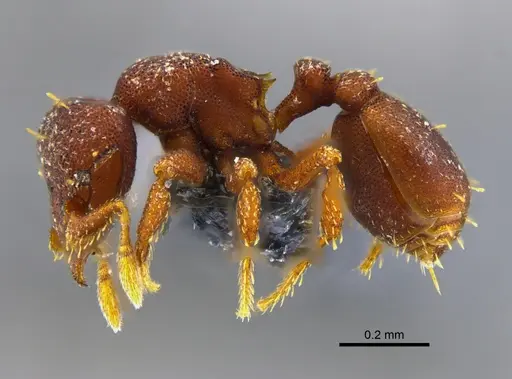
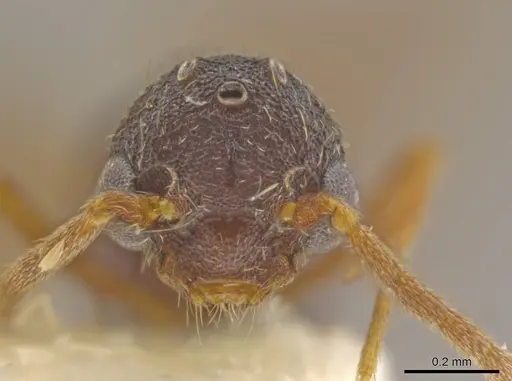
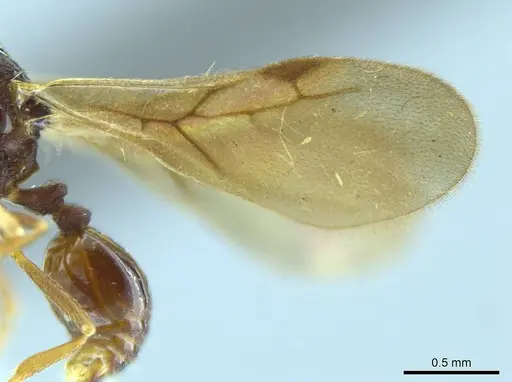
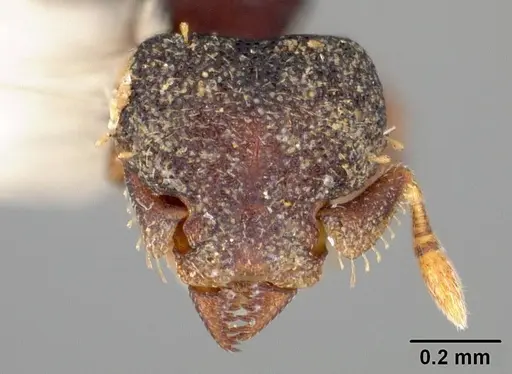
Workers are about 1.7 mm total length, dark brown to reddish-brown, with lighter coloration when sympatric with O. balzani [1][2]. Mandibles have 8 teeth, with tooth 1 as a broad blunt lamella and teeth 5-8 forming an apical fork [2]. A key feature is a medial pair of spatulate setae on the vertex, lacking erect setae on posterolateral margins [3]. Queens are similar to O. balzani, but size data is unavailable [2].
Nest Preferences and Housing
In nature, they nest in rotting wood and moist soil cavities within leaf litter. For captivity, use naturalistic setups with moist substrate like decaying leaves and wood fragments in a shallow container. Alternatively, small nests made of Y-tong, plaster, or 3D-printed materials with tight chambers work well. Standard test tubes are too large and dry. Provide a water tube for humidity and drinking[4].
Feeding and Diet
They likely prey on small invertebrates like springtails and mites in leaf litter. In captivity, offer small live prey such as springtails or fruit flies 2-3 times per week. Remove uneaten prey to prevent mold. Sugar water acceptance is uncertain.
Temperature and Humidity Requirements
Keep nest area at 22-26°C with a gentle gradient, avoiding extremes[4]. Humidity is critical, maintain moist substrate without waterlogging[4]. Mist regularly and use a water tube to aid evaporation.
Behavior and Temperament
These ants are cryptic and slow-moving, non-aggressive but with a functional sting. They use chemical trails for navigation. Due to their tiny size, escape prevention is essential with fine mesh barriers.
Frequently Asked Questions
How long does it take for Octostruma amrishi to produce first workers?
The egg-to-worker timeline is unconfirmed. Based on related species, estimate 6-10 weeks at optimal temperature around 24°C.
Can I keep Octostruma amrishi in a test tube setup?
Test tubes are not recommended due to their size and humidity needs. Use naturalistic setups with moist substrate or small nests made of Y-tong or plaster.
What do Octostruma amrishi eat?
They likely eat small live prey like springtails and fruit flies. Offer 2-3 times per week and remove uneaten food.
Are Octostruma amrishi good for beginners?
No, this is an expert-level species due to specific humidity needs, rare captive data, and tiny size.
How big do Octostruma amrishi colonies get?
Colony size is unknown, but likely small based on their cryptic lifestyle.
Do Octostruma amrishi need hibernation?
Unknown, as a tropical species, they may reduce activity in cooler seasons, but no data exists.
Why are my Octostruma amrishi dying?
Common causes include drying out, temperature stress, escapes due to tiny size, or mold from poor ventilation. Ensure consistent moisture and appropriate temperature.
Can I keep multiple Octostruma amrishi queens together?
This is unknown. Colony structure is unconfirmed, and combining unrelated queens is not recommended due to lack of data [2].
When should I move Octostruma amrishi to a formicarium?
They thrive in naturalistic setups with moist substrate, so use such housing from the start. Standard formicariums are not suitable.
Report an Issue
The current care sheet is based fully on literature. See inconsistencies, or something that's incorrect? Please , it will be resolved after review from an admin. Contributing to the blogs tab also helps providing information, to make us be able to further improve the caresheets. Thank you for your support!
References

This caresheet is licensed under CC BY-SA 4.0 .
Community Blogs
CASENT0001969
View on AntWeb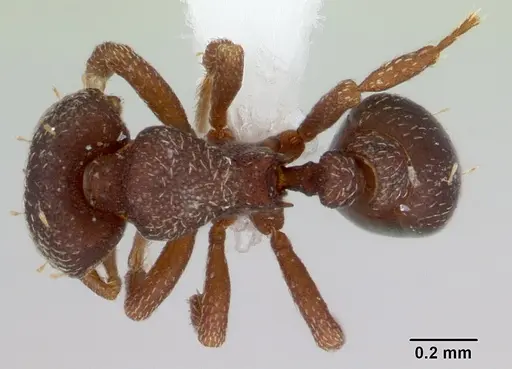
CASENT0423555
View on AntWeb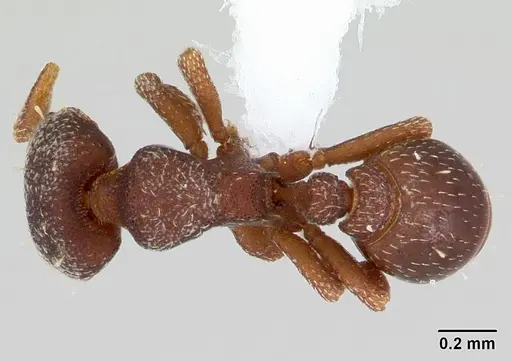
CASENT0625038
View on AntWeb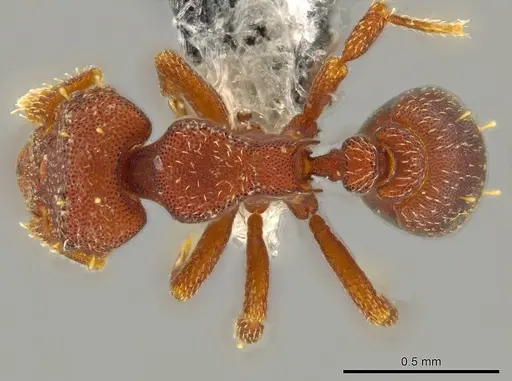
CASENT0914907
View on AntWeb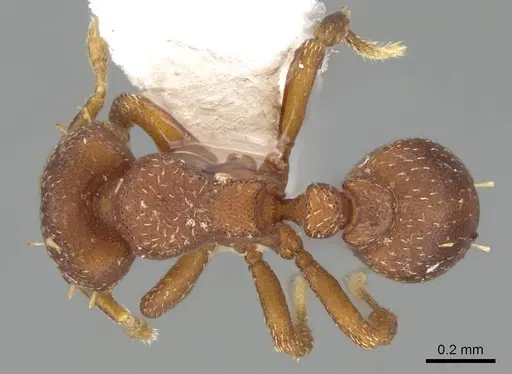
CBUMAGENT41985
View on AntWeb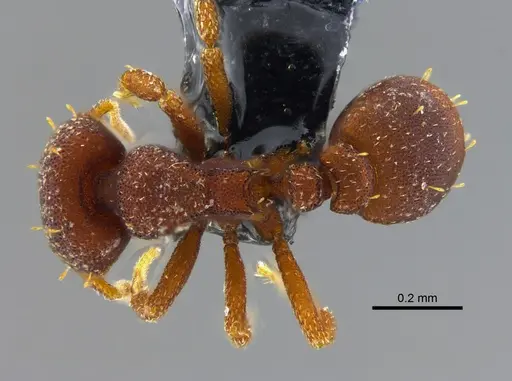
INBIOCRI001259486
View on AntWeb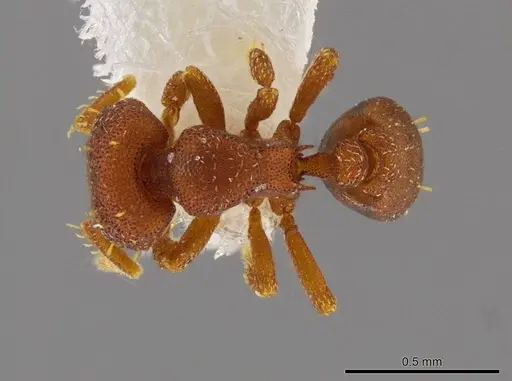
MCZENT00511427
View on AntWeb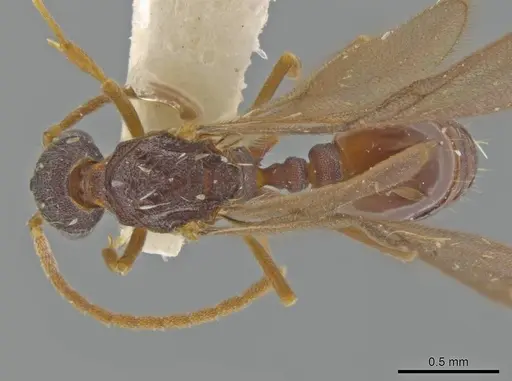
USNMENT00445323
View on AntWeb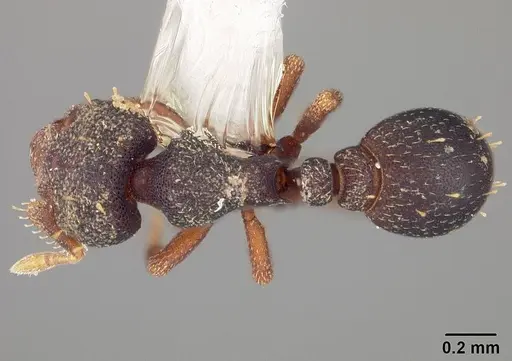
Literature
Loading distribution map...Loading products...