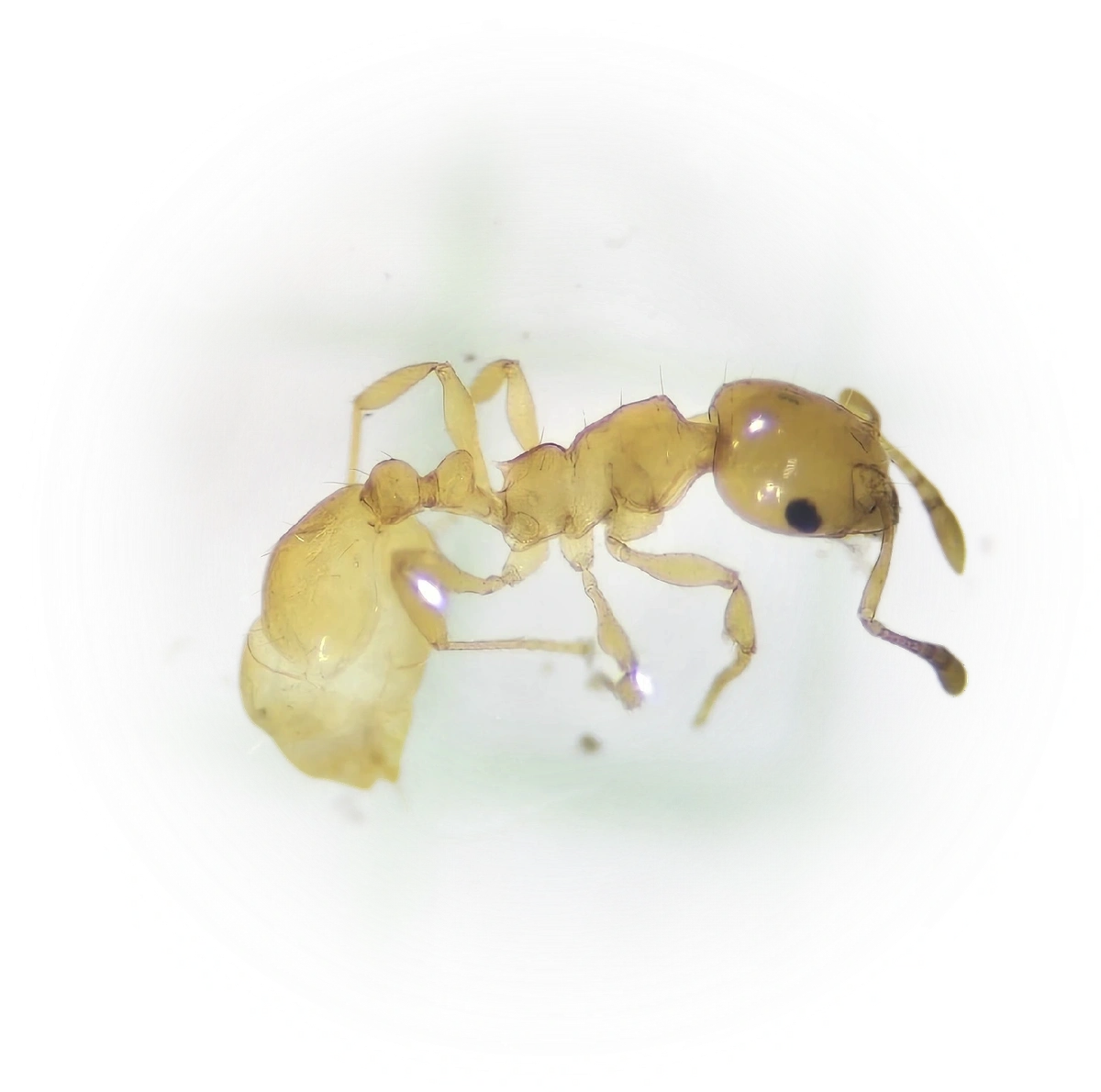
Ochetomyrmex neopolitus
- Sci. Name
- Ochetomyrmex neopolitus
- Tribe
- Attini
- Subfamily
- Myrmicinae
- Author
- Fernández, 2003
- Distribution
- Found in 6 countries
Introduction
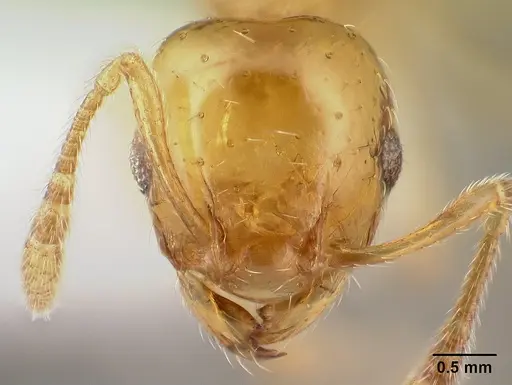
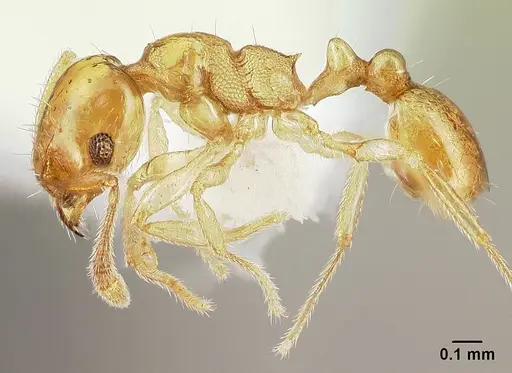
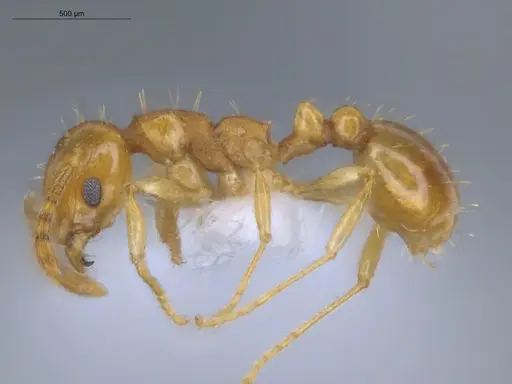
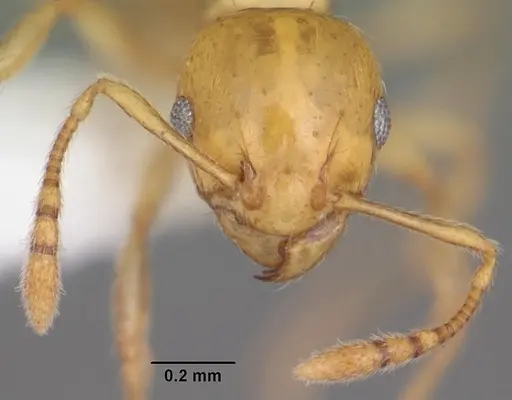
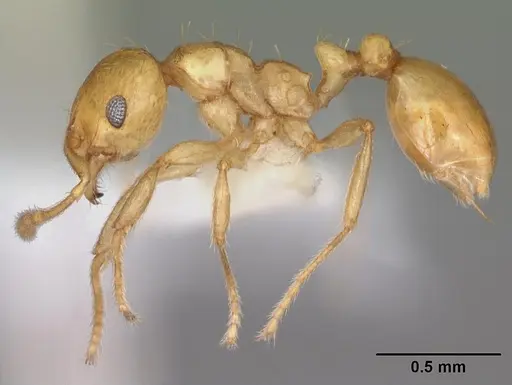
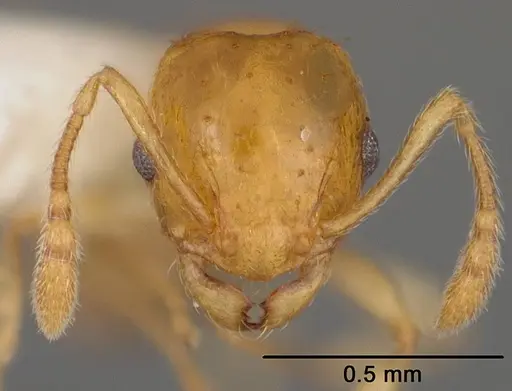
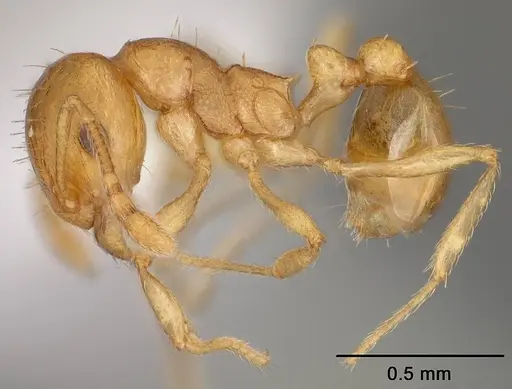
Ochetomyrmex neopolitus is a tiny, yellowish-brown ant in the Myrmicinae tribe Attini. Workers measure about 2.3-2.7 mm in total length, while queens are larger at around 7.6 mm. This species is cryptobiotic, living hidden in leaf litter, and is found across northern South America in tropical lowland forests between 280-1350 m elevation . In the wild, these ants tend extrafloral nectaries on plants, protecting them in exchange for sugary secretions .
Quick Summary
- Difficulty: Medium
- Origin & Habitat: Tropical lowland forests of northern South America, including Colombia, Ecuador, Peru, Bolivia, Brazil, Guyana, French Guiana, Suriname, and Venezuela. They inhabit leaf litter in Amazonian rainforest, wet forest, and cerrado habitats [2][3].
- Colony Type: Colony structure is unconfirmed, no specific data on queen number or social system.
- Size & Growth:
- Queen: ~7.6 mm total length [1]
- Worker: ~2.3-2.7 mm total length [1]
- Colony: Size data unavailable, no colony size information in research context
- Growth: Moderate, inferred from tropical ant patterns
- Development: Unknown, no direct development data available (Development time may vary with temperature)
- Antkeeping:
- Temperature: Keep warm, roughly 24-27°C, based on tropical habitat [2].
- Humidity: Keep nest substrate consistently moist but not waterlogged [2][4].
- Diapause: No, this is a tropical species that does not hibernate [2].
- Nesting: Naturalistic setup with moist substrate is preferred, as they nest in leaf litter [2].
- Behavior: These are shy, cryptic ants that spend most of their time hidden in leaf litter. Workers are non-aggressive and flee rather than fight. Escape prevention is critical due to their tiny size, use fine mesh and tight barriers. They readily accept sugar sources in captivity [3].
- Common Issues: escape prevention is critical due to tiny size, they can squeeze through small gaps, maintaining humidity without flooding the nest can be challenging, slow colony growth may lead to overfeeding and mold problems, wild-caught colonies may have parasites that harm them in captivity, this species is rarely available in the antkeeping hobby
Housing and Nest Setup
Ochetomyrmex neopolitus needs a naturalistic setup to thrive. Use a formicarium with a shallow layer of moist soil mixed with leaf litter, allowing them to create tiny tunnels. Test tubes can work if humidity is carefully maintained, but substrate nests are preferable. Place the nest in a dark area, these cryptobiotic ants avoid light. An outworld with leaf litter provides foraging space. Because they are tiny, use fluon on edges and fine mesh on ventilation holes [2][4].
Feeding and Diet
In the wild, these ants tend extrafloral nectaries, so they readily consume sugar. In captivity, offer sugar water, honey, or diluted maple syrup regularly. They also need protein, small prey like fruit flies or pinhead crickets works well. Prey should be no larger than 1-2 mm. They are generalist foragers and have been recorded at sugar baits [5]. Feed protein 2-3 times per week and keep sugar available constantly. Remove uneaten prey within 24 hours to prevent mold [3].
Temperature and Humidity
These are lowland tropical ants. Keep temperatures warm, roughly 24-27°C, based on their habitat [2]. A heating cable can create a gradient. Humidity should be high, keep the nest substrate moist but not waterlogged [2][4]. They do not need hibernation. Temperature drops below 20°C can stress colonies.
Finding and Collecting
This species is rarely available from sellers, so most keepers collect wild colonies. Look in leaf litter in tropical forests using Winkler extraction. They are often confused with Pheidole [2]. If you find a colony, collect the queen and workers gently [1].
Behavior and Temperament
These ants are shy and non-aggressive, preferring to hide. Workers are too small to sting humans effectively. They spend time in the nest or foraging quietly. In captivity, they are cryptic and not exciting to watch, but interesting for subtle behavior observation. They do not form large colonies quickly [2][1].
Frequently Asked Questions
How long does it take for Ochetomyrmex neopolitus to produce first workers?
Unknown, no direct development data available for this species. Estimates based on similar Attini species are speculative.
What do Ochetomyrmex neopolitus eat?
They accept sugar sources like honey or sugar water, and small protein prey such as fruit flies. In the wild, they tend extrafloral nectaries [3][5].
Can I keep Ochetomyrmex neopolitus in a test tube?
Yes, but it is challenging due to high humidity needs. A naturalistic formicarium with moist substrate is preferable [2].
Are Ochetomyrmex neopolitus good for beginners?
No, their small size and humidity requirements make them intermediate to advanced. They are also rarely available [2].
Do Ochetomyrmex neopolitus need hibernation?
No, they are tropical ants and do not hibernate [2].
How big do Ochetomyrmex neopolitus colonies get?
Colony size data is unavailable from research. They are likely small due to their cryptic nature [2].
Why are my Ochetomyrmex neopolitus dying?
Common causes include low humidity, temperature stress, mold from overfeeding, or escape through gaps. Check your setup and ensure adequate moisture [2][4].
When should I move Ochetomyrmex neopolitus to a formicarium?
Wait until the colony has enough workers to avoid stress, but no specific number is known. Move when the test tube becomes crowded [2].
Report an Issue
The current care sheet is based fully on literature. See inconsistencies, or something that's incorrect? Please , it will be resolved after review from an admin. Contributing to the blogs tab also helps providing information, to make us be able to further improve the caresheets. Thank you for your support!
References

This caresheet is licensed under CC BY-SA 4.0 .
Community Blogs
CASENT0106223
View on AntWeb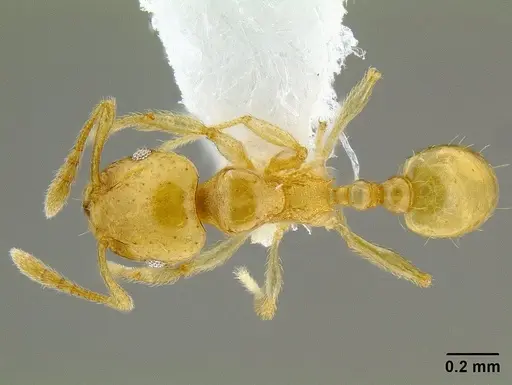
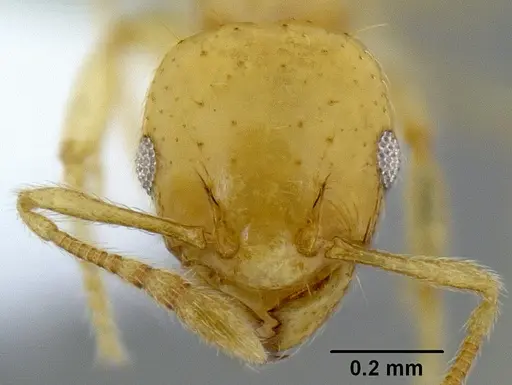
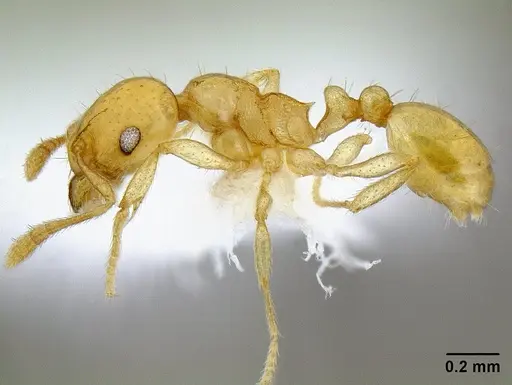
CASENT0179594
View on AntWeb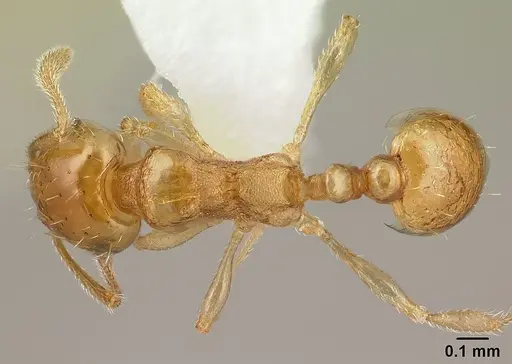
CASENT0901983
View on AntWeb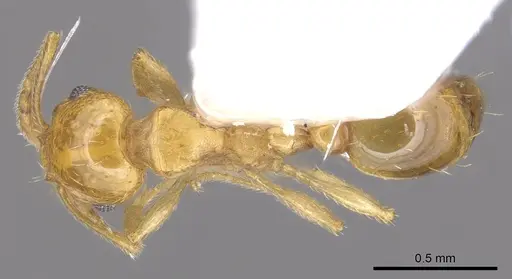
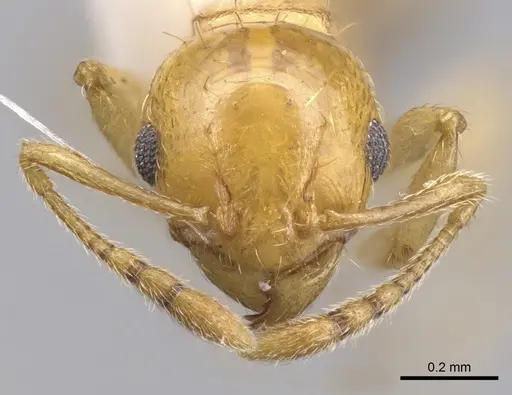
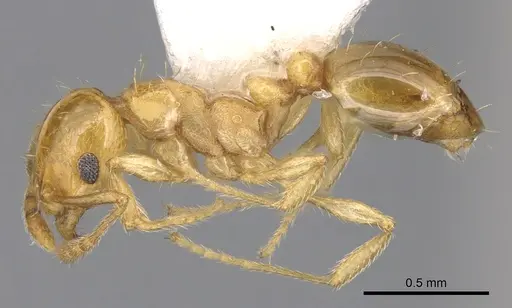
ECOFOG-IT14-0308-82
View on AntWeb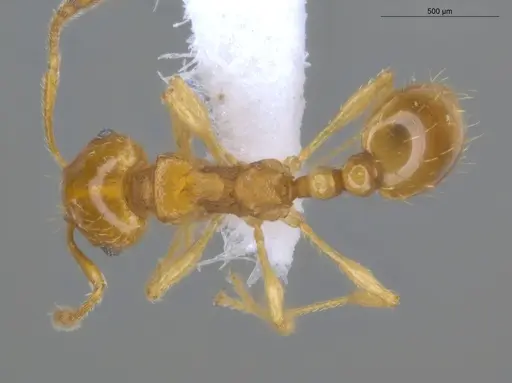
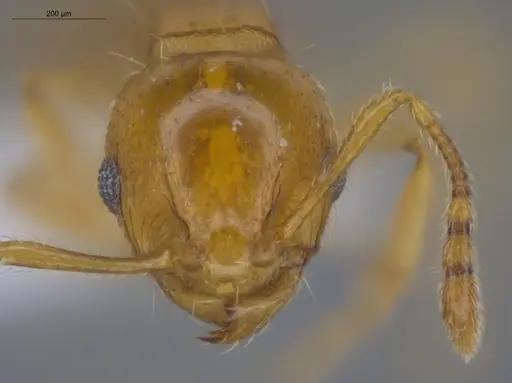
PSW11364-37
View on AntWeb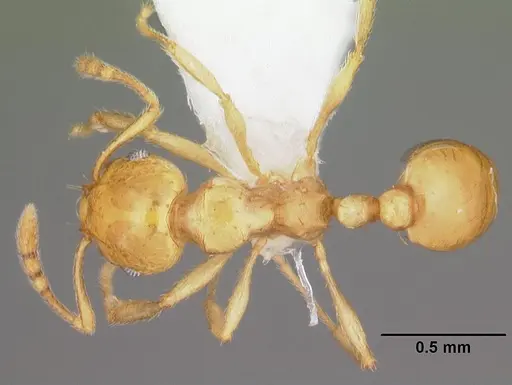
USNMENT00413965
View on AntWeb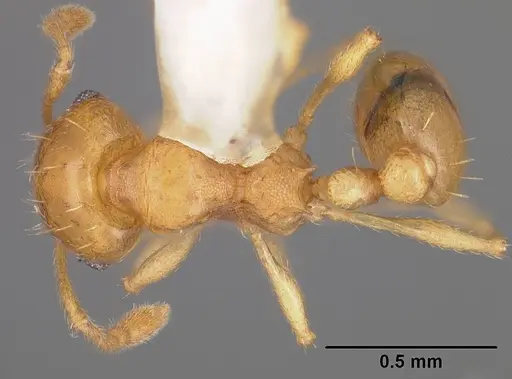
Literature
Loading distribution map...Loading products...