Ochetellus glaber shows a January to December flight window. Peak activity occurs in November, with nuptial flights distributed across 3 months.
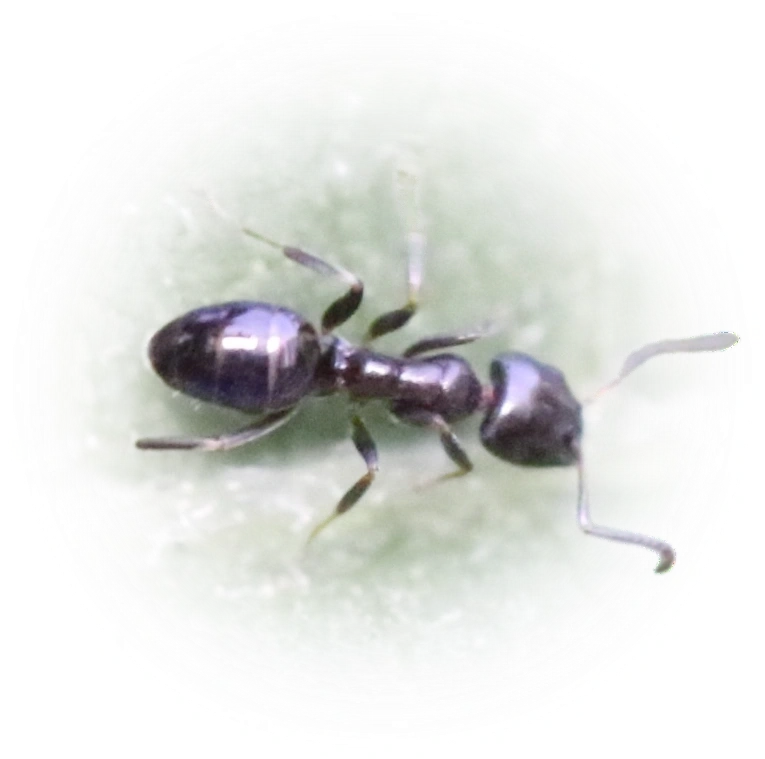
Copper-bellied Ant
Ochetellus glaber
- Sci. Name
- Ochetellus glaber
- Tribe
- Leptomyrmecini
- Subfamily
- Dolichoderinae
- Author
- Mayr, 1862
- Common Name
- Copper-bellied Ant
- Distribution
- Found in 7 countries
- Nuptial Flight
- From January to December
- Peak flight Time
- 12:00
AI Identifiable
try →
Introduction
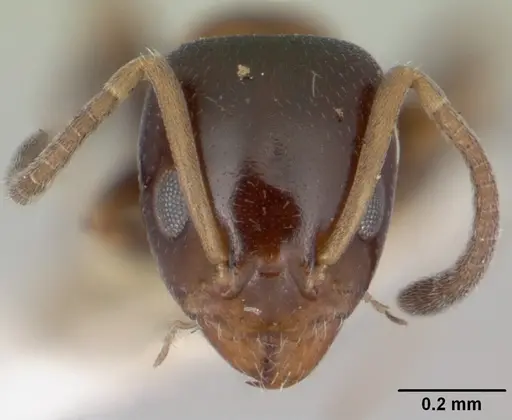
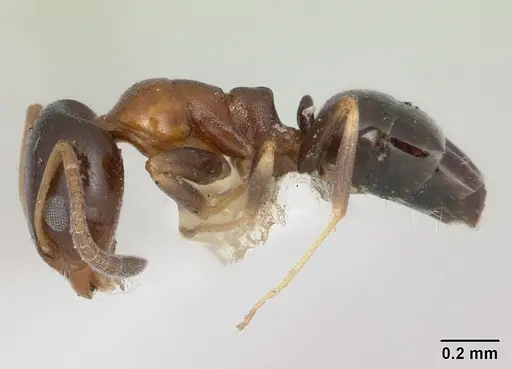
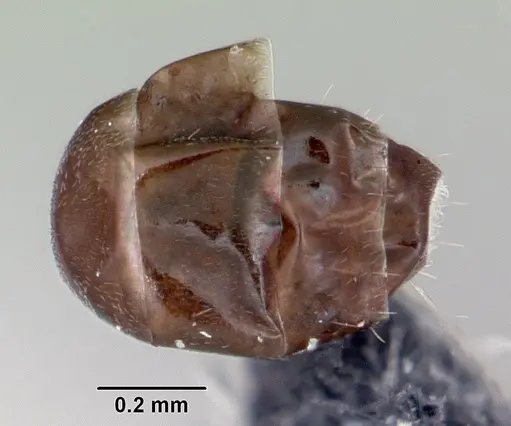
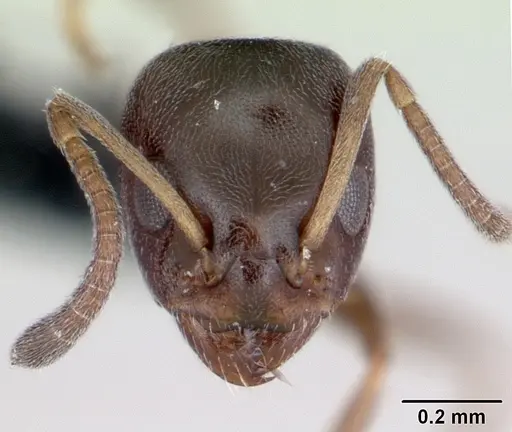
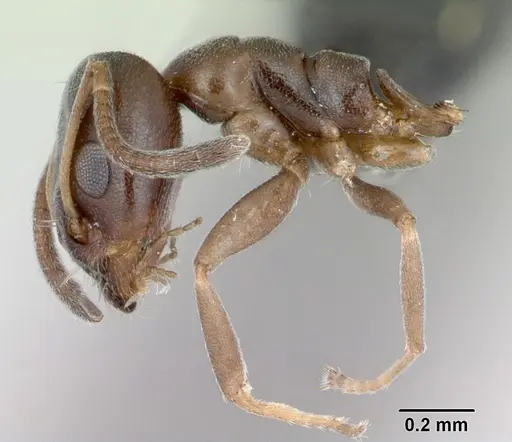
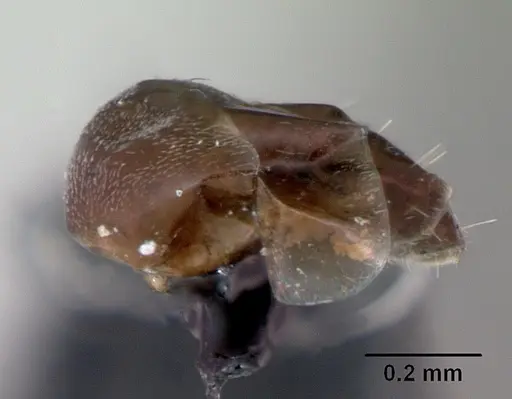
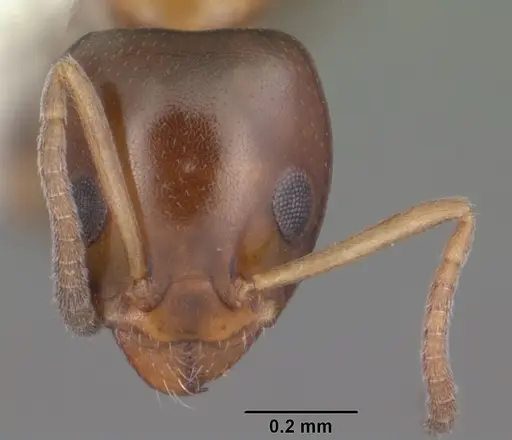
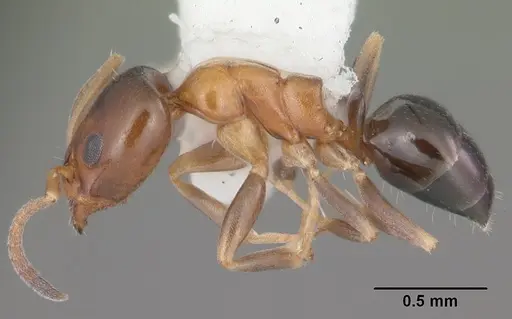
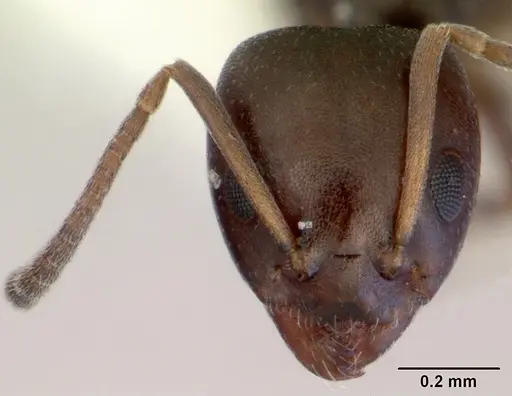
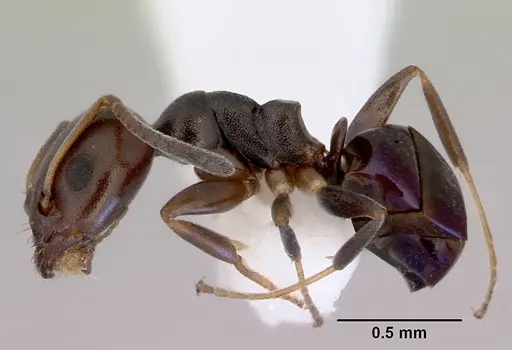
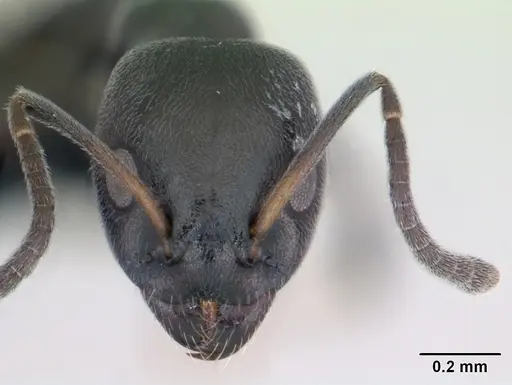
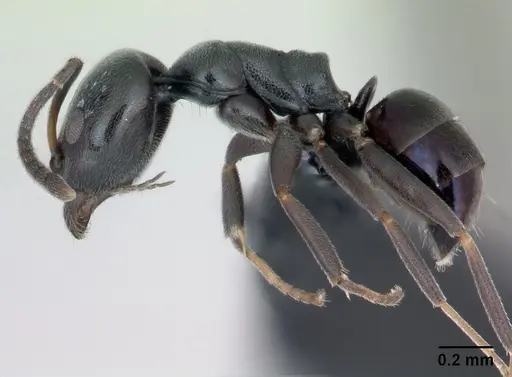
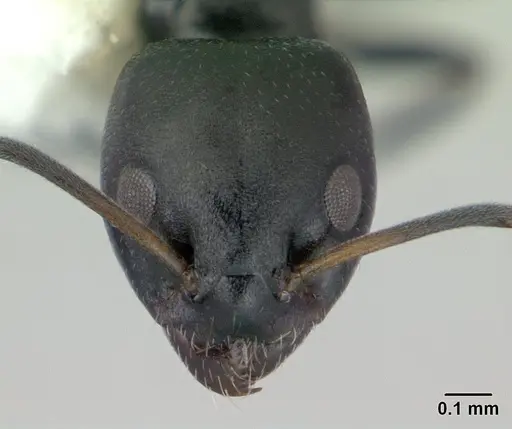
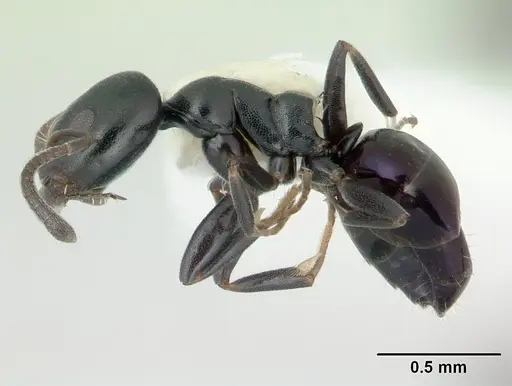
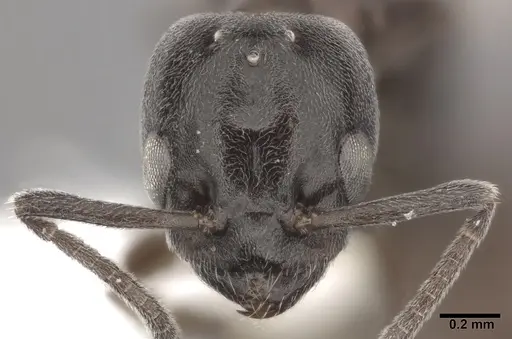
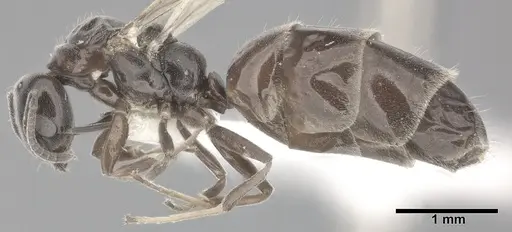
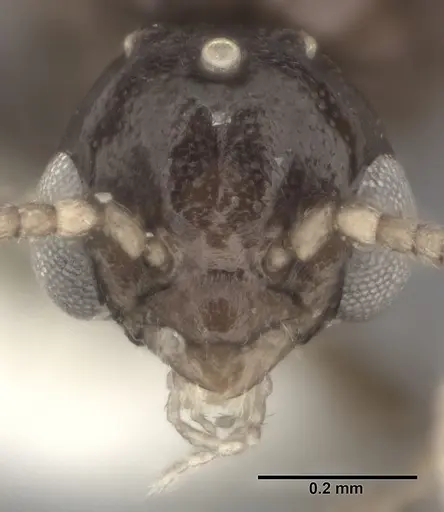
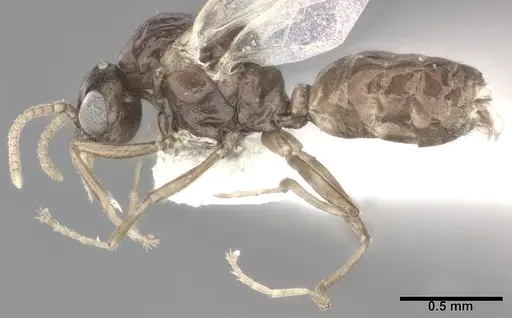
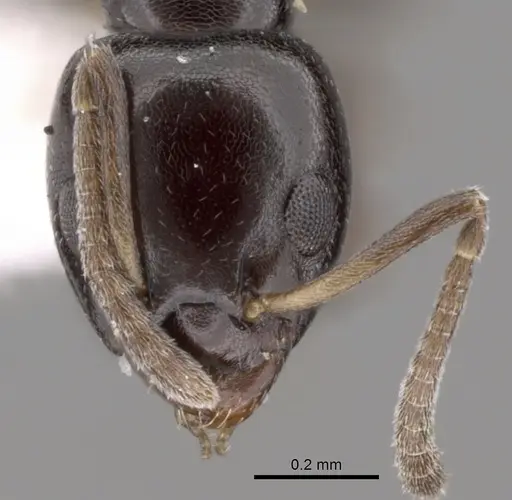
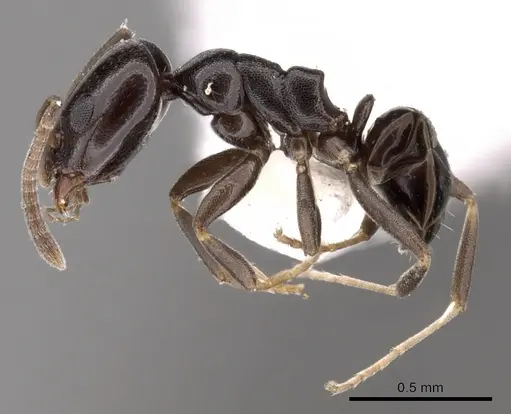
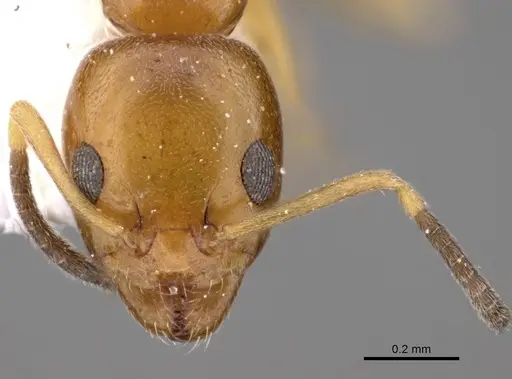
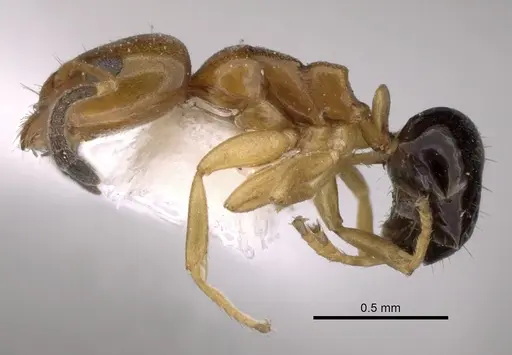
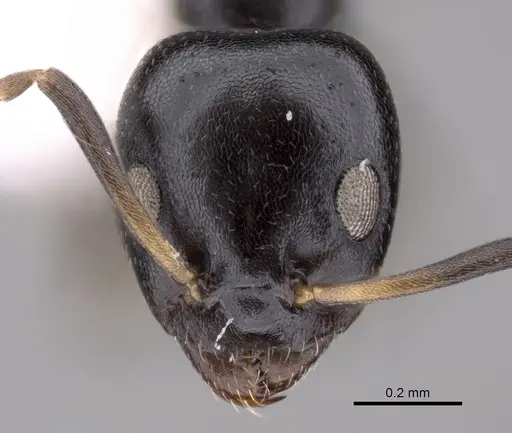
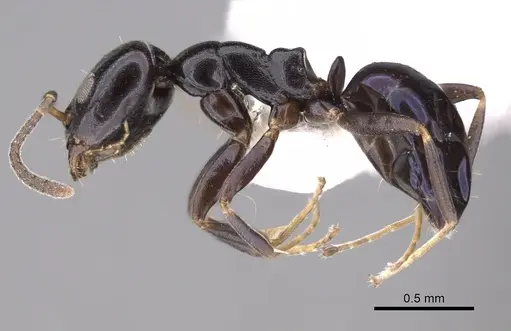
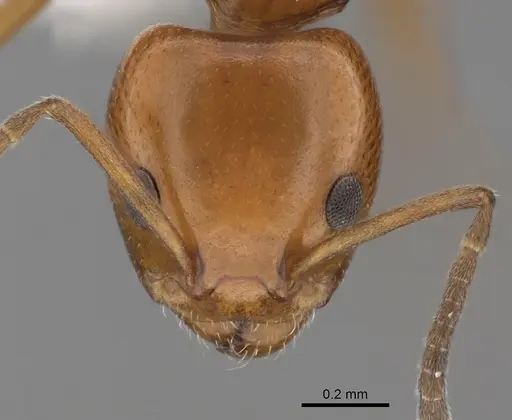
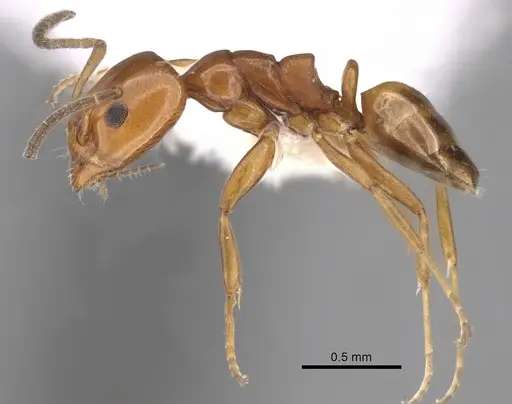
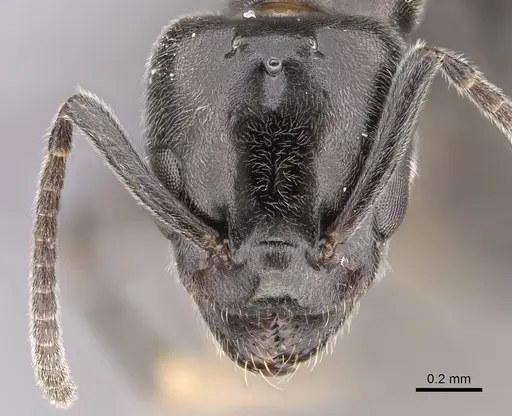
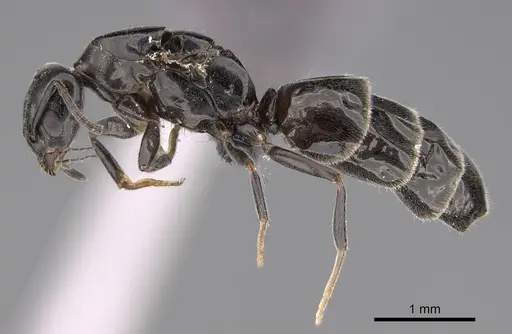
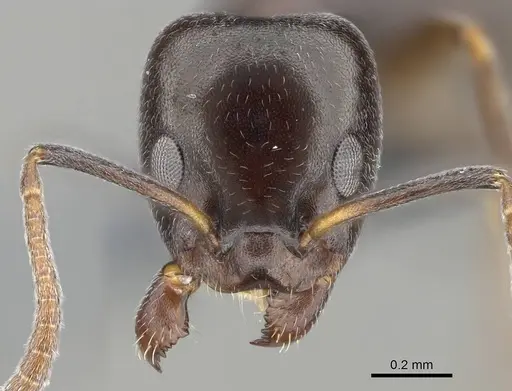
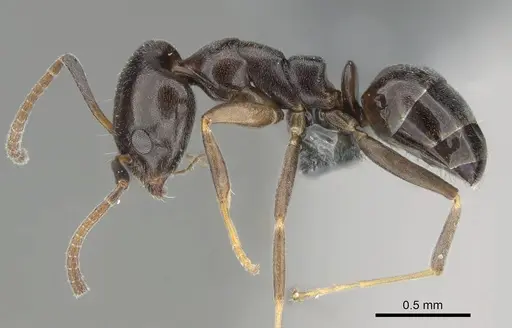
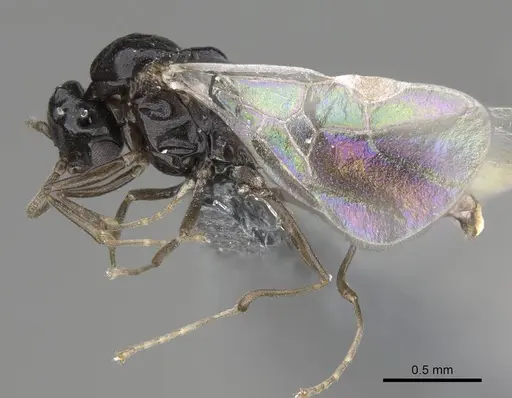
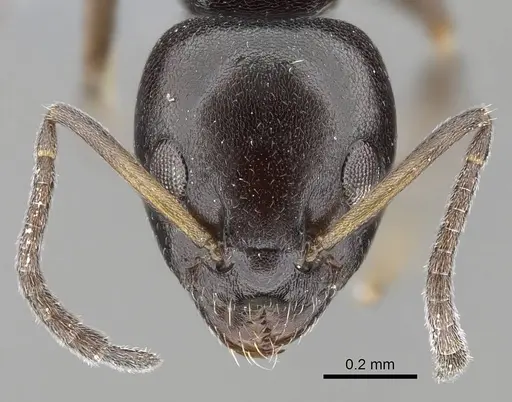
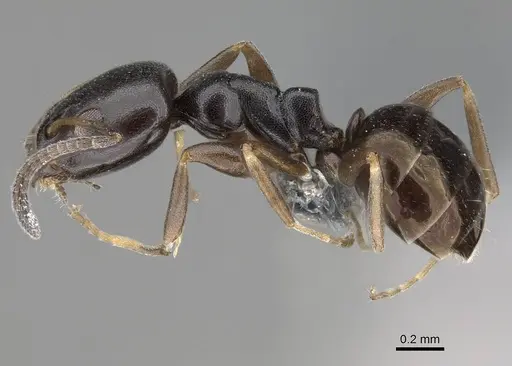
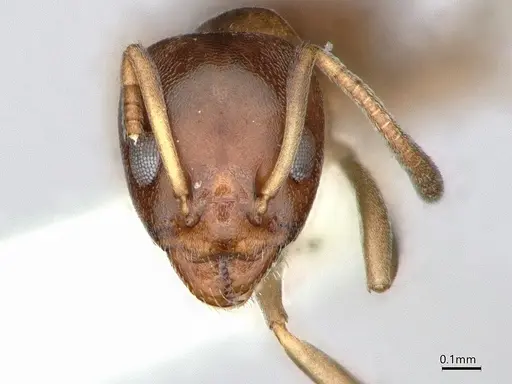
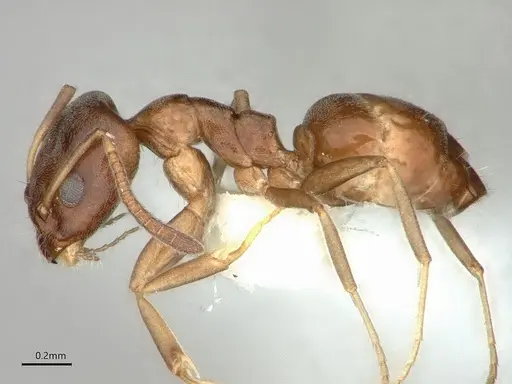
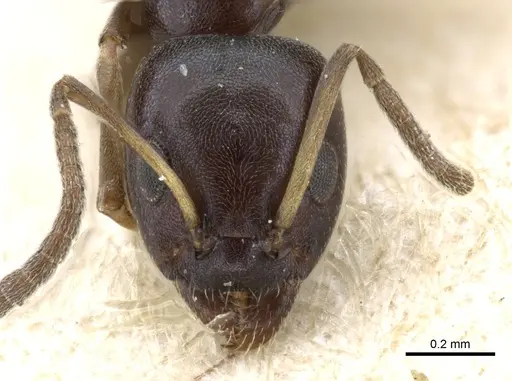
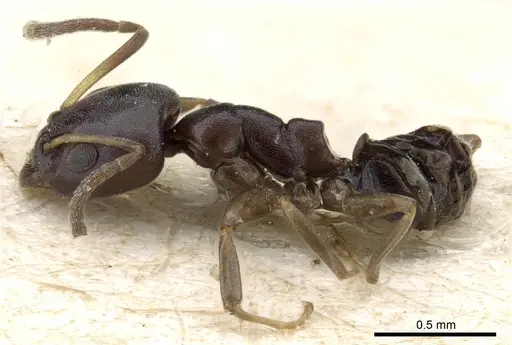
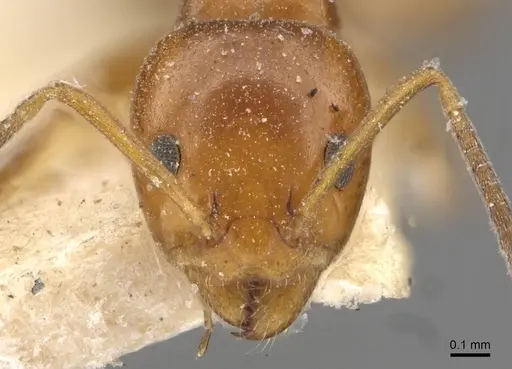
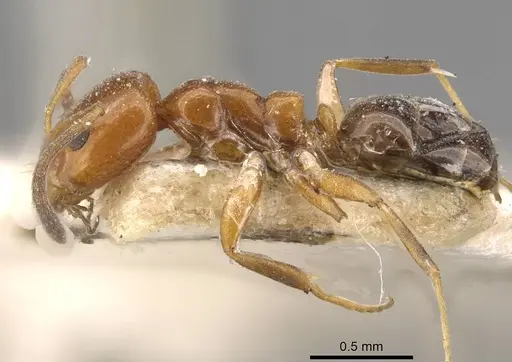
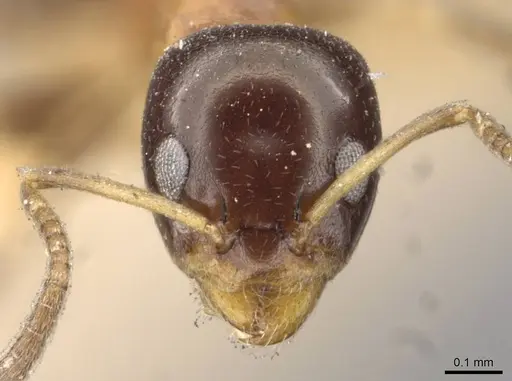
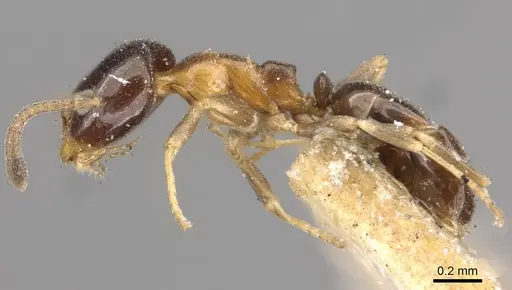
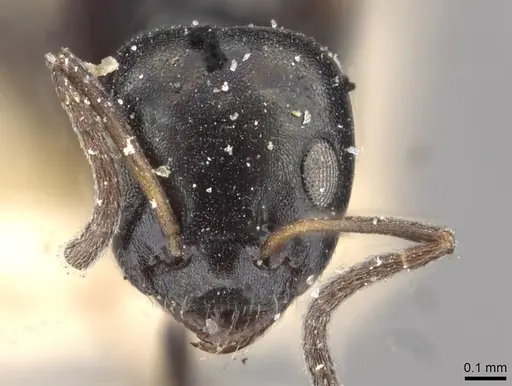
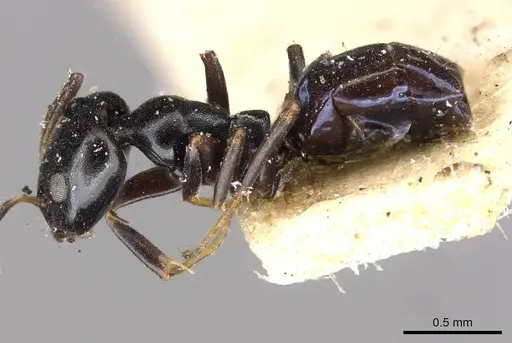
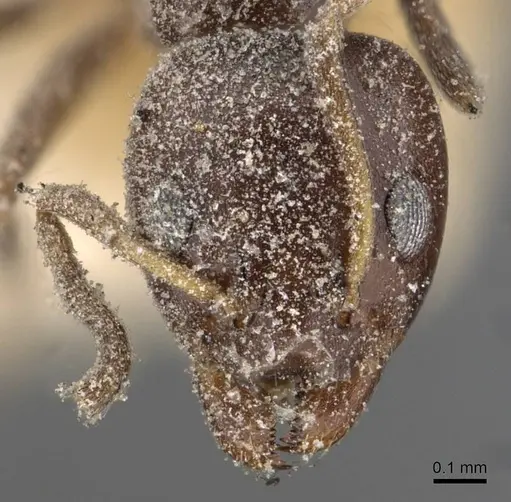
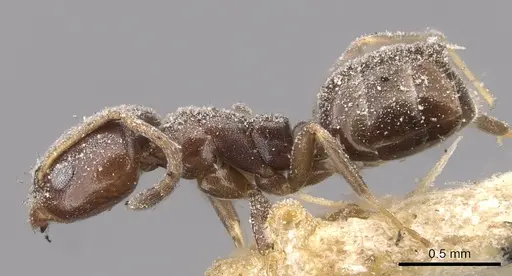
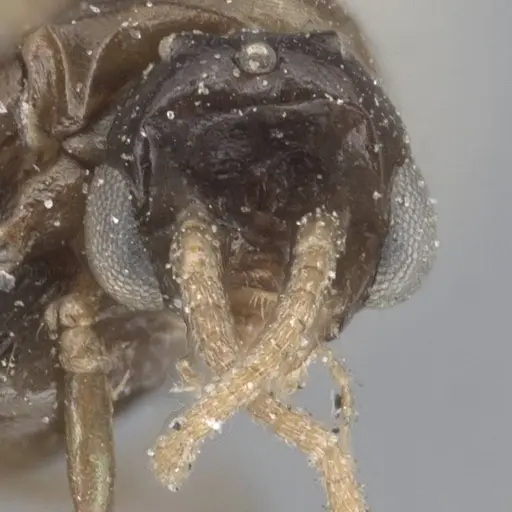
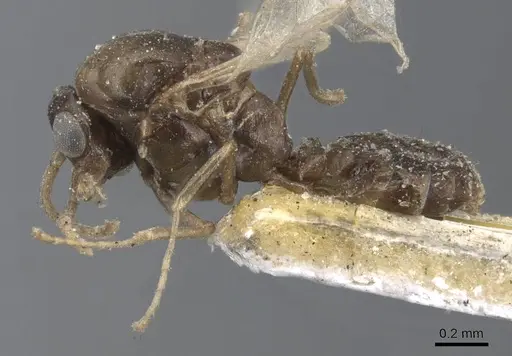
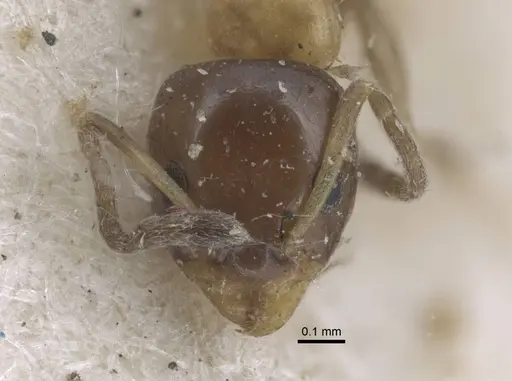
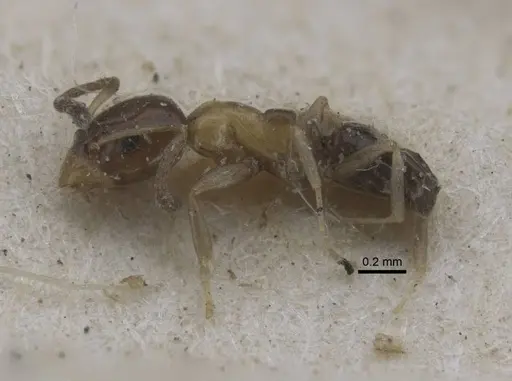
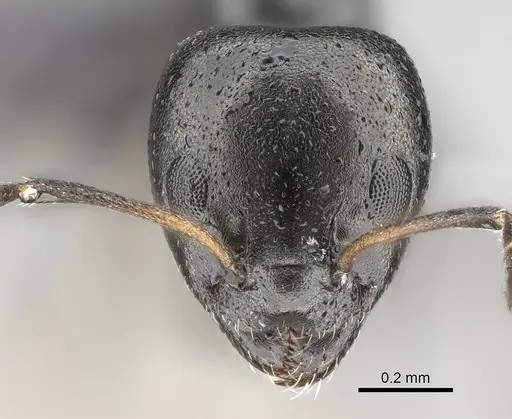
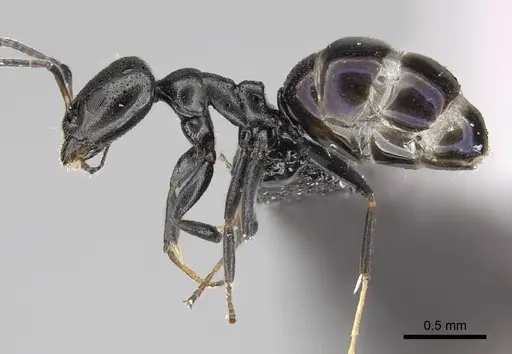
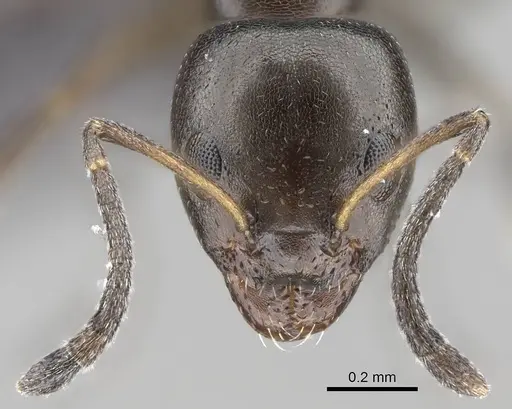
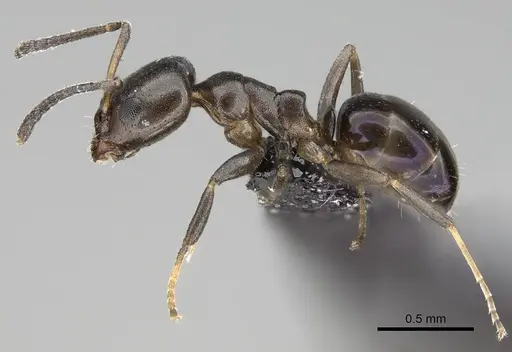
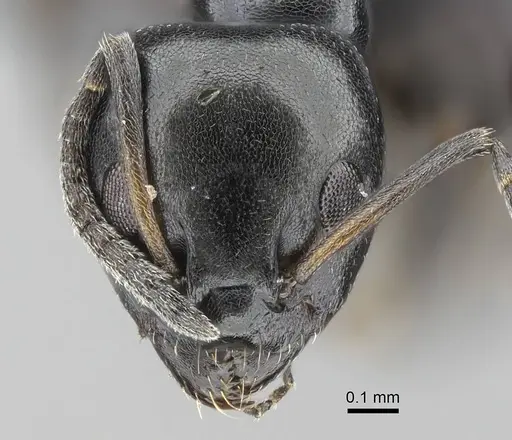
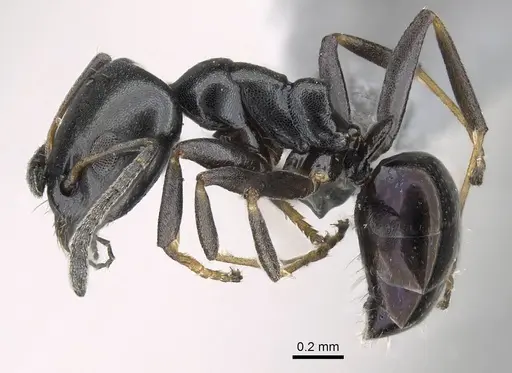
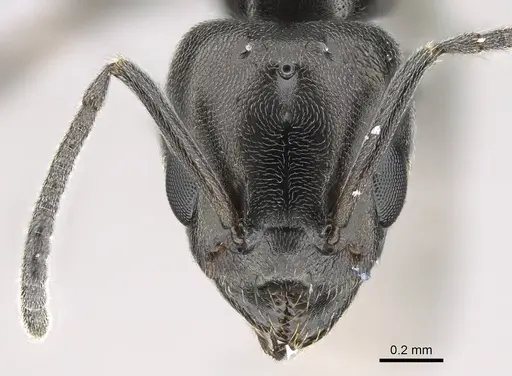
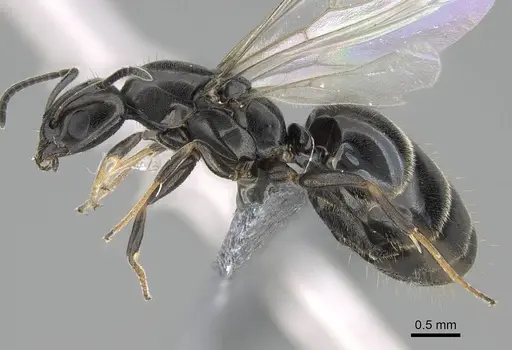
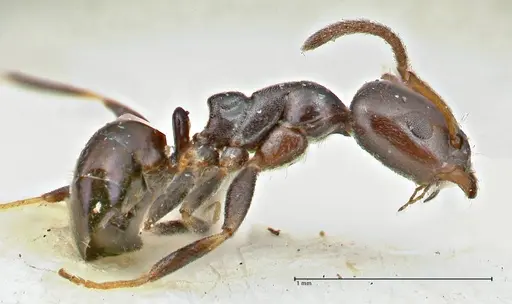
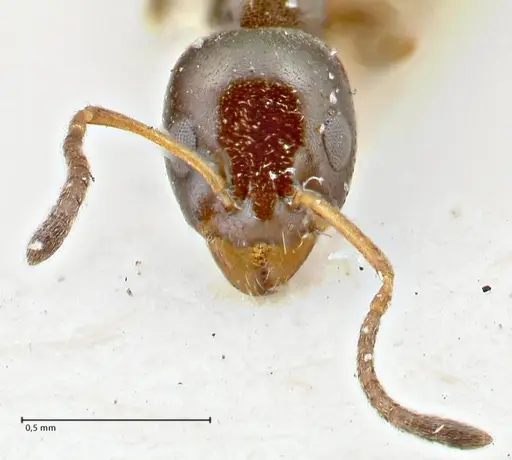
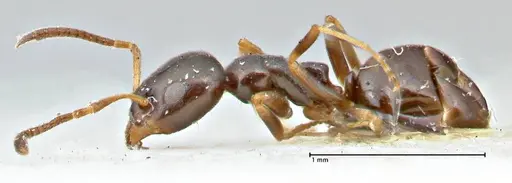
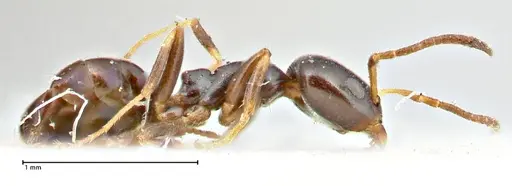
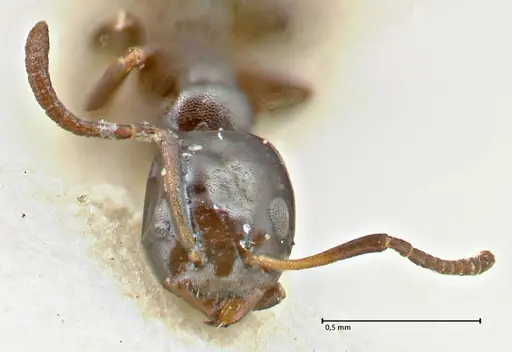
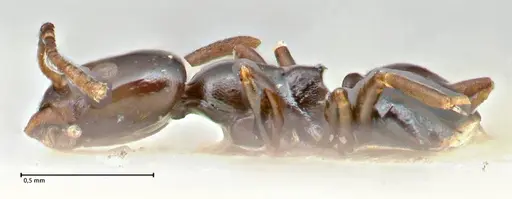
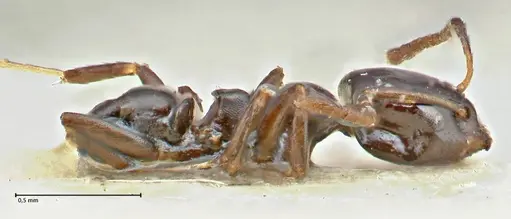
Ochetellus glaber is a small, dark ant species native to Australia and New Caledonia. Workers measure approximately 2.4-2.6 mm in total length , and are black with a shiny appearance, sometimes showing metallic reflections on the gaster . Their antennae and legs are brownish, and they have very little body hair . This species has spread widely through human commerce and is now found across much of Asia, the Pacific, and parts of North America . In its introduced range, it often nests in dead twigs, rotting wood, and under stones in grasslands and forest margins . The Japanese population was formerly known as Ochetellus itoi but has been synonymized with O. glaber, though some researchers suggest it may be a separate native species . These ants are known for aggressively attacking wasp nests in dead bamboo stems and are considered a minor pest in some regions due to their tendency to invade structures .
Quick Summary
- Difficulty: Expert
- Origin & Habitat: Native to Australia and New Caledonia. Found across warm regions of Asia, the Pacific, and introduced to Hawaii (1977), Florida, and New Zealand. In Japan, common south from Kanto district in grasslands and forest margins [4][5][8].
- Colony Type: Monogyne, single queen colonies. Research from the Ryukyu Islands confirms monogynous colony structure [10].
- Size & Growth:
- Queen: ~4.6-4.8 mm [2]
- Worker: ~2.4-2.6 mm [1]
- Colony: Colony size data unavailable in research context.
- Growth: Moderate (inferred from related Dolichoderinae species)
- Development: Estimated 6-8 weeks (based on typical Dolichoderinae development in warm conditions) (Development time not directly studied for this species.)
- Antkeeping:
- Temperature: Keep warm, roughly 22-26°C, based on typical needs of warm-climate ants [4][11].
- Humidity: Provide a humidity gradient, mostly dry nest chamber with one small moist area, based on nesting preferences in dead wood and under stones [5][6].
- Diapause: No, they are adapted to warm climates and do not require hibernation [4].
- Nesting: Prefers nesting in dead twigs, rotting wood, and under stones [5][6]. In captivity, use Y-tong (AAC) or plaster nests. They are somewhat arboreal and will use vertical spaces.
- Behavior: These ants are opportunistic foragers that recruit nestmates to food sources [12]. They bite when threatened [9] and will defend their nest. They tend aphids for honeydew and collect small insects [2]. They are excellent climbers and can invade structures through small openings. Escape prevention should be taken seriously due to their small size, use fine mesh barriers.
- Common Issues: escape risk due to small size, use fine mesh barriers on all openings, invasive species, do not release outdoors, especially in non-native countries, may bite when nest is threatened, generally mild but can be unpleasant, protected in Sri Lanka as critically endangered, check local laws before acquiring [12]
Nuptial Flight Activity Analysis 70 observations
Flight Activity by Hour 70 observations
Ochetellus glaber nuptial flight activity peaks around 12:00 during the late morning to early afternoon. Activity is spread across a 13-hour window (07:00–19:00). A secondary activity peak occurs around 09:00. Times may be influenced by human observation patterns.
Housing and Nest Preferences
Ochetellus glaber is versatile in its nesting preferences, naturally nesting in dead twigs, rotting wood, and under stones [5][6]. In captivity, they do well in Y-tong or plaster nests that can hold some moisture. They are somewhat arboreal and will explore vertical spaces, so include some vertical passages in the nest design. Since they are small (2.4-2.6 mm), ensure your formicarium has appropriately sized chambers and passages. A test tube setup can work for founding colonies, but they will need more space as the colony grows. They do not require large territories, a medium-sized nest is sufficient for a mature colony.
Feeding and Diet
These ants are opportunistic feeders with a varied diet. They collect honeydew from aphids and other plant-sucking insects, and they hunt small insects including larvae [2][12]. In captivity, offer sugar water or honey as a constant energy source. For protein, provide small insects like fruit flies, pinhead crickets, or mealworm pieces. They show preference for protein when brood is present [13]. Feed them small prey items 2-3 times per week, adjusting based on colony size. Remove uneaten prey after 24 hours to prevent mold. They are not particularly picky eaters and will accept most standard ant foods.
Temperature and Seasonal Care
Ochetellus glaber originates from warm regions and does best at temperatures between 22-26°C. They are found in tropical to subtropical areas across their range and do not require any hibernation period. In fact, they remain active year-round even in their introduced range in places like Hawaii and Japan. Keep them at room temperature within this range, no special heating is typically needed unless your room is particularly cool. They can tolerate brief temperature fluctuations but prefer stable conditions. Avoid temperatures below 18°C for extended periods. [4][11]
Behavior and Temperament
These ants are active foragers that work both alone and in groups. They recruit nestmates to good food sources through chemical communication [12]. While not particularly aggressive toward keepers, they will bite if their nest is threatened or if they feel cornered [9]. Their small size makes them difficult to contain, they can squeeze through surprisingly small gaps, so use fine mesh on any escape barriers. In their invasive range, they are known to be a minor pest species, invading homes and tending aphids on garden plants. They are good climbers and may explore vertical surfaces. Overall, they are a manageable species that is active and interesting to watch.
Colony Development
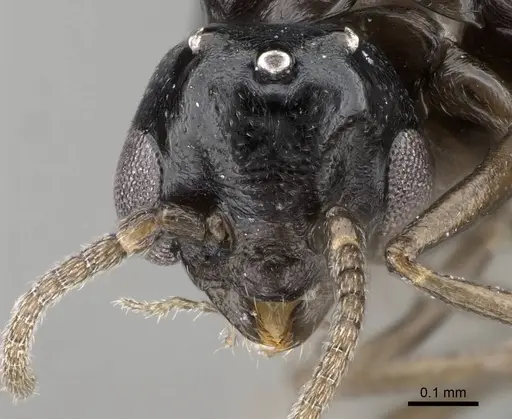
Queen size is 4.6-4.8 mm, making them moderately-sized queens for their worker size [2]. The founding process is unconfirmed as no specific literature exists in the research context. Development time from egg to worker is estimated at 6-8 weeks based on related species in warm conditions, though this has not been directly studied for O. glaber. The first workers (nanitics) will be smaller than mature workers. Colonies grow moderately fast once established, but colony size data is unavailable. They are monogynous with a single queen per colony [10].
Frequently Asked Questions
How long does it take for Ochetellus glaber to produce first workers?
Development time is not directly documented for this species, but based on related Dolichoderinae ants in warm conditions, expect around 6-8 weeks from egg to first worker. The queen will seal herself in during founding and raise the first brood alone.
What do Ochetellus glaber eat?
They are opportunistic feeders. Offer sugar water or honey for carbohydrates, and small insects like fruit flies or mealworm pieces for protein. They also tend aphids for honeydew in nature [2][12].
Are Ochetellus glaber good for beginners?
No, this species is considered Expert difficulty due to its invasive nature. It is not recommended for beginners, especially in non-native countries, to prevent ecological damage.
How big do Ochetellus glaber colonies get?
Colony size data is unavailable in the research context. Based on typical tramp ant patterns, they may reach several hundred workers, but this is not confirmed.
Do Ochetellus glaber need hibernation?
No, they do not require hibernation. They are warm-climate ants that remain active year-round. Keep them at room temperature (22-26°C) without any cooling period [4].
Can I keep multiple Ochetellus glaber queens together?
No, this species is monogynous, they have single queen colonies. Combining unrelated queens is not recommended and would likely result in fighting [10].
Why are my Ochetellus glaber escaping?
Their small size (2.4-2.6 mm) means they can squeeze through tiny gaps. Use fine mesh on all openings, apply fluon or similar barriers to smooth surfaces, and ensure all connections between outworld and nest are secure [1].
What temperature range is best for Ochetellus glaber?
Keep them at 22-26°C. They are found in warm tropical to subtropical regions and do not tolerate cold well. Room temperature within this range is ideal [4][11].
Is Ochetellus glaber invasive?
Yes, it is considered a tramp species that has spread through human commerce. It is native to Australia and New Caledonia but has been introduced to many regions including Hawaii, Japan, New Zealand, and Florida. If you live in these areas, never release this species outdoors [4][5][14].
When is the nuptial flight of Ochetellus glaber?
The nuptial flight of Ochetellus glaber typically occurs From January to December.
What time of day does Ochetellus glaber fly?
The nuptial flight of Ochetellus glaber peaks around 12:00 during the late morning to early afternoon, with most activity between 07:00 and 19:00. Times may be influenced by human observation patterns.
Report an Issue
The current care sheet is based fully on literature. See inconsistencies, or something that's incorrect? Please , it will be resolved after review from an admin. Contributing to the blogs tab also helps providing information, to make us be able to further improve the caresheets. Thank you for your support!
References

This caresheet is licensed under CC BY-SA 4.0 .
Community Blogs
CASENT0003317
View on AntWeb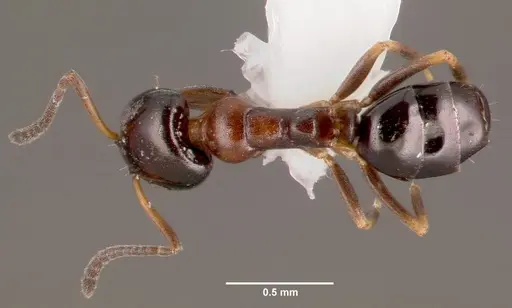
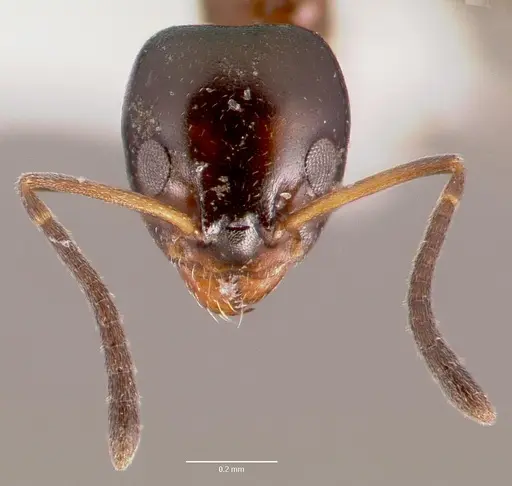
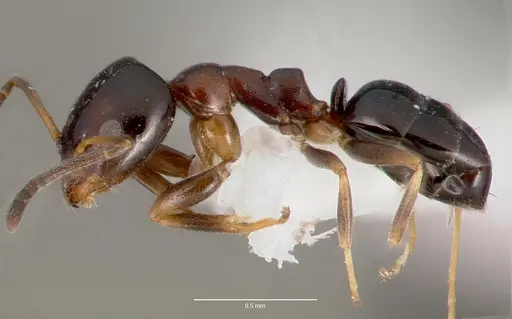
CASENT0005175
View on AntWeb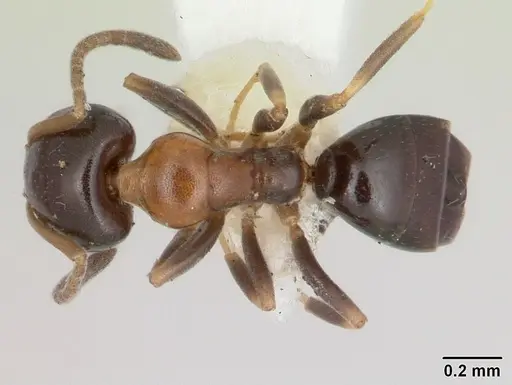
CASENT0009952
View on AntWeb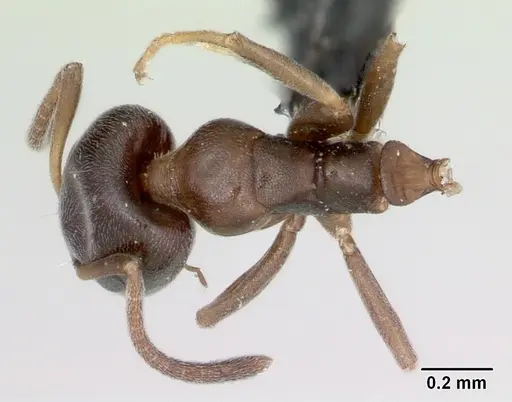
CASENT0104159
View on AntWeb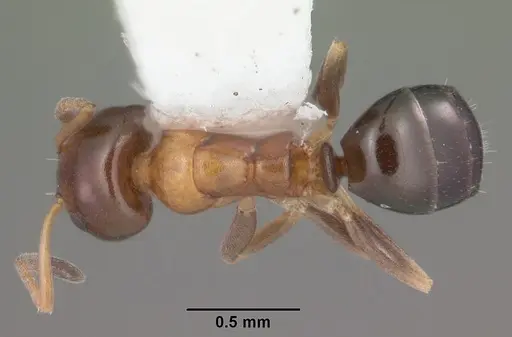
CASENT0172342
View on AntWeb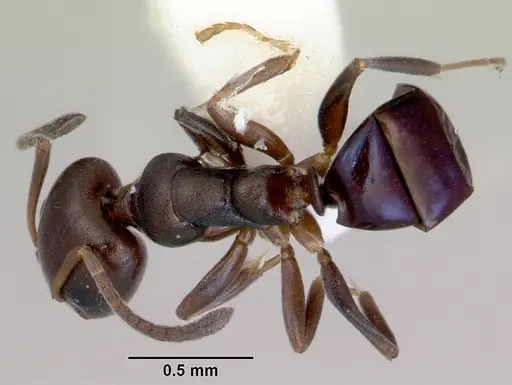
CASENT0173321
View on AntWeb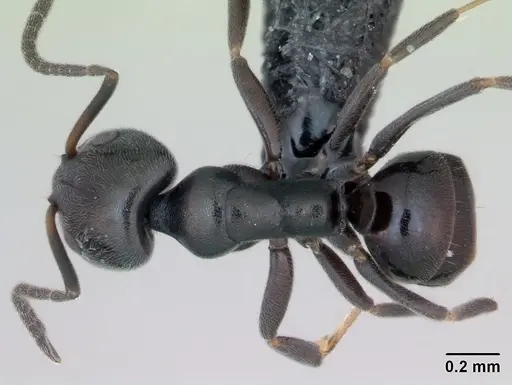
CASENT0178874
View on AntWeb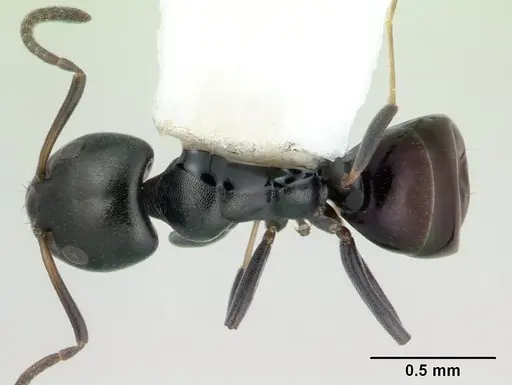
CASENT0246583
View on AntWeb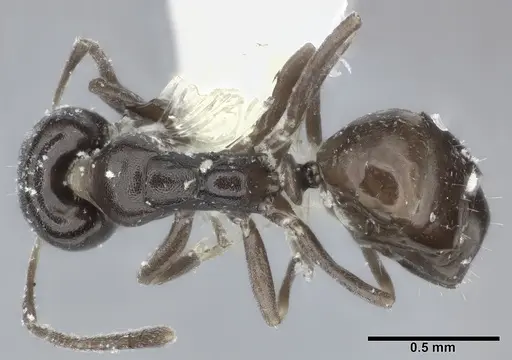
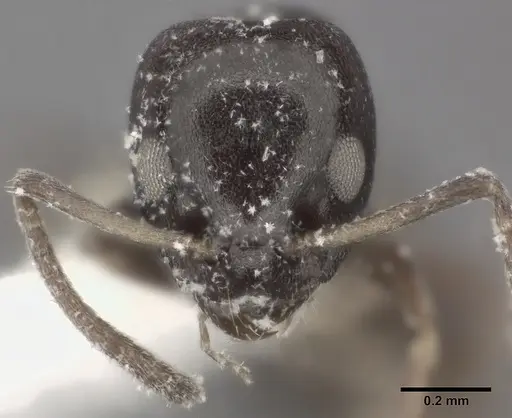
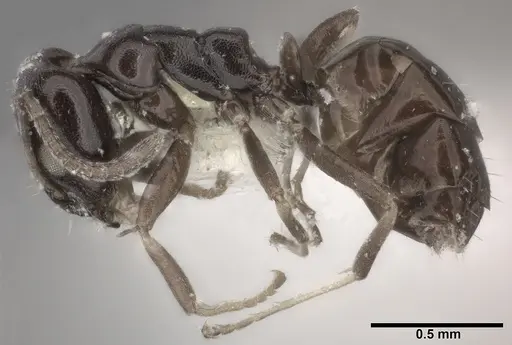
CASENT0246584
View on AntWeb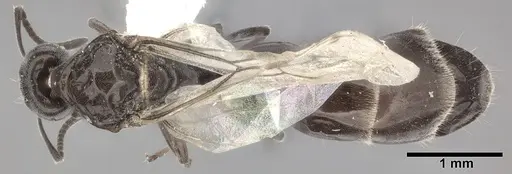
CASENT0246585
View on AntWeb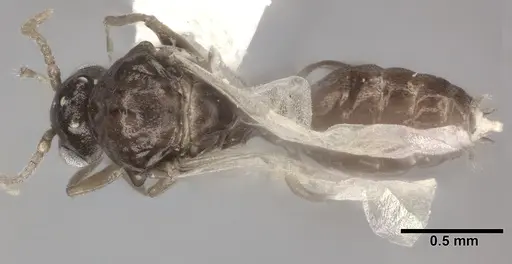
CASENT0249751
View on AntWeb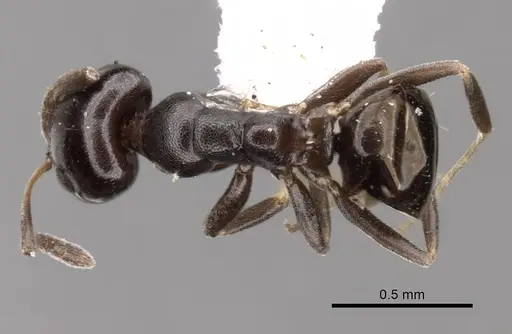
CASENT0249752
View on AntWeb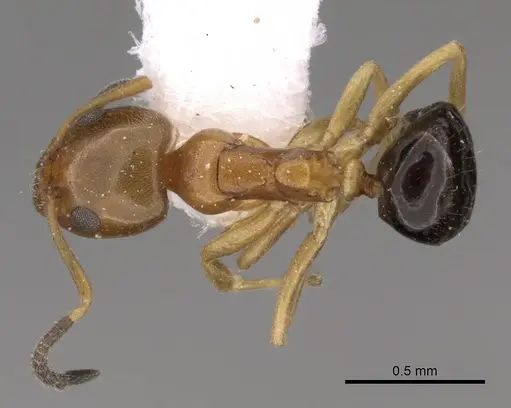
CASENT0249753
View on AntWeb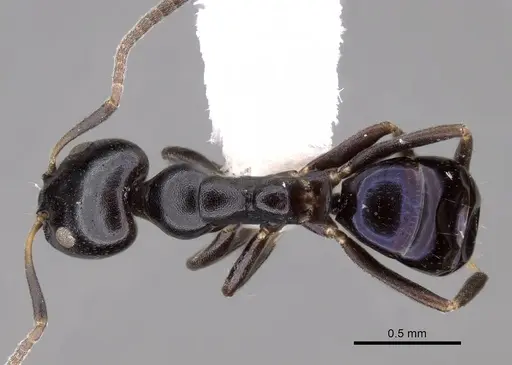
CASENT0249754
View on AntWeb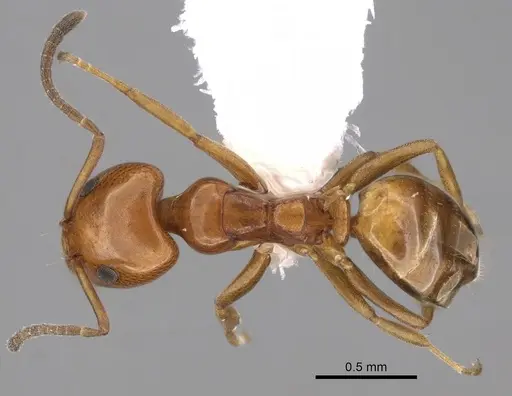
CASENT0264491
View on AntWeb
CASENT0264734
View on AntWeb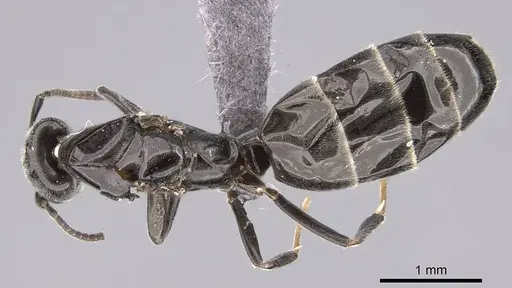
CASENT0275747
View on AntWeb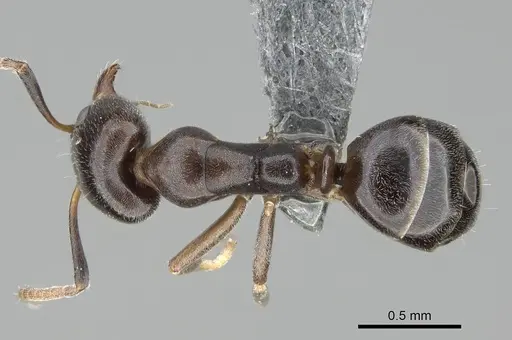
CASENT0785896
View on AntWeb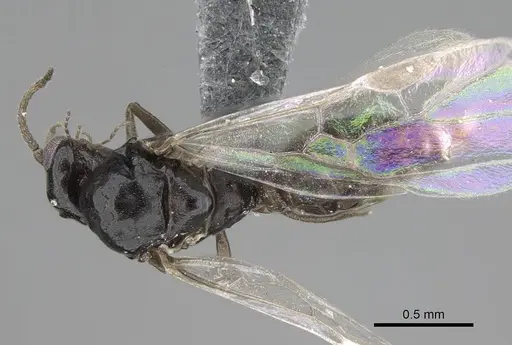
CASENT0785956
View on AntWeb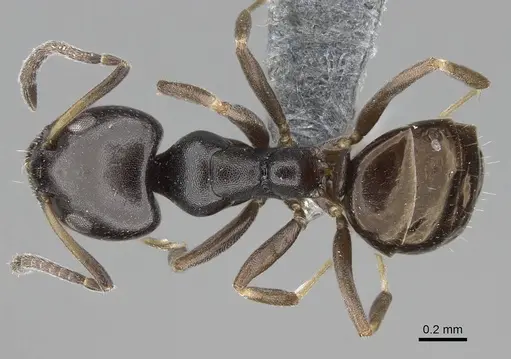
CASENT0886009
View on AntWeb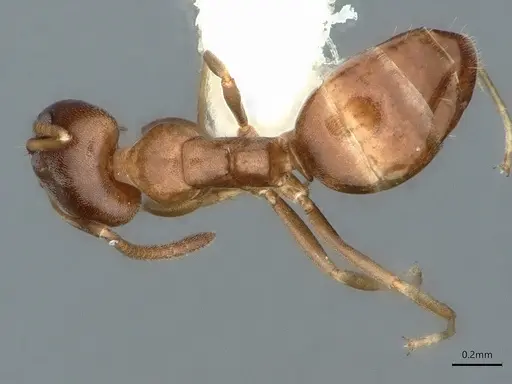
CASENT0905060
View on AntWeb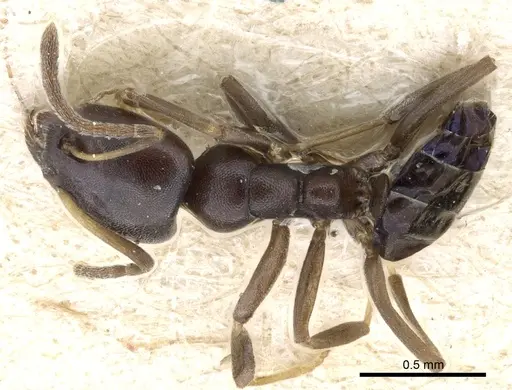
CASENT0909529
View on AntWeb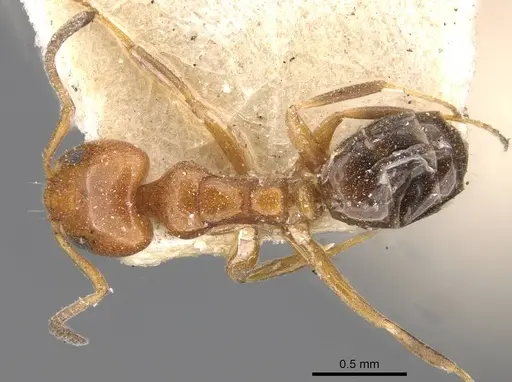
CASENT0909530
View on AntWeb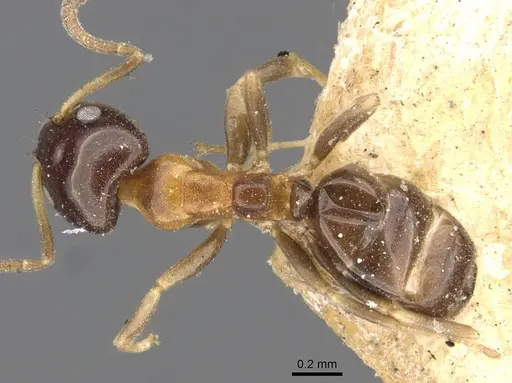
CASENT0909531
View on AntWeb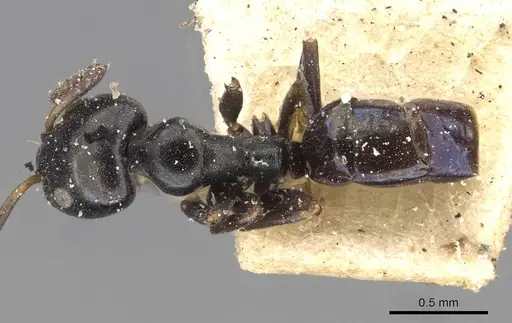
CASENT0909545
View on AntWeb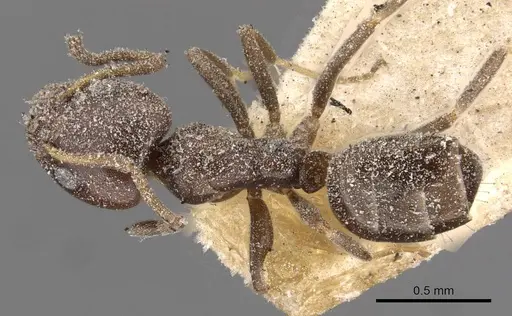
CASENT0915587
View on AntWeb
CASENT0917107
View on AntWeb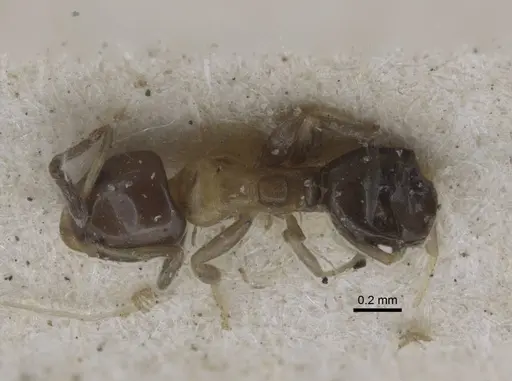
CASENT0919961
View on AntWeb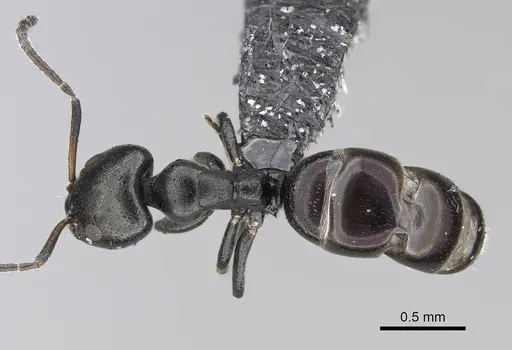
CASENT0919962
View on AntWeb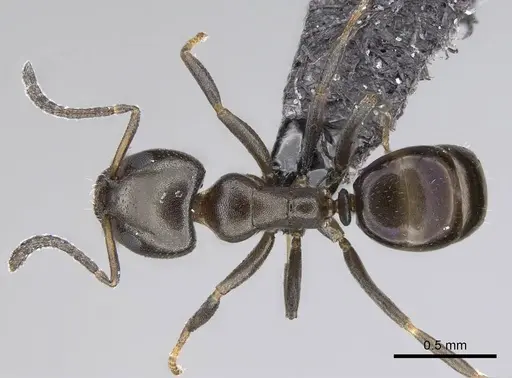
CASENT0922256
View on AntWeb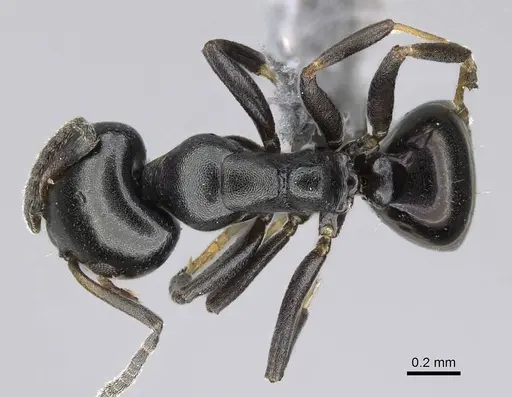
CASENT0922257
View on AntWeb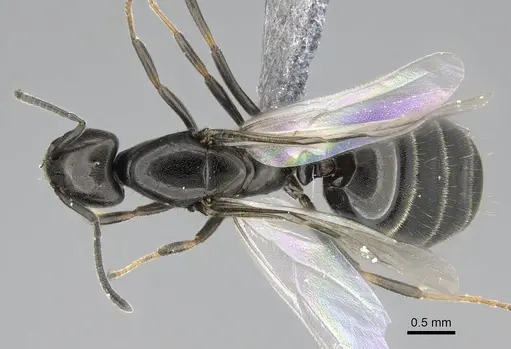
CSIRONC0195
View on AntWeb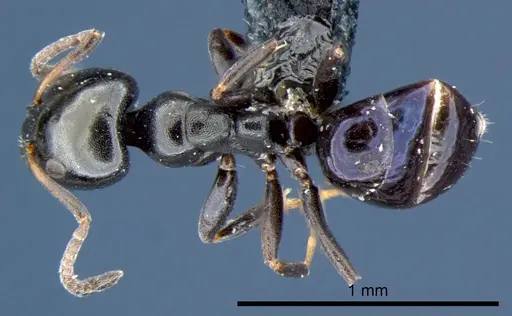
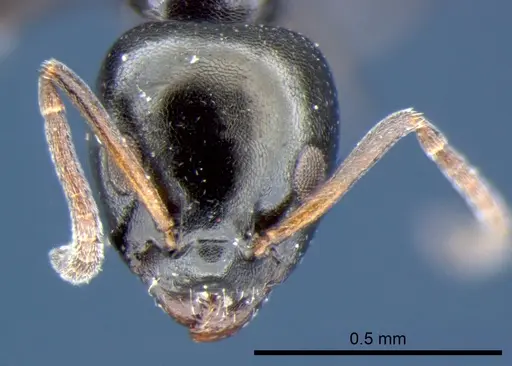
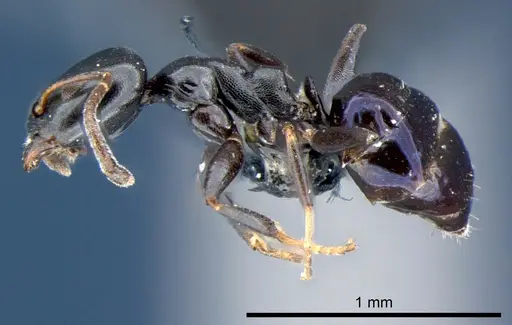
FOCOL2837
View on AntWeb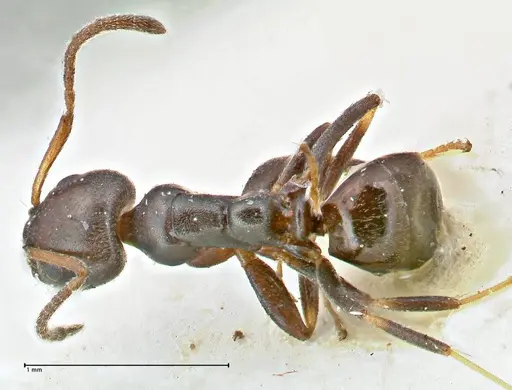
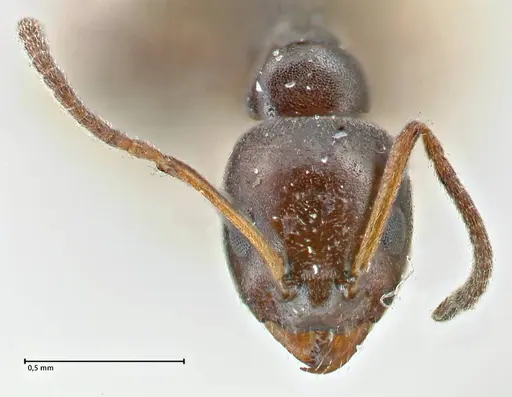
FOCOL2838
View on AntWeb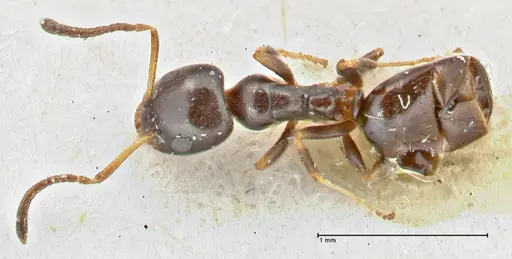
FOCOL2839
View on AntWeb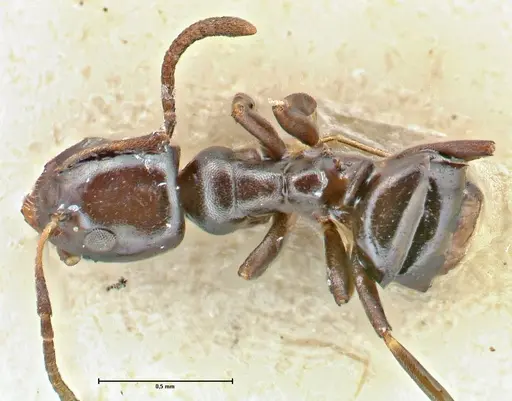
Literature
Loading distribution map...Loading products...