
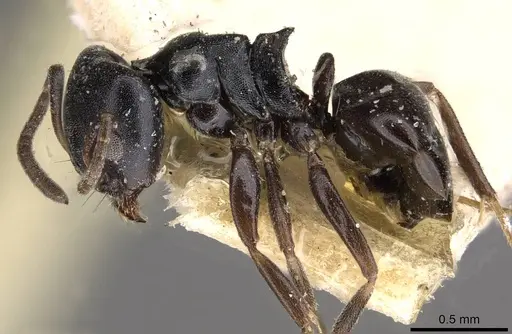
Ochetellus flavipes
- Sci. Name
- Ochetellus flavipes
- Tribe
- Leptomyrmecini
- Subfamily
- Dolichoderinae
- Author
- Kirby, 1896
- Distribution
- Found in 1 countries
Introduction
Ochetellus flavipes is a small ant native to Australia, belonging to the Dolichoderinae subfamily. The species name 'flavipes' means yellow-footed, referring to their pale legs . Size data unavailable from research context. They are associated with spinifex grass (Triodia) in arid regions . This species uses spinifex resin to build tunnels connecting nests and foraging areas, a behavior known to local Aboriginal people . They forage using trail networks and collect honeydew from trophobionts in leaf shelters .
Quick Summary
- Difficulty: Medium
- Origin & Habitat: Arid and semi-arid Australia, nesting in spinifex grass and associated with wood or manmade structures [4][5].
- Colony Type: Unconfirmed, no specific data on queen number or social structure [1].
- Size & Growth:
- Queen: Size data unavailable
- Worker: Size data unavailable
- Colony: Unknown, no specific data on colony size
- Growth: Moderate, inferred from related Dolichoderinae patterns
- Development: Estimated 6-8 weeks at warm temperatures, based on related species patterns (Development time may vary, no specific data available.)
- Antkeeping:
- Temperature: Keep warm, around 24-30°C, as they are hot climate specialists [5].
- Humidity: Low to moderate, arid-adapted, keep nesting area relatively dry [1].
- Diapause: No, likely not required for arid-adapted species.
- Nesting: Prefers dry conditions, Y-tong or plaster nests work well. Naturally nest in spinifex or wood [4][1].
- Behavior: Relatively docile, use trail networks for foraging [3]. Defense via chemical smear from abdomen, as typical for Dolichoderinae subfamily. Small size requires thorough escape prevention.
- Common Issues: escape prevention critical due to small size, they can squeeze through tiny gaps, overly humid conditions harmful, these are arid-adapted ants, wild-caught colonies may have parasites, quarantine and monitor new colonies, colonies may decline if kept too cool, need warm conditions year-round
Nest Preferences and Housing
Ochetellus flavipes naturally nests in spinifex grass and is often found associated with wood or manmade structures [4]. In captivity, they adapt well to Y-tong (AAC) nests or plaster nests. Provide dry to moderately humid conditions, these are arid-adapted ants. A small water reservoir is sufficient, avoid waterlogged conditions. They may appreciate organic material due to their resin-using behavior, but it is not required [1].
Feeding and Diet
In the wild, they forage using trail networks and collect honeydew from trophobionts protected in leaf shelters [3]. In captivity, offer sugar water, honey, or diluted syrup constantly. Provide protein sources like fruit flies or small crickets 1-2 times per week. Remove uneaten prey after 24 hours to prevent mold.
Temperature and Seasonal Care
As a hot climate specialist, keep the nest area at 24-30°C for optimal health [5]. They tolerate high temperatures but provide a gradient for workers to choose. Unlike temperate species, they likely do not require hibernation, keep warm year-round.
Behavior and Foraging
Workers use trail networks for foraging [3]. They are not aggressive, primary defense is retreating to the nest. Their small size means they are excellent climbers, so use fluon on nest rims and fine mesh on ventilation to prevent escapes.
Colony Development
Colony growth is moderate. First workers may appear around 6-8 weeks after founding at warm temperatures, based on related species patterns. Initial colonies grow slowly, then accelerate as workers increase. Regular feeding and warmth are key to development.
Frequently Asked Questions
Can I keep Ochetellus flavipes in a test tube?
Yes, start with a standard test tube setup with a water reservoir. Keep it warm and dry, but monitor humidity as they prefer arid conditions. Transition to a Y-tong or plaster nest once the colony reaches 20-30 workers.
What do Ochetellus flavipes eat?
They are primarily sugar feeders. Offer sugar water, honey, or diluted syrup constantly. Provide protein sources like fruit flies or small crickets 1-2 times per week [3].
How long until first workers appear?
Expect first workers around 6-8 weeks after founding at optimal temperature (26-28°C), based on related species patterns. Actual timing may vary.
Do Ochetellus flavipes need hibernation?
No, they do not require hibernation. As an arid-adapted species, they remain active year-round in warm conditions.
Are Ochetellus flavipes good for beginners?
They are medium-difficulty due to escape prevention needs and warm temperature requirements. Not recommended for absolute beginners.
When should I move them to a formicarium?
Move when the test tube becomes crowded or the colony reaches around 30-50 workers. Use Y-tong or plaster nests and make the transition gradual.
How big do Ochetellus flavipes colonies get?
Colony size data is unavailable from research. Growth is moderate, but no specific estimates are confirmed.
Why are my Ochetellus flavipes dying?
Common causes include too high humidity, temperatures below 20°C, poor escape prevention, or insufficient sugar. Check nest dryness and ensure warm conditions.
Can I keep multiple queens together?
Colony type is unconfirmed, but based on Dolichoderinae patterns, it is likely monogyne. Combining unrelated queens is not recommended.
Report an Issue
The current care sheet is based fully on literature. See inconsistencies, or something that's incorrect? Please , it will be resolved after review from an admin. Contributing to the blogs tab also helps providing information, to make us be able to further improve the caresheets. Thank you for your support!
References

This caresheet is licensed under CC BY-SA 4.0 .
Community Blogs
ANTWEB1008190
View on AntWeb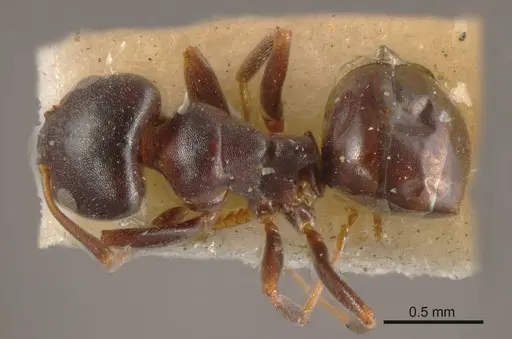
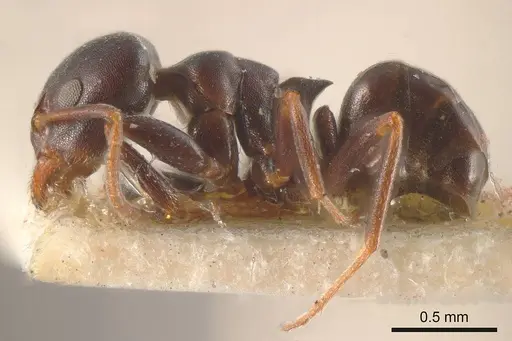
CASENT0909561
View on AntWeb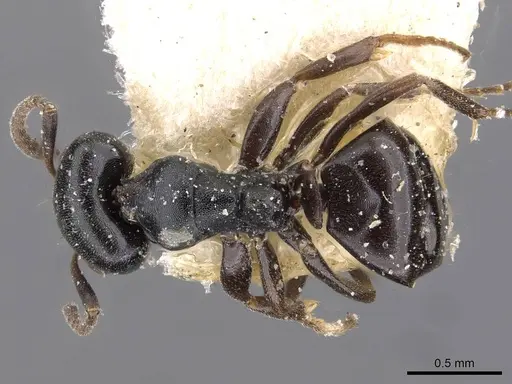
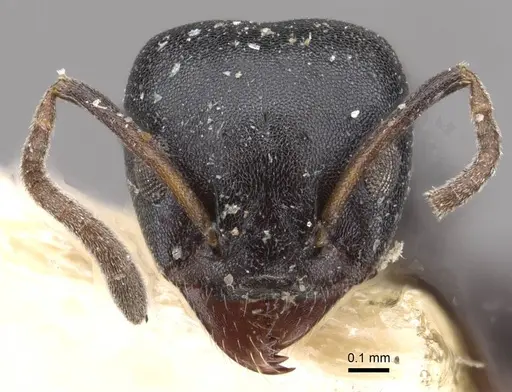
Literature
Loading distribution map...Loading products...