
Nylanderia usambarica
- Sci. Name
- Nylanderia usambarica
- Tribe
- Lasiini
- Subfamily
- Formicinae
- Author
- LaPolla <i>et al.</i>, 2011
- Distribution
- Found in 1 countries
Introduction
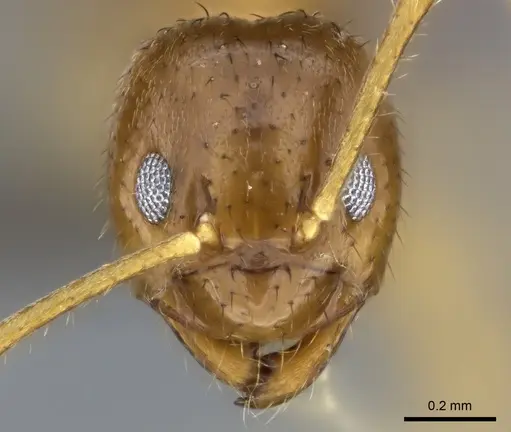
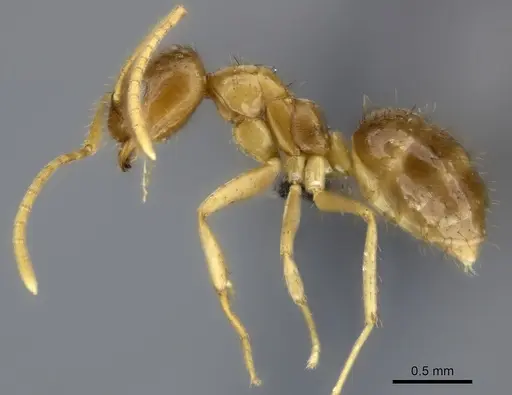
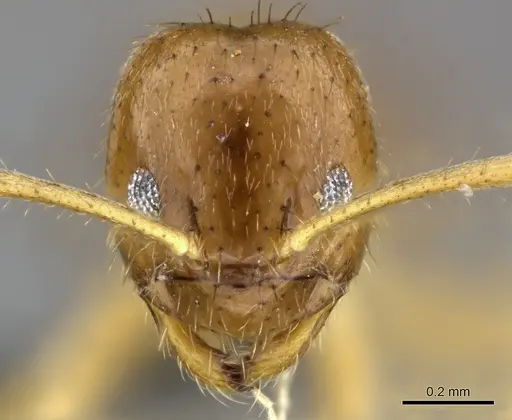
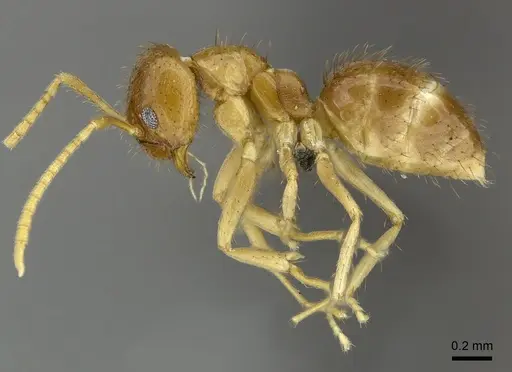
Nylanderia usambarica is a tiny ant species known only from the East Usambara mountains in Tanzania. Workers measure 2.3-2.8 mm in total length and have a golden yellow-brown coloration with dark, contrasting bristles (macrosetae) that stand out against their lighter body . The head has a distinctly indented posterior margin, and the scapes extend past the head by about the length of the first 3-4 funicular segments . This species has the highest pronotal bristle count of any Afrotropical Nylanderia, making it identifiable under magnification . The queen and male castes are unknown, and this species has never been studied in captivity . It was collected in primary forest at 1006m elevation, suggesting a preference for humid, shaded conditions typical of Tanzanian highlands.
Quick Summary
- Difficulty: Expert
- Origin & Habitat: East Usambara mountains, Tanzania (Nilo Forest Reserve,1006m elevation), found in primary forest [1].
- Colony Type: Unknown, only worker caste has been documented, colony structure is unconfirmed.
- Size & Growth:
- Queen: Unknown, queen caste has not been described [1]
- Worker: 2.3-2.8 mm [1]
- Colony: Unknown, no colony size data available
- Growth: Unknown, no development data exists
- Development: Unknown, no studies exist. Based on related Nylanderia species, estimated 4-8 weeks at warm temperatures, but this is speculative. (No direct data, development likely depends on temperature.)
- Antkeeping:
- Temperature: Estimated based on Tanzanian highland habitat, start around 24-26°C and observe colony activity [1].
- Humidity: Estimated based on primary forest habitat, keep substrate consistently moist but not waterlogged, with a humidity gradient [1].
- Diapause: Unknown, no seasonal data exists. Given the equatorial origin, hibernation is unlikely, but slight cooling may affect activity.
- Nesting: No specific data, inferred from genus patterns that they may nest in soil or under stones in shaded areas. Use small, dark, humid setups.
- Behavior: Not documented, no behavioral observations published. Based on genus-level knowledge, Nylanderia species are typically active foragers and may be aggressive for their size. Their tiny size (2.3-2.8 mm) poses moderate escape risk, ensure tight seals on enclosures.
- Common Issues: no captive data exists, this species has never been kept in captivity, queen and colony structure unknown, cannot provide founding guidance, development timeline unconfirmed, only estimates based on genus, escape prevention critical due to tiny size, assume moderate to high risk, diet acceptance unconfirmed, must experiment with sugar and protein sources
Discovery and Identification
Nylanderia usambarica was described in 2011 based on worker specimens from Tanzania's East Usambara mountains [1]. The species name refers to the Usambara range where it was found [1]. The type series was collected in primary forest at 1006m elevation, and this is the only known location [1]. Key identifying features include a high pronotal bristle count (PMC 10-22), golden yellow-brown coloration with dark macrosetae, and a distinctly indented head posterior margin [1]. The queen and male castes remain unknown [1].
Natural Habitat and Distribution
This species is known only from the Nilo Forest Reserve in Tanzania's Tanga Region [1]. The East Usambara mountains are a montane forest biodiversity hotspot, and collection at 1006m suggests a preference for humid, shaded conditions with leaf litter [1]. No data exists on nesting sites, foraging behavior, or seasonal patterns in the wild.
Captive Care - What We Know
There is no documented captive care for Nylanderia usambarica. This species has never been kept in captivity, and almost nothing is known about its biology. Based on the known habitat at 1006m elevation, estimated temperature needs are 24-26°C, and humidity should be moderate to high [1]. Their tiny size suggests using small setups with tight seals to prevent escape. For feeding, start with sugar water and small protein items like fruit flies, observing acceptance [1]. This is an expert-level species where you will be pioneering care, document any observations carefully.
Challenges and Considerations
The main challenge is the complete lack of biological data. You cannot obtain a founding queen since only workers are known, and nuptial flights are undocumented [1]. Colony structure, founding behavior, and development are unconfirmed. If attempting to keep this species, maintain conditions matching their suspected habitat (humid, shaded,24-26°C) and be prepared for a long-term learning process. Any successful colony would be a first for antkeeping.
Frequently Asked Questions
Can I keep Nylanderia usambarica in a test tube?
Likely yes, based on their tiny 2.3 mm worker size. Use a small test tube with a cotton-water reservoir. However, this species has never been kept in captivity, so this is an educated guess [1].
How long until first workers with Nylanderia usambarica?
Unknown, no development data exists. Based on related species, estimated 4-8 weeks from egg to worker at warm temperatures, but this is speculative.
What do Nylanderia usambarica ants eat?
Unconfirmed, no dietary observations exist. Based on genus patterns, they likely accept sugar sources and small protein, start with sugar water and live prey and observe acceptance.
Are Nylanderia usambarica good for beginners?
No. This species is not recommended for beginners due to unknown biology and lack of captive data. It is an expert-level species.
What temperature do Nylanderia usambarica need?
Estimated 24-26°C based on their Tanzanian montane forest habitat [1]. Start at this range and adjust based on colony activity.
Do Nylanderia usambarica need hibernation?
Unknown, no seasonal data exists. Given their equatorial origin, hibernation is unlikely, but slight temperature variations may affect activity.
How big do Nylanderia usambarica colonies get?
Unknown, no colony size data exists. Related Nylanderia species can form moderate-sized colonies, but this is speculative.
Can I keep multiple Nylanderia usambarica queens together?
Unknown, colony structure has not been documented. Not recommended until more is known.
Where can I get a Nylanderia usambarica queen?
Currently, you cannot obtain this species through normal channels. Only workers have been described, queens and males are unknown, and nuptial flights are undocumented [1].
Report an Issue
The current care sheet is based fully on literature. See inconsistencies, or something that's incorrect? Please , it will be resolved after review from an admin. Contributing to the blogs tab also helps providing information, to make us be able to further improve the caresheets. Thank you for your support!
References

This caresheet is licensed under CC BY-SA 4.0 .
Community Blogs
CASENT0235343
View on AntWeb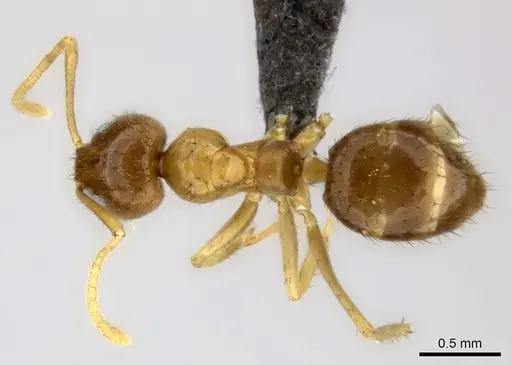
CASENT0235449
View on AntWeb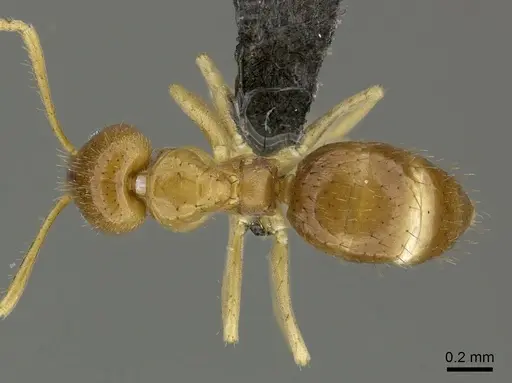
Literature
Loading distribution map...Loading products...