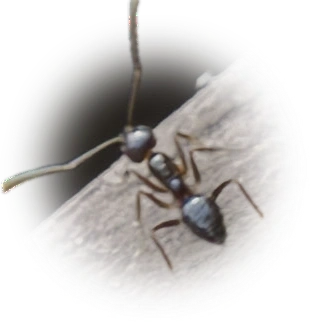
West Indian Crazy Ant
Nylanderia steinheili
- Sci. Name
- Nylanderia steinheili
- Tribe
- Lasiini
- Subfamily
- Formicinae
- Author
- Forel, 1893
- Common Name
- West Indian Crazy Ant
- Distribution
- Found in 6 countries
Introduction
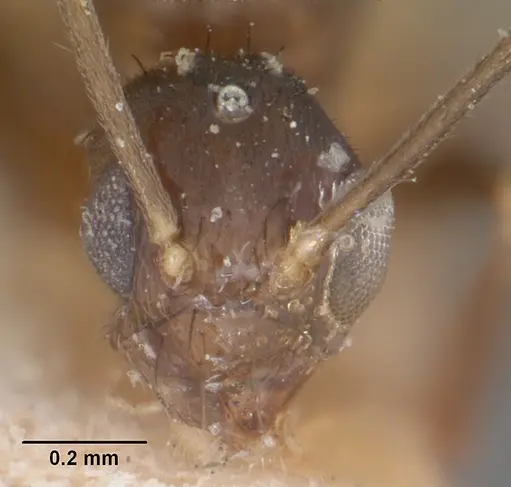
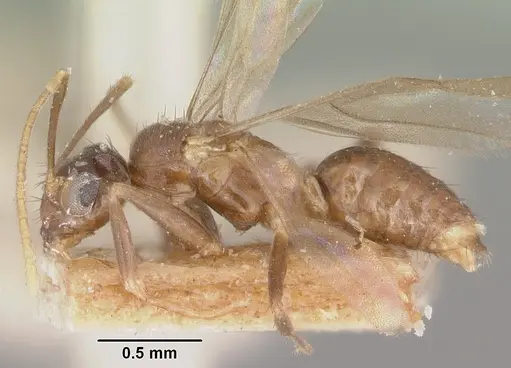
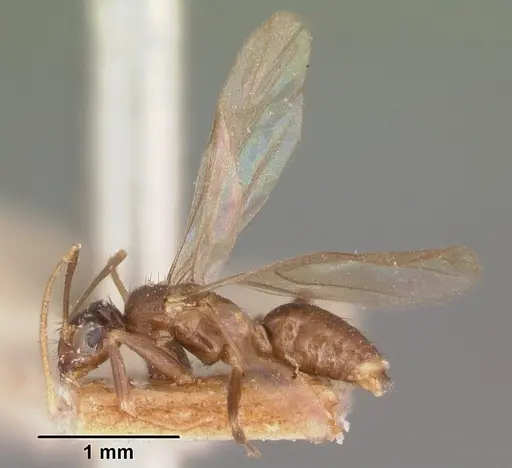
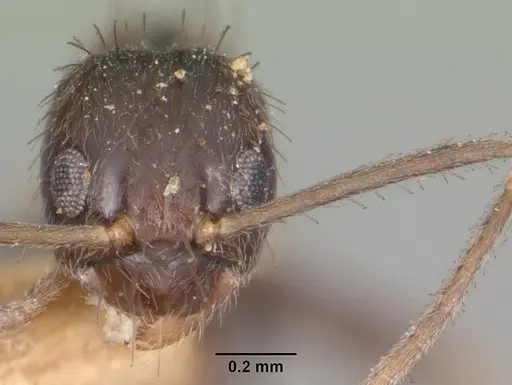
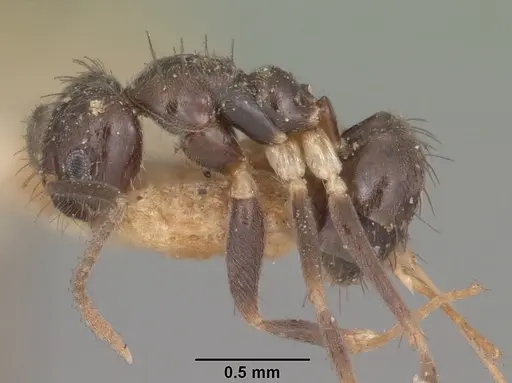
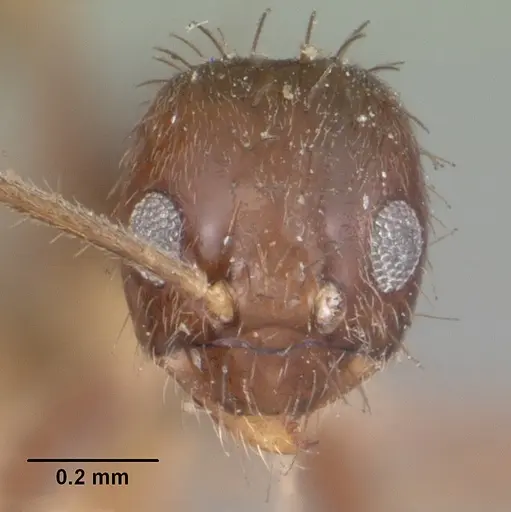
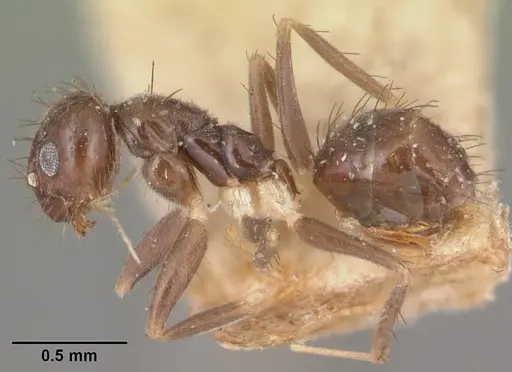
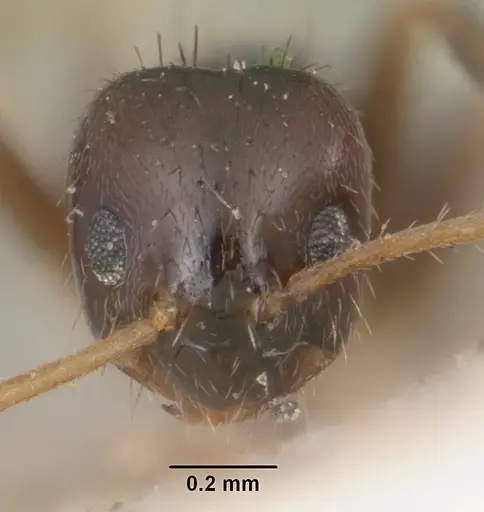
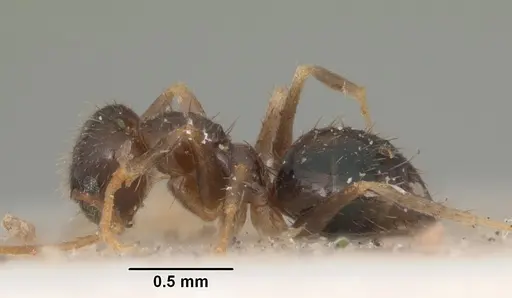
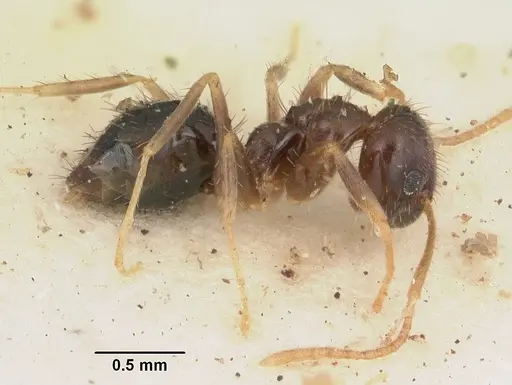
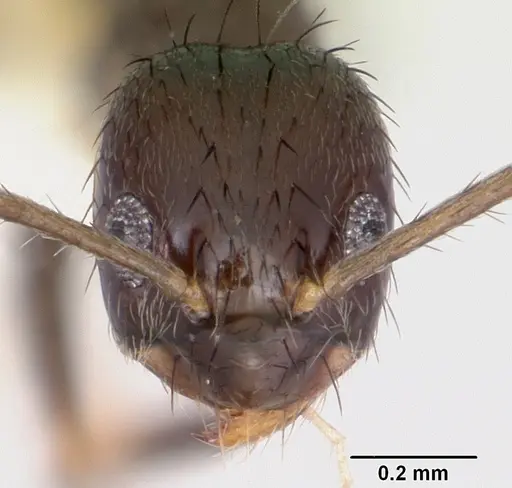
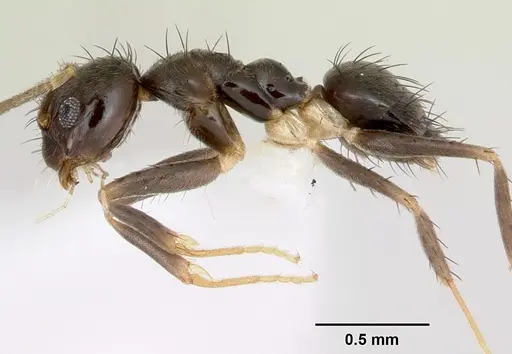
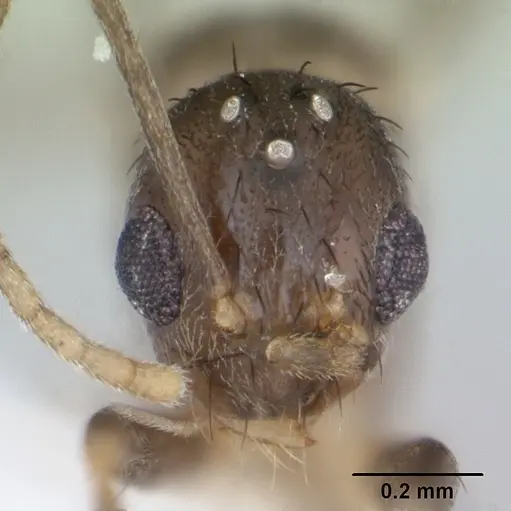
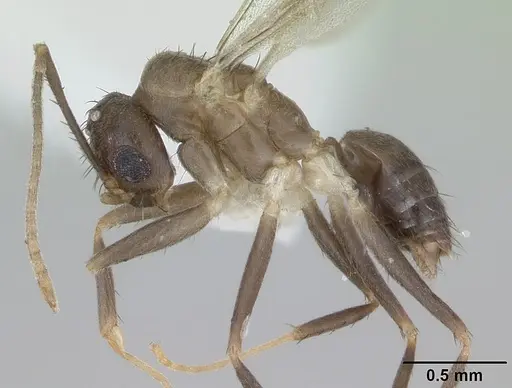
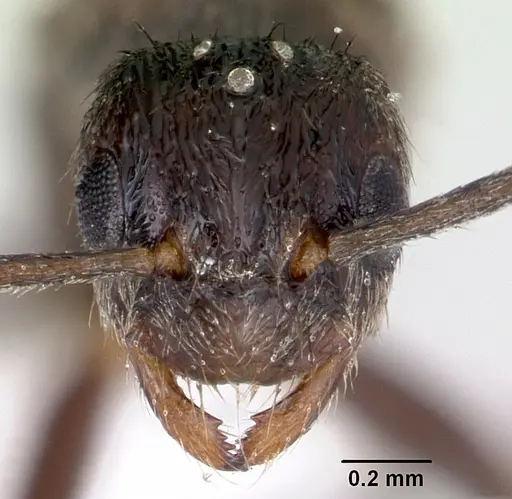
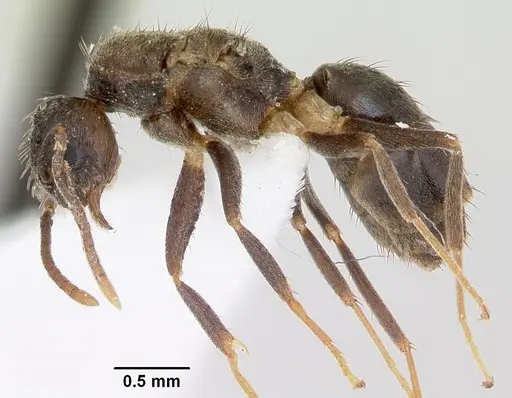
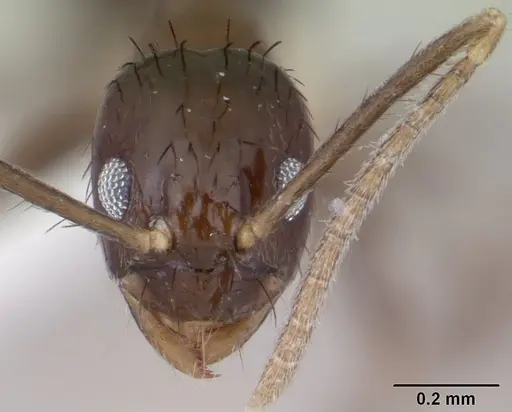
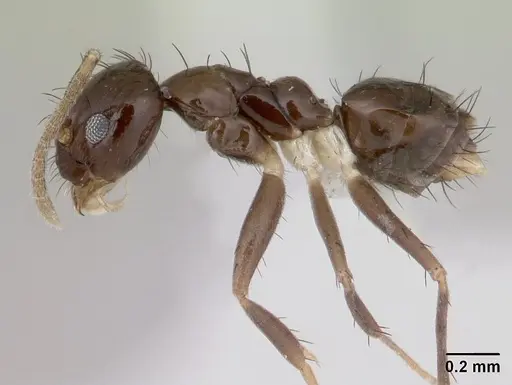
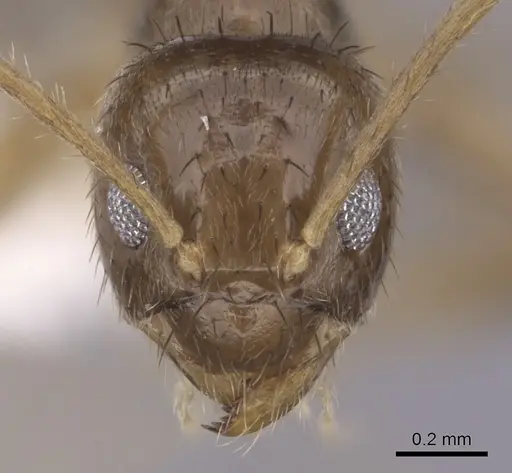
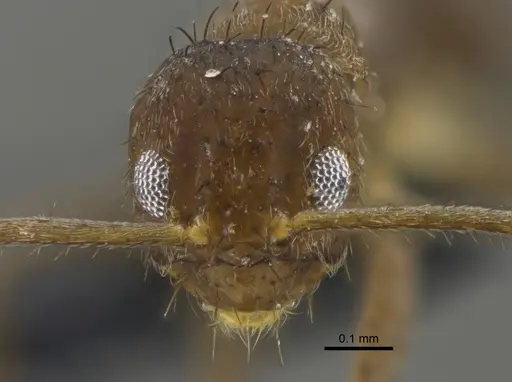
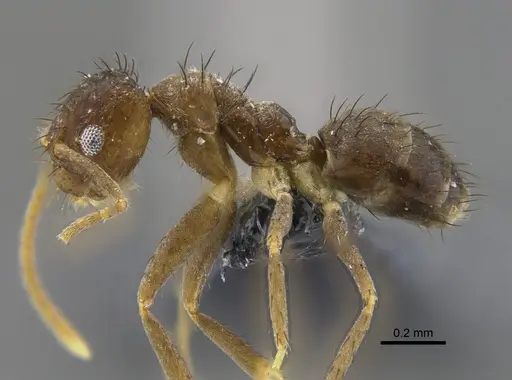
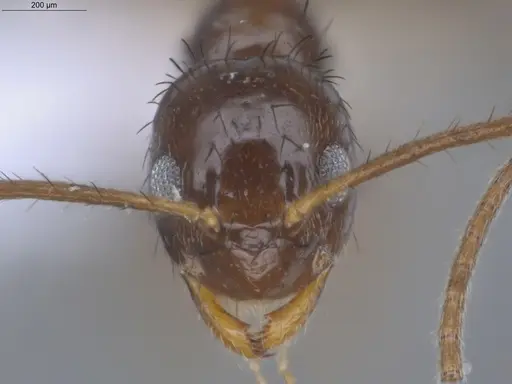
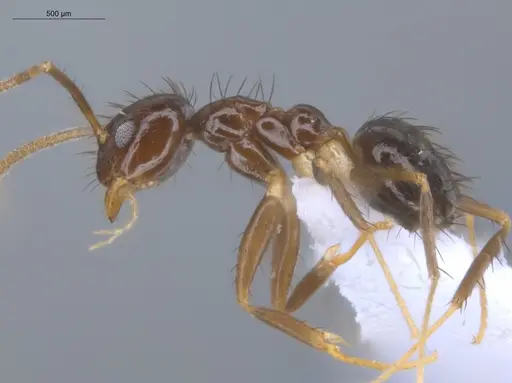
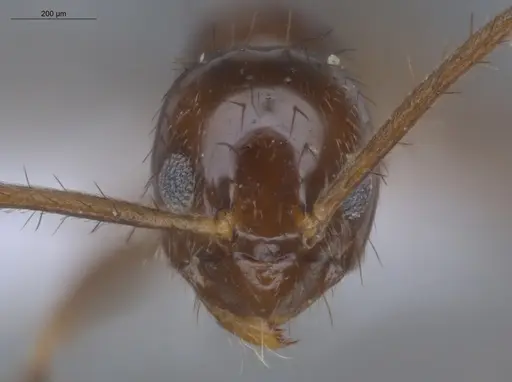
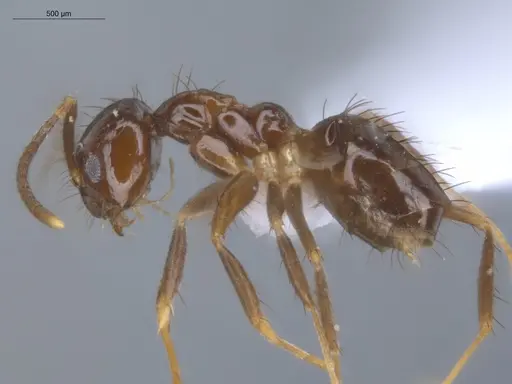
Nylanderia steinheili is a small to medium-sized ant. Workers measure 1.70-2.30 mm in total length, and queens measure 3.20-3.40 mm . The species has a dark brown to black body that contrasts sharply with distinctive white trochanters and pale meso- and metacoxae . It belongs to the Nylanderia guatemalensis complex and shows considerable morphological variation across its range . Originally described from St. Thomas in the Antilles, the species ranges across Central America, South America, and the Caribbean . It has also been introduced to Florida and the Galápagos Islands . This ant thrives in diverse environments, from tropical rainforests to agricultural zones and urban areas .
Quick Summary
- Difficulty: Expert
- Origin & Habitat: Native range remains undetermined, but the species spans Central America, South America, and the West Indies [2][3]. It has been introduced to Florida, the Galápagos Islands, and other Caribbean locations [4][5][6]. You will find them in lowland areas below 400 meters elevation, typically in forest patches, agricultural land, and human-modified environments [2][3][6].
- Colony Type: Unconfirmed. Based on Nylanderia patterns, colonies are likely polygynous (multiple queens) in established populations, but this remains unverified.
- Size & Growth:
- Antkeeping:
- Temperature: Keep warm at 24-30°C. This tropical species tolerates brief exposure to 45°C [7]. Maintain consistent warmth year-round.
- Humidity: Keep the nest substrate consistently moist but not waterlogged. Provide a humidity gradient with a dry area and a small moist zone.
- Diapause: No. This tropical species does not require hibernation or diapause.
- Nesting: Ground-dwelling species that nests under stones, logs, and rotting wood [6]. They also nest opportunistically in dried leaves and other exposed, ephemeral surfaces [8]. Use a Y-tong (AAC) nest, plaster nest, or soil nest. Avoid acrylic nests.
- Behavior: Nylanderia steinheili is an omnivorous generalist that forages for liquid carbohydrates and insects [7]. They actively attend aphids for honeydew [9]. Activity patterns shift with habitat: they share activity rhythms in agricultural land but become primarily nocturnal in forests [7]. Workers rarely persist at food sources after competitors arrive, suggesting they lose out in direct competition. Workers do not integrate between nests in most trials, indicating territorial behavior [10][11]. Escape risk is high due to their small size. WARNING: Nylanderia steinheili is an invasive species in Florida, the Galápagos Islands, and parts of the West Indies. It is NOT recommended to keep this species in countries where it is not native. If kept, extreme precautions must be taken to prevent any escape, as established invasive populations can cause severe ecological damage. This species should NOT be released under any circumstances.
- Common Issues: invasive species status requires extreme escape prevention and legal compliance, small size makes escape highly likely without fine mesh barriers, sensitive to cold temperatures below 20°C, wild-caught colonies may carry parasites or pathogens, competitive exclusion at feeding sites by larger ant species
Housing and Nest Setup
Nylanderia steinheili nests on the ground under stones, logs, and rotting wood [6]. They also use ephemeral sites like dried leaves [8]. You should provide a Y-tong (AAC) nest, plaster nest, or soil nest. Keep the substrate slightly moist to match their natural forest and agricultural habitats. Avoid acrylic nests. Provide a humidity gradient so the ants can choose their preferred moisture level. Add hiding spots like small stones or bark to mimic their natural environment.
Feeding and Diet
This species is an omnivorous generalist. They forage for liquid food in agricultural areas and grasslands, but switch to insect prey in forest environments [7]. They actively tend aphids, including Toxoptera citricidus on Crescentia cujete in Costa Rica [9]. Offer a constant source of sugar water or honey. Provide protein sources like small insects (fruit flies, pinhead crickets, mealworms) two to three times per week. Their adaptability makes them easy to feed in captivity.
Temperature and Seasonal Care
Keep Nylanderia steinheili at 24-30°C. This tropical species thrives in warm conditions and tolerates brief exposure to 45°C [7]. You do not need to provide a winter diapause period. Maintain consistent warmth year-round. Avoid temperatures below 20°C, as cold stress can harm the colony. A heating cable on one side of the nest creates a temperature gradient for thermoregulation.
Behavior and Colony Dynamics
Nylanderia steinheili shows flexible behavior depending on habitat. They share activity patterns in agricultural land but become nocturnal in forests [7]. These ants are medium-sized guild foragers and rarely persist at baits after competitors arrive. Workers do not integrate between nests in most trials, which suggests territorial behavior [10][11]. They produce pumiliotoxins as a chemical defense, which also serves as a dietary source for poison frogs [12][13]. They are not aggressive toward humans and do not pose a sting risk.
Field Notes and Ecological Significance
Nylanderia steinheili is one of the most abundant ant species in the Neotropics [13]. They play important ecological roles as prey for poison frogs (Dendrobates pumilio) and blindsnakes (Typhlops platycephalus) [12][14]. The species has established populations in Florida and the Galápagos Islands [4][6]. In the Galápagos, they occupy gardens, forests, and open areas but are not considered a major threat to native tortoises [15]. If you collect this species from the wild, never release them outside their documented range.
Common Challenges
The main challenges involve their small size and specific temperature needs. Workers measure 1.70-2.30 mm, so you must use fine mesh barriers to prevent escapes. As a tropical species, they suffer from cold temperatures below 20°C. Wild-caught colonies may carry parasites or pathogens, so quarantine new colonies. They lose food competitions to larger ant species, so monitor feeding situations carefully. Colony structure remains unconfirmed, so establishing colonies may require patience. [10][11][1]
Frequently Asked Questions
Can I keep Nylanderia steinheili in a test tube?
Yes, test tubes work well for founding colonies. Pack the cotton tightly since their small size allows them to squeeze through gaps. Move them to a larger nest (Y-tong or plaster) once the colony reaches a few dozen workers.
How long does it take for Nylanderia steinheili to produce first workers?
Exact development times are unknown. Based on typical Nylanderia patterns, expect first workers several weeks after the queen starts laying eggs, assuming stable temperatures around 25-30°C.
What temperature do Nylanderia steinheili need?
Keep them warm at 24-30°C. This tropical species thrives in warm conditions and tolerates brief exposure to 45°C [7]. Avoid temperatures below 20°C.
Are Nylanderia steinheili good for beginners?
No, this species is not recommended for beginners. It is an invasive species in multiple regions, requiring expert-level escape prevention and legal compliance. Stick to native or non-invasive species if you are new to ant keeping.
What do Nylanderia steinheili eat?
They are omnivorous generalists. Offer sugar water or honey constantly. Provide protein sources like small insects two to three times per week. They will also attend aphids if present.
Do Nylanderia steinheili need hibernation?
No, this tropical species does not require hibernation or diapause. Keep temperatures consistent and warm year-round at 24-30°C.
How big do Nylanderia steinheili colonies get?
Exact colony size data is limited. Based on related species, colonies likely reach moderate sizes. They are considered abundant in their native range.
When should I move Nylanderia steinheili to a formicarium?
Move from a test tube to a proper nest (Y-tong, plaster, or soil) once the colony reaches a few dozen workers or when the test tube shows signs of mold or drying. They prefer nests with some moisture.
Why are my Nylanderia steinheili dying?
Common causes include temperatures too cold (below 20°C), substrate too dry, escape-related injuries, parasites from wild-caught colonies, or competition at feeding sites. Check temperature, humidity, and ensure they can access food without harassment.
Is Nylanderia steinheili invasive?
Yes, it has established populations in Florida and the Galápagos Islands. It is one of the non-native ant species with increasing relative abundance in some areas [10][11]. In the Galápagos, it is not considered a major threat to native fauna [6].
Report an Issue
The current care sheet is based fully on literature. See inconsistencies, or something that's incorrect? Please , it will be resolved after review from an admin. Contributing to the blogs tab also helps providing information, to make us be able to further improve the caresheets. Thank you for your support!
References

This caresheet is licensed under CC BY-SA 4.0 .
Community Blogs
CASENT0101622
View on AntWeb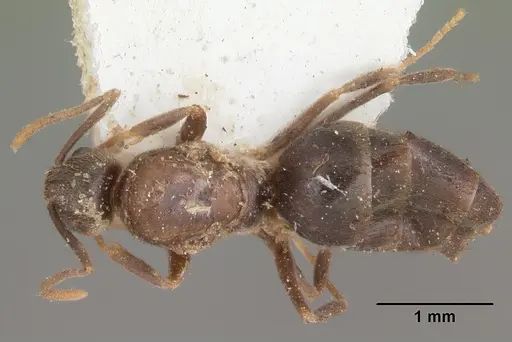
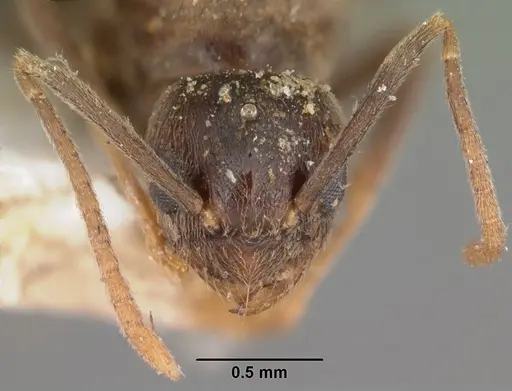
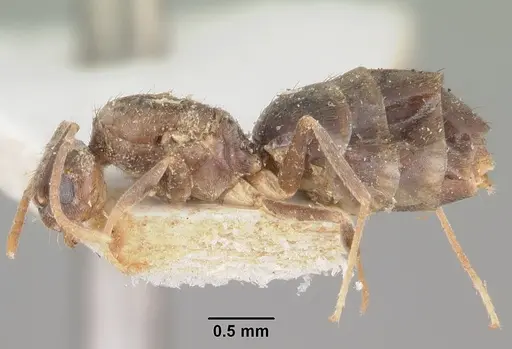
CASENT0101675
View on AntWeb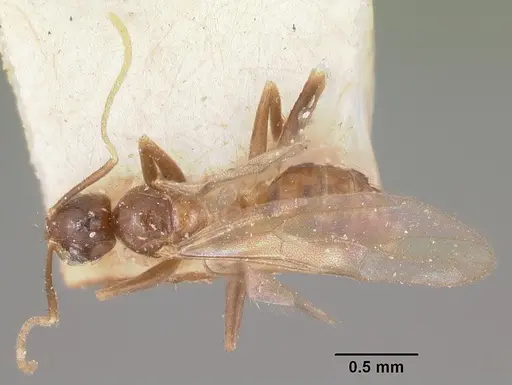
CASENT0101839
View on AntWeb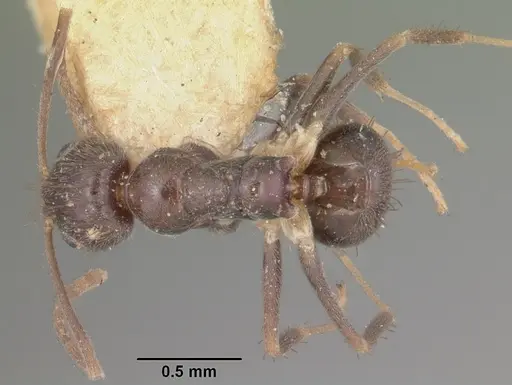
CASENT0101936
View on AntWeb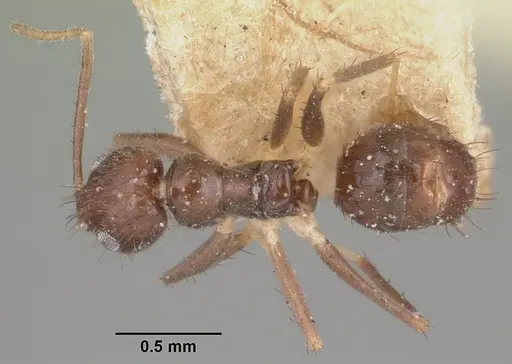
CASENT0102943
View on AntWeb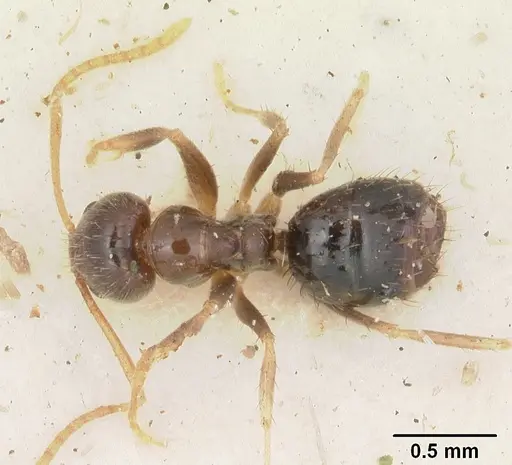
CASENT0173233
View on AntWeb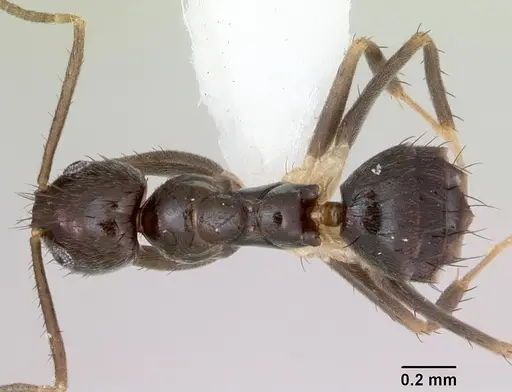
CASENT0173234
View on AntWeb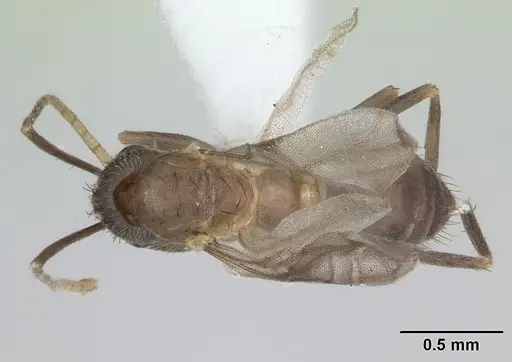
CASENT0173235
View on AntWeb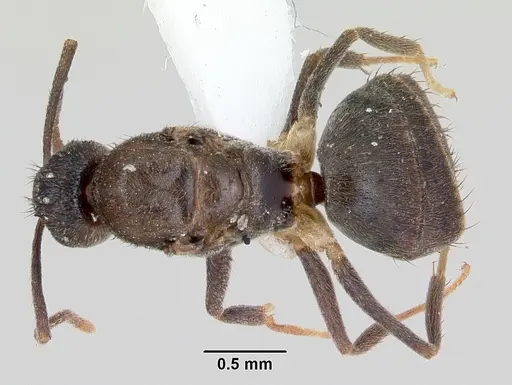
CASENT0178613
View on AntWeb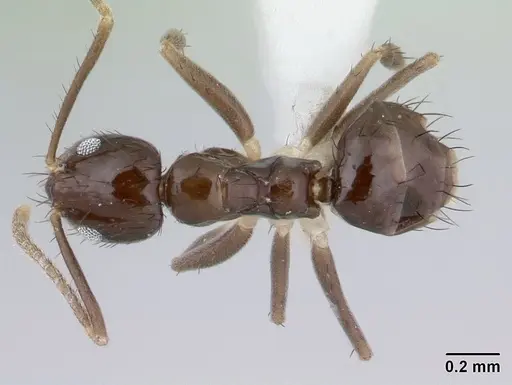
CASENT0280581
View on AntWeb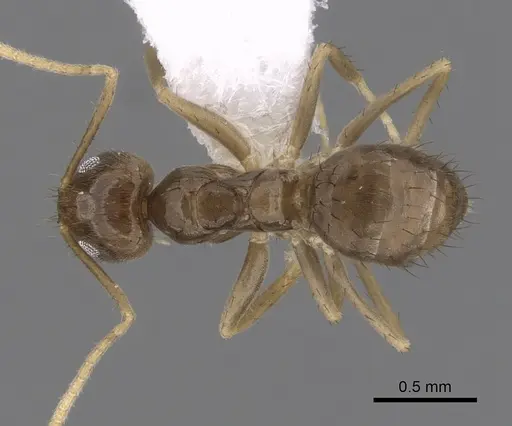
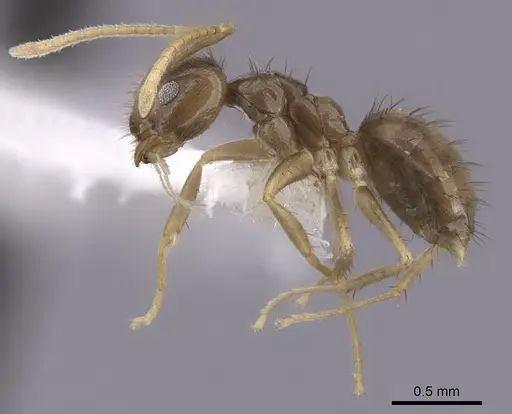
CASENT0903138
View on AntWeb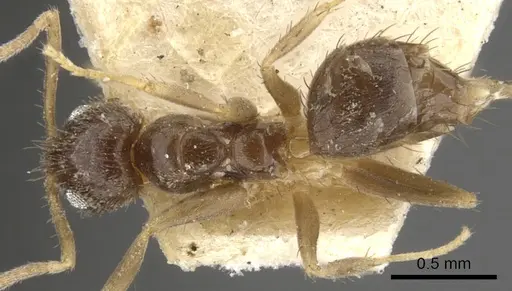
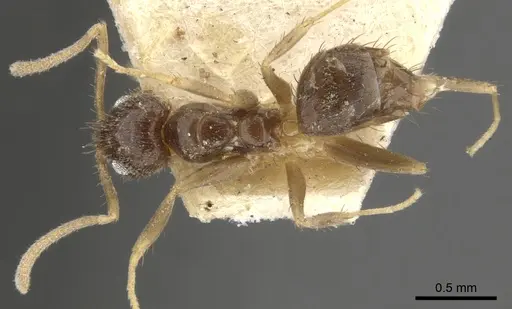
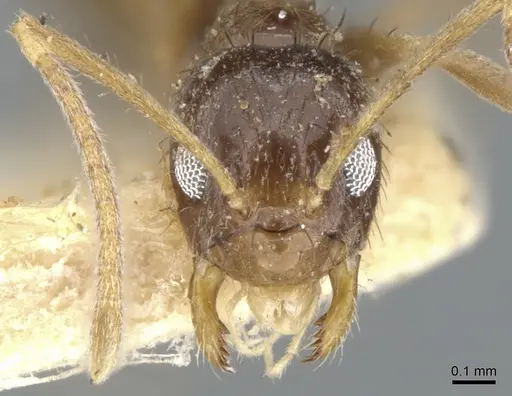
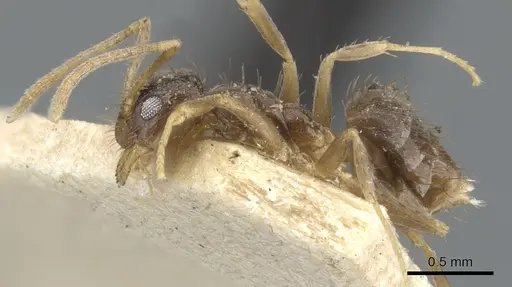
CBUMAGENT41812
View on AntWeb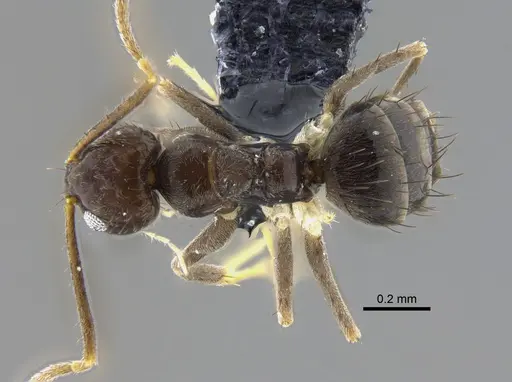
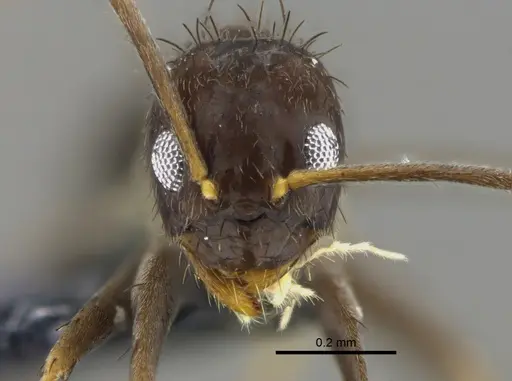
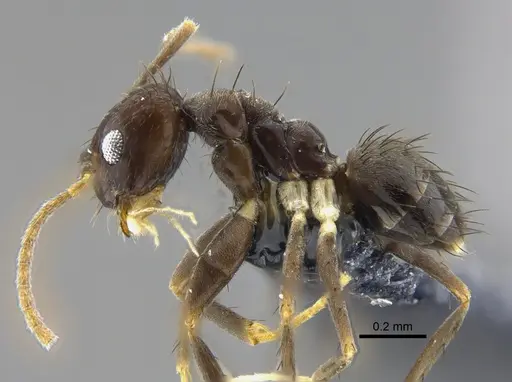
CBUMAGENT41813
View on AntWeb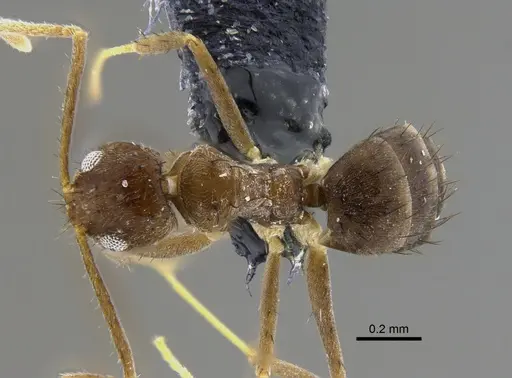
ECOFOG-BAF19-0074-13
View on AntWeb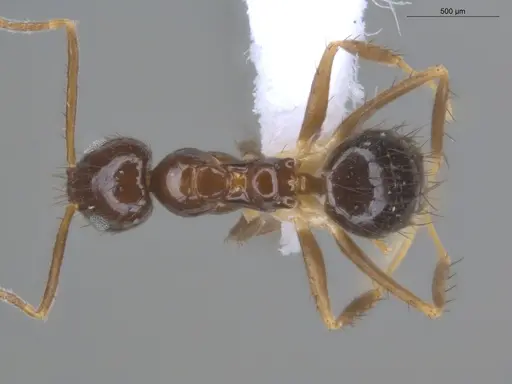
ECOFOG-MI15-0370-15
View on AntWeb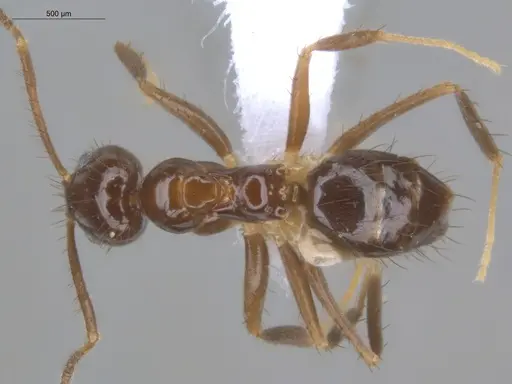
Literature
Loading distribution map...Loading products...