
Nylanderia sikorae
- Sci. Name
- Nylanderia sikorae
- Tribe
- Lasiini
- Subfamily
- Formicinae
- Author
- Forel, 1892
- Distribution
- Found in 0 countries
Introduction
Nylanderia sikorae is a small ant species native to Madagascar, specifically described from the Forêt d'Andrangoloakă region . Worker size is undocumented, but based on Nylanderia genus patterns, workers are typically around 2-3 mm in length . The species is known from tropical forest habitats in Madagascar . This ant remains poorly studied, with limited published information on its biology or ecology .
Quick Summary
- Difficulty: Unknown, species has not been documented in the antkeeping hobby
- Origin & Habitat: Madagascar, specifically Forêt d'Andrangoloakă in tropical forest habitat [1].
- Colony Type: Based on Nylanderia genus patterns, likely polygyne (multiple queens), but unconfirmed for N. sikorae [2].
- Size & Growth:
- Queen: Size data unavailable, no total length measurements exist for this species
- Worker: Inferred from Nylanderia genus, workers are typically ~2-3 mm, but specific data unavailable [2]
- Colony: Unknown
- Growth: Unknown
- Development: Unknown, no development data exists for this species (Based on related Nylanderia species in tropical conditions, development may take 4-8 weeks, but this is an estimate only [2])
- Antkeeping:
- Temperature: Based on Madagascar's tropical climate, aim for warm temperatures around 24-28°C. Room temperature may be acceptable, but observe colony activity and adjust as needed [2]
- Humidity: Keep substrate moderately moist but not waterlogged, with some variation for drier areas [2]
- Diapause: Unknown, no data on diapause requirements for this species
- Nesting: No specific nesting data exists. Based on Nylanderia genus patterns, typically nest in soil, under stones, or in rotting wood. Use standard test tube setup or small nest as a starting point [2]
- Behavior: Behavior is undocumented for this species. Based on Nylanderia genus patterns, workers are fast-moving, active foragers with erratic movement, and not typically aggressive. Escape prevention is critical due to small size, use fine mesh barriers [2]
- Common Issues: this species has never been documented in the antkeeping hobby, so no established care protocols exist, worker size is unknown, increasing escape risk despite small size, diet preferences are unconfirmed, which may lead to malnutrition if foods are not accepted, sting capability is undocumented, so handle with care, wild-caught colonies may carry parasites or diseases not yet characterized
Species Background
Nylanderia sikorae was originally described as Nylanderia sikorae and later transferred to the genus Nylanderia. The type specimens were collected from Forêt d'Andrangoloakă in Madagascar [1]. This species remains poorly represented in scientific collections, with very limited published information about its biology, morphology, or ecological role [1].
Housing and Setup
Start with standard antkeeping setups appropriate for small tropical ants. A test tube setup works well for founding colonies [2]. For established colonies, use a small nest or Y-tong style formicarium with appropriately scaled chambers [2]. Ensure all connections and barriers are tight-fitting to prevent escapes [2]. Provide an outworld area for foraging that the ants can easily navigate [2].
Feeding
Diet preferences are unconfirmed for this species. Start with standard ant foods: sugar water or honey as an energy source, and protein sources like small insects such as fruit flies or pinhead crickets [2]. Observe whether the colony accepts these foods and adjust accordingly [2].
Temperature and Humidity
Madagascar has a tropical climate with warm temperatures year-round. Keep the colony in the range of 24-28°C, and room temperature may be acceptable but less ideal [2]. Maintain moderate humidity in the nest area with damp but not waterlogged substrate [2].
Important Considerations
This species has never been documented in the antkeeping hobby, meaning there are no established care protocols or observations from experienced keepers. Any colony obtained would essentially be pioneering captive care for this species. Document your observations carefully to contribute to future antkeeping knowledge [2].
Frequently Asked Questions
How do I care for Nylanderia sikorae ants?
No established care protocols exist for this species. Start with standard practices for small tropical ants: test tube setup for founding, moderate warmth around 24-28°C, moist substrate, and offer sugar water and small insects [2]. Document your observations as you learn what works.
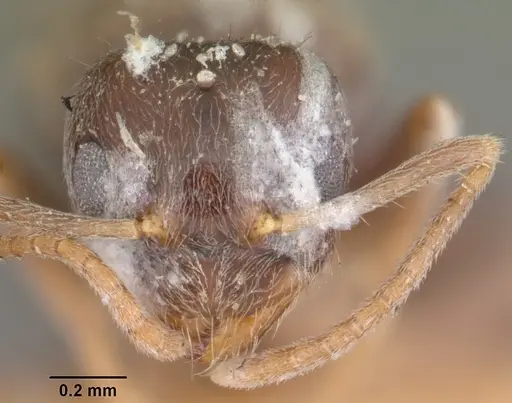
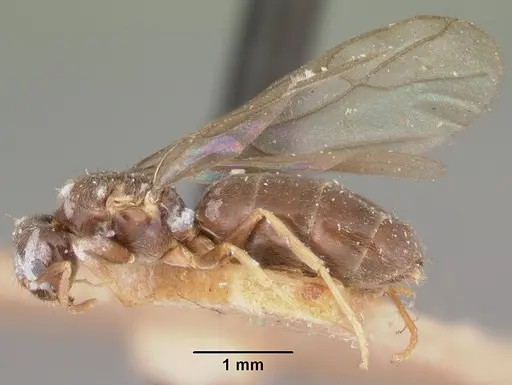
What does Nylanderia sikorae look like?
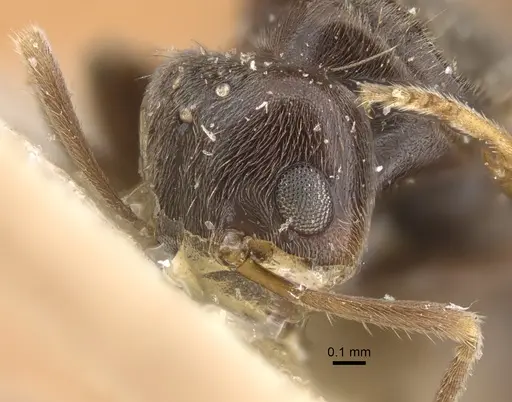
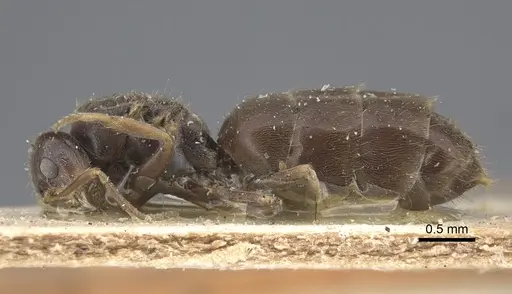
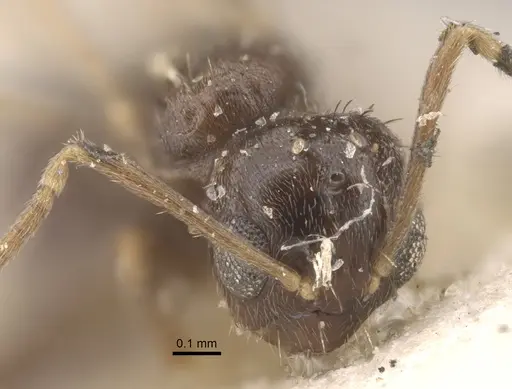
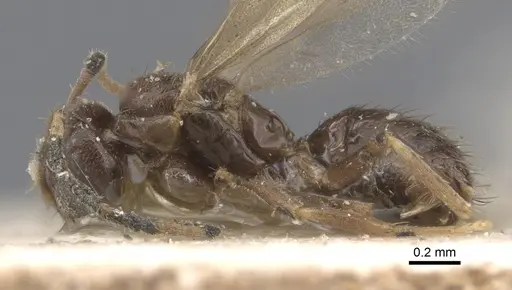
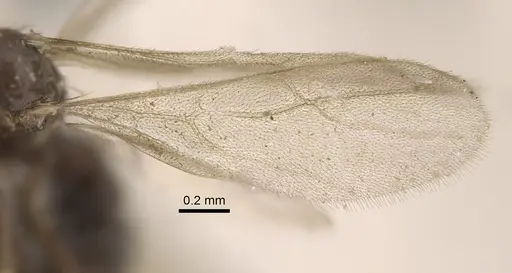
Detailed morphological descriptions are not available in published literature. The type specimens are housed in museum collections, but comprehensive descriptions have not been published [1].
How big do Nylanderia sikorae colonies get?
No published data exists on colony size. Related Nylanderia species can form colonies ranging from hundreds to thousands of workers, but this is unconfirmed for N. sikorae [2].
Does Nylanderia sikorae need hibernation?
No data exists on diapause requirements. Based on Madagascar's tropical climate with minimal seasonal variation, diapause is unlikely, but this is unconfirmed [2].
Can I keep multiple Nylanderia sikorae queens together?
Colony structure is unconfirmed. Based on Nylanderia genus patterns, many species are polygynous (multiple queens), but this has not been documented for N. sikorae. Until more information is available, start with a single queen colony [2].
What do Nylanderia sikorae ants eat?
Diet is unconfirmed. Offer sugar water or honey for carbohydrates and small insects for protein. Observe what the colony accepts and adjust accordingly [2].
How long does it take for Nylanderia sikorae to develop from egg to worker?
No development data exists for this species. Based on related Nylanderia species in tropical conditions, development may take 4-8 weeks, but this is an estimate only [2].
Are Nylanderia sikorae ants aggressive?
Aggression levels are undocumented. Based on Nylanderia genus patterns, most species are not particularly aggressive but are active foragers [2].
Where is Nylanderia sikorae found in the wild?
The species is known from Forêt d'Andrangoloakă in Madagascar, a tropical forest region [1].
Is Nylanderia sikorae a good species for beginners?
This species cannot be recommended for beginners due to the complete lack of documented care information. Any colony would require the keeper to develop care protocols from scratch, carrying significant risk of failure [2].
Report an Issue
The current care sheet is based fully on literature. See inconsistencies, or something that's incorrect? Please , it will be resolved after review from an admin. Contributing to the blogs tab also helps providing information, to make us be able to further improve the caresheets. Thank you for your support!
References

This caresheet is licensed under CC BY-SA 4.0 .
Community Blogs
CASENT0101619
View on AntWeb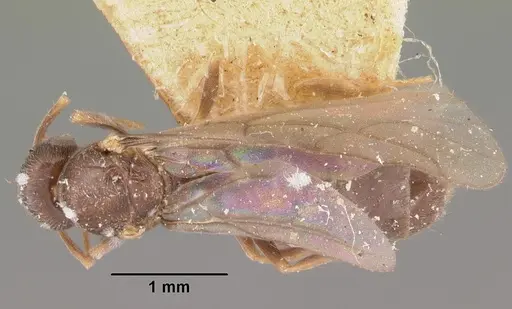
CASENT0101910
View on AntWeb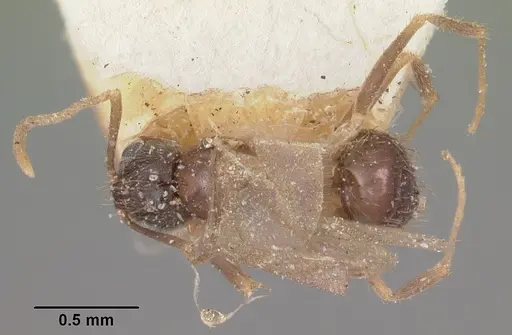
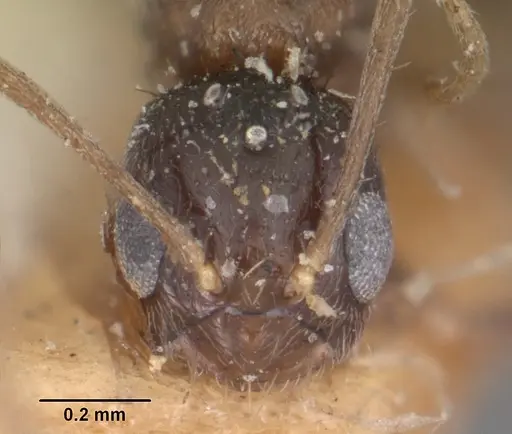
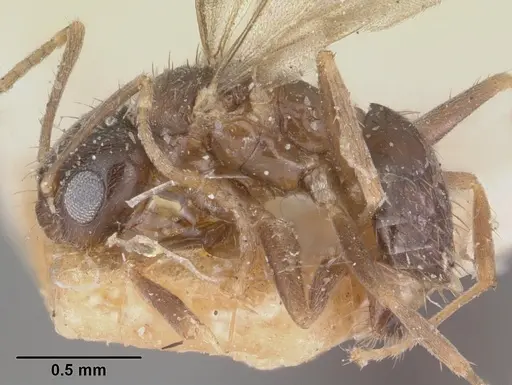
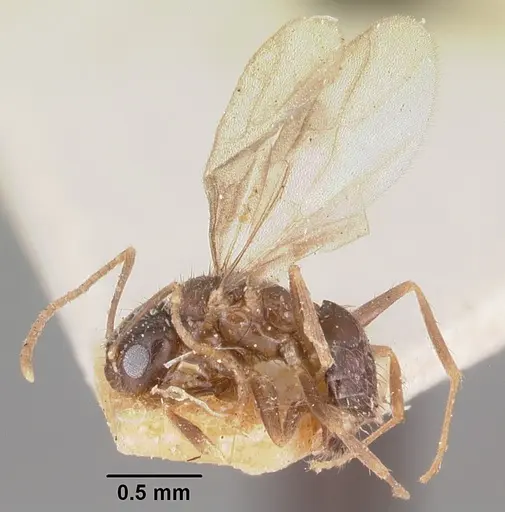
CASENT0917869
View on AntWeb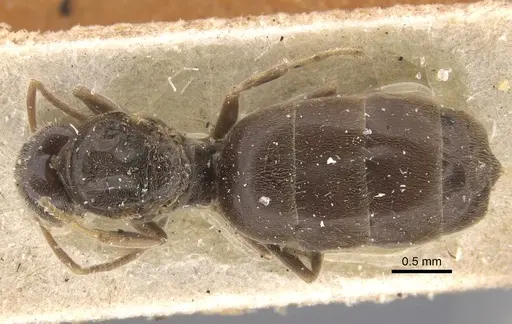
CASENT0917870
View on AntWeb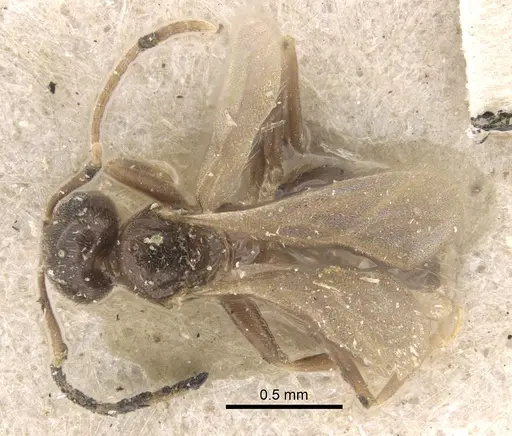
Literature
Loading distribution map...Loading products...