
Nylanderia madagascarensis
- Sci. Name
- Nylanderia madagascarensis
- Tribe
- Lasiini
- Subfamily
- Formicinae
- Author
- Forel, 1886
- Distribution
- Found in 3 countries
Introduction
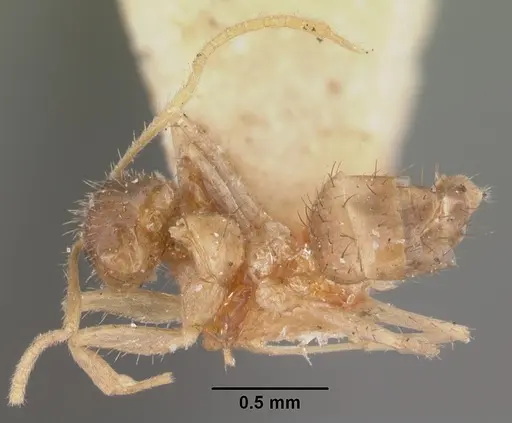
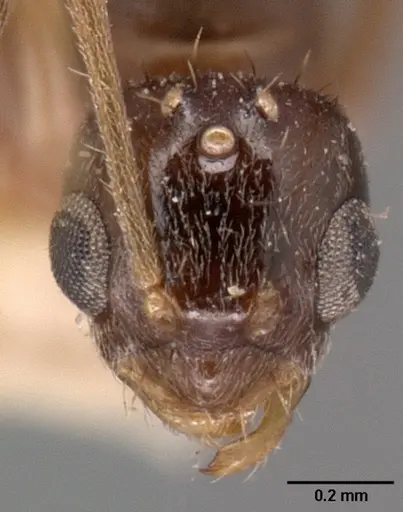
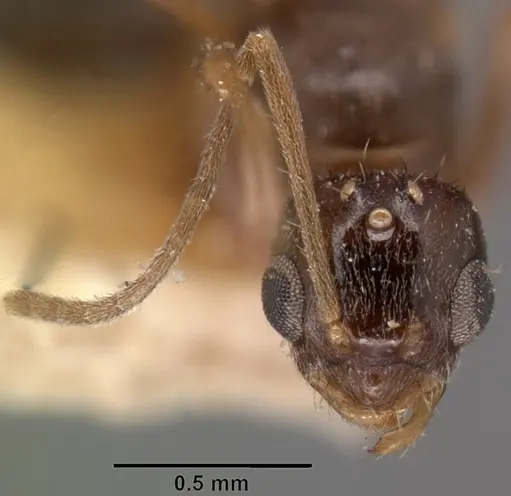
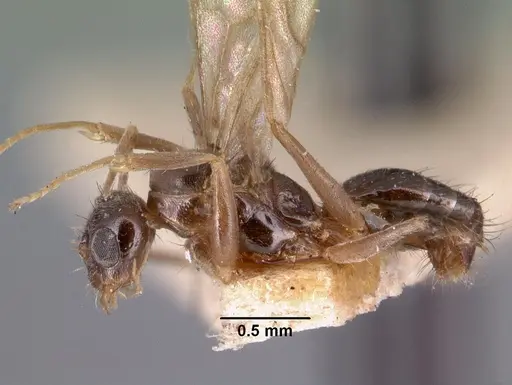
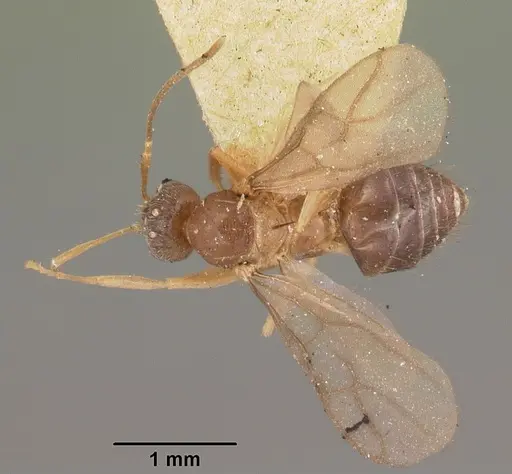
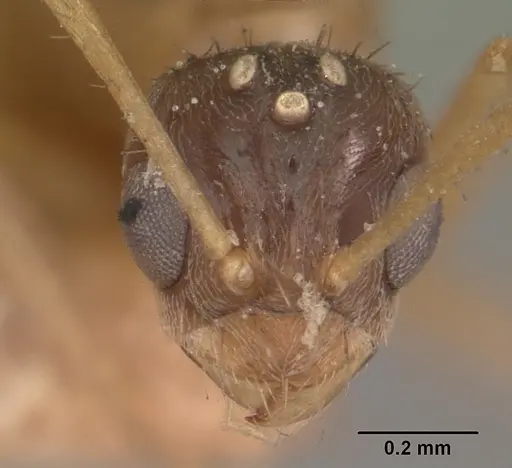
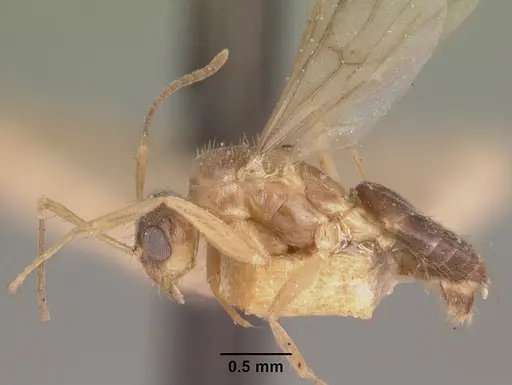
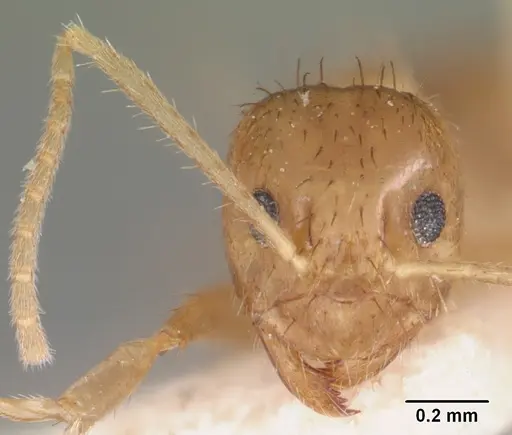
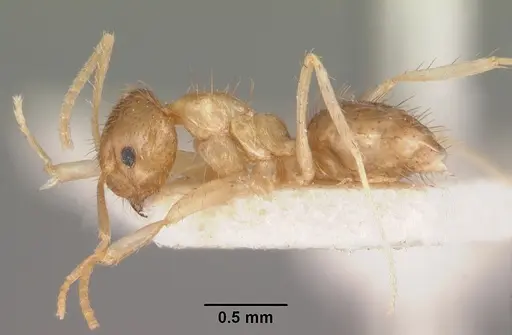
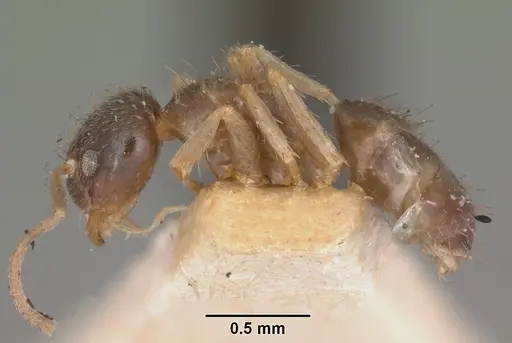
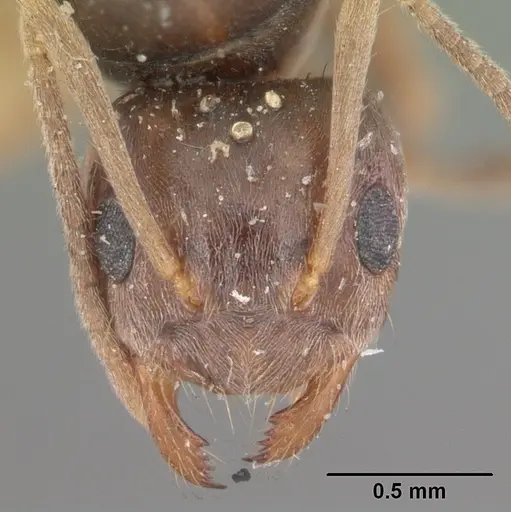
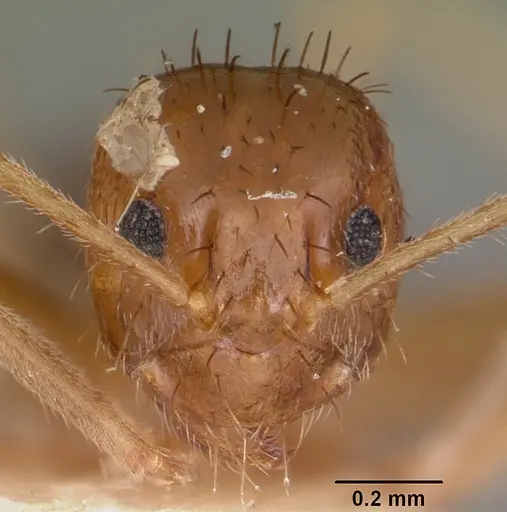
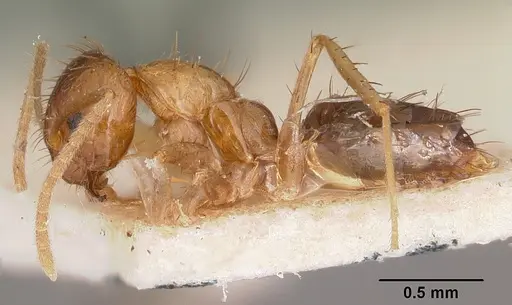
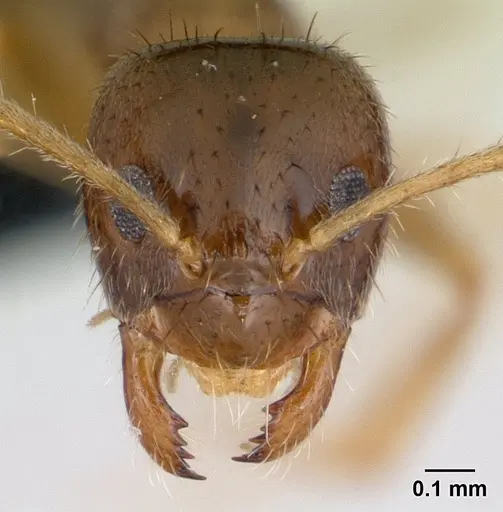
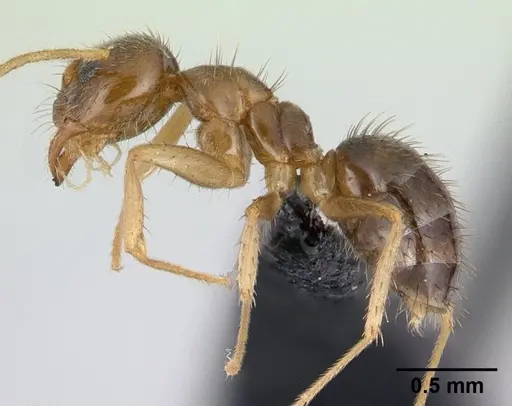
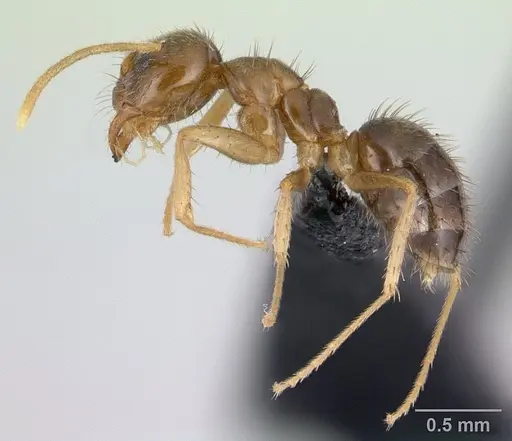
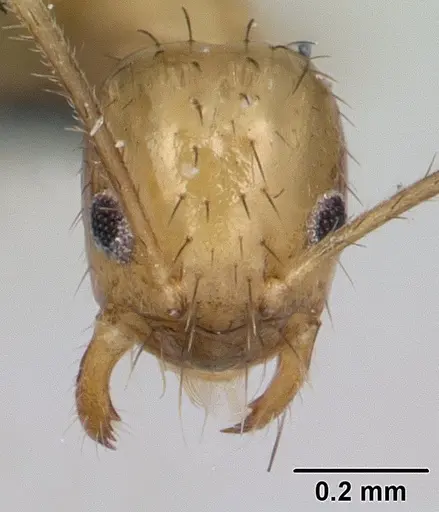
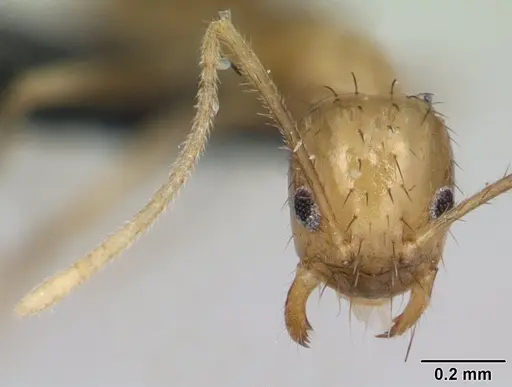
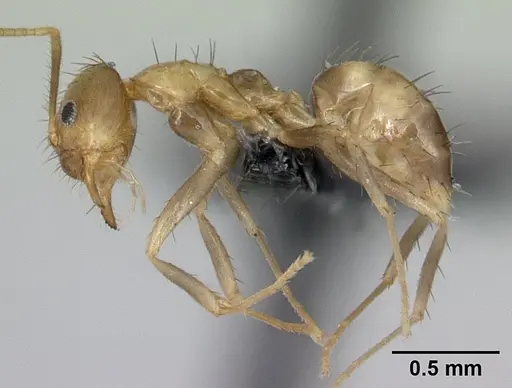
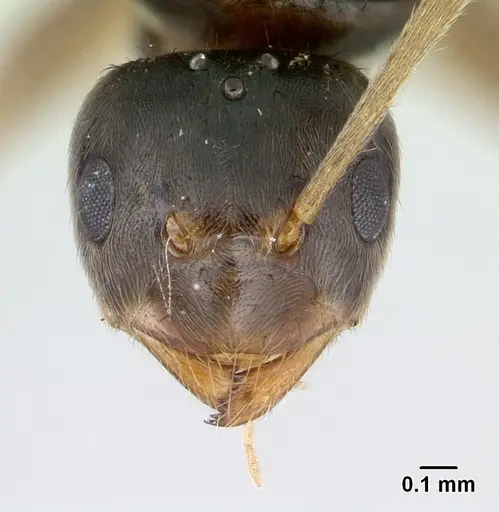
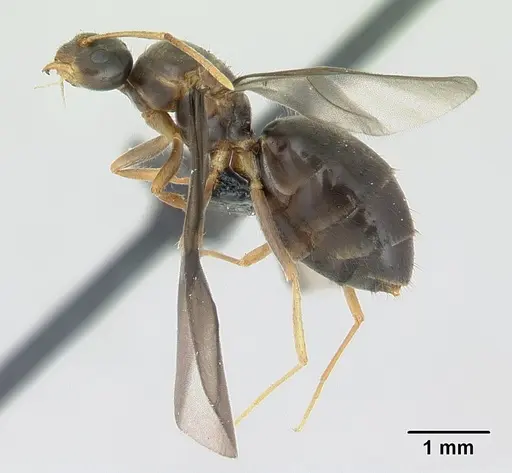
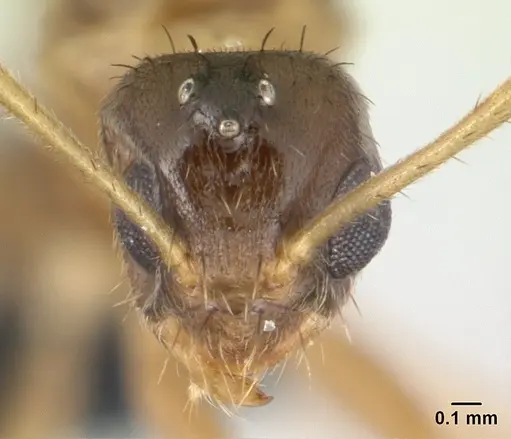
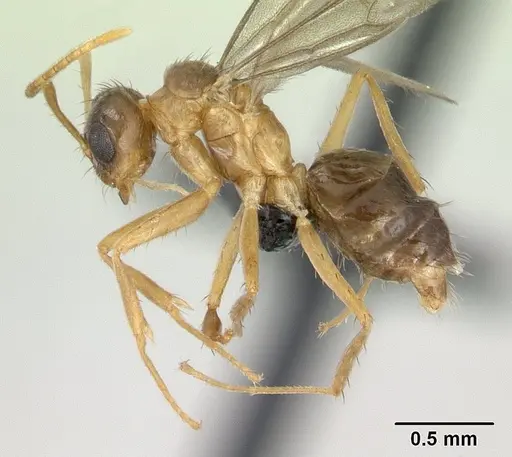
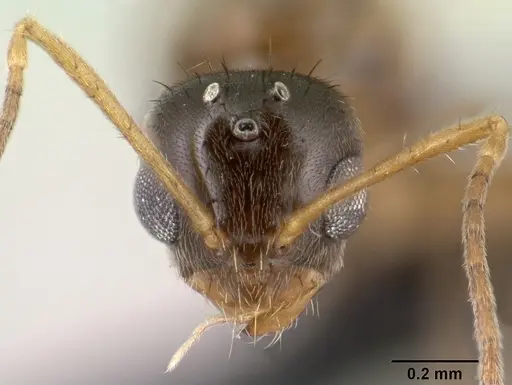
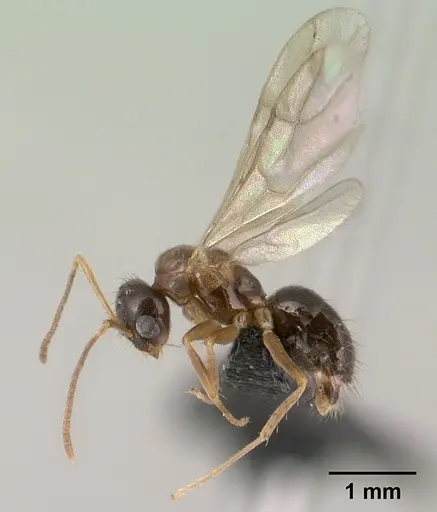
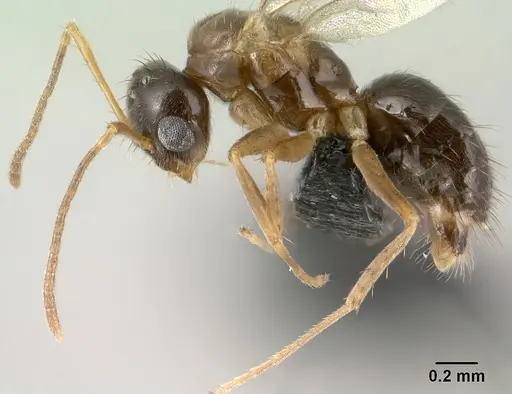
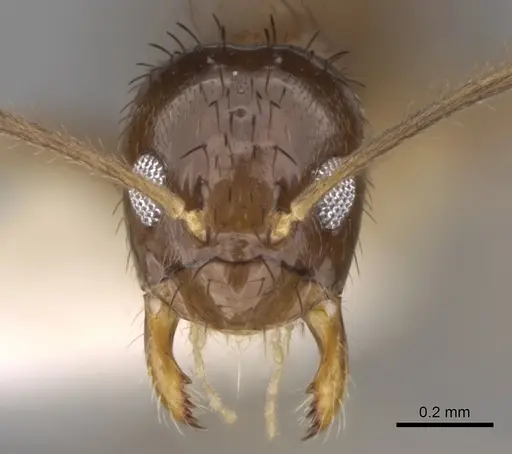
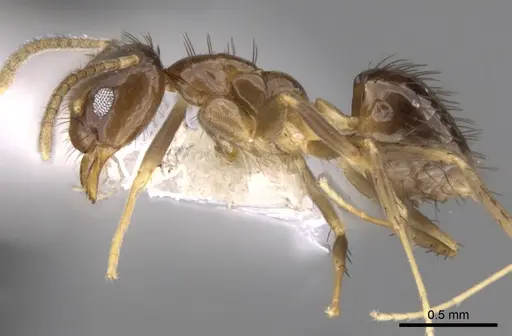
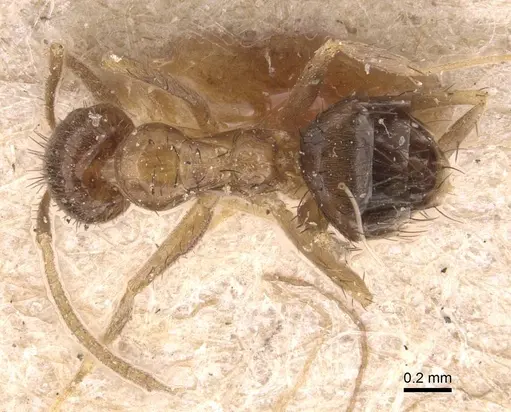
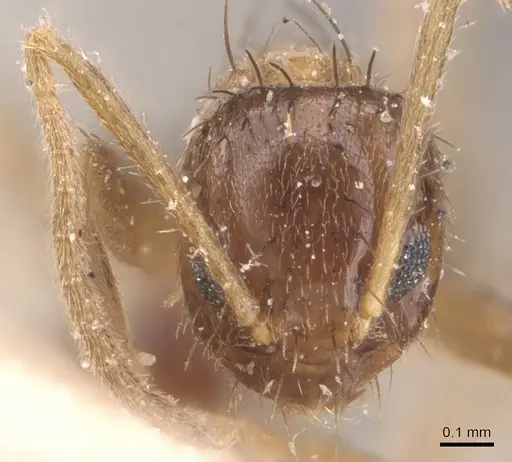
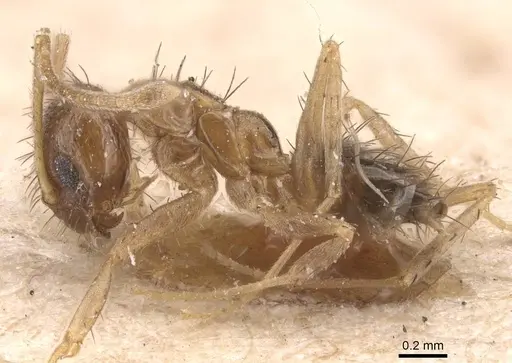
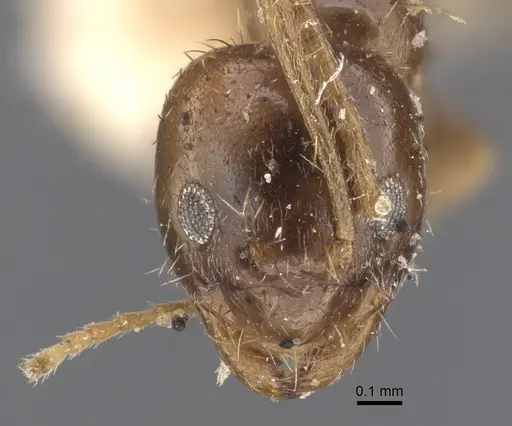
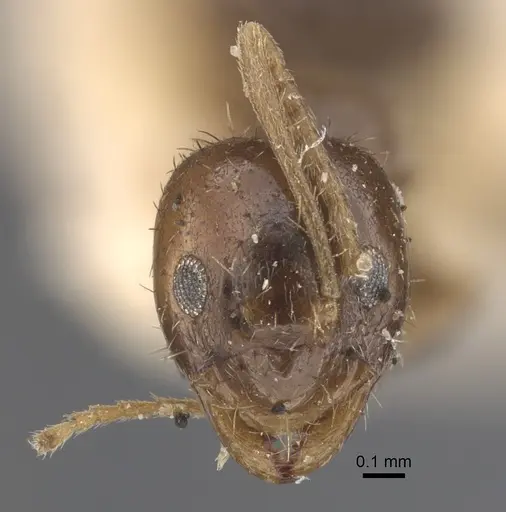
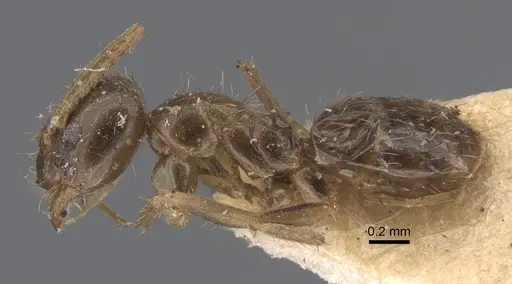
Nylanderia madagascarensis is a small ant species native to Madagascar and the surrounding Indian Ocean islands including the Comoros, Mayotte, and Seychelles . Workers are small in size, with pale yellow to light brown coloration . The species was originally described as a variety of Prenolepis vividula in 1886 before being raised to full species status . This species shows adaptability to different habitats, having been found in both burned and unburned grassland areas as well as dry deciduous forest in western Madagascar . This suggests they can tolerate some disturbance, which may make them somewhat forgiving in captivity. Based on their tropical distribution, they likely require warm and stable conditions year-round .
Quick Summary
- Difficulty: Easy
- Origin & Habitat: Native to Madagascar, Comoros, Mayotte, and Seychelles in the Afrotropical and Malagasy regions. Found in grassland and dry deciduous forest habitats [2][1].
- Colony Type: Colony structure is unconfirmed. Based on typical Nylanderia patterns, likely monogyne (single queen) colonies, though some related species can be polygyne.
- Size & Growth:
- Queen: Size data unavailable
- Worker: Size data unavailable
- Colony: Up to several hundred workers
- Growth: Moderate
- Development: Unknown (No specific data available for this species.)
- Antkeeping:
- Temperature: Keep warm, roughly 24-28°C, based on tropical distribution [1].
- Humidity: Provide a humidity gradient, keep the nest substrate mostly dry with one small moist area, as they are found in dry habitats [2].
- Diapause: No, being a tropical species, they do not require hibernation [1].
- Nesting: Will adapt to various nest types such as test tubes or Y-tong nests, scaled to their small size [1].
- Behavior: These ants are active and fast-moving, characteristic of the 'crazy ant' behavior of the genus. They are not aggressive. Their tiny size means escape prevention is critical, use fine mesh and tight barriers.
- Common Issues: escape prevention is critical due to their very small size, they easily slip through standard barrier gaps., tropical species requires year-round warmth, room temperature may be insufficient in winter., small colony size means they can be easily overwhelmed by larger colony pests., fast movement makes them difficult to contain during feeding and cleaning.
Housing and Nest Setup
Nylanderia madagascarensis is a small species that adapts well to various captive setups [1]. Test tubes work excellently for founding colonies, use a small water reservoir with a cotton plug to maintain humidity. For established colonies, Y-tong nests or acrylic formicariums with appropriately scaled chambers work well. The key is providing chambers and passages sized for their tiny workers, passages 3-5mm wide are ideal. Avoid large, open spaces where they may feel exposed. A small outworld for foraging allows you to observe their characteristic erratic foraging behavior. Escape prevention must be excellent, these tiny ants can slip through gaps that seem impossibly small. Apply Fluon or similar barriers to all edges and use fine mesh (at least 0.5mm) on any ventilation.
Feeding and Diet
Like most Nylanderia species, these ants are omnivorous and will accept a variety of foods [1]. Offer sugar water or honey as a constant energy source, they readily consume sweet liquids. For protein, provide small insects such as fruit flies, pinhead crickets, or small mealworms. Being tiny, their prey items should be appropriately sized, much larger prey items may overwhelm them. They likely also collect honeydew in the wild, so occasional sweet treats are appreciated. Feed small amounts 2-3 times per week, removing uneaten protein after 24 hours to prevent mold. Adjust feeding frequency based on colony size and activity levels.
Temperature and Seasonal Care
As a tropical species from Madagascar and surrounding islands, Nylanderia madagascarensis requires warm conditions year-round [1]. Maintain temperatures between 24-28°C for optimal activity and brood development. Room temperature alone is often insufficient, especially in winter months. Use a heating cable or small heat mat placed on one side of the nest to create a gentle temperature gradient, allowing ants to self-regulate by moving between warmer and cooler areas. Avoid temperature extremes, sudden drops below 20°C can stress colonies. No hibernation or diapause is required or recommended. Stable, warm conditions year-round will support continuous brood production and colony growth.
Colony Development and Growth
Colony growth is likely moderate, with founding queens raising their first workers (nanitics) independently. Based on typical tropical Formicinae development, expect the first workers to emerge within 5-8 weeks after the queen lays eggs, provided temperatures are maintained at 25-28°C. Initial colony growth may seem slow as the queen focuses her energy on producing a small first brood. Once nanitics emerge, growth typically accelerates as more foragers become available to bring food back to the colony. A mature colony may reach several hundred workers over time. Patience is key during the founding phase, avoid disturbing the nest or overfeeding during this critical period.
Frequently Asked Questions
How long does it take for Nylanderia madagascarensis to produce first workers?
No specific data is available for this species. Based on typical tropical Formicinae patterns, it may take 5-8 weeks at optimal temperatures, but this is estimated [1].
Do Nylanderia madagascarensis ants need hibernation?
No. Being a tropical species from Madagascar and the Indian Ocean islands, they do not require hibernation [1].
What do Nylanderia madagascarensis eat?
They are omnivorous, as typical for Nylanderia species [1]. Offer sugar water or honey for energy, and small protein items like fruit flies or pinhead crickets 2-3 times per week.
Are Nylanderia madagascarensis good for beginners?
Yes, they are considered a good beginner species due to their adaptability. The main challenge is escape prevention due to their tiny size [1].
How big do Nylanderia madagascarensis colonies get?
Exact maximum is unknown, but based on typical Nylanderia colony sizes, they may reach up to several hundred workers.
What temperature is ideal for Nylanderia madagascarensis?
Keep them at 24-28°C, based on their tropical distribution [1].
Can I keep multiple Nylanderia madagascarensis queens together?
The colony structure is unconfirmed for this species. Based on typical Nylanderia patterns, they likely form single-queen colonies, so combining unrelated queens is not recommended without evidence.
When should I move Nylanderia madagascarensis to a formicarium?
Wait until the colony has at least 20-30 workers and is actively foraging. Test tubes work well for founding colonies, you can transition once the colony outgrows the tube.
Why are my Nylanderia madagascarensis escaping?
Their tiny size allows them to squeeze through small gaps. Ensure all barriers are applied, use fine mesh of 0.5mm or smaller, and check lid seals carefully [1].
Report an Issue
The current care sheet is based fully on literature. See inconsistencies, or something that's incorrect? Please , it will be resolved after review from an admin. Contributing to the blogs tab also helps providing information, to make us be able to further improve the caresheets. Thank you for your support!
References

This caresheet is licensed under CC BY-SA 4.0 .
Community Blogs
CASENT0101318
View on AntWeb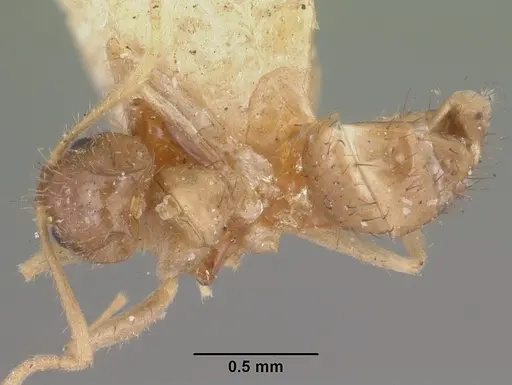
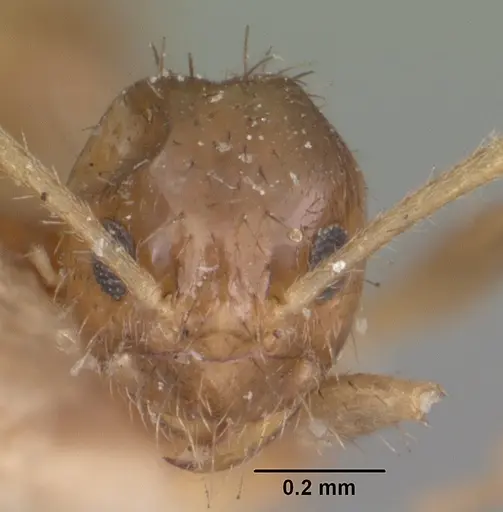
CASENT0101319
View on AntWeb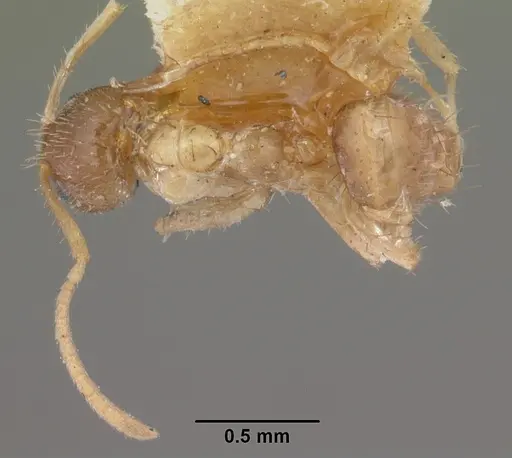
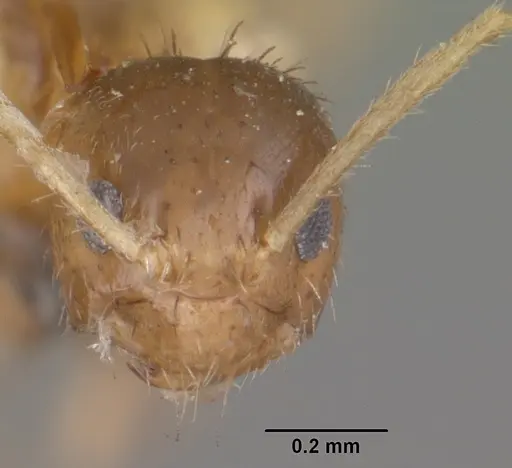
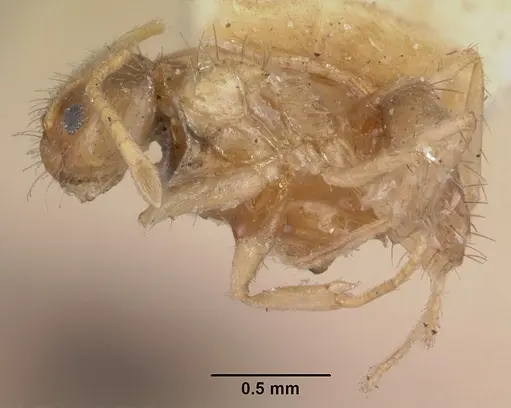
CASENT0101320
View on AntWeb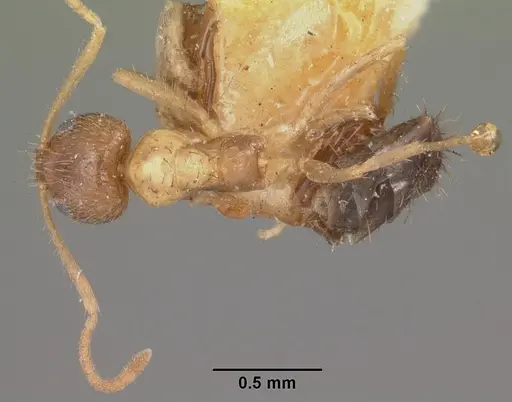
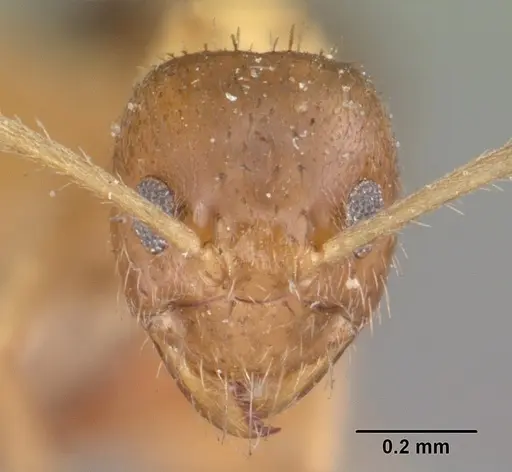
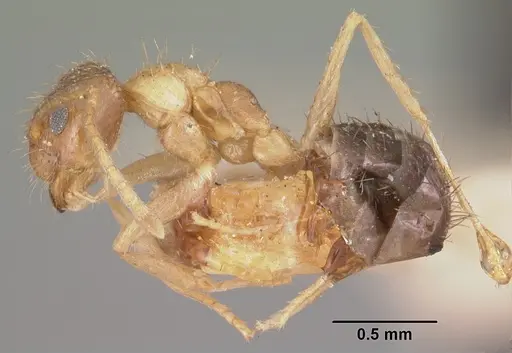
CASENT0101414
View on AntWeb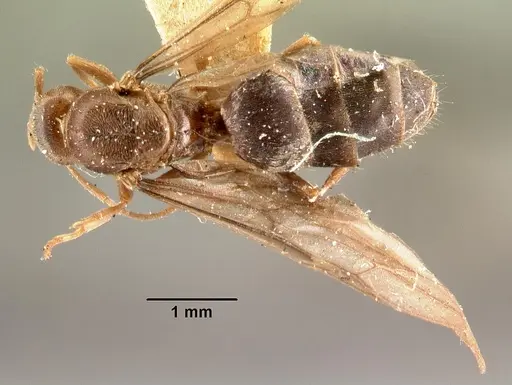
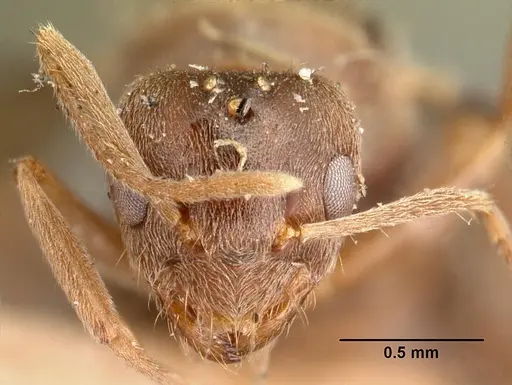
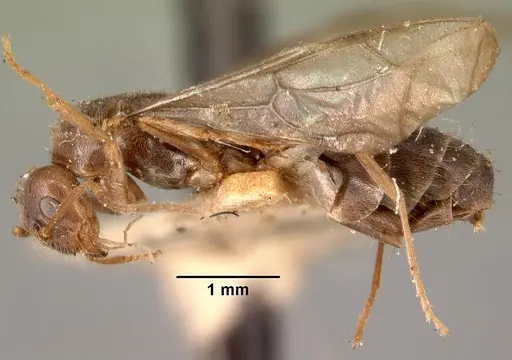
CASENT0101415
View on AntWeb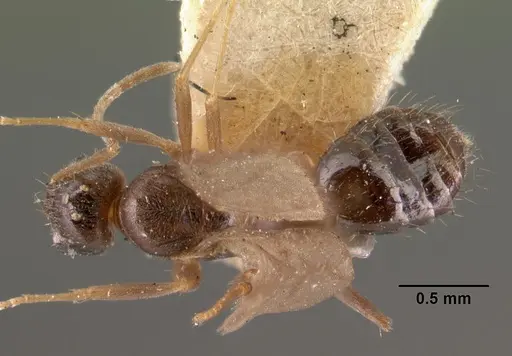
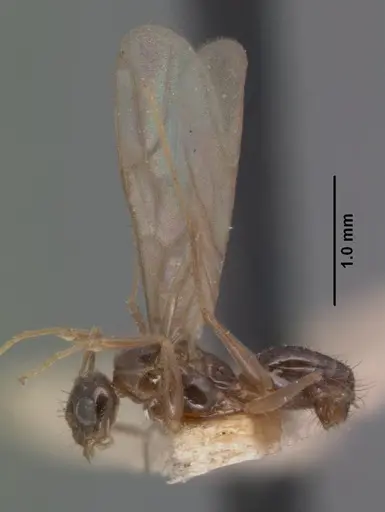
CASENT0101416
View on AntWeb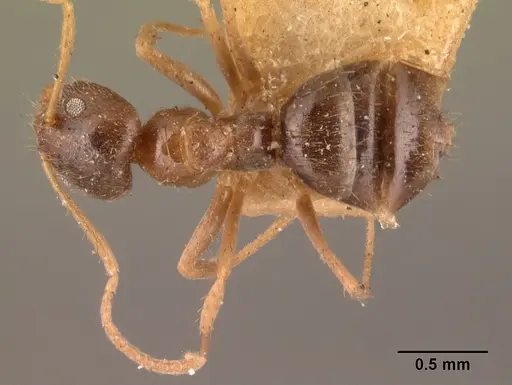
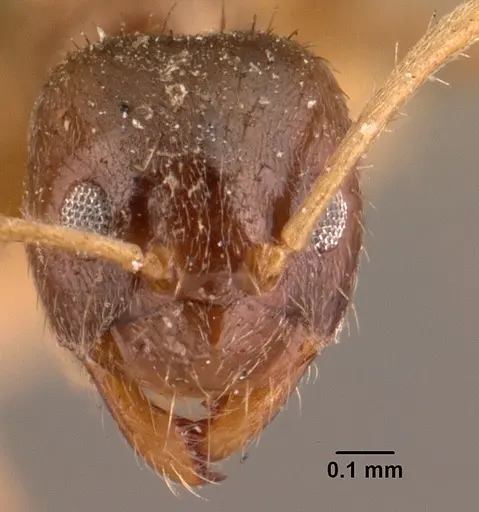
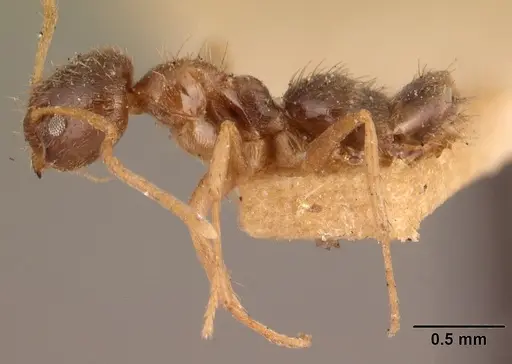
CASENT0101717
View on AntWeb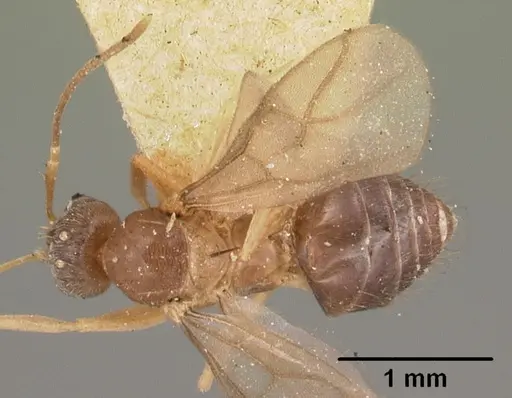
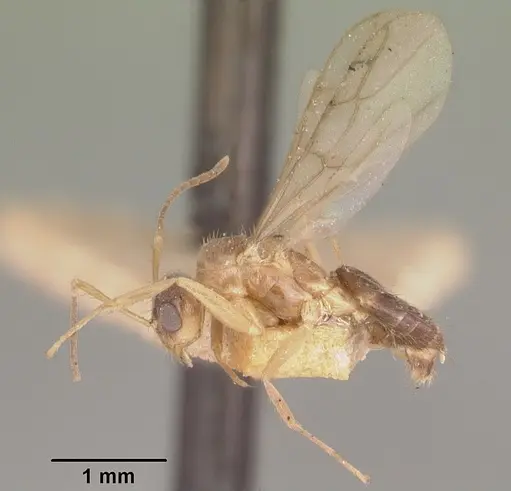
CASENT0101776
View on AntWeb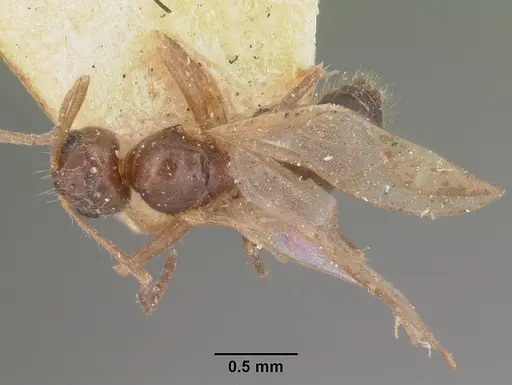
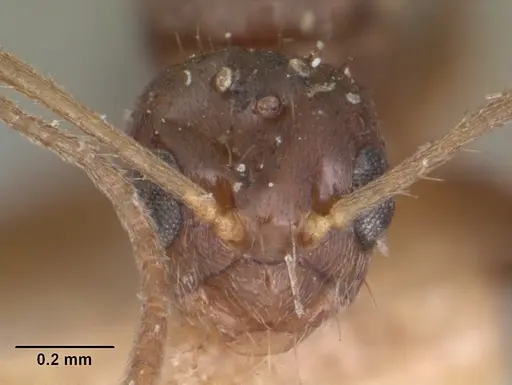
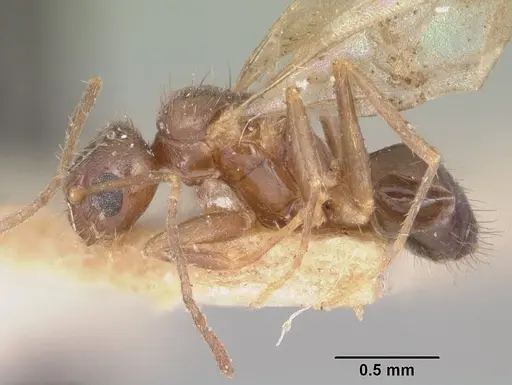
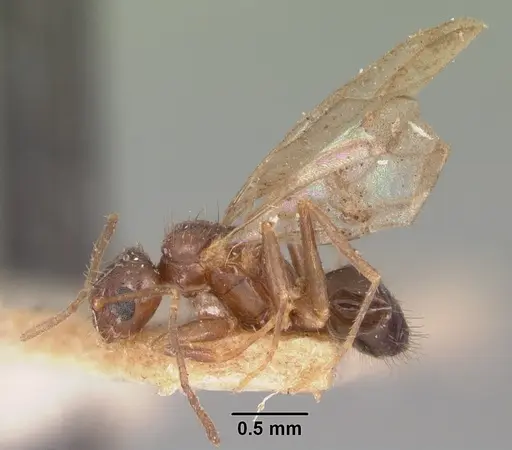
CASENT0101781
View on AntWeb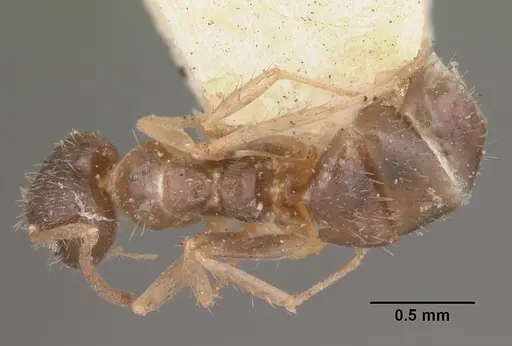
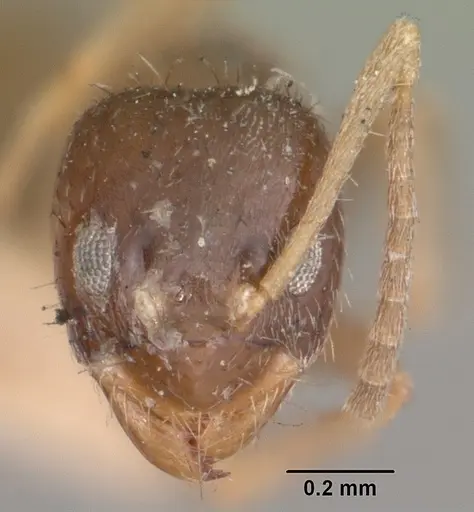
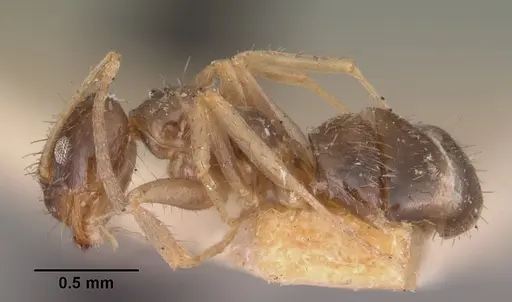
CASENT0101833
View on AntWeb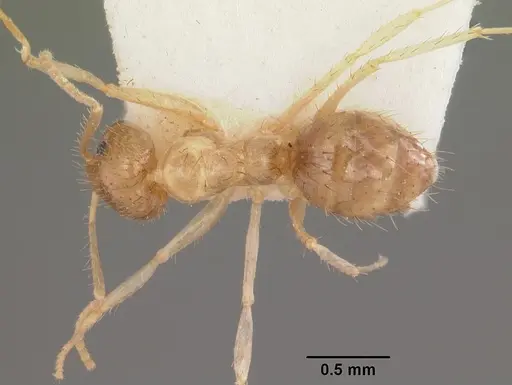
CASENT0101835
View on AntWeb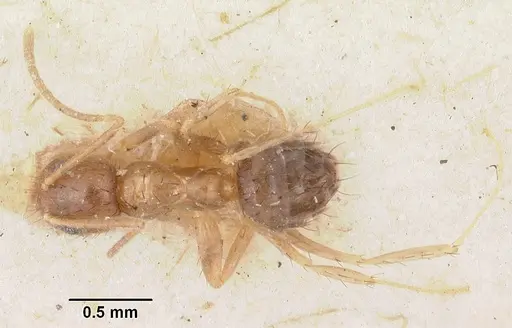
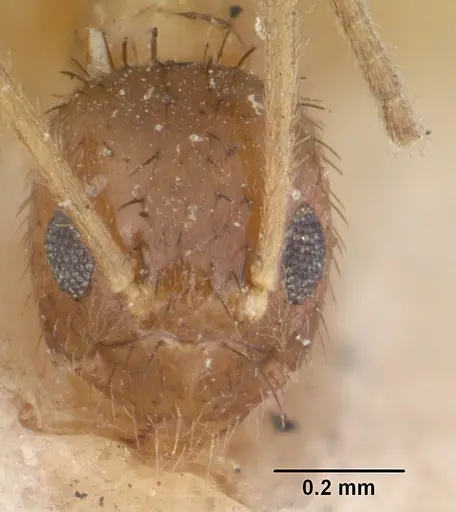
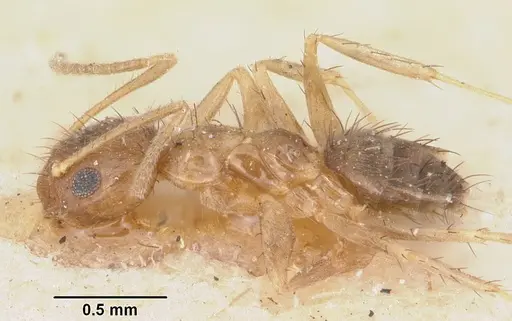
CASENT0101887
View on AntWeb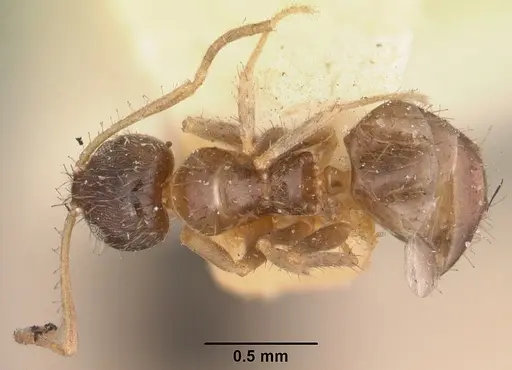
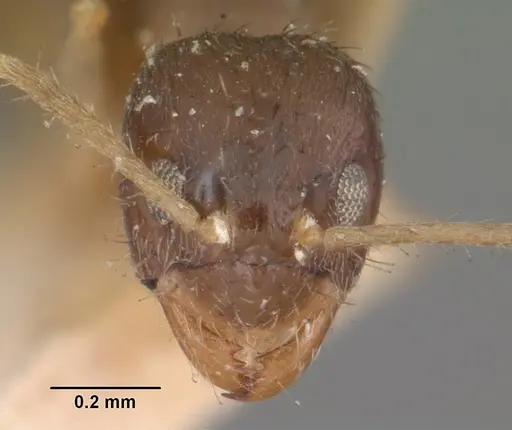
CASENT0101930
View on AntWeb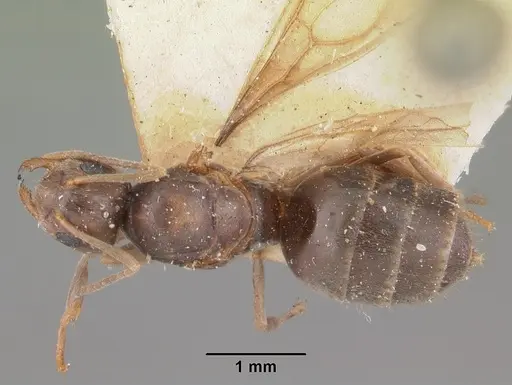
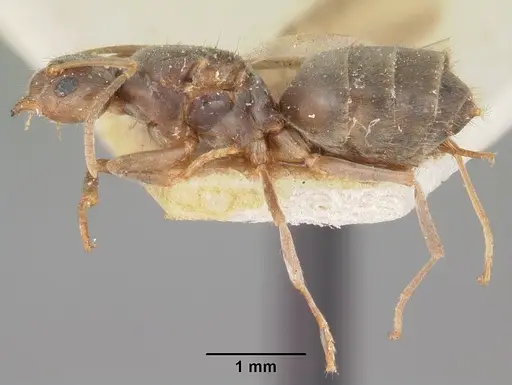
CASENT0101982
View on AntWeb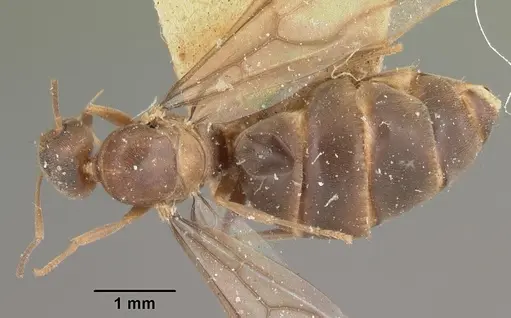
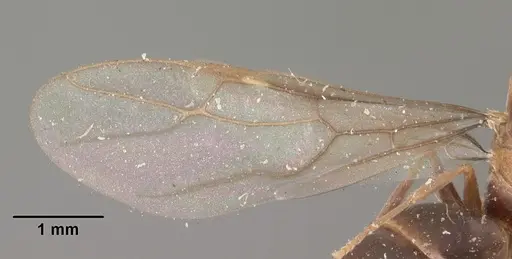
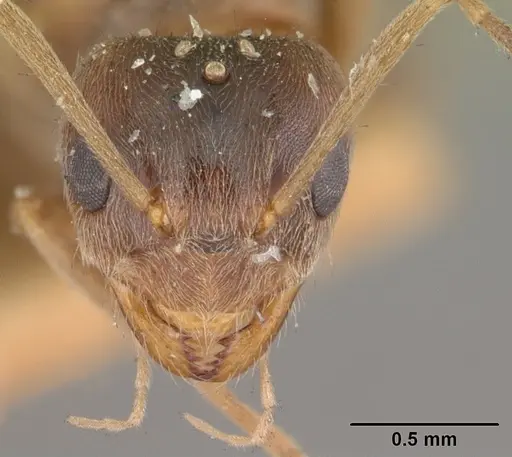
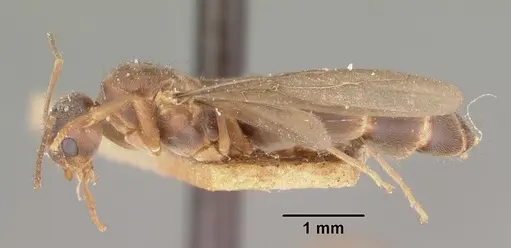
CASENT0102977
View on AntWeb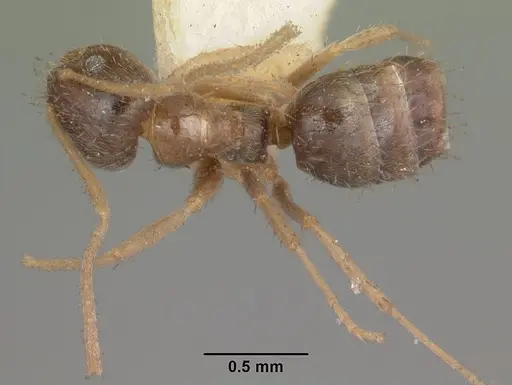
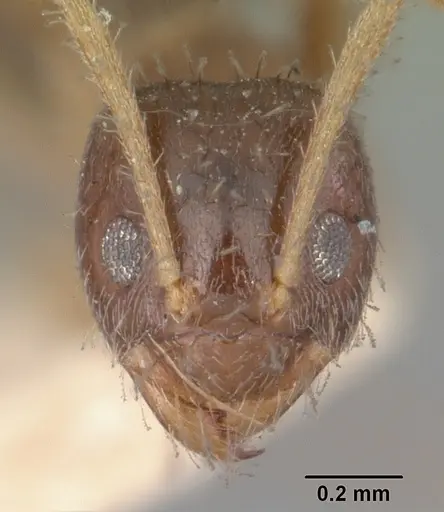
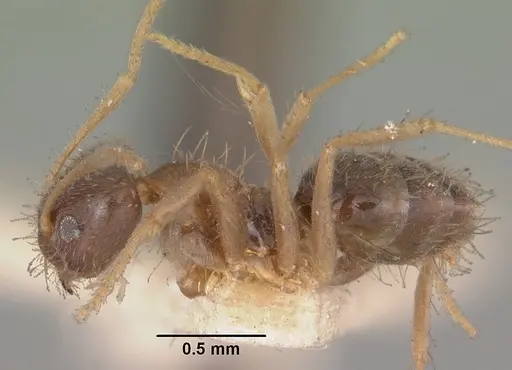
CASENT0104643
View on AntWeb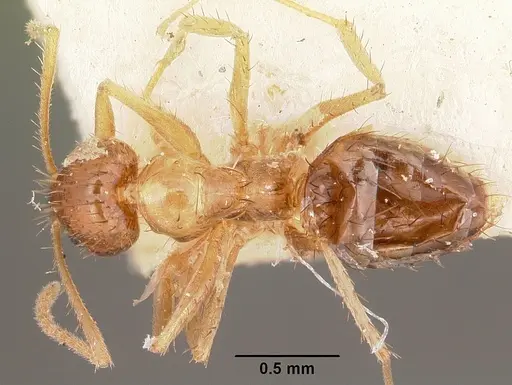
CASENT0132880
View on AntWeb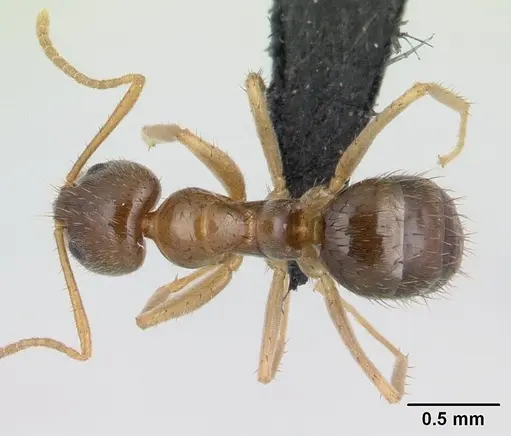
CASENT0132934
View on AntWeb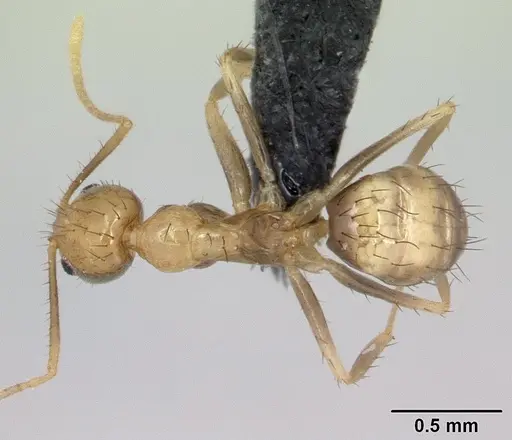
CASENT0135236
View on AntWeb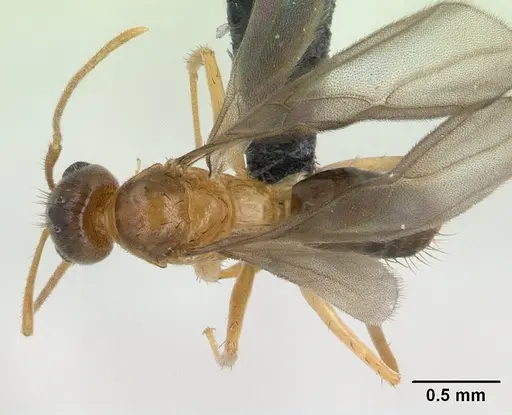
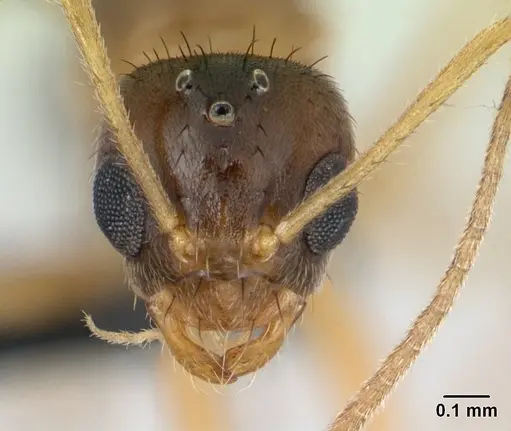
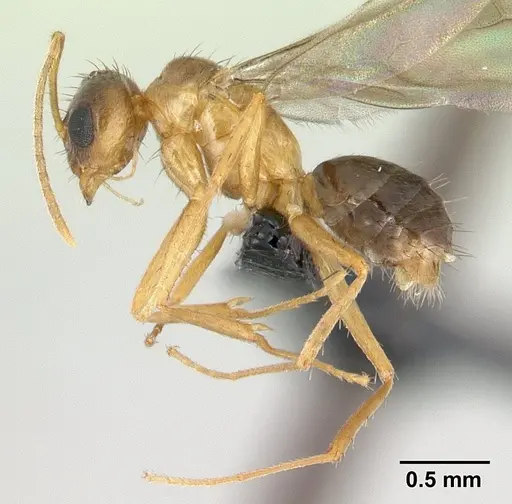
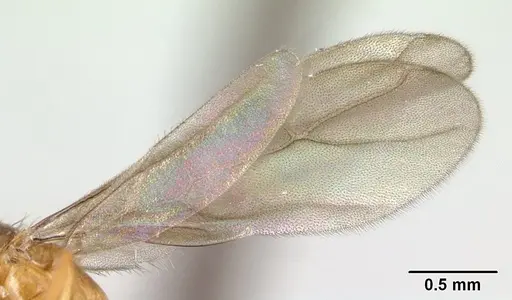
CASENT0135590
View on AntWeb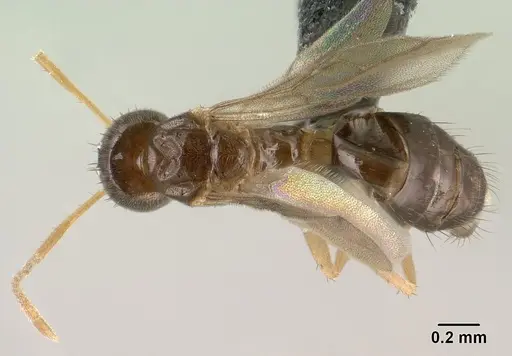
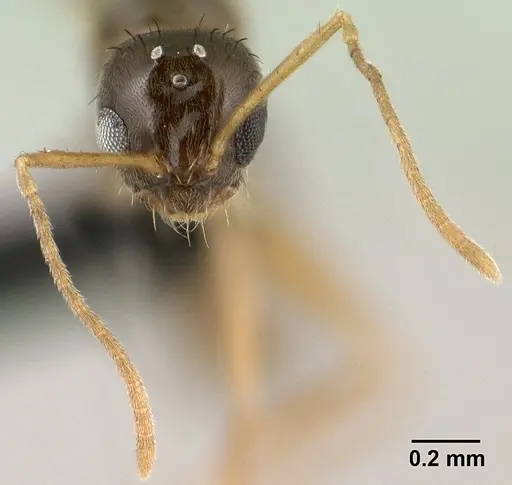
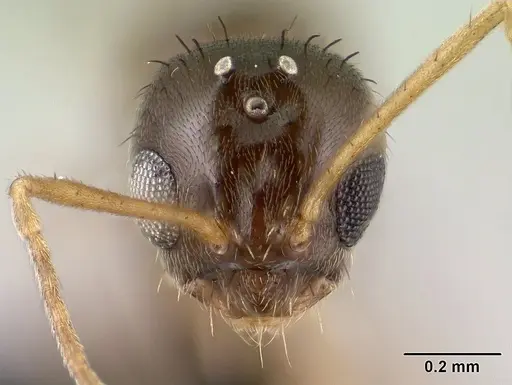
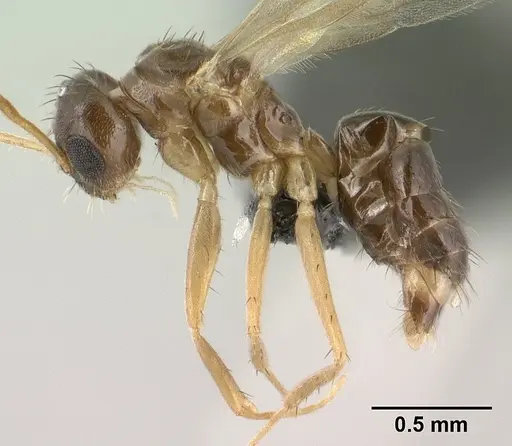
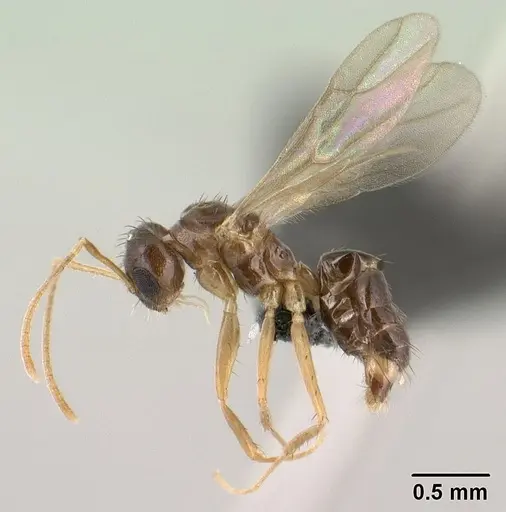
CASENT0136984
View on AntWeb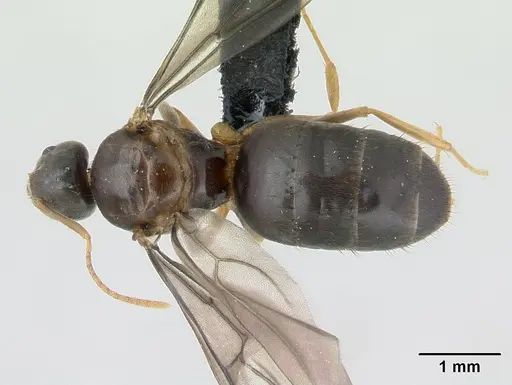
CASENT0137538
View on AntWeb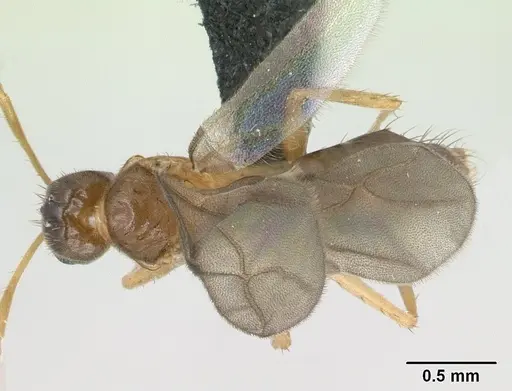
CASENT0148188
View on AntWeb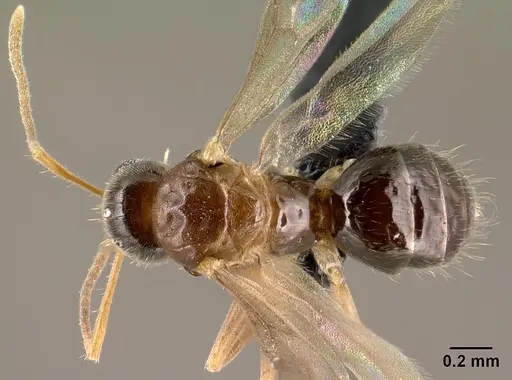
CASENT0281127
View on AntWeb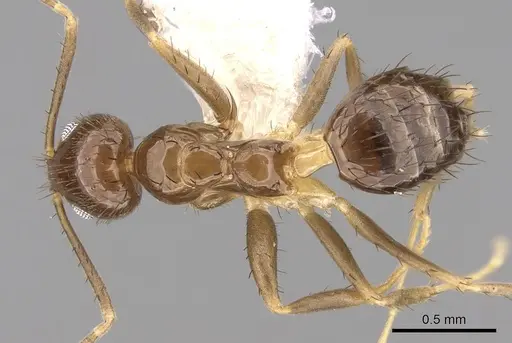
CASENT0905662
View on AntWeb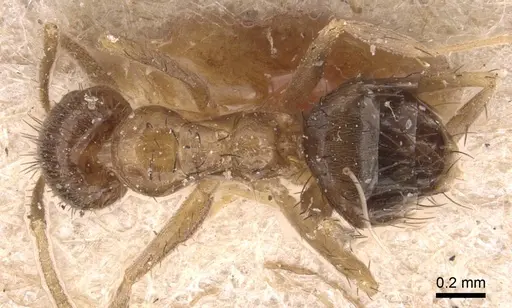
CASENT0917871
View on AntWeb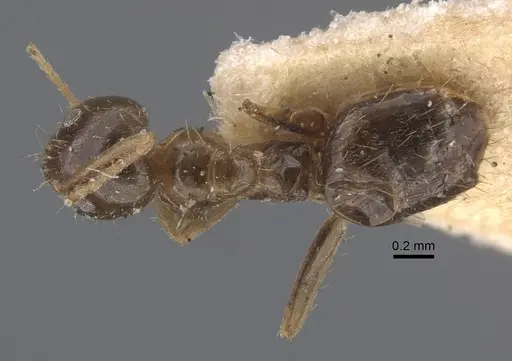
Literature
Loading distribution map...Loading products...