
Nylanderia johannae
- Sci. Name
- Nylanderia johannae
- Tribe
- Lasiini
- Subfamily
- Formicinae
- Author
- Forel, 1912
- Distribution
- Found in 1 countries
Introduction
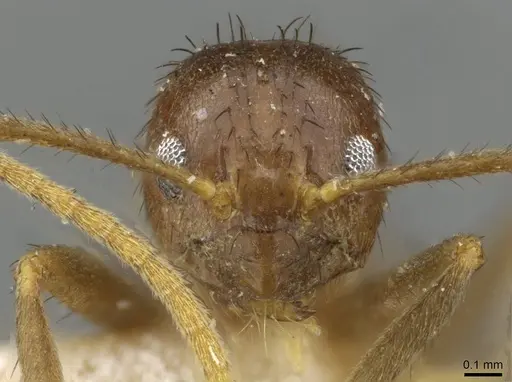
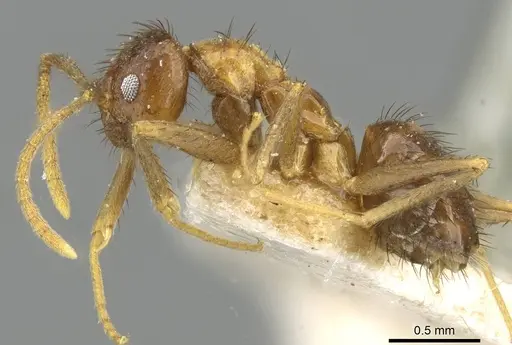
Nylanderia johannae is a small ant species native to the arid La Guajira region in northern Colombia . Size data is unavailable for this species, but Nylanderia ants are generally small, with workers often under 5mm . They have a slender build and pale to reddish-brown coloration, characteristic of the genus. This species is known only from its type locality in San Antonio, La Guajira, making it one of the less documented Neotropical ants .
Quick Summary
- Difficulty: Medium
- Origin & Habitat: Native to the La Guajira desert region in northern Colombia, one of the driest areas in the country. They inhabit arid tropical forest edges and scrubland where temperatures are consistently warm year-round [1][2].
- Colony Type: Colony structure is unconfirmed for this species. No specific data on queen number or social structure is available in the research context.
- Size & Growth:
- Queen: size unknown, inferred from Nylanderia genus (~4-5mm) [3]
- Worker: size unknown, inferred from Nylanderia genus (~2-3mm) [3]
- Colony: unknown, estimated from genus patterns [3]
- Growth: moderate, inferred from genus patterns [3]
- Development: estimated 6-8 weeks at optimal temperature based on genus patterns [3] (development time is estimated from genus patterns since no direct measurements exist for this species)
- Antkeeping:
- Temperature: keep at 24-28°C, inferred from the warm arid habitat [1]
- Humidity: keep the nest substrate relatively dry with occasional misting, inferred from arid region preferences [1]
- Diapause: unlikely, as a tropical species from arid Colombia, they probably do not require hibernation [3]
- Nesting: inferred from genus patterns to prefer dry soil or under stones, for captivity, use Y-tong or plaster nests with dry conditions [3]
- Behavior: based on genus-typical behavior, these ants are likely active foragers that are not aggressive and will flee when threatened [3]. their small size means escape prevention is critical.
- Common Issues: escape prevention is critical due to their tiny size, use fine mesh and tight-fitting lids, limited distribution data means we do not fully understand their exact environmental needs, overwatering is a serious risk, this arid-region species prefers dry conditions, slow colony growth can frustrate beginners who expect rapid development
Housing and Nest Setup
nylanderia johannae is a small ant that requires appropriately scaled housing. a test tube setup works well for founding colonies, use a small test tube with a cotton ball at one end and a water reservoir that does not flood the chamber. for established colonies, a y-tong (aac) nest or plaster formicarium with narrow chambers suits their tiny size [3]. because they come from arid la guajira, keep the nesting area relatively dry [1]. place the nest in a warm area of your ant setup, around 24-28°c [1]. escape prevention is critical, these tiny ants can squeeze through gaps that larger species cannot. use fine mesh on all openings and check regularly for escapes.
Feeding and Diet
like most nylanderia species, this ant is likely omnivorous [3]. offer sugar water or honey as a constant energy source, they will readily accept sweet liquids. for protein, provide small insects like fruit flies, pinhead crickets, or mealworm pieces. feed small amounts every 2-3 days and remove uneaten food to prevent mold. since this species is from an arid region, they may not need as much moisture as tropical rainforest ants, but always provide access to fresh water.
Temperature and Seasonal Care
this species comes from the warm, arid la guajira region of colombia where temperatures stay high year-round [1]. keep your colony at 24-28°c for optimal development and activity [1]. a heating cable placed on part of the nest can provide the warmth they need. unlike temperate species, they do not require hibernation or a true diapause period [3]. however, they may become less active during cooler periods, which is normal seasonal behavior. avoid temperatures below 20°c for extended periods, as this species is adapted to consistently warm conditions.
Colony Development and Growth
colony growth for nylanderia johannae is expected to be moderate [3]. the first workers (nanitics) should appear within 6-8 weeks after the queen lays eggs, based on typical formicinae development patterns [3]. these first workers will be smaller than mature workers and may take several months to reach full size. colonies likely reach several hundred workers over the first year or two [3]. growth rate depends heavily on temperature and feeding, warmer conditions and consistent protein access speed development. be patient with this species, as rapid growth should not be expected.
Behavior and Observation
nylanderia johannae workers are likely active foragers that establish well-defined trails [3]. they probably nest in soil or under stones in the wild and may create small crater mounds around their nest entrances. workers are not aggressive and will typically flee from threats rather than engage in combat [3]. their small size makes them difficult to observe in detail, but they are active and entertaining to watch as they forage. expect them to form stable colonies that persist for several years with proper care.
Frequently Asked Questions
How long does it take for Nylanderia johannae to produce first workers?
based on typical formicinae development, expect first workers (nanitics) within 6-8 weeks after the queen begins laying eggs [3]. this timeline assumes optimal temperatures around 24-28°c. the exact timing is not documented for this specific species.
What temperature do Nylanderia johannae ants need?
keep them at 24-28°c. this species comes from the warm la guajira region of colombia and prefers consistently warm conditions [1]. a heating cable on part of the nest can help maintain these temperatures.
Do Nylanderia johannae ants need hibernation?
no, hibernation is not required. as a tropical species from arid colombia, they do not experience cold winters that would trigger diapause [3]. they may reduce activity during cooler periods but do not need a dedicated hibernation setup.
What do Nylanderia johannae ants eat?
they are omnivorous [3]. offer sugar water or honey as a constant energy source, and provide small insects like fruit flies or mealworm pieces for protein. they will likely accept most standard ant foods offered to tropical species.
How big do Nylanderia johannae colonies get?
colony size is not documented for this species, but related nylanderia species typically reach several hundred to a few thousand workers [3]. expect moderate growth over 1-2 years to reach a substantial colony.
Are Nylanderia johannae ants good for beginners?
they are rated medium difficulty. their small size and specific humidity requirements (dry conditions) may present challenges for complete beginners. however, their moderate temperature needs and omnivorous diet make them manageable once you understand basic antkeeping.
How do I prevent Nylanderia johannae from escaping?
excellent escape prevention is essential. use fine mesh (at least 0.5mm or smaller) on all openings, as these tiny ants can squeeze through remarkably small gaps. check lids and connections regularly, and use fluon or similar barriers on the outer edges of your setup.
Can I keep multiple Nylanderia johannae queens together?
this is not recommended and has not been documented for this species. while some nylanderia can be polygyne, combining unrelated foundress queens typically leads to fighting. it is best to start with a single queen colony.
When should I move Nylanderia johannae to a formicarium?
wait until the colony has at least 20-30 workers before moving from a test tube setup to a formicarium. this species is small, so a y-tong nest with appropriately sized chambers works well. ensure the formicarium provides dry conditions matching their arid habitat preferences.
Report an Issue
The current care sheet is based fully on literature. See inconsistencies, or something that's incorrect? Please , it will be resolved after review from an admin. Contributing to the blogs tab also helps providing information, to make us be able to further improve the caresheets. Thank you for your support!
References

This caresheet is licensed under CC BY-SA 4.0 .
Community Blogs
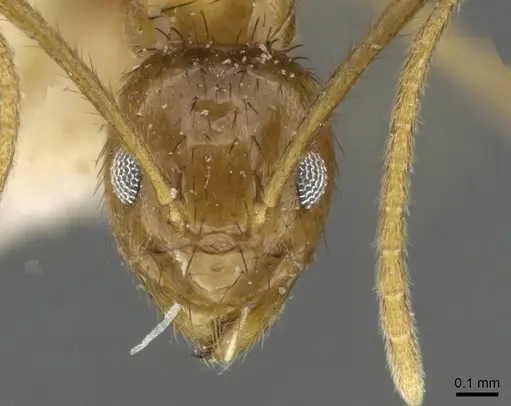
CASENT0911033
View on AntWeb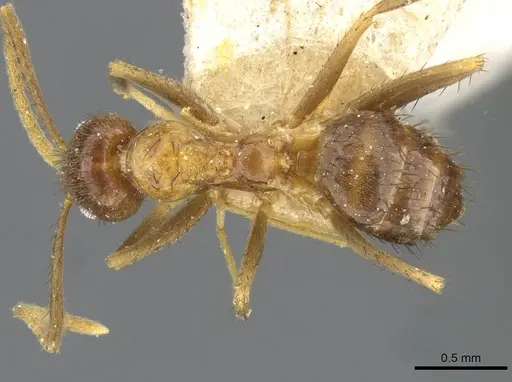
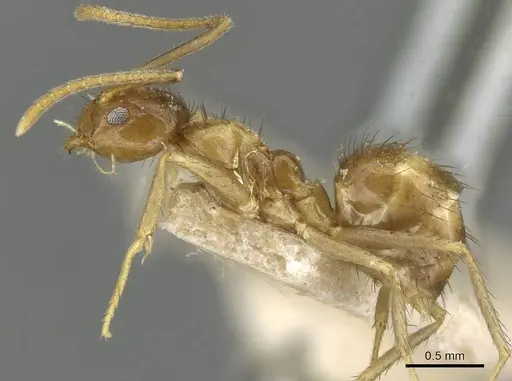
CASENT0911034
View on AntWeb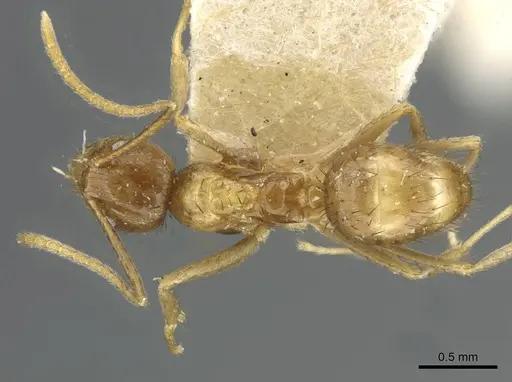
Literature
Loading distribution map...Loading products...